Florida Silver Palm (Coccothrinax argentata)
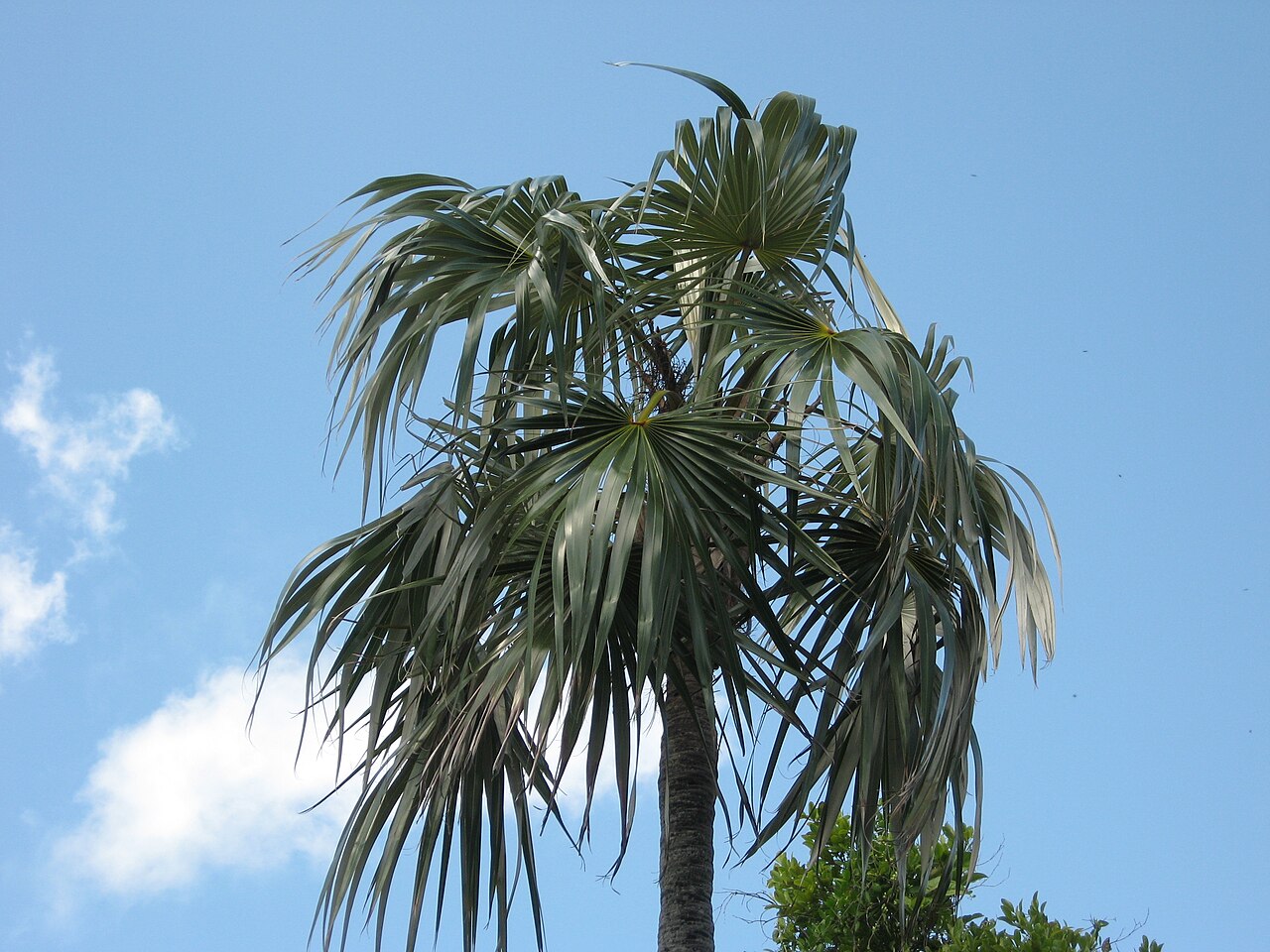
Coccothrinax argentata, commonly called the Florida Silver Palm, is a small, slow-growing fan palm found in the continental United States only in the Florida Keys and a sliver of the adjacent southeastern mainland. Its name comes from the striking silvery-white underside of its leaves, which shimmers and flashes in the slightest breeze, a feature so distinctive that it makes this petite palm recognizable from a considerable distance.
Florida Silver Palm is genuinely small for a palm tree, usually reaching only 15 to 20 feet tall and often considerably shorter, with a slender, unbranched trunk and a modest, airy crown of narrow fan fronds. It grows notably slower than its Keys relative, the Florida Thatch Palm, and its diminutive scale and refined texture have made it a favorite accent plant for small South Florida gardens.
The species is listed as threatened by the state of Florida, a reflection of its narrow natural range and the pressures of coastal development on the pine rockland and hammock habitats it depends on. For gardeners in the Keys and coastal South Florida, growing nursery-propagated Florida Silver Palm is both an attractive, low-maintenance landscape choice and a small, meaningful act of support for a genuinely native, regionally uncommon species.
Identification
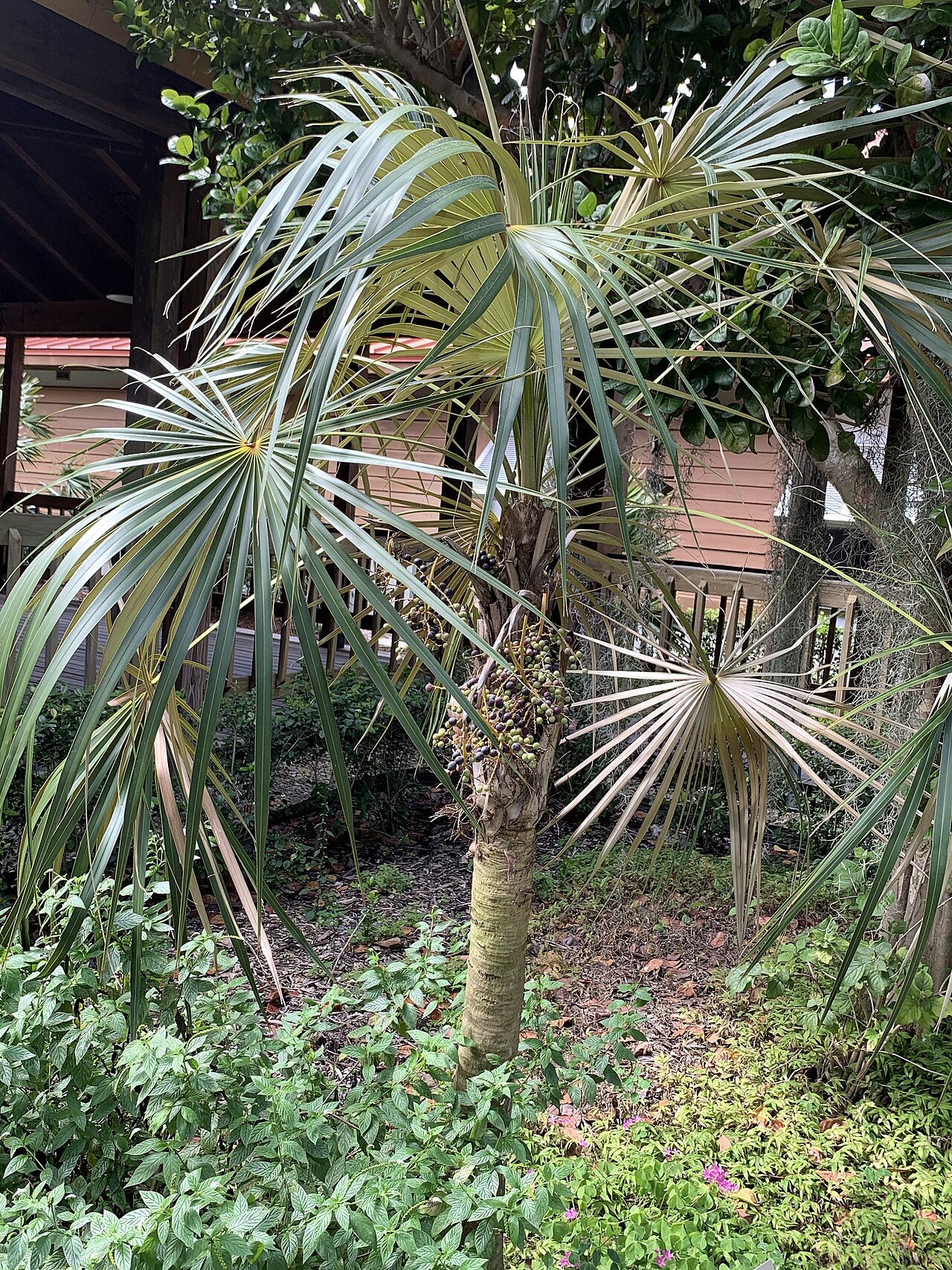
Florida Silver Palm is a petite, single-trunked fan palm, typically 15 to 20 feet tall at maturity but often much shorter, especially in exposed, rocky sites where growth is slowest. The trunk is slender, rarely more than 4 to 5 inches in diameter, giving the whole plant a delicate, almost wiry appearance compared to bulkier palms.
Trunk
The trunk is smooth, gray and unarmed, often ringed with old leaf scars, and on older plants it may be partly covered with a web of persistent fibers near the crown. Growth is notably slow, and very old plants in the wild may represent decades, even a century or more, of accumulated growth.
Leaves
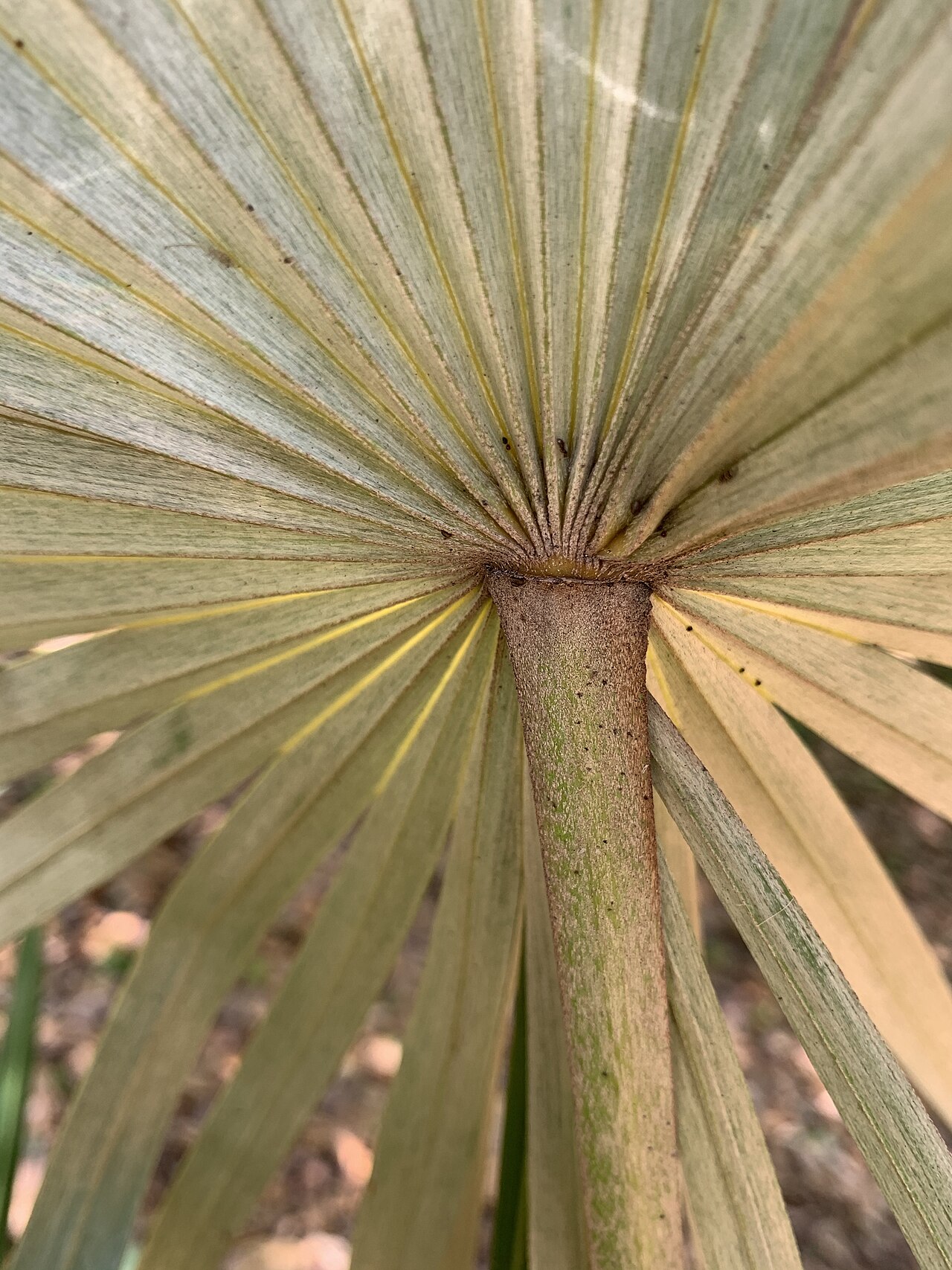
Leaves are fan-shaped (palmate), relatively small for a palm at roughly 2 feet across, and divided into narrow, stiff segments. The upper surface is green to blue-green, but the defining feature is the underside: a dense covering of silvery-white scales that gives the leaf a bright, almost metallic shine whenever the wind turns it over, the trait responsible for both the common and scientific names (argentata means “silvery”).
Flowers & Fruit
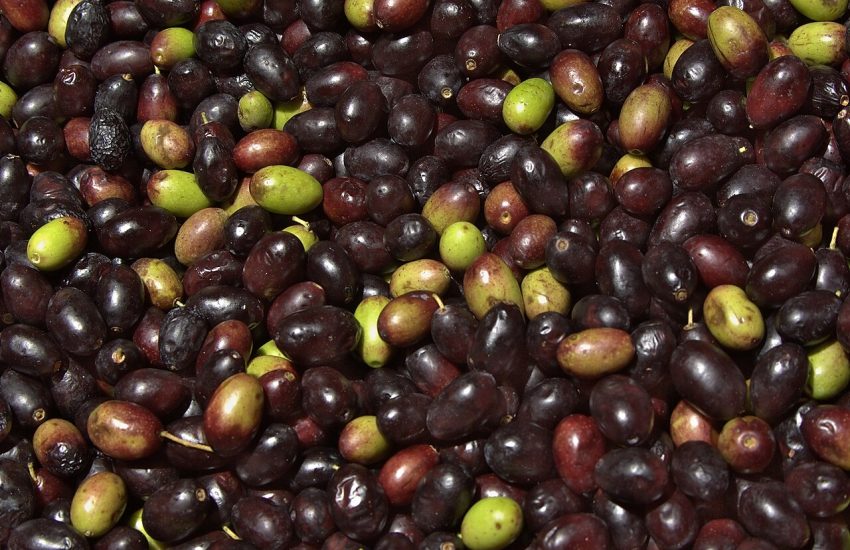
Small, fragrant white flowers form on slender, branched flower stalks that emerge from among the leaves, blooming mainly from late spring through fall. The flowers develop into small, round, purple-black to nearly black fruits about a third of an inch across, held in drooping clusters below the crown, where they attract a range of wildlife as they ripen.
Quick Facts
| Scientific Name | Coccothrinax argentata |
| Family | Arecaceae (Palm) |
| Plant Type | Evergreen, single-trunk fan palm |
| Mature Height | 15–20 ft, often shorter |
| Mature Spread | 6–8 ft crown spread |
| Growth Rate | Very slow |
| Sun Exposure | Full Sun to Part Shade |
| Water Needs | Low once established; good drought tolerance |
| Soil Type | Limestone-based, sandy, well-drained |
| Soil pH | Neutral to alkaline |
| Bloom Time | Late spring through fall |
| Flower Color | White, fragrant |
| Fall Color | None (evergreen) |
| Fruit | Small purple-black drupes in drooping clusters |
| Deer Resistant | Yes |
| USDA Hardiness Zones | 10b–11 (cold-sensitive) |
Native Range
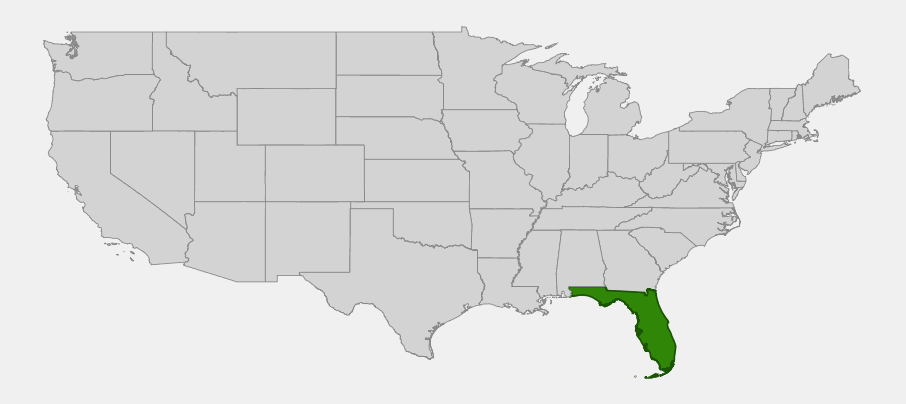
In the United States, Florida Silver Palm is native only to the Florida Keys and a narrow strip of the adjacent southeastern mainland, chiefly in Miami-Dade and Monroe counties. Its broader native range extends into the Bahamas and Cuba, where it is more widespread, but its toehold in the continental U.S. is as narrow as that of its close relative, the Florida Thatch Palm.
Typical habitat is pine rockland and coastal rockland hammock growing directly on thin, well-drained limestone soils, often in open, sun-exposed sites near the coast where it tolerates salt spray and drought with ease. These habitats are naturally patchy and have been further reduced by coastal development across South Florida and the Keys, concentrating the state’s remaining wild populations into a relatively small number of protected or semi-protected sites.
Florida Silver Palm is listed as threatened by the state of Florida. Unlike some state-listed plants, Florida law does not require a special permit to harvest this species, which makes responsible sourcing from reputable native plant nurseries, rather than wild collection, an especially important choice for gardeners who want to grow it without adding pressure to already limited wild populations.
📋 Regional plant lists featuring Florida Silver Palm: this site does not currently publish a dedicated South Florida regional list; see the Florida nursery directory below.
Growing & Care Guide
Florida Silver Palm is an easy, low-maintenance plant once sited correctly, but its very slow growth rate means gardeners should plan for patience rather than quick impact.
Light
Plant Florida Silver Palm in full sun to part shade. It performs best, and shows its silvery leaf undersides to best effect, in full sun, where the open, airy crown catches more light and wind; it also tolerates filtered shade beneath taller canopy trees.
Soil & Water
This palm is adapted to thin, well-drained, limestone-based soils and needs sharp drainage; it does not tolerate wet feet or poorly drained sites. Once established, it is genuinely drought tolerant, reflecting its native habitat on exposed rocky ground, and it also handles salt spray and coastal wind well. Water regularly during the first year or two after planting to support root establishment; after that, rainfall is usually sufficient in South Florida.
Planting Tips
Plant container-grown Florida Silver Palm in warm weather, and source only nursery-propagated stock given its threatened status in the wild. Because growth is so slow, choose the largest specimen your budget allows if you want a more immediate landscape presence, and be patient with younger plants, which may take years to show significant height gain. Its small mature size makes it an excellent choice for tight planting beds, foundation plantings and other spaces too small for larger palms.
Pruning & Maintenance
Pruning needs are minimal: remove fully dead fronds as they occur, leaving healthy green fronds in place since the plant’s very slow growth rate means every leaf matters for energy production. Florida Silver Palm has few pest or disease issues in appropriate growing conditions and needs little to no regular fertilization once established.
Propagation
Florida Silver Palm is propagated from seed. Collect ripe, dark fruit, clean away the pulp, and sow fresh seed in well-drained mix; germination can be slow, and subsequent seedling growth is notably slower than many other palms, consistent with the species’ overall unhurried pace of growth.
Landscape Uses
- Small-space accent palm for gardens too compact for larger species
- Coastal and Keys landscaping, thanks to excellent salt and drought tolerance
- Native plant and conservation gardens as a threatened South Florida endemic
- Mixed hammock-style plantings alongside Florida thatch palm and saw palmetto
- Rock gardens and xeriscaping on very well-drained limestone sites
Wildlife & Ecological Value
Despite its small stature, Florida Silver Palm contributes real wildlife value within the pine rockland and hammock communities it inhabits.
For Pollinators
The fragrant white flowers, blooming over a long season from late spring through fall, attract bees and other insects, providing a nectar source during a period when it can complement other blooming natives in the same habitat.
For Birds
The small, dark fruits are eaten by a range of birds, which help disperse the seeds. Even a modest-sized palm offers useful perching and limited cover in the comparatively open pine rockland habitat where this species grows.
For Mammals
Small mammals feed on fallen fruit beneath the palm, contributing to local seed dispersal and food availability in rockland habitat where food sources can be patchy.
Ecosystem Role
As a characteristic understory and open-canopy species of Florida’s imperiled pine rockland and coastal hammock, Florida Silver Palm is part of a plant community that supports numerous specialized and sometimes rare native species. Its presence, like that of the related thatch palms, is an indicator of relatively intact rockland habitat, which is increasingly scarce outside of protected areas in Miami-Dade County and the Keys.
Cultural & Historical Uses
Like other native Florida fan palms, Florida Silver Palm has historically been used locally for thatching and weaving, its fibrous fronds and leaf bases providing material for simple roofing and basketry in Keys and South Florida communities before modern building materials became widely available.
The striking silvery underside of the leaves has long made this palm a favorite for small-scale ornamental use, and it has been cultivated in South Florida gardens and botanical collections for generations, valued as much for its refined, delicate texture as for its toughness in difficult coastal growing conditions.
Today, Florida Silver Palm’s primary significance is as a conservation-priority native plant. Its status as a state-threatened species has made it a focus of native plant society and botanical garden conservation efforts, and growing nursery-propagated specimens in home landscapes is widely encouraged as a way to support public appreciation of the species without impacting wild populations.
Frequently Asked Questions
Is Florida Silver Palm endangered?
It is listed as threatened by the state of Florida, one step below endangered, reflecting its naturally narrow range in the Keys and coastal South Florida and the loss of pine rockland habitat to development. Choose only nursery-propagated plants when adding it to a garden.
Why is it called “silver” palm?
The undersides of the fan-shaped fronds are covered in fine silvery-white scales that flash brightly in the wind, a striking and reliable identification feature that gives the species both its common and scientific names.
How is Florida Silver Palm different from Florida Thatch Palm?
Florida Silver Palm is generally smaller and slower-growing than Florida Thatch Palm, with notably silvery (rather than simply pale) leaf undersides and smaller, narrower fronds overall, though both are small native fan palms of the Florida Keys and share similar habitat.
How fast does Florida Silver Palm grow?
Very slowly, even by palm standards. Gardeners should expect a young plant to take many years to reach substantial size, which is part of why larger specimens are prized and relatively costly in the nursery trade.
Is Florida Silver Palm drought tolerant?
Yes, it is well adapted to the thin, well-drained limestone soils and exposed, sun-baked conditions of its native pine rockland habitat, making it an excellent low-water choice for South Florida and Keys landscaping once established.

Looking for a nursery that carries Florida Silver Palm?
Browse our native plant nursery directory: Florida. See also our guides to palm trees for Florida and palm trees for Tampa.