
Bluff Oak (Quercus austrina)
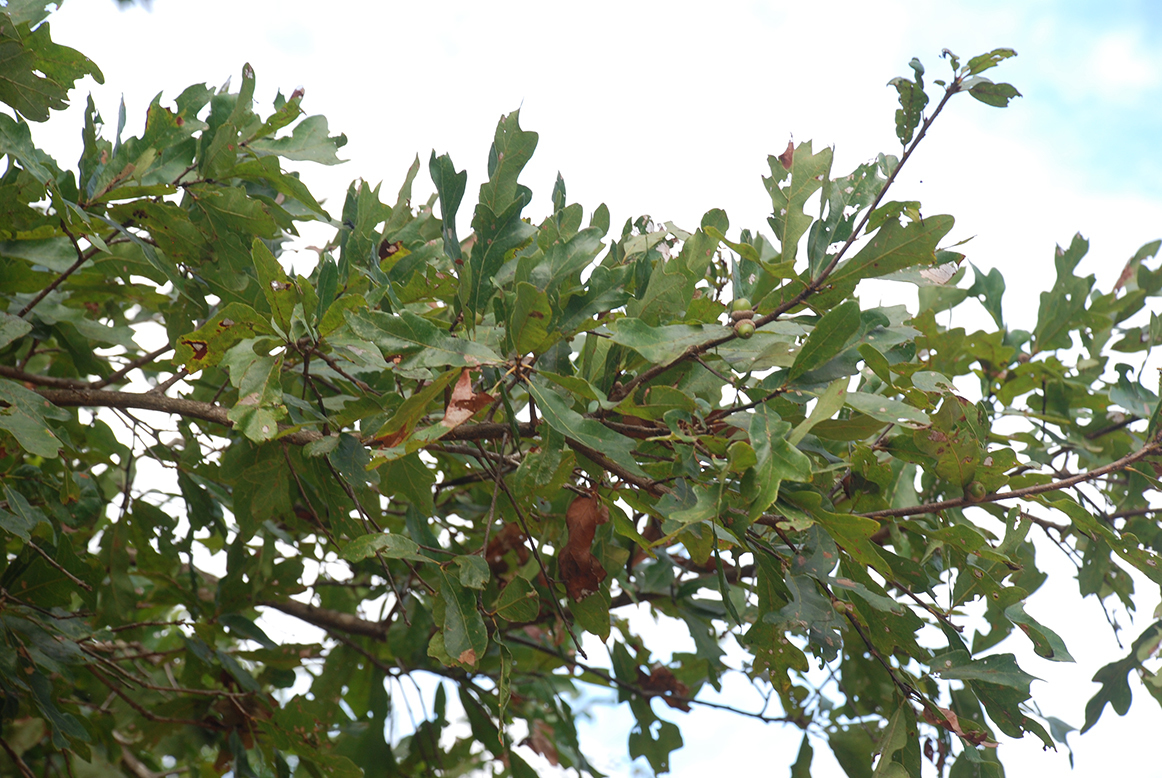
Quercus austrina, the Bluff Oak (also called bastard white oak), is a medium-sized deciduous tree endemic to the Coastal Plain of the southeastern United States. It is a true member of the white oak group, and like its famous cousin it has rounded, bristle-free leaf lobes and acorns that mature in a single season. Despite that family resemblance, bluff oak has a narrow, specific habitat requirement that keeps it uncommon almost everywhere it grows: rich, well-drained soil on river bluffs, natural levees, and calcareous or shell-influenced ground.
In the open, a mature bluff oak forms a rounded to broadly oval crown 45 to 60 feet tall, with smooth, pale gray bark that develops shallow ridges with age, somewhat like a cross between white oak and live oak bark. The leaves are variable, sometimes nearly unlobed with wavy margins and sometimes shallowly 5- to 7-lobed, which has led to a long history of botanists confusing it with Durand oak (Quercus durandii) and, less often, white oak.
Bluff oak is a connoisseur’s tree for southeastern gardeners who have the right site: a well-drained, fertile spot, often near a river terrace or old floodplain. It is not a nursery staple, and finding one takes some looking, but where it is grown it makes a handsome, long-lived shade tree with none of the invasive tendencies or disease problems that plague some faster-growing oaks. For readers comparing it with the state’s better-known species, our overview of oak trees in South Carolina puts bluff oak in context alongside its more familiar relatives. Because wild populations are scattered and declining in places from land clearing, planting bluff oak in appropriate garden settings is also a small act of conservation, in keeping with the broader benefits of planting native trees for regional biodiversity.
Identification
Bluff oak is a medium tree, typically 45 to 60 feet tall with a trunk 1 to 2 feet in diameter and a spread of 35 to 50 feet, though old specimens on good sites can be larger. The crown is rounded to oval and, compared with many southern oaks, relatively dense and symmetrical.
Bark
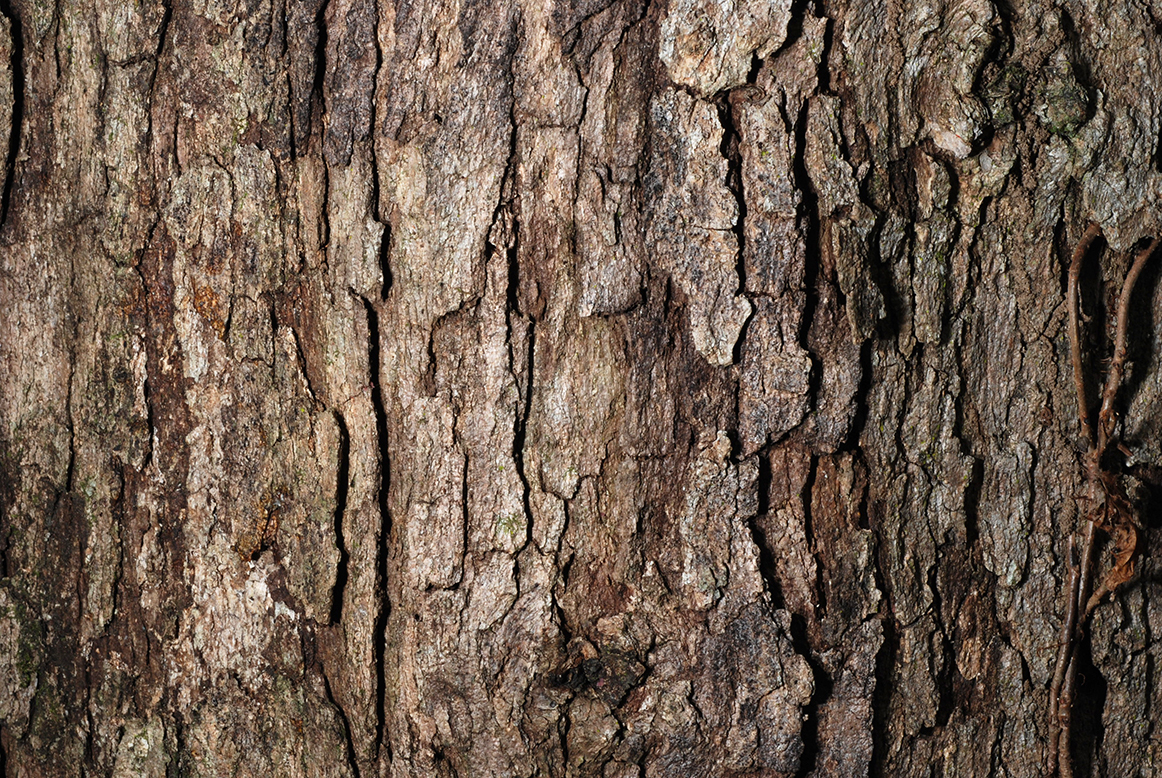
Young bark is smooth and pale gray. With age it breaks into shallow, flat-topped ridges and thin, light gray to whitish scales, a texture that sits between the blocky plates of white oak and the smoother bark of live oak. The pale color helps bluff oak stand out in a mixed bottomland or bluff forest, especially in winter.
Leaves
Leaves are 3 to 6 inches long, alternate, and simple, with a glossy dark green upper surface and a paler, often slightly fuzzy underside. Leaf shape is notably variable on the same tree: some leaves are shallowly lobed with 5 to 7 rounded, bristle-free lobes, while others are nearly unlobed with just a wavy or slightly toothed margin. This variability, shared with its close relative Durand oak, is one of the more frustrating identification challenges among southeastern white oaks; comparing several leaves from the same branch, rather than a single leaf, gives the most reliable read.
Flowers & Acorns
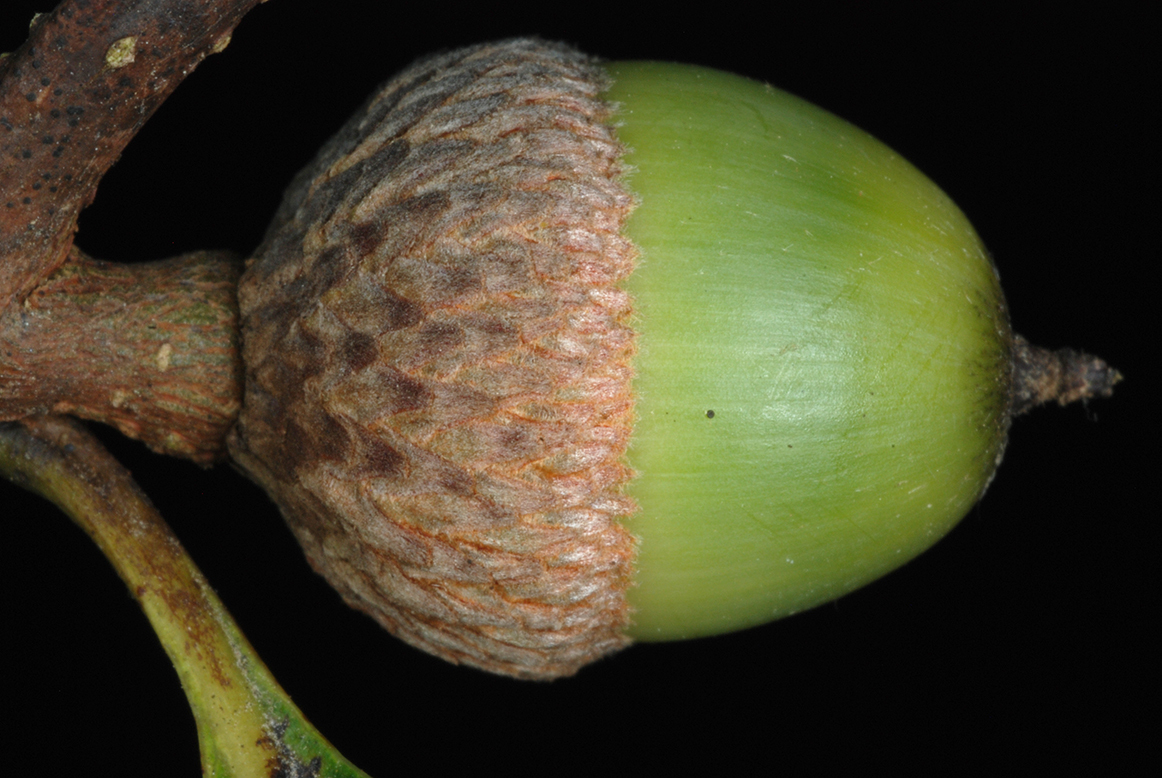
Like other oaks, bluff oak is wind-pollinated, with inconspicuous yellow-green male catkins and tiny female flowers appearing as the leaves emerge in spring. Acorns mature in a single season (the white oak pattern) and are relatively small, about 1/2 to 3/4 inch long, oval, and enclosed for roughly a third of their length in a thin, scaly, bowl-shaped cap. They ripen and drop in the fall of their first year.
Quick Facts
| Scientific Name | Quercus austrina |
| Family | Fagaceae (Beech/Oak) |
| Plant Type | Deciduous shade tree |
| Mature Height | 45–60 ft |
| Mature Spread | 35–50 ft |
| Growth Rate | Medium |
| Sun Exposure | Full Sun to Part Shade |
| Water Needs | Average; prefers moist, well-drained soil |
| Soil Type | Rich, well-drained loam; tolerates calcareous or shell-based soils |
| Soil pH | Slightly acidic to alkaline |
| Bloom Time | March – April |
| Flower Color | Yellow-green (inconspicuous catkins) |
| Fall Color | Yellow-brown to russet |
| Fruit | Small acorns, 1/2–3/4 in, maturing in one season |
| Deer Resistant | Moderate (deer browse young leaves and seedlings) |
| USDA Hardiness Zones | 8–9 |
Native Range
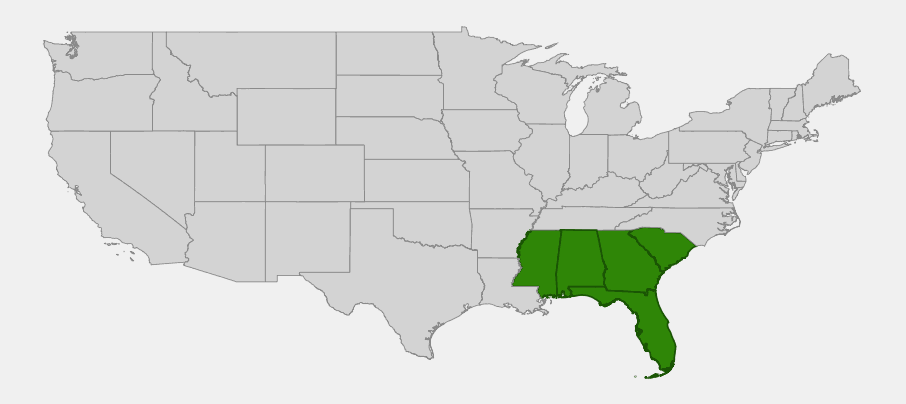
Bluff oak is a true Coastal Plain endemic, found from southern Mississippi east through Alabama, Georgia, and Florida to southeastern South Carolina. Within that range it is never common; it occurs as scattered individuals or small stands wherever the right combination of fertile soil and good drainage comes together. Older reports of the species in Arkansas and North Carolina are now considered misidentifications and are not reflected in current treatments of its range.
The classic bluff oak site is, as the name suggests, a river bluff: a steep slope above a blackwater or brownwater river where erosion keeps the soil well drained while nutrients wash down from above. It is equally at home on natural levees along rivers, in mesic hardwood hammocks, and on calcareous or shell-based soils near the coast, where the extra minerals and good drainage suit it well. It is rarely found on acidic sand or in poorly drained flatwoods, habitats that many other southeastern oaks tolerate easily.
Because bluff oak depends on a fairly narrow set of soil and drainage conditions, and because river bluffs and levees are also attractive for development and agriculture, populations have been lost to land clearing in parts of its range. It is not federally listed, but several states track it as a species of conservation concern. Seeking out nursery-propagated stock, and leaving existing wild trees undisturbed, both help this quietly uncommon oak hold its ground.
📋 Regional plant lists featuring Bluff Oak: Georgia, Alabama & Mississippi · North Carolina & South Carolina
Growing & Care Guide
Bluff oak is an easygoing tree once it is sited correctly. The main hurdle for most gardeners is finding a nursery that carries it, since it is grown far less often than live oak, water oak, or other southeastern favorites.
Light
Plant bluff oak in full sun to light shade. Young trees tolerate partial shade from a surrounding canopy, which mimics the mesic hammock understory where seedlings often establish, but growth and form are best with at least six hours of direct sun.
Soil & Water
Give bluff oak rich, well-drained soil; it is far less tolerant of standing water or heavy clay than bottomland species like overcup oak or water oak. It does well on soils with a calcareous or shell component, and a near-neutral pH suits it better than the strongly acidic sand that many Coastal Plain oaks prefer. Water new trees regularly through their first two seasons; established bluff oaks are reasonably drought tolerant but perform best with consistent moisture.
Planting Tips
Choose a site that mimics a natural bluff or levee: elevated enough to drain freely, but not so dry and sandy that organic matter is scarce. Plant balled-and-burlapped or container-grown trees in fall or late winter so roots can establish before summer heat. Stake young trees only if needed for the first year, and remove stakes promptly to let the trunk develop normal taper and strength.
Pruning & Maintenance
Prune in late winter while the tree is dormant, removing only dead, crossing, or poorly angled branches to build a strong structure while the tree is young. Mature bluff oaks need very little maintenance pruning. The species has no major pest or disease problems beyond the general oak issues (occasional oak wilt risk if wounded in warm weather, and the usual leaf-chewing insects), so avoid pruning live wood in the heat of summer.
Propagation
Bluff oak is propagated from acorns, which should be collected promptly after they fall in autumn since, like other white oaks, they do not store well and often begin germinating almost immediately. Plant fresh acorns about an inch deep in a nursery bed or large container and protect them from squirrels and other seed predators over winter. Grafting is sometimes used by specialty growers to preserve particular forms, but seed propagation is standard.
Landscape Uses
- Specimen shade tree for a large residential or park setting with good drainage
- Bottomland and bluff restoration plantings alongside water oak and sugarberry
- Mixed hardwood hammock plantings with southern magnolia and American holly
- Street and park tree on sites with good soil, as a change of pace from more commonly planted oaks
- Conservation plantings to help restore a locally uncommon native species
Wildlife & Ecological Value
Like other oaks, bluff oak is a cornerstone wildlife species, even though its own range is limited.
For Pollinators
Oaks are wind-pollinated, so they do not rely on insect pollinators, but the trees are nonetheless important hosts. Oaks as a genus support more moth and butterfly caterpillar species than almost any other native plant group, and bluff oak contributes to that web wherever it grows.
For Birds
Acorns are a key fall and winter food source for woodpeckers, jays, titmice, and wild turkey, while the canopy provides nesting sites and shelter. Caterpillars feeding on the leaves in spring and summer are an essential protein source for nesting songbirds, a connection explored further in our guide to planting native trees for wildlife.
For Mammals
Squirrels, white-tailed deer, and other mammals eat the acorns, and squirrels in particular help disperse and plant new seedlings by burying and forgetting acorns. Deer will browse young leaves and twigs, which can be a challenge for establishing seedlings and saplings.
Ecosystem Role
As a canopy tree of river bluffs and natural levees, bluff oak helps stabilize slopes prone to erosion and contributes leaf litter and structure to bottomland hardwood ecosystems that support a wide range of other plants and animals.
Cultural & Historical Uses
Bluff oak was historically used, like many white oaks, for general construction and fuel wood where it was locally common, though its scattered distribution meant it was never a major commercial timber species on its own. Early botanists, including John Kunkel Small who first described it, noted the confusion between bluff oak and its relatives Durand oak and white oak, a taxonomic puzzle that persisted for decades.
Because bluff oak was never abundant or easy to harvest in quantity, it has no significant documented history of specialized traditional use separate from the broader white oak group. Its acorns, like those of other white oaks, are lower in bitter tannins than red oak acorns and were likely gathered opportunistically by Indigenous peoples within its range as a minor food source, though it was not a dominant mast species.
Today bluff oak’s main cultural role is as a conservation and horticultural curiosity: a handsome, locally distinctive oak that deserves wider planting in the region it calls home.
Frequently Asked Questions
How is bluff oak different from Durand oak?
The two are easily confused because both have variable, sometimes nearly unlobed leaves. Bluff oak tends to have glossier, more consistently lobed leaves and grows on better-drained bluff and levee sites, while Durand oak favors heavier, often periodically wet clay soils. Comparing multiple leaves and noting the site conditions helps distinguish them.
Is bluff oak hard to find at nurseries?
Yes. It is grown far less often than popular oaks like live oak or willow oak, so expect to search native plant nurseries or specialty growers within its range rather than big-box garden centers.
How fast does bluff oak grow?
It has a medium growth rate, somewhat slower than fast-growing bottomland oaks like water oak but comparable to many other white oaks. Expect steady, moderate growth once the tree is established in good soil.
Does bluff oak tolerate wet soil?
Not well. Unlike bottomland oaks such as overcup oak or water oak, bluff oak needs good drainage and is better suited to elevated, well-drained sites like bluffs and levees than to seasonally flooded ground.
Is bluff oak endangered?
It is not federally listed, but it is uncommon throughout its range and tracked as a species of conservation concern in some states because its preferred habitat, fertile and well-drained bluff or levee soil, has been reduced by development and agriculture.

Looking for a nursery that carries Bluff Oak?
Browse our native plant nursery directory: Florida & Georgia · Alabama · Mississippi · South Carolina

