Sassafras Leaves Drooping After Planting: What to Check Underground
Last updated: November 6, 2026
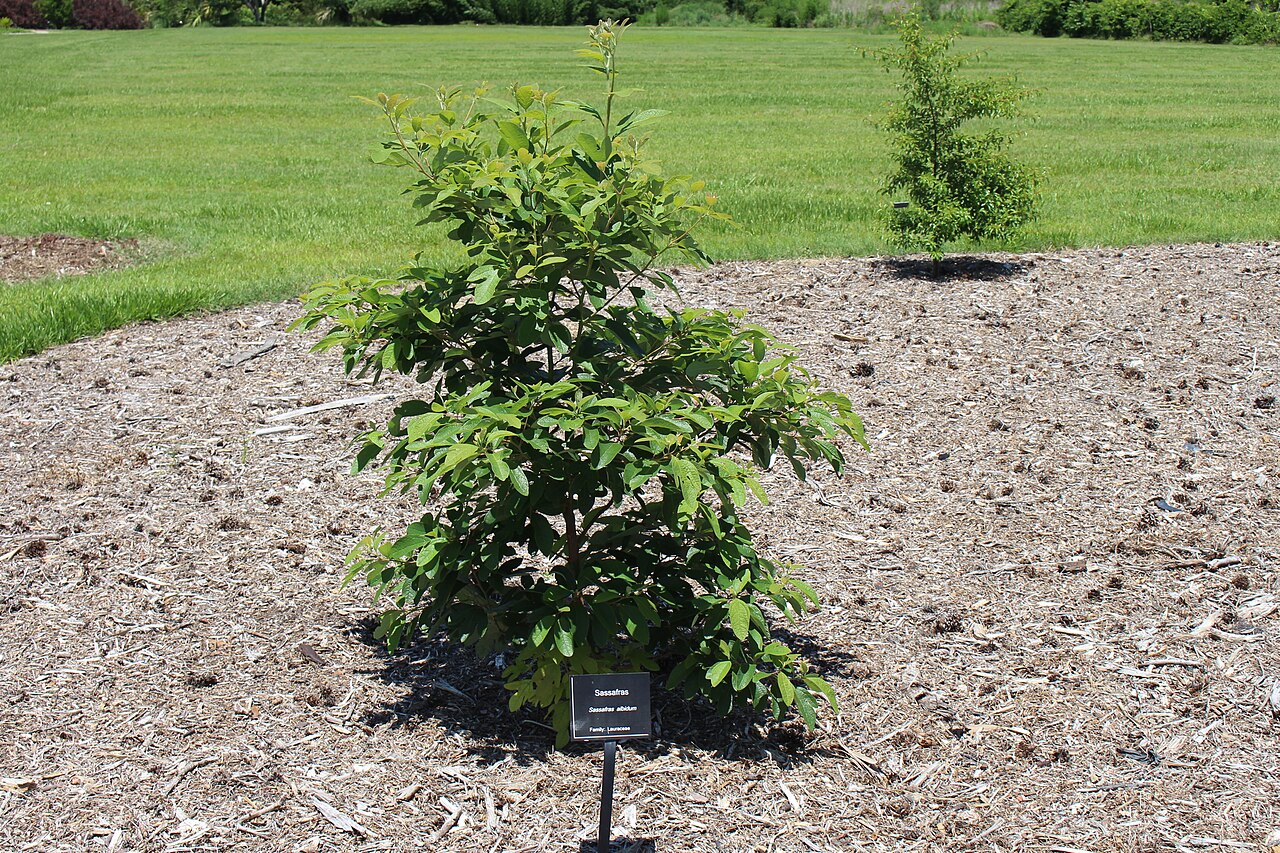
You planted a young sassafras a few days or weeks ago. Now the leaves are hanging limp, curling, or browning at the edges.
The natural reaction is to grab the hose. Sometimes that’s right. But a new tree that’s too wet droops the same way as one that’s too dry, so water can make things worse.
The answer is almost always underground. This guide walks through what to check in the root ball and planting hole, in the order that finds most problems fastest.
The Short Answer
Drooping on a newly planted sassafras (Sassafras albidum) usually means its roots can’t supply water fast enough. The common causes are:
- A dry root ball, even when the surrounding soil feels moist.
- Waterlogged soil in a poorly drained or “bathtub” planting hole.
- Planting too deep, with the root flare buried.
- Circling roots from a pot-bound plant, or burlap and wire left in place.
- Root loss from digging a wild or established plant.
- Less often, laurel wilt, a disease that mimics drought in parts of the eastern US.
Why New Sassafras Droops
A new tree arrives with only part of its root system. Purdue Extension explains that new transplants lack extensive roots and are often stressed by a lack of water.
Purdue lists the symptoms of this transplant shock as wilting leaves, yellowing, leaf rolling or curling, and leaf scorch. Scorch starts as yellowing or bronzing between the veins or along the leaf edges, which later turns brown.
Sassafras can be touchier than many trees here. The USDA Forest Service describes its natural roots as shallow, sparse, and far-ranging, which is part of why it is hard to transplant. NC State Extension adds that it can develop root rot in wet clay. So both too little and too much water are real risks.
Dry or Wet? Reading the Clues
| Leaves droop in afternoon, perk up by morning | Usually a dry root ball or heat. Check moisture first. |
| Leaves droop all day, soil is soggy | Roots may be short of oxygen. Stop watering and check drainage. |
| Crisp brown edges, root ball bone dry | Under-watering. Soak the root ball slowly. |
| Yellowing leaves, sour smell, dark mushy roots | Over-watering or poor drainage. Let it dry and fix the site. |
| Sudden wilt with reddish leaves, any soil | Rule out laurel wilt if you live where it’s present (Check 7). |
Check 1: Watch the Timing
Before you dig anything, look at the tree at different times of day for two or three days.
A new tree with a small root system often droops in the heat of the afternoon and recovers overnight. That pattern points to a water supply that just can’t keep up during peak demand. It usually means the root ball needs more frequent checks, not that something is badly wrong.
If the leaves stay limp in the cool of the morning, the problem is more serious. Go straight to Checks 2 and 3.
Check 2: Test the Root Ball Itself
This is the single most useful check. Push a finger, a trowel, or a thin wooden dowel straight down into the original root ball, right next to the stem.
University of Maryland Extension advises watering when the soil below the mulch and in the root ball feels dry at a depth of several inches. Notice that the root ball is named on its own. It doesn’t always match the soil around it.
Container-grown trees often come in a light, peaty potting mix. That mix can dry out fast while the heavier garden soil around it stays damp. If you only check the surrounding soil, you’ll think the tree is fine when its roots are dry.
- Root ball dry, surrounding soil damp: water slowly and directly over the root ball until it’s moist all the way down.
- Both dry: water deeply and set a schedule.
- Both wet or soggy: stop watering and go to Check 3.
Purdue Extension says that during the growing season, landscape plants in well-drained soil should get at least an inch of water a week, and plants in poorly drained soil need less. It also warns that overwatering is just as injurious as underwatering.
For a closer look at this technique, see our guide to checking the root ball on a new spicebush. It works the same way for sassafras.
Check 3: Look for a Bathtub
If the soil stays wet, the planting hole may be holding water. Purdue Extension calls this the “bathtub effect” and names it one of the most common causes of root failure.
It happens when a hole dug in heavy soil gets refilled with a lighter mix, such as peat or compost-rich soil. Water drains into the loose fill and then sits there, trapped by the clay around it. Purdue recommends refilling the hole with the same heavy soil you dug out.
To check, dig a small test hole a foot or two from the tree, about as deep as the root ball. Fill it with water and see how long it takes to drain. Water still standing the next day means drainage is a real problem. Our guide to checking clay drainage before planting covers this test in more detail.
The Lady Bird Johnson Wildflower Center notes that sassafras prefers well-drained sites but will tolerate soggy feet. A short wet spell may be survivable. A hole that stays waterlogged week after week, especially in clay, is a likely setup for the root rot NC State describes.
Check 4: Find the Root Flare
The root flare is where the trunk widens out into the main roots. On a properly planted tree, you should be able to see it at the soil surface.
Gently pull back mulch and soil at the base of the stem. If you see a straight stem going into the ground with no widening, the tree may be planted too deep.
Purdue Extension notes that deep planting suffocates roots, while planting too shallow exposes them to temperature and moisture swings. UMD adds that a buried flare can hide girdling roots and deprive roots of oxygen, especially in wet soil. On a small, young tree the flare may not be well developed yet. UMD suggests using the topmost root as your guide to depth.
Mulch piled against the stem counts too. Pull it back so a few inches of bare soil circle the trunk. See our guide to mulching native gardens for depth.
Check 5: Look for Circling Roots
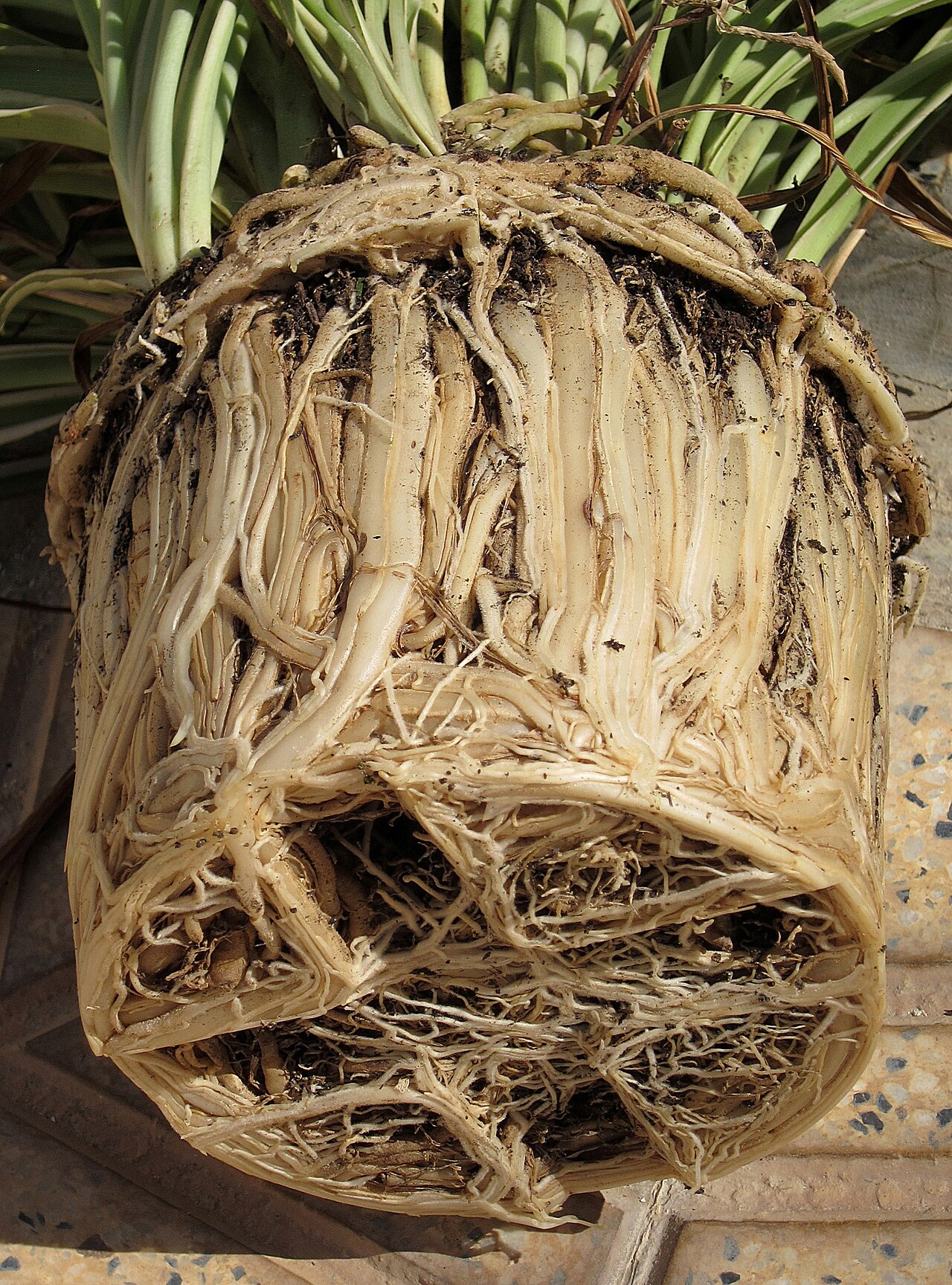
If the sassafras came from a container, it may have been pot-bound. Roots that circled the inside of the pot tend to keep circling after planting instead of growing out into new soil.
UMD advises inspecting container roots for circling or girdling roots and loosening tangled, matted roots at planting. Purdue recommends gently uncoiling and spreading circling roots, and warns that if they’re left, they can eventually girdle the trunk.
On a recent planting, carefully scrape away the top inch or two of soil near the stem. Thick roots wrapping around the stem or running in a ring are a warning sign.
Check 6: Burlap, Twine, Wire, and Air Pockets
If your sassafras came balled-and-burlapped, check what was left on the root ball.
UMD recommends removing burlap completely or cutting it away at least 12 inches down from the top of the ball. It advises removing decay-resistant or synthetic wraps, cutting twine from around the trunk, and removing a wire basket, or at least its top portion. UMD also notes that natural burlap can wick moisture out of the soil ball, so a B&B plant may dry faster than one from a container.
Air pockets are the other hidden problem. Roots in a pocket of air can’t take up water. UMD recommends watering as you backfill to firm the soil and remove voids. If the tree wobbles or the soil has sunk in spots, water gently and add soil where it settled.
Check 7: Rule Out Laurel Wilt
Most drooping on new sassafras is a root or water problem. But in parts of the eastern US, one disease needs to be ruled out.
Laurel wilt is caused by a fungus carried by the invasive redbay ambrosia beetle. It attacks trees in the laurel family, including sassafras, spicebush, and red bay. University of Kentucky Extension describes sudden wilting and discoloration, with leaves turning reddish before they die. It notes that early symptoms may resemble drought.
NC State Extension adds that the sapwood under the bark shows dark streaking. Tiny entry holes and thin “toothpicks” of sawdust may appear on the trunk.
Laurel wilt has no cure. If you see sudden reddish wilting along with streaked wood, contact your local county Extension office or state forestry agency. Don’t move wood, firewood, or plants from a suspect tree. Both UK and NC State stress that limiting that movement is the main way to slow the disease.
Troubleshooting at a Glance
| Root ball dry under moist soil | Water slowly over the ball itself. Check every few days. |
| Hole holds water after rain | Stop watering. Consider replanting higher while still dormant. |
| No visible root flare | Pull back mulch and excess soil to the top root. |
| Roots circling near the surface | Tease out or cut the worst ones while the plant is small. |
| Burlap or wire at the surface | Cut away the exposed top portion. |
| Sudden reddish wilt, streaked sapwood | Possible laurel wilt. Contact Extension or state forestry. |
What to Do Now
If it’s a water problem: fix the watering first, then wait. Recovery is slow. Purdue Extension notes that reduced growth in the first year is common, and symptoms may show for two or more years. Drooped leaves may brown and drop, while new leaves come in normally.
If it’s a planting problem: small, recently planted sassafras can sometimes be lifted and reset at the right depth, ideally while dormant. Our guide to moving a young sassafras covers the risks of digging it up again. For a tree in full leaf in summer, it’s usually safer to correct what you can from the surface and replant later only if needed.
Don’t fertilize a drooping tree. Its roots can’t use extra nutrients until they’re growing again. Don’t prune off large amounts of foliage either. Remove only dead tips once you know where live wood ends.
Many of these checks overlap with our guide to newly planted beautyberry wilting, which is worth a look if you planted several natives at once.
A Season-by-Season Plan for the First Year
- First two weeks: check the root ball every day or two, especially in warm weather. Water only when the ball is drying.
- Late spring – summer: keep checking at least weekly and after hot, windy spells.
- Late summer: expect some scorched or dropped leaves on a stressed tree. Keep watering evenly.
- Fall: water through dry autumns until the ground freezes. Some early leaf color on a stressed new tree is common.
- Late winter: scratch-test twigs to find dieback, then trim dead tips back to live wood. Fix depth or drainage problems before spring if you need to replant.
📋 More on this plant: read the full Sassafras (Sassafras albidum) profile, or see it in our native plant lists for New York, Pennsylvania & Northern New Jersey, Delaware, Southern New Jersey & Long Island, Maryland, Virginia & West Virginia, North Carolina & South Carolina, and Arkansas, Louisiana, Eastern Oklahoma & Eastern Texas.
Frequently Asked Questions
How long does transplant shock last on sassafras?
It varies. Purdue Extension notes that reduced growth is common the first year and that symptoms can persist for two or more years while roots grow out.
Should I water a drooping sassafras every day?
Only if the root ball is actually drying out that fast. Check the root ball first. Overwatering is as harmful as underwatering, and soggy soil causes drooping too.
Can a sassafras recover after losing its leaves after planting?
Often, yes. Scratch a twig. Green tissue under the bark means it’s alive. Keep the root ball evenly moist and give it time to leaf out again.
Why is my new sassafras drooping when the soil is wet?
Wet soil can starve roots of oxygen. Check for a bathtub-style planting hole, poor drainage, or a buried root flare. Stop watering until the root ball begins to dry.
Is it laurel wilt or just transplant shock?
Transplant shock usually develops gradually and responds to better watering. Laurel wilt brings sudden reddish wilting and dark streaks in the sapwood. If you suspect it, contact your county Extension office.
Sources
- Purdue Extension, Transplant Shock of Trees and Shrubs (BP-31): symptoms, bathtub effect, planting depth, circling roots, watering amounts and recovery time.
- University of Maryland Extension, Planting a Tree or Shrub: checking root ball moisture, root flare, circling roots, burlap and wire basket removal, air pockets.
- North Carolina Extension Gardener Plant Toolbox, Sassafras albidum: soil preferences and root rot in wet clay.
- USDA Forest Service, Fire Effects Information System, Sassafras albidum: shallow, sparse, far-ranging root system.
- Lady Bird Johnson Wildflower Center, Sassafras albidum: drainage preference and tolerance of wet soil.
- University of Kentucky Entomology, Laurel Wilt Disease & Redbay Ambrosia Beetle (ENTFACT-459): symptoms on sassafras and management.
- NC State Extension, Laurel Wilt Disease: hosts, drought-like symptoms, sapwood streaking.