Newly Planted Beautyberry Wilting: A Root-Zone Troubleshooting Guide
Last updated: November 5, 2026
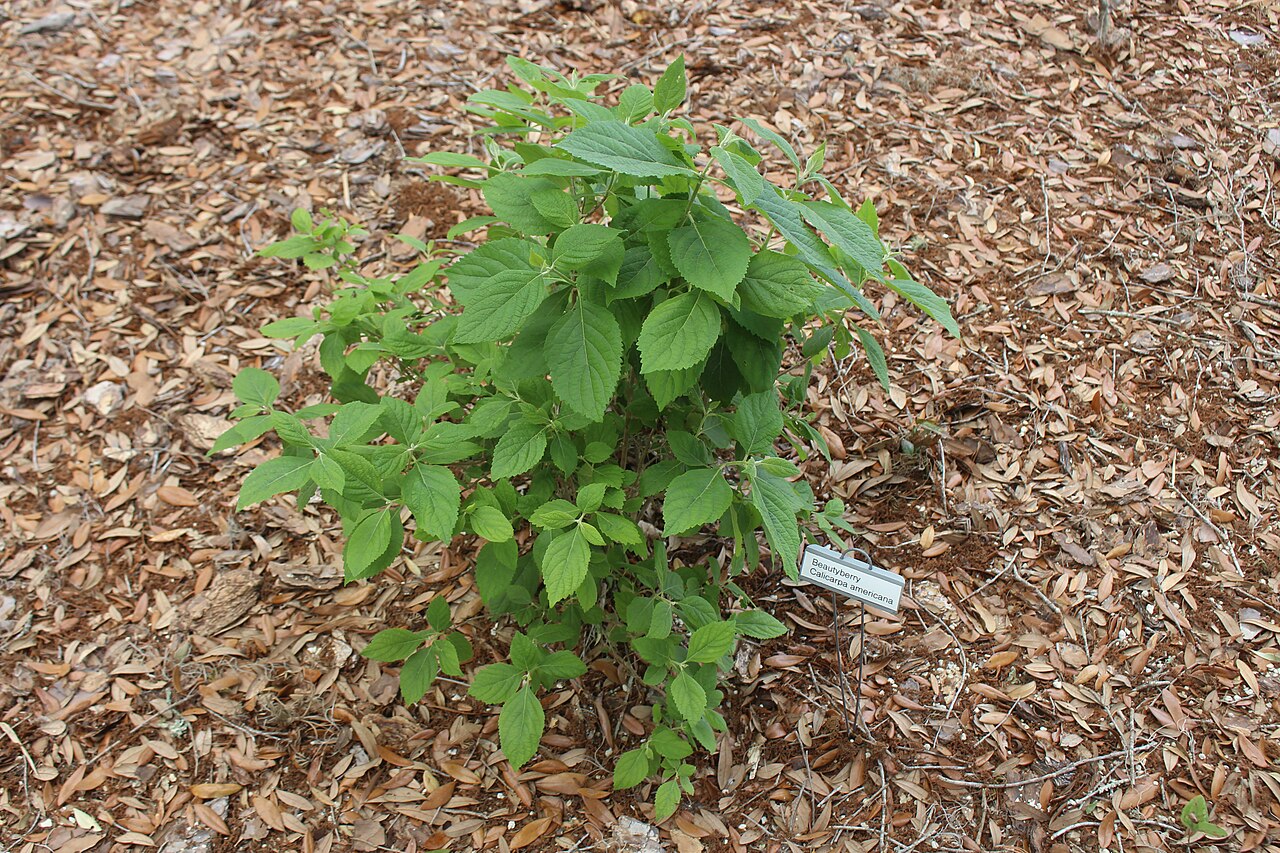
You planted an American beautyberry a few days or weeks ago. Now the leaves are hanging limp, and you’re not sure whether to grab the hose or put it down.
That uncertainty is the real problem. A newly planted shrub wilts when it’s too dry and it also wilts when it’s too wet. The fix for one makes the other worse.
This guide helps you find out what is going on below ground before you act. Most of the checks need nothing more than your fingers, a trowel, and a few minutes.
The Short Answer
Most wilting in a new beautyberry comes from the root zone, not the leaves. The usual causes are:
- A dry root ball inside moist-looking soil. Nursery potting mix dries out much faster than garden soil.
- Waterlogged soil around the roots, especially in clay or near lawn sprinklers.
- Planting too deep, or mulch piled against the stems.
- Circling, pot-bound roots that were never loosened.
- Heat and timing: a summer planting losing water faster than its small root system can replace it.
Why New Shrubs Wilt: The Root-Ball Problem
An established beautyberry is a tough, drought-tolerant shrub. A newly planted one is not, because its roots haven’t left the original root ball yet.
Clemson Cooperative Extension explains that during establishment, roots are still growing out into the landscape soil. Until that happens, the plant depends almost entirely on the small volume of soil it came with.
Container-grown shrubs make this harder. Penn State Extension notes that nursery stock is usually grown in a soilless mix such as pine bark and perlite, irrigated constantly at the nursery. Once planted in hot, dry ground, that mix can dry out quickly, even while the native soil around it still feels moist.
The opposite can happen too. In heavy or compacted soil, water can collect in the loosened planting hole like a bathtub and starve the roots of air. Both situations look the same from above: limp leaves.
Reading the Wilt Pattern
| Droops in afternoon heat, firm by morning | Mild water stress on a small root system. Check the root ball and keep watching. |
| Wilted in the morning, dry root ball | Underwatering. Water the root ball slowly and deeply now. |
| Wilted in the morning, soggy soil | Too much water or poor drainage. Stop watering and check drainage and depth. |
| Yellowing lower leaves, wet soil | Roots short of oxygen. Let the soil dry back before watering again. |
| Crisp brown leaf edges, leaf drop | Repeated drying out. Increase watering frequency, not just volume. |
Check 1: Note When It Wilts
Start by watching the plant at different times of day for two or three days. The pattern narrows things down quickly.
Some afternoon drooping on a hot day is common for a fresh transplant with few roots. If the leaves perk up overnight, the plant is coping, and the main task is keeping its root ball evenly moist.
A plant that is still wilted at sunrise is in trouble. Overnight is when it should rehydrate. If it can’t, either the roots can’t reach water or the roots themselves are damaged.
Check 2: Test the Root Ball, Not the Garden Soil
This is the most important check, and the one most people skip.
Clemson’s watering factsheet describes a simple test. A few hours after watering, dig a small hole in the backfill just outside the root ball, about half as deep. Squeeze a handful of soil from the bottom:
- Water drips out: you are watering too much.
- Soil crumbles apart: you are watering too little.
- Soil holds together: the backfill is right.
Then push a finger directly into the original root ball. Clemson warns that the backfill can be just right while the root ball itself is bone dry. If it feels dry, increase watering. If you can squeeze water from it, it’s too wet.
Gently brush away mulch first so you’re testing the root ball and not the mulch layer. Our watering guide for shrubs and trees has more on reading soil moisture.
Check 3: Look for Waterlogged Soil
Beautyberry tolerates moist soils, but our profile notes it doesn’t tolerate prolonged standing water. NC State Extension says it grows in all types of soil provided it has good drainage.
Clemson identifies a common trap. In poorly drained ground, rain and irrigation run across the surface and collect in the looser soil of the planting hole, drowning the roots. Shrubs planted in or near watered lawns are especially at risk.
Signs of too much water:
- Soil that stays wet or smells sour a day after rain.
- Water standing in the planting hole after you water.
- Lower leaves yellowing while the plant still wilts.
- A lawn sprinkler zone that reaches the bed.
If this sounds familiar, stop watering until the root ball is merely moist. Adjust or redirect any lawn sprinkler heads. Clemson suggests that planting slightly higher than the surrounding soil helps on poorly drained sites.
For heavy ground, see our tips on improving clay soil.
Check 4: Find the Root Flare
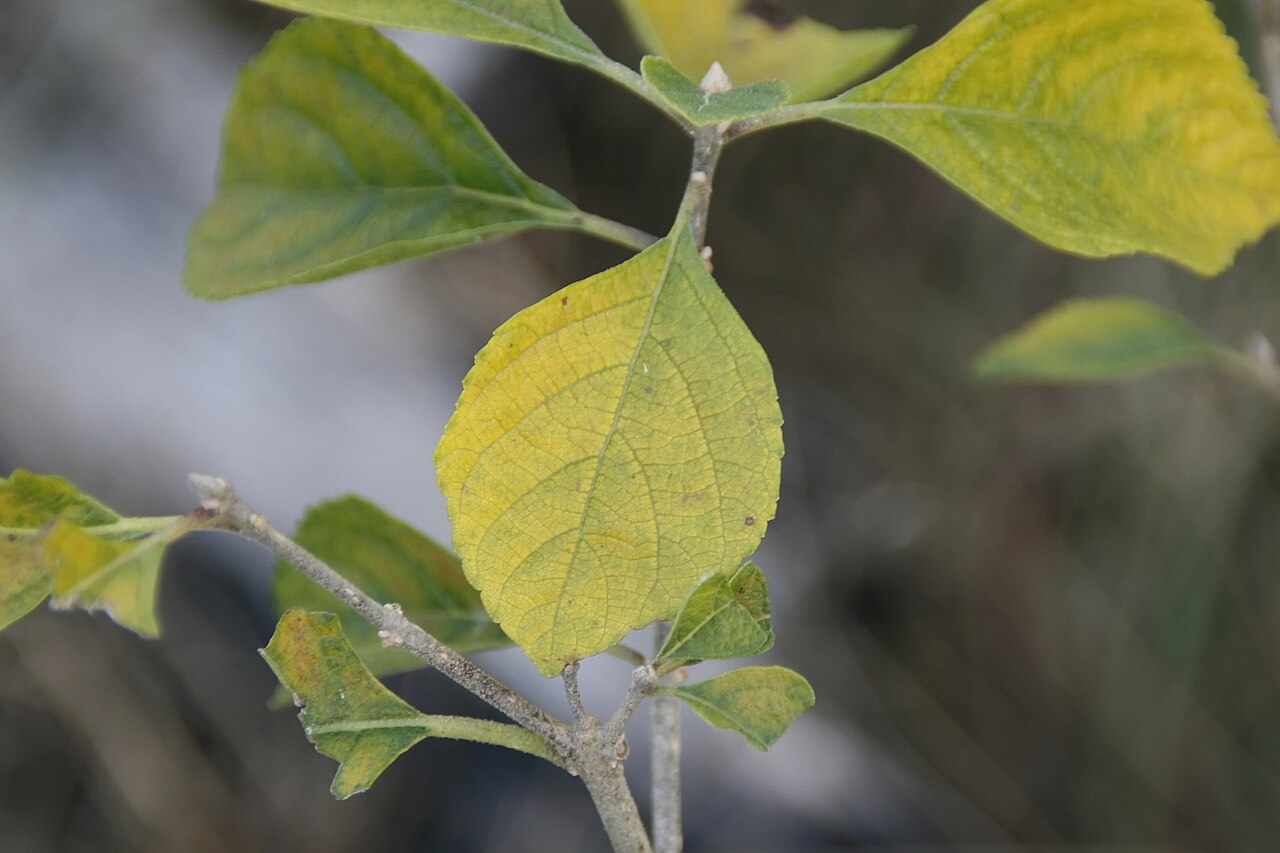
Pull back the mulch at the base and look for the point where the stems flare out into roots. It should sit at or just above the soil surface.
University of Maryland Extension warns that many trees and shrubs are sold with too much soil already over the roots. Planted at that depth, the root flare ends up buried. A buried flare can deprive roots of oxygen, especially in wet soils.
Mississippi State University Extension adds that the hole should be no deeper than the root ball. If it’s deeper, the plant can settle and suffocate the roots.
Clemson goes further. Shrubs mistakenly planted too deep in poorly drained soil should not be watered until they are raised and replanted.
If you find several inches of soil or mulch over the root flare on a shrub you planted recently, the safest fix is to lift it and replant it at the right height. Do this promptly and in cool weather if possible.
Check 5: Look for Circling Roots
If the plant came out of its pot as a solid mat of roots, those roots may still be circling inside the planting hole.
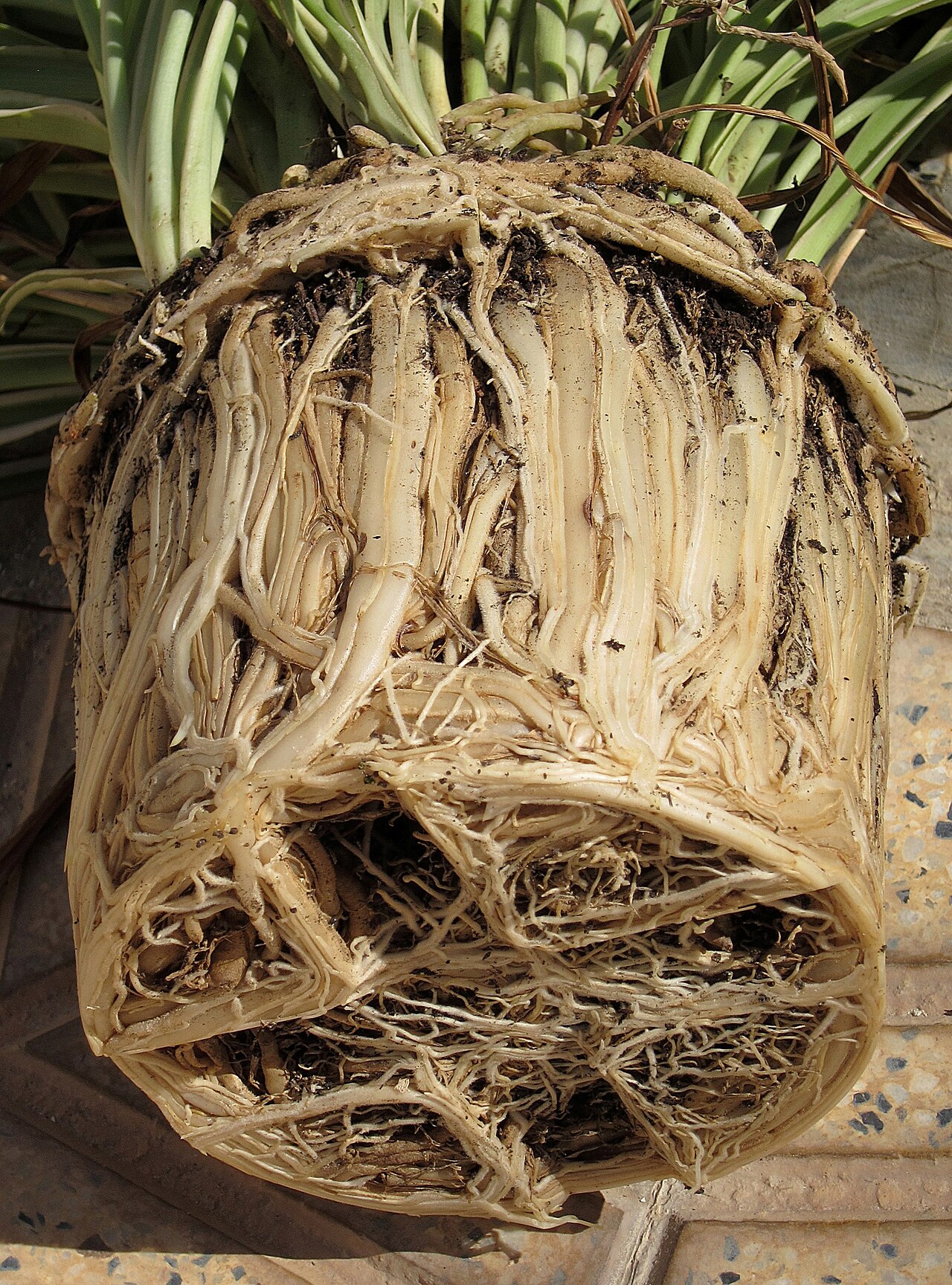
Penn State Extension describes how container roots hit the sides of the pot and turn, filling it with circling roots. If they aren’t corrected at planting, they can keep circling, and years later may girdle the stems.
In the short term, a tight root mass sheds water. It sits in the ground like a cork, so water runs off around it instead of soaking in.
Mississippi State recommends teasing roots apart to break the circular pattern. For a truly pot-bound plant, make three or more vertical cuts through the root ball and cut off any matted roots at the bottom. Penn State notes that cut roots regenerate quickly and grow out into the landscape soil.
For a beautyberry planted within the last few weeks, it’s worth lifting it, correcting the roots, and replanting. Water it well afterward.
Check 6: Consider Heat, Sun, and Timing
University of Maryland Extension notes that fall, winter (when the soil isn’t frozen), and early spring are the best times to plant trees and shrubs. Summer planting, when plants are in full leaf, is stressful.
Our beautyberry profile likewise recommends planting in spring or fall. A shrub set out in June or July is losing water through a full set of leaves before it has roots to replace it.
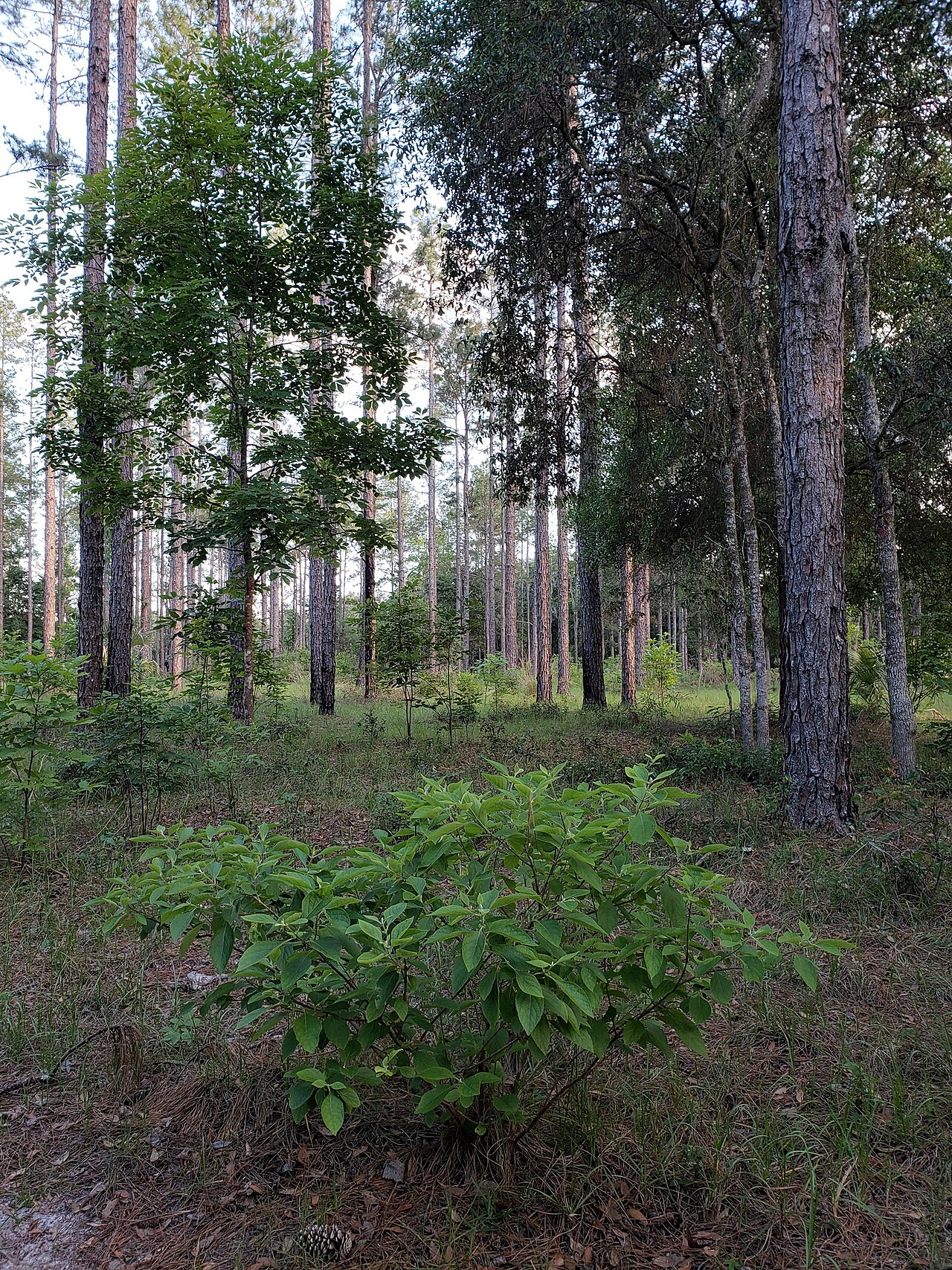
Sun exposure adds to the load. Beautyberry grows naturally in woodland edges and openings. In hot southern gardens, afternoon shade helps reduce heat stress on the leaves.
The Lady Bird Johnson Wildflower Center notes that beautyberry may temporarily drop its leaves and developing fruit during prolonged summer drought. Even established plants respond to heat this way, so a new one will show it sooner.
Check 7: Check the Mulch and Watering Setup
Mulch helps a new shrub, but only when it’s applied correctly. Mississippi State recommends 2 to 3 inches of bark, or about 6 inches of pine straw, around transplanted shrubs. University of Maryland warns that too much mulch, especially piled against the stems, compounds problems from deep planting.
Pull mulch back so it doesn’t touch the stems. Then look at how water actually reaches the plant.
Clemson points out that sprinkler systems designed for lawns or established beds rarely suit a new shrub. In sandy, well-drained soil they can’t keep the root ball moist. In heavy soil they can keep it soaked.
Hand-watering with a slow hose at the base, or a temporary drip line, gives far better control. Our drip irrigation tips for beginners explain how to set one up.
Troubleshooting at a Glance
| Root ball dry, surrounding soil moist | Water slowly right over the root ball, more often. |
| Soil soggy, water pools in hole | Stop watering, redirect sprinklers, consider replanting slightly high. |
| Root flare buried | Lift and replant at the right depth. Pull mulch off the stems. |
| Water runs off the root ball | Likely circling roots. Lift, loosen or cut, replant. |
| Afternoon droop only, summer planting | Normal stress. Keep root ball evenly moist; consider temporary shade. |
| Leaves dropped but stems green | Stress response. Keep watering correctly and wait for new leaves. |
What to Do Right Now
If the root ball is dry: water slowly at the base so it soaks into the root ball rather than running off. Repeat the finger test the next day. Clemson notes that in well-drained soil, new shrubs may need daily watering for at least the first month, and container plants can need water every day in warm weather.
If the soil is soggy: stop watering. Let the root ball dry to just moist before watering again, and fix the drainage or depth problem as soon as you can.
If depth or roots are the issue: replant. It feels drastic, but a correctly planted beautyberry recovers far better than one left in a bad hole.
In every case: don’t fertilize a stressed new shrub, and don’t prune off wilted shoots yet. Wait until new growth shows you what survived. If the stems are still green and flexible, the plant is alive and can releaf.
Our guide to caring for native shrubs covers planting and early aftercare in more detail.
A Plan for the First Growing Season
- First weeks: check the root ball every day or two in warm weather and water whenever it starts to dry. Use the squeeze test to confirm you’re not overdoing it.
- First summer: keep watering through dry spells, gradually soaking a wider area as roots spread. Keep 2 to 3 inches of mulch over the root zone, off the stems. Our mulching techniques for native gardens guide covers the details.
- First fall: water during long dry stretches. Don’t worry about a light berry crop; see our guide on beautyberry not producing berries for why first-year plants often fruit lightly.
- First winter: leave the stems alone. Any shaping waits until late winter, as explained in our guide to pruning beautyberry in a small garden.
- Second season: water only during extended dry spells. Our profile notes beautyberry is usually established after one to two growing seasons.
📋 More on this plant: read the full American Beautyberry (Callicarpa americana) profile, or find it in our native plant lists for Georgia, Alabama & Mississippi, Arkansas, Louisiana, Eastern Oklahoma & Eastern Texas, Kentucky & Tennessee, and Illinois, Iowa & Missouri.
Frequently Asked Questions
Is it normal for a new beautyberry to wilt after planting?
Some afternoon drooping in warm weather is common while roots are confined to the original root ball. A plant that is still wilted early in the morning needs a closer look at the root zone.
How often should I water a newly planted beautyberry?
It depends on soil, weather, and drainage, so let the root ball decide. In warm weather and well-drained soil, that can mean daily at first. In heavy soil it may be much less often.
Can overwatering make beautyberry wilt?
Yes. Waterlogged soil deprives roots of oxygen, and damaged roots can’t supply the leaves, so the plant wilts even though it’s sitting in water. Check the soil before you add more.
Will a wilted beautyberry recover?
Often, yes, if the cause is fixed quickly. If the stems stay green and flexible, the plant can grow new leaves even after dropping the old ones.
Should I cut back a wilting new beautyberry?
Not right away. Fix the water, depth, or root problem first and wait for new growth. You can remove any stems that are clearly dead later, during late winter.
Sources
- Clemson Cooperative Extension Home & Garden Information Center, Watering Shrubs and Trees (HGIC 1056): root-ball moisture, squeeze and finger tests, poorly drained planting holes, turf irrigation and watering frequency.
- Penn State Extension, Container Grown Trees and Shrubs: Fix Those Roots Before You Plant: soilless media drying, circling roots and planting depth.
- University of Maryland Extension, Planting a Tree or Shrub: planting seasons, root flare, deep planting and excess mulch.
- Mississippi State University Extension, Installing Trees and Shrubs: hole depth, loosening pot-bound roots, mulch depth and first-season watering.
- North Carolina Extension Gardener Plant Toolbox, Callicarpa americana: soil and drainage needs, light.
- Lady Bird Johnson Wildflower Center, Callicarpa americana: leaf and fruit drop during prolonged summer drought.