Newly Planted Lilac Wilting: Watering, Root Depth, and Drainage Checks
Last updated: November 6, 2026
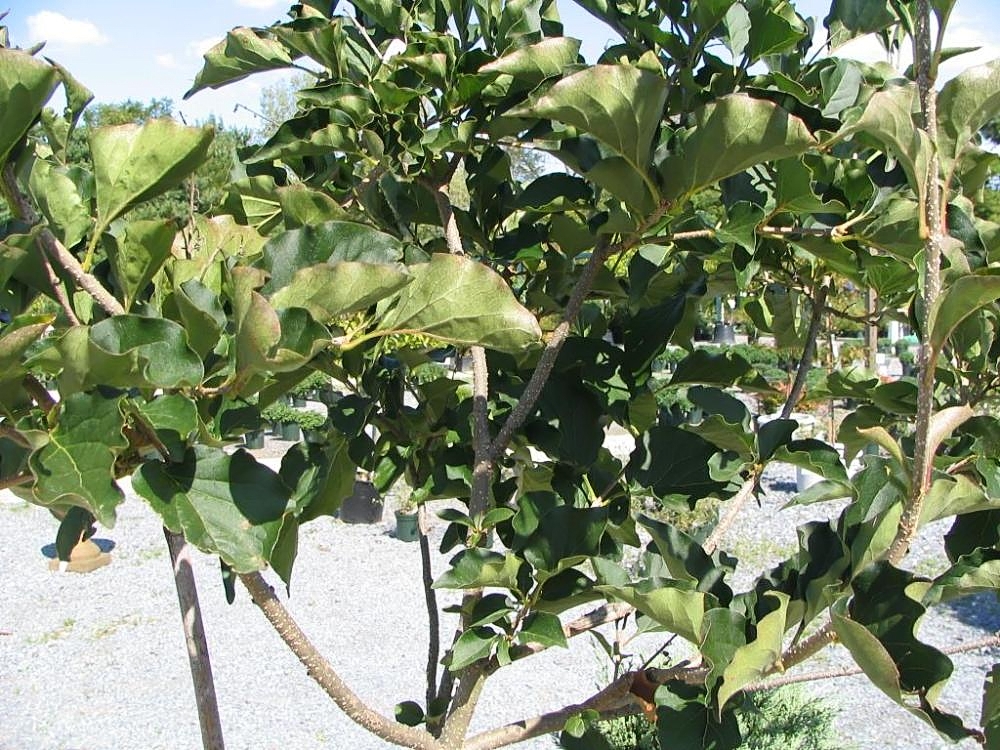
You planted a lilac a few weeks ago, and now its leaves are hanging limp. Maybe they perk up in the evening. Maybe they don’t.
The natural reaction is to water more. Sometimes that’s exactly right. But lilacs are also notably intolerant of wet soil, so extra water can make a struggling new shrub worse.
This guide takes you through the checks to make before you change anything, starting with the three that matter most: the water in the root ball, how fast the soil drains, and how deep the plant sits. Each takes only a trowel, a hose, and a few minutes.
The Short Answer
A newly planted lilac usually wilts for one of these reasons:
- The root ball is dry, even though the surrounding soil looks moist.
- The soil is staying wet, and the roots are short of oxygen.
- It’s planted too deep, with the root flare buried.
- Circling roots from the container haven’t grown out into the soil.
- Heat, wind, and timing: a summer planting next to pavement or a wall.
Check the root ball moisture with your fingers before you water again.
Why New Lilacs Wilt
A shrub fresh from the nursery has a small root system compared with its leaves. University of Minnesota Extension notes that roots of a newly planted shrub eventually grow much wider than the top, but until then they need regular, consistent watering.
University of Illinois Extension describes transplant shock as the period while a plant adjusts to its new site and extends roots beyond the planting hole. It can last up to three years or more.
During that time, the plant depends almost entirely on the water held in and right around its original root ball. Anything that dries that zone out, or keeps it waterlogged, shows up as wilting leaves.
Lilacs add one complication. The Morton Arboretum describes common lilac as intolerant of wet sites, and Iowa State University Extension says excessively wet conditions are not well tolerated. So the same symptom, limp leaves, can mean too little water or too much.
Reading the Wilt Pattern
| Droops in afternoon, recovers by morning | Roots can’t keep up with midday heat. Often a dry root ball or a hot site. |
| Wilted in the morning too | More serious. Check for a bone-dry root ball or soggy, sour-smelling soil. |
| Wilting after heavy rain | Suspect poor drainage and waterlogged roots. |
| Leaves yellowing and dropping | Can follow either extreme. Use the checks below to decide which. |
Check 1: Feel the Root Ball, Not Just the Soil
This is the most important check. Push a finger or a trowel into the soil right next to the stems, where the original root ball sits, and go down a few inches.
Then do the same a foot or so away, in the surrounding soil. Compare the two.
- Root ball dry, surrounding soil moist: water isn’t getting into the root ball. This is common with container plants grown in a light potting mix.
- Both dry: the plant simply isn’t getting enough water.
- Both wet or soggy: skip watering and go to Check 3.
University of Minnesota Extension recommends applying water directly over the root zone and also keeping the backfill soil in the planting hole moist, which encourages roots to grow out of the root ball.
Check 2: Review How Much and How Often You Water
New shrubs need more frequent watering than established ones. University of Minnesota Extension suggests this schedule after planting day:
- Weeks 1–2: water daily.
- Weeks 3–12: water every 2 to 3 days.
- After 12 weeks: water weekly until roots are established.
For volume, Minnesota suggests about one-quarter to one-third of the volume of the container the shrub came in, increasing as roots spread. Don’t skip a scheduled watering for light rain; Minnesota says only substantial rain, over an inch in a day, should count.
Apply water slowly. A ring of soil 3 to 4 inches high around the edge of the root zone makes a reservoir that lets water soak in instead of running off, according to the same guide.
Adjust the schedule to your soil. In heavy clay that stays wet, daily watering can drown roots, so feel the root ball first every time. Our watering guide for shrubs and trees covers technique in more detail.
Check 3: Test How Fast the Soil Drains
If the soil around your lilac stays wet for days, drainage may be the real problem. Iowa State Extension explains that excess water in soil displaces oxygen, and low oxygen harms roots.
Iowa State describes a simple percolation test you can do nearby, or in the planting hole of a future shrub:
- Dig a hole at least 12 inches deep and 4 to 12 inches wide.
- Fill it with water and let it drain completely to saturate the soil.
- Refill it, measure the water depth, and check the drop after 15 minutes.
- Multiply the drop by 4 to get inches per hour.
Iowa State considers 1 to 3 inches per hour desirable for most plants. Less than 1 inch per hour is poor drainage.

If your lilac sits in poorly drained soil, stop watering until the root ball begins to dry. For the long term, Iowa State recommends adding organic matter, not sand, across a broad area, or choosing plants that tolerate wet conditions. Our guide on improving clay soil covers the basics.
A lilac in a truly wet spot may need to be moved. Transplanting a young shrub to higher, better-drained ground in early spring or fall is often more effective than fighting the site.
Check 4: Find the Root Flare
Planting depth is the next suspect. University of Maryland Extension says the planting hole should be no deeper than the root ball, and the root flare, where the stems widen into roots, should end up at soil level.
Gently pull back mulch and soil at the base of the stems. On a shrub like lilac, look for the point where the stems flare and the first roots appear.

- Flare at or just above grade: depth is fine.
- Flare buried under several inches of soil: the plant went in too deep, or sank. Maryland Extension warns that loosening soil under the root ball lets it settle deeper after planting.
A shrub planted too deep sits with roots in colder, wetter, lower-oxygen soil. If the planting is recent, it’s often worth carefully lifting and resetting it at the right depth.
Check 5: Look for Circling Roots
Roots that grew in circles inside the pot often keep circling after planting instead of growing outward. The plant then behaves as if it were still in a small container.
University of Maryland Extension advises inspecting container roots for circling or girdling roots before planting, and loosening root-bound plants at planting time.
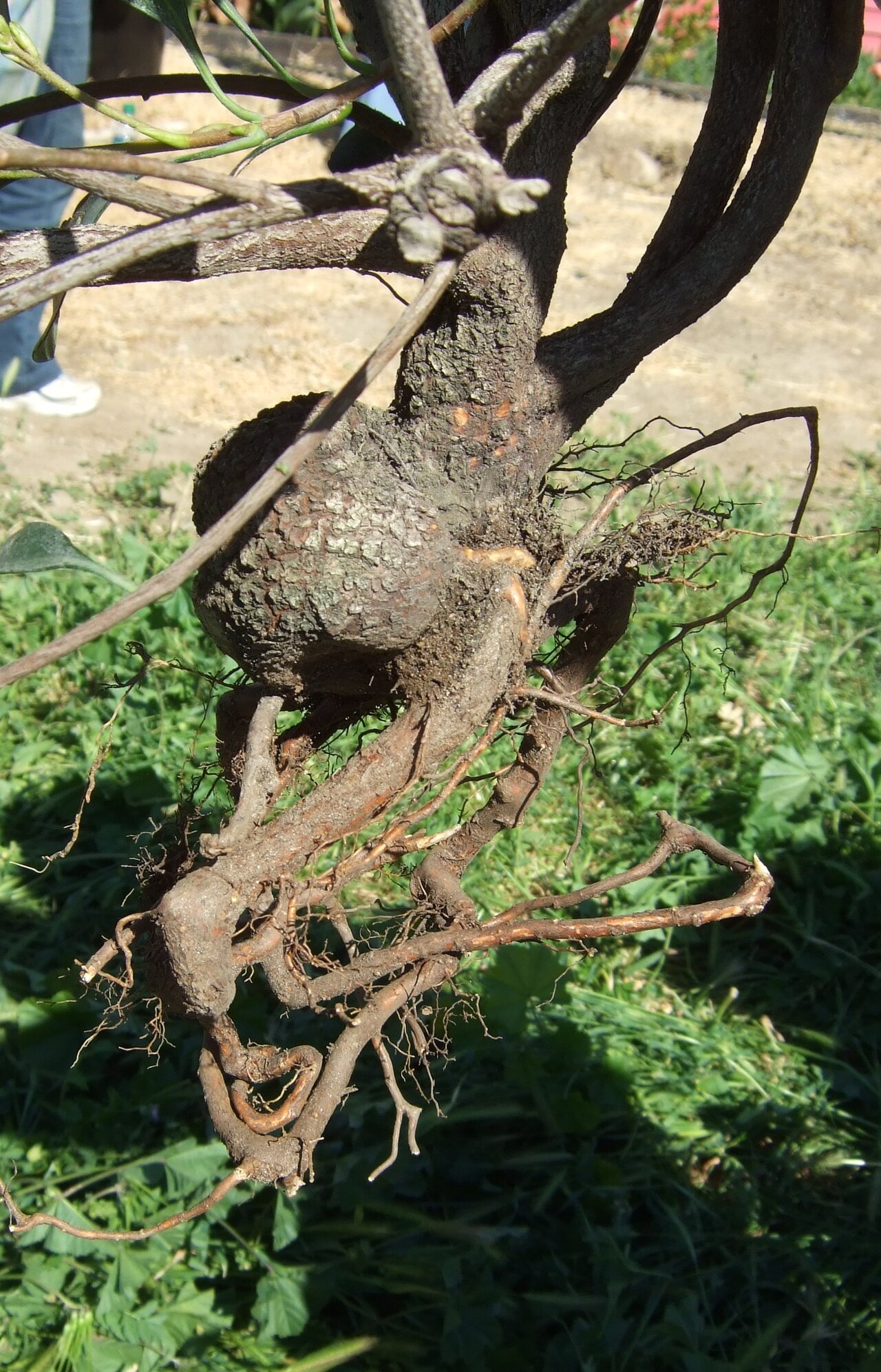
To check a lilac that’s already in the ground, carefully dig at the edge of the root ball on one side. If you see a solid wall of circling roots and almost nothing growing into the surrounding soil, the plant may need to be lifted, the outer roots loosened or cut, and replanted.
This is less risky in cool weather. If it’s midsummer, keep the root ball evenly moist and plan the fix for fall or early spring.
Check 6: Consider Heat, Sun, and Timing
Lilacs need full sun to bloom well, but a new plant in full sun has the highest water demand. University of Maryland Extension notes that summer planting, when plants are in full leaf, can be stressful and should be avoided if possible.
Walls, driveways, and south- or west-facing foundations add reflected heat. A new lilac in one of those spots may wilt every afternoon for its first summer even with good care.
Check 7: Check the Mulch and What’s Around the Plant
Mulch is helpful in the right amount. University of Minnesota Extension recommends a 3-inch layer of organic mulch around new shrubs, with the root flare left bare and mulch kept off the stems.
More is not better. Minnesota warns that mulch deeper than 3 inches can block water from reaching the root zone, reduce oxygen around roots, and keep poorly drained soils too wet, which favors root rot.
Turf is another hidden competitor. Minnesota notes that grass roots outcompete young woody roots, and recommends clearing turf and weeds out to several feet beyond the drip line. Our guide to mulching techniques covers placement.
Troubleshooting at a Glance
| Dry root ball | Water slowly right over the root ball; build a soil ring reservoir. |
| Soggy soil | Stop watering; run a perc test; consider moving the plant. |
| Buried root flare | Pull back soil and mulch; reset the plant higher if recently planted. |
| Circling roots | Loosen or cut outer roots and replant in cool weather. |
| Hot, exposed site | Water consistently through the first summer; expect some afternoon droop. |
| Mulch too deep or turf to the stems | Pull mulch back to 3 inches, clear grass from the root zone. |
What to Do Right Now
If the root ball is dry, water slowly at the base until the root ball and the backfill around it are moist, then follow the first-season schedule above. Check again the next morning before watering.
If the soil is wet, hold off. Let the top few inches dry before watering again, and pull back any mulch piled against the stems.
Don’t fertilize a wilting new shrub. University of Maryland Extension says newly planted trees and shrubs don’t need fertilizer for one to three years, and that nitrogen at planting seems to suppress root growth.
Don’t prune to “balance” the roots beyond removing broken or dead stems. Leaves feed the new root growth the plant needs. If leaves brown at the edges after a wilting episode, our guide to lilac leaf scorch or leaf spot explains what that pattern means.
A Plan for the First Two Growing Seasons
- Planting week: Water daily. Confirm the root flare is at soil level and mulch is no deeper than 3 inches.
- Weeks 3–12: Water every two to three days, adjusted for rain and soil. Feel the root ball before each watering.
- Rest of the first summer: Water weekly and deeply, more often in heat. Expand the watered area as roots grow.
- Fall: Keep watering in dry spells until the ground freezes. Fix any depth or root problems now if needed.
- Second season: Water during dry spells. University of Minnesota Extension says shrubs are established when root spread matches the canopy, which likely takes at least two growing seasons in Minnesota.
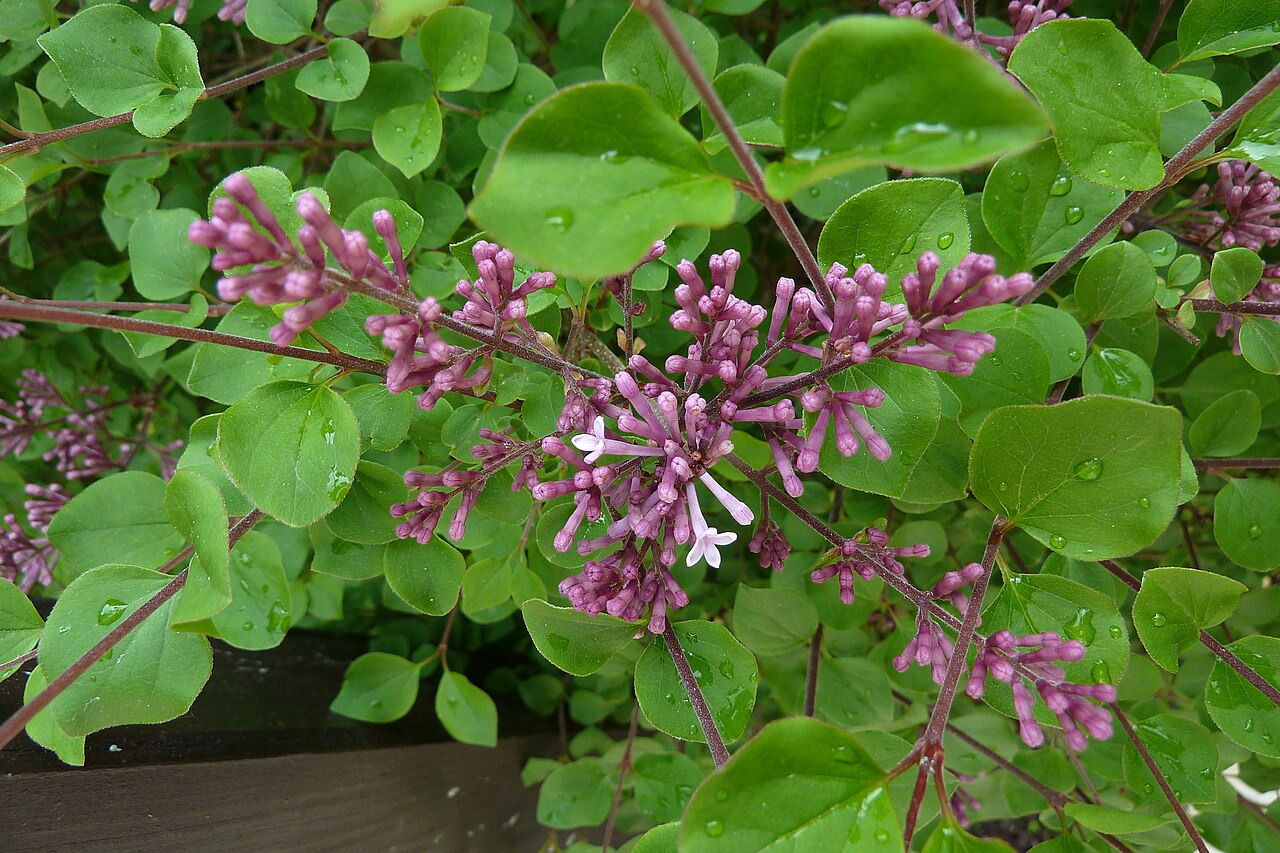
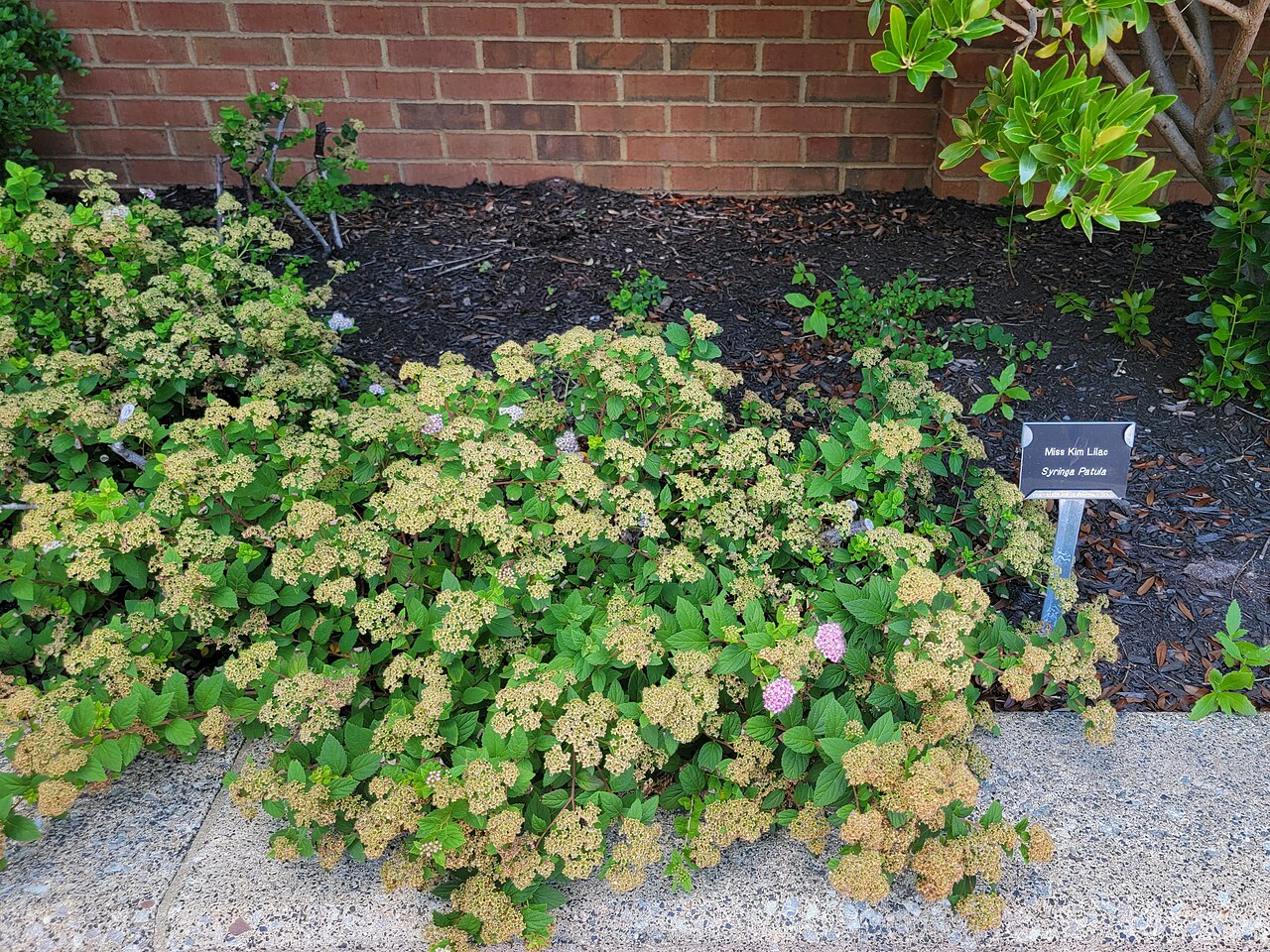
Don’t expect much bloom yet. Iowa State says common lilac cultivars often don’t flower for five or more years after planting, while dwarf Korean lilac and ‘Miss Kim’ often bloom within one or two. If yours is older and still not blooming, see why a lilac stops blooming.
The same root-zone checks apply to native shrubs. See our guides to newly planted beautyberry wilting watering a new spicebush root ball, and watering a new fringetree. Fringetree, a native lilac relative, is a good choice if you want fragrant spring flowers from a plant native to eastern North America.
Frequently Asked Questions
Is it normal for a new lilac to wilt?
Some afternoon drooping in the first few weeks is common, especially in hot weather. A plant that stays wilted in the morning, or keeps getting worse, needs the root-ball and drainage checks above.
Can I overwater a new lilac?
Yes. Lilacs don’t tolerate excessively wet soil. In heavy or poorly drained soil, frequent watering can keep roots short of oxygen. Always feel the root ball before you water.
How long does it take a new lilac to establish?
University of Minnesota Extension considers shrubs established when their root spread equals their canopy, which likely takes at least two growing seasons there. Illinois Extension notes that transplant shock can last up to three years.
Should I move a lilac that keeps wilting?
If a perc test shows poor drainage or water stands around the plant after rain, moving it to a better-drained, sunny site in early spring or fall is often the best long-term fix.
Will a wilted lilac recover?
Usually, if the cause is fixed early and the stems stay flexible and green under the bark. A plant whose stems have gone dry and brittle may not. If you’re replanting a sucker dug from an older shrub, our guide to managing lilac suckers covers how to lift them.
Sources
- Watering Newly Planted Trees and Shrubs, University of Minnesota Extension
- Watering Trees and Shrubs, University of Illinois Extension
- Testing and Improving Soil Drainage, Iowa State University Extension
- Planting a Tree or Shrub, University of Maryland Extension
- Growing Lilacs in the Home Garden, Iowa State University Extension
- How to Manage Potential Problems Growing Lilacs, Iowa State University Extension
- Common Lilac, The Morton Arboretum