
Muskwood (Guarea guidonia)
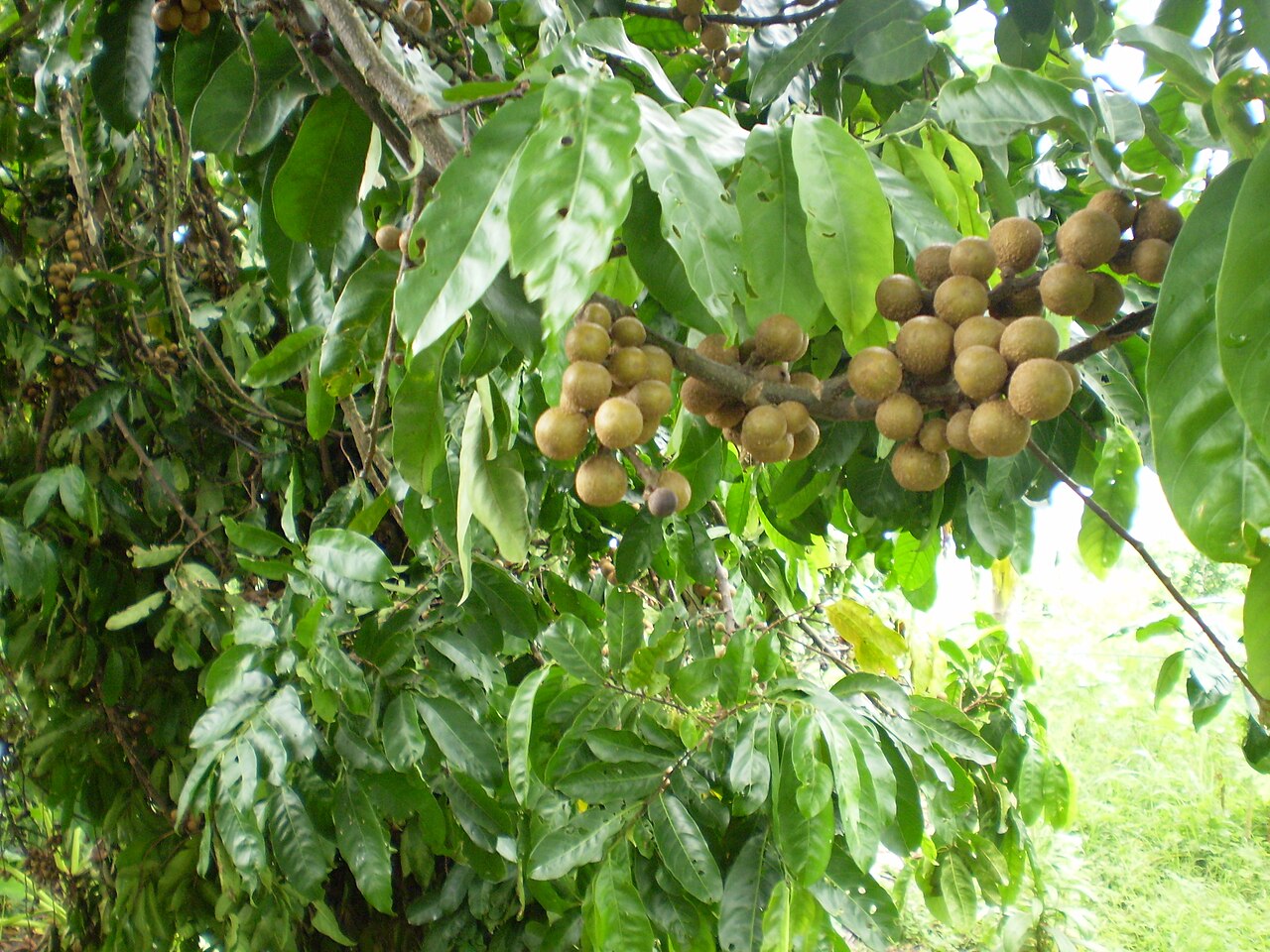
Guarea guidonia, known as Muskwood or American muskwood, and in Puerto Rico as guaraguao, is a large evergreen tree of the mahogany family (Meliaceae). It has a straight trunk, a broad, dense crown and long, glossy compound leaves, and it produces clusters of round, reddish-brown fruit. In Puerto Rico it reaches 80 to 100 feet tall.
Guaraguao is one of the most common trees in Puerto Rico’s moist and wet secondary forests, the forests that have regrown on abandoned farmland across the island in the last century. A U.S. Forest Service survey ranked it the second most common species in those forests. It is also one of the most widely used shade trees on the island’s coffee farms, especially on the deep clay soils of the Cordillera Central.
The tree has long been valued for its reddish wood, which resembles mahogany and cedar and was prized in Puerto Rico for furniture, ox carts and farm tools. This guide explains how to recognize it, where it grows, how to plant it, and why it matters to the island’s forests.
Identification
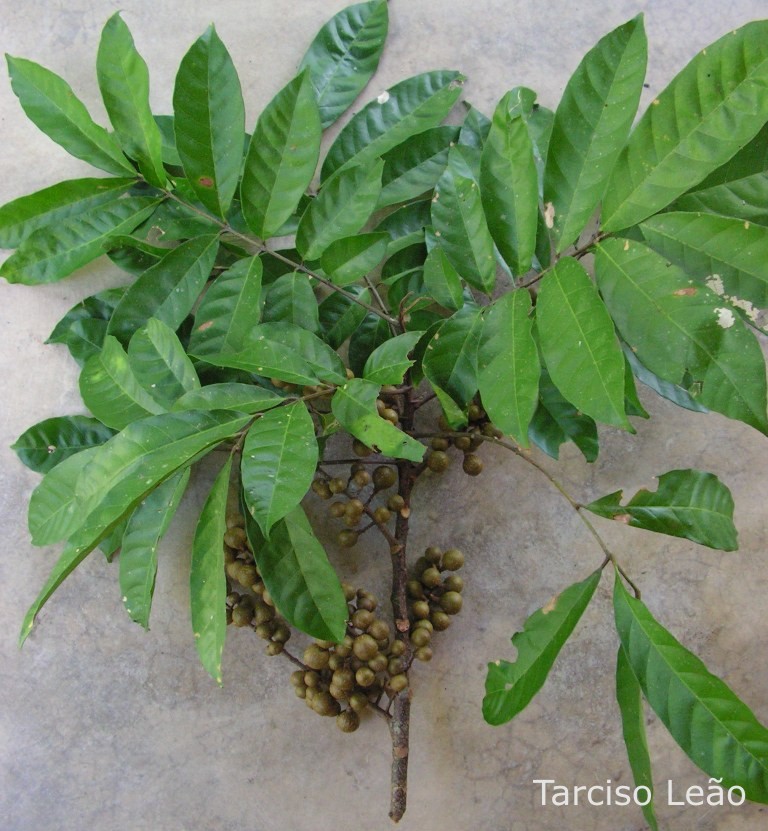
Guaraguao is easiest to recognize by its large, even-pinnate leaves, which keep growing from the tip, and by its clusters of round brown capsules.
Form & Bark
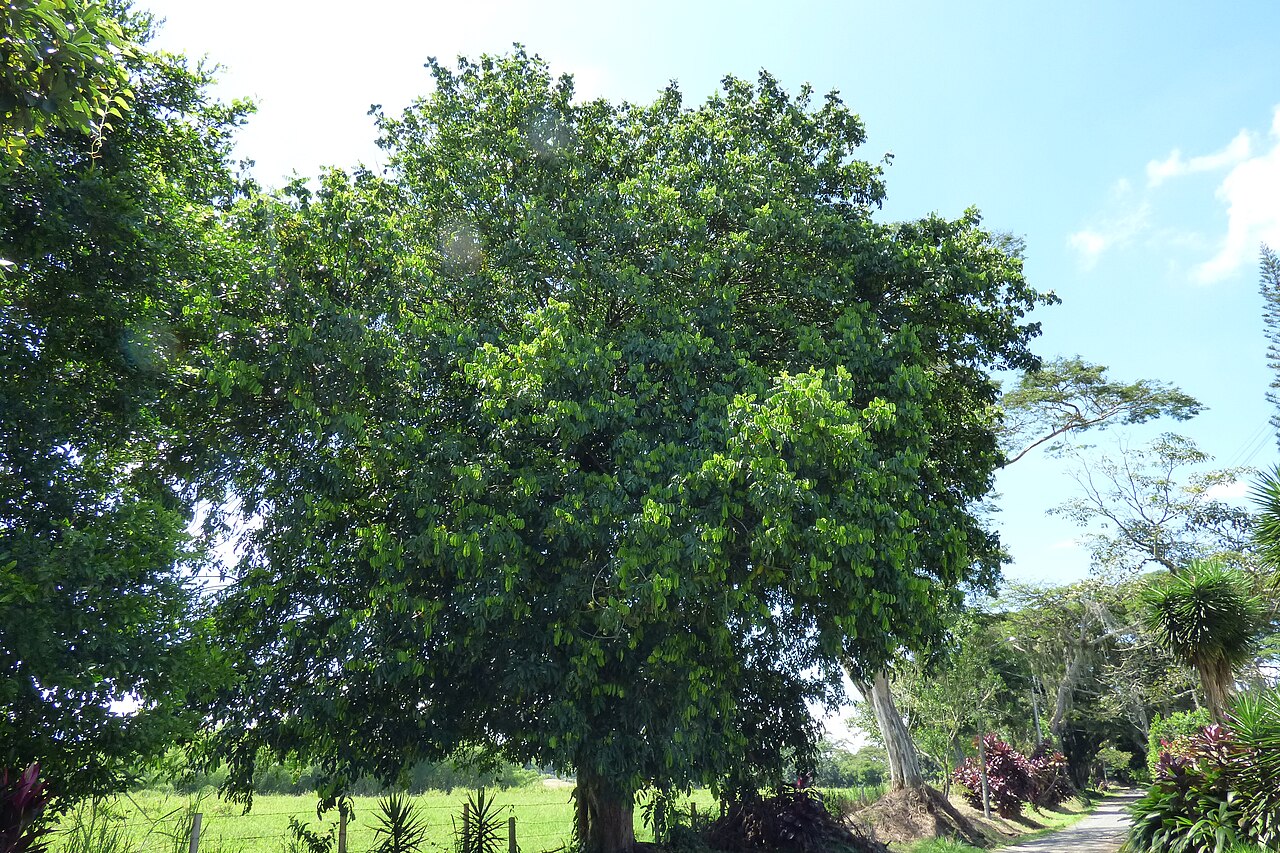
Mature trees in Puerto Rico have a straight, unbranched trunk, often fluted or ridged at the base, reaching 80 to 100 feet (25 to 30 m) tall and up to about 3 feet in diameter. The crown is spreading and the foliage dense. The bark is brown with a distinct reddish tint, rough, and marked with many lengthwise fissures. Young twigs are stout and dotted with raised pores (lenticels).
Leaves
The leaves are alternate and pinnately compound, 8 to 24 inches long, with 8 to 20 dark green leaflets arranged in pairs and no single leaflet at the tip. A remarkable feature of Guarea is that the leaf tip keeps growing like a small shoot, producing new pairs of leaflets as older ones mature. A leaf with tiny new leaflets at its end and full-sized ones at its base is a good field mark.
Flowers
Small, greenish-white flowers are borne in branched clusters (panicles). Each has a four-lobed calyx and four hairy petals. In Puerto Rico the tree flowers in April and May and again from October to December.
Fruit & Seeds
The fruit is a nearly round, reddish-brown capsule about 5/8 inch (1.6 cm) across, borne in clusters. It splits open to release up to four seeds, usually three, which are covered in a reddish-orange fleshy coating. In Puerto Rico, ripe fruit tends to fall at about the same time the tree flowers.
Quick Facts
| Scientific Name | Guarea guidonia (L.) Sleumer (syn. G. guara, G. trichilioides) |
| Family | Meliaceae (mahogany family) |
| Plant Type | Large evergreen tree |
| Mature Height | 60–100 ft |
| Mature Spread | 30–50 ft |
| Growth Rate | Moderate |
| Sun Exposure | Partial shade when young; full sun to partial shade when mature |
| Water Needs | Moderate to high; best in moist, humid areas |
| Soil Type | Deep, moist, fertile clay or loam; lower slopes, valleys and stream banks |
| Soil pH | Acid to slightly alkaline (about 5.0–7.5) |
| Bloom Time | April–May and October–December in Puerto Rico |
| Flower Color | Greenish-white |
| Fall Color | None; evergreen |
| Fruit | Round reddish-brown capsule with 3–4 seeds |
| Deer Resistant | Not a concern in Puerto Rico, which has no native deer |
| USDA Hardiness Zones | 10b–12; frost-sensitive |
Native Range
Muskwood has one of the broadest ranges of any Caribbean tree. It is native from Cuba, Hispaniola, Puerto Rico and St. Croix in the U.S. Virgin Islands, and Trinidad, and from Nicaragua and Costa Rica south through Panama and Colombia to Brazil and northern Argentina. It is absent from the Lesser Antilles. USDA PLANTS lists it as native in Puerto Rico and the U.S. Virgin Islands. It has been introduced in Florida but is not native there.
In Puerto Rico, early accounts describe guaraguao as a common tree of the forests of the coastal plains and lower slopes. Today it grows throughout the moist coastal lowlands, the humid limestone region of the northern karst, and the lower mountains, including the Cordillera Central and the lower slopes of the Luquillo Mountains, where it is common on lower slopes, in moist ravines and along rivers. It favors deep, moist, fertile soils on lower slopes, valleys and sinkholes rather than dry ridges.
Foresters planted it widely in Puerto Rico’s public forests during the reforestation programs of the 1940s. By 1945 almost 190,000 guaraguao seedlings had been planted in the Luquillo and Toro Negro forests alone.
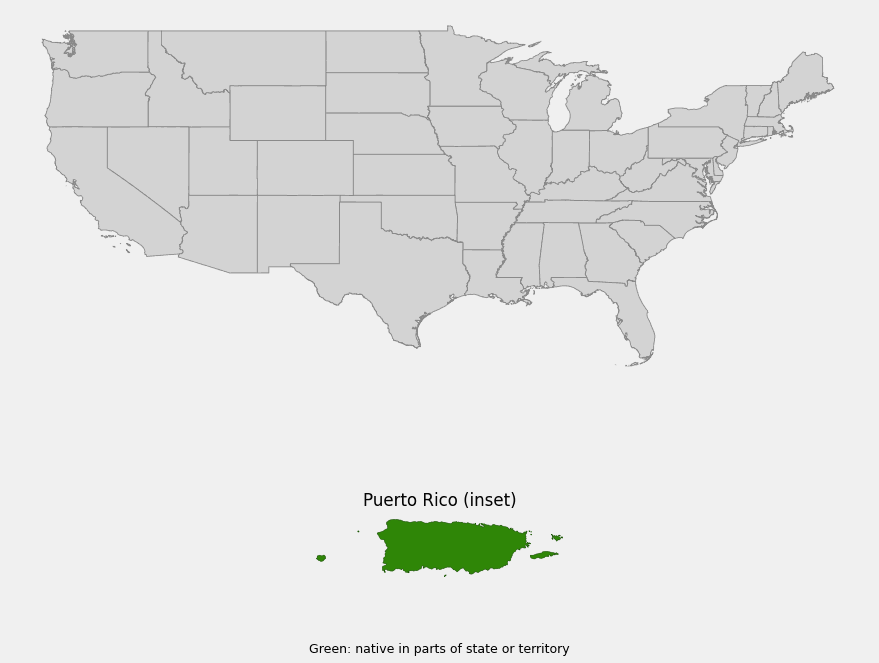
📋 Regional plant lists featuring Muskwood: Puerto Rico
Growing & Care Guide
Guaraguao is a big tree for big spaces: farms, parks, riparian buffers and reforestation sites. It does best where forest conditions already exist, with some shelter and deep, moist soil.
Light
Seedlings grow better in partial shade than in full sun. In Forest Service trials, seedlings planted on open, degraded sites in Puerto Rico turned yellow and stunted, while those planted on better sites or under forest cover grew well. Once established, the tree reaches the upper canopy and tolerates full sun.
Soil & Water
Plant it in deep, moist, fertile soil on lower slopes, in valleys or along streams. It is not suited to thin, dry ridgetop soils or the dry south coast. Water young trees during dry spells until they are established.
Planting Tips
Give it plenty of room: a mature tree can reach 80 feet or more with a wide crown, so keep it well away from buildings and power lines. It is an excellent choice for underplanting in young secondary forest, for enrichment planting along streams, and as shade for coffee or cacao.
Pruning & Maintenance
Little pruning is needed beyond removing low or damaged branches. Fallen fruit and leaves are part of the forest floor in natural settings but may need cleanup near paths. Old trees sprout well after cutting.
Propagation
Grow from fresh seed. The seeds lose viability within about a month, even in cool storage, so sow them soon after collection. In Puerto Rican tests, germination was much higher in partial shade than in full sun. Seedlings can be transplanted bare-root during the rainy season.
Landscape Uses
- Reforestation: a dependable native tree for restoring moist forest on lower slopes and in valleys
- Coffee and cacao shade: one of the most common shade trees on Puerto Rican coffee farms
- Riparian buffers: grows naturally on stream banks and in moist ravines
- Large shade tree: for parks, farms and large properties
- Wildlife plantings: its seeds feed birds and mammals
Wildlife & Ecological Value
As one of the most abundant trees in the island’s second-growth forests, guaraguao supports a wide range of wildlife and plays a major role in forest recovery.
For Pollinators
The small, greenish-white flowers, produced twice a year in Puerto Rico, are visited by bees and other small insects.
For Birds
Birds eat the seeds with their fleshy reddish coating, and some seeds are carried away from the parent tree. The dense evergreen crown also provides shelter and nesting sites.
For Mammals
In Trinidad, natural regeneration is limited partly because mammals and birds eat the seeds. Puerto Rico’s only native land mammals are bats, and the tree’s main wildlife value on the island is as food and cover for birds.
Ecosystem Role
Guaraguao is a key species of Puerto Rico’s secondary forests, which have regrown across abandoned farmland since the mid-twentieth century. In the Luquillo Mountains it showed the fastest diameter growth of the species measured in long-term plots. It reaches the upper canopy on good sites and helps rebuild the multi-layered structure of mature moist forest.
Cultural & Historical Uses
In Puerto Rico, guaraguao wood was an important source of timber. It was valued for building sturdy ox carts and farm implements and is considered the best furniture wood of the tabonuco forest. The wood is moderately heavy, strong and tough for its weight, easy to saw and machine, and takes a high, lustrous finish. It has been used for furniture, cabinetry, turned items, interior trim, general construction and boat building.
The name guaraguao is shared with the red-tailed hawk, which Puerto Ricans also call guaraguao. In the West Indies the tree was used much like mahogany and Spanish cedar, which it resembles, though it was never as abundant. The bark has been used for tanning in Argentina, and powdered bark, leaves and roots appear in traditional folk medicine. Laboratory studies have reported that the fruit can be toxic to animals, so it should not be eaten.
Over the years the species has been known as Guarea guara and Guarea trichilioides before its current name, G. guidonia. In parts of Brazil it is known as carrapeta or marinheiro, and in Colombia as cartagüeño.
Frequently Asked Questions
What is guaraguao?
Guaraguao is the Puerto Rican name for Guarea guidonia, a large native tree of the mahogany family known in English as muskwood. The same name is used for the red-tailed hawk.
How big does guaraguao get?
In Puerto Rico mature trees reach 80 to 100 feet tall with trunks up to about 3 feet across, so it needs plenty of space.
Is guaraguao good for coffee shade?
Yes. It is one of the most common shade trees on Puerto Rican coffee farms, particularly on the deep clay soils of the Cordillera Central.
How do I grow guaraguao from seed?
Collect fresh seeds from fallen fruit and sow them immediately, because they lose viability within about a month. Germinate them in partial shade and transplant the seedlings during the rainy season to moist, sheltered sites.
Is guaraguao wood valuable?
Yes. Its reddish wood resembles mahogany, works easily and takes a fine finish. It was traditionally used in Puerto Rico for furniture, ox carts and farm tools.

Looking for a nursery that carries Muskwood?
Our nursery directory does not yet include Puerto Rico. Browse the native plant nursery directory by state: Alabama–Arkansas · California · Colorado–Hawaii · Idaho–Kansas · Kentucky–Montana · Nebraska–Oklahoma · Oregon · Pennsylvania–Virginia · Washington · West Virginia–Wyoming