
Sacapellote (Acourtia microcephala)
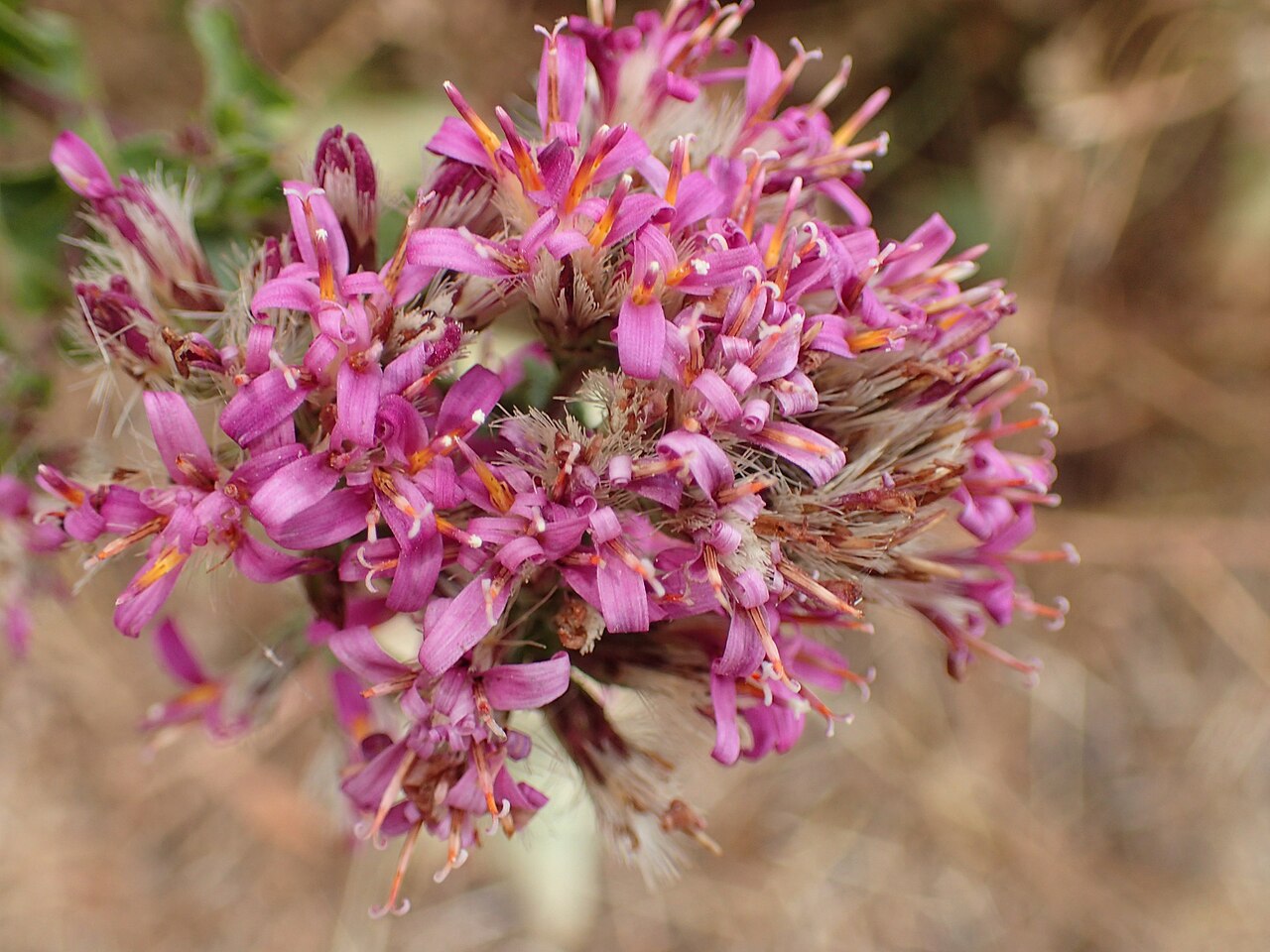
Acourtia microcephala, called Sacapellote, is a bushy, sticky-leaved perennial of the aster family native to central and southern California and northern Baja California. It grows in chaparral, coastal sage scrub and oak woodland in the coastal mountains and foothills.
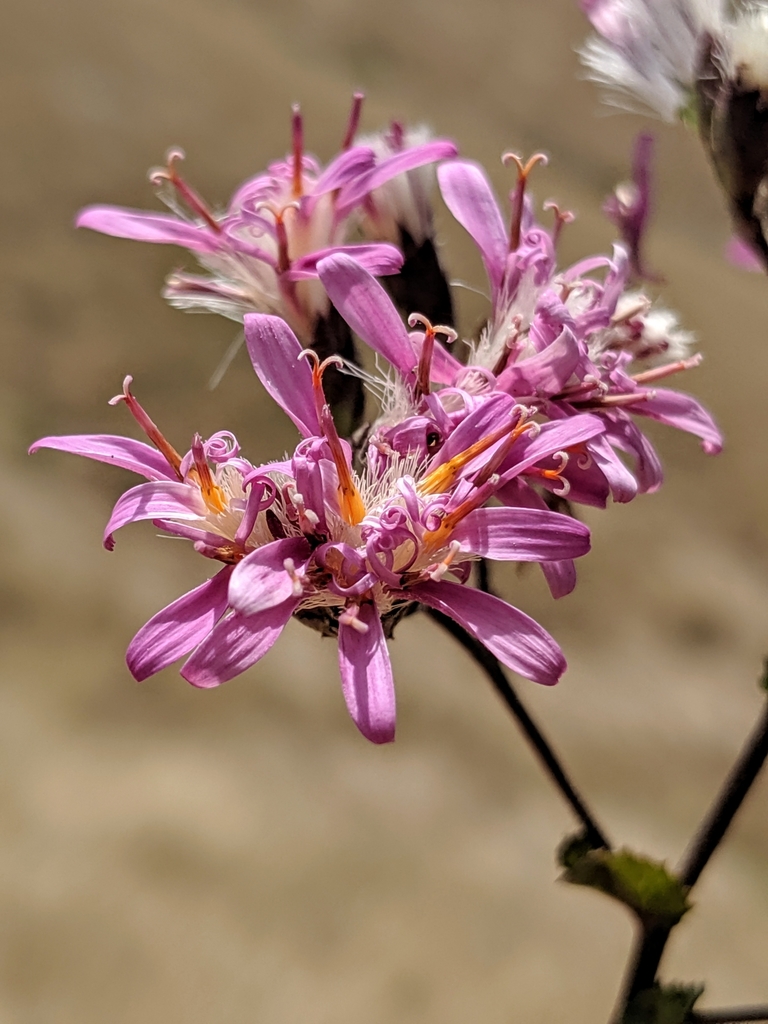
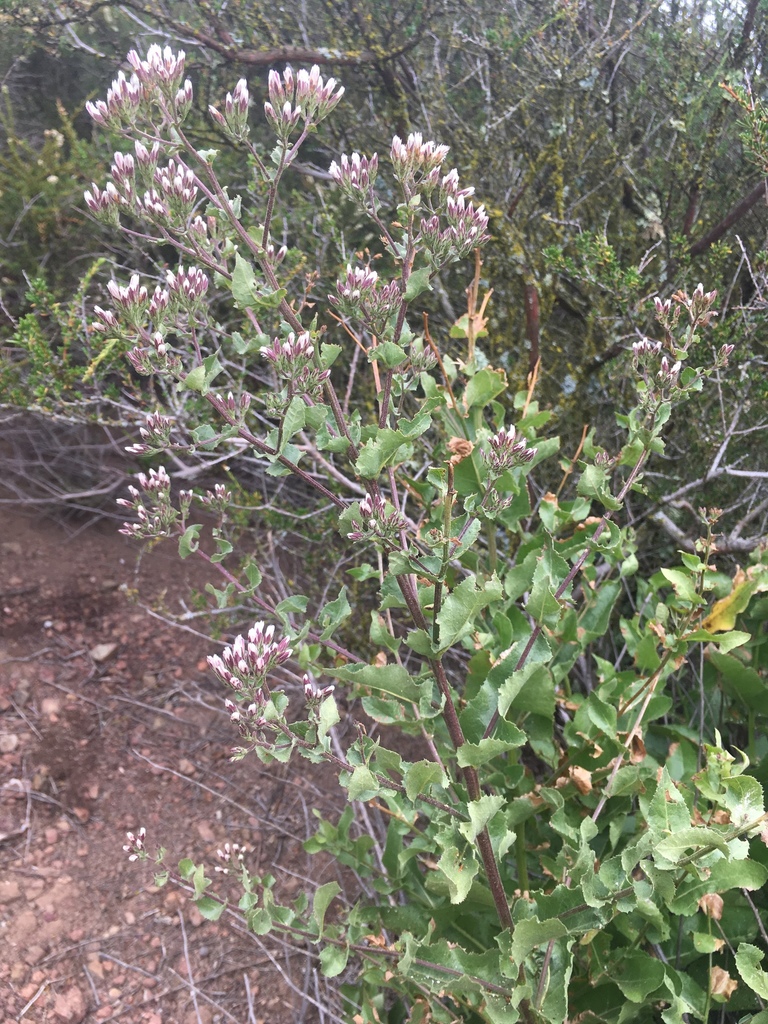
Several leafy stems rise 2 to 4 feet from a woody base, with broad, wavy-edged, toothed leaves that clasp the stem. From late spring into summer, branched clusters of narrow flower heads open bright pink to rose-purple. Each tiny floret has a long, flat outer lip, so the heads look like little ragged pink pinwheels.
Sacapellote is a late-blooming nectar source when much of the chaparral has gone dry, and it has a long history of use as a medicinal plant by Native Californians and early Californios. It is occasionally grown in native gardens for its unusual pink flowers.
Identification
Look in chaparral, sage scrub and oak woodland in late spring and summer for an upright, leafy perennial with large, wavy, clasping leaves that feel slightly sticky, topped by clusters of narrow heads of bright pink two-lipped florets.
Growth Habit
A perennial herb with several erect stems from a woody caudex, usually 2 to 4 feet tall and up to about 5 feet in good sites, often forming a loose clump. It is mostly green in winter and spring and dries back after seed set.
Leaves
Leaves are alternate, about 1 to 6 inches long, oval to oblong, with wavy, finely spiny-toothed edges and bases that clasp the stem. They are covered with glandular hairs and feel sticky and somewhat rough.
Flowers
Flower heads are narrow and cylindrical, about 1/2 inch long, wrapped in glandular, purplish-tinged bracts and clustered at the branch tips. Each head has only disk florets, but each floret has two lips, the outer long, flat and bright pink, which looks like a petal. Bloom is mainly from about May to July.
Fruit
The fruit is a small glandular achene topped with a tuft of soft, whitish bristles up to about 1/2 inch long, carried off by the wind.
Look-alikes
In flower, few other chaparral plants look like it. Before flowering, its wavy, clasping, sticky leaves may suggest a thistle or a gumplant, but sacapellote leaves are softer and not strongly spiny. Its relatives Acourtia nana and Acourtia wrightii grow in the deserts of Arizona, New Mexico and Texas, not in coastal California.
Quick Facts
| Scientific Name | Acourtia microcephala |
| Family | Asteraceae (aster family) |
| Plant Type | Perennial herb |
| Mature Height | 2–4 ft |
| Mature Spread | 2–3 ft |
| Growth Rate | Moderate |
| Sun Exposure | Full sun to part shade |
| Water Needs | Low; dry summers once established |
| Soil Type | Well-drained loam, sandy or rocky soil |
| Soil pH | Slightly acidic to slightly alkaline (about 6.0–7.5) |
| Bloom Time | Late spring to summer (May–July) |
| Flower Color | Bright pink to rose-purple |
| Fall Color | None notable |
| Fruit | Achene with soft whitish bristles |
| Deer Resistant | Moderately; sticky, aromatic leaves |
| USDA Hardiness Zones | 8–10 |
Native Range
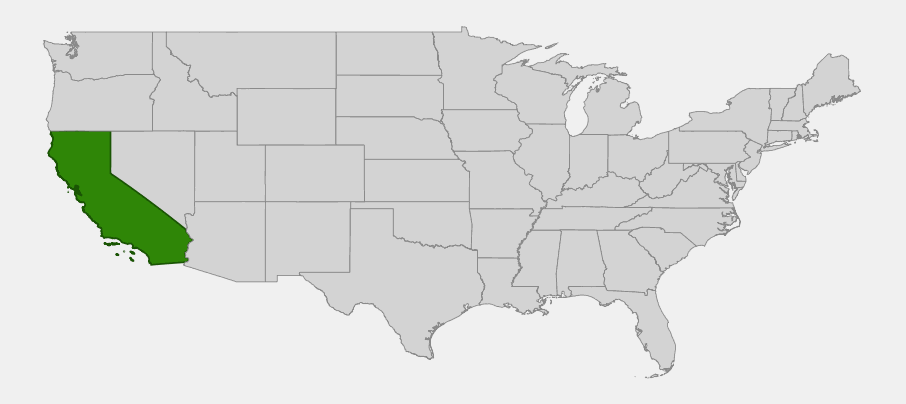
Sacapellote is native to central and southern California and northern Baja California, Mexico. USDA PLANTS records it only in California within the United States.
It ranges from the interior hills of San Luis Obispo County south through Santa Barbara, Ventura, Los Angeles, Orange and Riverside counties to San Diego County and across the border. It is most common in the Santa Monica, Santa Ynez, San Gabriel and Santa Ana Mountains and the foothills of the Peninsular Ranges.
It grows in chaparral, coastal sage scrub, oak woodland and woodland edges, often on slopes, in canyons and along trails and openings, from the foothills into the lower mountains. NatureServe ranks it as globally vulnerable because of its limited range, though it can be locally common.
📋 Regional plant lists featuring Sacapellote: California & Nevada
Growing & Care Guide
Sacapellote is an uncommon garden plant, sold mainly by specialist California native nurseries. It is tough and drought tolerant once established and suits informal chaparral and sage scrub plantings.
Light
Full sun near the coast; full sun to part shade inland, where afternoon shade helps keep it green longer.
Soil & Water
It needs well-drained loam, sandy or rocky soil. Water through its first spring and summer, then little or none. Like most chaparral plants it prefers dry summers and may rot with frequent irrigation in heavy soil.
Planting Tips
Plant from containers in fall or winter so roots grow with the rains. Give it room among shrubs such as sages, buckwheats and toyon, where its pink summer flowers stand out after spring bloom is over.
Pruning & Maintenance
Leave seed heads for the birds and wind, then cut stems back to the base in fall or winter. New stems grow from the woody crown in spring.
Propagation
Grow from fresh seed sown in fall or winter, or divide established clumps carefully in winter. Collect seed only where permitted.
Landscape Uses
- Chaparral and sage scrub gardens: late spring and summer color
- Pollinator gardens: nectar for bees and butterflies after spring bloom
- Dry slopes and banks: drought-tolerant, deep-rooted perennial
- Habitat restoration: native component of coastal mountain chaparral
- Ethnobotanical gardens: traditional medicinal plant of California
Wildlife & Ecological Value
Sacapellote blooms when many chaparral plants have finished, making it useful to insects in early summer.
For Pollinators
Native bees, butterflies and other insects visit the bright pink flowers for nectar and pollen in late spring and summer, a time when few chaparral plants are still blooming.
For Birds
Small seed-eating birds pick seeds from the fluffy heads, and insect-eating birds forage among the leafy stems.
For Mammals
The sticky, aromatic leaves are not a favorite browse, but deer may nibble young growth. The leafy clumps give cover to small animals.
Ecosystem Role
As a long-lived perennial that resprouts from its woody base, it persists through drought and recovers after fire, adding late-season flowers to chaparral and woodland edges.
Cultural & Historical Uses
The name sacapellote comes from Spanish and was used by Californios, who learned the plant’s medicinal uses from Native Californians. The species name microcephala means “small-headed.” It was long known as Perezia microcephala.
The Cahuilla people made a tea of the plant as a laxative, and Californios used decoctions as a diuretic for kidney and bladder complaints. The Chumash also used it medicinally.
These uses are historical. Do not use the plant as a remedy without expert guidance.
Frequently Asked Questions
What does sacapellote look like?
It is a leafy perennial 2 to 4 feet tall with wavy, sticky, clasping leaves and clusters of narrow heads of bright pink, two-lipped florets in late spring and summer.
Where does sacapellote grow?
In chaparral, coastal sage scrub and oak woodland in the coastal mountains and foothills of central and southern California and northern Baja California.
When does sacapellote bloom?
Mainly from May to July, after most chaparral plants have finished blooming.
Is sacapellote drought tolerant?
Yes. Once established it needs little or no summer water and prefers dry summers.
Is sacapellote a medicinal plant?
It was traditionally used by the Cahuilla, Chumash and Californios as a laxative and diuretic, but these are historical uses, not medical advice.

Looking for a nursery that carries Sacapellote?
Browse our native plant nursery directory: California

