
Sea Mayweed (Tripleurospermum maritimum)
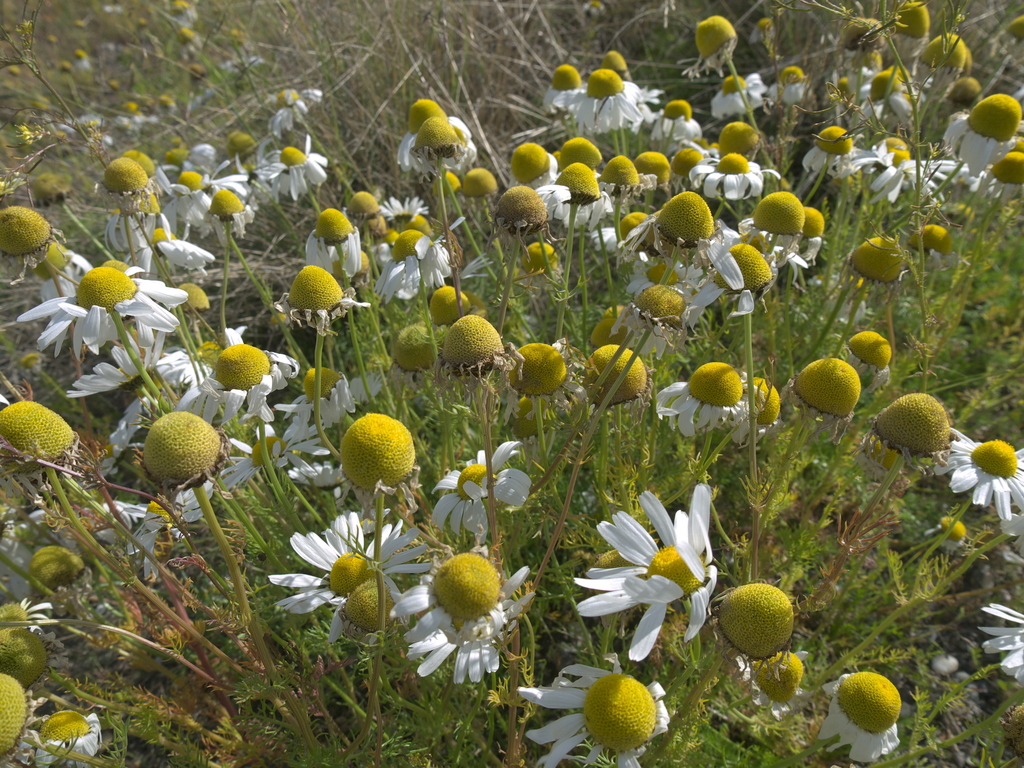
Tripleurospermum maritimum, Sea Mayweed, is a low, daisy-flowered plant of northern seashores. It has finely divided, slightly fleshy leaves and, in summer, white-rayed flower heads 1 to 2 inches across with domed yellow centers, held a few inches above beach gravel, sand and coastal tundra. It is related to chamomile but has little or no scent.
Sea mayweed is native around the cold coasts of the North Atlantic and Arctic: northwestern Europe, Iceland, Greenland, arctic and subarctic Canada and Alaska. In the United States it is native only in Alaska, where the arctic form, often called subspecies phaeocephalum for the dark brown edges of its flower-head bracts, grows on the beaches, spits and disturbed ground of the Bering Sea and Arctic coasts. USDA PLANTS also has records from several Lower 48 states, from Maine and Massachusetts to Minnesota, Ohio and the Pacific Coast, but regional floras such as the Native Plant Trust’s Go Botany treat those plants as introduced from Europe.
Because the closely related scentless chamomile (Tripleurospermum inodorum) is an invasive weed of fields and roadsides across much of North America, and the two are often confused or lumped, this guide focuses on the native Alaskan plant. It also explains how to tell the two apart, and why sea mayweed should not be planted outside its native coastal range.
Identification
Sea mayweed is one of several white-rayed, yellow-centered “mayweeds” and chamomiles. The details of the leaves, the bracts below the flower head and the seeds separate them.
Growth Habit
Plants are annual, biennial or short-lived perennials, usually 4 to 16 inches tall, with several sprawling to upright, branched stems from a taproot. On exposed beaches they are often low and spreading.
Leaves
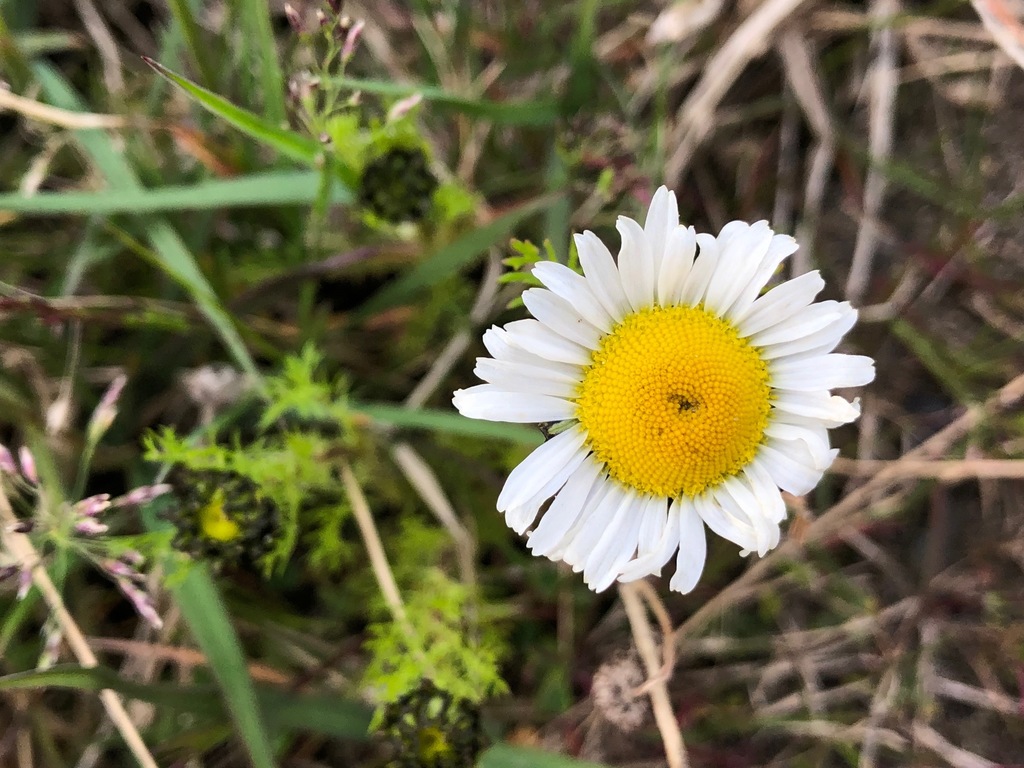
The leaves are alternate and finely divided two or three times into short, narrow, slightly thick and fleshy segments that are blunt or short-pointed. Coastal plants have more succulent leaf segments than inland weeds. The foliage is almost odorless when crushed.
Flower Heads
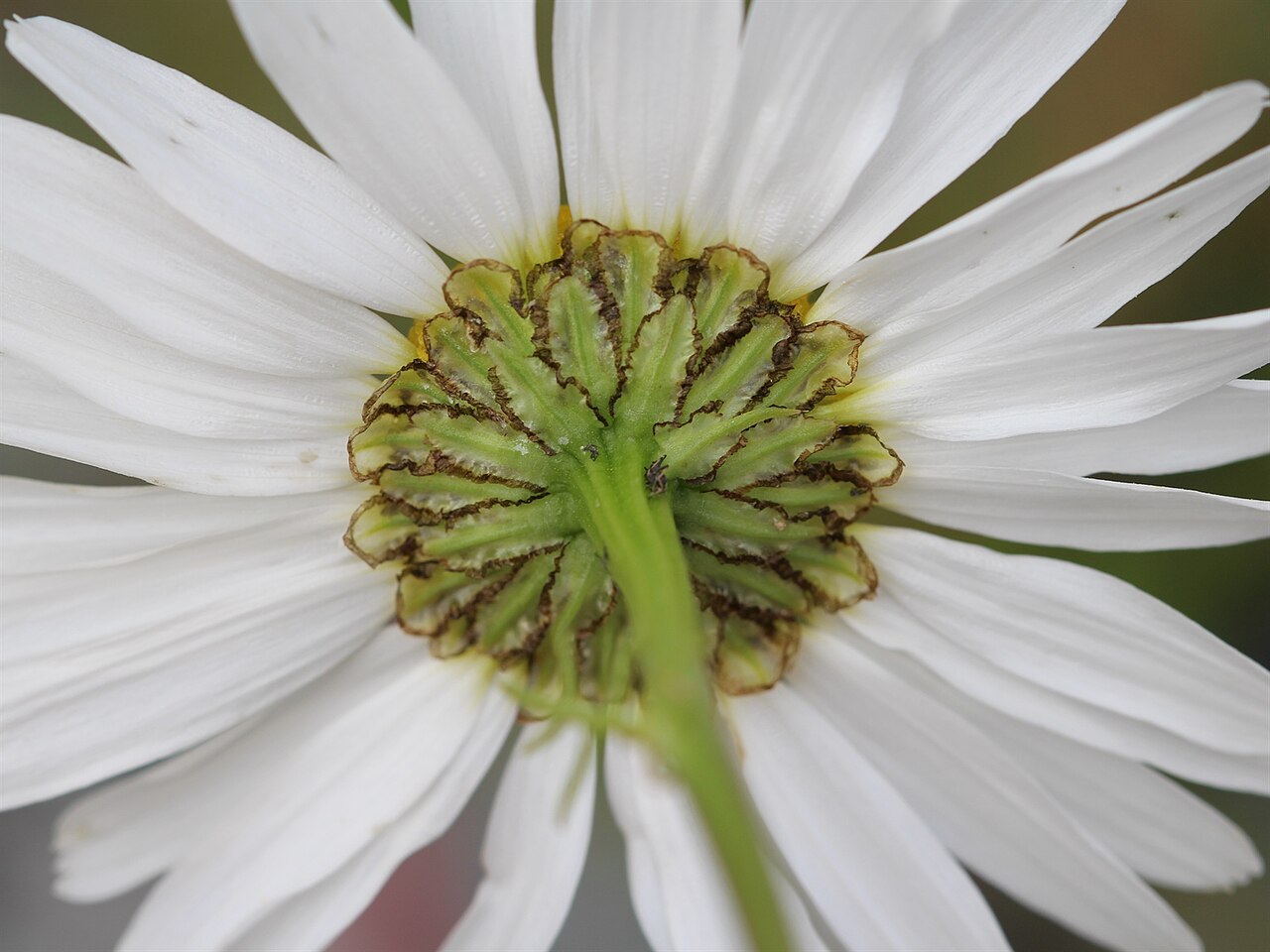
From July to September in Alaska, each branch ends in a flower head 1 to 2 inches across, with roughly 12 to 25 white rays around a yellow, dome-shaped disc. The bracts beneath the head have dark brown to blackish papery margins, which are especially broad in the arctic subspecies phaeocephalum (“dark-headed”).
Seeds
The small seeds (achenes) have three prominent ribs on one side, which gives the genus its name, Tripleurospermum (“three-ribbed seed”). Near the top of the other side are two oil glands. In sea mayweed these glands are usually elongated; in scentless chamomile they are usually more rounded.
Look-alikes
Scentless chamomile (T. inodorum) is a taller, more upright annual of fields and roadsides with thinner, thread-like leaf segments and paler bract margins. Ox-eye daisy has undivided, toothed leaves. Native Pineapple Weed has no rays and smells of pineapple, and true chamomile is strongly aromatic.
Quick Facts
| Scientific Name | Tripleurospermum maritimum |
| Family | Asteraceae (aster family) |
| Plant Type | Annual, biennial or short-lived perennial herb |
| Mature Height | 4–16 in |
| Mature Spread | 6–18 in |
| Growth Rate | Fast |
| Sun Exposure | Full sun |
| Water Needs | Medium; well-drained beach gravel and sand |
| Soil Type | Sand, gravel and disturbed coastal soils; salt tolerant |
| Soil pH | About 6.0–8.0 |
| Bloom Time | July–September in Alaska |
| Flower Color | White rays with yellow centers |
| Fall Color | None |
| Fruit | Three-ribbed achene |
| Deer Resistant | Yes; rarely browsed |
| USDA Hardiness Zones | 1–6 |
Native Range
In the United States, sea mayweed is native only in Alaska, where USDA PLANTS records it from the Bering Sea and Arctic coasts, including the Nome, Northwest Arctic, North Slope, Bethel and Dillingham regions. It grows on beach ridges, gravel and sand spits, the edges of coastal lagoons, coastal tundra and the disturbed ground around villages, camps and airstrips.
Beyond Alaska its native range circles the North Atlantic and Arctic: arctic and subarctic Canada, Greenland, Iceland, the Faroes and the coasts of northwestern Europe and Scandinavia. USDA and Canadian checklists also list it as introduced in parts of Canada and as both native and introduced in the Lower 48. The Lower 48 records, from California, Oregon and Washington to Minnesota, Ohio, Pennsylvania, New Jersey and New England, are from fields, roadsides and waste ground, and regional floras treat them as introduced European plants. They are not shown on the map.
In its native coastal habitat it thrives in full sun, salt spray and open, gravelly or sandy ground, especially where storms, ice or people disturb the soil.
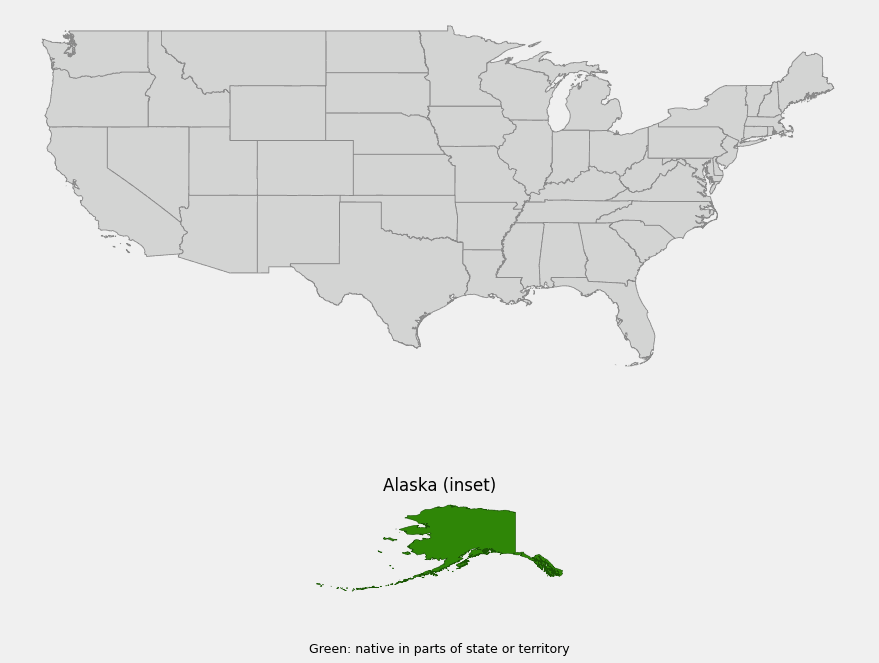
📋 Regional plant lists featuring Sea Mayweed: Alaska
Growing & Care Guide
Sea mayweed is not a garden plant in most of the United States, and it should not be planted in the Lower 48, where it and the invasive scentless chamomile are treated as introduced weeds. In coastal Alaska it can be useful for revegetating disturbed beach gravel and village sites from local seed. Collect seed only lightly and with permission, or use local revegetation seed sources.
Light
Full sun. It does poorly in shade.
Soil & Water
Sandy or gravelly, well-drained soil. It tolerates salt spray, wind and poor, disturbed soils, and it does not need fertilizer or extra water in its native climate.
Planting Tips
Sow seed on the surface of loosened gravel or sand in fall or early spring, pressing it in lightly. It germinates readily on bare, disturbed ground.
Pruning & Maintenance
No maintenance is needed. As a short-lived plant it persists by reseeding. Outside Alaska, remove any plants before they set seed.
Propagation
From seed. Collect the dry flower heads in late summer, rub out the small achenes, and sow them where they are wanted. Prolific reseeding is also why it should not be grown outside its native range.
Landscape Uses
- Coastal revegetation in Alaska: quick cover on disturbed beach gravel, village sites and airstrips
- Shoreline stabilization: helps bind loose sand and gravel with other beach plants
- Arctic wildflower viewing: a showy summer flower of Bering Sea and Arctic beaches
- Pollinator support in the Arctic: open daisy flowers for flies and other insects
- Not recommended for Lower 48 gardens: introduced and weedy outside Alaska
Wildlife & Ecological Value
On treeless northern beaches, sea mayweed is one of the few showy summer flowers, and its open, easily reached blossoms feed many small insects.
For Pollinators
Flies, especially hoverflies and muscid flies, are the main pollinators of arctic flowers, and they visit sea mayweed’s open flower heads. Small bees, beetles and butterflies also stop at them.
For Birds
Shorebirds and songbirds such as buntings and longspurs nesting near the coast forage among the beach plants for insects and seeds.
For Mammals
It is rarely eaten by large mammals. Small rodents may eat the seeds.
Ecosystem Role
Along with dunegrass, sea sandwort and beach pea, sea mayweed is part of the pioneer vegetation that colonizes beach ridges and storm-disturbed gravel, helping to stabilize them for other plants.
Cultural & Historical Uses
Carl Linnaeus named the plant Matricaria maritima in 1753. It has since been placed in Chamomilla and Tripleurospermum, and the arctic plants have been described as Matricaria ambigua, Tripleurospermum phaeocephalum and T. maritimum subsp. phaeocephalum. Scentless chamomile, T. inodorum, has sometimes been treated as part of the same species, which is why older records and maps mix the two.
In its native range in Europe, sea mayweed is a familiar plant of shingle beaches and sea walls. Its relatives include the chamomiles used for tea, but sea mayweed itself is almost scentless and is not a substitute for chamomile.
Scentless chamomile is regulated as a noxious weed in some western states and Canadian provinces, where it invades pastures, hayfields and roadsides. If you find a mayweed in a field or along a road in the Lower 48, it is almost certainly an introduced plant, and local weed agencies may want to know about it.
Frequently Asked Questions
Is sea mayweed native to the United States?
Yes, but only in Alaska, where the arctic form grows on Bering Sea and Arctic coasts. Records from the Lower 48 are treated by regional floras as introduced European plants.
What is the difference between sea mayweed and scentless chamomile?
Scentless chamomile (T. inodorum) is a taller weedy annual of fields and roadsides with thread-like leaf segments and paler bract margins. Sea mayweed is lower, with thicker, slightly fleshy leaf segments and dark-edged bracts, and it grows on seashores.
Is sea mayweed invasive?
Not in Alaska, where it is native. Elsewhere in North America, it and especially scentless chamomile can be weedy, and scentless chamomile is a regulated noxious weed in some areas.
Can I make tea from sea mayweed?
It is not a substitute for chamomile. It has little scent or flavor, and members of the aster family can cause allergic reactions in some people. Don’t use wild plants for tea unless you are certain of their identity.
Where can I see sea mayweed in Alaska?
On beaches, gravel spits and coastal tundra along the Bering Sea and Arctic coasts, for example around Nome, Kotzebue and the North Slope, where it blooms in July and August.

Looking for a nursery that carries Sea Mayweed?
Browse our native plant nursery directory: Alaska

