
Okeechobee Gourd (Cucurbita okeechobeensis)
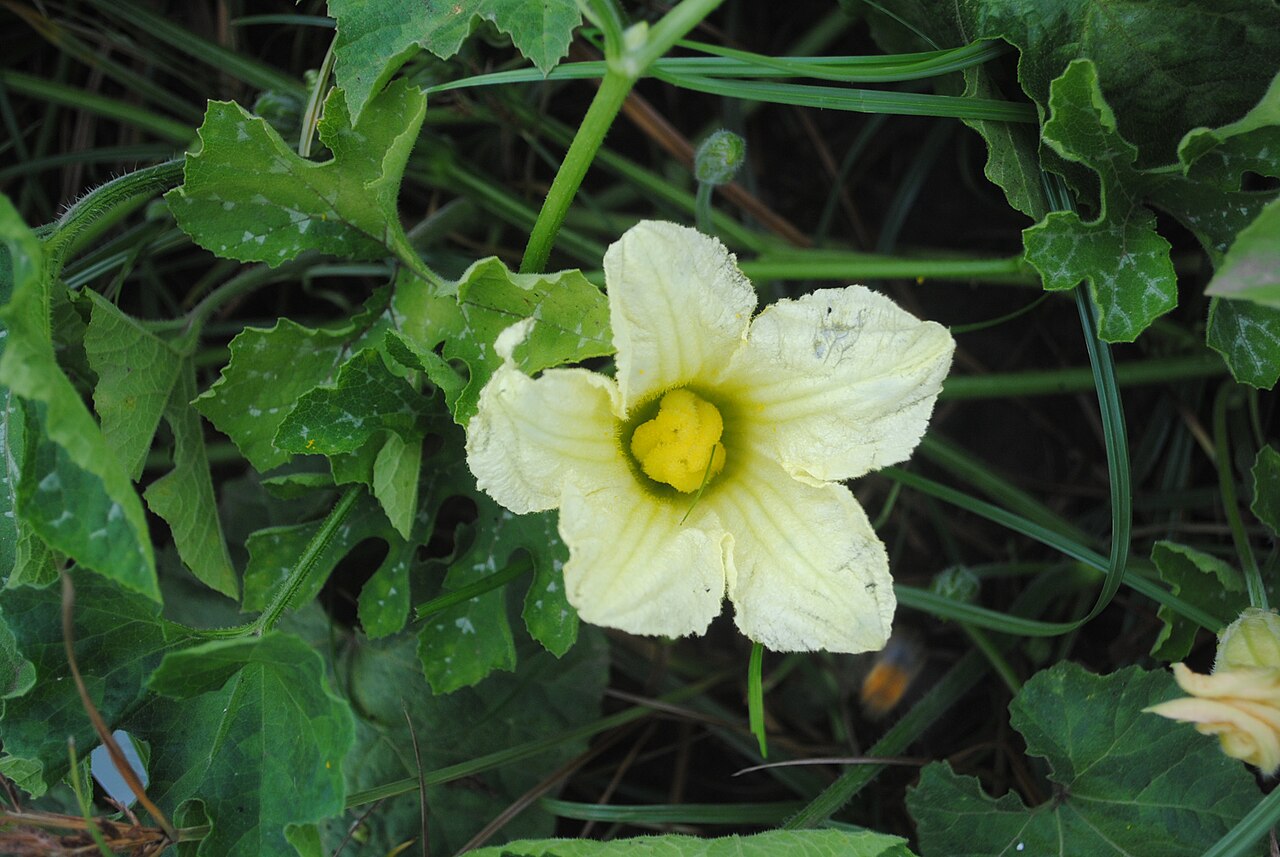
Cucurbita okeechobeensis, the Okeechobee Gourd, is a rare wild squash, a native climbing vine related to pumpkins and zucchini. In the United States it grows only in Florida, around the shores of Lake Okeechobee and along the upper St. Johns River. A closely related subspecies (ssp. martinezii) grows in eastern Mexico.
It is a vigorous annual or short-lived perennial vine that climbs by tendrils over shrubs and trees, with rounded, shallowly lobed leaves, large cream to pale yellow, bell-shaped flowers and round, hard-shelled gourds about 3 to 4 inches across. The gourds are extremely bitter and not edible.
The Florida subspecies (Cucurbita okeechobeensis ssp. okeechobeensis) is federally listed as endangered. Its original pond-apple swamp habitat on the south shore of Lake Okeechobee was almost entirely cleared for agriculture. Never collect wild plants or seeds. This guide covers how to identify it, where it grows, its conservation status and its role in Florida’s wetlands.
Identification
Okeechobee gourd is a climbing wild squash with tendrils, rounded lobed leaves, large cream to pale yellow flowers that open in the morning, and round, striped, hard gourds.
Growth Form
It is a fast-growing, high-climbing vine with ridged, hairy stems up to 20 feet or more long. Branched tendrils grasp shrubs, trees, dead stems and debris, and the vine often drapes over the tops of shoreline shrubs. In Florida it usually behaves as an annual, sprouting in spring and dying back in winter.
Leaves
The leaves are alternate, roughly kidney- to heart-shaped, about 4 to 8 inches wide, shallowly three- to five-lobed with toothed edges, and rough-hairy, on long stalks. They look like smaller versions of cultivated squash leaves.
Flowers
From about late spring through summer and fall, it bears separate male and female flowers on the same vine. They are bell-shaped, about 2 to 3 inches across, cream to pale yellow, with five spreading lobes, and open early in the morning, closing by midday. The female flowers have a small, round ovary below the petals that becomes the gourd.
Fruit & Look-alikes
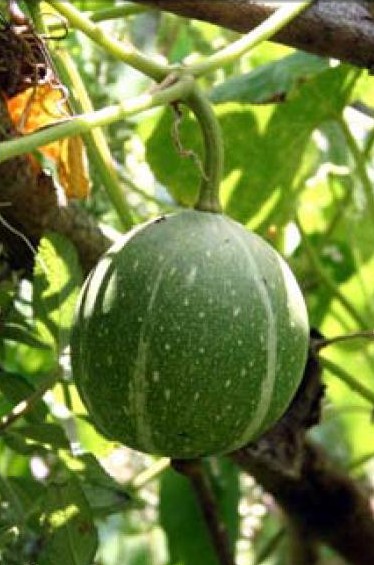
The gourds are round, about 3 to 4 inches across, smooth, light green with pale stripes or mottling, ripening to tan or buff with a very hard shell. They contain bitter, pale flesh and many flat seeds, and they float, which helps them spread along water. Buffalo Gourd is a western wild squash with gray-green, triangular leaves and a strong odor. Escaped cultivated squashes and pumpkins have orange-yellow flowers and larger, often irregular fruits.
Quick Facts
| Scientific Name | Cucurbita okeechobeensis (Small) L.H. Bailey |
| Family | Cucurbitaceae (gourd family) |
| Plant Type | Climbing annual or short-lived perennial vine |
| Mature Height | Climbs to 20 ft or more |
| Mature Spread | Spreading vine, 10–20+ ft |
| Growth Rate | Fast |
| Sun Exposure | Full sun to partial shade |
| Water Needs | High; moist to seasonally flooded soil |
| Soil Type | Moist muck, organic or sandy shoreline soil |
| Soil pH | About 5.5–7.5 |
| Bloom Time | Late spring–fall |
| Flower Color | Cream to pale yellow |
| Fall Color | None notable |
| Fruit | Round, hard, striped gourd; bitter, not edible |
| Deer Resistant | Unknown |
| USDA Hardiness Zones | 9–11 (grown as an annual) |
Native Range
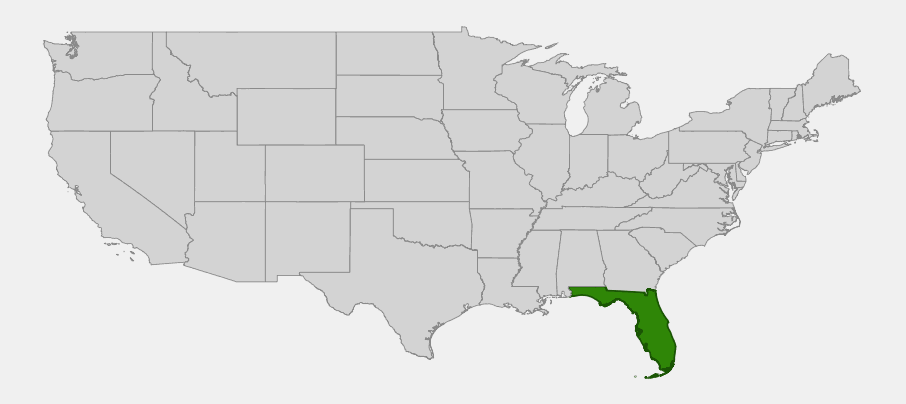
In the United States, Okeechobee gourd is found only in Florida, where USDA PLANTS lists it as native. The Florida plants are the subspecies okeechobeensis; the subspecies martinezii, sometimes treated as a separate species, grows in the Gulf coastal lowlands of eastern Mexico.
Its classic home was the dense pond-apple swamp forest that once ringed the south shore of Lake Okeechobee, where botanist John Kunkel Small found and named it. That forest was cleared for farming in the early twentieth century. Today it survives in small, fluctuating populations on the shores and islands of Lake Okeechobee and along the upper St. Johns River in central Florida.
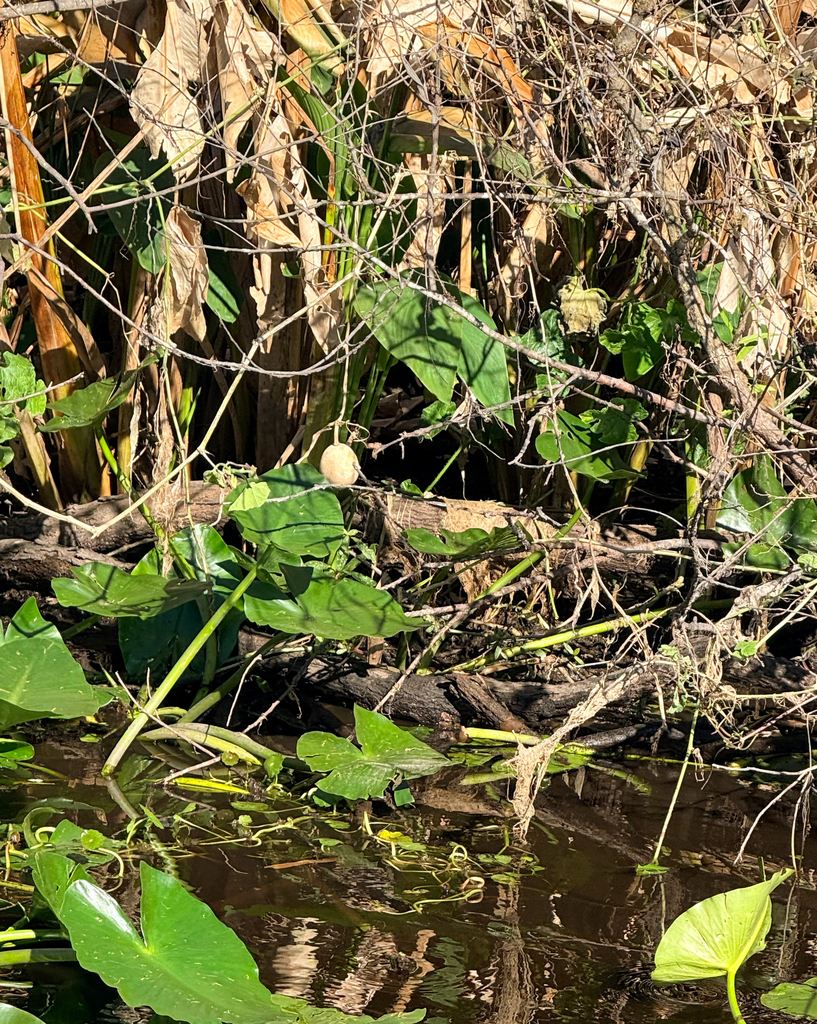
It grows on moist to seasonally flooded ground: lake and river shorelines, marsh edges, levee banks, spoil islands and the edges of wet hammocks, where it climbs on pond apple, willows, elderberry and other shrubs. Its populations rise and fall with lake levels, fire and storm disturbance.
📋 Regional plant lists featuring Okeechobee Gourd: North & South Florida
Growing & Care Guide
Because the Florida subspecies is federally endangered, never collect wild plants, gourds or seeds. It is not sold by native nurseries, and it is grown mainly by conservation programs, botanic gardens and crop researchers. Gardeners can best help by protecting shoreline habitat and reporting sightings to conservation agencies. The notes below describe how it grows in cultivation.
Light
It grows best in full sun to light shade, climbing up through shrubs to reach the light.
Soil & Water
In the wild it grows in moist muck and sandy shoreline soils that are flooded part of the year. In cultivation it needs rich, consistently moist soil and warm temperatures, like other squashes.
Planting Tips
Conservation plantings are made with legally propagated seed of known origin, on protected shoreline sites with shrubs or trellises for the vine to climb. It is not appropriate for home landscapes.
Pruning & Maintenance
No pruning is needed. In restoration sites, managers control invasive vines and shrubs that smother it and protect plants from mowing and herbicide spraying along levees and canals.
Propagation
It is grown from seed, which germinates readily in warm, moist soil, like garden squash. Because it crosses with other Cucurbita, conservation programs keep seed lots isolated from cultivated squashes.
Landscape Uses
- Conservation and restoration: recovery plantings on protected Florida shorelines
- Crop breeding: a source of disease resistance for squash
- Wetland education: a rare native relative of familiar vegetables
- Wildflower viewing: large cream flowers on Lake Okeechobee shores
Wildlife & Ecological Value
Okeechobee gourd is part of the shoreline vine and shrub community of central and southern Florida wetlands.
For Pollinators
Its large, morning-opening flowers are visited by squash bees and other native bees, which carry pollen between male and female flowers. Wild squashes and their specialist bees have a long shared history in the Americas.
For Birds
The hard, bitter gourds are rarely eaten by birds, but the vine tangles over shoreline shrubs provide cover for wading birds, songbirds and other wildlife.
For Mammals
Its fruit is very bitter and not a known food for mammals. Toxicity note: like other wild gourds, its flesh contains bitter cucurbitacins that can cause severe stomach upset if eaten. Never eat wild gourds.
Ecosystem Role
It is a specialist of disturbed, fluctuating shorelines, where its floating gourds spread seeds along the water. The main threats to it are past and ongoing habitat loss, invasive plants, mowing and herbicide use along levees, and changes in lake levels.
Cultural & Historical Uses
John Kunkel Small described the plant in 1930 as Pepo okeechobeensis from the pond-apple forest of Lake Okeechobee, and Liberty Hyde Bailey later moved it to the squash genus Cucurbita. The species name refers to Lake Okeechobee.
Okeechobee gourd is a crop wild relative of cultivated squashes. Plant breeders have used it as a source of resistance to powdery mildew and some viruses in squash breeding.
The Florida subspecies was listed as endangered under the U.S. Endangered Species Act in the 1990s. State and federal agencies, botanic gardens and researchers monitor its remaining populations and keep seed in conservation collections.
Frequently Asked Questions
What is the Okeechobee gourd?
It is Cucurbita okeechobeensis, a rare wild squash vine native to Florida (and, as a different subspecies, eastern Mexico), with cream flowers and round, bitter gourds.
Is Okeechobee gourd endangered?
Yes. The Florida subspecies is federally listed as endangered. It survives in small populations around Lake Okeechobee and along the upper St. Johns River.
Can you eat Okeechobee gourd?
No. The gourds are very bitter and contain cucurbitacins, which can cause severe stomach upset. Never eat wild gourds.
Can I grow Okeechobee gourd?
It is not sold for home gardens. Because it is endangered, wild plants and seeds must never be collected; it is grown mainly by conservation programs and researchers.
Why is it important for agriculture?
As a wild relative of squash, it carries genes for resistance to powdery mildew and some viruses that breeders have used to improve cultivated squash.

Looking for a nursery that carries Okeechobee Gourd?
Browse our native plant nursery directory: Florida

