
Pond Apple (Annona glabra)
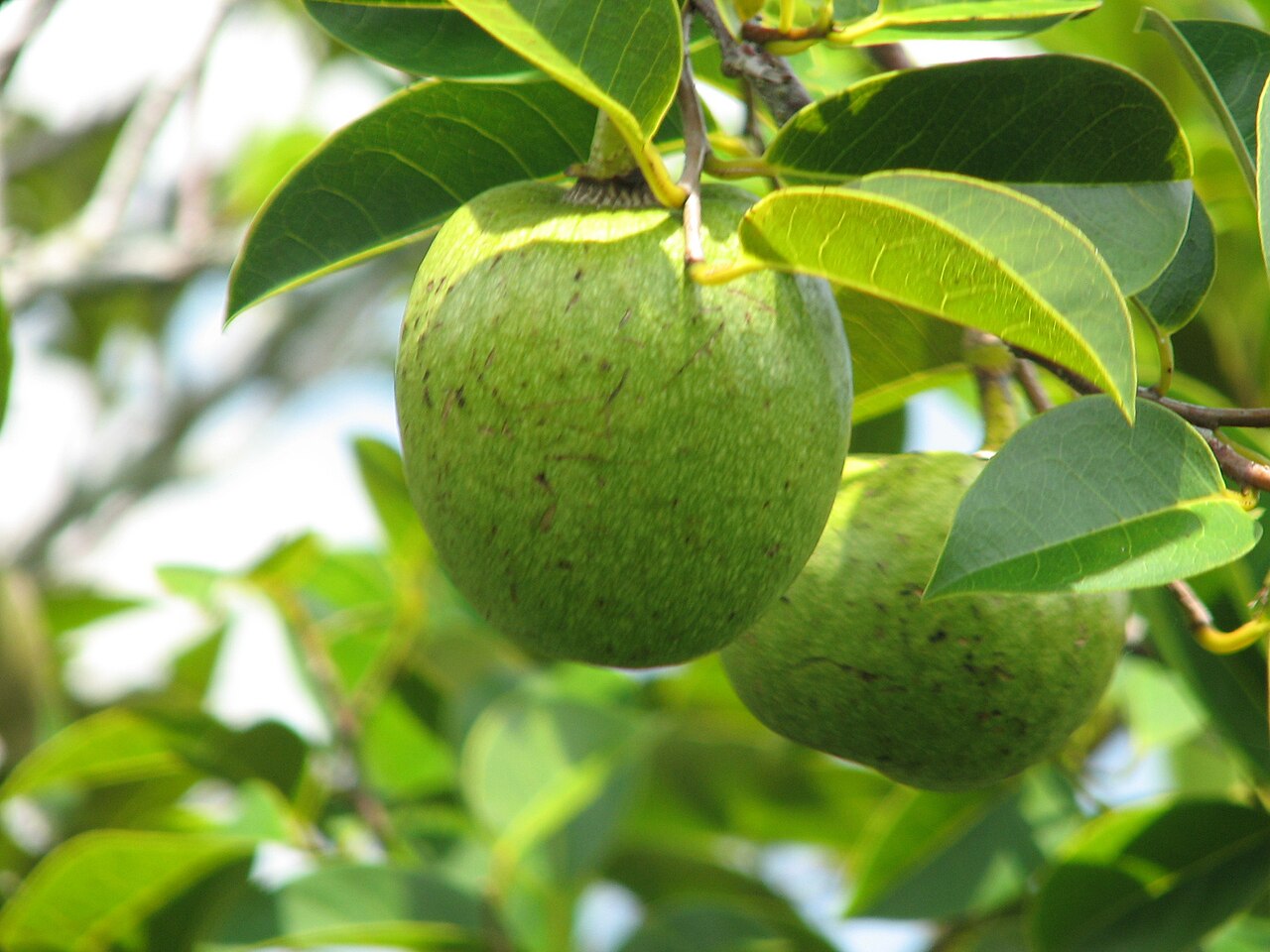
Annona glabra, known as Pond Apple (and occasionally alligator apple, corkwood, or monkey apple), is a small, flood-tolerant tree of South and Central Florida’s swamps and wet hammocks. It belongs to the custard apple family alongside pawpaw, and like its relatives it produces a rounded, apple-sized fruit — though Pond Apple’s fruit is grown more for wildlife value than for the table. This is a genuinely amphibious tree: it thrives with its roots standing in standing or slow-moving fresh water for much of the year, something few other native trees in its range tolerate as well.
In the wild, Pond Apple grows along the margins of ponds, sloughs, and wet hammocks throughout its Florida range, often forming dense thickets at the water’s edge alongside pop ash and willow. Its buttressed, swollen trunk base is an adaptation to the saturated, often anaerobic soils it calls home, similar in function to the knees of bald cypress growing in the same wetlands.
Gardeners should know up front that this is a specialist tree for wet sites: it needs consistently moist to wet, poorly drained soil and struggles in an ordinary dry landscape bed. It is also worth knowing that outside its native range — notably in parts of Australia — Pond Apple has become a serious invasive weed in tropical wetlands; within its native Florida range this is not a concern, but it underscores that this is a tree to plant only where it belongs.
Identification
Pond Apple is a small to medium tree, typically 15 to 30 feet tall, with a rounded, spreading crown and a short, often buttressed and swollen trunk base adapted to wet, soft ground.
Leaves
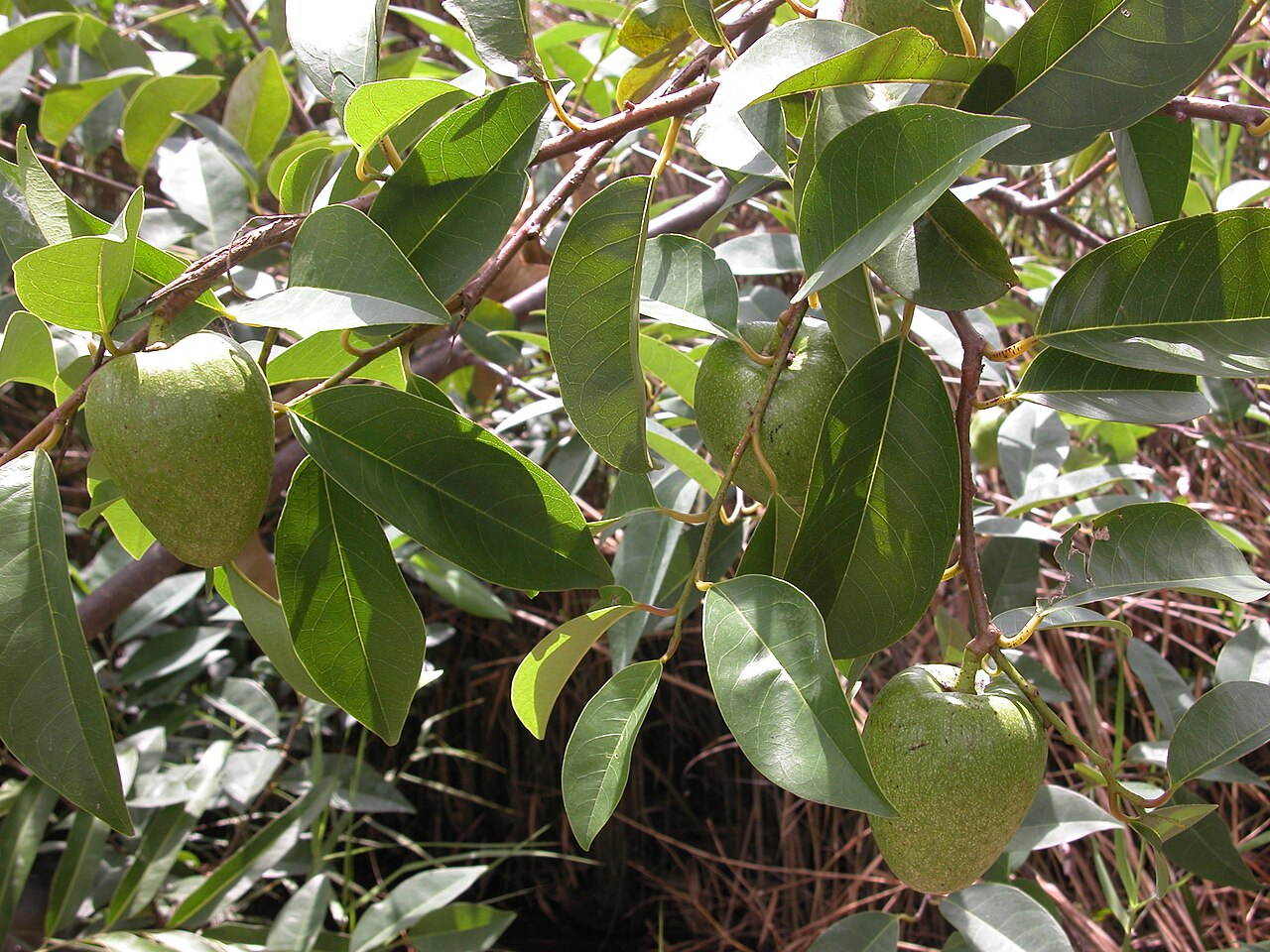
Leaves are alternate, simple, oblong to elliptical, 3 to 6 inches long, glossy dark green above and paler beneath, with smooth margins. The foliage is semi-evergreen to evergreen in South Florida’s mild climate and aromatic when crushed, typical of the custard apple family.
Flowers
Flowers are solitary, about an inch across, with thick, fleshy, creamy-white to pale yellow petals often tinged rose at the base. They appear mainly in spring, with a fragrance that, true to the family, is distinctive rather than conventionally sweet.
Fruit
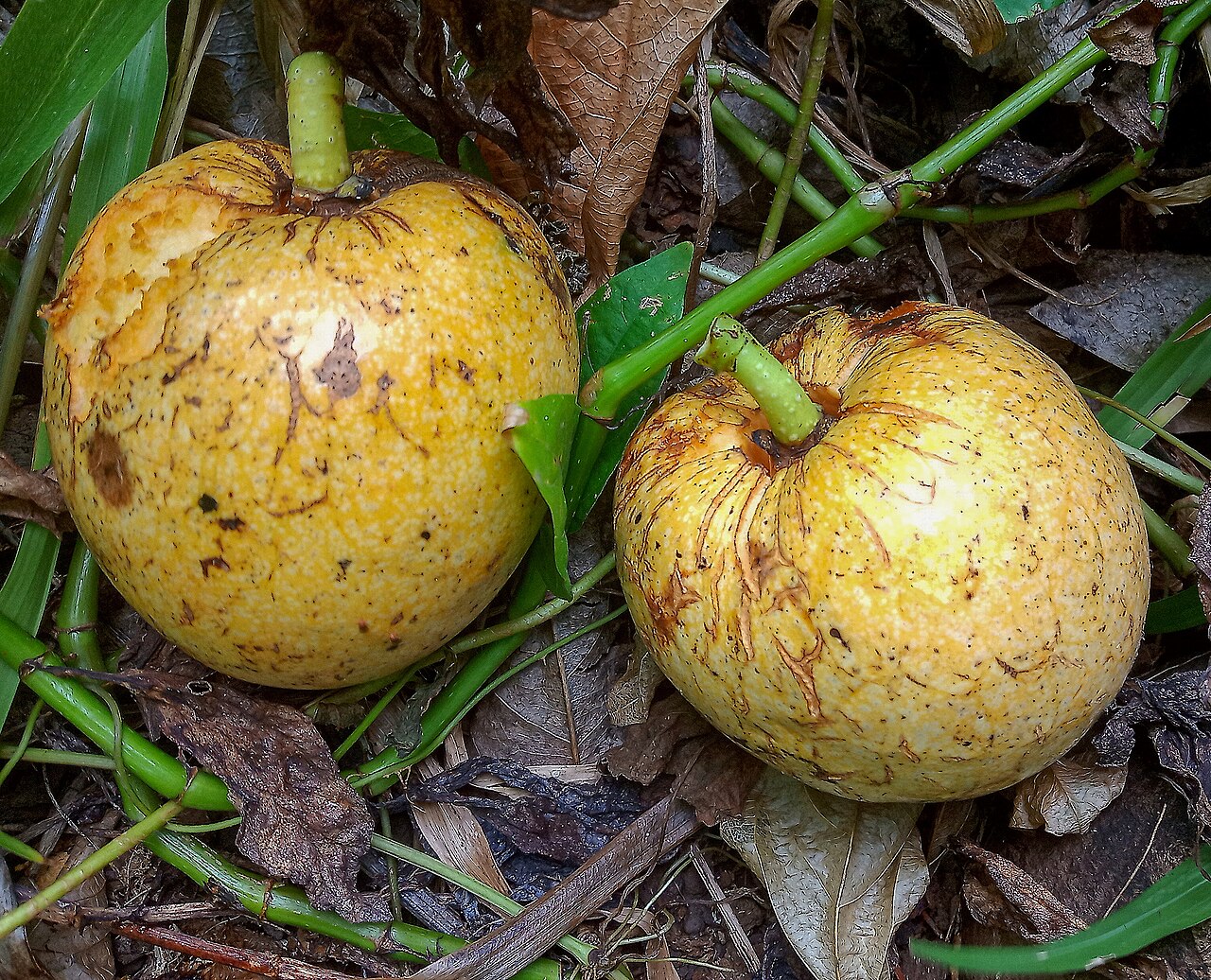
The fruit is rounded to heart-shaped, 2 to 4 inches across, green and speckled when immature, ripening to yellow with a soft, somewhat wrinkled skin. Inside is a pale, custard-like pulp studded with numerous flat brown seeds. The pulp is edible but bland and considered poor quality compared to related annonas like pawpaw or soursop; it is eaten far more by wildlife than by people.
Trunk & Roots
The most distinctive field mark is the trunk base: swollen, often buttressed, and sometimes developing short, spongy, pneumatophore-like root extensions that help the tree take up oxygen in waterlogged soil — a clear sign this is a wetland specialist.
Quick Facts
| Scientific Name | Annona glabra |
| Family | Annonaceae (Custard Apple) |
| Plant Type | Semi-evergreen to Evergreen Tree |
| Mature Height | 15–30 ft |
| Mature Spread | 15–25 ft |
| Growth Rate | Moderate to fast |
| Sun Exposure | Full Sun to Partial Shade |
| Water Needs | High; tolerates standing water |
| Soil Type | Wet, poorly drained; muck, peat or saturated sand |
| Soil pH | Neutral to slightly acidic |
| Bloom Time | Spring (April – June) |
| Fruit | Rounded yellow fruit with bland, edible pulp; mainly wildlife food |
| Wildlife Value | Fruit eaten by wading birds, raccoons, and other wetland wildlife |
| USDA Hardiness Zones | 10–11 |
Native Range
Pond Apple is native to central and southern Florida, with BONAP county records concentrated across the peninsula south of roughly the Tampa-Orlando line, including the Everglades region. It also occurs natively in the Caribbean and parts of tropical America. Habitat is wet hammocks, pond and slough margins, and other freshwater wetlands subject to seasonal flooding.
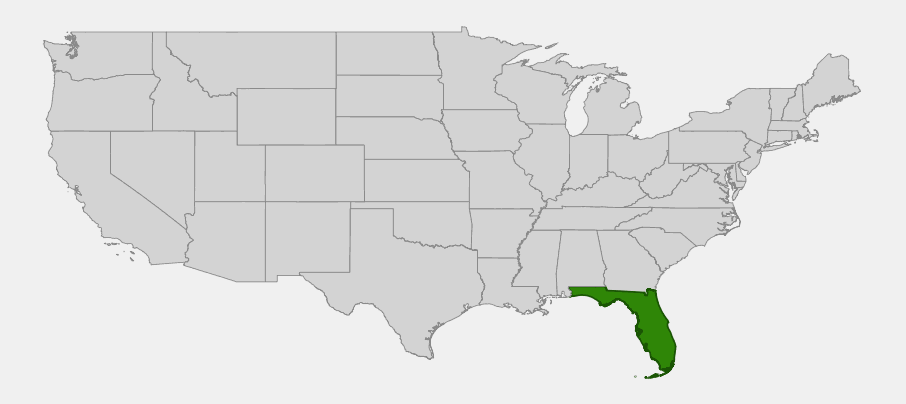
Pond Apple is native only to Florida (and the Caribbean/tropical Americas); this campaign has no regional plant list covering peninsular Florida, so no 📋 regional list links apply to this page.
Growing & Care Guide
Pond Apple is a specialist for wet, low-lying sites and is not a tree for an ordinary dry landscape bed.
Light
Grows well in full sun to partial shade. In the wild it often forms dense stands at pond and slough edges in open sun, but also persists in the dappled light of wet hammock margins.
Soil & Water
This is a true wetland tree: it wants consistently wet, poorly drained soil and tolerates standing or slow-moving fresh water for extended periods, a trait reflected in its swollen, buttressed trunk base. It is not drought-tolerant and performs poorly in dry, well-drained upland soil. Pond margins, rain garden low points, and the wet edges of retention ponds within its native range are appropriate sites.
Planting
Plant in a consistently moist to wet location — pond edges, low spots that hold seasonal water, or constructed wetland features. Young trees benefit from reliable moisture while establishing; mature trees handle both flooding and the brief dry spells typical of Florida’s wet-dry seasonal cycle.
Pruning & Maintenance
Minimal pruning is needed. Remove dead or damaged wood as needed; otherwise let the tree develop its natural rounded form.
Landscape Uses
- Pond and wetland edges where few other trees tolerate standing water
- Rain gardens and stormwater features with consistently wet low points, within its native Florida range
- Wet hammock and wetland restoration alongside Bald Cypress
- Wildlife plantings where fruit-eating birds and mammals are welcome visitors
Wildlife & Ecological Value
For Birds
Wading birds and other wetland bird species feed on and help disperse Pond Apple fruit, and the dense branching of trees growing at water’s edge provides cover and nesting habitat in Florida’s wetland bird communities.
For Mammals
Raccoons and other wetland-associated mammals eat the fallen fruit, contributing to its spread along waterways.
Ecosystem Role
As one of relatively few Florida trees able to tolerate prolonged flooding, Pond Apple plays a structural role in freshwater wetland and wet hammock plant communities, stabilizing pond margins and contributing organic material to wetland soils. These habitats are under significant pressure from drainage and development across Florida.
A Note on Invasiveness Outside Its Native Range
Within Florida, Pond Apple is a native wetland tree and poses no invasive concern. It is worth knowing, however, that this species has become seriously invasive in tropical wetlands outside the Americas — most notably in parts of northern Australia, where it forms dense monocultures in rainforest wetlands and is subject to active control programs. This is a reminder that even well-behaved native plants can become problem invasives far from home, and it is not a reason for concern when planting Pond Apple within its native Florida range.
Frequently Asked Questions
Can you eat Pond Apple fruit?
Yes, the pulp is edible, though it is bland and seedy compared to related fruits like pawpaw, and it is grown far more for wildlife value than for eating. It is not toxic.
Does Pond Apple need to grow in water?
It doesn’t strictly require standing water, but it is exceptionally flood-tolerant and performs best in consistently wet, poorly drained soil. It is a poor choice for a typical dry garden bed.
Is Pond Apple invasive?
Not in Florida, where it is native. It has become invasive in some tropical wetlands outside the Americas, notably parts of Australia, but this is not a concern for gardeners planting it within its native Florida range.
How is Pond Apple related to pawpaw?
Both belong to the custard apple family, Annonaceae, and share a similar fruit structure, but Pond Apple is a wetland specialist tree of South Florida while pawpaw is a much more cold-hardy understory tree of eastern upland and bottomland forests.
What is the swollen base of the trunk for?
That buttressed, sometimes spongy trunk base is an adaptation that helps the tree get oxygen to its roots in waterlogged, low-oxygen wetland soil, similar in purpose to the knees produced by bald cypress growing in the same habitats.
Related reading: Rain Garden Plant Selection Guide · Planting Native Trees for Wildlife

Looking for a nursery that carries Pond Apple?
Browse our native plant nursery directory: Delaware, Florida & Georgia

