Benefits of Planting Native Gooseberry for Sustainable Gardening and Wildlife Support
Last updated: September 22, 2026
Planting native gooseberry adds real value to gardens and local ecosystems. It thrives in its natural environment and usually needs less water and care than non-native species.
That makes native gooseberry a sustainable, low-maintenance choice for anyone hoping to conserve resources.
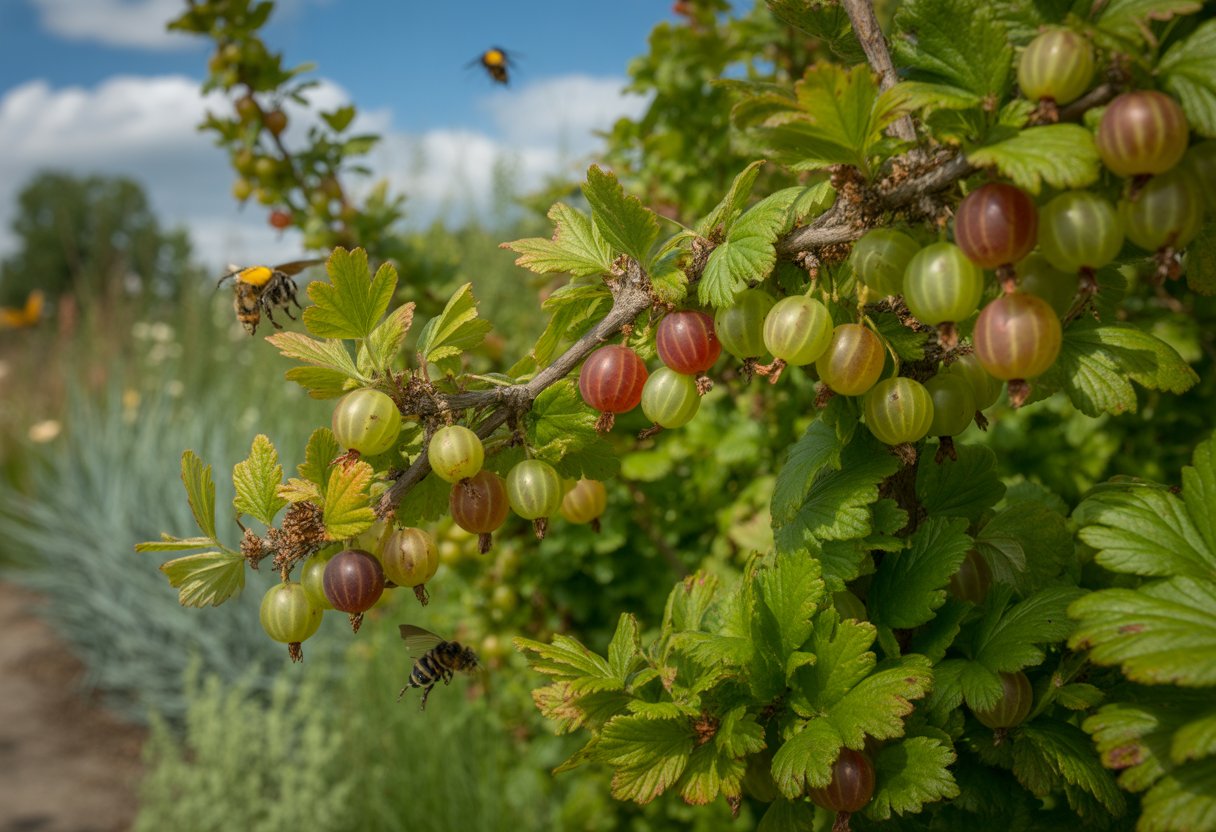
Besides being easy to grow, native gooseberry offers food and shelter for local wildlife. Birds and pollinators flock to its fruit and flowers, which helps boost biodiversity.
Its natural adaptation also protects soil and stops erosion, which is something many gardeners appreciate.
Gardeners often like native gooseberry for its resilience against local pests and diseases. You can usually skip chemical treatments, which keeps the garden healthier overall.
Nutritional and Health Benefits of Native Gooseberry
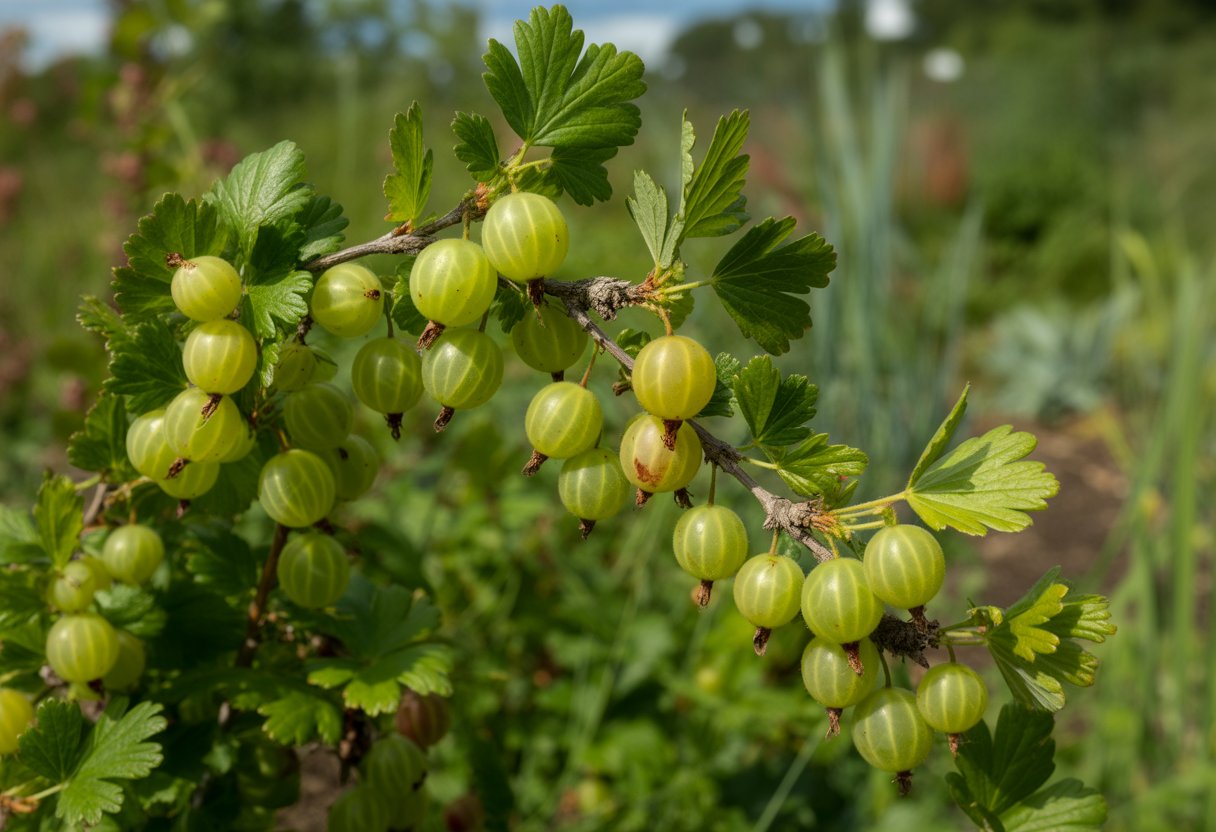
Native gooseberries pack a serious punch when it comes to nutrients and healthy compounds. They offer essential vitamins, minerals, antioxidants, and anti-inflammatory elements.
Their unique makeup supports metabolic health and might even help lower the risk of some chronic diseases.
Vitamins, Minerals, and Nutrition Facts
Gooseberries boast a hefty dose of vitamin C, sometimes even more than your average citrus fruit. This vitamin helps your immune system and keeps your skin in good shape.
They also have vitamin A, which is important for eyesight and cellular growth.
You’ll find minerals like iron, calcium, potassium, magnesium, and phosphorus packed inside these berries. These nutrients help with blood health, bone strength, muscle function, and the day-to-day running of your cells.
Gooseberries also offer niacin and folates, both B vitamins that play a role in energy metabolism and red blood cell production.
They’re low in calories but high in nutrients, so they fit nicely into different diets.
Antioxidant Properties and Phytochemicals
Native gooseberries come loaded with antioxidant polyphenolics like anthocyanins and flavones. These compounds help neutralize free radicals and cut down on oxidative stress.
Their antioxidants also have anti-inflammatory effects, which can help lower chronic inflammation. That’s a big deal, since inflammation is tied to a lot of chronic diseases.
Gooseberry phytochemicals support heart health by improving blood vessel function and limiting oxidative damage.
Eating these antioxidants regularly might help protect your cells from aging and environmental stress.
Dietary Fiber and Metabolic Support
Gooseberries are a solid source of dietary fiber—both soluble and insoluble. Fiber keeps digestion running smoothly and feeds good gut bacteria.
The high fiber content helps regulate blood sugar by slowing down glucose absorption. That’s especially helpful for anyone keeping an eye on insulin sensitivity or diabetes risk.
Dietary fiber also supports metabolism by making you feel full, which can help with weight management.
Potential for Disease Prevention
Vitamins, minerals, antioxidants, and fiber in native gooseberries team up to help prevent several chronic diseases. Vitamin C and polyphenolics work together to reduce oxidative damage tied to heart problems.
Anti-inflammatory compounds may lower risks related to inflammation. Iron helps prevent anemia, and potassium and magnesium keep blood pressure in check.
Some research even connects regular intake of these nutrients to lower rates of heart disease, certain cancers, and type 2 diabetes.
Ecological and Environmental Advantages
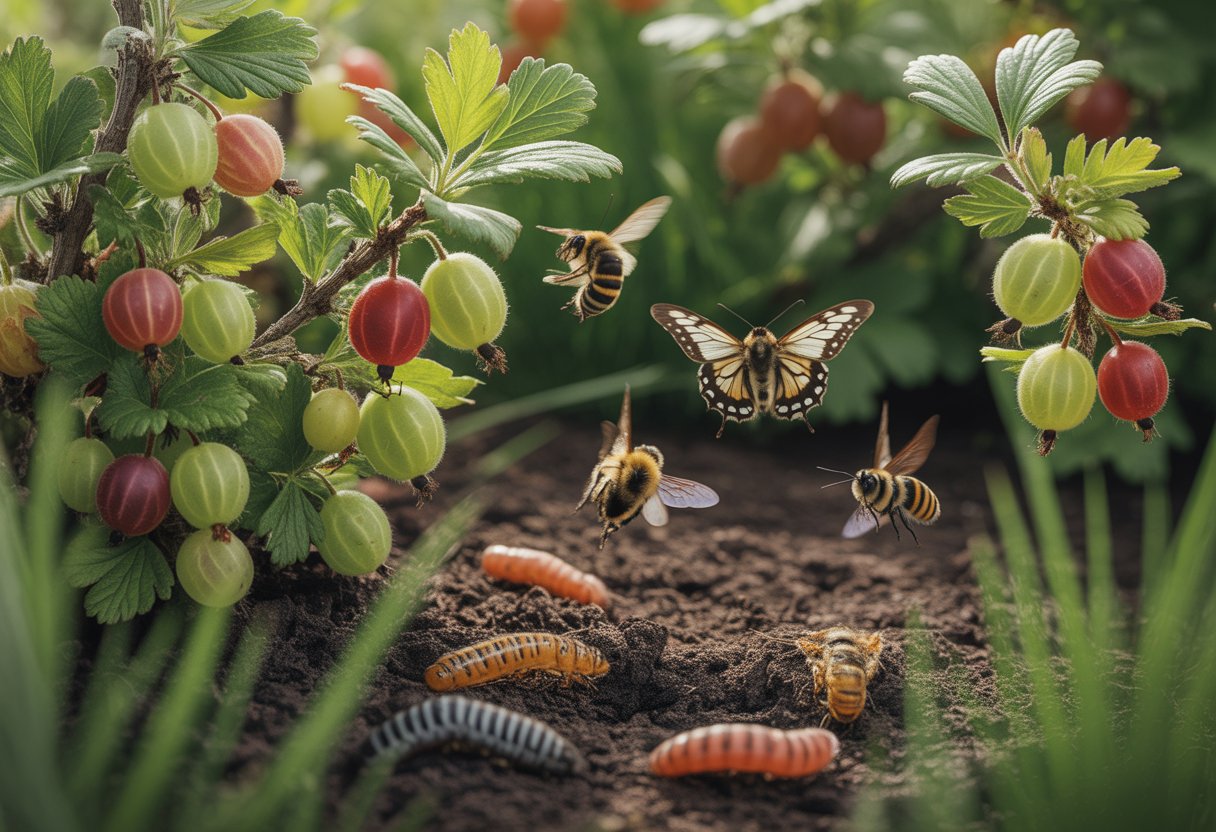
Planting native gooseberry does more than just provide fruit. It helps pollination networks, supports local species, and thrives in the climate it evolved in.
Promoting Pollinators and Local Biodiversity
Native gooseberry (Ribes species) attracts all sorts of pollinators, especially bees and butterflies. These insects depend on the flowers for nectar and pollen, which helps their populations when they need it most.
When you grow Ribes, you create a steady food source that keeps pollinator communities healthy. That, in turn, helps pollinate other nearby native plants and keeps the ecosystem humming.
By supporting pollinators native to the northern hemisphere, native gooseberry helps preserve local biodiversity. Its fruits feed birds and small mammals, creating a web of wildlife benefits.
Supporting Native Ecosystems
Native gooseberries, part of the Grossulariaceae family, play an important role in northern hemisphere habitats. They produce fruit that local animals eat, keeping the natural food chain going.
They also help protect soil from washing away and support understorey growth beneath bigger trees. This creates shelter for smaller species and keeps the ecosystem’s structure intact.
Because they grow alongside other native plants, these gooseberries don’t throw off the natural balance. Instead, they help maintain the relationships between plants, animals, and microbes that keep everything healthy.
Adaptation to Local Climate and Soil
Ribes species handle well-drained soils, like sandy or loamy types, which you’ll find in their home regions. Good drainage helps avoid root diseases and encourages healthy growth.
They can handle seasonal changes—cold winters, moderate summers—without much fuss. That means you won’t need to water them much or mess with the soil.
Since native gooseberries fit right in with local conditions, they use fewer resources to grow. That’s a win for sustainability, especially where the soil drains well.
Growing, Care, and Harvesting of Native Gooseberries
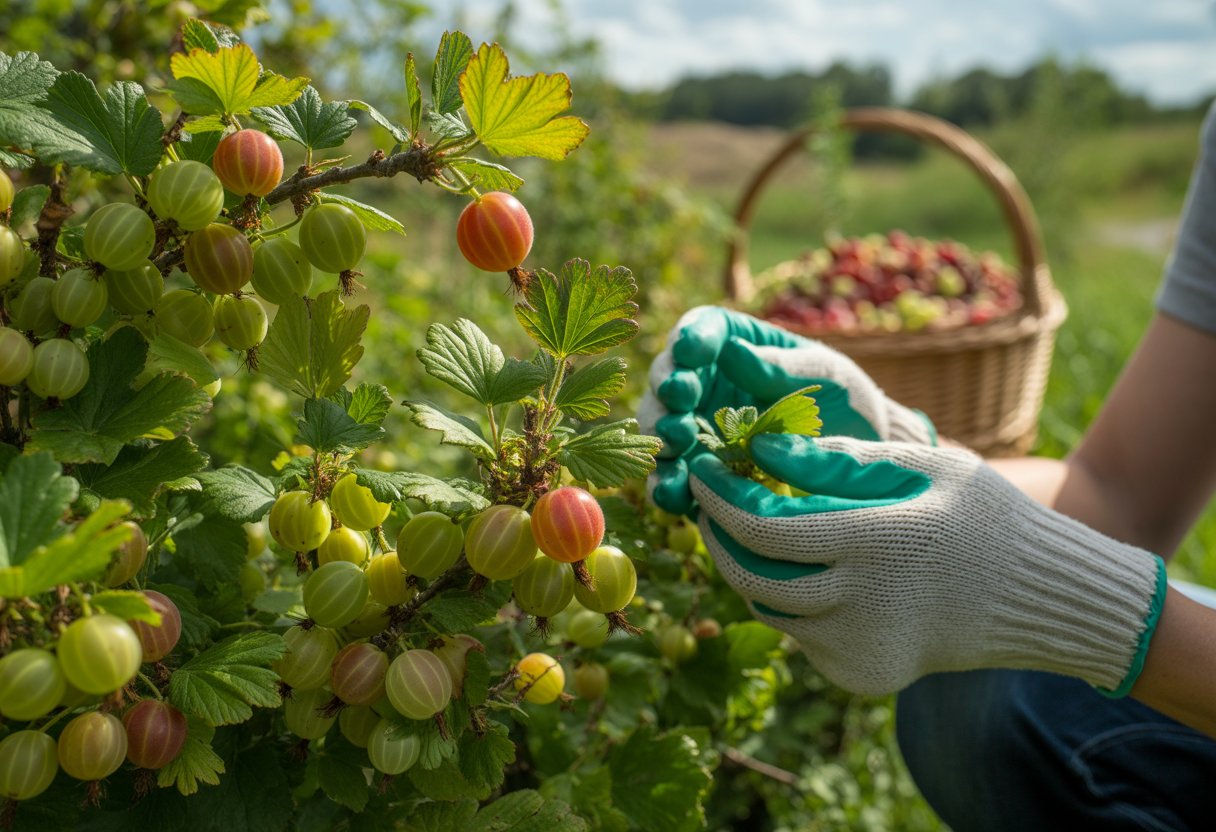
Native gooseberries like Ribes uva-crispa and Ribes hirtellum need certain conditions to really thrive. Success depends on good soil prep, regular watering, smart pruning, and picking the fruit at the right time.
Planting Requirements
Native gooseberries do best in well-drained, loamy soil with a pH between 6.0 and 6.5. They prefer a bit of shade but can handle full sun if the soil stays moist.
Plant dormant, bare-root bushes in early spring. Give them 3 to 5 feet of space for good air flow and to keep disease at bay.
Make sure the planting site is weed-free and rich in organic matter. Keep the root crown just above the soil to avoid rot. Mulch around the base helps lock in moisture and keeps weeds down.
Watering and Maintenance Practices
These bushes like steady moisture, especially when flowering and setting fruit. Water deeply once or twice a week, depending on the weather.
Skip overhead watering to avoid fungal diseases on the leaves. Feed them with compost or a balanced fertilizer in early spring.
Keep weeds away to reduce competition for nutrients. Watch out for pests like sawfly larvae and aphids so you can deal with them early if needed.
Pruning and Disease Management
Pruning matters for both fruit and plant health. Cut out old, weak, or crossing branches in late winter to boost airflow and let in sunlight.
A balanced shape encourages better harvests. Native gooseberries can get mildew or leaf spot, so apply fungicides as needed and remove any infected leaves right away.
Check your plants often for pests and disease—catching problems early makes a big difference.
Culinary and Practical Uses of Gooseberries
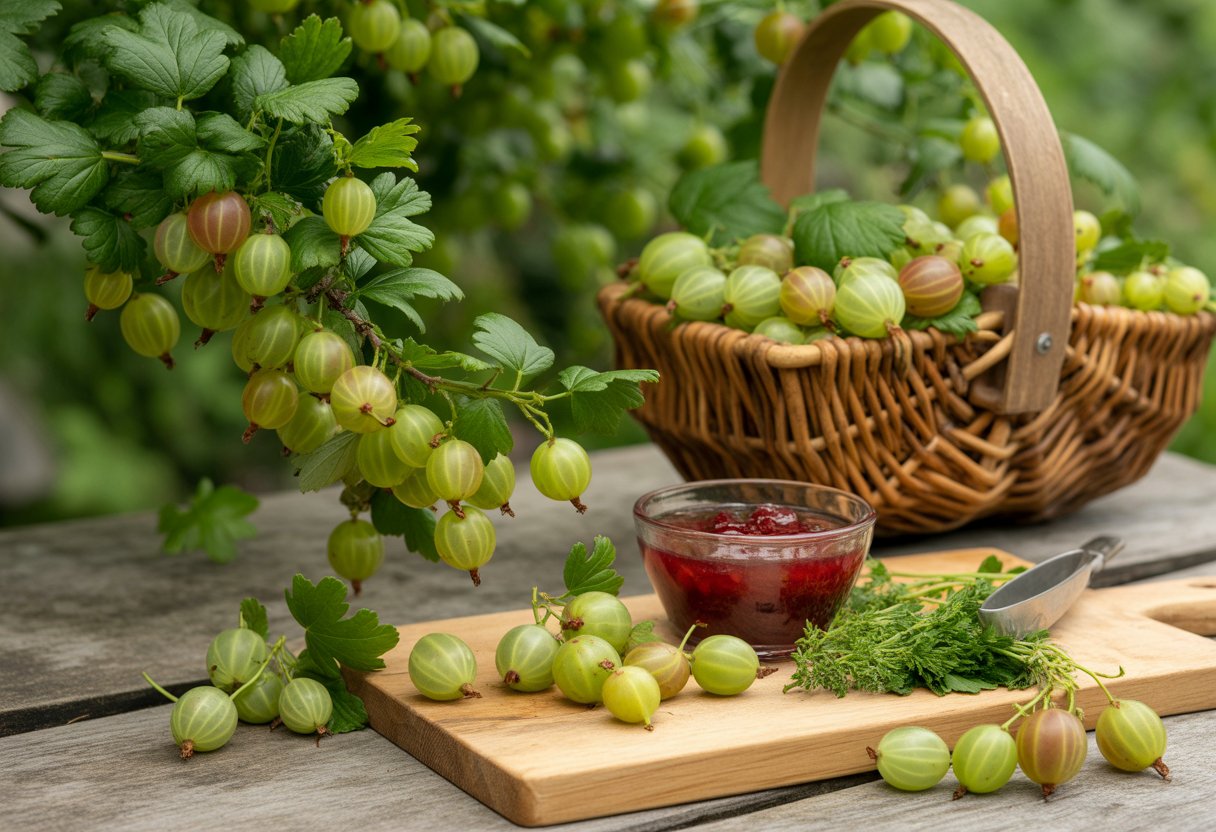
Gooseberries are surprisingly versatile in the kitchen. Their tart flavor and nutrition make them great for everything from snacking to preserves and drinks.
Fresh Consumption and Nutrition
You can eat gooseberries fresh, especially American gooseberry and currant types, and they offer a crisp texture with a tangy bite. They’re a solid source of vitamin C, fiber, and antioxidants, which help with immunity and digestion.
The Indian gooseberry, or Phyllanthus emblica (amla), is eaten fresh or dried and is known for its high vitamin C and use in traditional remedies. Native gooseberries make a low-calorie, nutrient-rich snack.
Jams, Jellies, and Preserves
Gooseberries shine in jams and jellies thanks to their natural pectin, which helps them set up firm without extra stuff. The tartness balances sweeteners for really flavorful spreads.
Both American and Cape gooseberry types work well for jams. Indian gooseberry (amla) is often made into preserves with sugar and spices, used both for taste and health.
These preserves keep well, so you can enjoy gooseberry flavor year-round.
Juices, Desserts, and Other Recipes
Gooseberry juice is refreshing and packed with nutrients. You can drink it straight or mix it with other juices.
Their tartness works in desserts like pies, crumbles, and tarts, adding a nice zing to rich flavors. Gooseberry pulp fits right into sauces or chutneys, giving savory dishes a boost.
Cape gooseberry, which is different from the native kind, is a favorite for desserts thanks to its sweet flavor and bright look.
Comparing Gooseberry Varieties
Different gooseberry varieties play pretty distinct roles in the kitchen. American gooseberries, for example, are usually bigger and sweeter.
People love eating them fresh or tossing them into desserts. Currants, on the other hand, pack a sharp, intense flavor and work best in jellies.
The Indian gooseberry (Phyllanthus emblica, family Euphorbiaceae) doesn’t come off as sweet. Folks mostly use it for preserves and juices, thanks to its more medicinal vibe.
Cape gooseberries aren’t actually true gooseberries, but the confusion is understandable. They’re sweeter, great for eating raw, and really shine in fresh desserts.