
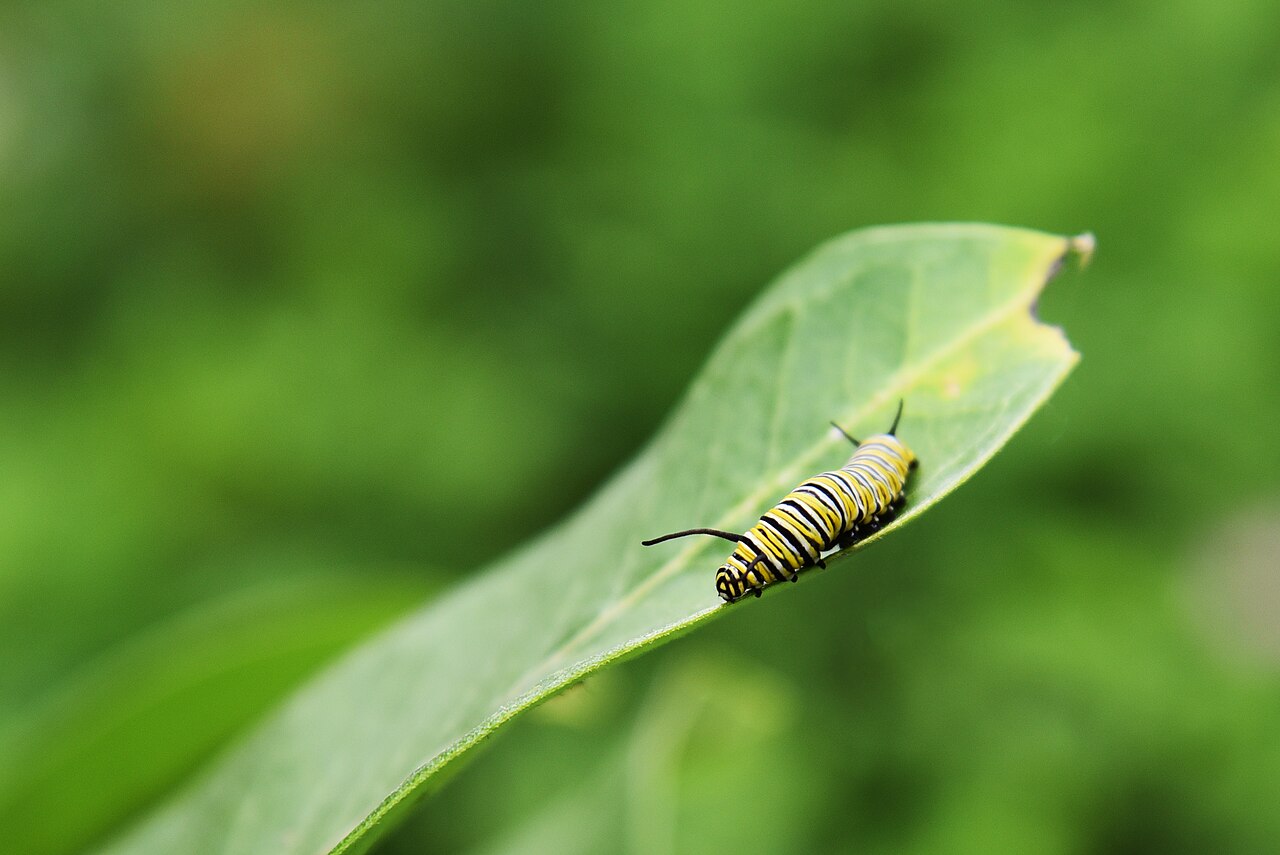
A monarch caterpillar on common milkweed, with the leaf tip already chewed away. On milkweed, a hole in a leaf is often a sign of
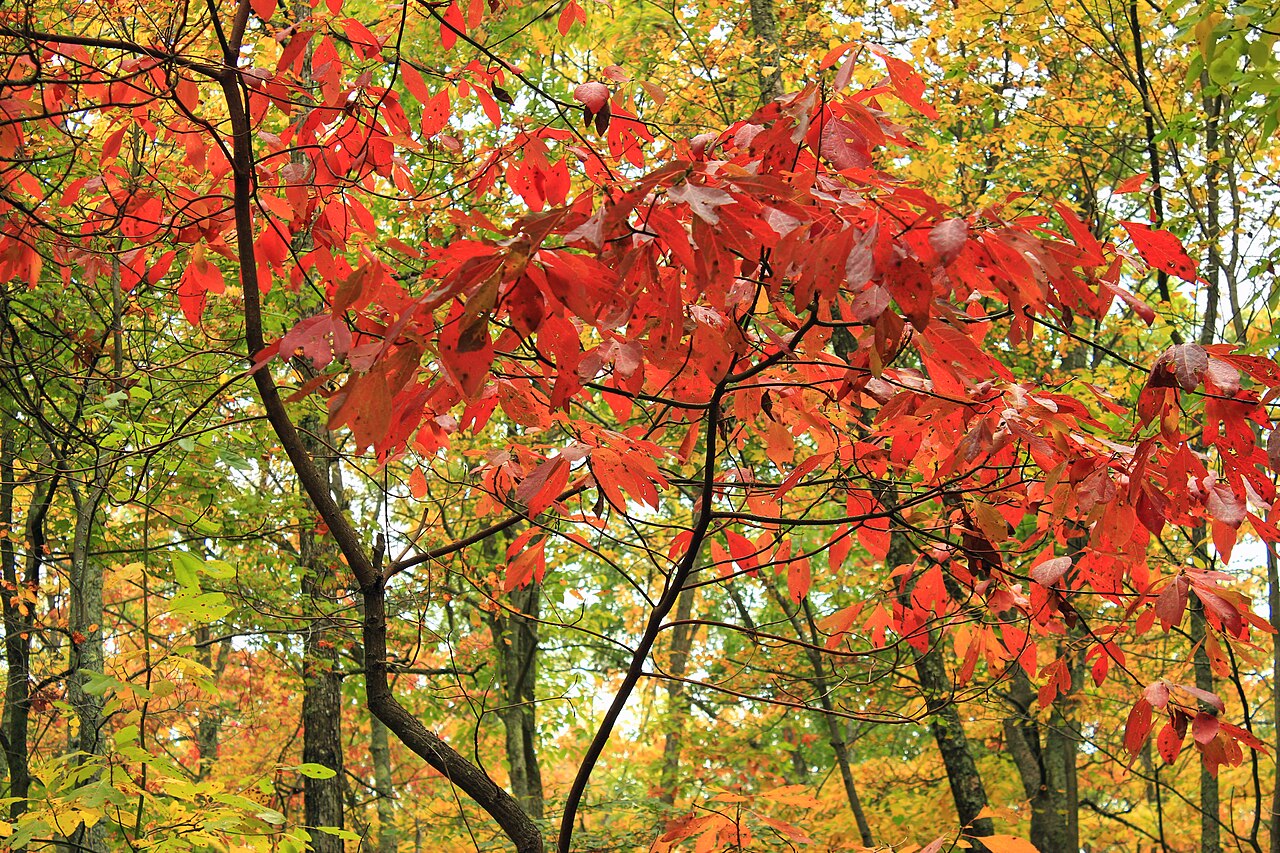
Sassafras in full red fall color along the Gore Vista Trail, Cameron County, Pennsylvania. The same colors in July or August mean something different. Photo:
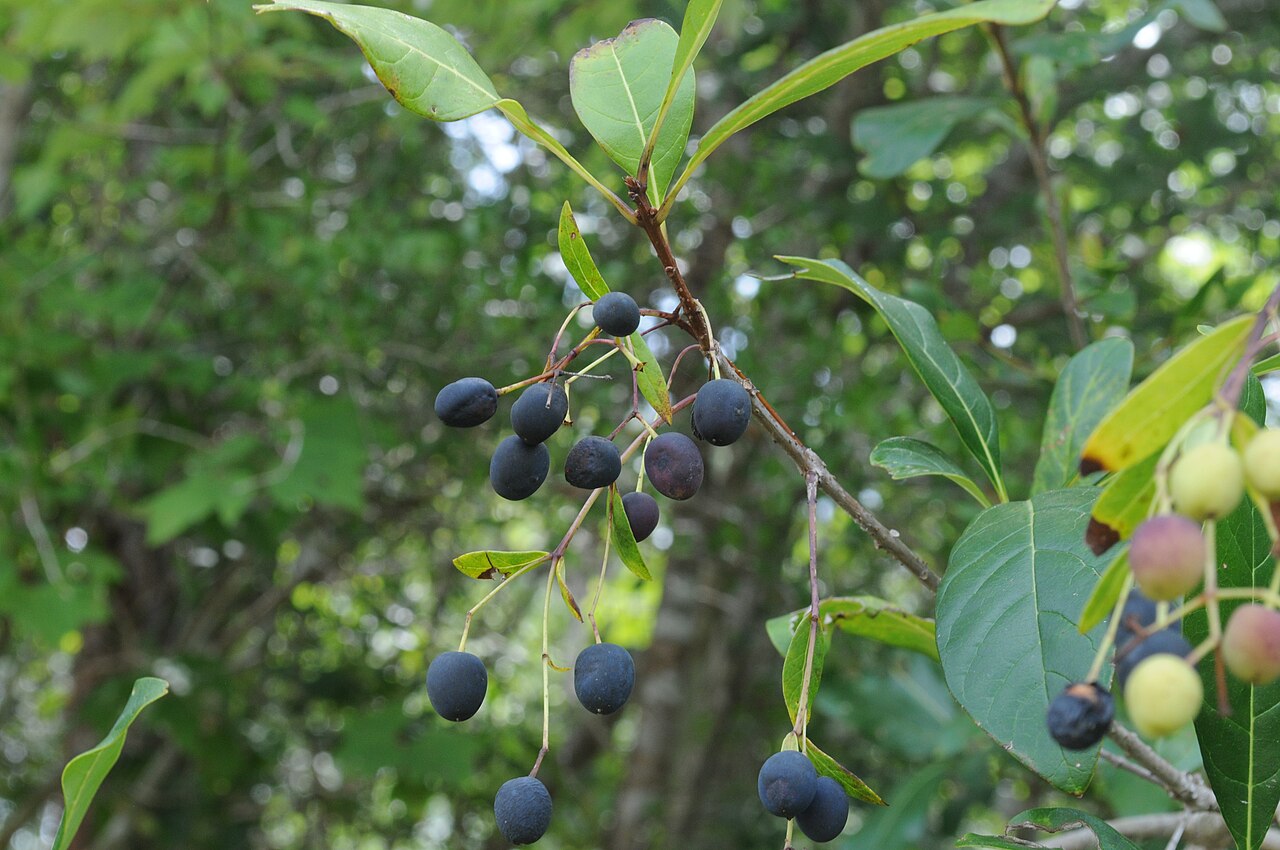
Fringetree fruit ripening from green through pink to dark blue in July. E.O. Siecke State Forest, Texas. Photo: sonnia hill, Wikimedia Commons (CC BY 2.0)
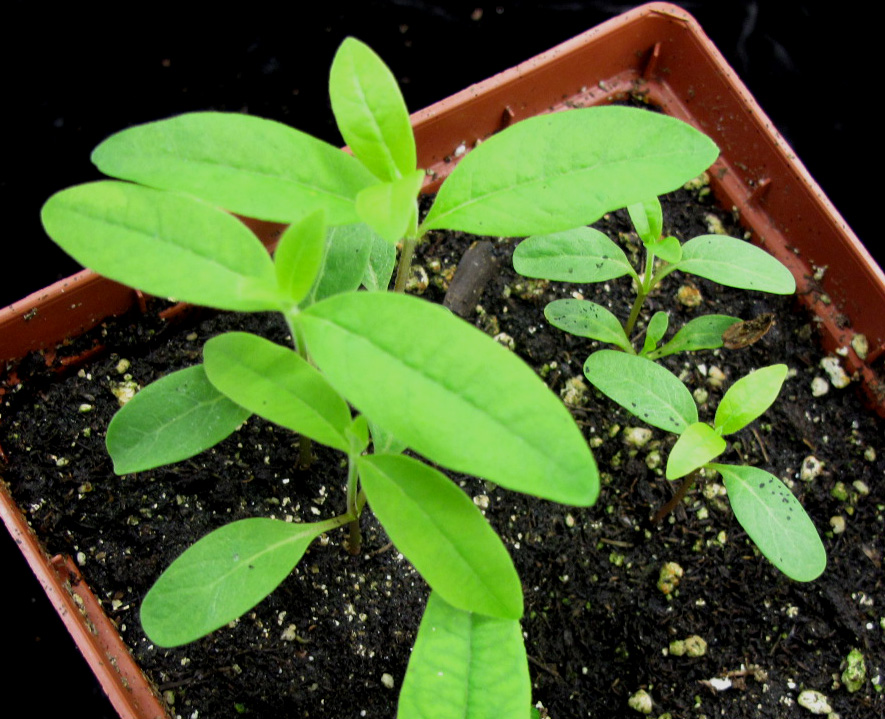
Common milkweed seedlings grown indoors in a tray, with short stems and their first pairs of true leaves. Photo: Gilles Ayotte, Wikimedia Commons (CC BY-SA
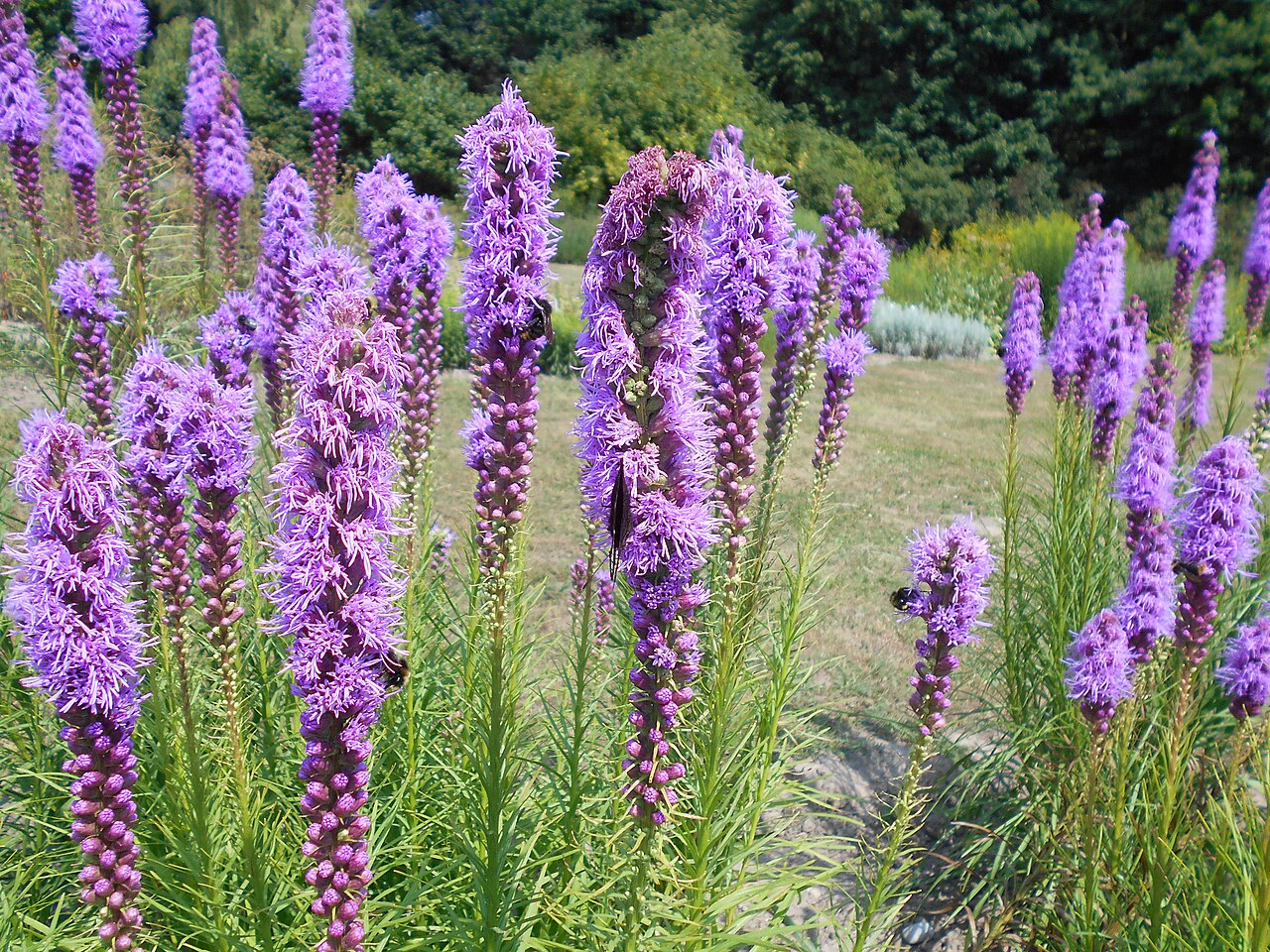
What you’re hoping for: a sunny bed of dense blazing star in full late-July bloom, UMCS Botanical Garden, Lublin. Photo: Salicyna, Wikimedia Commons (CC BY-SA
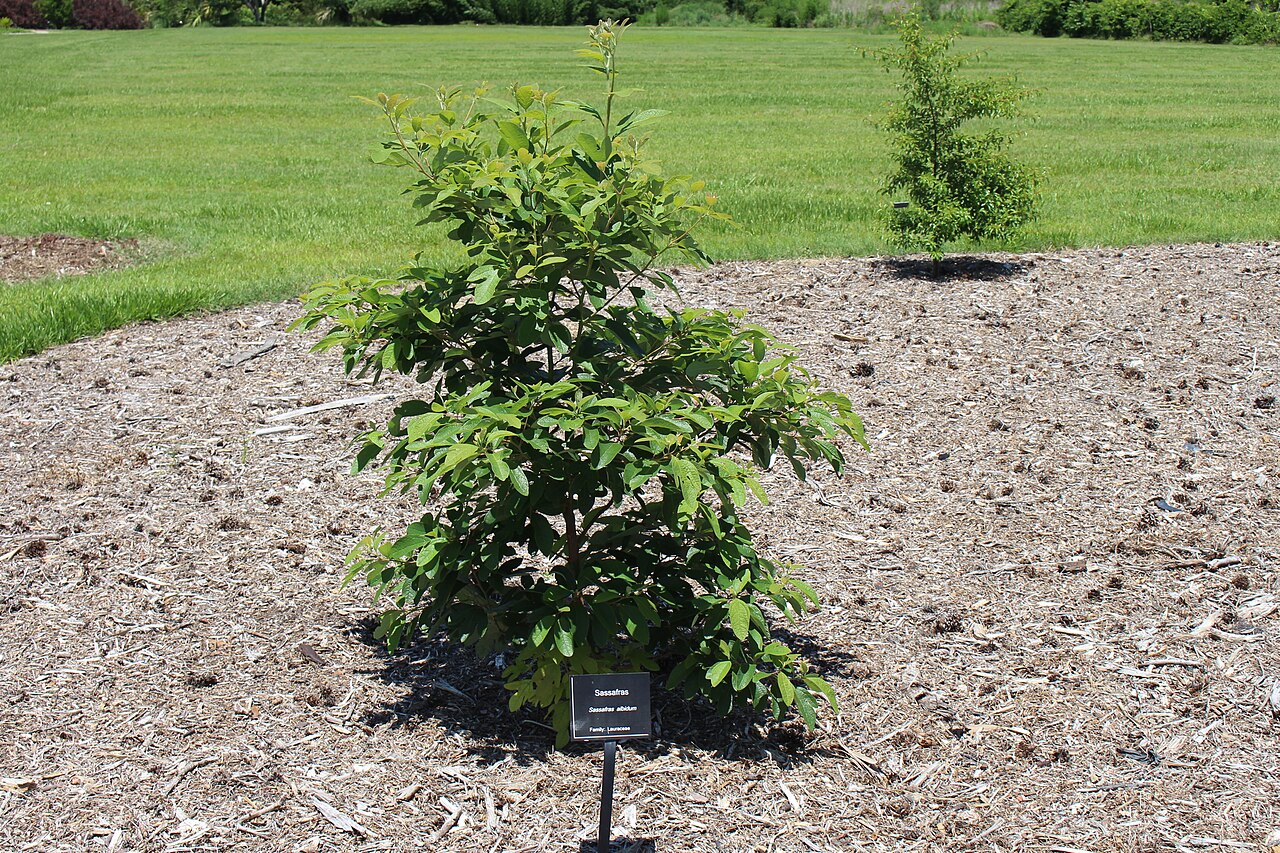
A young sassafras settled into a wide mulched bed at Coastal Georgia Botanical Gardens, Savannah. Most drooping problems after planting start below that mulch. Photo:
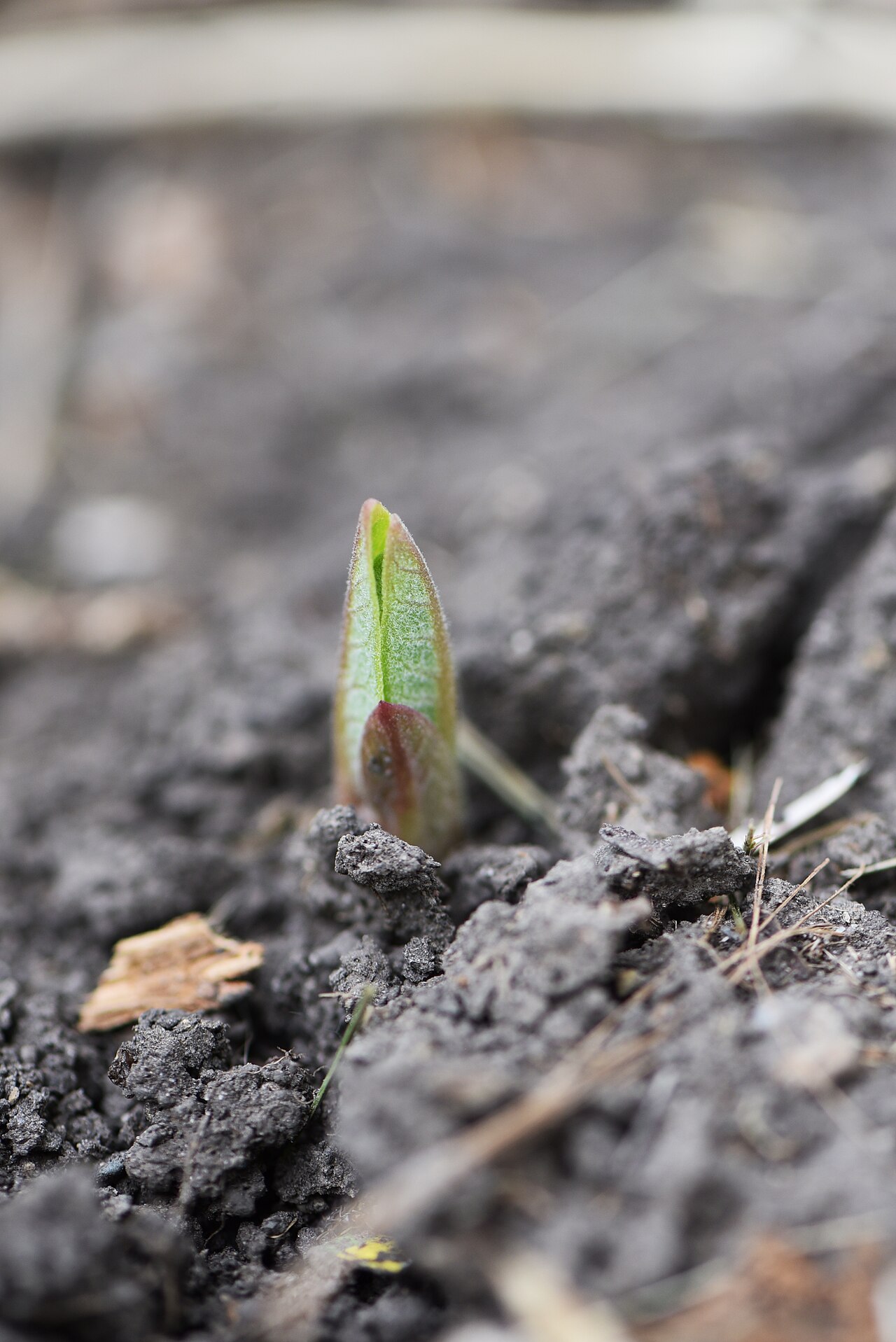
A common milkweed shoot just breaking the surface. Milkweeds come up later than many garden perennials, so an empty patch in early spring is often
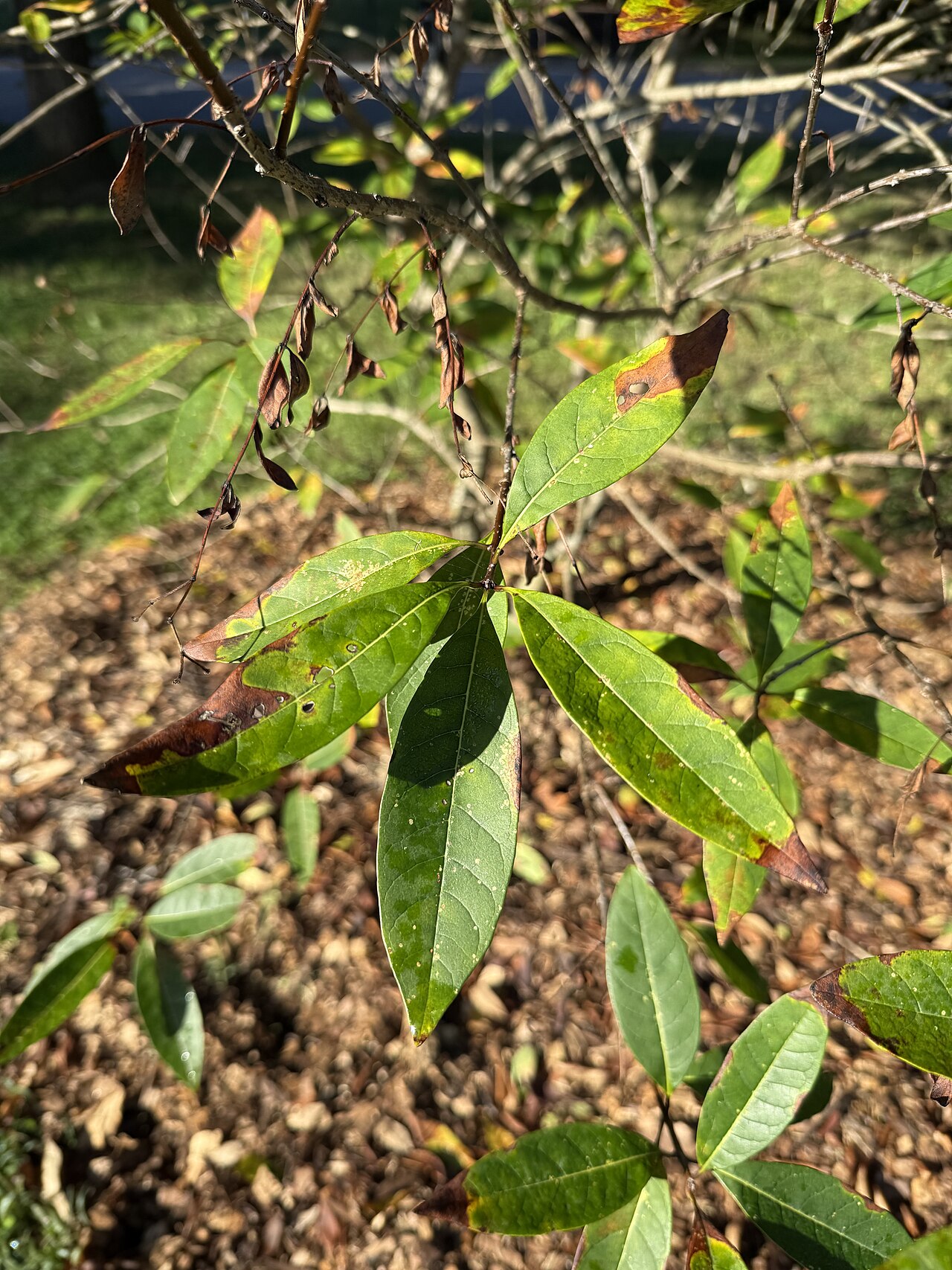
Brown tips and edges on fringetree leaves, with a few leaves already shriveled on the twigs. Photo: Cossey25, Wikimedia Commons (CC BY-SA 4.0) Your fringetree
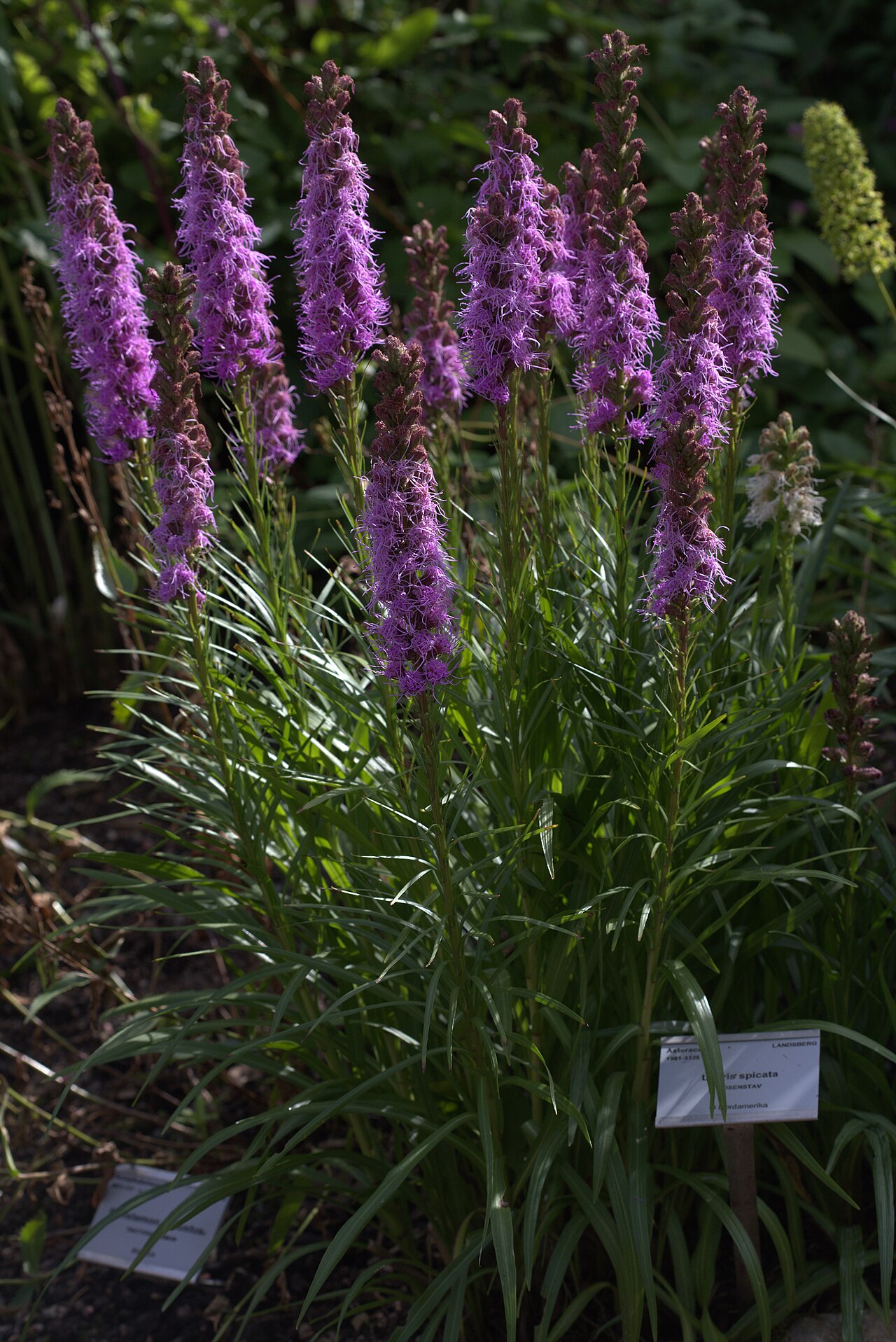
How blazing star should look in bloom: a tight clump of spikes standing on their own, Gothenburg Botanical Garden. Photo: Averater, Wikimedia Commons (CC BY
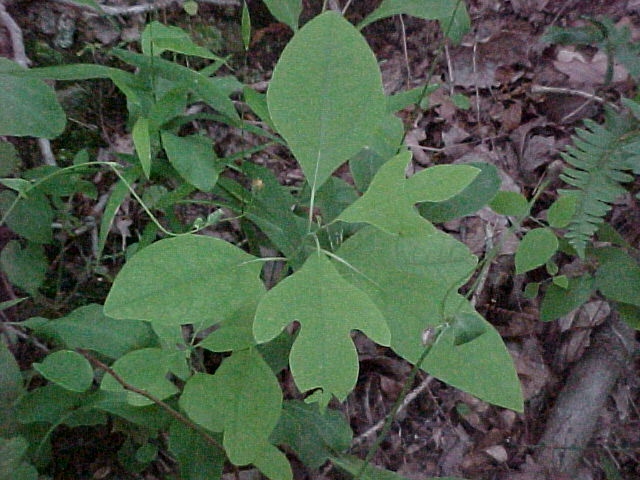
A young sassafras seedling on the forest floor at Mammoth Cave, Kentucky. Plants this small are the easiest sassafras to move. Photo: M. Readey, Wikimedia
View More