
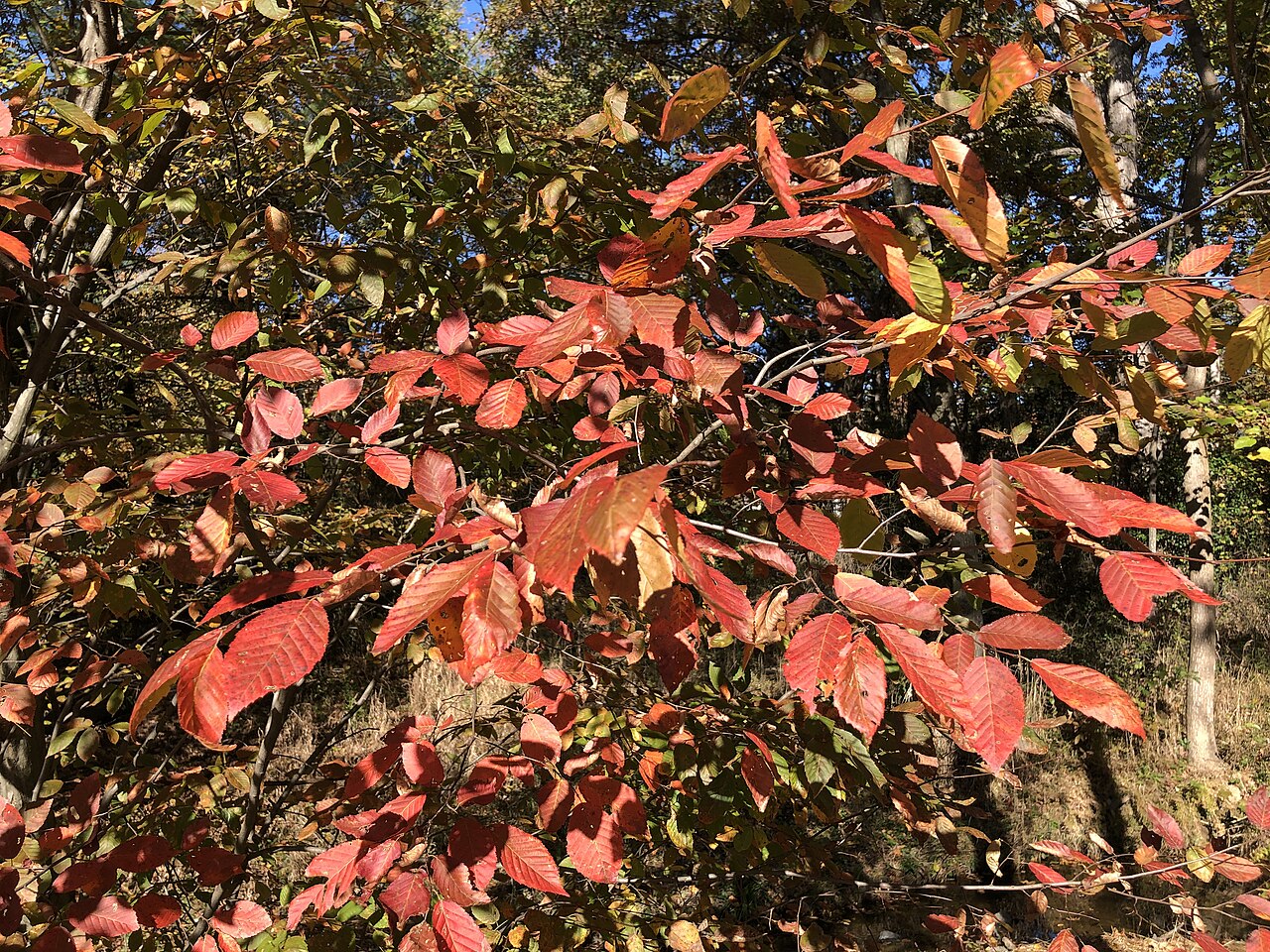
American hornbeam in autumn color. A small understory tree like this drops its leaves right where a shade bed can use them. Photo: Famartin, Wikimedia

⚡ Plum Trees for Texas: Quick Guide Best bet for most of Texas: ‘Bruce’ plum — low-chill, heat-tolerant, self-fertile Best for North Texas: ‘Methley’ or
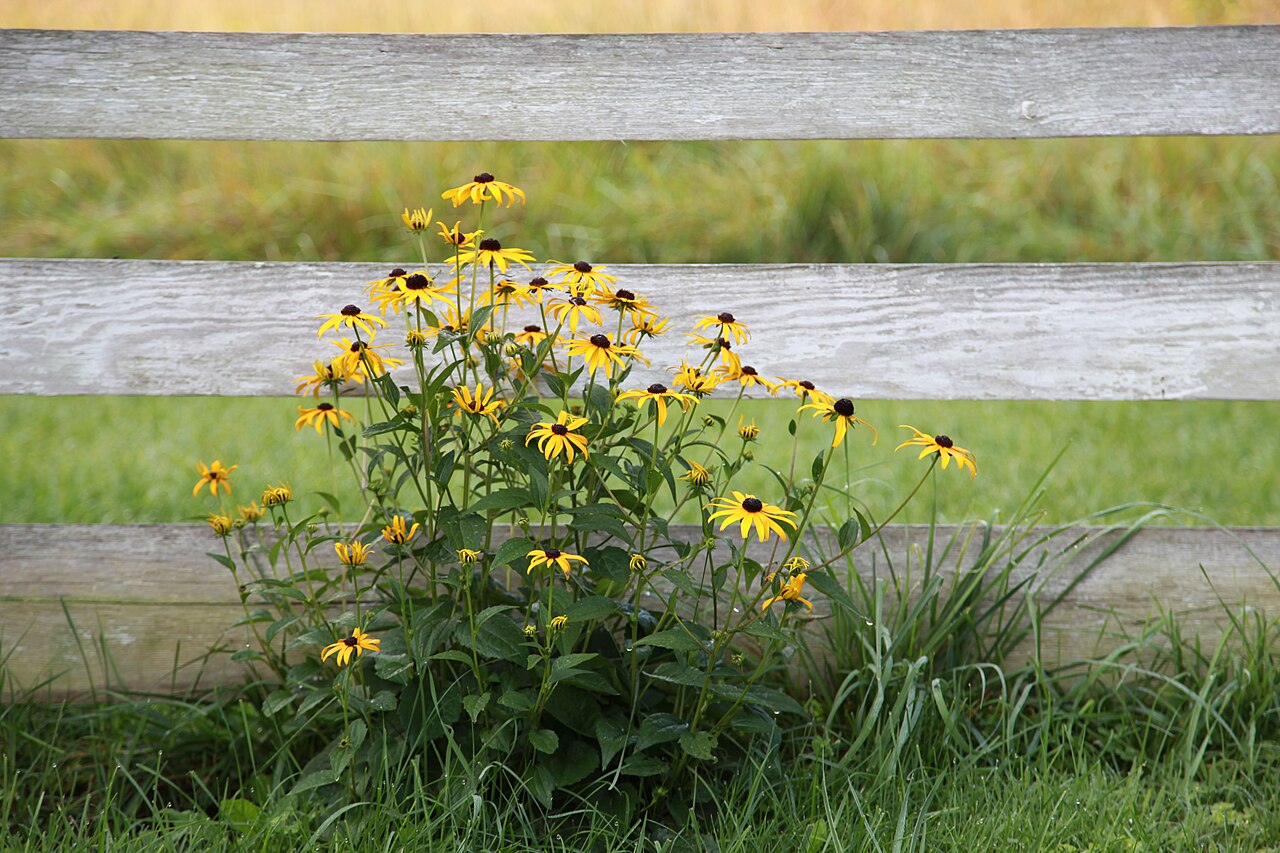
Black-eyed Susans growing against a board fence. A fence gives a native border a backdrop, but it also shapes the light and space the plants
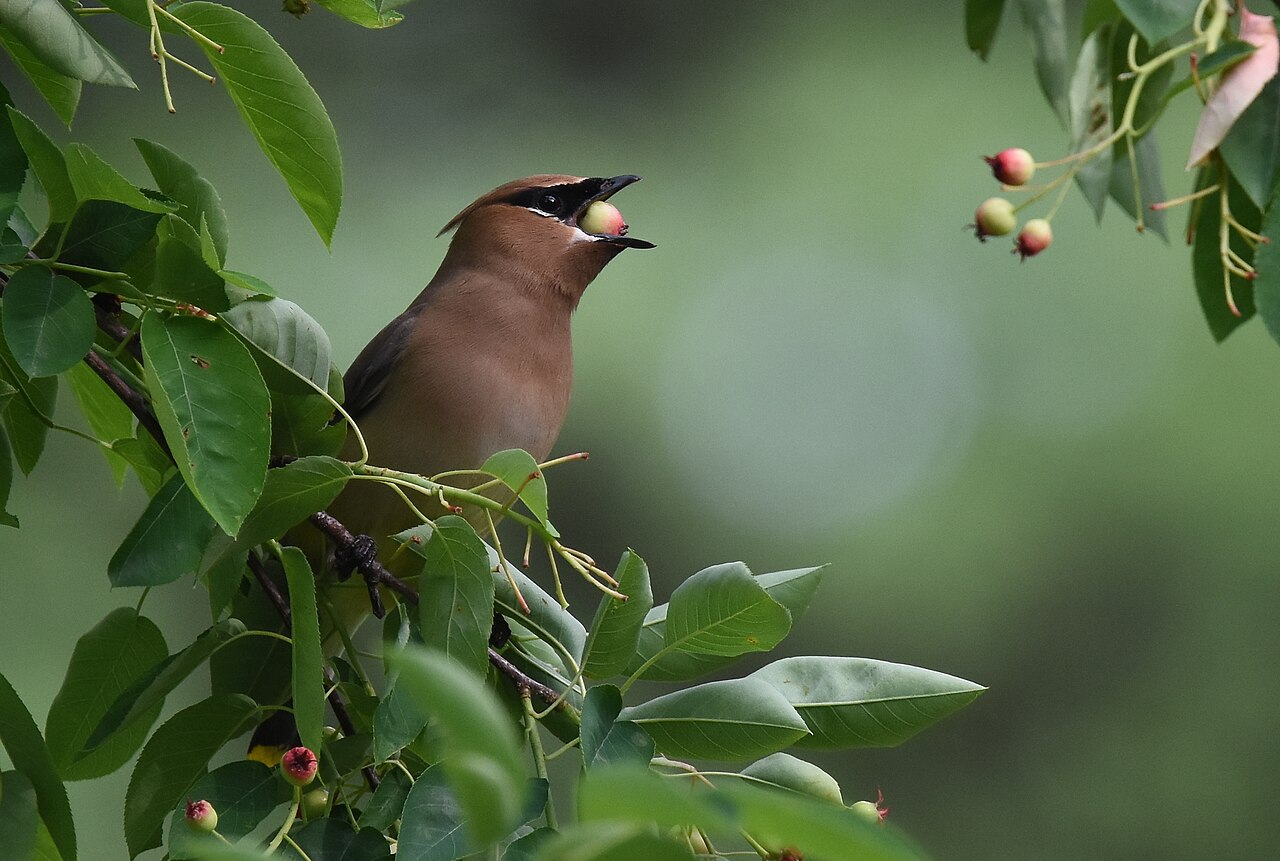
A cedar waxwing takes a ripe fruit from a smooth serviceberry. Serviceberries ripen their fruit in summer, the first stage of a year-round border. Photo:
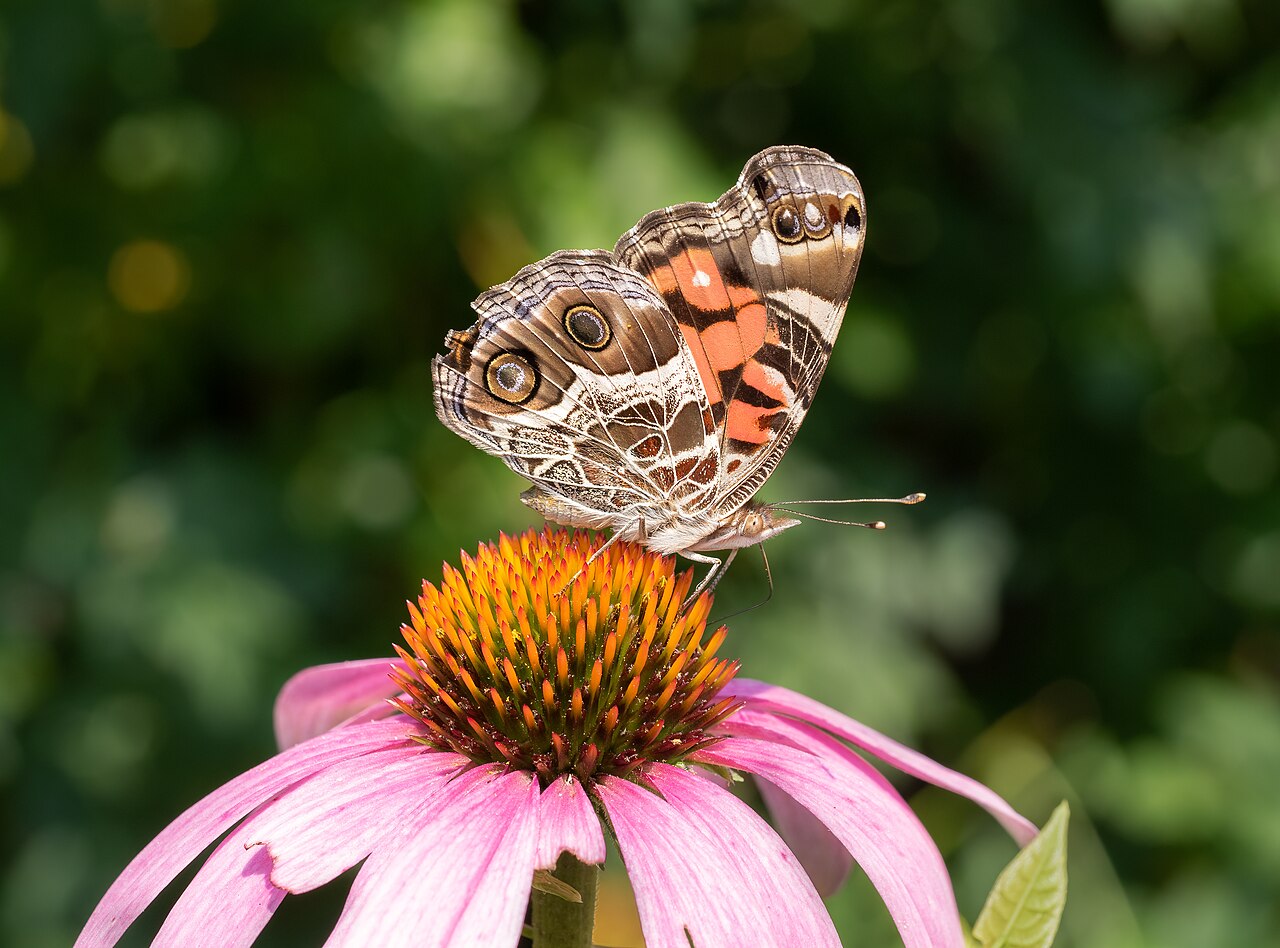
An American lady butterfly on purple coneflower, one of the easiest natives to grow in a pot or a borrowed bed. Photo: Rhododendrites, Wikimedia Commons
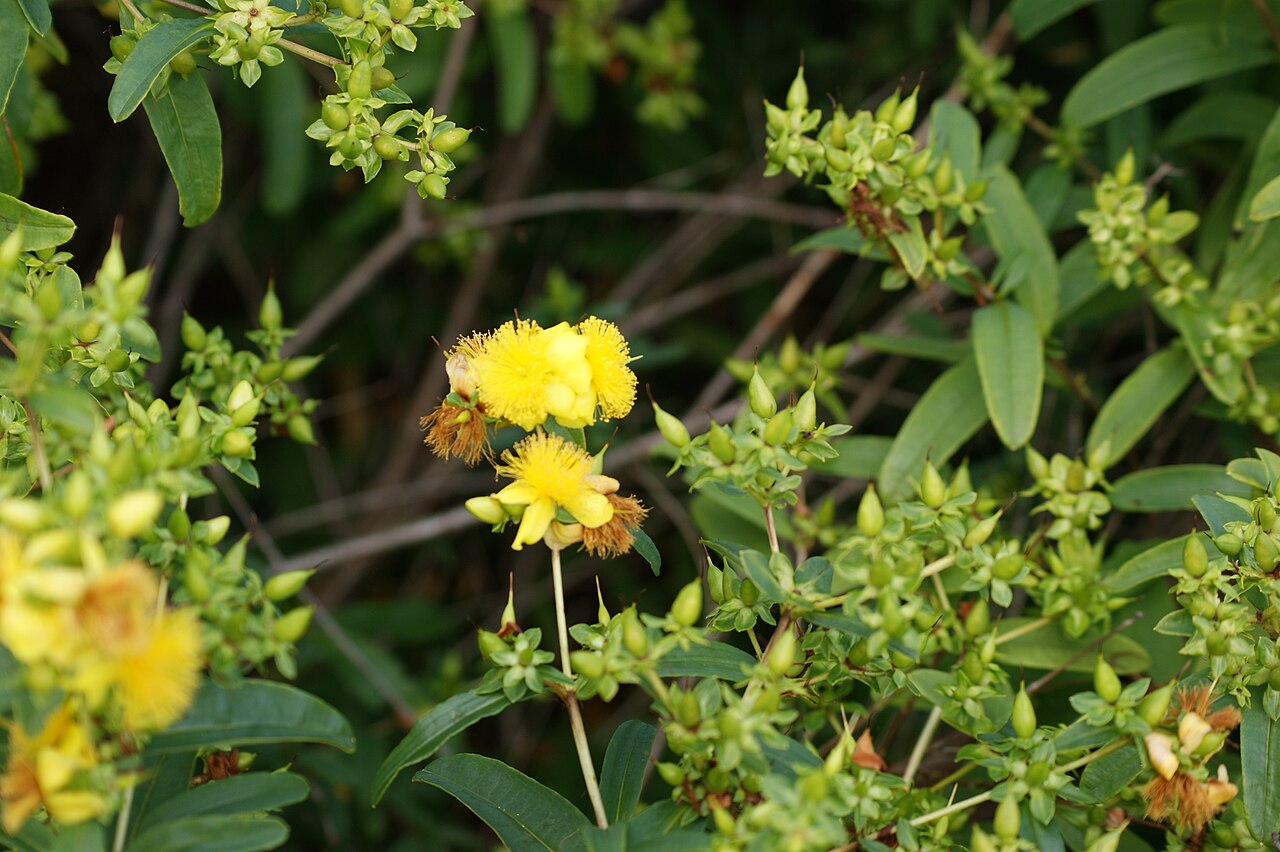
Shrubby St. John’s wort is one of the most useful native shrubs for a foundation bed, as long as its mature height fits the spot.
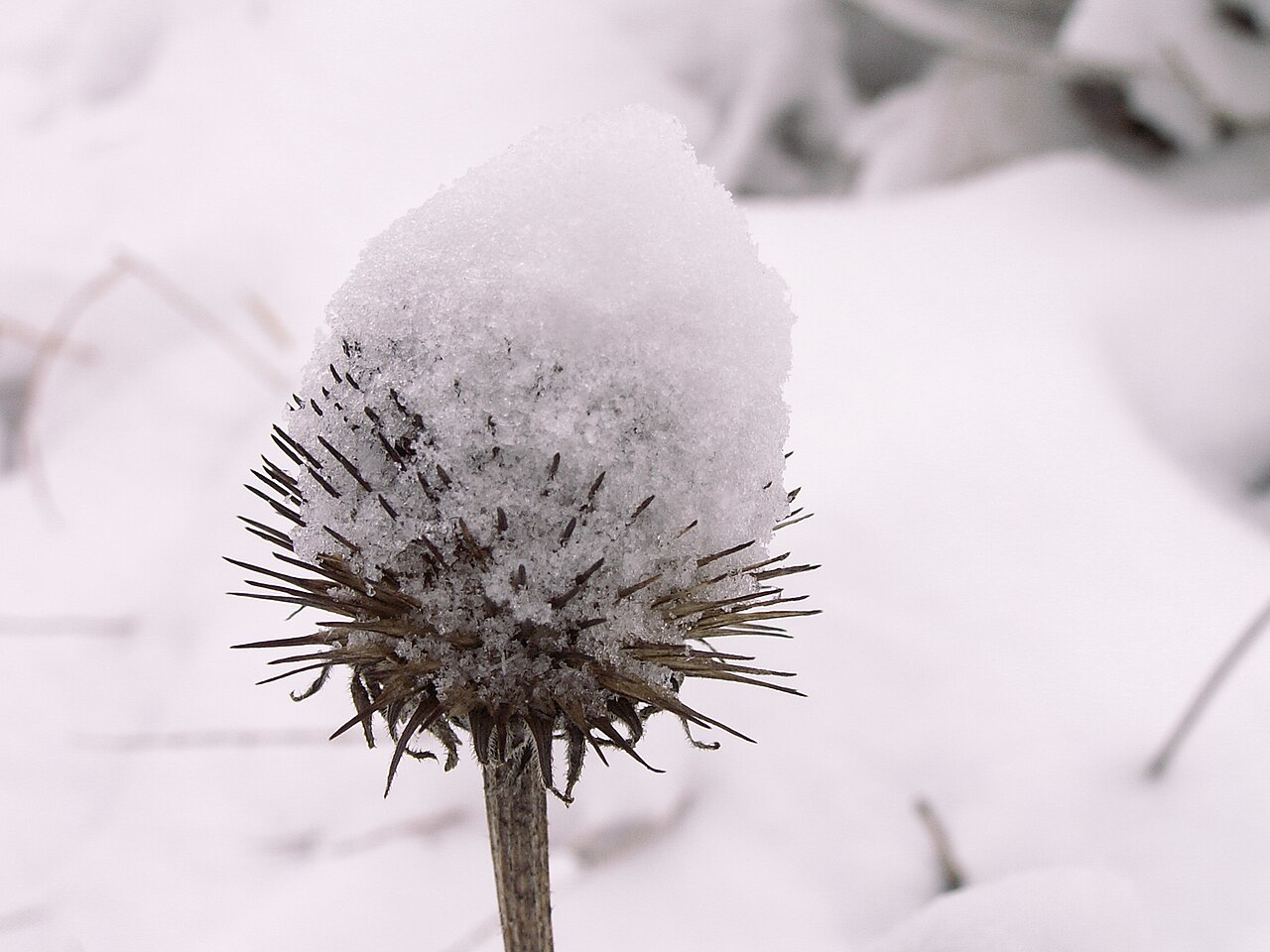
A purple coneflower seed head holding a cap of snow in late January. Photo: Cbaile19, Wikimedia Commons (CC0) Most native gardens look their worst right
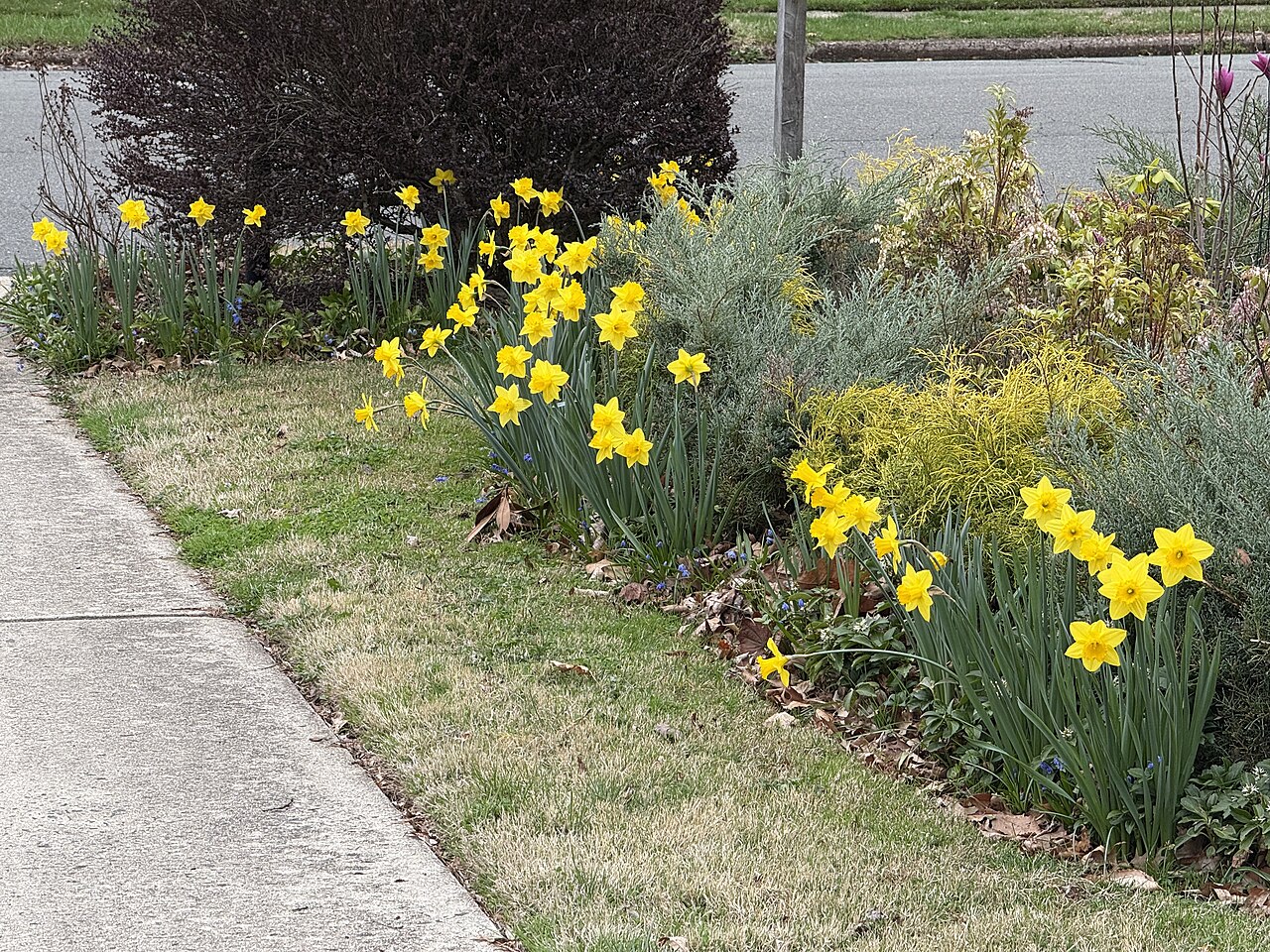
A planted strip between a driveway and the lawn in New Jersey. Beds like this take reflected heat, runoff and winter salt from the pavement.
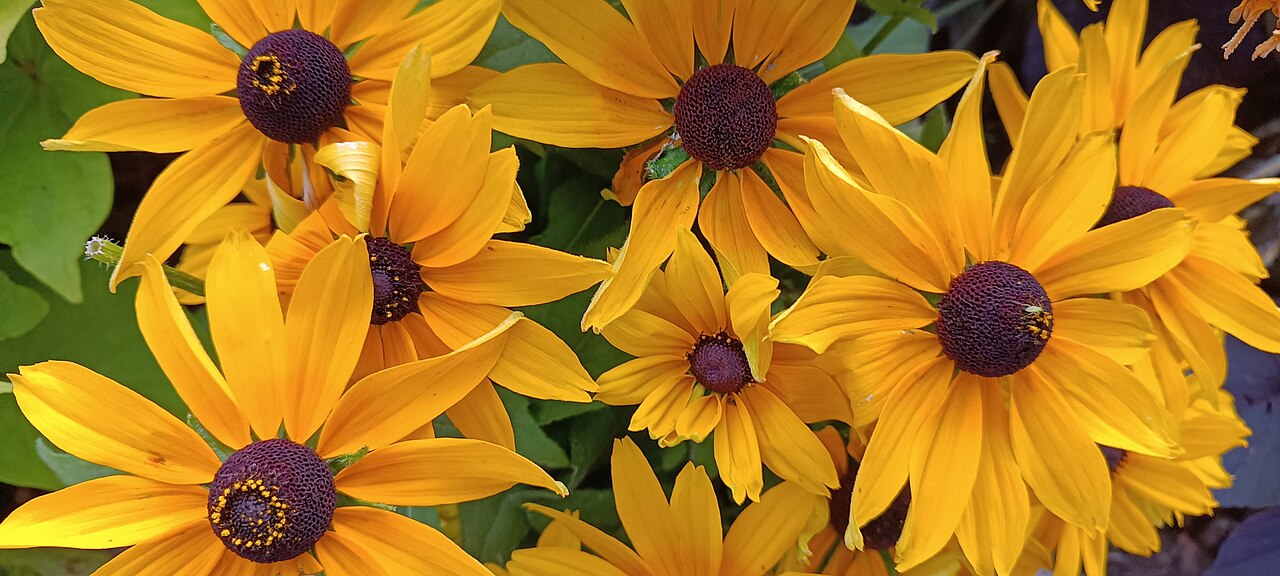
Black-eyed Susan is one of the easiest natives to start in a container, partly because it is short-lived and easy to replace. Photo: Bigmanbaloo, Wikimedia
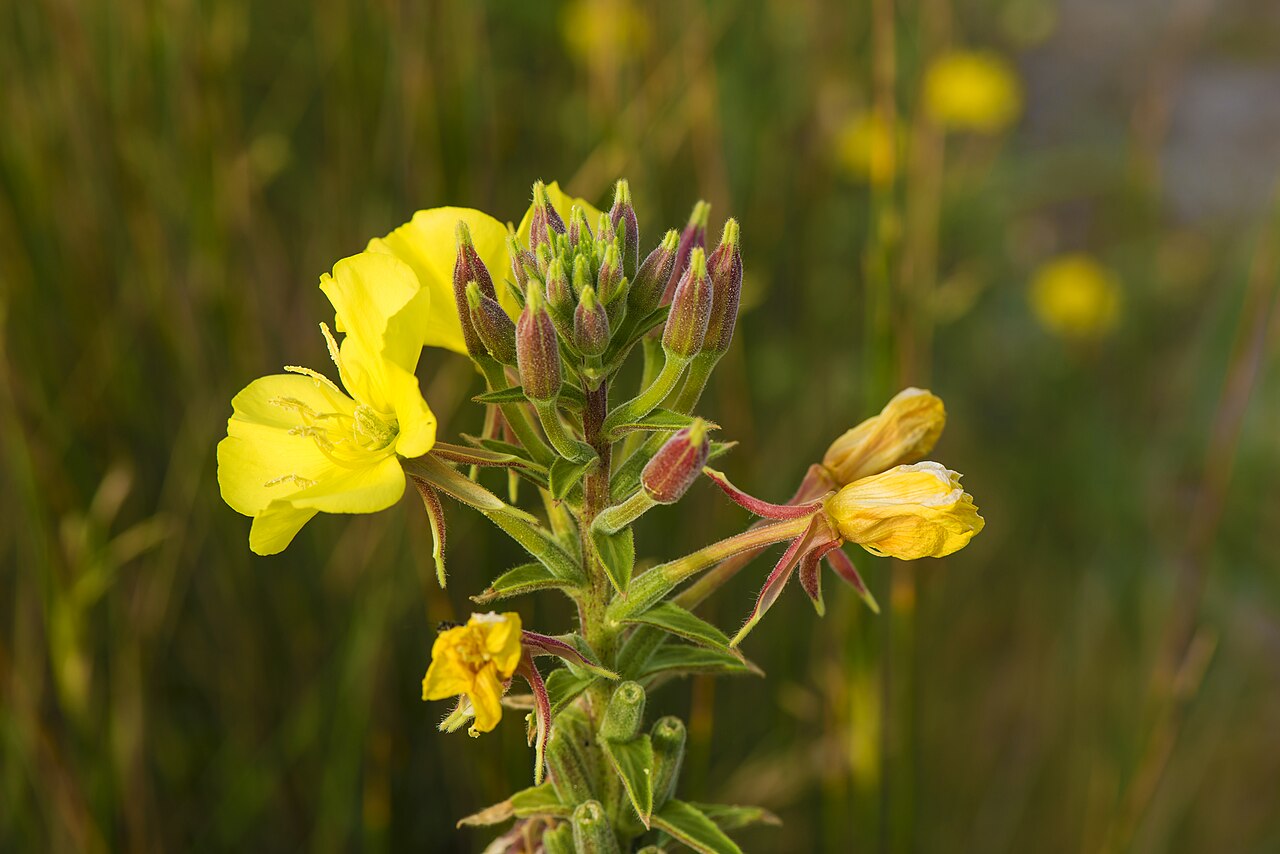
Common evening primrose opens its fragrant yellow flowers in the evening and closes them by about noon the next day. Photo: Christian Ferrer, Wikimedia Commons
View More