
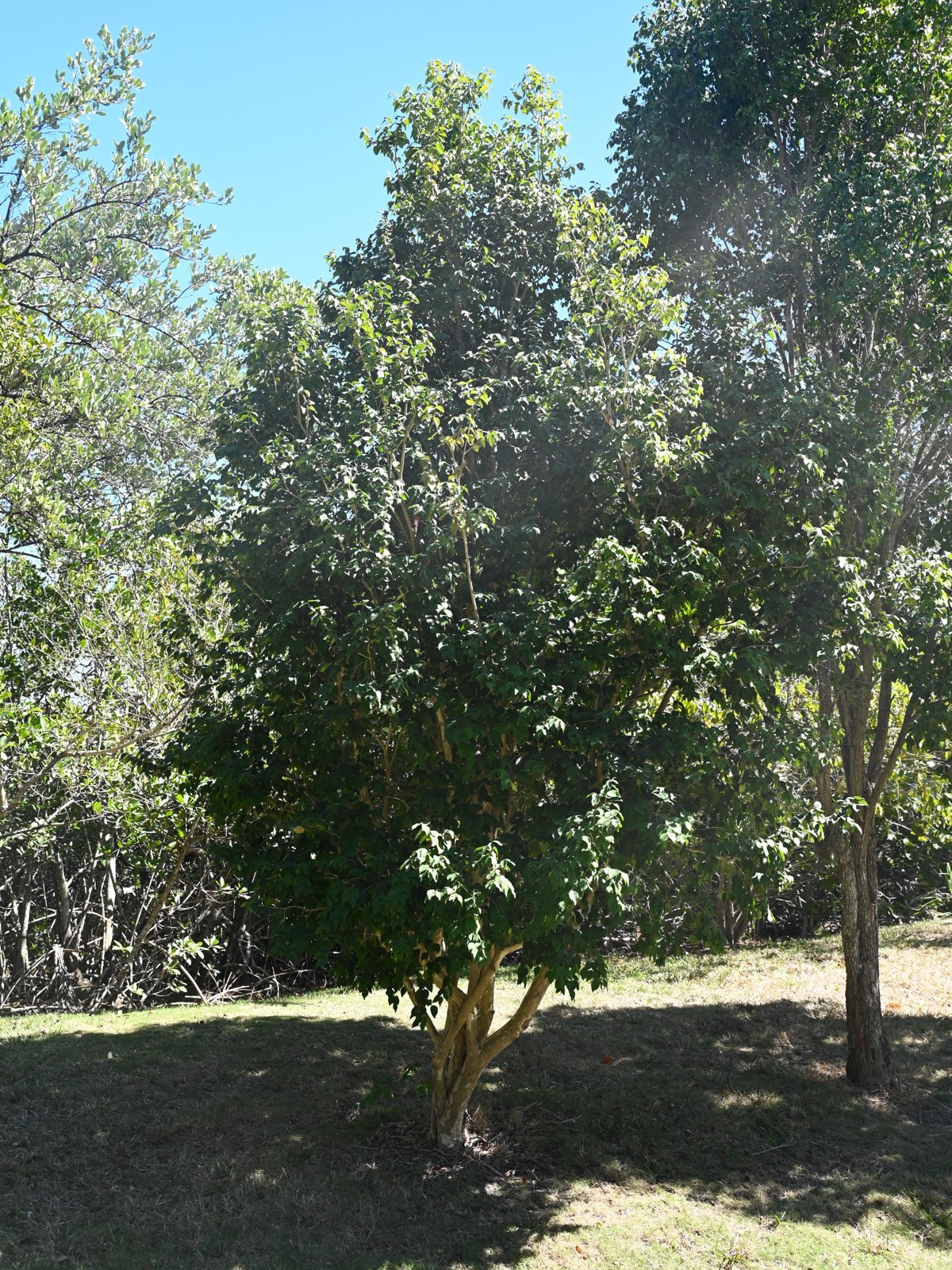
Red stopper’s dense, rounded crown at the edge of a South Florida hammock. Photo: Wikimedia Commons (CC BY-SA 4.0) Eugenia rhombea, the Red Stopper, is
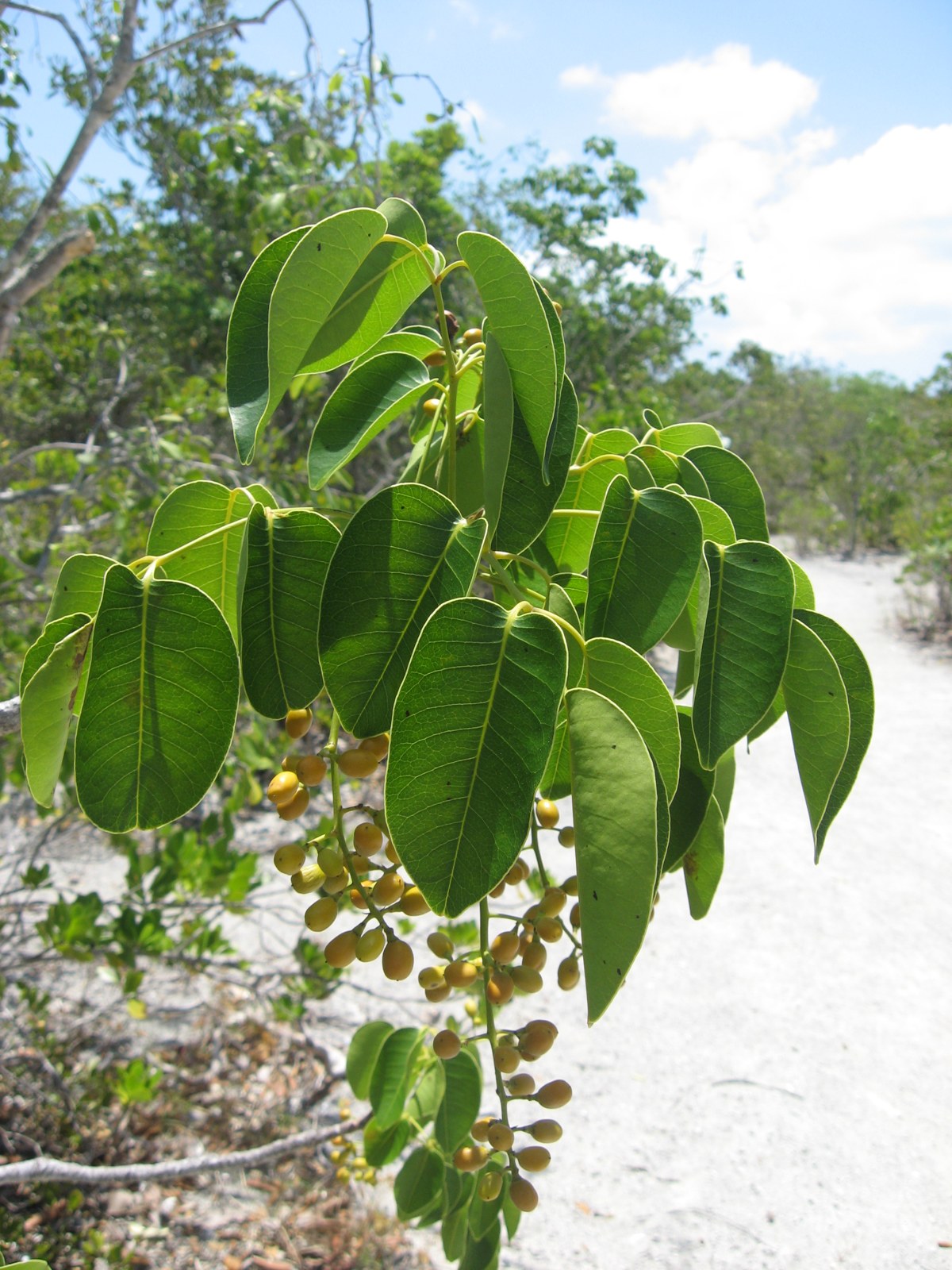
Poisonwood’s glossy leaves and hanging clusters of orange fruit, a favorite food of South Florida’s white-crowned pigeon. Photo: Wikimedia Commons (Public domain) ⚠ Identification &
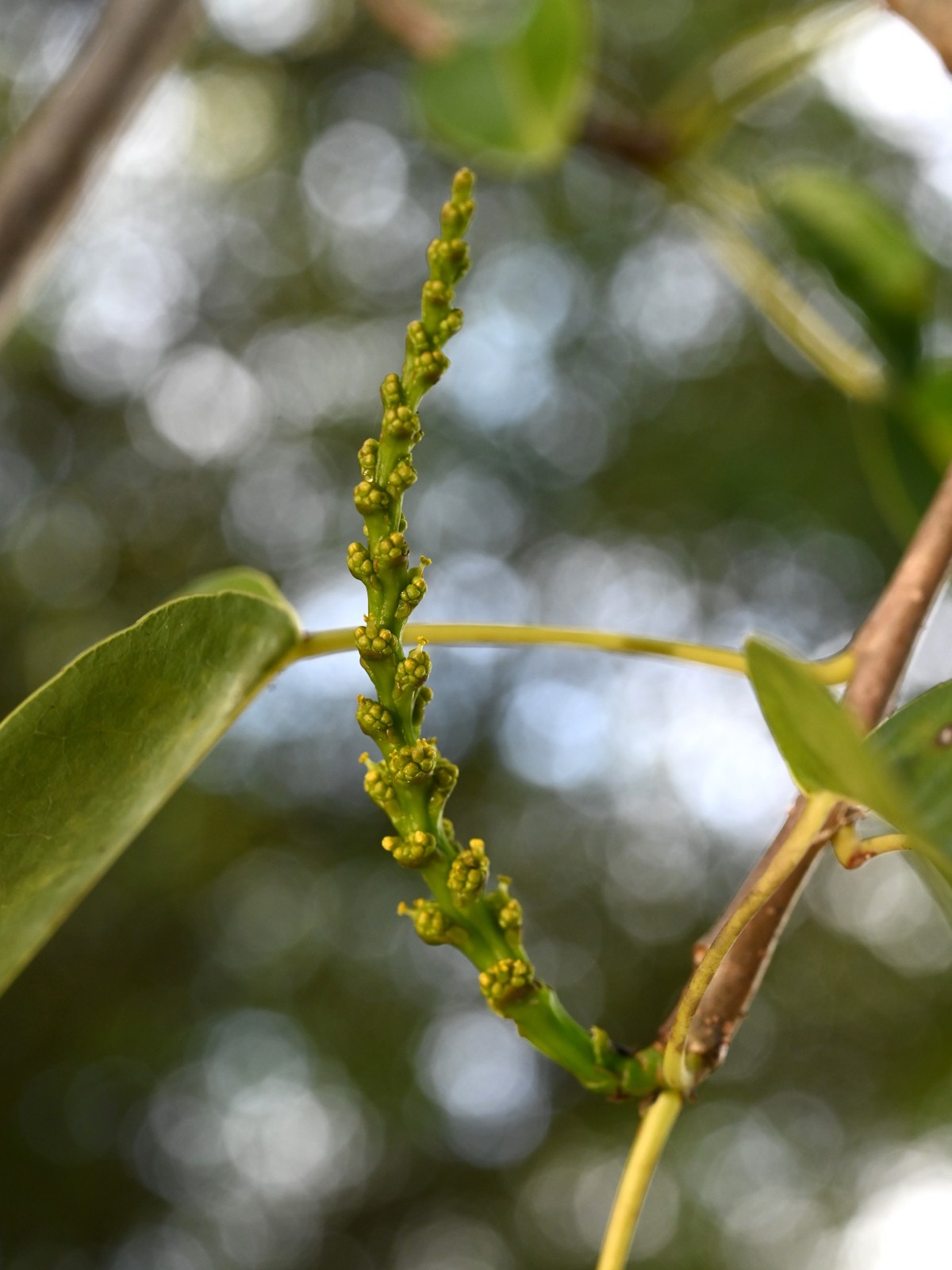
Manchineel’s slender greenish flower spike emerging among its glossy, poplar-like leaves. Photo: Wikimedia Commons (CC BY-SA 4.0) ⚠ Safety first: Hippomane mancinella, the Manchineel, is
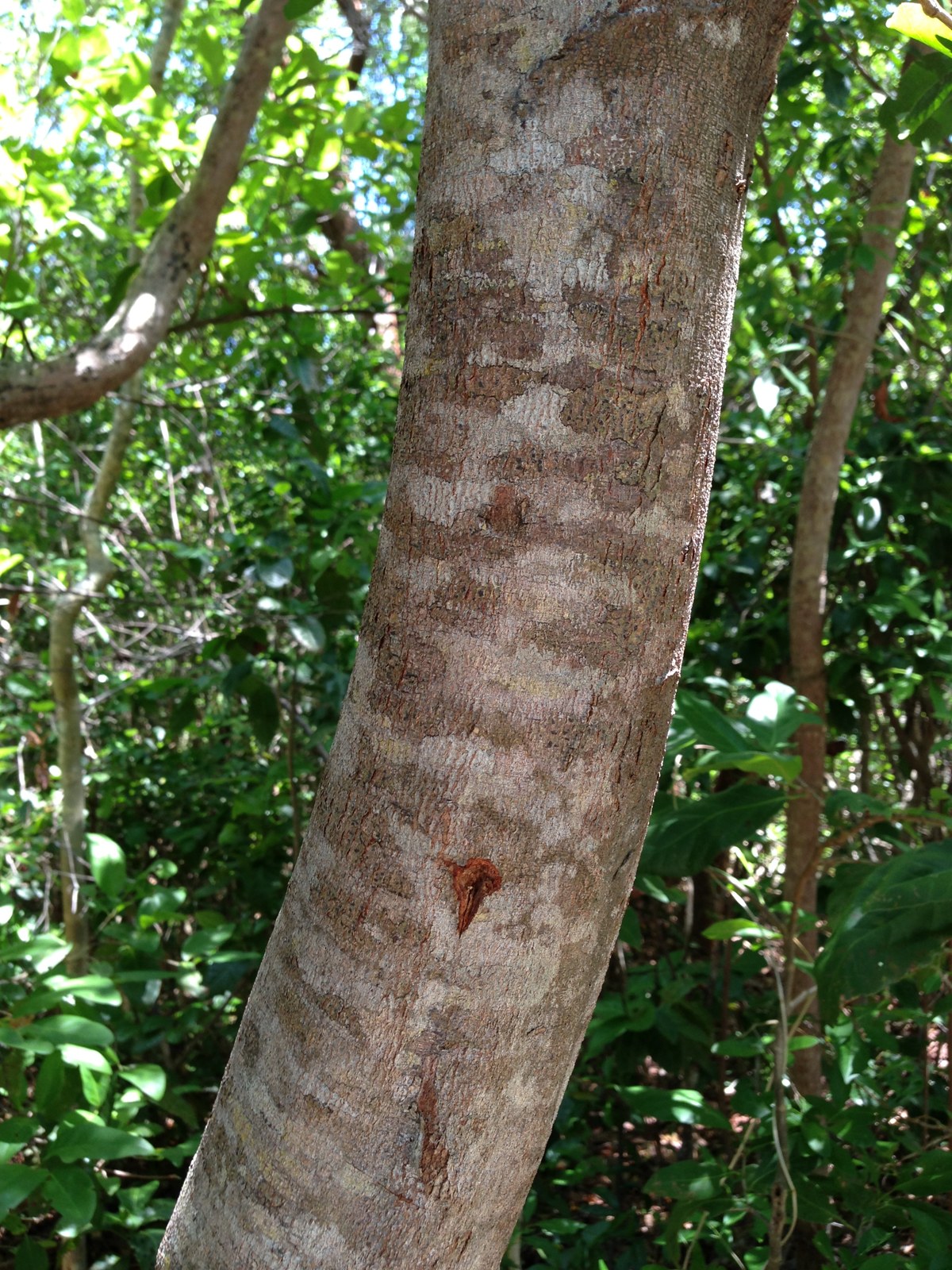
Inkwood’s smooth, mottled gray-brown trunk rising through a South Florida hammock canopy. Photo: Wikimedia Commons (CC BY 3.0) Exothea paniculata, commonly called Inkwood (and sometimes
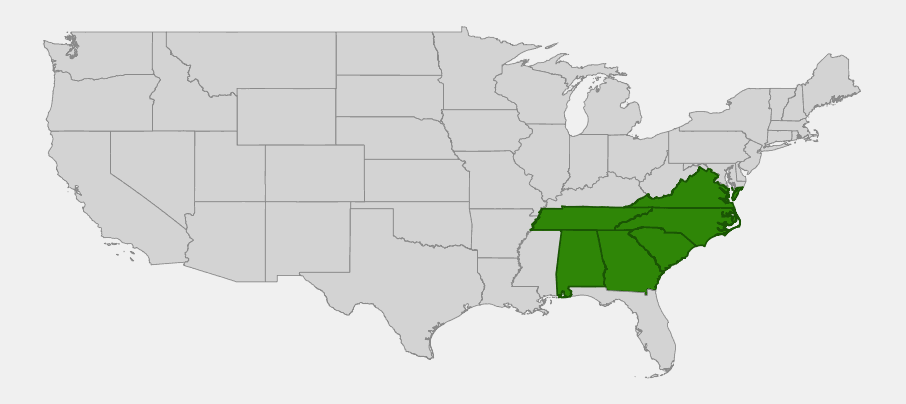
Carya carolinae-septentrionalis, the Southern Shagbark Hickory (also called Carolina Hickory), is a Deep South relative of the familiar Shagbark Hickory that most field guides and
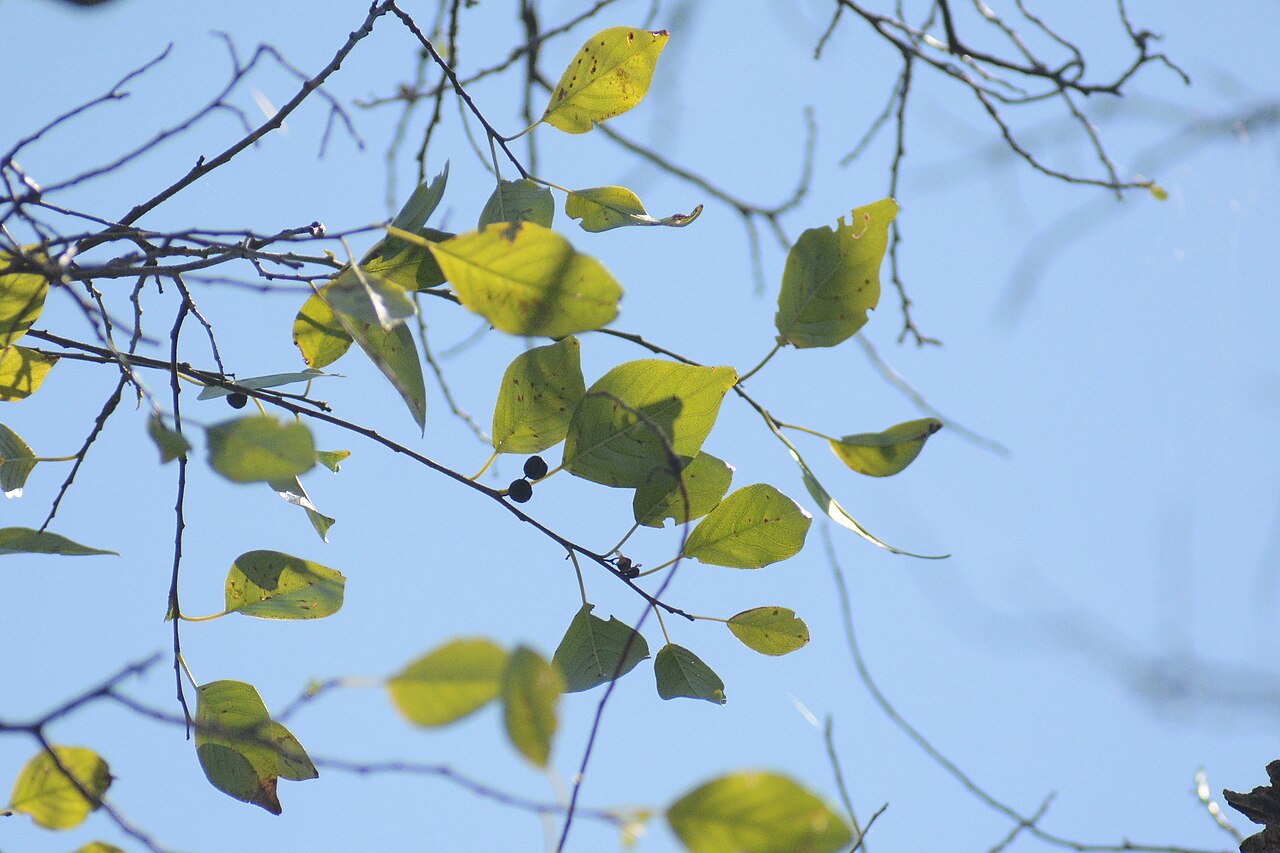
Soldierwood leaves and fruit at John Pennekamp Coral Reef State Park, Key Largo, Florida. Photo: David Jeffrey Ringer via Wikimedia Commons (CC BY-SA 4.0) Colubrina
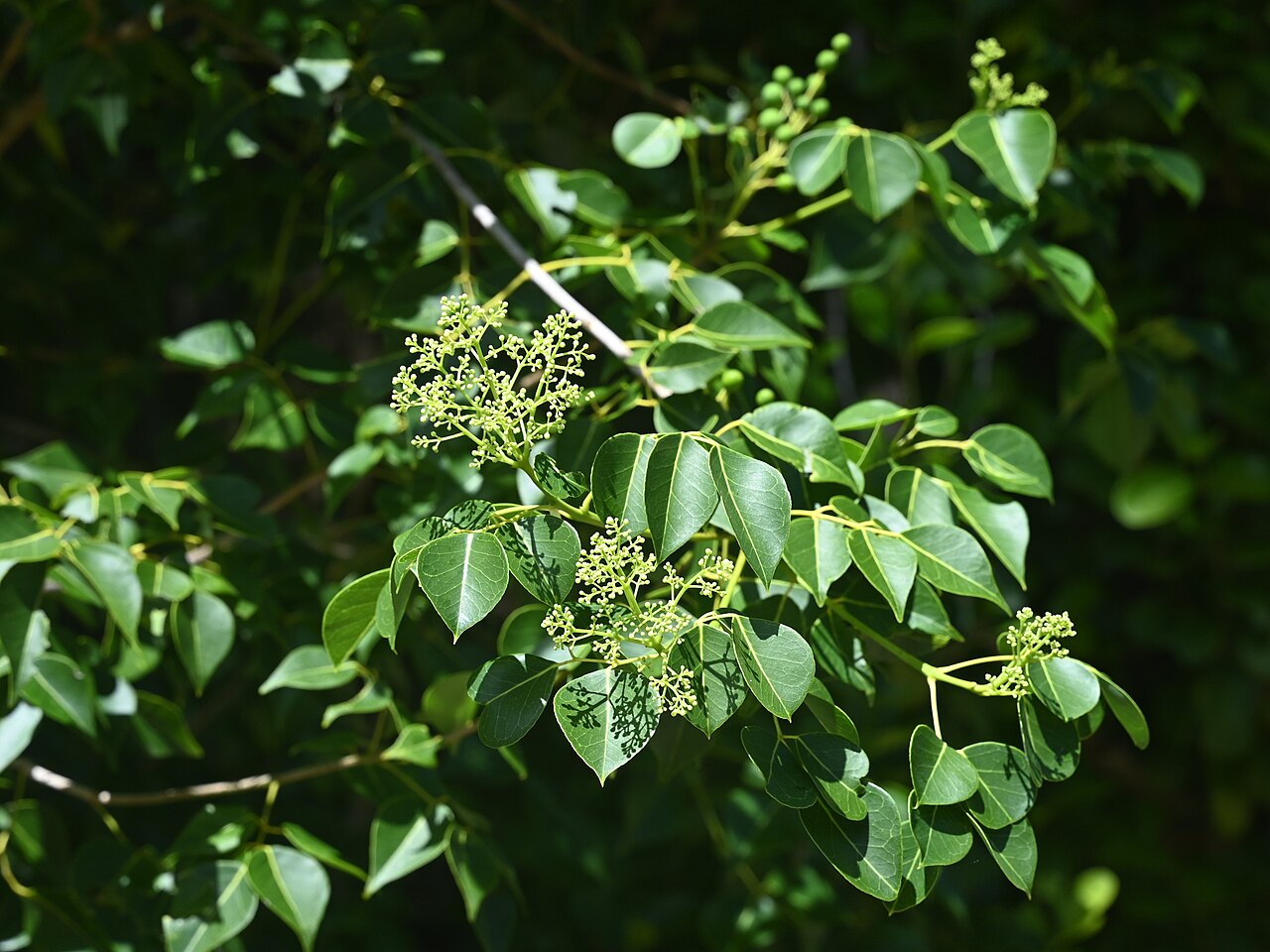
Sea Torchwood foliage and flower clusters. Photo: Krzysztof Ziarnek, Kenraiz via Wikimedia Commons (CC BY-SA 4.0) Amyris elemifera, commonly known as Sea Torchwood or simply
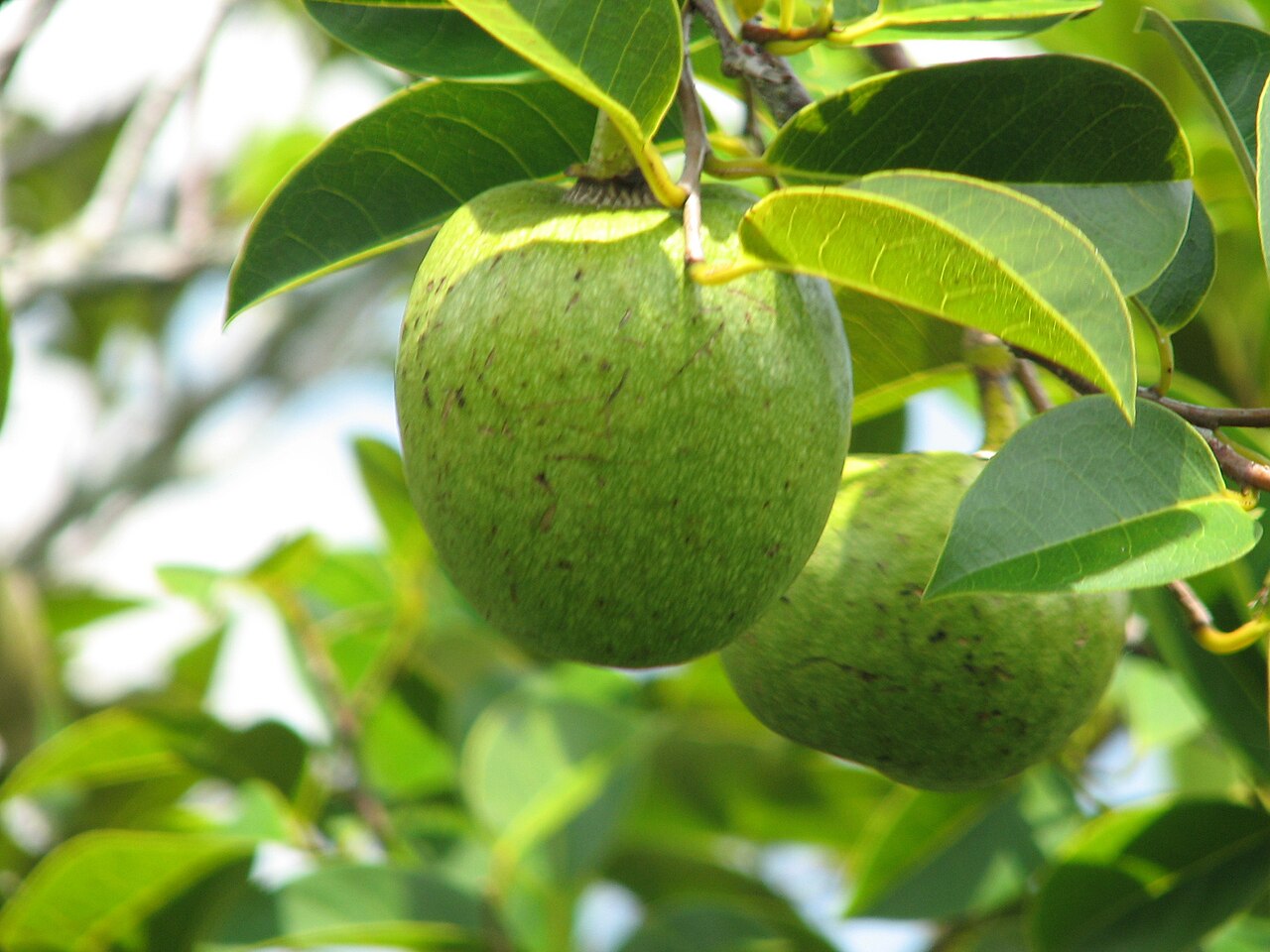
Pond Apple fruit at Royal Palm, Everglades National Park, Florida. Photo: CiXeL via Wikimedia Commons (CC BY-SA 3.0) Annona glabra, known as Pond Apple (and
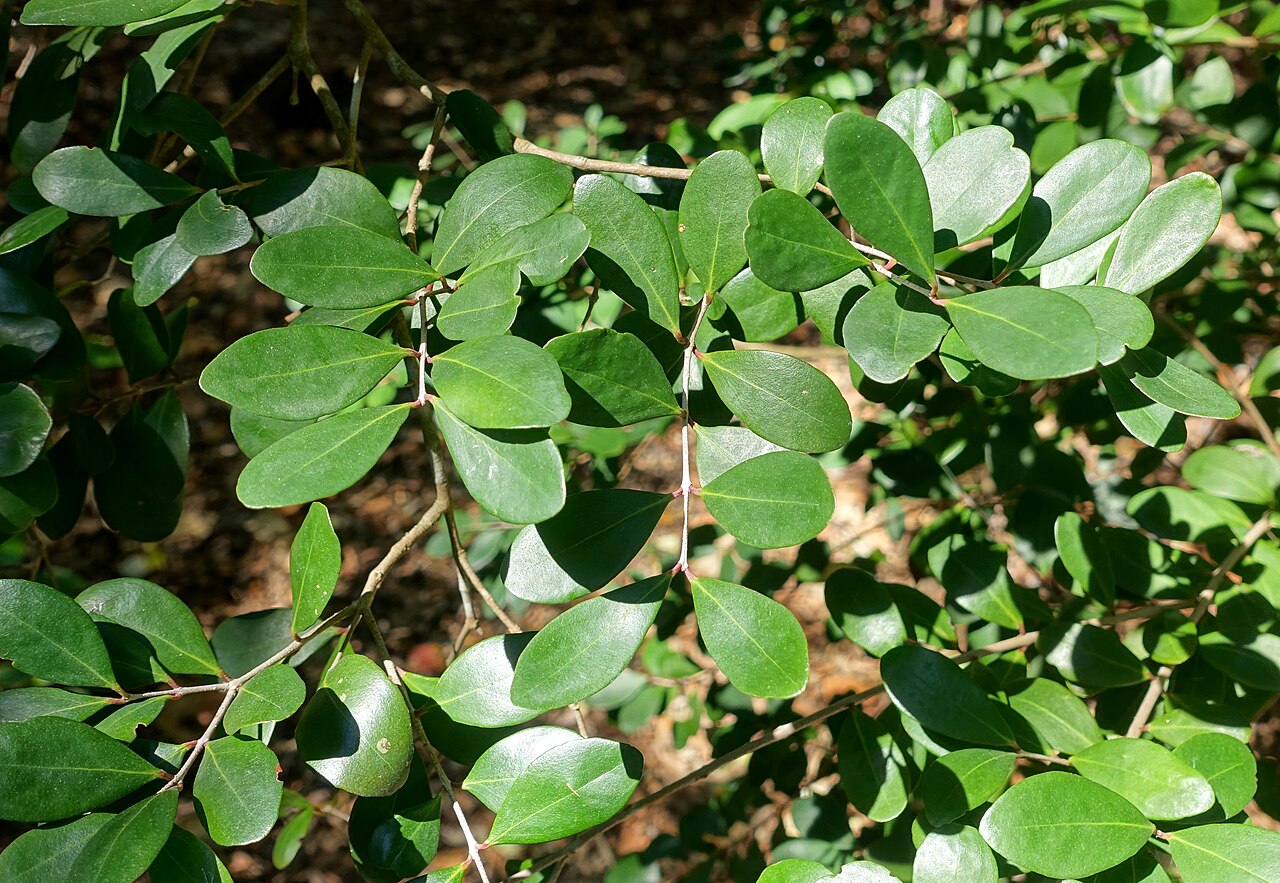
Spanish stopper’s typical multi-trunked, densely twiggy growth habit. Photo: Daderot, Marie Selby Botanical Gardens, Sarasota, FL / Wikimedia Commons (CC0) Eugenia foetida, commonly called Spanish
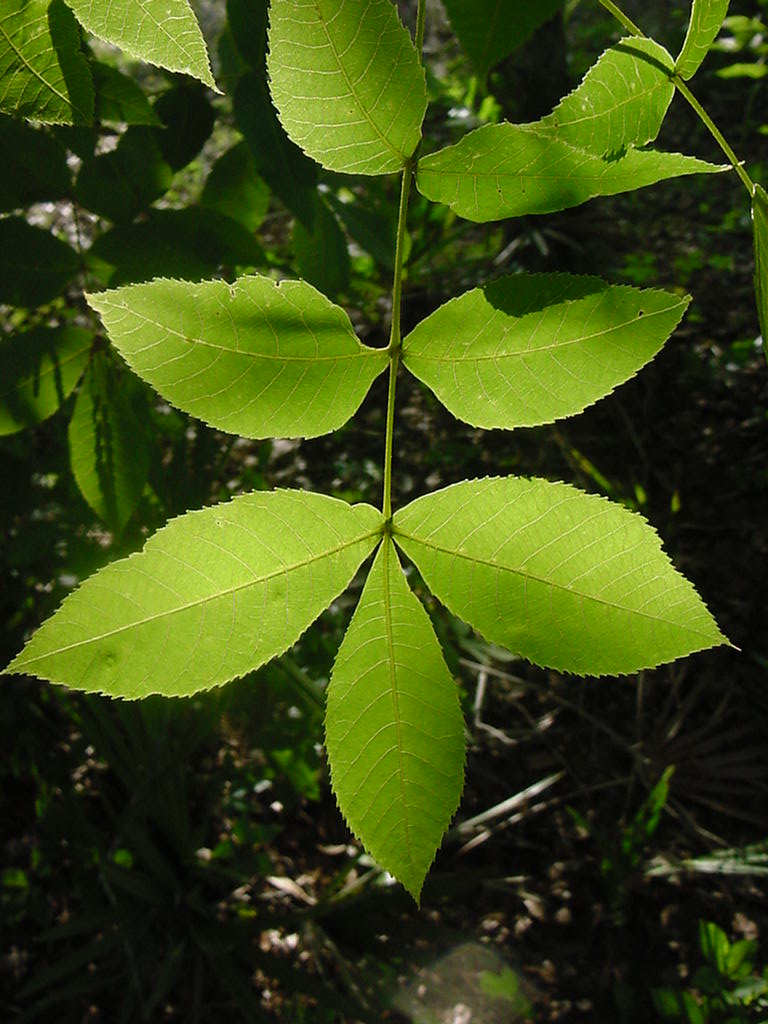
Scrub hickory’s compound leaf, typically with five leaflets — smaller and fewer than most other native hickories. Photo: Eric Dion, near Sebring, FL / Wikimedia
View More