
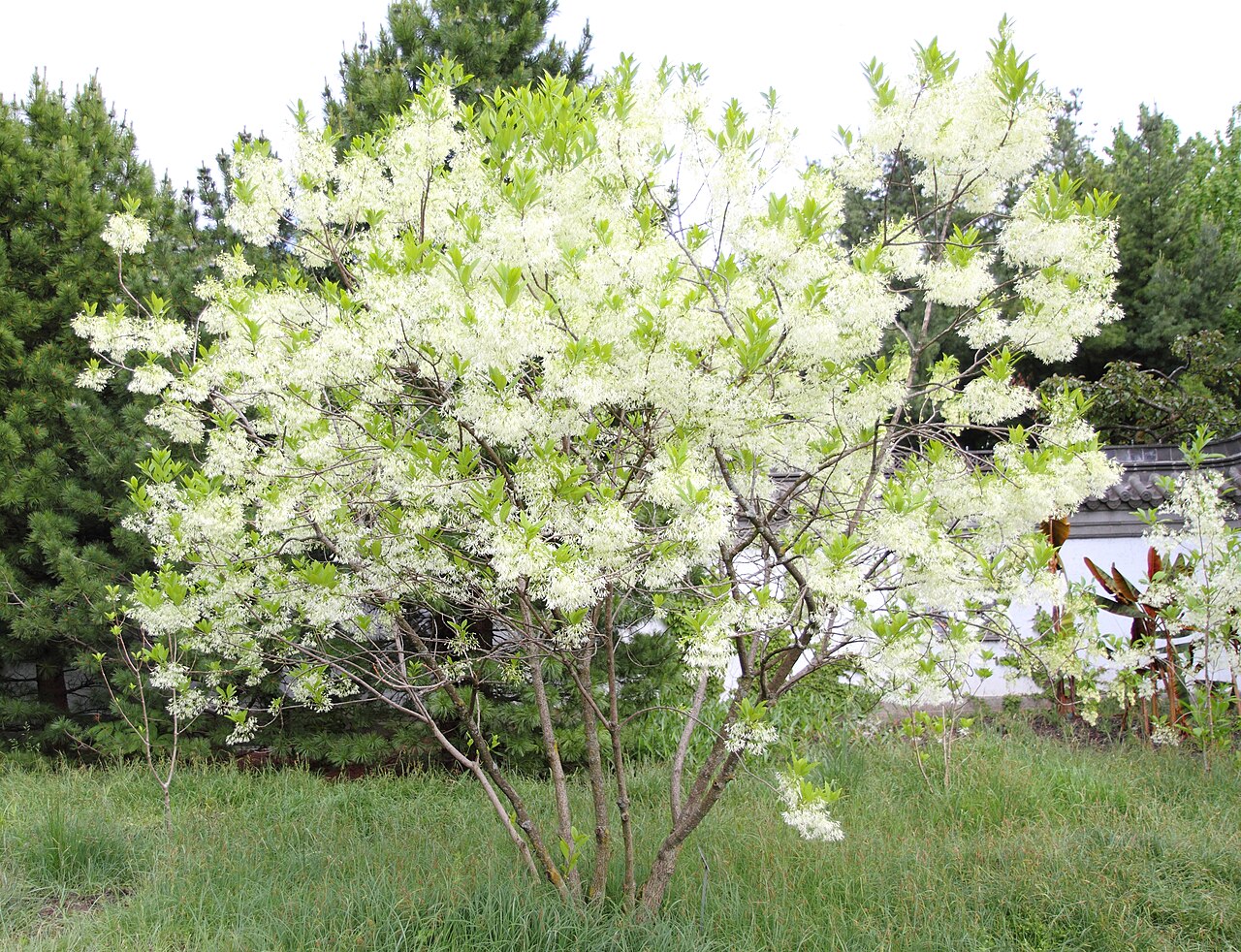
Fringetree’s natural form: several slender stems rising from the base. Most pruning decisions start with whether you keep this shape or train a single trunk.
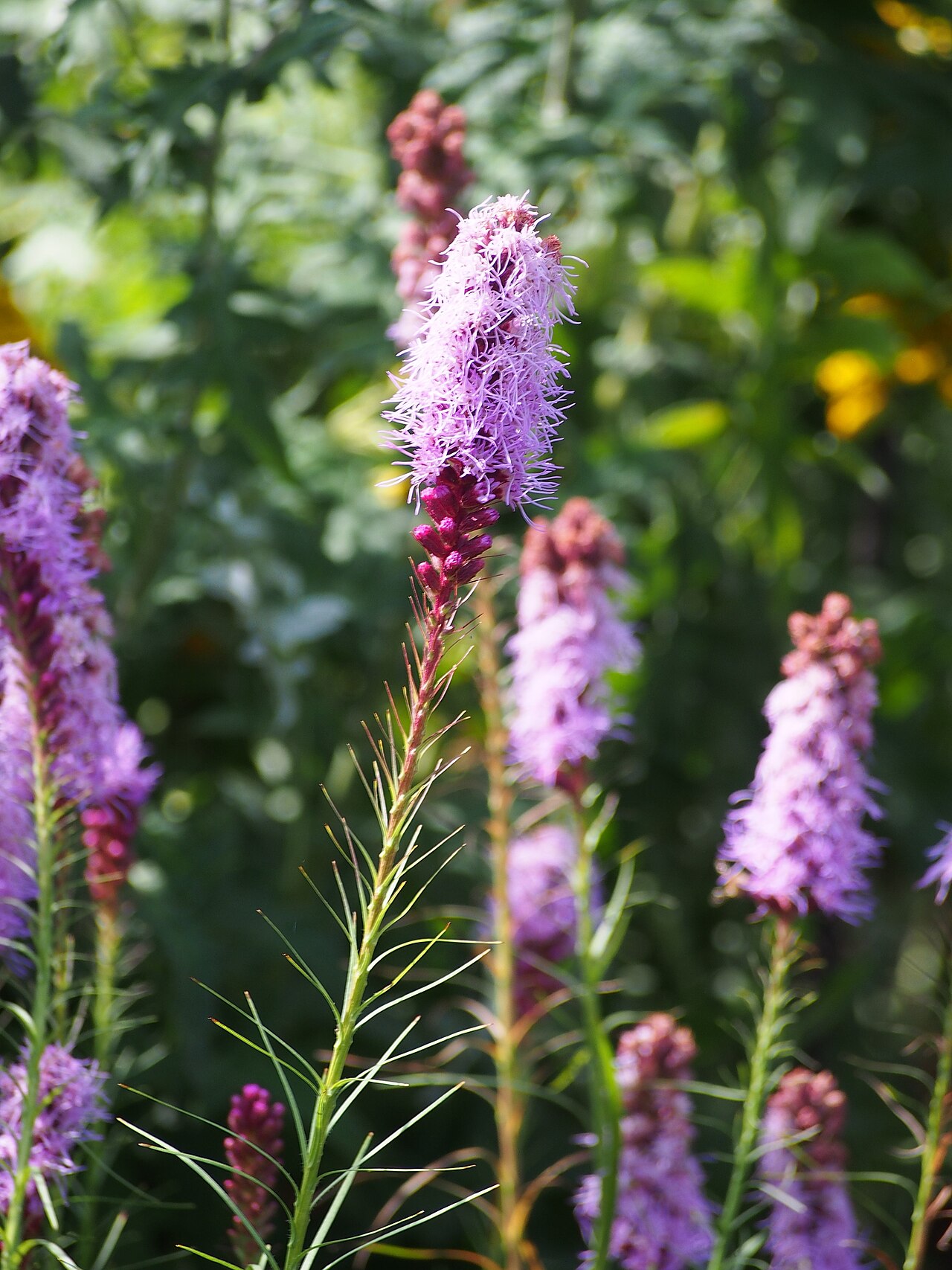
‘Kobold’, a compact form of dense blazing star, in bloom at Wrocław University Botanical Garden. Shorter cultivars like this are the easiest to grow in
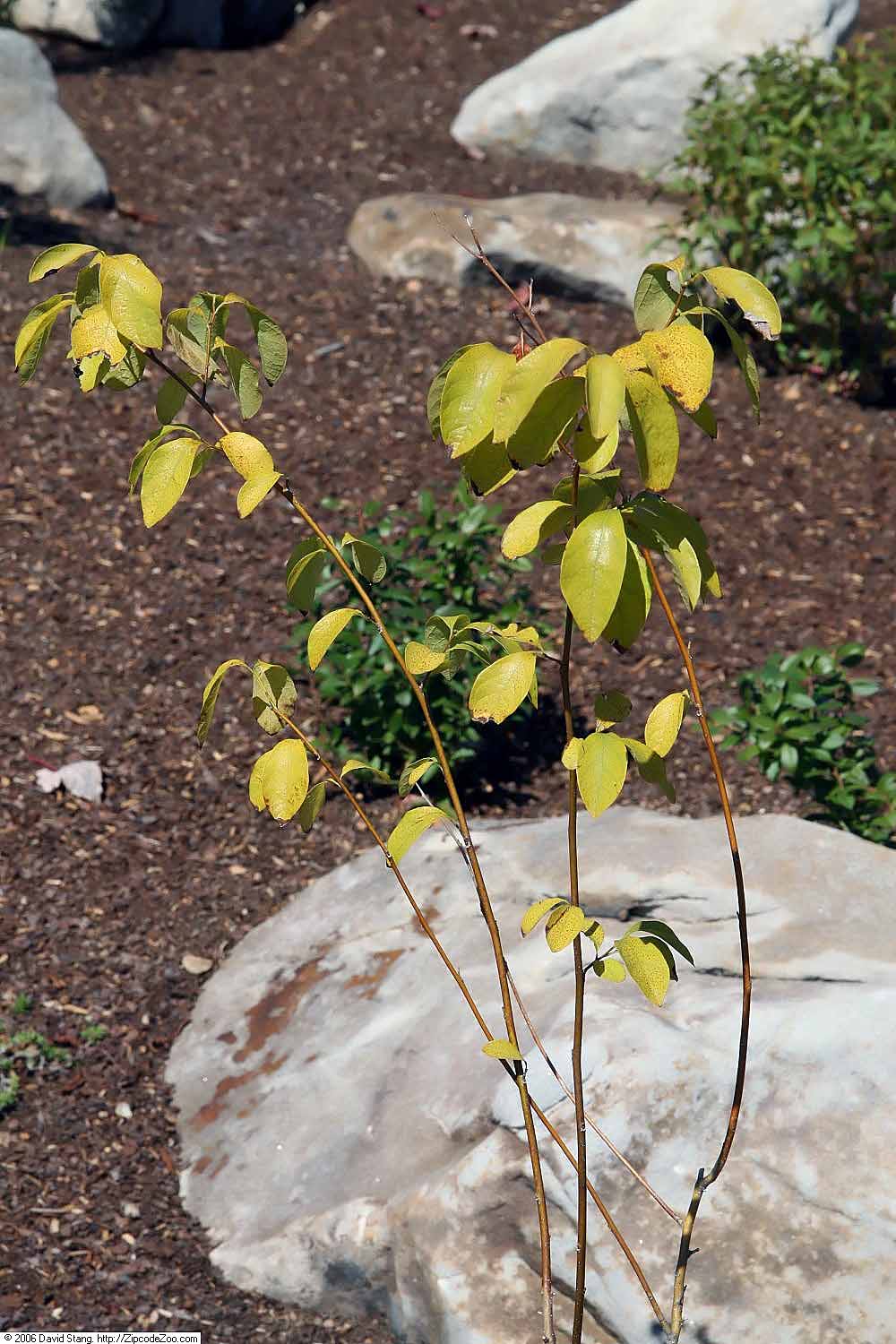
A young spicebush settled into a mulched bed at the United States Botanic Garden, Washington, D.C. Small plants like this are the best candidates for

English ivy is a popular indoor and outdoor plant known for its attractive foliage and ability to thrive in various conditions. Propagating English ivy is

We independently select all products and services. If you click through links we provide, Plant Native may earn a commission with no extra cost to
We independently select all products and services. If you click through links we provide, Plant Native may earn a commission with no extra cost to

We independently select all products and services. If you click through links we provide, Plant Native may earn a commission with no extra cost to

We independently select all products and services. If you click through links we provide, Plant Native may earn a commission with no extra cost to
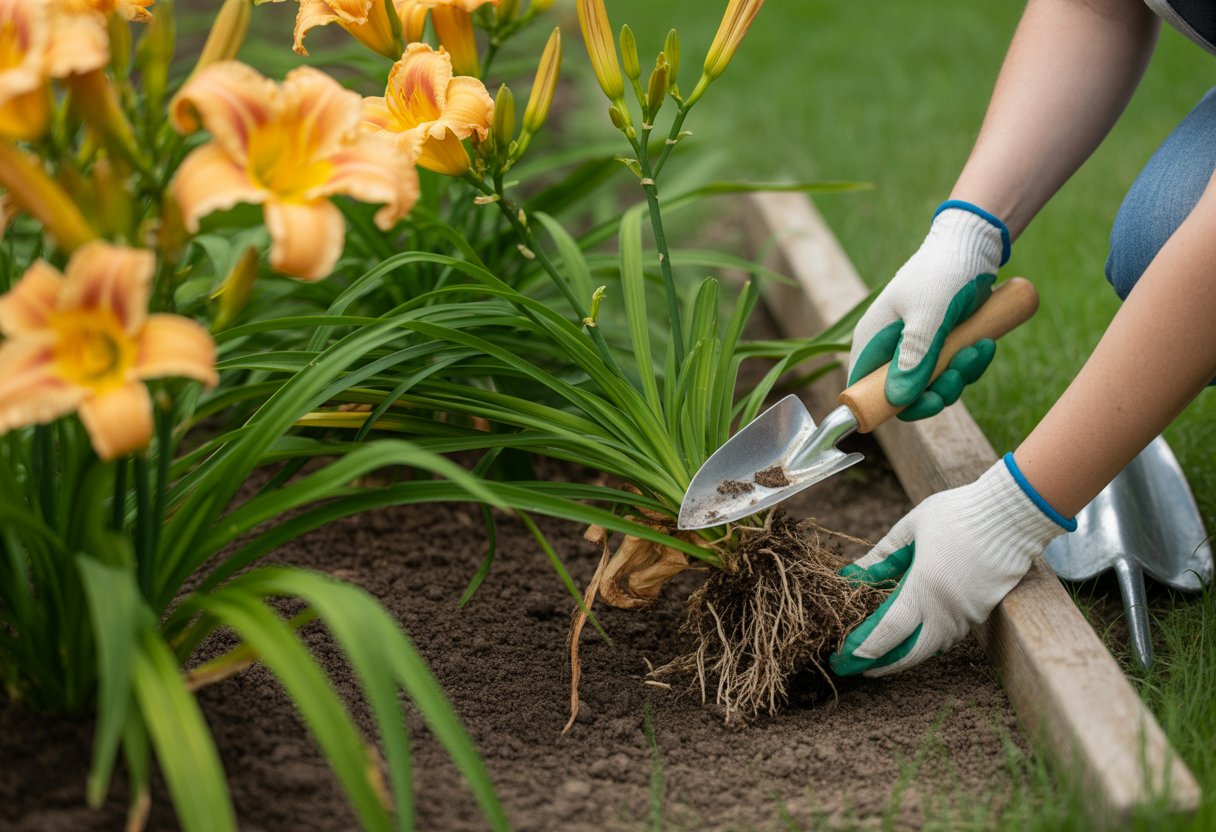
Dividing daylilies is a pretty simple task that keeps plants healthy and gets you more blooms. The best way to divide daylilies is to dig
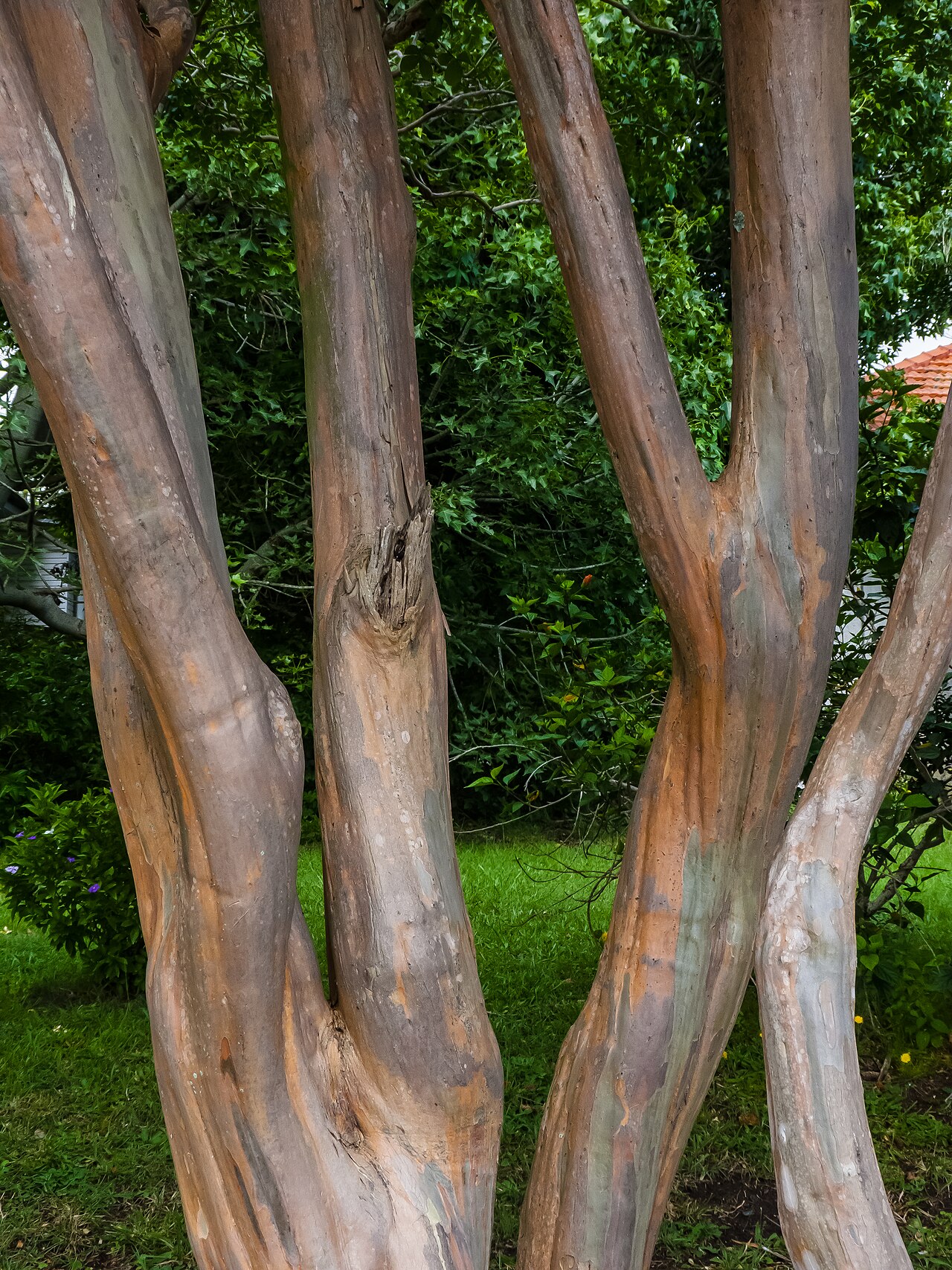
The goal for a tree-form crape myrtle: a few clean trunks and nothing sprouting from the ground around them. Photo: John Robert McPherson, Wikimedia Commons
View More