Transplanting a Young Spicebush: Planning the Move and Aftercare
Last updated: November 5, 2026
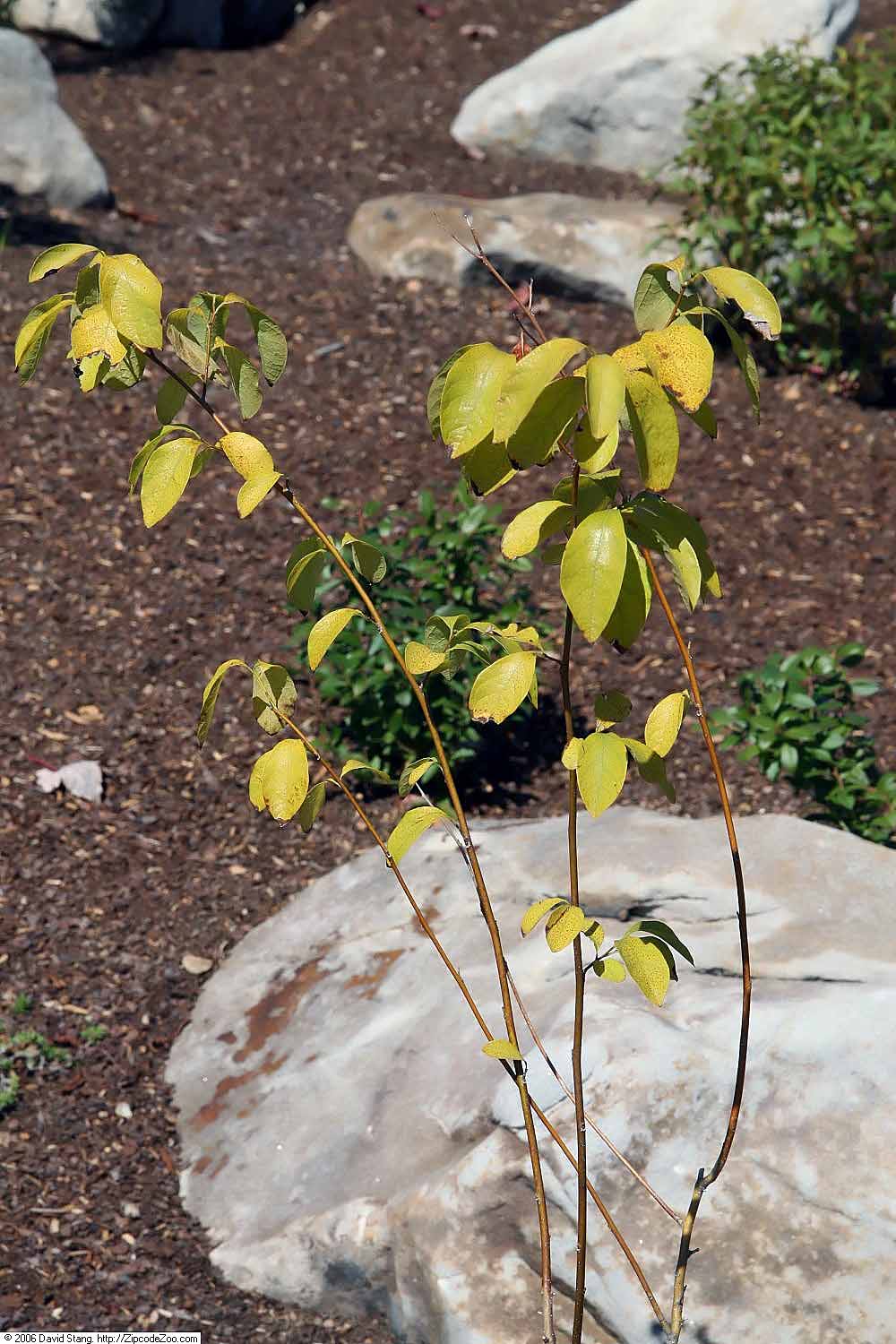
Maybe your spicebush ended up in deep shade, crowded against a path, or in a corner that dries out every August. Now you want to move it.
That’s doable with a young plant, but spicebush has a reputation. The USDA plant guide calls it difficult to transplant, and the reasons are underground.
This guide covers how to decide whether a move is worth it, how to prepare the roots ahead of time, how to dig and replant, and how to nurse the plant through its first two years in the new spot.
The Short Answer
- Move it while it's small, ideally a plant that's been in the ground only a few years.
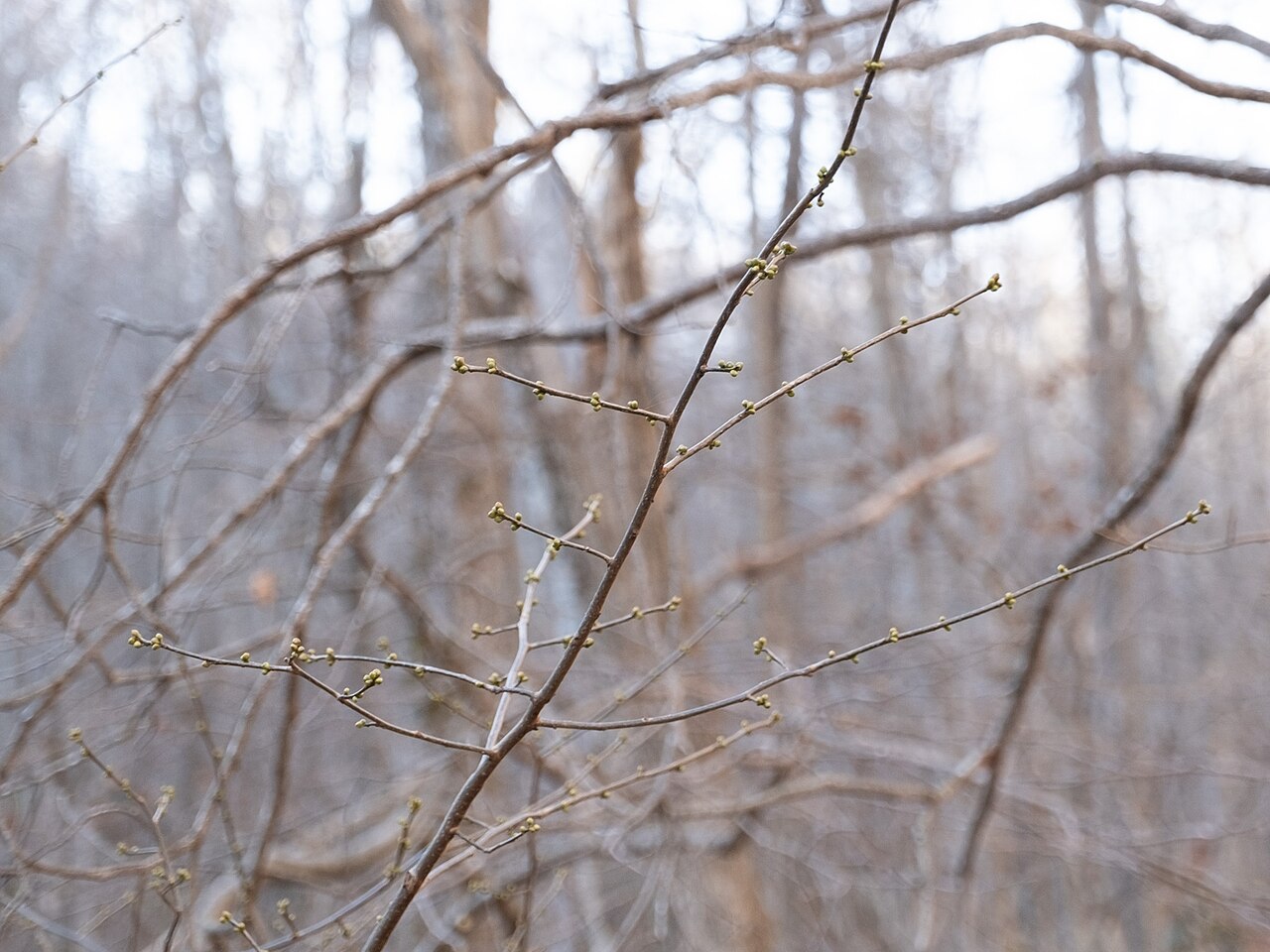
- Move it while it's dormant: early spring before growth, or fall after leaf drop. Avoid summer.
- Root prune a season ahead if you can. Illinois Extension recommends root pruning in fall and moving in spring.
- Dig a generous root ball and keep it intact. Spicebush roots are shallow and widely branched.
- Replant at the same depth in moist, organic soil with some shade.
- Water like a new planting for at least the next year.
Why Spicebush Is Tricky to Move
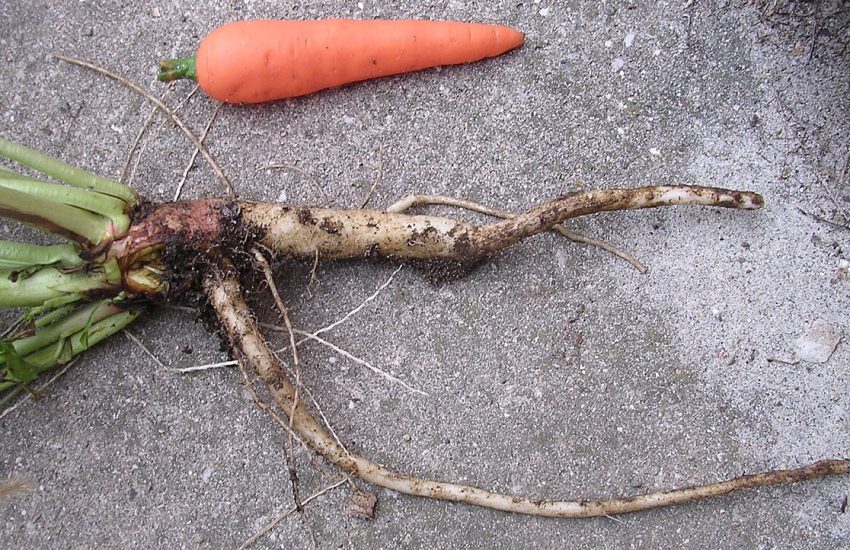
Spicebush doesn’t have a compact root system. Illinois Wildflowers describes its woody roots as shallow and much branched. Wikipedia, citing Michael Dirr’s woody plant manual, notes its extensive root system doesn’t handle transplanting well.
It also spreads by root sprouts. The USDA plant guide says most spicebush patches are probably clonal. An older plant may be connected underground to nearby stems you’ll have to cut through.
Any transplant cuts away a large share of the roots that take up water. Iowa State Extension calls moving a tree or shrub “a major operation from which most plants recover slowly.” With spicebush, the best defense is moving a small plant, at the right time, with as much root as you can carry.
Transplant Planning Calendar
| Fall (a season ahead) | Root prune around the future root ball. Water through dry spells. |
| Late winter – early spring | Move the plant while dormant, before buds break. Iowa State calls early spring generally the best time. |
| Fall (alternative) | Move after leaves drop if spring isn't possible. Water until the ground freezes. |
| Late spring – summer | Avoid moving. Use this time to root prune for a fall move instead. |
| Next 1–2 years | Regular watering, mulch, and patience while new roots grow. |
Step 1: Decide Whether to Move It at All
Be honest about size. A spicebush a few feet tall that’s been in the ground a couple of years is a reasonable candidate. A mature, 8-foot clump is a different story.
Iowa State notes that a 24-inch soil ball can weigh 250 to 400 pounds, and that balls larger than 24 inches generally call for equipment or a professional. For a big spicebush, it’s often easier to plant a new, small one in the right place.
The University of Maryland Extension makes a related point about new plantings: smaller, younger plants become established and begin to grow faster than larger ones. A fresh container plant may catch up with a struggling transplant within a few years.
Also consider whether you can fix the site instead. A shrub crowding a path can often be managed with selective pruning near a walkway. A shrub in too much shade may perk up if you limb up an overhanging tree.
Step 2: Choose and Prepare the New Spot First
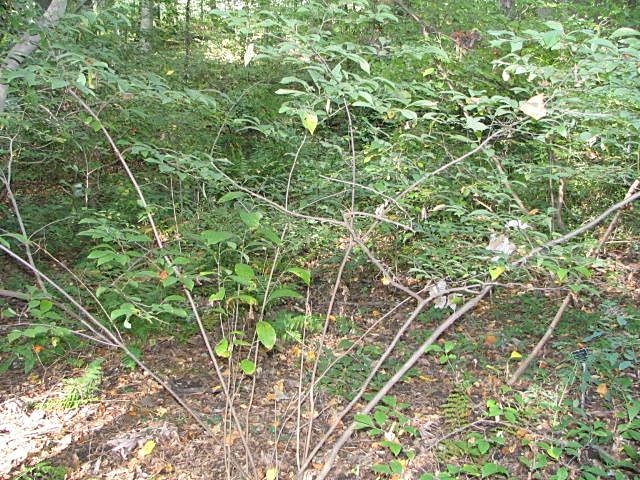
Pick a site that matches what spicebush wants. NC State Extension describes it as preferring moist, well-drained soil in part shade, with more water needed in full sun.
Woodland edges, the shady side of a house, or a low spot that stays moist but doesn’t flood for long are all good choices. Give it room to spread. NC State puts its typical size at 6 to 12 feet tall and wide.
If you’re moving a female plant for better fruiting, a little more light helps. The Lady Bird Johnson Wildflower Center notes a small amount of sun yields better form and more berries. Our guide to spicebush flowers but no berries explains why a male partner nearby matters too.
Dig the new hole before you dig up the plant. Illinois Extension recommends this so you aren’t worn out, and the roots aren’t waiting in the air while you dig. Make it at least as wide as the root ball you plan to lift, and no deeper.
Our guide to the best soil for spicebush covers how to prepare moist, organic soil in the new spot.
Step 3: Root Prune a Season Ahead
Root pruning cuts the roots at the edge of the future root ball while the plant is still in place. The plant then grows new feeder roots inside that circle, which come along with it at moving time.
Illinois Extension describes two methods. For a shrub in the ground only a couple of years, push a sharp spade straight down just inside the edge of the future root ball, all the way around. For a larger shrub, dig a trench 8 to 12 inches wide and up to 12 inches deep, then refill it with a 2:1 mix of soil and compost.
The ideal sequence, according to Illinois Extension, is to root prune in fall and transplant in spring. Water the plant through any dry spells in between.
If you can’t wait a season, you can skip this step. Just dig a slightly bigger root ball and be extra careful with aftercare.
Step 4: Size the Root Ball
Bigger is better, as long as you can lift it. Illinois Extension often suggests a root ball as wide as the shrub’s canopy.
For a more precise guide, Illinois Extension shares a Penn State table based on the American Standard for Nursery Stock. A deciduous shrub 3 feet tall needs a root ball at least 14 inches across and 9 inches deep, with 4 to 6 inches more diameter for each additional foot of height.
Iowa State adds that species considered difficult to move should get a larger soil ball than the minimum. Spicebush fits that description, so err on the generous side.
Soil type matters too. Iowa State notes that clay and clay loam soils hold together in a ball far better than loose, sandy soils.
Step 5: Dig and Lift Without Breaking the Ball
Water the plant a day or two before moving. Illinois Extension advises against moving a drought-stressed shrub, but also against soaking the soil on moving day, which makes the ball much heavier.
Tie the branches in loosely with soft twine so they’re out of your way. Iowa State recommends this to make digging easier.
- Mark a circle a few inches outside the root ball size you chose, or just outside your root pruning cut.
- Cut straight down around the circle with a sharp spade, with the back of the spade facing the plant. Iowa State says this avoids prying up uncut roots.
- Sever larger roots with loppers rather than chopping with the spade, which jars the ball loose.
- Dig a trench outside the circle, then undercut the ball at an angle to free it.
- Tilt the ball onto a tarp or burlap and slide it out. Never lift the plant by its stems.
Move it on the tarp or in a wheelbarrow, keeping the ball as intact as possible. If there’s any delay, keep it in shade and cover the ball with damp mulch so roots don’t dry out.
Step 6: Replant at the Same Depth
Set the root ball in the new hole so the plant sits at the same depth it grew before. Illinois Extension notes that if it was planted too deep the first time, this is your chance to correct it.
Backfill with the soil you removed, firming gently to remove large air pockets. Water slowly as you fill to settle the soil around the ball.
Mulch the root zone with wood chips or shredded leaves, keeping mulch off the stems. Illinois Extension suggests a layer of about four inches of wood chips. University of Minnesota Extension cautions against going much deeper than three inches on poorly drained soil, so stay toward the lower end in heavy clay.
Don’t fertilize at planting. The plant needs to grow roots, not leaves.

Step 7: Water Through the First Year and Beyond
A transplanted spicebush has lost a large part of its root system. Treat it like a brand-new planting.
Water thoroughly right after planting, then check the root ball every day or two for the first few weeks. Illinois Extension recommends providing water over the next year as the plant establishes, and notes that larger plants take longer.
Check moisture 2 to 3 inches into the root ball itself, not just the soil around it. Our step-by-step guide to watering a newly planted spicebush shows exactly how.
Keep watering through summer dry spells and into fall. Spicebush is a moist-woods shrub, and a transplant with a reduced root system feels drought quickly.
Step 8: Hold Off on Pruning and Expect a Slow Start
Resist the urge to cut the plant back to “balance” the root loss. Rutgers Cooperative Extension advises against pruning newly planted shrubs except for damaged limbs, because they need their leaves to regenerate roots.
Remove only branches that broke during the move. Leave the rest.
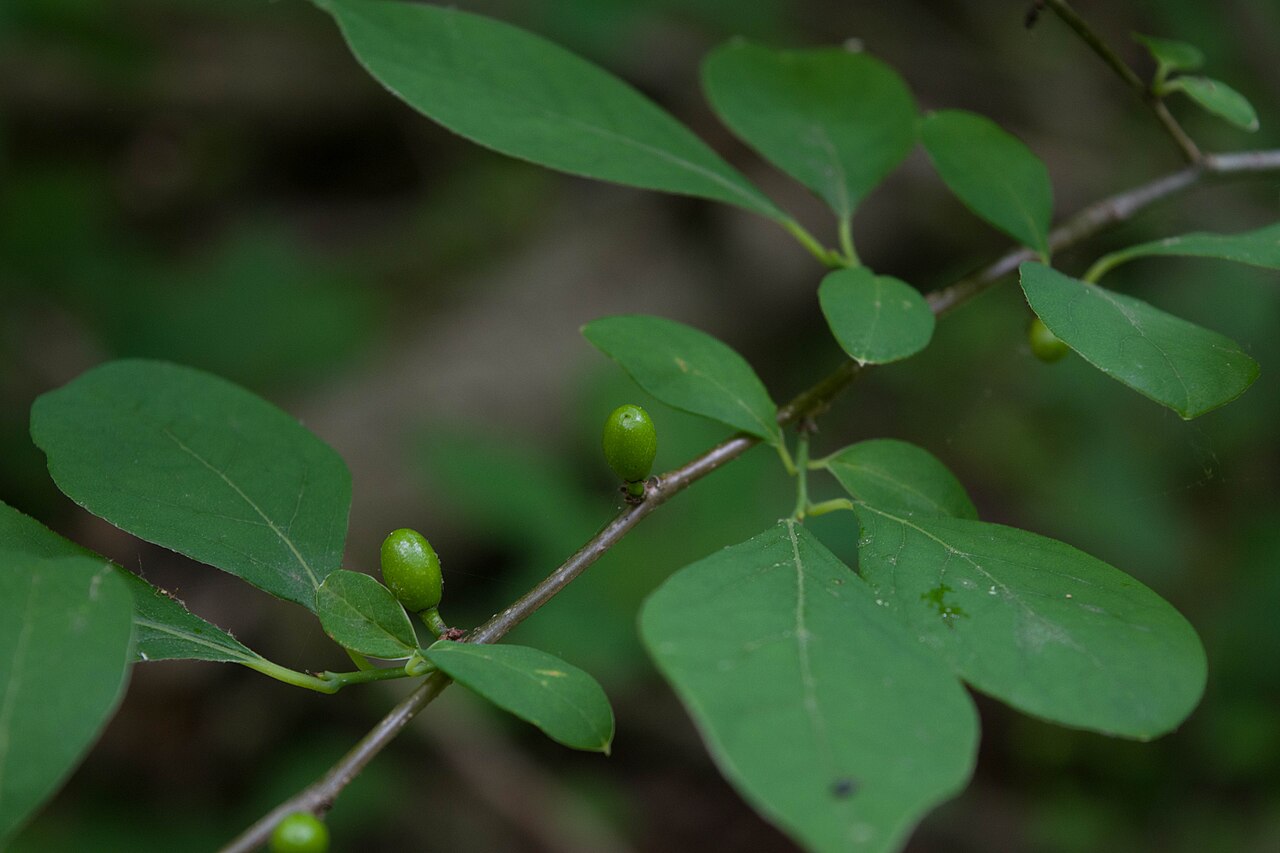
Expect the first season to be quiet. Leaves may be smaller, some yellowing or early leaf drop is common, and flowering may be light the next spring. Strong new growth in the second year is the sign the move worked.
Troubleshooting at a Glance
| Wilting a week after the move | Root ball drying out. Check the ball itself and water slowly. |
| Leaves yellow and drop in the first summer | Transplant stress. Keep watering and mulched. Wait for next spring. |
| Few or no flowers the next spring | Normal after root loss. Flowering should return as roots regrow. |
| Root ball fell apart while digging | Replant immediately, keep roots moist, and water closely. |
| Soil stays soggy around the plant | Poor drainage in the new hole. Ease off water and avoid deep mulch. |
| No new growth by midsummer of year two | The plant may not recover. Consider a new container plant. |
If yellowing persists into later seasons, our guide to spicebush leaves turning yellow in summer helps you sort transplant stress from other causes.
A Season-by-Season Plan for the Move
- Summer before: choose the new site and check how much sun it gets with trees in full leaf.
- Fall before: root prune around the future root ball. Water during dry spells.
- Late winter or early spring: dig the new hole, then move the plant while dormant. Replant at the same depth, water, and mulch.
- First growing season: check the root ball often and water whenever it starts to dry. Remove only broken branches.
- Second year: keep watering in dry weather, widen the watering zone, and watch for strong new growth.
📋 More on this plant: read the full Spicebush (Lindera benzoin) profile, or see it in our native plant lists for New York, Pennsylvania & Northern New Jersey, Delaware, Southern New Jersey & Long Island, Maryland, Virginia & West Virginia, North Carolina & South Carolina, Ohio & Indiana, Illinois, Iowa & Missouri, Michigan, Wisconsin & Eastern Minnesota, and Arkansas, Louisiana, Eastern Oklahoma & Eastern Texas.
Frequently Asked Questions
When is the best time to transplant spicebush?
While it’s dormant. Early spring, before buds break, is generally best, and fall after leaf drop also works. Avoid moving it in late spring or summer heat.
Is spicebush hard to transplant?
Yes. The USDA plant guide describes it as difficult to transplant, and its shallow, widely branched roots are easily lost when digging. Small, young plants move far more successfully than large ones.
How big a root ball do I need to move a spicebush?
For a 3-foot shrub, a commonly used nursery standard calls for a root ball at least 14 inches across and 9 inches deep, larger for taller plants. Since spicebush is hard to move, go bigger if you can lift it.
Should I prune spicebush after transplanting?
Only remove broken or damaged branches. Rutgers Cooperative Extension advises against pruning newly planted shrubs otherwise, since the leaves help the plant regrow roots.
Can I just buy a new spicebush instead?
Often that’s the better choice for larger plants. Small container plants establish quickly, and spicebush is widely sold by native plant nurseries. You can leave the old plant in place for wildlife or remove it.
Sources
- University of Illinois Extension, Need to move a shrub? Prepare them now: timing, root pruning methods, root ball sizing table, moving and replanting steps, aftercare.
- Iowa State University Extension, Transplanting Trees and Shrubs: dormant-season timing, digging technique, larger balls for difficult species, soil ball weights.
- University of Maryland Extension, Planting a Tree or Shrub: dormant planting seasons, smaller plants establishing faster.
- USDA NRCS Plant Guide, Spicebush: difficult to transplant, clonal root sprouting.
- Illinois Wildflowers, Spicebush: shallow, much-branched roots.
- North Carolina Extension Gardener Plant Toolbox, Lindera benzoin: site preferences and size.
- Rutgers Cooperative Extension, FS1221: Pruning Flowering Shrubs: no pruning of newly planted shrubs except damaged limbs.