
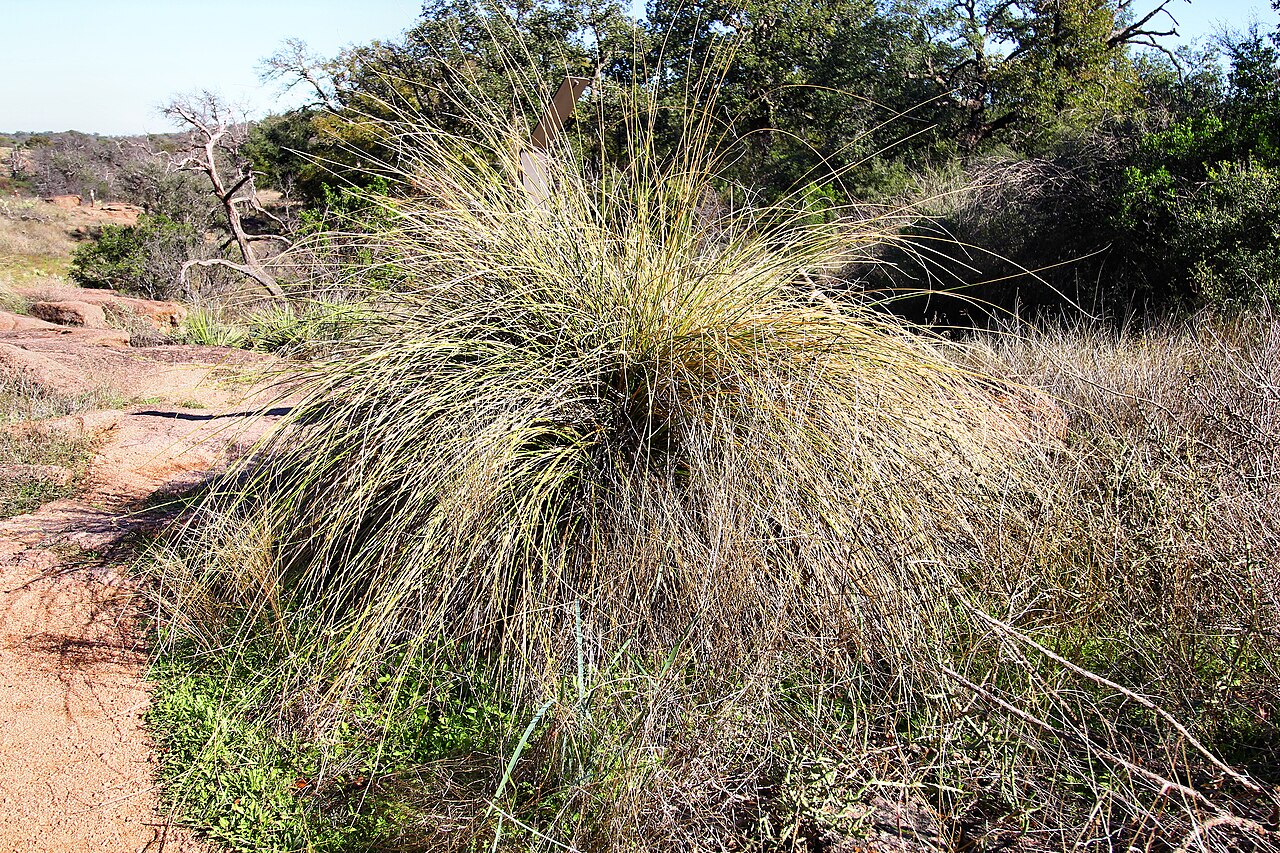
A mature Texas Beargrass clump cascading over granite at Enchanted Rock State Natural Area. Photo: Wikimedia Commons contributor (CC BY 4.0) Nolina texana, known as
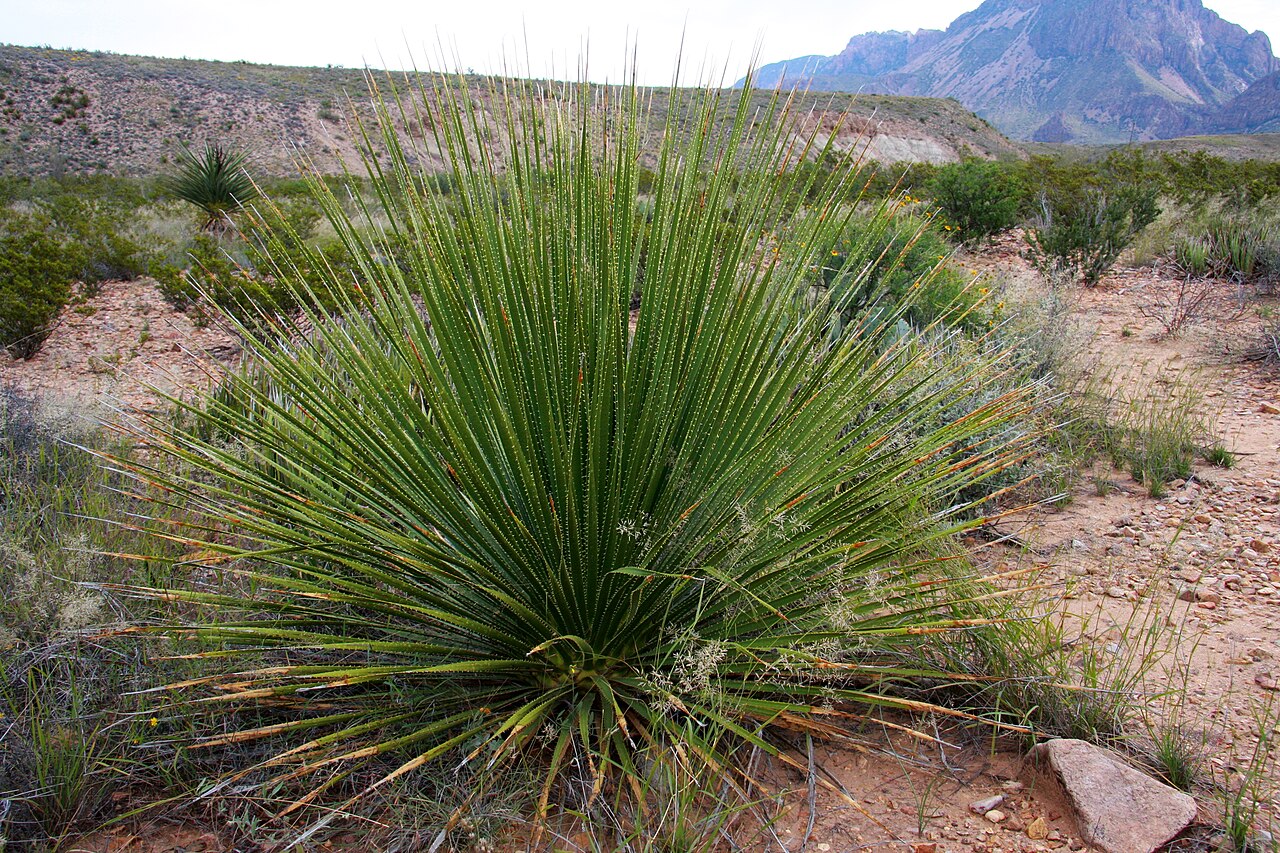
A mature Smooth Sotol rosette in the Chihuahuan Desert, with the Chisos Mountains rising behind it. Photo: Glysiak / Wikimedia Commons (CC BY-SA 3.0) Dasylirion
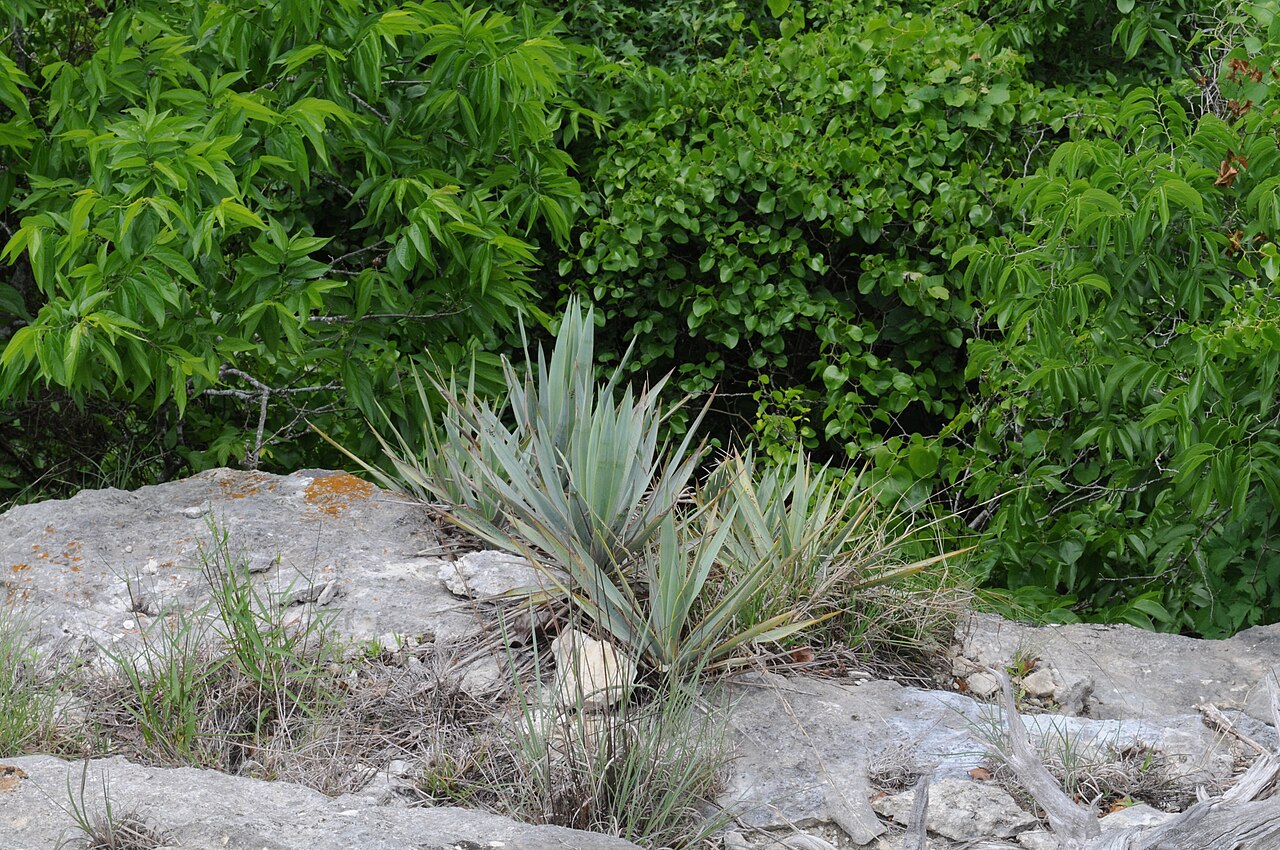
Pale Yucca’s distinctive blue-gray, twisted leaves growing directly from limestone near Glen Rose, Texas. Photo: sonnia hill / Wikimedia Commons (CC BY 2.0) Yucca pallida,
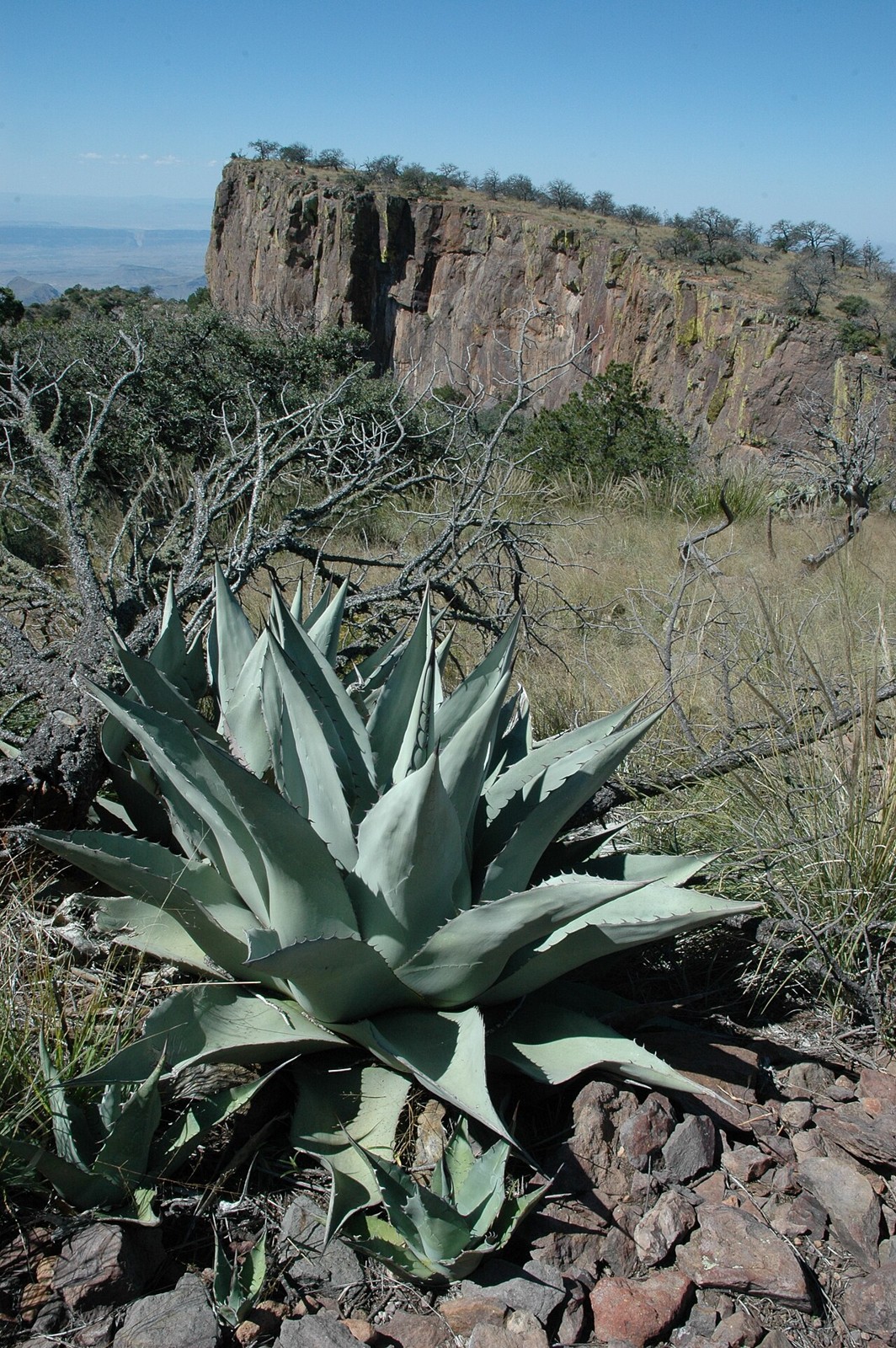
A mature Havard Century Plant on a rocky slope in the Chisos Mountains, Big Bend National Park. Photo: Dylan W. Schwilk / Wikimedia Commons (CC
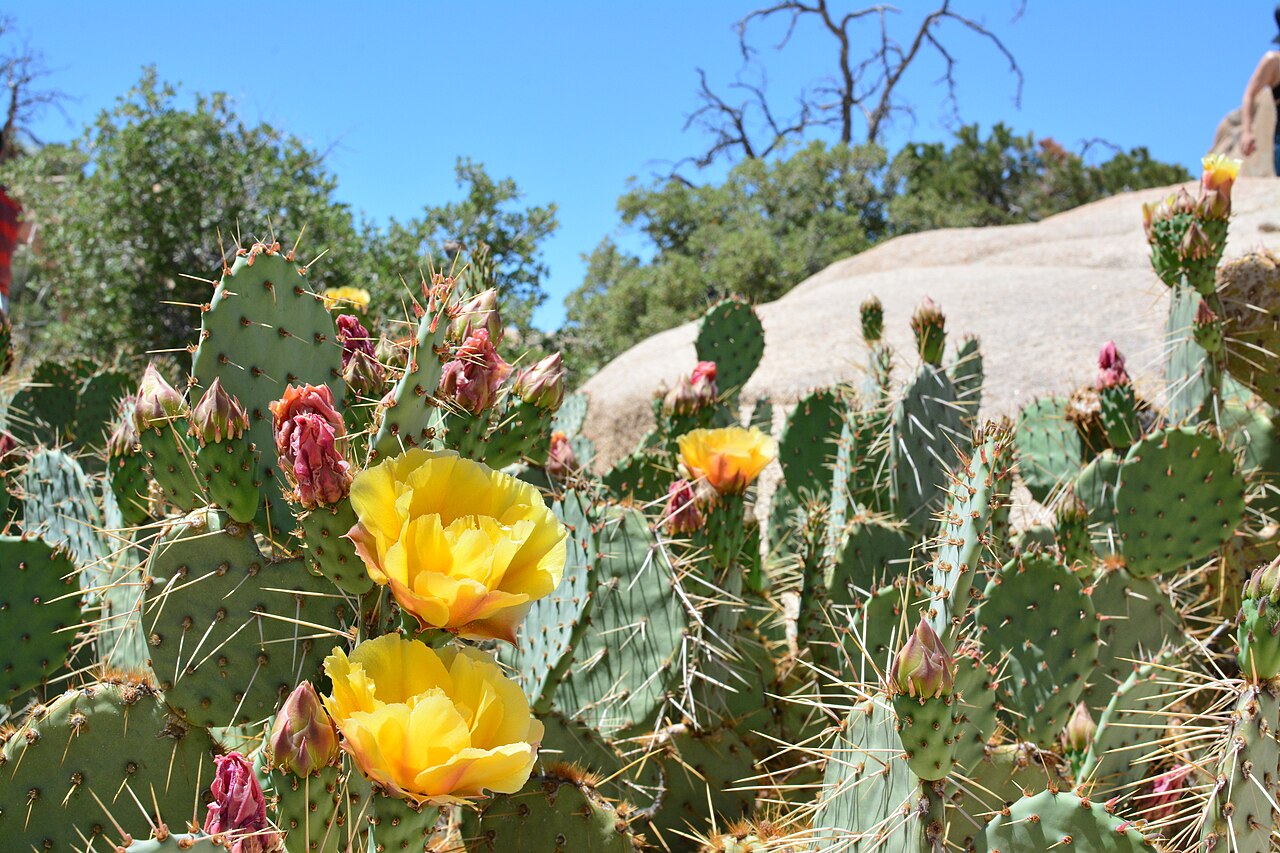
Tulip Prickly Pear in full spring bloom, its large tulip-shaped flowers opening in shades of yellow to apricot. Photo: NPS / Hannah Schwalbe (Public Domain)
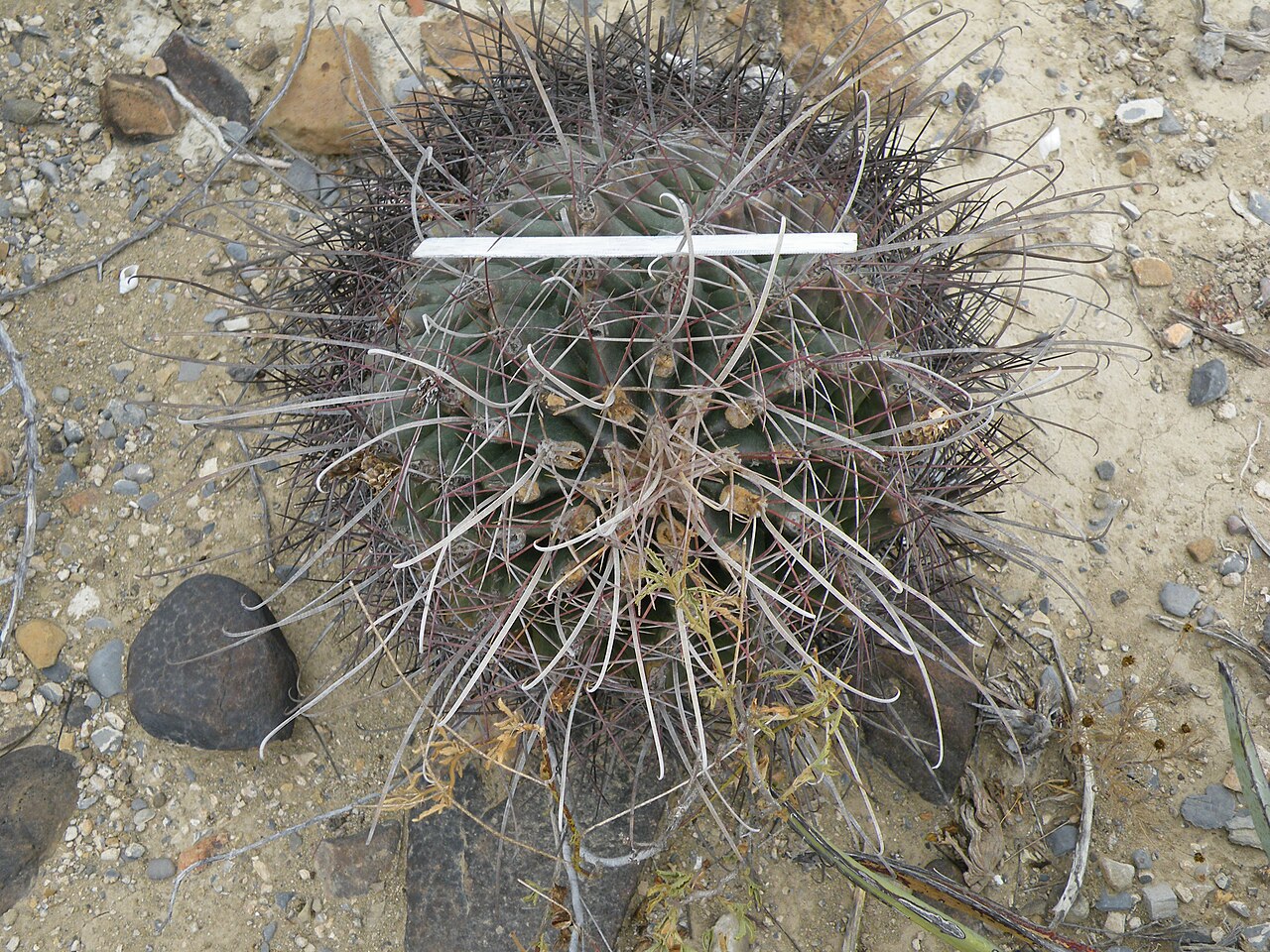
Texas Barrel Cactus in its native gravel-flat habitat, its long hooked spines splayed outward like a sunburst. Photo: Amante Darmanin / Wikimedia Commons (CC BY
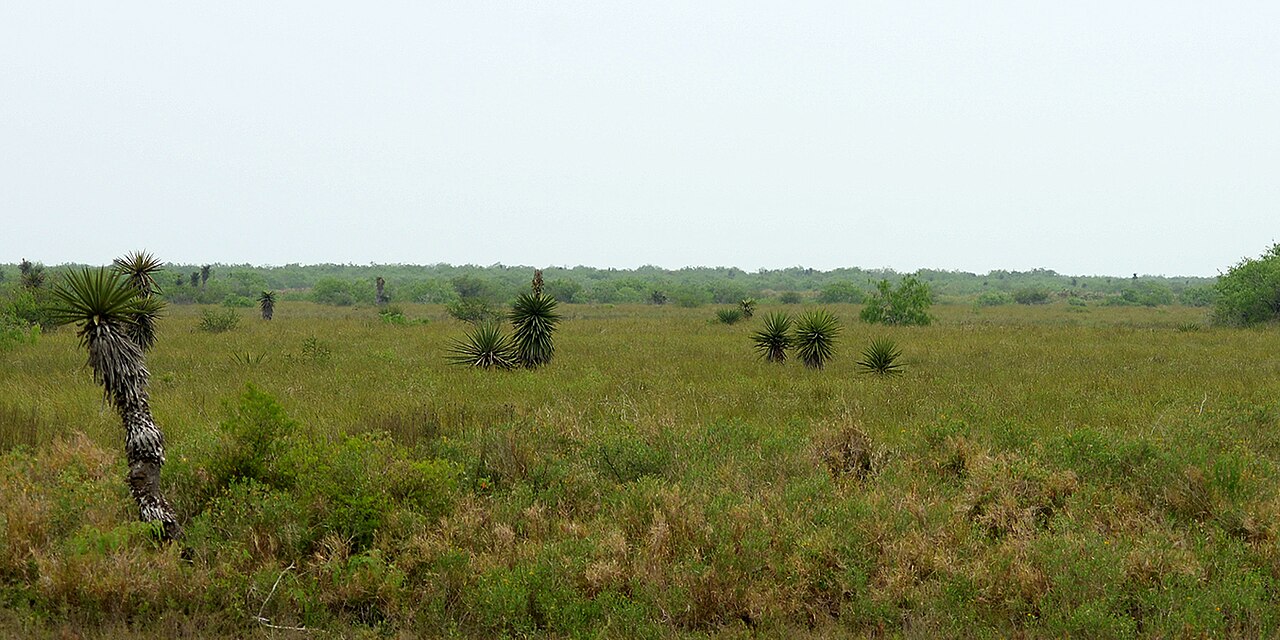
Spanish Dagger scattered across coastal prairie at Laguna Atascosa National Wildlife Refuge, Cameron County, Texas. Photo: Wikimedia Commons (CC BY-SA 4.0) Yucca treculeana, commonly known
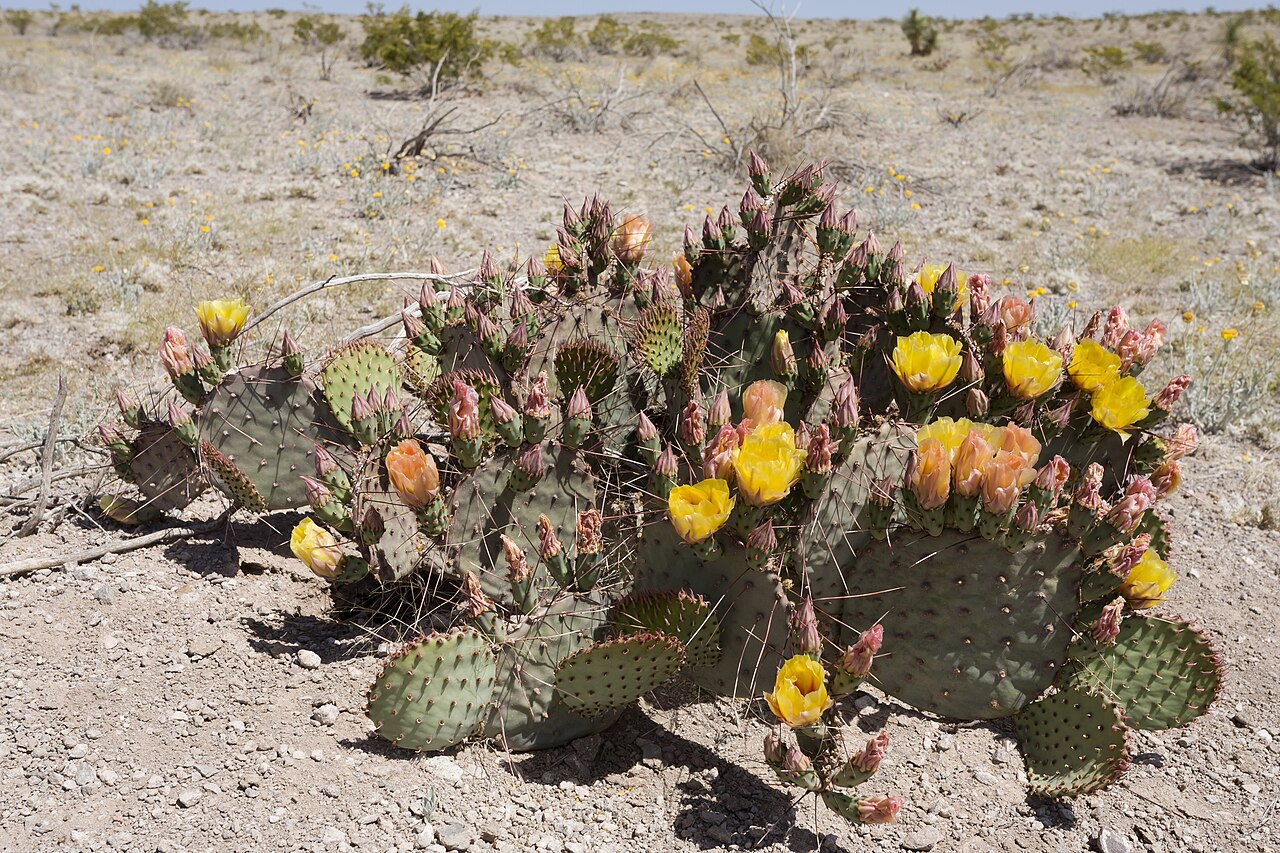
Purple Prickly Pear in bloom near Cookes Range, Luna County, New Mexico. Photo: aspidoscelis / Wikimedia Commons (CC0) Opuntia macrocentra, commonly known as Purple Prickly
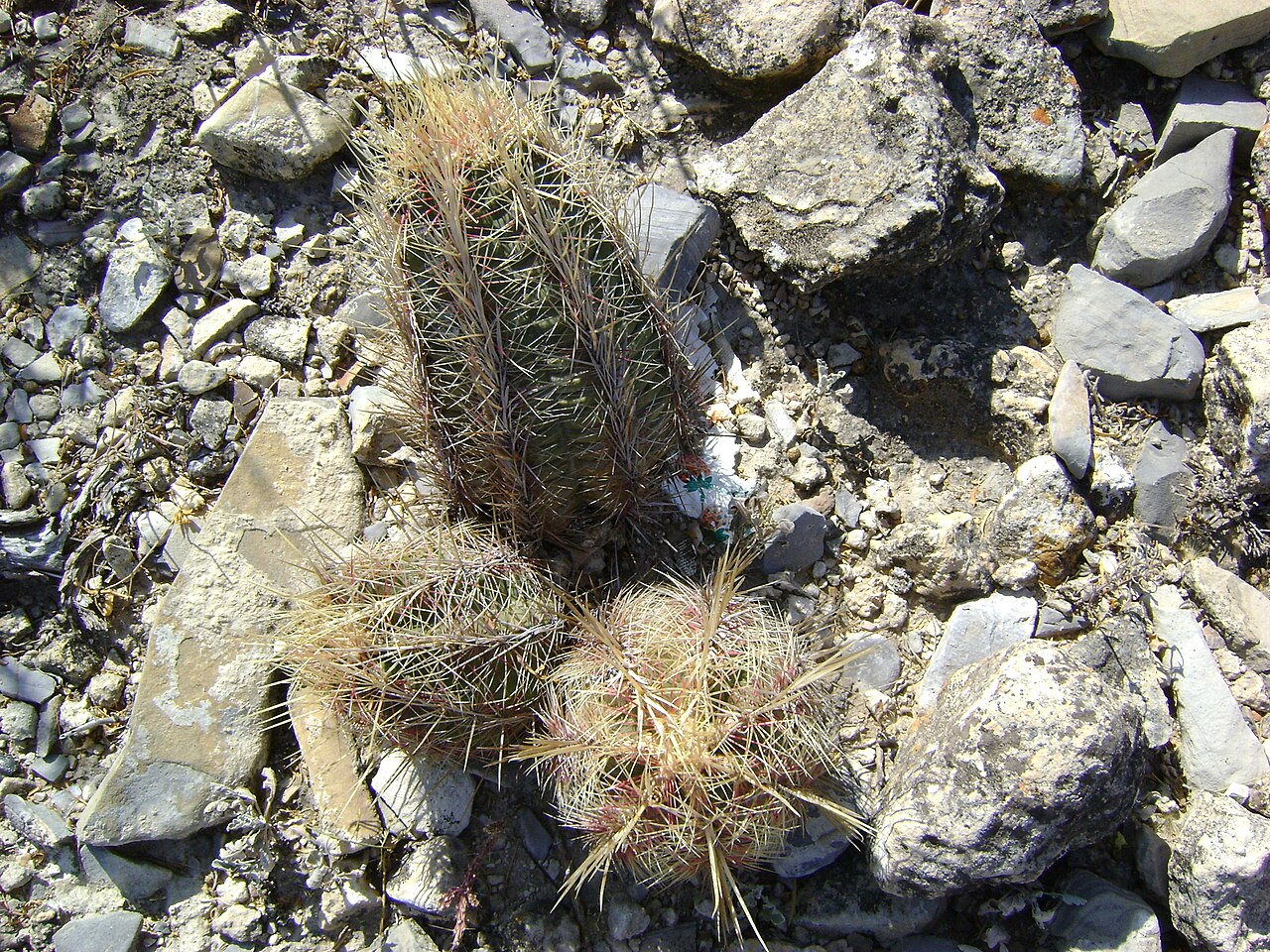
Glory of Texas growing low among limestone gravel, its natural camouflage against the desert floor. Photo: Amante Darmanin / Wikimedia Commons (CC BY 2.0) Thelocactus
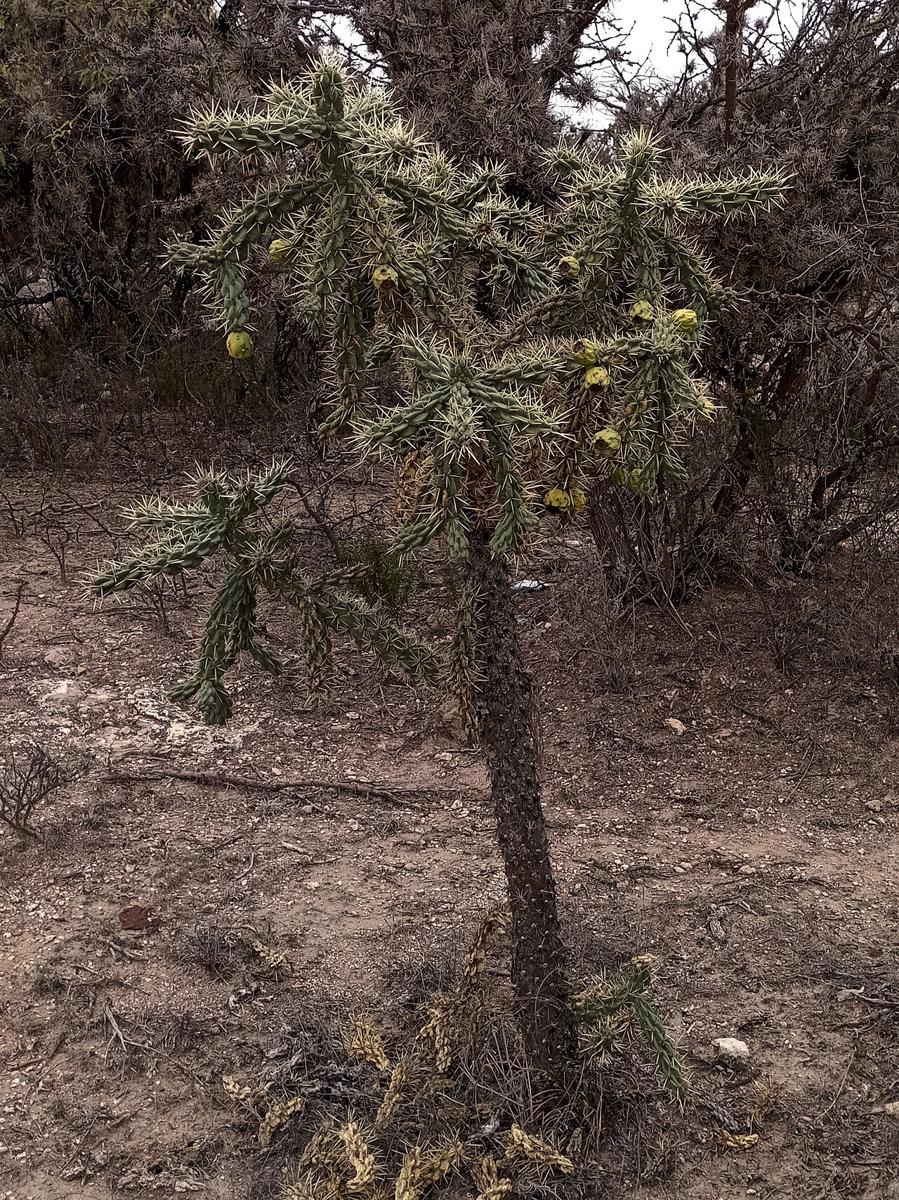
A mature tree cholla, its candelabra of spiny cylindrical joints topped with ripening fruit. Photo: Juan Carlos Fonseca Mata, via Wikimedia Commons (CC BY-SA 4.0)
View More