
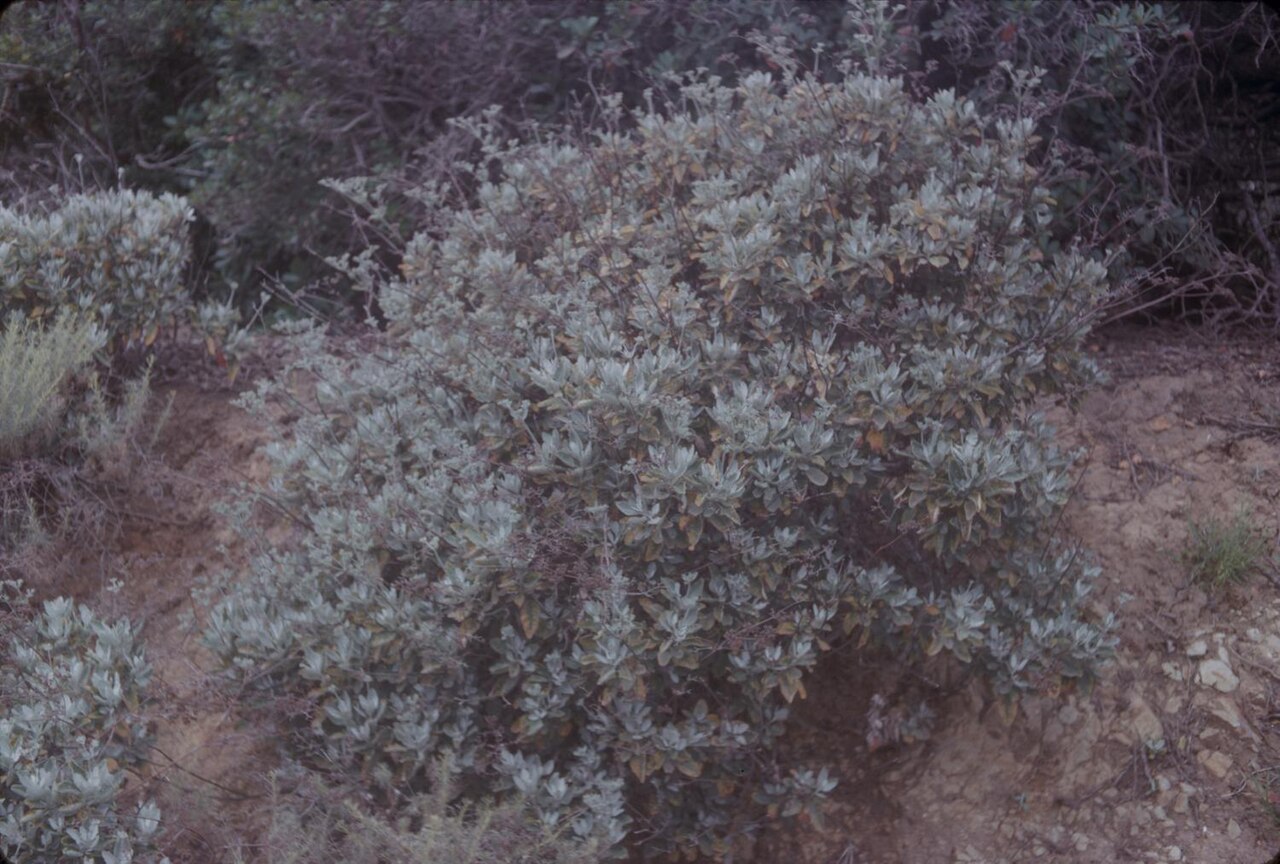
A wild St. Catherine’s lace shrub above Pebbly Beach, Santa Catalina Island — the only place this species grows naturally. Photo: Sherwin Carlquist, Wikimedia Commons
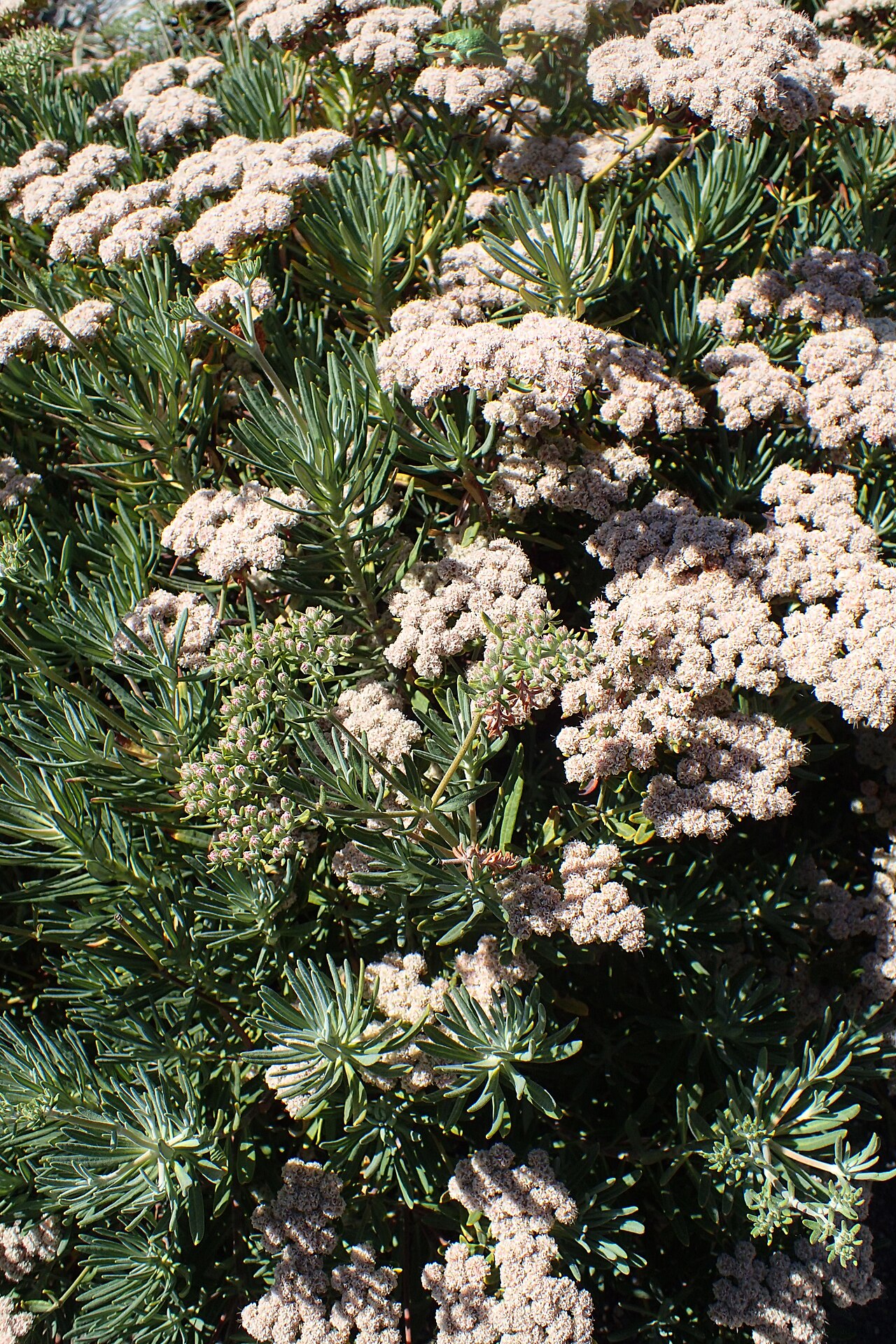
Santa Cruz Island buckwheat forms a dense mound of narrow leaves topped with rounded flower clusters. Photo: Krzysztof Ziarnek, Kenraiz, Wikimedia Commons (CC BY-SA 4.0),
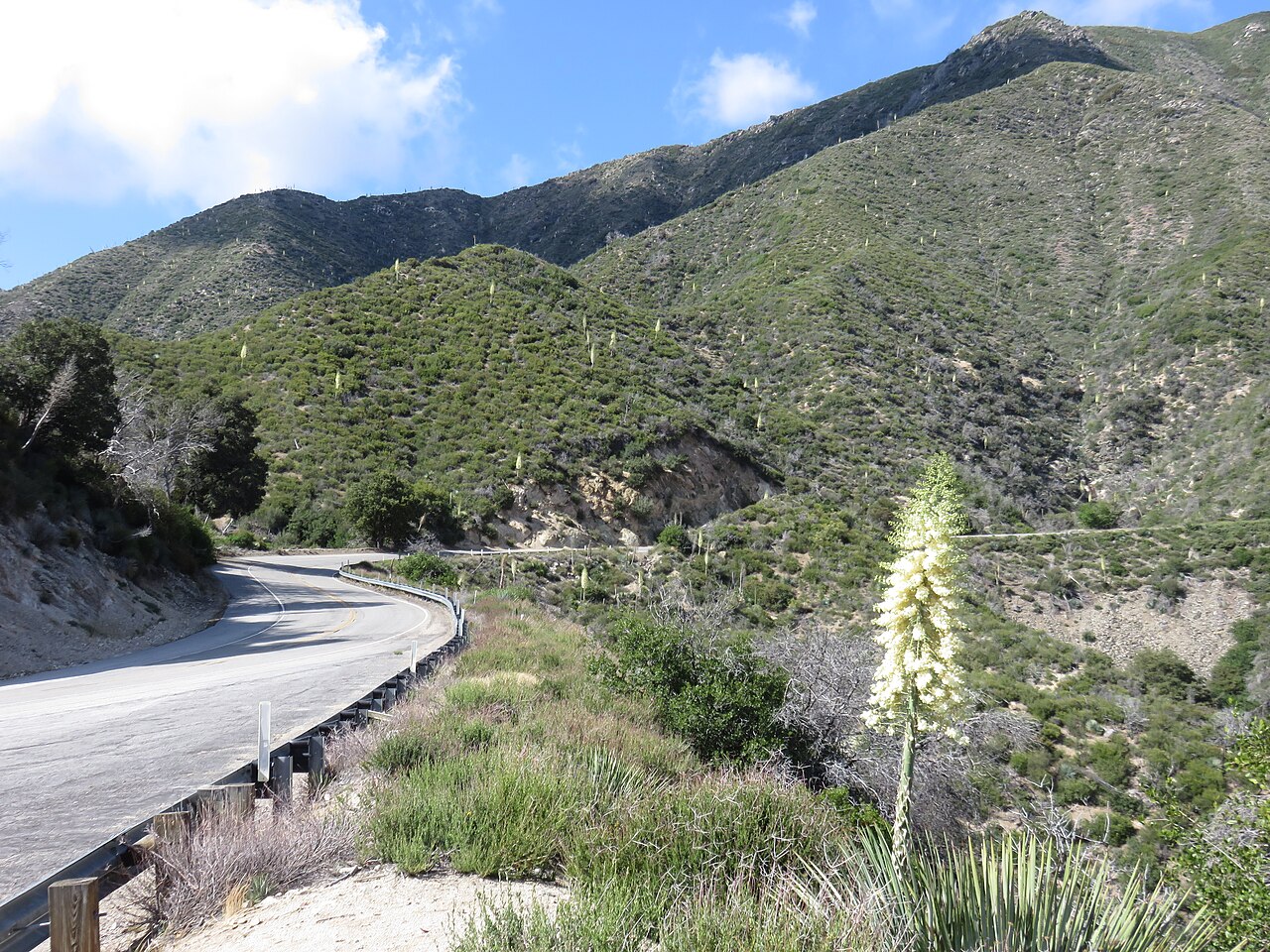
A flowering stalk of Our Lord’s candle rises above the chaparral slope — the silhouette that gives the plant its common name. Photo: Antony-22, Wikimedia
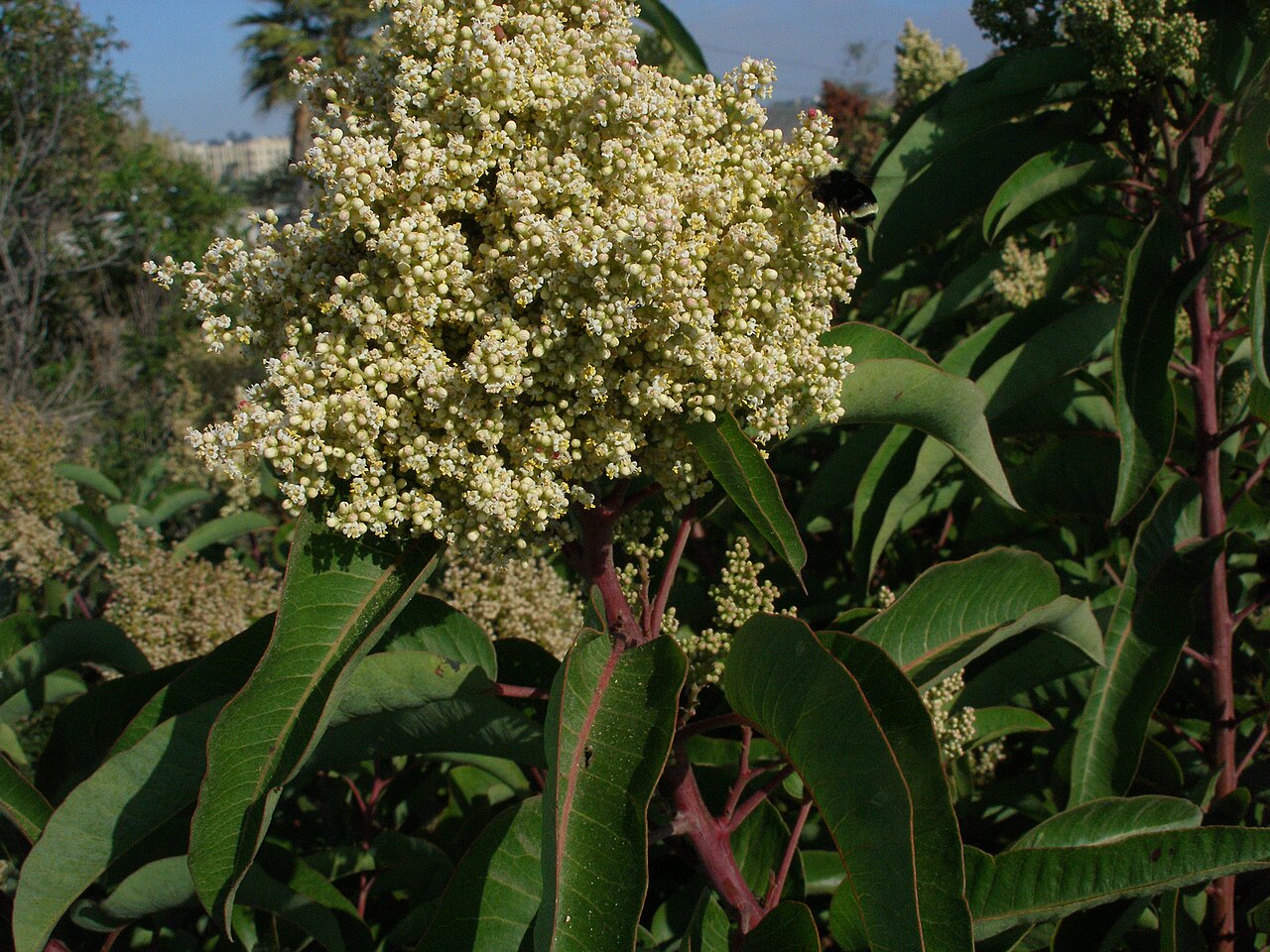
A laurel sumac flower cluster draws a bumblebee in Inglewood, California. Photo: Jonathan Coffin, Wikimedia Commons (CC BY-SA 2.0) Malosma laurina, commonly called Laurel Sumac,
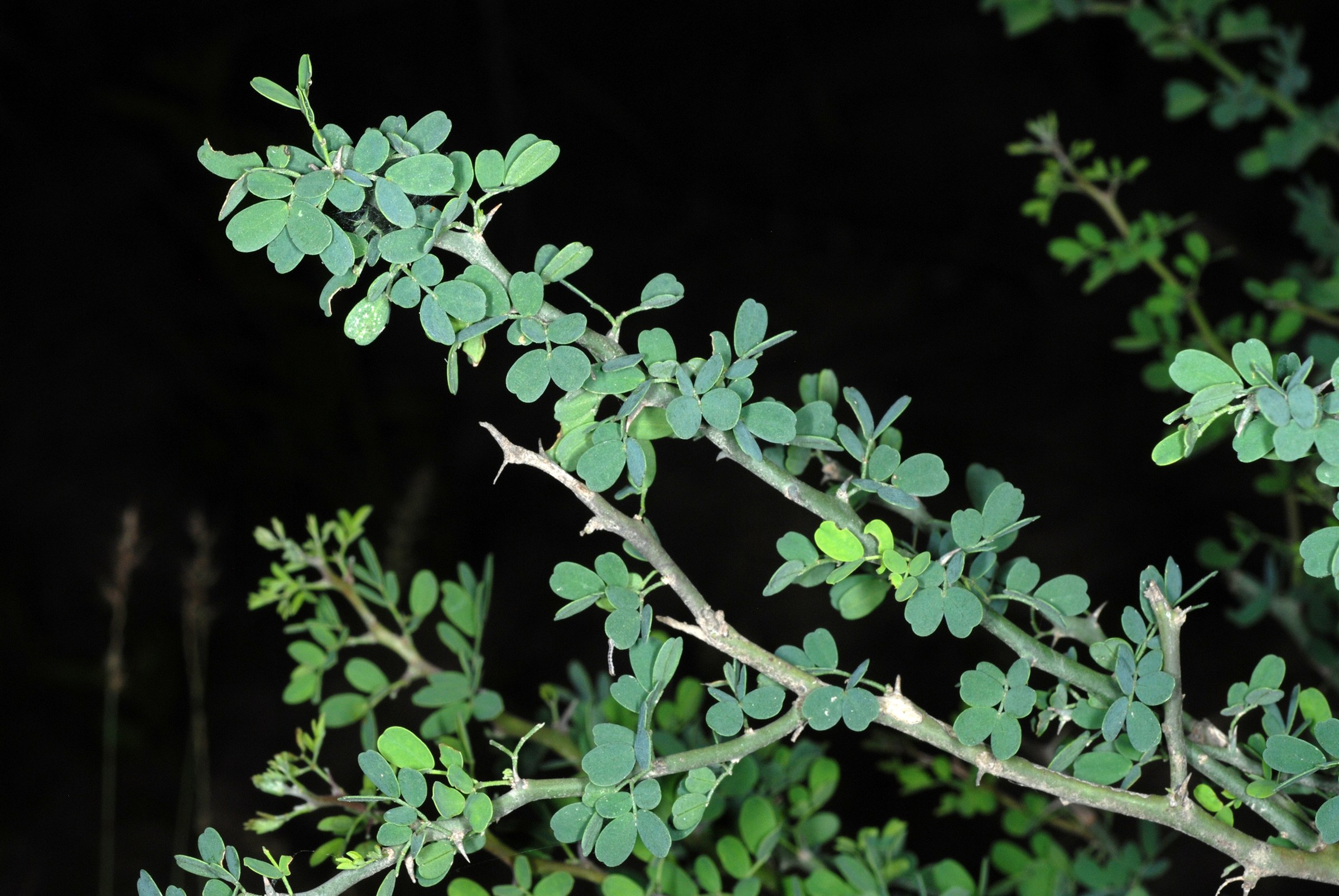
Texas Paloverde’s green, photosynthetic bark and zig-zag branching habit. Photo: Douglas Goldman / Wikimedia Commons (CC BY-SA 4.0) Parkinsonia texana (formerly classified as Cercidium texanum),
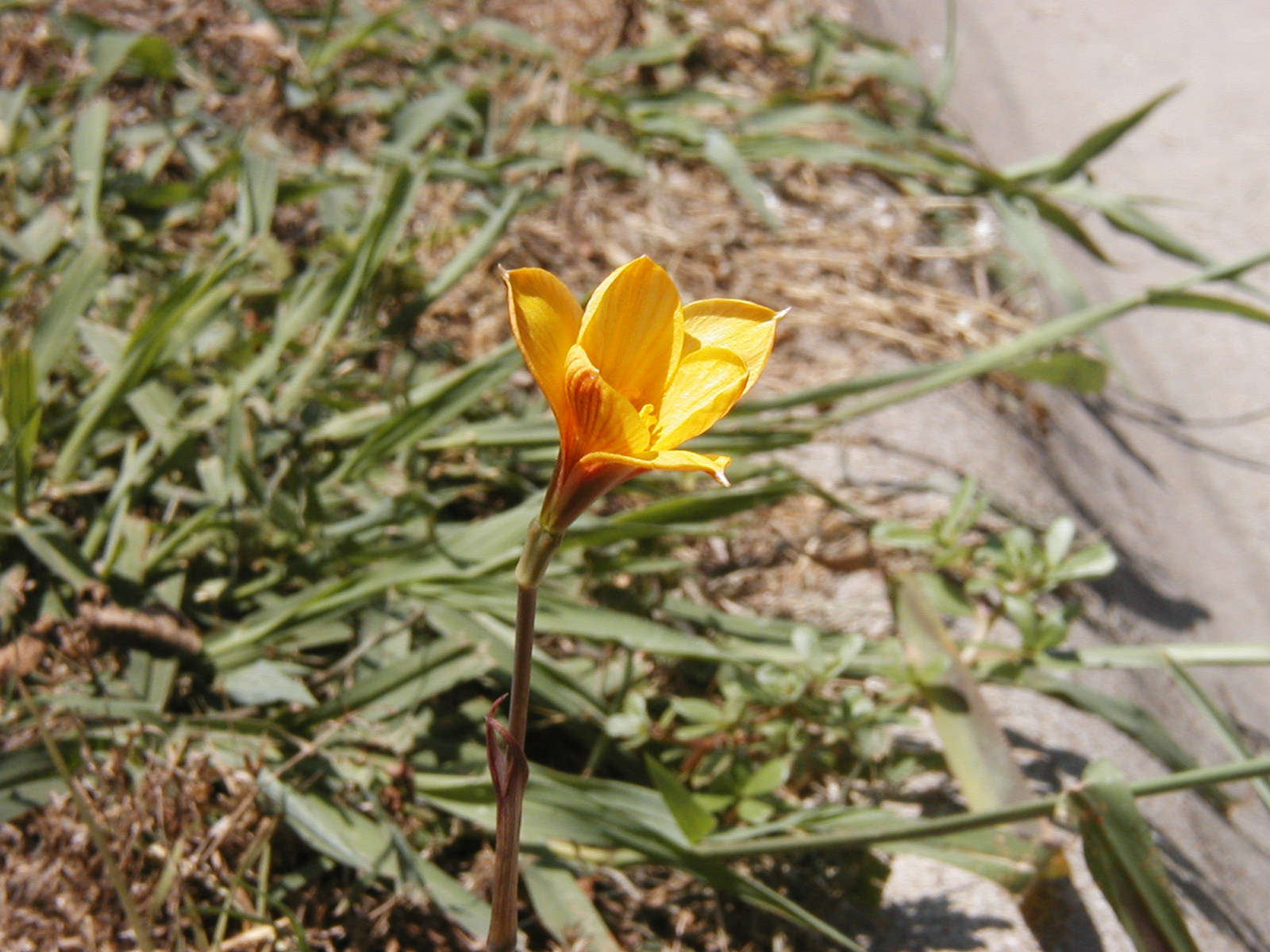
A Copper Lily flower blooming in Denton, Texas, after late-summer rain. Photo: GTBacchus / Wikimedia Commons (CC BY-SA 3.0) Habranthus tubispathus, commonly called Copper Lily
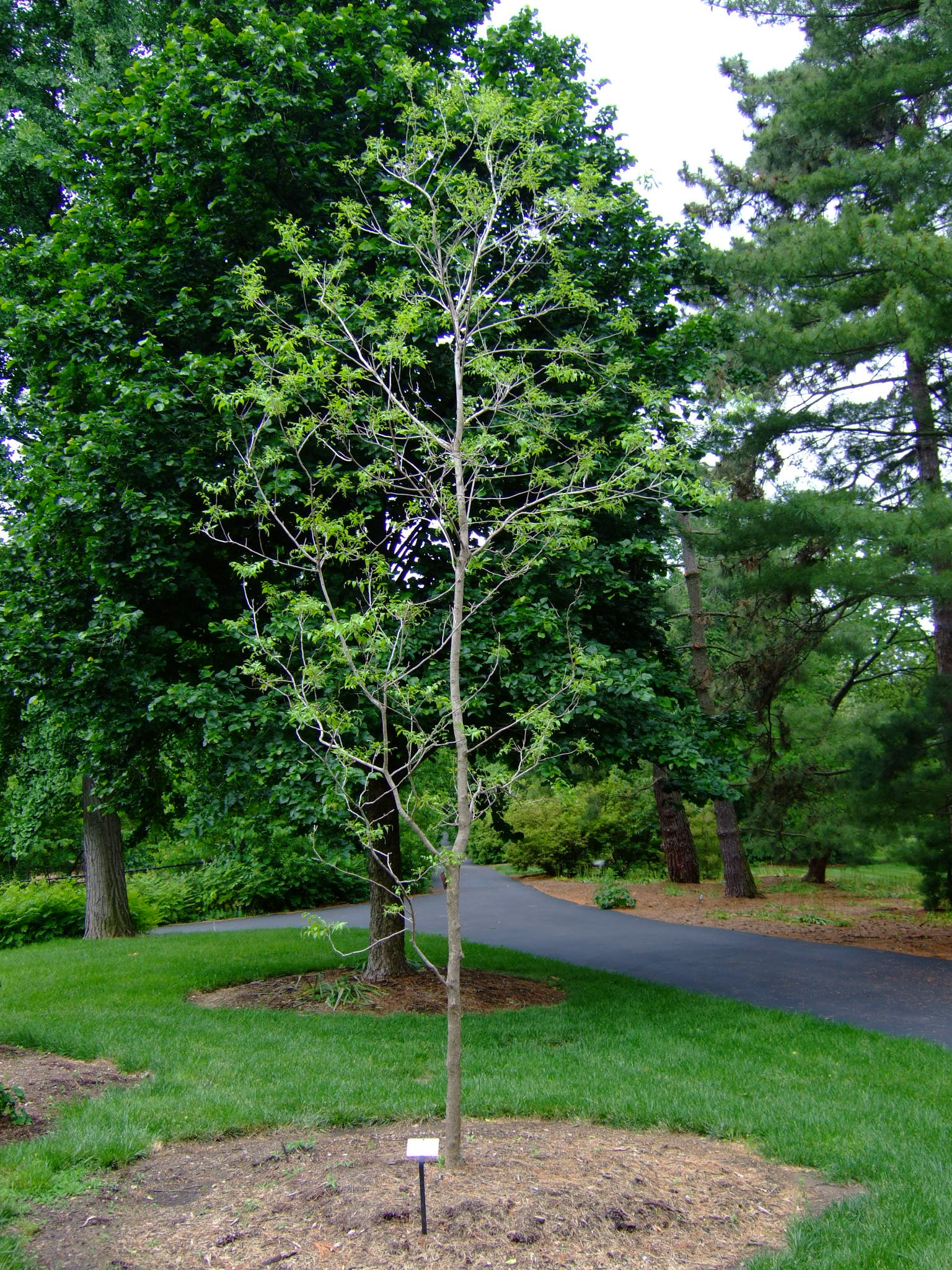
A young Western Soapberry showing its characteristic open crown and finely divided foliage. Photo: Jdsteakley, Wikimedia Commons (CC BY-SA 4.0) Sapindus saponaria var. drummondii —
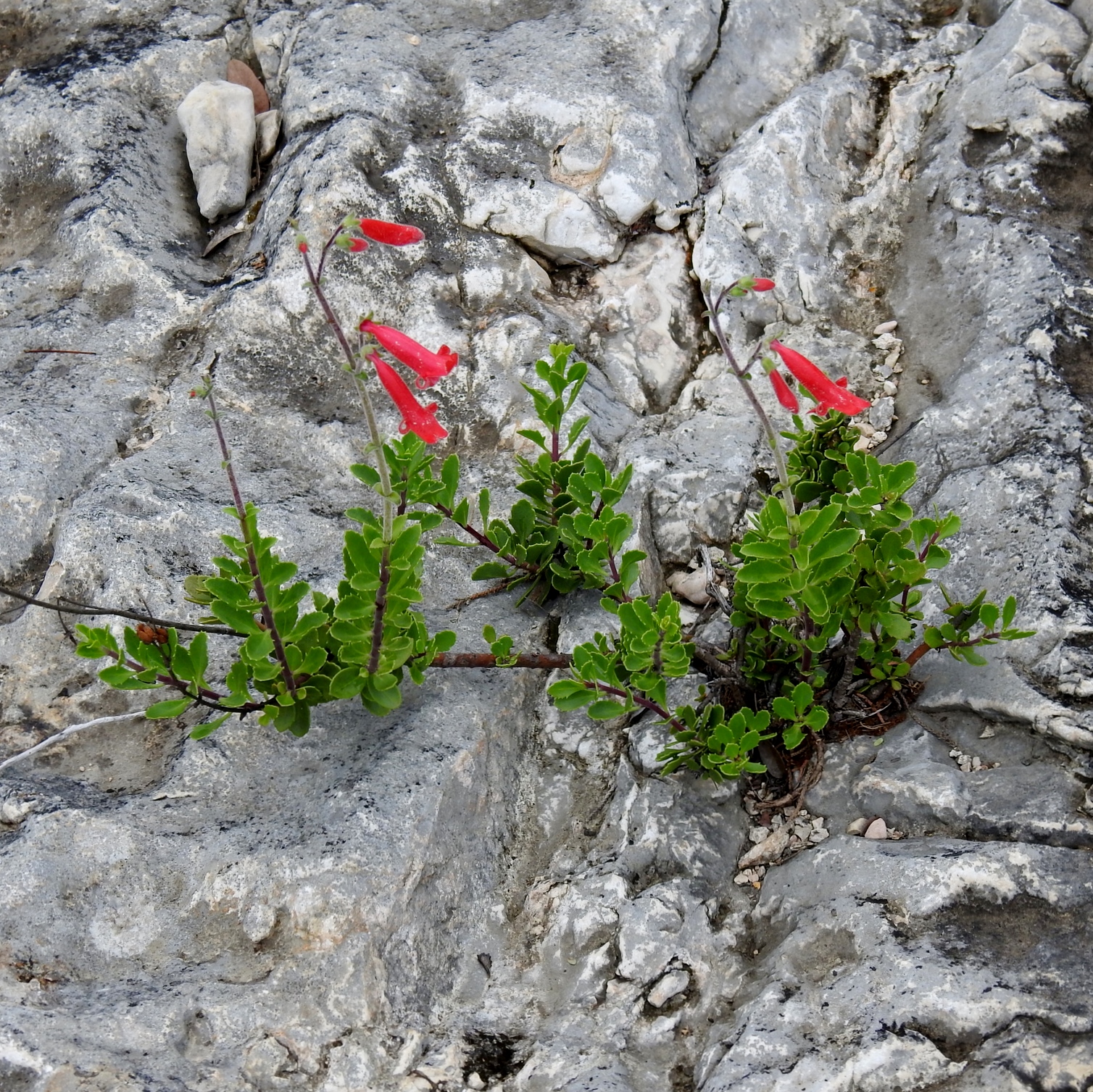
Rock Penstemon rooted directly into a limestone crevice — its signature habitat in the Texas Hill Country and Trans-Pecos. Photo: Ben Meredyk, Wikimedia Commons (CC
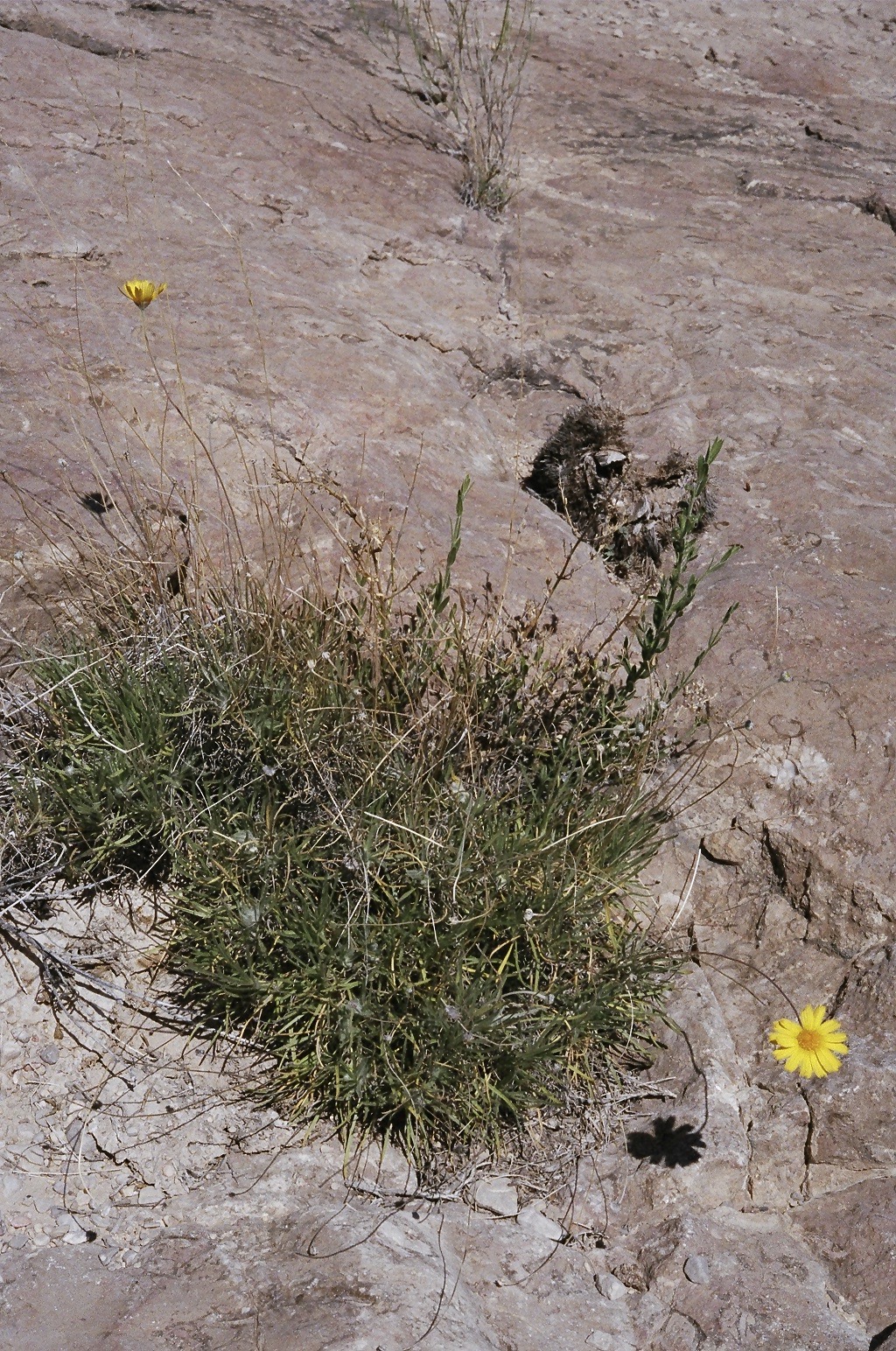
Four-nerve Daisy growing from a crack in a limestone bench, Big Bend National Park, Texas. Photo: Sonnia Hill, Wikimedia Commons (CC BY 2.0) Tetraneuris scaposa
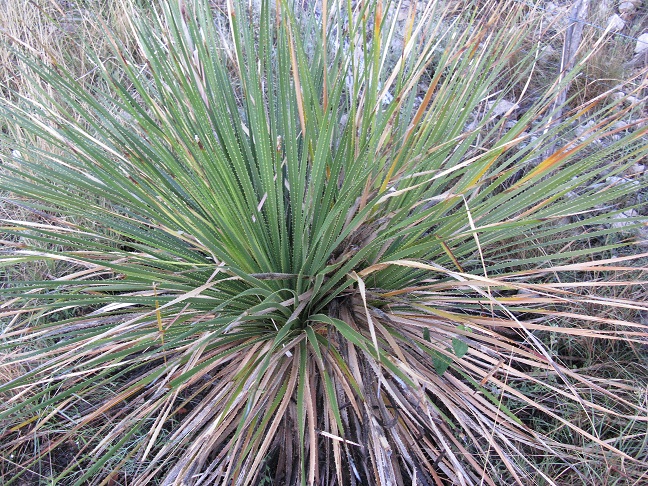
Texas Sotol’s dense rosette of toothed, grass-like leaves on a Texas Hill Country hillside. Photo: Rebou, German Wikipedia (Public domain) Dasylirion texanum, commonly called Texas
View More