Herb Gardening Tips for Oregon: Essential Advice for Successful Growth
Last updated: September 15, 2026
Herb gardening in Oregon calls for some extra attention to the region’s unique climate and soil quirks. If you want healthy, productive herbs year-round, you’ll need to understand these factors and work with them—not against them.
The key to successful herb gardening in Oregon is picking the right herbs that can handle the state’s mild, wet winters and those dry, sometimes scorching summers.
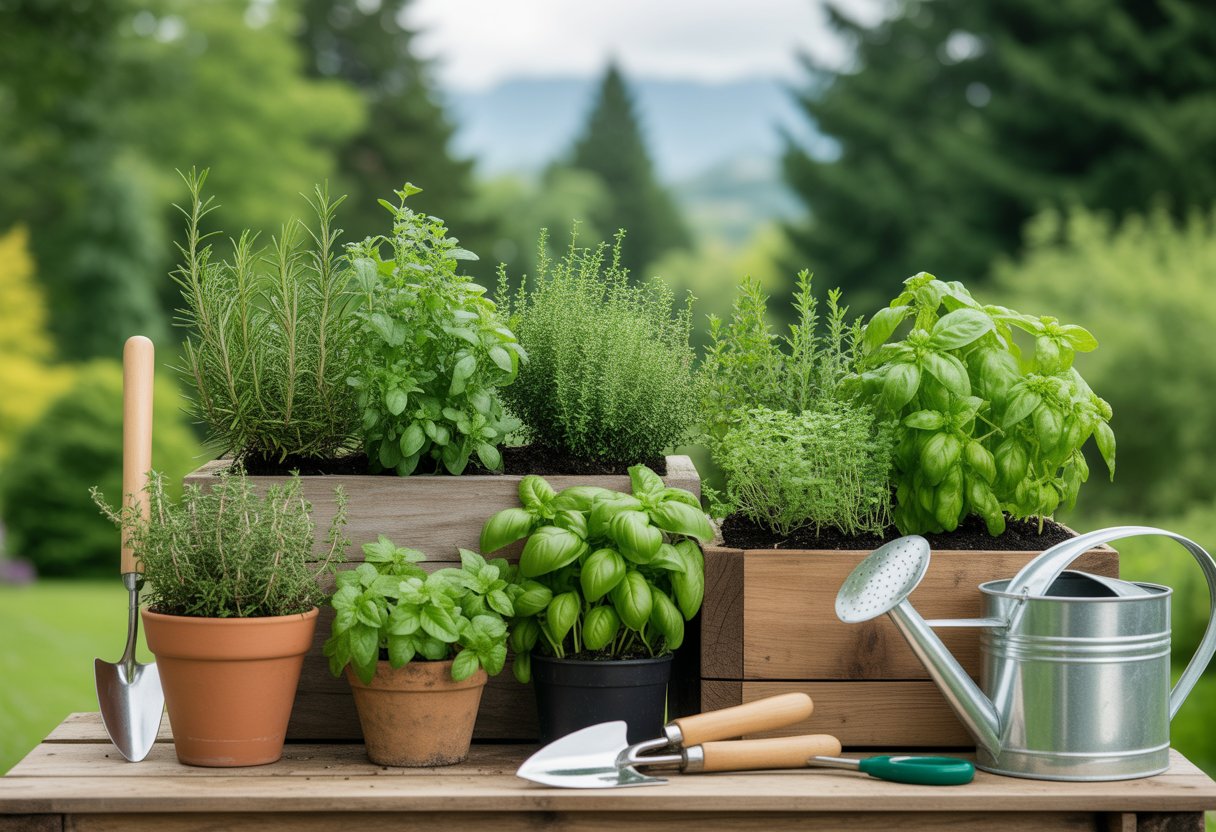
Gardeners in Oregon often lean toward rosemary, thyme, and mint because these herbs adapt well to the state’s many microclimates. Prepping your soil, making sure it drains properly, and finding the sunniest spot you can will all help your herbs thrive.
Essential Conditions for Herb Gardening in Oregon
You’ll have better luck with herbs in Oregon if you pay attention to climate, pick a sunny location, and tweak your approach for your particular area. These basics affect soil quality, plant health, and how your herbs grow through each season.
Understanding Oregon’s Climate and Weather Patterns
Oregon’s climate is all over the map. Western cities like Portland (zip code 97201) get a marine climate—think mild, wet winters and dry summers. That’s great for many herbs, but you’ll need to watch for soggy roots.
In contrast, places in Eastern Oregon, like Baker City (zip code 97814), deal with hotter summers and cold winters. Gardeners there often switch up watering routines and stick to drought-tolerant herbs such as thyme and sage.
Temperatures swing from 25°F in winter to 85°F in summer. Picking herbs that can handle these changes makes a big difference.
Selecting the Best Location With Full Sun
Most herbs just love sunlight. Aim for at least six hours of full sun every day.
Try to put your herb garden on a south-facing slope or any open area that gets loads of sun. Avoid spots shaded by trees or buildings—herbs grown in the shade end up less flavorful and kind of sad.
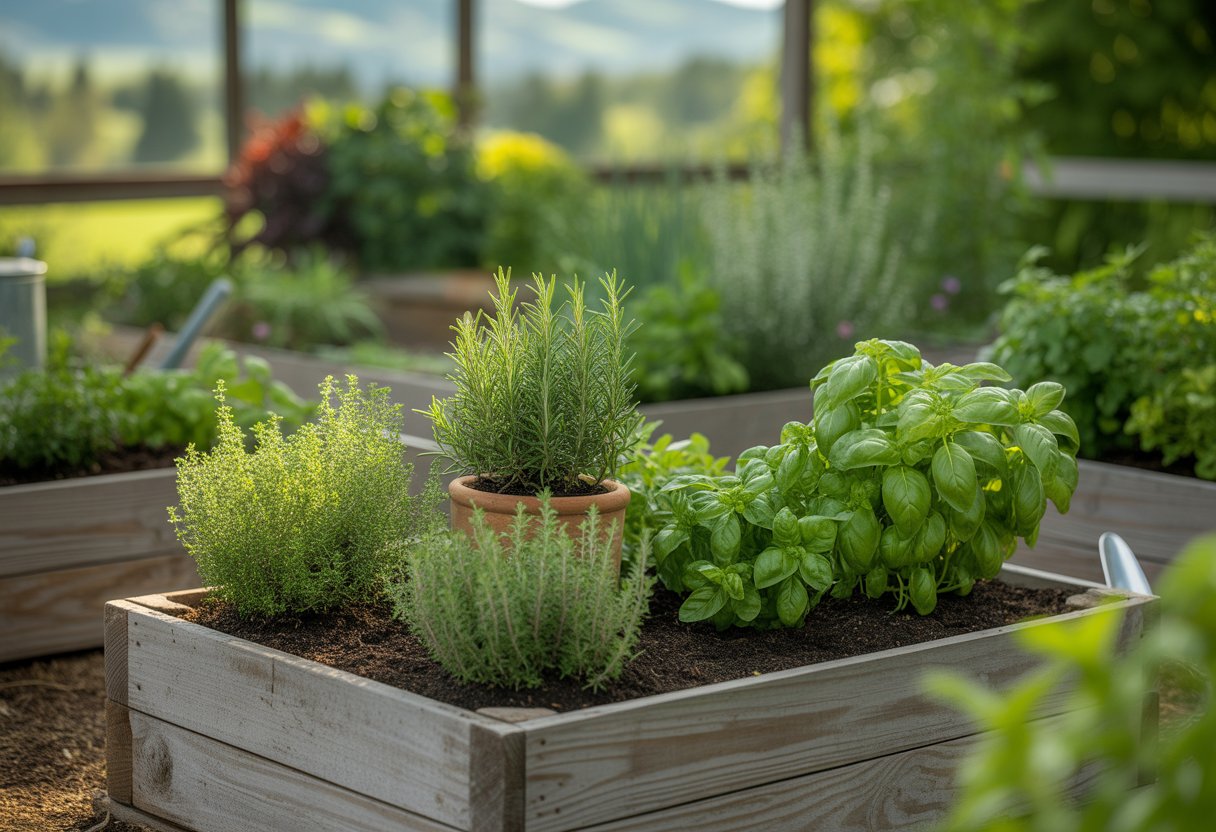
Soil needs to drain well and have plenty of organic matter mixed in. Raised beds or containers are especially helpful in the wetter western regions.
If you’re short on sunny ground, containers on patios or decks can give your herbs a real boost.
Adjusting for Regional Differences by Zip Code
Every Oregon zip code brings its own gardening quirks. Here are a few examples:
| Zip Code | Region | Key Considerations |
|---|---|---|
| 97201 | Portland (West) | Frequent rain, mild temps, raised beds advised |
| 97330 | Salem (Willamette Valley) | Moderate rainfall, strong sunlight, good soil fertility |
| 97814 | Baker City (East) | Dry summers, frost risk, drought-resistant herbs needed |
It pays to look up your local weather patterns and get your soil tested. Extension offices usually offer solid, area-specific advice. If you tailor your approach to your zip code, your herb garden will thank you.
Selecting and Growing Herbs Suited for Oregon
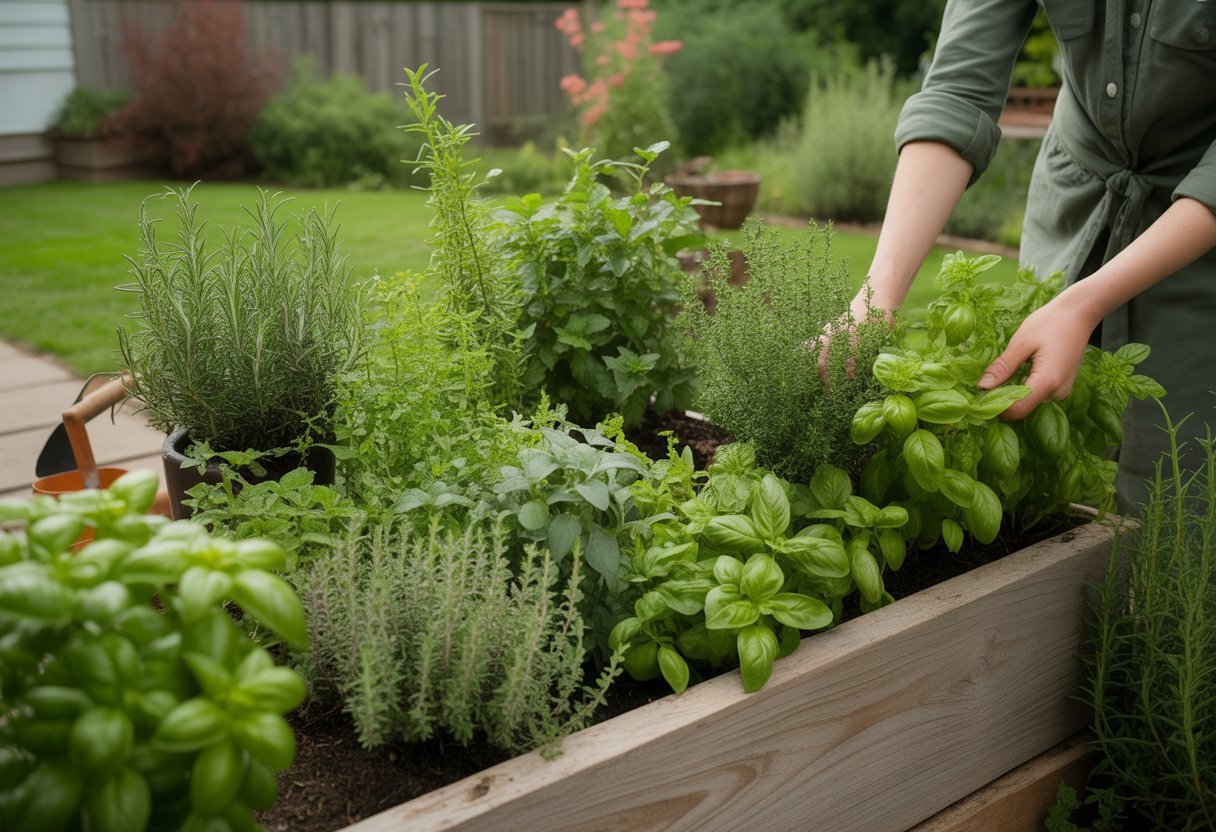
Oregon’s climate shifts from damp coastlines to drier inland spots, so herb choices matter. Picking herbs that match your local soil and moisture makes things way easier.
Best Perennial and Annual Herbs for Local Gardens
Mixing perennials and annuals keeps your herb harvest coming all season. Perennials like rosemary, sage, oregano, thyme, and chives survive Oregon’s cooler winters and pop back up in spring.
Annuals—think basil and parsley—need replanting each year, but they really take off in the summer warmth.
Perennials want well-drained soil and as much sun as you can give, though they’ll tolerate a bit of shade. Basil, on the other hand, craves steady warmth and rich soil. Parsley does fine with a little shade. If you plant nasturtium nearby, you’ll get some pest control and a splash of color.
Tips for Planting Basil, Parsley, and Chives
Basil likes rich, well-drained soil and at least 6 hours of sun. Since it hates frost, wait until after the last spring frost to plant it outside. Pinch the tops regularly to help it grow bushier.
Parsley does best in moist, fertile soil and handles partial shade. It’s slow to sprout, but soaking the seeds overnight helps speed things up.
Chives want full sun but can deal with some shade. They grow best in well-drained soil, and if you divide clumps every few years, you’ll keep them healthy and prevent overcrowding.
Choosing Mints: Peppermint, Spearmint, Pineapple Mint
Mints grow like crazy in Oregon, so you’ll want to keep them contained. Peppermint and spearmint thrive in moist soil and partial sun, often doing well near water.
Pineapple mint stands out with its variegated leaves and does fine in drier spots, needing less water. Keeping mints in pots or using buried barriers stops them from taking over.
Regular harvesting helps prevent woody stems and keeps new leaves coming in.
Growing Rosemary, Sage, Oregano, and Thyme Varieties
Rosemary loves full sun and sandy, well-drained soil. It struggles with heavy clay and needs protection from cold, wet winters—many gardeners just grow it in containers and bring it inside.
Sage likes full sun and doesn’t mind dry soil. Prune it regularly to avoid woody stems and encourage fresh leaves.
Oregano handles Oregon’s Mediterranean-like summers well. It spreads moderately and prefers well-drained soil and lots of sun.
Thyme, including lemon thyme, survives in poor soil and doesn’t need much water once established. It’s great for rock gardens or borders and doesn’t need much fuss. Prune it after it flowers to keep it tidy.
Planting, Care, and Maintenance for Thriving Herbs
If you want your Oregon herb garden to thrive, start seeds the right way, time your transplants well, and stick to a steady care routine. Using a good growing mix and adding mulch helps roots develop and keeps soil moisture in check.
Starting From Seed: Germination and Seedling Care
Most herb seeds in Oregon sprout best in spring when it’s 65-75°F. Use a light, well-draining mix—something like peat and perlite—so you don’t drown the seeds.
Sow seeds about ¼ inch deep and cover them lightly. Keep the soil evenly moist, but don’t let it get soggy. Good airflow cuts down on fungus.
Once seedlings pop up, they’ll need 12-16 hours of light, either from a grow light or a sunny window. Thin them out so they’re not crowded.
Transplanting Herbs and Ensuring Healthy Growth
Move seedlings outside after the last frost, usually late April to early May. Harden them off by gradually giving them more time outdoors over a week or so.
Pick a spot with 6-8 hours of sun and well-drained soil. When you transplant, loosen the roots a bit and plant them at the same depth. Give them space—basil needs 12-18 inches, thyme 8-12 inches apart. Water right after planting and keep an eye out for stress during the first week.
Watering, Fertilizing, and Mulching Best Practices
Herbs like steady, moderate watering. Keep the soil moist, not soggy, and water at the base to avoid leaf diseases. Early morning is the best time to water.
Use a balanced, slow-release fertilizer or compost tea every month or so during the growing season. Too much fertilizer can actually make herbs less flavorful.
Throw down a 2-3 inch layer of mulch—shredded bark or straw works well. Mulch keeps the soil moist, evens out soil temperature, and helps with weeds, which is especially helpful with Oregon’s unpredictable weather.
Container and Potted Herb Gardening Techniques
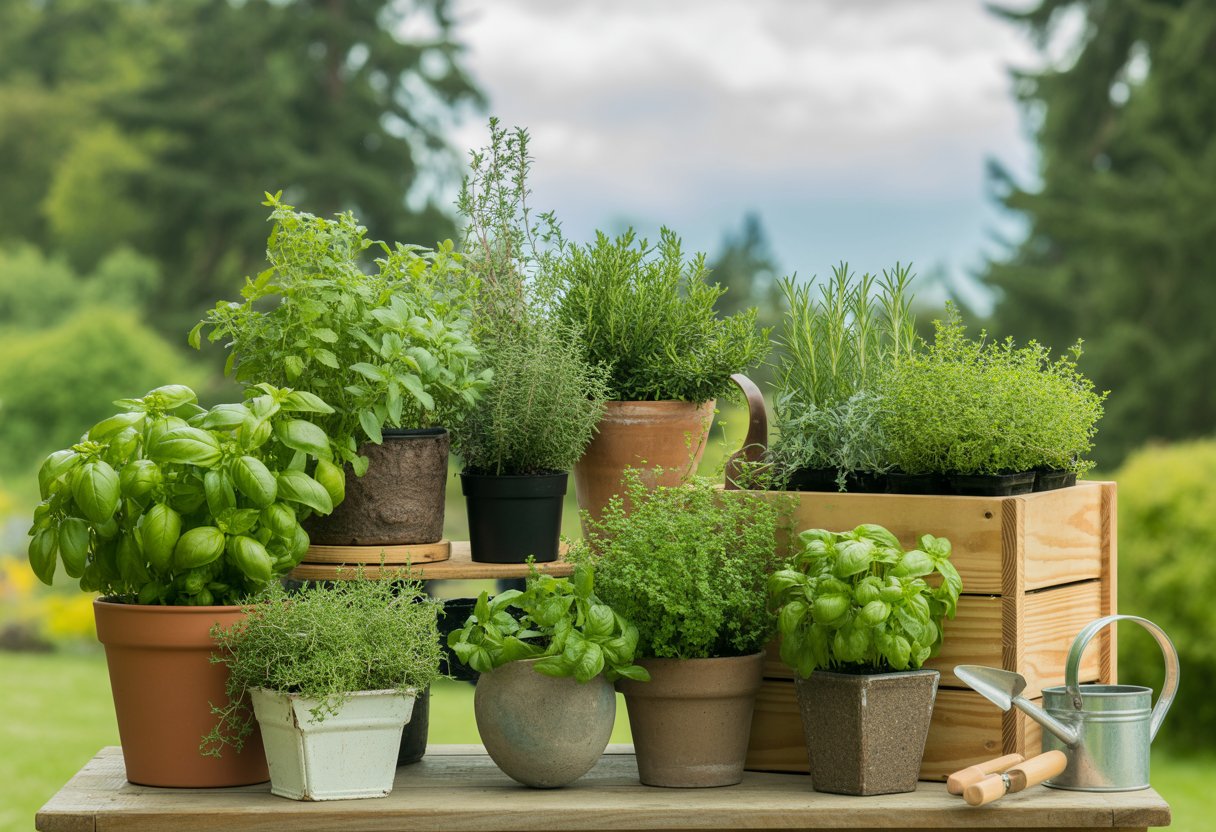
If you’re growing herbs in containers in Oregon, picking the right pots and giving them seasonal care makes all the difference. Good containers help with moisture and drainage, and you’ll need to tweak your routine as the weather shifts.
Choosing and Preparing Containers for Oregon’s Climate
For Oregon’s rainy climate, pick containers that drain well to avoid root rot. Clay or terracotta pots let roots breathe but dry out faster, so you might need to water more often. Plastic pots hold moisture longer, but make sure they have plenty of drainage holes.
Choose a pot that’s big enough for the roots but not so large that the soil stays soggy. Adding gravel or broken pottery to the bottom helps drainage.
Use a potting mix made for herbs—something rich and well-draining. Pre-moisten the soil before planting, especially since Oregon can swing between wet and dry spells.
Care for Potted Herbs Throughout the Seasons
In spring and summer, potted herbs need steady watering. Just don’t overdo it—waterlogged roots are a headache nobody wants.
Check the soil often, especially when it’s hot and dry out. A finger test works better than any gadget, honestly.
Fertilize about once a month with a balanced liquid fertilizer. That little boost really helps them keep growing strong.
When fall and winter roll around, herbs slow down thanks to less light and cooler temps. Move the containers to a sheltered spot or bring them inside if you can, just to dodge any surprise frost.
Cut back on watering, but don’t let the soil get bone dry. It’s a fine line, but you’ll get the hang of it.
Pruning matters all year. Snipping and harvesting regularly makes the plants bushier and keeps them from getting spindly.
If you’re not sure what works best, try watching a few local gardening videos. Honestly, adapting your care to Oregon’s wild weather is half the fun.