Using Compost Tea for Plants to Enhance Growth and Soil Health
Last updated: October 24, 2026
Using compost tea for plants is a simple, natural way to boost soil health and help plants grow. It’s basically a liquid you get by soaking compost in water, which draws out all those good microbes, nutrients, and organic bits right into a form plants can use.
Compost tea helps plants take up nutrients and grow stronger, all without synthetic chemicals.
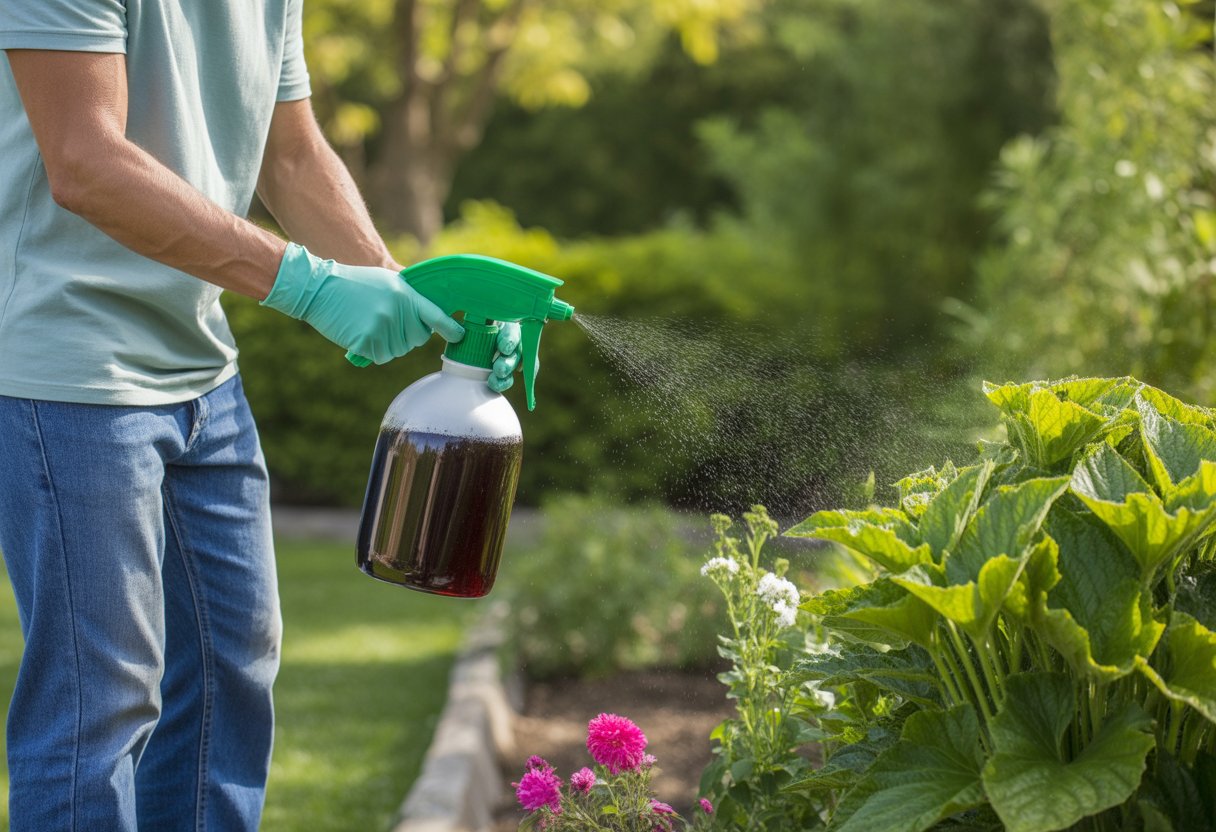
Gardeners use compost tea on everything from veggies to flowers, either spraying it on the leaves or pouring it into the soil. This stuff wakes up the soil’s microbial life and can even help defend plants from some pests and diseases—pretty handy for anyone who wants to garden more sustainably.
What Is Compost Tea and How Does It Work?
Compost tea is just compost steeped in water, but it’s packed with beneficial microorganisms and nutrients. Plants and soil both benefit because the tea delivers organic matter and soluble nutrients in a way roots can grab right away.
This approach lets you feed plants naturally, skipping the synthetic stuff.
Understanding Compost Tea
To make compost tea, you soak nutrient-rich compost in water—sometimes tossing in a little molasses or another food source to really get the microbes multiplying. The finished liquid teems with bacteria, fungi, and other tiny helpers that keep soil alive.
These microbes break down organic matter, which means nutrients get released for plants to absorb fast. You can spray it on leaves or pour it at the roots to help plants fight off diseases, grow stronger roots, and soak up more nutrients.
How well it works? That depends a lot on the compost you use. Good compost means a richer, more diverse tea.
Differences Between Aerated and Non-Aerated Compost Tea
Aerated compost tea (ACT) gets a steady stream of oxygen, usually from an aquarium pump. All that air encourages aerobic bacteria and fungi, which do a better job at keeping pathogens in check and recycling nutrients.
ACT needs about 12-48 hours to get those microbes thriving.
Non-aerated compost tea (NCT) skips the extra oxygen, so it leans toward anaerobic microbes. It’s easier to make but doesn’t always deliver the same benefits, and if you’re not careful, it can turn out a bit funky.
NCT is usually quicker but less predictable.
| Type | Oxygen Supply | Microbial Focus | Brew Time | Benefits |
|---|---|---|---|---|
| Aerated Compost Tea | Continuous O2 | Aerobic bacteria, fungi | 12-48 hours | Diverse microbes, pathogen control |
| Non-Aerated Compost Tea | None | Anaerobic bacteria | 24-72 hours | Easier, but less reliable |
Microorganisms and Nutrient Content
Inside compost tea, you’ll find bacteria that fix nitrogen and fungi that help break down organic matter, freeing up nutrients for plants. These good microbes crowd out the bad guys and balance the soil’s ecosystem.
The nutrients—like nitrogen, phosphorus, potassium, and trace minerals—come in forms plants can use right away. Fungi go a step further, stretching out their hyphae to help roots reach even more nutrients.
The result? Plants that are tougher and grow more efficiently.
Benefits of Using Compost Tea for Plants
Compost tea can really give plants a leg up. It boosts growth, helps fend off diseases, and keeps the soil in good shape.
It does this by supporting helpful organisms, making nutrients easier for plants to grab, and helping them handle stress.
Boosting Plant Growth and Soil Health
The mix of nutrients and microbes in compost tea wakes up plant growth. Microbes break down organic matter, so stuff like nitrogen and phosphorus gets released for plants to use.
Plants end up absorbing nutrients more efficiently.
This tea encourages roots and shoots to grow by making growth boosters like humic acids more available. If you stick with it, you’ll probably notice healthier, more vigorous plants and possibly better yields.
Beneficial bacteria and fungi also refresh the soil’s microbe community, which helps keep soil fertile for the long haul.
Disease Suppression and Pest Management
Compost tea helps plants fight off diseases by boosting good microbes that crowd out or block pathogens. It’s especially handy for common soil-borne diseases and foliar issues like powdery mildew.
These microbes take over spaces that harmful bugs or fungi might otherwise use. Some even produce natural antibiotics or enzymes that slow the spread of disease and keep some pests in check.
Plants treated with compost tea often respond better to attacks, staying healthier and more resilient.
Improving Soil Structure and Water Retention
The microbes in compost tea help soil particles clump together, which improves soil structure. That means roots can breathe easier, and the soil doesn’t get as hard-packed.
With better structure, soil holds onto water longer. Plants get more moisture during dry spells, and you might not have to water as often.
This all adds up to plants that handle drought better and keep growing strong.
How to Make and Apply Compost Tea
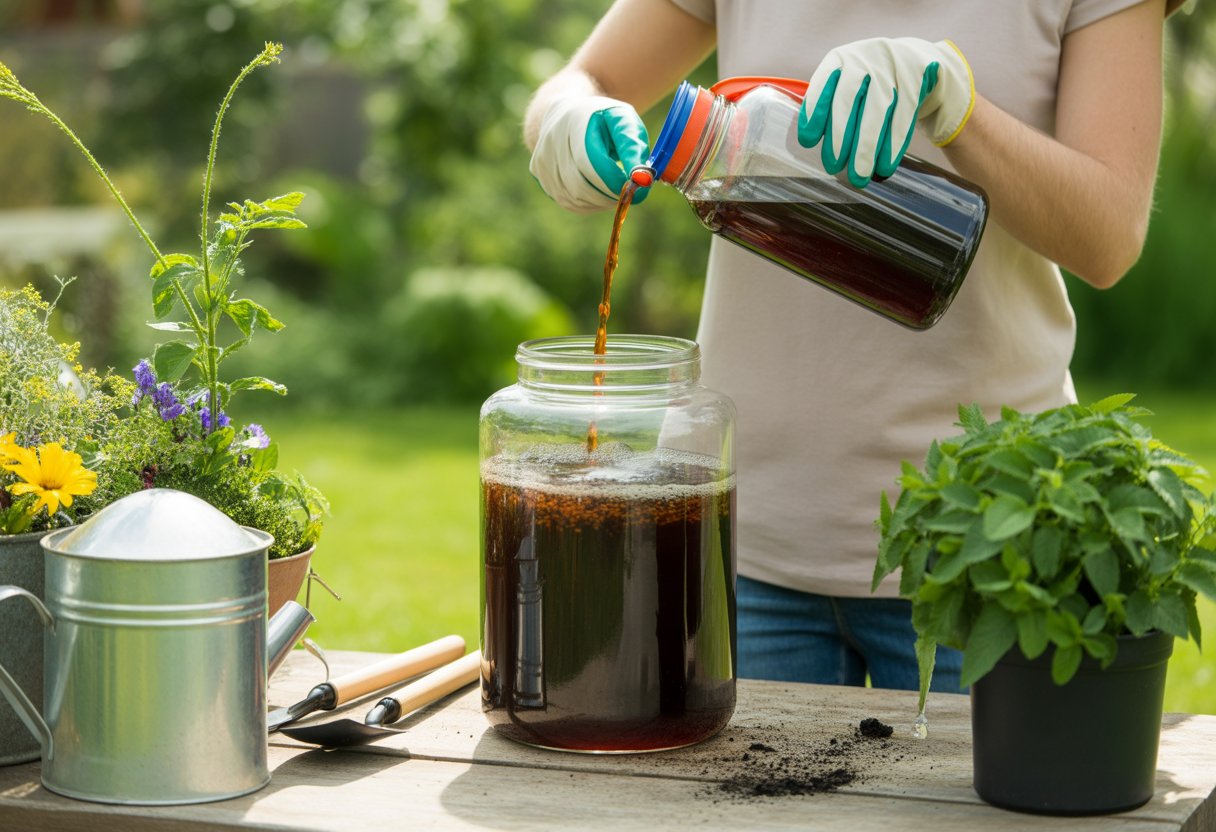
Making good compost tea isn’t rocket science, but you do need to pick the right stuff, brew it properly, and use it while it’s fresh. Each step matters if you want your plants to get the full benefit and avoid introducing anything nasty.
Selecting and Preparing Quality Compost
Start with aged compost or material from a healthy compost pile—that’s where all those beneficial microbes hang out. If you can get compost with earthworms or worm castings, even better; they add diversity and nutrients.
Skip fresh compost or anything still breaking down, since it could have pathogens. It’s smart to sift your compost through a filter basket to pull out big chunks and keep your brewer from clogging.
Mixing in topsoil from a healthy, organic-rich spot can help support the microbe community. Use chlorine-free water—if you’re using tap water, let it sit a day or use a dechlorinator, or you’ll risk killing off the good microbes.
Brewing Methods and Systems
The classic way? Soak compost in water for a day or two, stirring when you remember, to keep those microbes active. Aerated brewing is even better—an aquarium pump bubbles air through the mix, which helps foster the best microbes.
A basic setup is just a bucket, a filter basket, and an air pump. Keep your brew in the shade so it doesn’t overheat and kill off the microbes.
Aim for a water temperature between 65°F and 75°F—warmer or colder, and the microbes might not multiply as well. When you’re done, strain out any solids so you don’t clog your sprayer or watering can.
Application Techniques for Maximum Benefit
Use compost tea right after brewing, while the microbes are still alive and kicking. Spray it on leaves or pour it at the roots.
Spraying leaves helps protect them from disease, while soil drenching feeds the roots and soil. A watering can with a fine rose or a pump sprayer works best for even coverage.
Apply tea in the early morning or late afternoon to avoid burning plants or losing moisture to evaporation. Every 1-2 weeks during the growing season is a good rhythm.
Don’t use compost tea on stressed plants or when leaves will stay wet overnight, or you might invite disease.
Compost Tea in the Garden: Practical Uses and Considerations
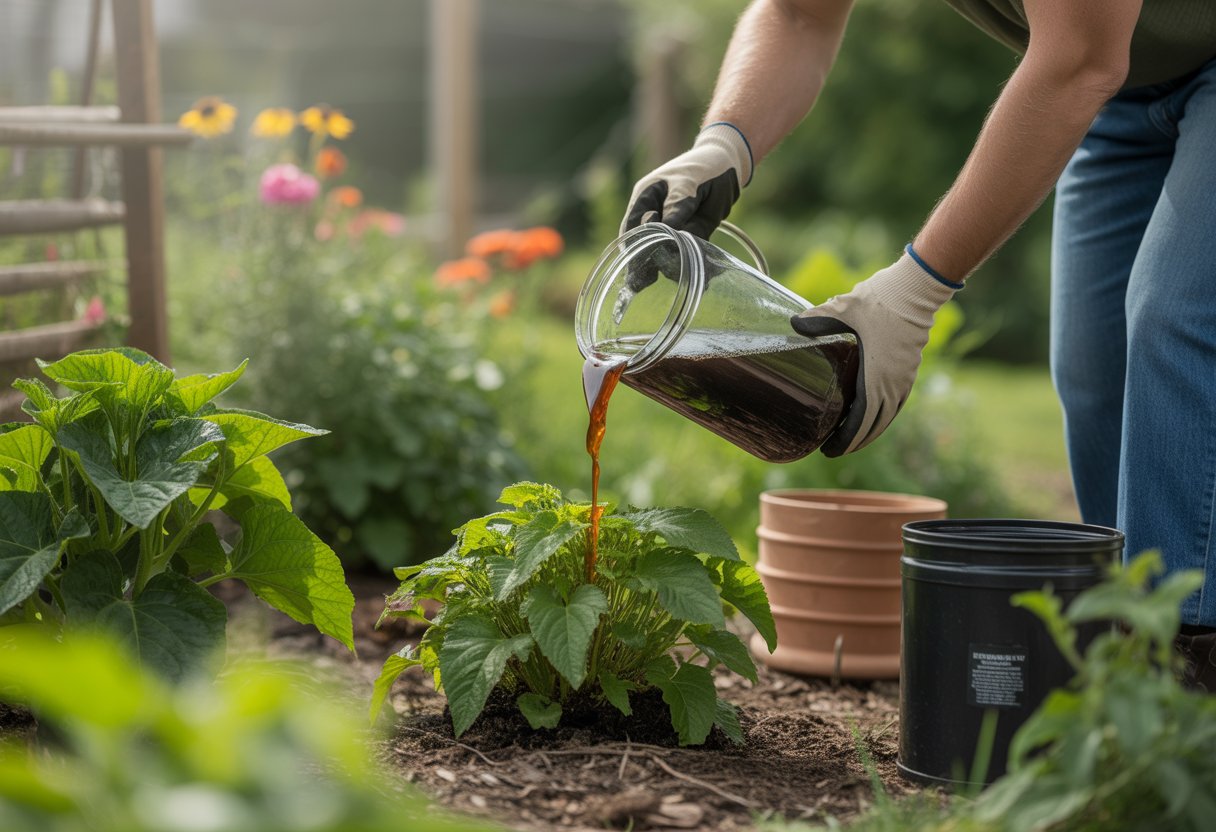
Compost tea fits into lots of garden routines, offering a natural feeding option and supporting soil health. Knowing how to use it, how it stacks up to other fertilizers, and a few safety tips will help you get the most out of it.
Foliar Feeding and Soil Drench Applications
You can use compost tea as a foliar fertilizer, spraying it right onto leaves—even on things like dwarf citrus trees. This lets nutrients and microbes get absorbed quickly, helping plants grow and defend against pests, without chemicals.
Pouring the tea at the base of plants (soil drench) boosts root health and makes nutrients more available. The microbes break down organic stuff, much like seaweed plant food or fish fertilizer, and help keep soil airy and roots healthy.
Always use fresh, high-quality tea to avoid risks like salmonella. How often you use it depends on your plants and weather, but regular watering with compost tea keeps plants strong.
Comparing Compost Tea to Other Fertilizers
Compost tea stands apart from synthetic fertilizers. It’s not just about nutrients—it brings living microbes to the soil, something fish fertilizer or seaweed plant food can’t really match.
Chemical fertilizers deliver a quick shot of nutrients, but compost tea builds healthier soil over time. The nutrient release is slower and steadier, which means you’re less likely to burn your plants.
One catch: compost tea’s nutrient levels can vary depending on your materials and how you brew it. It’s worth testing it alongside other fertilizers to see what works for your specific plants, especially if you’re growing picky crops like citrus.
Best Practices and Safety Tips
Start by brewing compost tea in clean containers. Always use filtered water to keep pathogens like salmonella in check.
Aerate the tea while it brews. This step keeps those good microbes alive and crowds out the nasty anaerobic bacteria.
Apply compost tea early in the morning or later in the evening. That way, you cut down the risk of burning leaves if you’re spraying it on.
Let your plants breathe—good air circulation really helps stop mold from growing after you’ve applied the tea.
Don’t let compost tea sit around for more than a day. Microbial populations drop fast, so fresher is better.
Check the tea’s pH and give microbial activity a quick look before using. It’s not a guarantee, but it sure boosts your odds for healthy plants.