Herb Gardening Tips for South Dakota: Essential Advice for Thriving Local Herbs
Last updated: September 2, 2026
Herb gardening in South Dakota means getting familiar with the region’s climate and soil quirks. Those cold winters and a pretty short growing season can make things tricky, but some herbs are tough enough to handle it.
Choosing hardy, drought-tolerant herbs and preparing soil properly are key to successful herb gardening in this area.
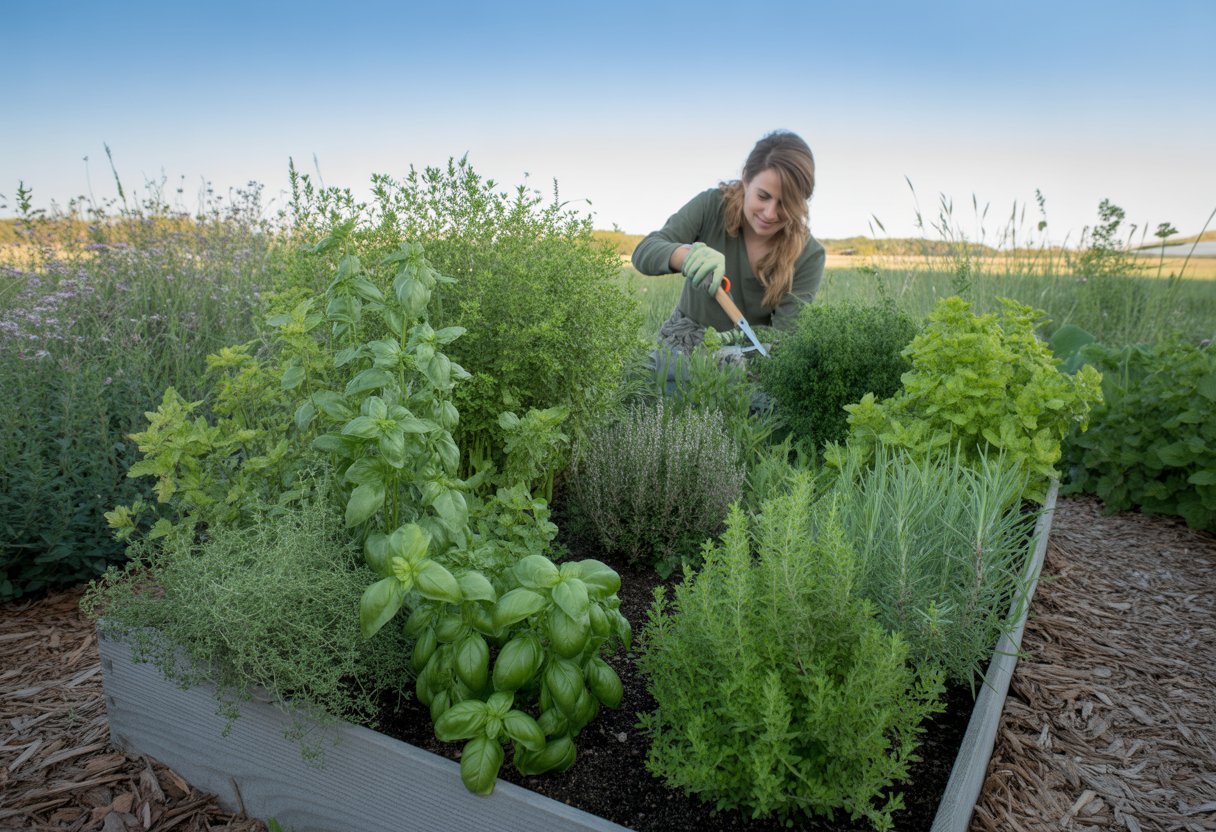
Local factors matter—frost dates and soil pH especially—when you’re planning an herb garden here. Culinary and medicinal herbs can adapt if you give them the right care, water, and a good spot to grow in.
This guide covers practical tips for picking the best herbs and caring for them in South Dakota’s environment.
Understanding South Dakota’s Herb Gardening Climate
If you’re gardening in South Dakota, you have to factor in the variable climate, soil types, and local quirks. These things really shape how well herbs grow.
Seasonal Weather Patterns
South Dakota gets cold winters and hot summers. The growing season is short, usually late April to early September.
Frost can linger until mid-May and show up again by September, so planting times are tight for tender herbs. Precipitation averages 15 to 25 inches a year, mostly in spring and early summer.
That means you might have to juggle both drought and heavy rains. Winter temps often dip below 0°F, so most herbs need to be grown as annuals or given some kind of protection.
A few perennials, like thyme and mint, can make it through but usually die back before coming back in spring.
Soil Conditions
Soils here range from sandy loam to clay loam, depending on where you are. They’re often low in organic matter and can be pretty alkaline, with pH levels between 6.5 and 8.0.
It’s smart to test your soil to check nutrient levels and pH. Mixing in compost or peat moss helps with drainage and fertility, which is crucial for herbs like basil and cilantro.
If you’ve got heavy clay, you’ll want to modify it—bad drainage can rot roots fast. Raised beds help you control soil texture and moisture for your herbs.
Microclimates By Zip Code
Microclimates can change a lot from one zip code to another. For instance, 57105 (Sioux Falls) gets a milder climate and a longer growing season than 57701 (Rapid City), where higher elevation and wind make things cooler.
Urban spots like 57006 (Brandon) hold heat longer, which can shield herbs from early frost. Rural areas often get more wind and bigger temperature swings.
Watch your own yard closely—windbreaks, reflective walls, or south-facing plots can make a surprising difference. Tailoring your planting and care to these local quirks gives your herbs a better shot.
Selecting The Best Herbs For South Dakota Gardens
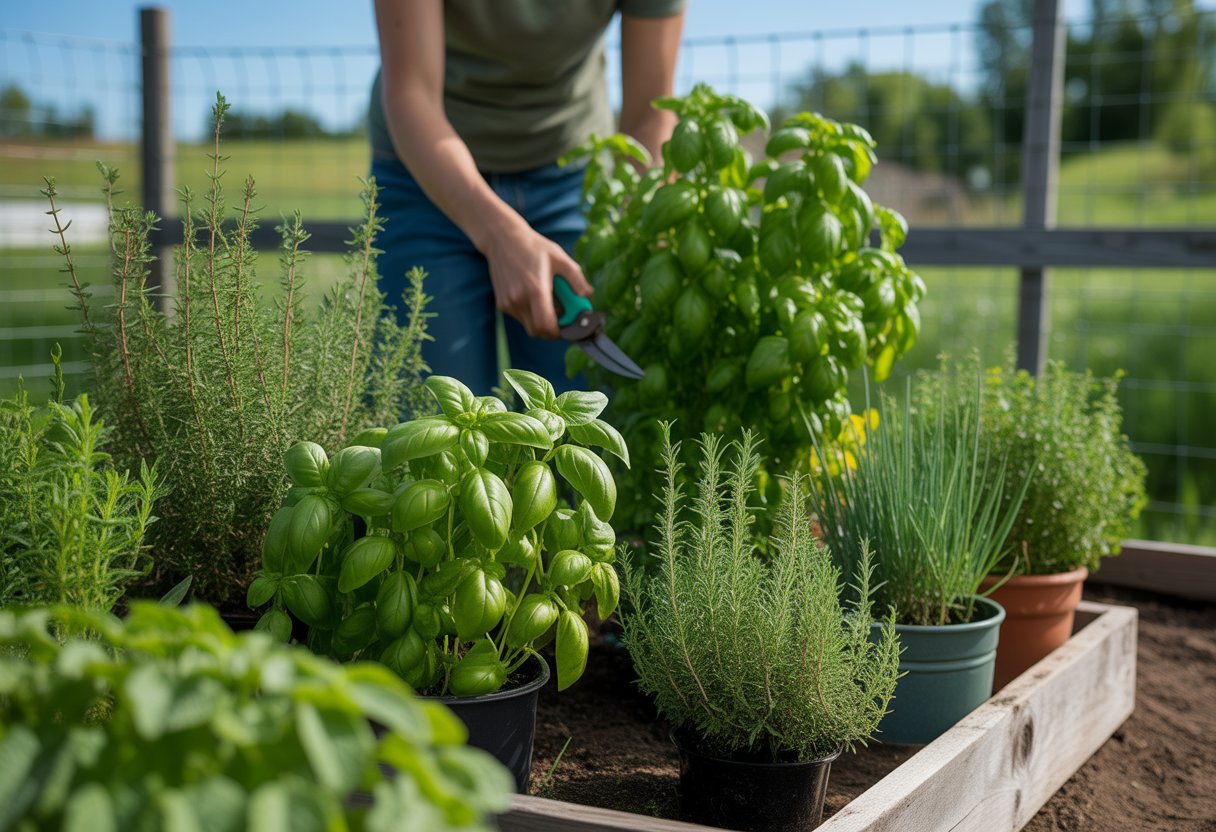
Picking herbs for South Dakota means thinking about cold tolerance, soil needs, and how they’ll play with other plants. Some herbs do well in short seasons, others need extra attention.
Mixing herbs with veggies like tomatoes can boost your garden’s health and yield, too.
Cold-Hardy And Annual Herbs
Only the hardiest perennial herbs survive South Dakota’s winters. Sage, thyme, chives, and parsley can handle the cold if you mulch them well.
These herbs put up with frost and bounce back after temperature swings. Annuals like basil, cilantro, and oregano thrive in the hot summer but need replanting each year.
Basil loves full sun and well-drained soil, while cilantro likes it a bit cooler, so timing is important. Starting seeds indoors can give you a head start on the season.
Growing Mediterranean Herbs
Mediterranean herbs need well-drained soil and lots of sun. Rosemary, lavender, and oregano do best in dry, sunny spots, but they’re not very cold-hardy.
Rosemary and lavender need winter protection or should be brought indoors when it gets harsh outside. Good drainage is a must to prevent root rot, especially for rosemary and lavender.
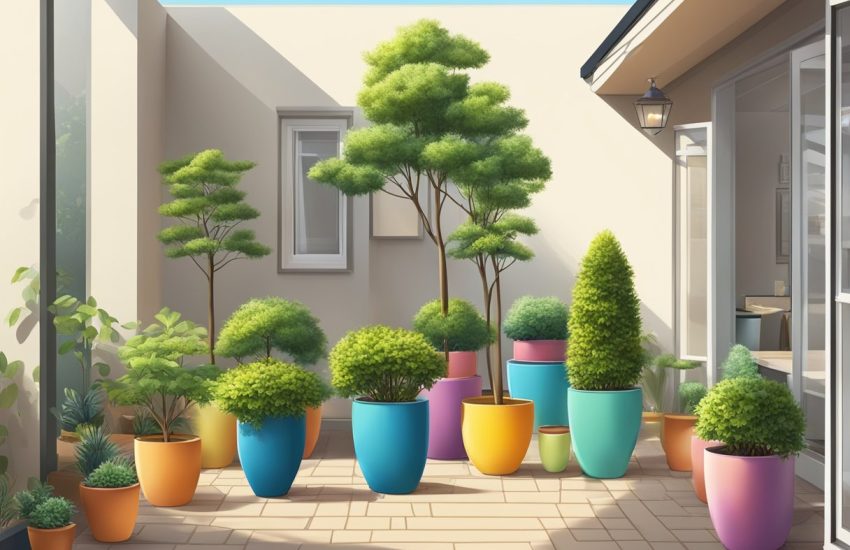
Raised beds or containers make moisture control easier. Prune these herbs regularly to keep them bushy and help them survive the winter.
Companion Planting With Tomatoes
Some herbs make great neighbors for tomatoes. Basil planted near tomatoes can boost flavor and help keep pests like aphids and hornworms away.
Chives repel aphids and attract beneficial bugs, which helps your whole garden. Oregano and thyme work as ground cover, cutting down on weeds and keeping soil moist.
These herbs create a mini-ecosystem that benefits tomato roots and helps with nutrient uptake. Placing them strategically can make your garden more balanced.
Essential Herb Gardening Tips for Optimal Growth
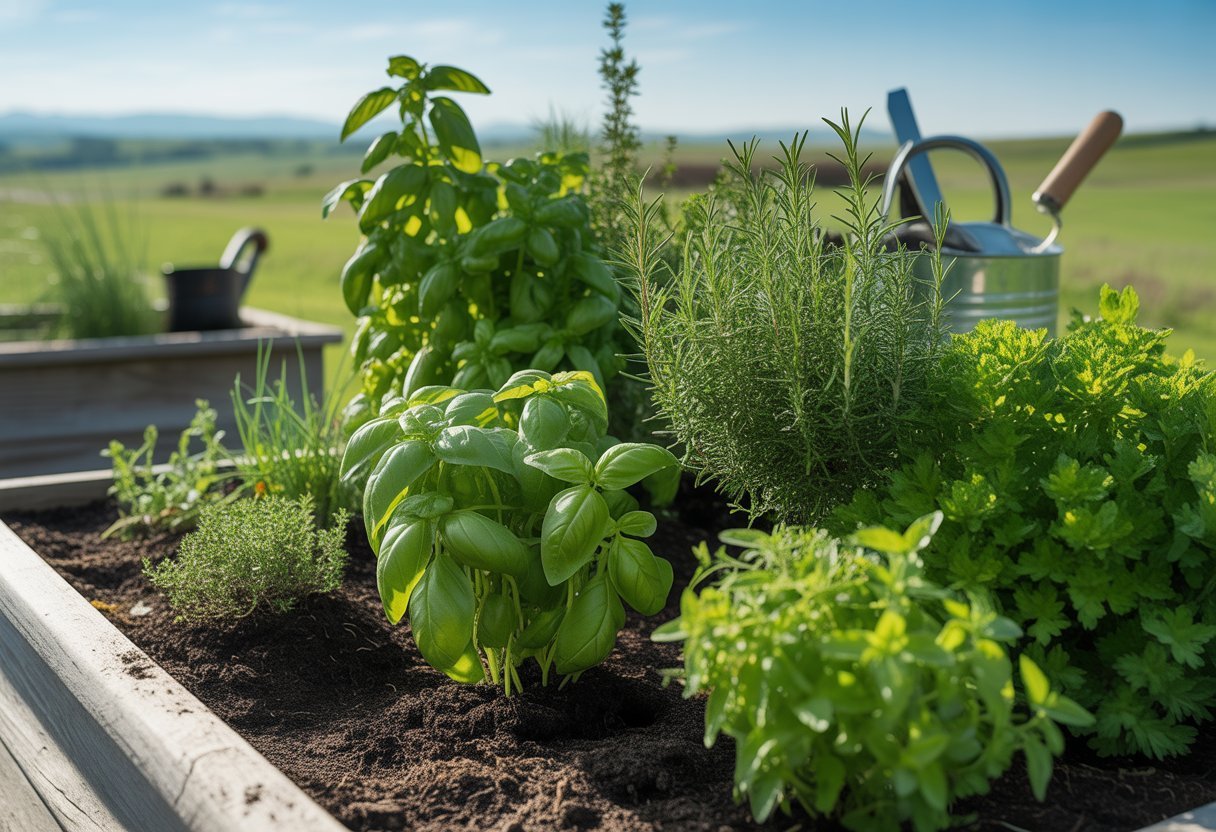
Sunlight, soil care, and watering really make or break a healthy herb garden in South Dakota. Get these right, and your herbs will have stronger roots and fuller leaves.
Maximizing Sunlight Exposure
Most herbs need 6 to 8 hours of direct sun every day. South-facing spots usually get the best light.
Some herbs, like mint or chives, can take a bit of shade, but most want full sun. Watch how the sun moves over your garden to find the best spots.
Reflective surfaces, like pale walls, can boost sunlight. Try not to plant herbs where tall trees or sheds cast big shadows.
Soil Preparation And Mulching
Herbs need well-draining soil, so mix your native dirt with compost to improve texture and nutrients. Most herbs like a pH between 6.0 and 7.5.
Test your soil first to catch any nutrient gaps. Mulching around your herbs keeps moisture in, blocks weeds, and shields roots from temperature swings.
Organic mulches—straw, leaves, or wood chips—work well.
Watering Techniques And Fertilization
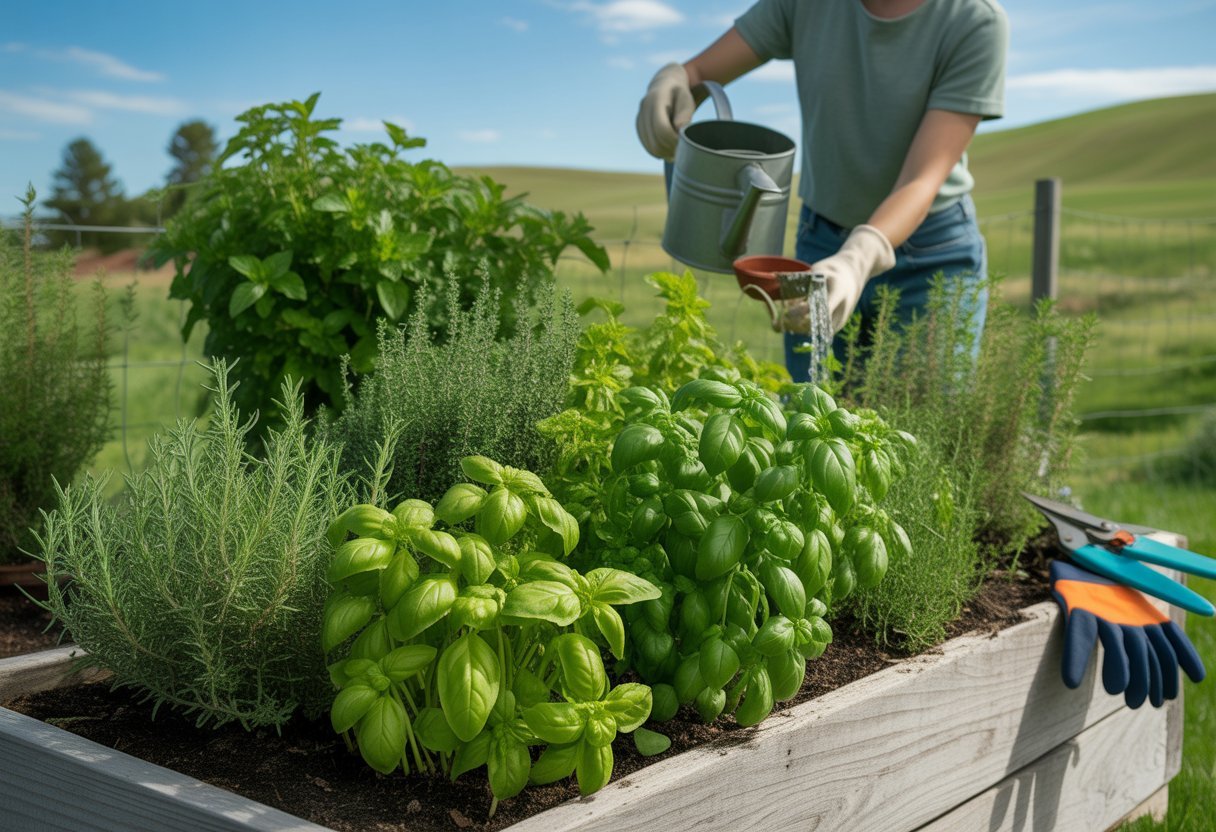
Herbs prefer deep, occasional watering instead of light, frequent sprinkles. This helps their roots grow strong.
Water early in the day to cut down on evaporation. Skip overhead watering if you can—watering at soil level or using drip irrigation keeps leaves dry and avoids fungus.
Use fertilizer sparingly. Go for balanced, slow-release options or organic stuff like fish emulsion. Too much fertilizer can actually dull herb flavors.
Keep an eye on your plants and adjust as needed.
Promoting Healthy And Productive Herb Gardens
Attracting helpful insects and tweaking your care with the seasons can really help your herb garden thrive in South Dakota. It’s about working with nature, not against it.
Attracting Beneficial Pollinators
Bees and butterflies are crucial for a productive herb garden. Plant companion flowers like borage, lavender, and cosmos nearby to bring in pollinators.
Skip harsh pesticides—they hurt the good bugs too. Organic pest control, like neem oil, works better.
Set out a shallow dish with pebbles and water to keep pollinators hydrated. Mixing plants with different bloom times keeps bees and butterflies coming all season.
That steady pollinator traffic means better yields and healthier herbs like basil, thyme, and cilantro.
Seasonal Maintenance For Herbs
South Dakota’s climate keeps you on your toes if you want herbs to thrive. In spring, grab some compost and work it into well-drained soil—fresh nutrients really kickstart new growth.
Summer brings those dry spells, so water regularly, but don’t drown your plants. I like to mulch during the hottest months since it locks in moisture and keeps weeds from taking over.
Once fall rolls around, give herbs like rosemary and sage a trim. For perennials, toss on some mulch or bring potted herbs inside—frost can sneak up fast here.