What Zone is Charlotte NC: Understanding Charlotte’s Zoning System
Last updated: August 21, 2026
Charlotte, NC is a city located in the southern part of the United States. It is known for its warm and humid climate, which is ideal for growing a variety of plants. However, not all plants can thrive in Charlotte’s climate, which is why it is important to know the USDA hardiness zone of the area.

The USDA hardiness zone is a system that divides the United States into 13 zones based on the average annual minimum temperature. Each zone is divided into subzones, which are further classified based on the temperature range. Charlotte is located in USDA hardiness zone 7b, which is characterized by an average minimum temperature range of 5°F to 10°F. This means that plants that are suitable for zone 7b can grow well in Charlotte’s climate.
Knowing the USDA hardiness zone of an area is important for gardening enthusiasts as it helps them choose plants that are suitable for the climate conditions of the area. It also helps them determine the best time to plant and harvest crops. With Charlotte being in USDA hardiness zone 7b, gardeners can choose from a variety of plants that thrive in this zone, such as azaleas, camellias, and blueberries.
Understanding USDA Hardiness Zones
What Are Hardiness Zones?
The USDA Hardiness Zone Map is a tool that helps gardeners and farmers determine which plants are most likely to thrive in their climate. The map divides North America into 13 zones based on average annual minimum temperatures. Each zone is further divided into subzones, with a and b designations based on 5-degree Fahrenheit temperature ranges. The colder the zone, the lower the temperature range.
Charlotte’s Placement on the USDA Hardiness Zone Map
Charlotte, North Carolina, is located in USDA Hardiness Zone 7b. This means that the average annual minimum temperature in Charlotte ranges from 5 to 10 degrees Fahrenheit (-15 to -12 degrees Celsius). Gardeners in this zone can expect mild winters and a growing season that typically lasts from early April to late October.
Factors Influencing Charlotte’s Gardening Climate
Charlotte’s position in the Piedmont region of North Carolina, its elevation of 751 feet above sea level, and its proximity to the Atlantic Ocean all play a role in determining its gardening climate. Microclimates within the city can also affect plant growth and survival. For example, areas near bodies of water or in low-lying areas may experience frost pockets, which can damage or kill sensitive plants.
Overall, understanding USDA Hardiness Zones is essential for successful gardening and agriculture. By choosing plants that are well-suited to their local climate, gardeners can save time, money, and resources, while also enjoying a beautiful and productive garden.
Gardening in Charlotte’s Zone
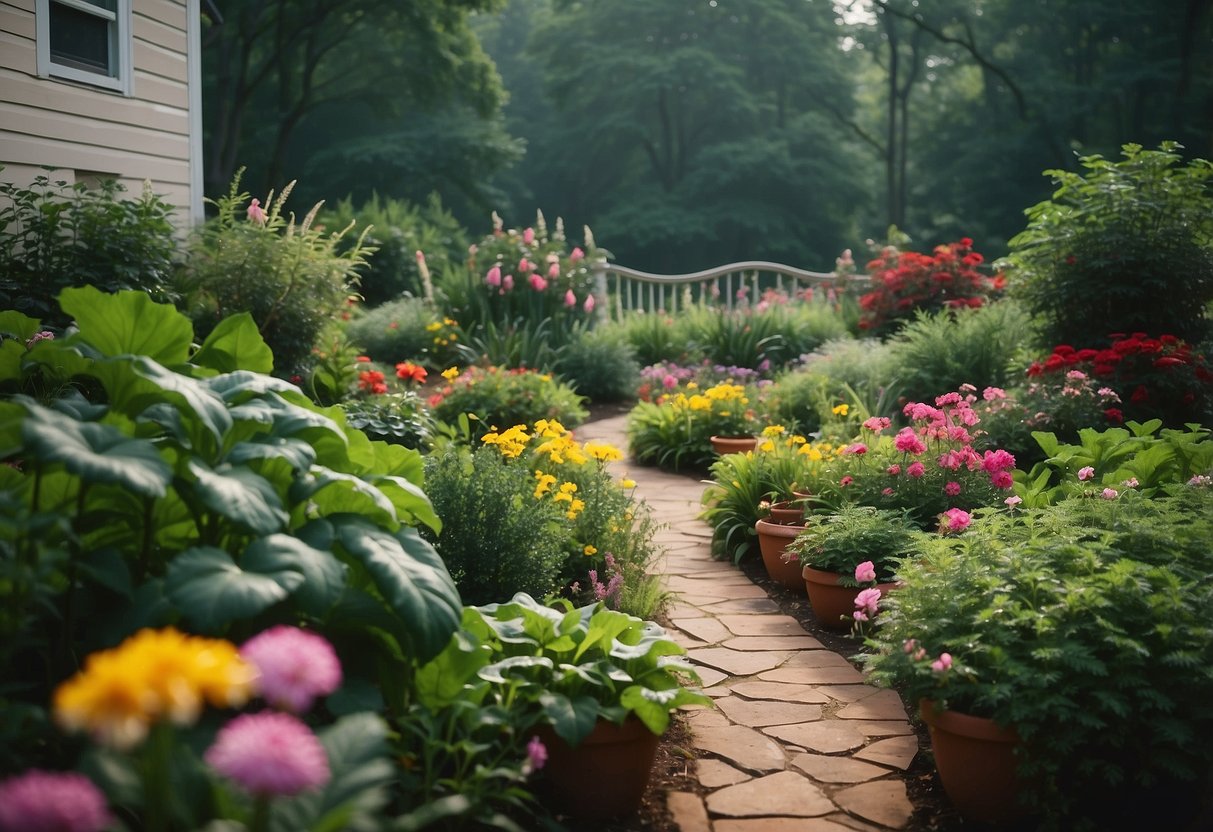
Charlotte, NC falls under USDA Hardiness Zone 7b, which means that gardeners in this area can grow a wide variety of plants, including trees, shrubs, vegetables, and perennials. However, it is essential to select plants that can withstand the average minimum winter temperature of 5 to 10 degrees Fahrenheit (-15 to -12 degrees Celsius) in the region.
Selecting Plants for Charlotte Gardens
When selecting plants for Charlotte gardens, it is crucial to consider their hardiness, soil type, and sunlight requirements. Some popular plants that thrive in Charlotte’s climate include tomatoes, rosemary, mint, azalea, camellia, hydrangea, coneflower, black-eyed Susan, and peppers. These plants can add color, texture, and fragrance to your garden and are relatively easy to maintain.
Gardening Tips for Charlotte’s Climate
Charlotte’s climate can be challenging for gardeners due to its frequent fluctuations in temperature and humidity. To maintain a healthy garden, it is essential to choose plants that are well-suited to the region’s climate and soil conditions. Gardeners should also be aware of the weather forecast and use frost protection measures when necessary, such as covering plants with mulch or blankets.
Maintaining Gardens Throughout the Seasons
Maintaining gardens in Charlotte requires regular maintenance throughout the seasons. Gardeners should water plants deeply and frequently during the hot summer months, especially during droughts. They should also fertilize plants regularly, prune shrubs and trees, and remove any dead or diseased foliage. Gardeners can also use weather stations to monitor temperature and humidity levels and adjust their gardening practices accordingly.
In conclusion, gardening in Charlotte’s Zone can be a rewarding experience with the right plant selection, gardening tips, and maintenance practices. Gardeners should choose plants that are well-suited to the area’s climate and soil conditions and be aware of the weather forecast and frost protection measures. With proper care, Charlotte gardens can thrive throughout the seasons.