Low Maintenance Native Plants Nebraska for Sustainable and Easy Gardening
Last updated: October 17, 2026
Native plants just make sense for Nebraska gardeners who want less hassle and more beauty. These plants have adapted to local climate and soil, so they shrug off drought, pests, and wild swings in temperature.
Low maintenance native plants in Nebraska need less water, fertilizer, and pruning, saving you time and resources.
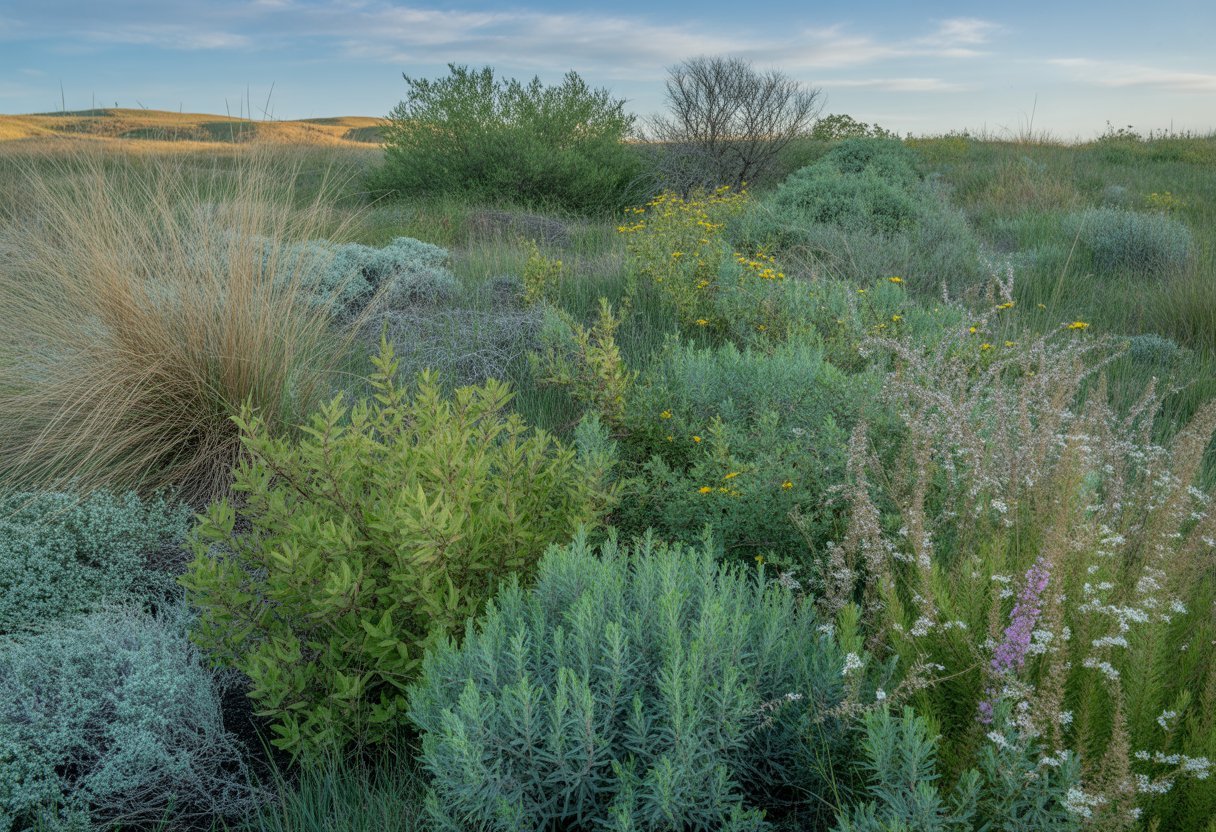
Picking the right native species creates a garden that supports local wildlife and stays strong with hardly any fuss. Prairie grasses, wildflowers—you’ve got options for year-round interest.
If you want a landscape that looks good and stays healthy without constant work, native plants are honestly a smart move. Here’s a guide to some of Nebraska’s best low maintenance choices.
Fundamentals of Low Maintenance Native Plants in Nebraska
Low maintenance native plants in Nebraska just fit the local scene and help natural ecosystems. They cut down on water, fertilizer, and care, and they boost landscape resilience.
Knowing their traits and how they work in the environment really helps when planting across Nebraska’s different regions.
Understanding Native Species
Nebraska’s native plants evolved right alongside local wildlife and soil types, creating a pretty balanced ecosystem. Plants like Little Bluestem and Purple Coneflower barely need extra watering and naturally resist most pests.
Their deep root systems improve soil health and keep erosion in check. If you stick with plants native to eastern Nebraska or the Great Plains, you dodge invasives and boost regional biodiversity.
Their growth cycles sync with Nebraska’s seasons, so you don’t have to prune or fertilize all the time.
Benefits for Nebraska Landscapes
Going native cuts down on maintenance costs—less irrigation, fewer chemicals. Native species handle Nebraska’s soils, whether you’ve got clay or sand, and help keep landscapes healthier.
They feed and shelter pollinators like bees and butterflies, which are vital for local farming. Adding natives to yards or parks makes the whole system tougher against pests and disease.
Adapting to Nebraska’s Climate
Nebraska’s weather can be all over the place—hot summers, brutal winters, and unpredictable rain. Native species just roll with it, handling drought or the odd flood thanks to their long adaptation here.
With climate change making things even weirder, native plants seem to survive better. Their genetic diversity suits local microclimates, so they don’t need much extra water during dry spells and bounce back after storms or frosts.
Popular Low Maintenance Native Plants for Nebraska Gardens
Nebraska’s native plants give you plenty of options that thrive with minimal care. Once established, most need little watering or fertilizer and still look great while helping out the local ecosystem.
You’ll find everything from tough grasses to flowering perennials and sturdy shrubs.
Hardy Prairies and Grasses
Prairie plants and native grasses form the backbone of low maintenance Nebraska gardens. Little Bluestem (Schizachyrium scoparium) and Switchgrass (Panicum virgatum) stand up to drought and poor soil.
These grasses grow tall, add movement and texture, and only need a trim now and then. They love full sun and shrug off Nebraska’s harsh winters.
Big Bluestem is another must-have—super tough and great at stopping soil erosion. These grasses form thick clumps that naturally crowd out weeds, so you spend less time pulling them.
Shrubs and Small Trees
Shrubs like Sand Cherry (Prunus pumila) and American Hazelnut (Corylus americana) are perfect for Nebraska gardens. They handle drought well and hardly ever need pruning.
Serviceberry (Amelanchier alnifolia) can be a small tree or a tall shrub, offering early flowers and berries birds love, all without much fuss.
These shrubs work with different soil types and support wildlife. Their size fits easily into most gardens without needing lots of space or maintenance.
Wildflowers and Groundcovers
Native wildflowers like Purple Coneflower (Echinacea purpurea) and Black-eyed Susan (Rudbeckia hirta) are tough perennials that look good and handle dry spells.
Wild geraniums (Geranium maculatum) make great groundcovers, keeping weeds down and locking in soil moisture. Wild Strawberry (Fragaria virginiana) spreads easily and doesn’t need much attention.
These flowers bring color from early summer into fall. Once they settle in, you barely have to water them—ideal for sustainable, low-maintenance beds.
Designing and Maintaining a Nebraska Native Plant Garden
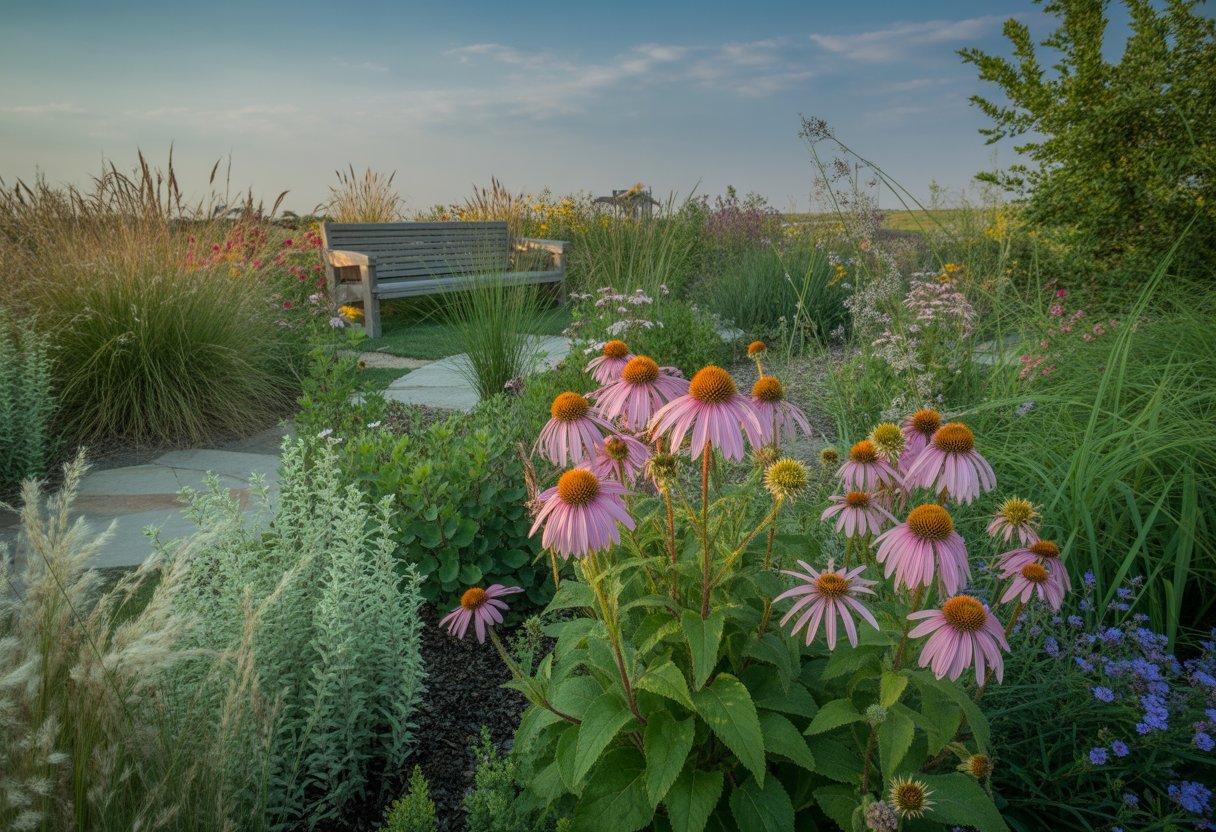
Building a thriving garden with Nebraska natives starts with a good plan and a little attention to soil, timing, and where you get your plants. Design and maintenance matter if you want your plants to help the ecosystem and save you effort in the long run.
Garden Design Principles
A native garden works best when it balances looks and function. Group plants by height and bloom time to keep things interesting all season.
Benjamin Vogt points out that natural landscape aesthetics—think clusters that mimic prairies—look better than stiff, formal rows.
Pick plants that help wildlife, like milkweed for monarchs. Stick to stone or wood for hardscape so it blends in. Paths and benches should invite visitors but not mess with the flow of the plants.
Regional Soil and Site Selection
Nebraska soils are all over the place—sandy in the west, clay-heavy in the east. Pick plants that like your soil type, and you’ll have fewer headaches.
Little bluestem loves well-drained soils, while switchgrass can handle heavier, wetter spots. Sun matters, too; most natives want at least six hours a day.
If you’re near a stream or low spot, choose plants that can take occasional flooding. Testing your soil’s pH and texture before planting can save you trouble down the line.
When and How to Plant
Spring or fall is usually the best time to plant natives in Nebraska. Spring gives roots time to settle before summer, while fall’s cooler temps and extra moisture help plants get established.
Go for container-grown or bare-root plants. Plant them at the same depth as their root ball, and loosen up the soil so roots can spread. Water them in well.
Mulch with something organic to lock in moisture and keep weeds down, but don’t pile it on too thick—roots need to breathe.
Sourcing Plants From Local Nurseries
Buy native plants from Nebraska nurseries when you can. They’ll be better adapted and usually healthier.
Local nurseries often have the right cultivars and can give advice that actually applies to your yard. Look for places focused on monarch gardens or natural landscapes.
Lots of nurseries get their plants verified through local horticulture networks or Houzz reviews. Avoid “native” plants that come from far away—they might not handle Nebraska’s quirks.
Ecological Benefits and Supporting Wildlife
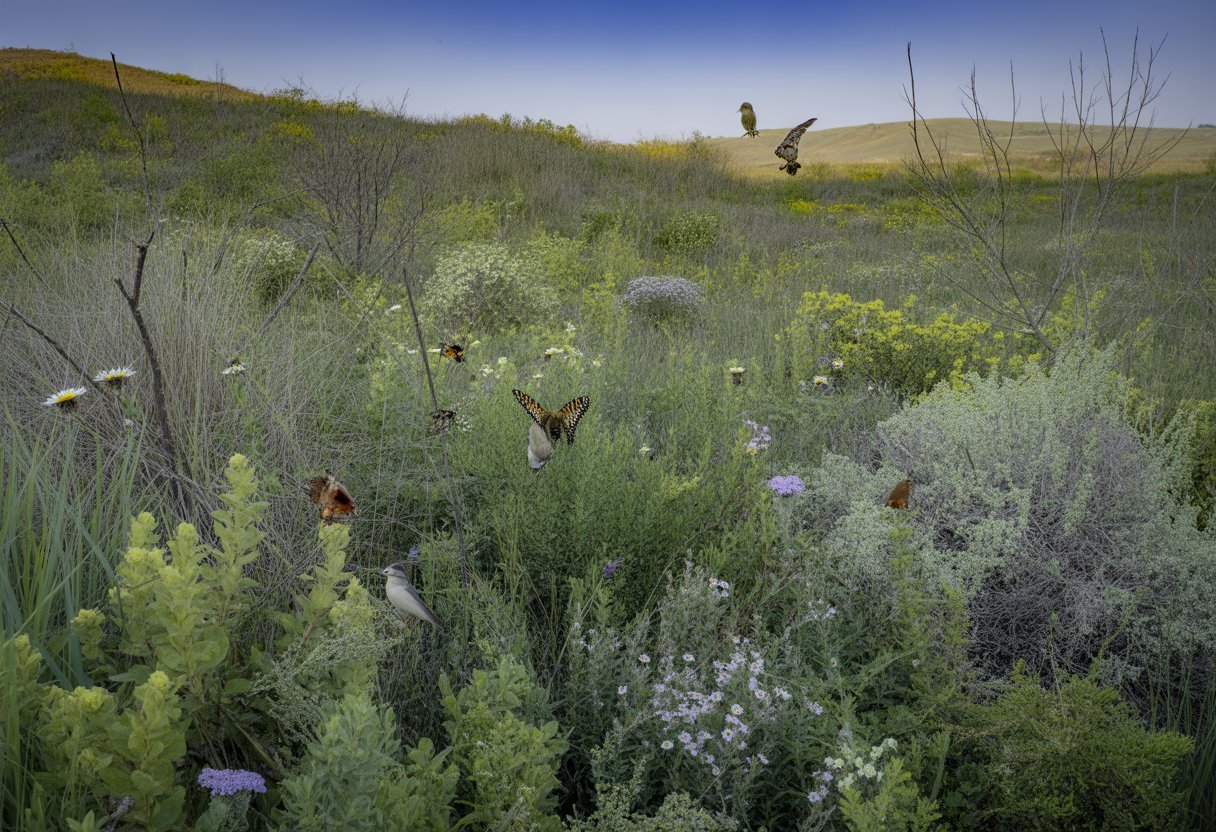
Low maintenance native plants in Nebraska really do their part for the local ecosystem. They support a variety of species and keep prairie processes running.
Biodiversity and Prairie Wildlife
Native plants boost biodiversity by offering habitat and food tailored to Nebraska’s wildlife. White-tailed deer, meadow voles, and ground-nesting birds rely on big bluestem and switchgrass for shelter and nesting.
These plants protect soil and prevent erosion, which helps amphibians and reptiles, too. The mix of heights and structures in native plantings creates a layered system where mammals, birds, and insects can all find a niche.
Attracting Pollinators and Birds
Nebraska wildflowers like purple coneflower and prairie blazing star bring in pollinators—bees, butterflies, moths. Their nectar and pollen are top-notch for pollinator health.
Birds such as the eastern meadowlark and red-winged blackbird flock to native plants for food and nest material. Native gardens support birds by providing insects for their young and seeds for winter.
You end up with a balanced environment that helps both resident and migrating species stick around.
Enhancing Insect and Ecosystem Health
Native plants help insects thrive because they offer the right food and shelter. For example, monarch butterflies absolutely depend on native milkweed to survive.
When insects do well, the whole ecosystem benefits. Nutrient cycling kicks into gear, and natural pest control just sort of happens.
Lady beetles and predatory wasps especially seem to love areas with native plants. Their presence can cut down on the need for chemical sprays, making everything feel a bit more balanced and, honestly, less work for everyone.