American Vetch (Vicia americana)
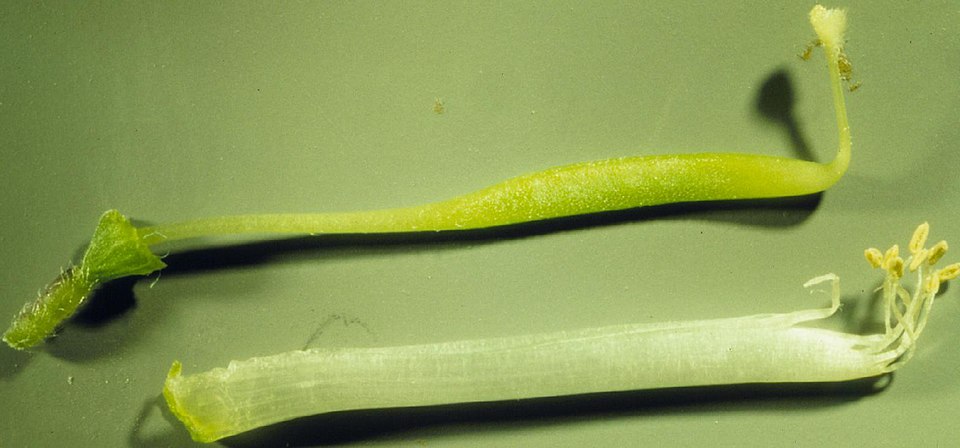
Vicia americana, commonly known as American Vetch, is a delicate native perennial vine found throughout much of North America, from Alaska south to the mountains of Mexico and across the continent to the Atlantic coast. A member of the pea family (Fabaceae), this modest but ecologically significant plant climbs and sprawls through meadows, prairies, open woodlands, and along roadsides, anchoring itself with coiling tendrils to whatever support it can find. Though it rarely rises above one foot in height when unsupported, it can scramble several feet along the ground or up through neighboring vegetation.
American Vetch is best known for its stunning flowers — clusters of four to nine blossoms, each a rich blue-violet to rose-purple, arranged in a one-sided raceme. These vivid pea flowers bloom from late spring through midsummer, offering important nectar to native bumblebees, small butterflies, and other pollinators that visit the blooms. Like all vetches, Vicia americana fixes atmospheric nitrogen through a symbiotic relationship with root bacteria, enriching the soil and benefiting neighboring plants.
In Montana, Wyoming, and across the Intermountain West, American Vetch thrives in dry to moderately moist open habitats — prairies, sagebrush steppe margins, open conifer forests, and disturbed grasslands. It is an important forage plant for deer, elk, and pronghorn, and its seeds are consumed by small mammals and ground-foraging birds. Despite its small stature, this plant plays outsized roles in both the ecological and agricultural fabric of western landscapes.
Identification
American Vetch is an herbaceous perennial vine that typically reaches 1 to 3 feet in length when climbing, though it often sprawls along the ground at lower heights. The stems are slender and slightly angled, climbing by means of branching tendrils that replace the terminal leaflet on each compound leaf. The overall appearance is delicate and airy.
Leaves
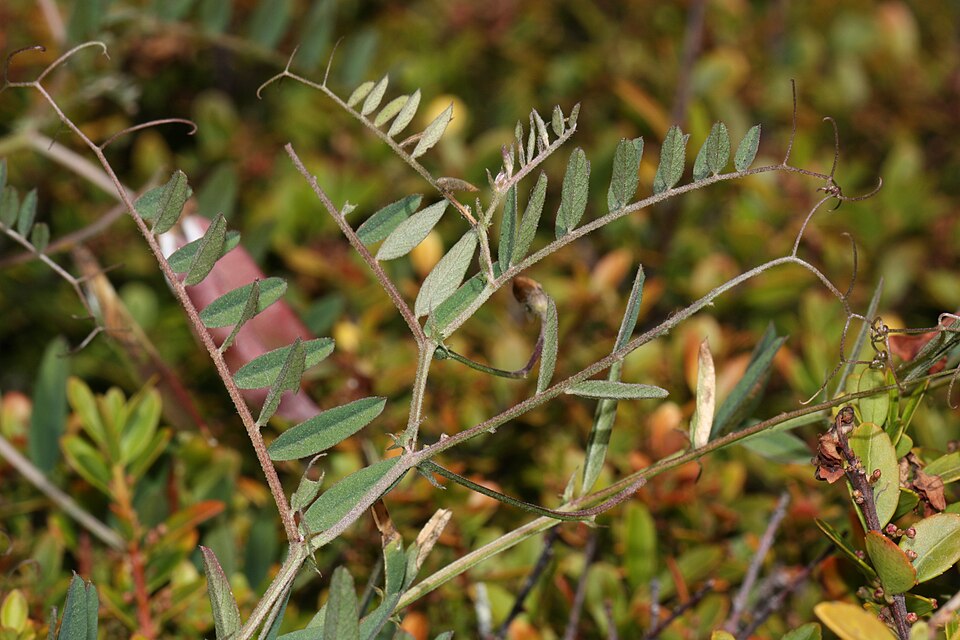
The leaves are pinnately compound, each bearing 8 to 18 leaflets arranged in opposite pairs along the rachis. Individual leaflets are oblong to elliptic, typically ½ to 1 inch long, with prominent parallel veins and a rounded or slightly notched tip. The foliage is medium green above, slightly paler beneath. The leaf terminates in one to three branching tendrils rather than a terminal leaflet — a characteristic feature of the genus Vicia. The stipules at the base of each leaf are semi-hastate (half-arrowhead shaped) and often have dark nectary spots.
Flowers & Fruit
The flowers are borne in axillary racemes of 4 to 9 blossoms, held on a peduncle arising from the leaf axils. Each flower is a classic pea-type blossom: 0.6–0.9 inches (15–22 mm) long, with a prominent banner petal in blue-violet to reddish-purple, wing petals of similar color, and a keel petal somewhat paler. The calyx is unequally toothed. Bloom time runs from May through July in Montana and Wyoming, depending on elevation. The fruit is a flattened pod, 1 to 1.5 inches long, that turns brown and papery at maturity, splitting open to release 4–8 round, dark-mottled seeds.
Roots
American Vetch produces a spreading rhizomatous root system, allowing it to form loose colonies in favorable conditions. The roots bear nitrogen-fixing nodules colonized by Rhizobium bacteria — a defining feature of the legume family and an important ecological function that improves soil fertility wherever the plant grows.
Quick Facts
| Scientific Name | Vicia americana |
| Family | Fabaceae (Pea / Legume) |
| Plant Type | Perennial Climbing Vine / Herb |
| Mature Height | 1 ft (climbing up to 3 ft) |
| Sun Exposure | Full Sun |
| Water Needs | Low (Drought Tolerant) |
| Bloom Time | May – July |
| Flower Color | Blue-violet to rose-purple |
| Soil Type | Well-drained, loamy, sandy, or rocky |
| Nitrogen Fixer | Yes — enriches soil nitrogen |
| USDA Hardiness Zones | 3–9 |
Native Range
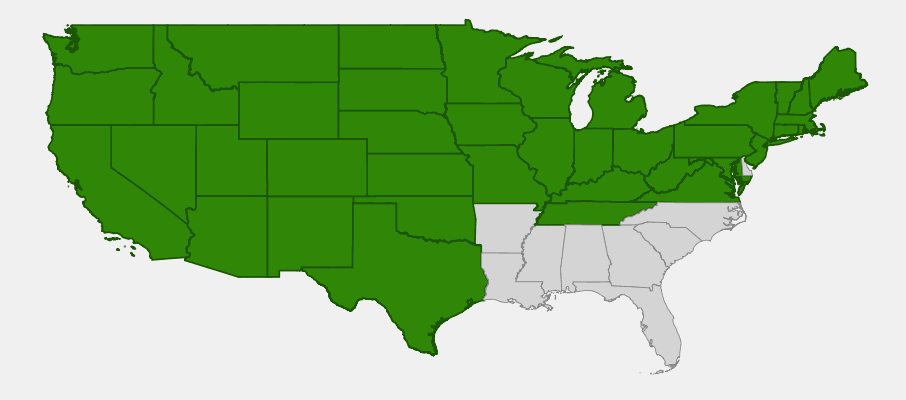
American Vetch is one of the most widely distributed native vetches in North America. Its range stretches from Alaska south through British Columbia and the western mountain ranges, across the Great Plains, and east all the way to the Atlantic coast states. It is found in virtually every U.S. state except perhaps Florida and Louisiana, and extends well into Canada from Yukon and the Northwest Territories south to the border states.
In the Intermountain West, American Vetch is a characteristic species of open grasslands, meadows, sagebrush communities, and the margins of open conifer forests. In Montana and Wyoming, it occurs across a wide elevation range — from valley grasslands at 3,000 feet up to subalpine meadows near 9,000 feet. It tends to favor open, sunny sites with well-drained soils, consistent with its drought tolerance and preference for full sun.
The species is particularly common in disturbed areas — roadsides, fence lines, logged clearings, and overgrazed pastures — where reduced competition allows it to establish readily. Despite being native, it can spread aggressively under favorable conditions, occasionally forming dense mats that outcompete shorter native forbs.
📋 Regional plant lists featuring American Vetch: Montana & Wyoming
Growing & Care Guide
American Vetch is among the easiest native plants to establish in western landscapes. Its drought tolerance, nitrogen-fixing ability, and adaptability to poor soils make it an ideal choice for naturalistic gardens, restoration projects, and revegetation of disturbed sites.
Light
American Vetch performs best in full sun, which promotes the most vigorous growth and flowering. It tolerates light partial shade — such as the dappled light beneath open ponderosa pines — but becomes more sprawling and less floriferous in shaded conditions. In the Intermountain West, site it on south-facing or east-facing slopes for optimal performance.
Soil & Water
This species thrives in well-drained, lean soils — loamy, sandy, or rocky substrates are all suitable. It is notably drought tolerant once established, making it well-suited to Montana and Wyoming’s characteristically dry summers. Avoid heavy clay soils or sites with standing water, which can lead to root rot. Because it fixes its own nitrogen, American Vetch does not require fertilization — in fact, rich, fertile soils often promote excessive vegetative growth at the expense of flowering.
Planting Tips
American Vetch can be direct-seeded into prepared soil in fall (for spring germination) or started from seed indoors 6–8 weeks before the last frost. The seeds benefit from scarification — lightly abrading the seed coat with sandpaper — and a short cold-moist stratification period of 30 days before spring planting. Inoculating seeds with legume-specific Rhizobium bacteria before planting significantly improves establishment and growth. Plant seeds ¼ inch deep in full sun with well-drained soil.
Pruning & Maintenance
American Vetch requires virtually no maintenance once established. Allow the vines to sprawl naturally or provide a simple wire support to encourage vertical growth. After flowering, the seed pods can be left to self-sow for natural spread. In smaller gardens, shear back after seed set to prevent excessive spreading. The plant dies back to the ground each winter and re-emerges from the root crown in spring.
Landscape Uses
- Pollinator gardens — excellent nectar source for bumblebees and native bees
- Wildlife meadows — seeds eaten by birds and small mammals; foliage browsed by deer and elk
- Erosion control on dry slopes — root network stabilizes soil
- Soil improvement in restoration projects — nitrogen fixation benefits the entire plant community
- Naturalistic cottage gardens — allowed to scramble through neighboring plants for a wild effect
- Revegetation of disturbed sites — one of the first species to pioneer open ground
Wildlife & Ecological Value
American Vetch is a keystone plant in western grassland communities, providing food and habitat for a surprisingly diverse array of wildlife species across all seasons.
For Birds
The mature seeds of American Vetch are eaten by a variety of ground-foraging birds including Horned Larks, Dark-eyed Juncos, American Goldfinches, and various sparrows. The dense, climbing vine structure provides nesting cover and perching sites for small songbirds in open meadow habitats where woody vegetation is sparse. Ring-necked Pheasants and Wild Turkeys also consume the seeds where ranges overlap.
For Mammals
American Vetch is a high-quality forage plant for large ungulates. White-tailed Deer, Mule Deer, Elk, and Pronghorn Antelope all browse the foliage and stems, which are highly palatable and nutritious throughout the growing season. Small mammals including Prairie Dogs, Ground Squirrels, and various mice consume the seeds. The plant is also a known food source for Black Bears, who consume the foliage in late spring when high-protein plant material is abundant.
For Pollinators
The flowers of American Vetch are a valuable nectar source for a range of native bees, particularly bumblebees (Bombus spp.) that are large enough to trigger the landing mechanism of the pea flower and access the nectar. Long-tongued native bees, small butterflies including Blues (Lycaenidae), and some hummingbirds in western areas also visit the flowers. The plant is a larval host plant for several species of hairstreak butterflies in the genus Strymon and checkered-skippers (Pyrgus spp.).
Ecosystem Role
Perhaps the most significant ecological service American Vetch provides is atmospheric nitrogen fixation. Through its partnership with Rhizobium bacteria in root nodules, the plant converts atmospheric nitrogen into plant-available ammonium, which gradually enriches the surrounding soil. Studies in grassland ecosystems show that native legumes like American Vetch can increase soil nitrogen by 20–50 lbs/acre per year in dense stands — a significant contribution that benefits the entire plant community. The plant is also a food web connector: its insects attract insectivorous birds, which attract raptors, creating ecological cascades from a single inconspicuous vine.
Cultural & Historical Uses
American Vetch was widely used by Indigenous peoples throughout its range as a food plant. The young shoots and leaves were gathered in spring and cooked as greens — boiled or steamed, they have a mild, slightly sweet flavor. Various tribal nations including the Okanagan-Colville, Blackfoot, and Flathead (Salish) peoples consumed the young plants as a seasonal vegetable. The seeds were also eaten — roasted, ground into flour, or cooked into soups and stews — providing a protein-rich food source during times when larger game was scarce.
Beyond food uses, American Vetch has long been valued as a livestock forage plant. Cattle ranchers in the early settlement period of Montana and Wyoming recognized it as a high-quality native hay plant, and it was often deliberately preserved in pastures managed for hay production. Its combination of high protein content, palatability, and nitrogen-fixing ability made it among the most valued of native range forbs for livestock nutrition. Early range scientists in the 1930s and 1940s documented that American Vetch could contribute significantly to the nutritional value of native hay meadow harvests across the Northern Rockies.
Modern restoration ecologists value American Vetch as one of the most reliable native forbs for revegetating disturbed sites in the Intermountain West. Its drought tolerance, nitrogen-fixing ability, and rapid establishment make it a first-choice species for seeding after wildfires, road construction, and mining reclamation. Seed mixes for sagebrush restoration throughout Montana and Wyoming routinely include American Vetch alongside native grasses. Its role in stabilizing and enriching degraded soils is increasingly recognized as essential to successful long-term restoration of native plant communities.
Frequently Asked Questions
Is American Vetch the same as common vetch?
No. Common Vetch (Vicia sativa) is a non-native European species widely used as a cover crop and sometimes escaping into disturbed areas. American Vetch (Vicia americana) is a true native species with a much broader leaflet width and typically larger, deeper-colored flowers. American Vetch is the preferred choice for native plant gardens and restorations.
Will American Vetch take over my garden?
In optimal growing conditions, American Vetch can spread via rhizomes and self-seeding to form loose colonies, but it is generally not considered aggressive in typical garden settings. In rich, moist soils it grows more vigorously. In dry, lean soils typical of western gardens, it spreads slowly and remains well-behaved. Removing seed pods before they mature controls self-seeding.
Does American Vetch need support to grow?
Not necessarily. Without support, it sprawls along the ground at about 1 foot height, which can be an attractive groundcover effect in naturalistic gardens. Given support — other plants, a low fence, wire netting — it will climb upward and display its flowers more prominently.
Is it good for attracting butterflies?
Yes! American Vetch is a larval host plant for several native butterfly species, particularly hairstreaks and checkered-skippers. The flowers provide nectar for adult butterflies as well. Planting American Vetch in a sunny meadow garden is a reliable way to attract these butterflies to your landscape.
Can American Vetch grow at high elevations in Montana and Wyoming?
Absolutely. American Vetch is one of the most elevation-tolerant native forbs in the region, occurring from valley floors up to near treeline at 9,500+ feet. It is particularly well-suited to subalpine meadow gardens and high-elevation restoration projects where many other forbs struggle.