Arroyo Lupine (Lupinus succulentus)
Lupinus succulentus, known as arroyo lupine (also succulent lupine or hollowleaf annual lupine), is a robust annual wildflower native to California, where it is common through much of the state in grasslands, disturbed ground, and the seasonally wet swales called arroyos that give it its common name. It belongs to the legume family (Fabaceae) and, true to its scientific name, has noticeably thick, fleshy (“succulent”) stems and leaves compared to many of its more slender lupine relatives.
Arroyo lupine is larger and coarser than sky lupine, typically growing 1 to 3 feet tall with dense, upright spikes of deep purple-blue flowers and broad, glossy, somewhat fleshy leaflets. Its stout, hollow stems and rapid growth make it one of the showiest and easiest California annual lupines to establish from seed, and it is a familiar sight in spring along roadsides, vacant lots, and open fields throughout much of the state.
In the garden, arroyo lupine is valued for fast, reliable color from a fall sowing, its tolerance of a wide range of soils including heavy clay, and — like all lupines — its ability to fix nitrogen in the soil, benefiting neighboring plants in a wildflower meadow or restoration planting.
Identification
Arroyo lupine is a coarse, upright annual with thick, hollow, somewhat fleshy stems that readily distinguish it from more wiry lupine species in the field.
Leaves
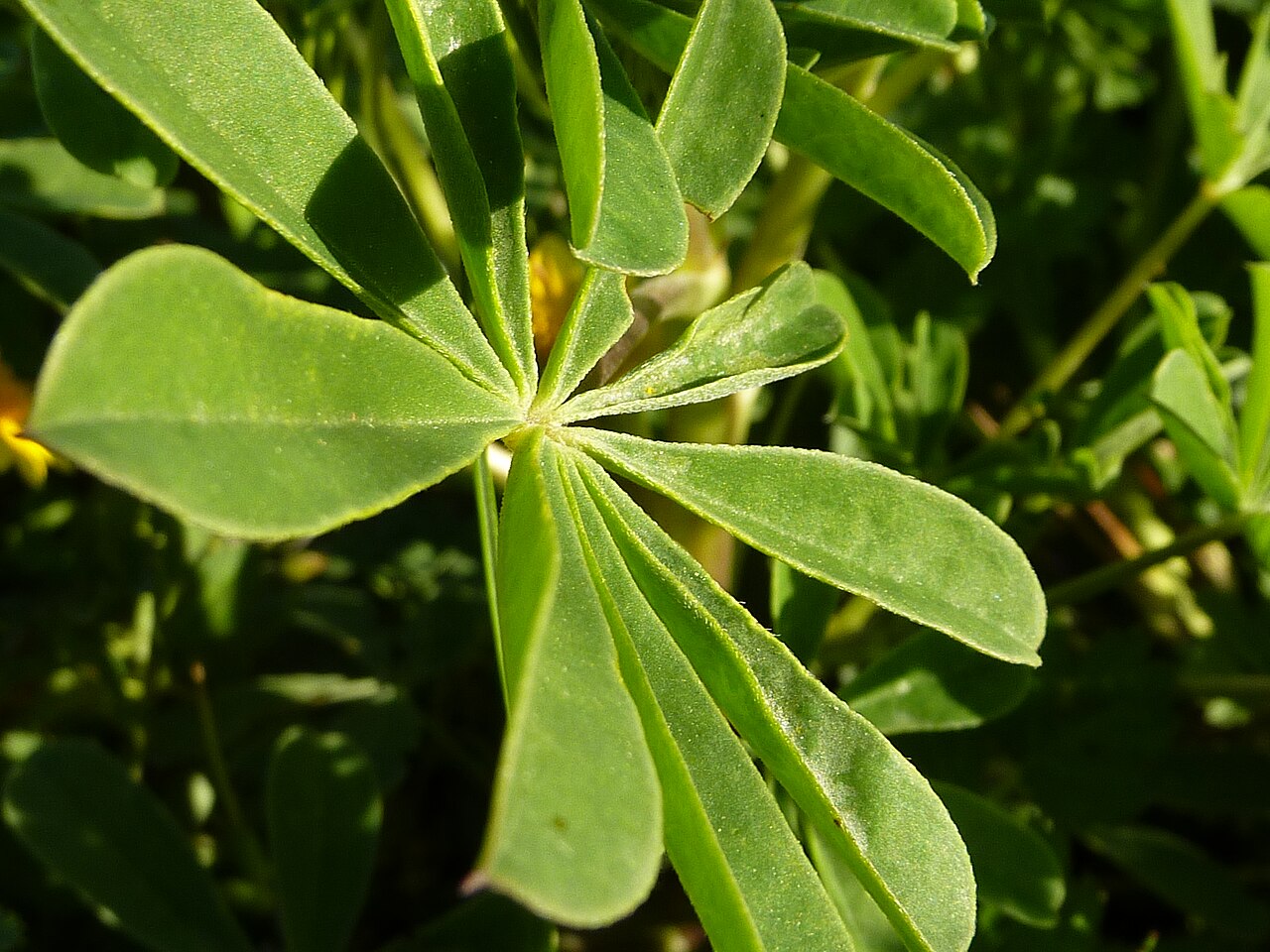
The leaves are palmately compound with 5 to 9 broad, blunt-tipped leaflets, each 1 to 2½ inches long, dark green and notably thick or fleshy in texture — the trait behind both the scientific name succulentus and the common name “succulent lupine.” The leaflets are smoother and glossier than the softly hairy foliage of many other annual lupines.
Flowers
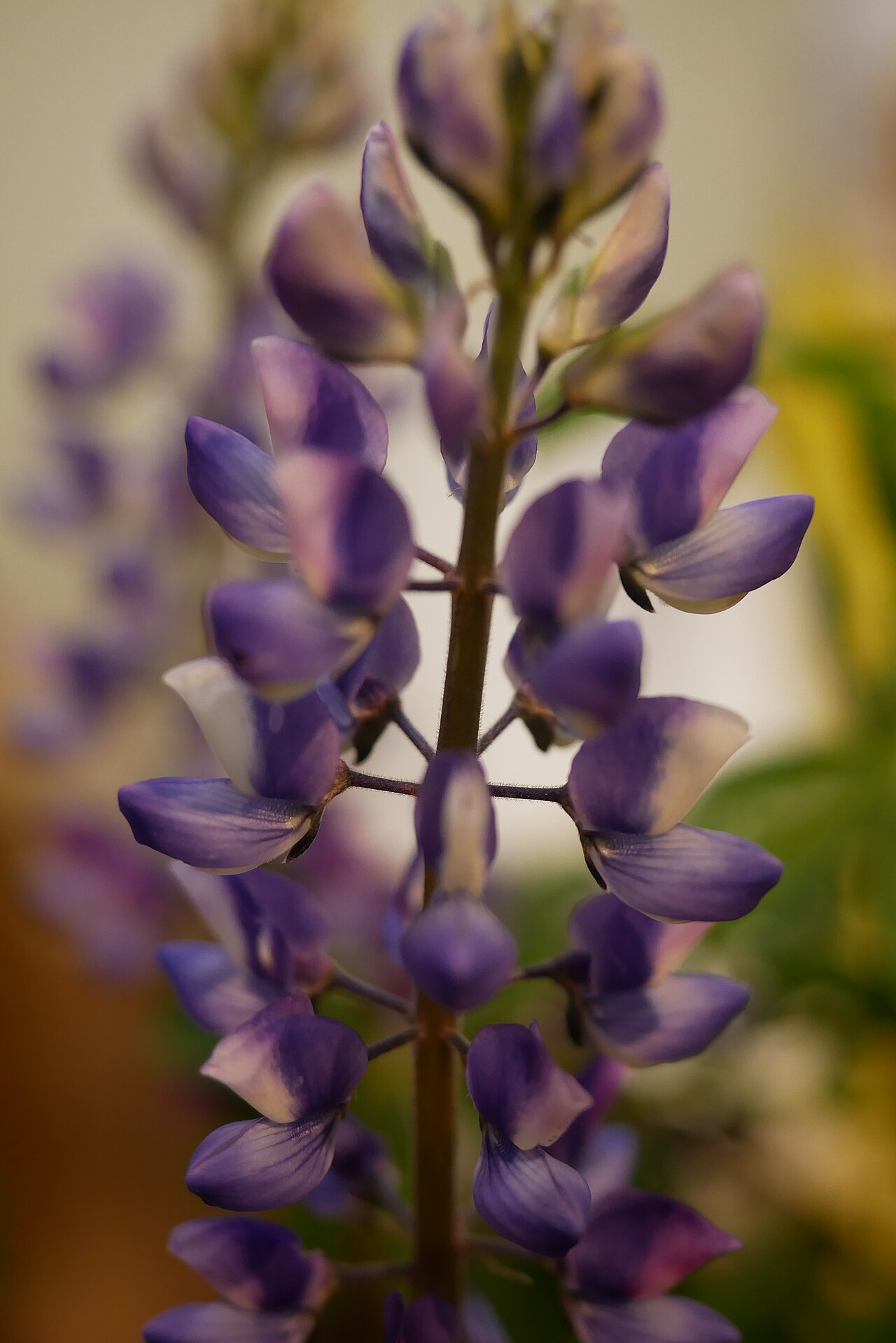
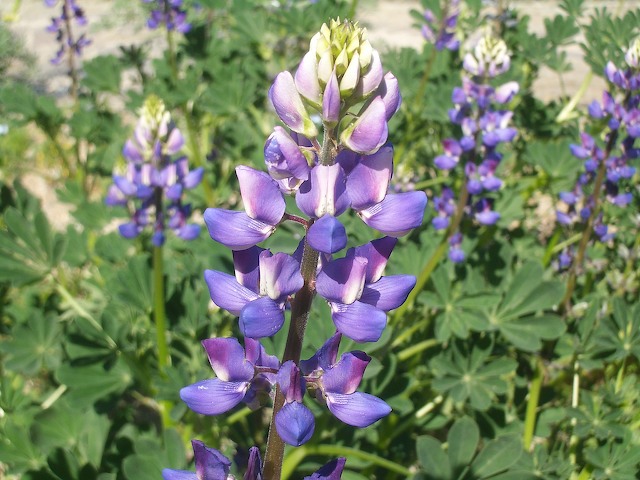
Flowers are borne in dense, showy spikes (racemes) 4 to 10 inches long at the stem tips, each spike packed tightly with whorled, pea-shaped blooms. Individual flowers are about ½ to ¾ inch long, deep purple-blue with a paler, whitish-to-yellowish patch on the banner petal. Bloom typically runs from February through May, often starting earlier than many other California annual lupines.
Fruit & Seeds
Flowers mature into stout, hairy seed pods about 1 to 1½ inches long. When fully ripe, the pods split open explosively, in some cases flinging seed several feet from the parent plant — one reason arroyo lupine spreads and naturalizes so readily once established.
Quick Facts
| Scientific Name | Lupinus succulentus |
| Family | Fabaceae (Legume) |
| Plant Type | Annual wildflower |
| Mature Height | 1–3 ft |
| Mature Spread | 1–2½ ft |
| Growth Rate | Fast (annual life cycle) |
| Sun Exposure | Full sun |
| Water Needs | Low; relies on winter-spring rainfall |
| Soil Type | Adaptable; tolerates clay, loam and disturbed soils |
| Soil pH | 6.0–7.5 |
| Bloom Time | February – May |
| Flower Color | Deep purple-blue with pale banner patch |
| Fall Color | None (annual, dies back after seed set) |
| Fruit | Stout hairy seed pods, splitting open explosively |
| Deer Resistant | Somewhat (mildly toxic alkaloids deter some browsing) |
| USDA Hardiness Zones | Grown as a cool-season annual; zones 8–10 |
Native Range
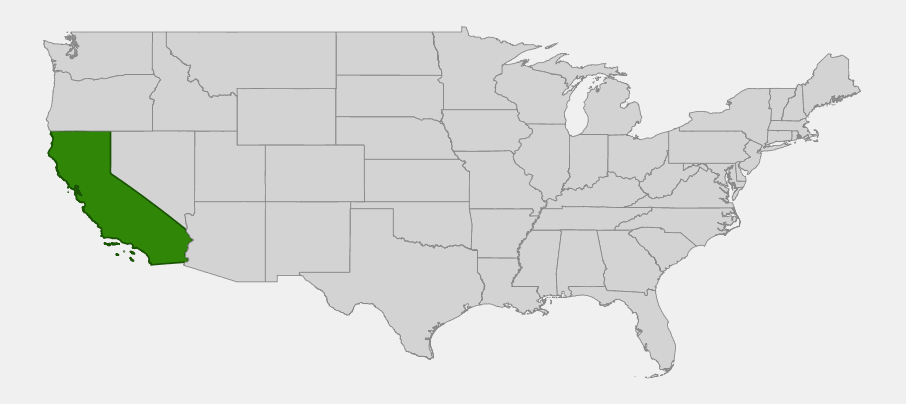
Arroyo lupine is native to California, where it is widespread from the coastal counties and Central Valley into the southern part of the state, commonly growing in seasonally moist drainages (arroyos), grasslands, and disturbed open ground such as roadsides and vacant fields. Some sources also describe populations in adjacent Baja California, Mexico, and report its presence in Arizona, though botanical authorities disagree on whether the Arizona occurrences represent a genuinely native population or an introduction, so Arizona is not included here as confirmed native range.
Within California it grows from near sea level into the lower foothills, generally below about 3,000 feet, often in the same seasonally wet-then-dry swales and low areas that give the species its common name. It tolerates a wider range of soils, including heavier clay, than many other native annual lupines, which partly explains its success on disturbed ground.
Gardeners outside California should treat arroyo lupine as an adapted reseeding annual for wildflower mixes rather than a regional native, and should confirm local weediness concerns before large-scale seeding, since its vigorous reseeding habit that makes it easy in a native meadow can also let it spread beyond an intended planting area.
📋 Regional plant lists featuring Arroyo Lupine: California & Nevada
Growing & Care Guide
Arroyo lupine is one of the easiest and fastest California annual wildflowers to establish, tolerant of poorer and heavier soils than many of its relatives.
Light
Full sun produces the sturdiest plants and the heaviest bloom. In partial shade it will still grow and flower but tends to stretch and flop.
Soil & Water
Arroyo lupine adapts to a wide range of soils, including clay, that would trouble many other annual wildflowers — a legacy of its native habitat in seasonally wet-then-dry arroyos. As a legume, it fixes its own nitrogen and generally does not need fertilizer; overly rich soil can push it toward excess leafy growth. Water to germinate and establish seedlings after fall sowing, then let winter and spring rain carry the planting; by late spring, as pods mature, supplemental water should be reduced or stopped.
Planting Tips
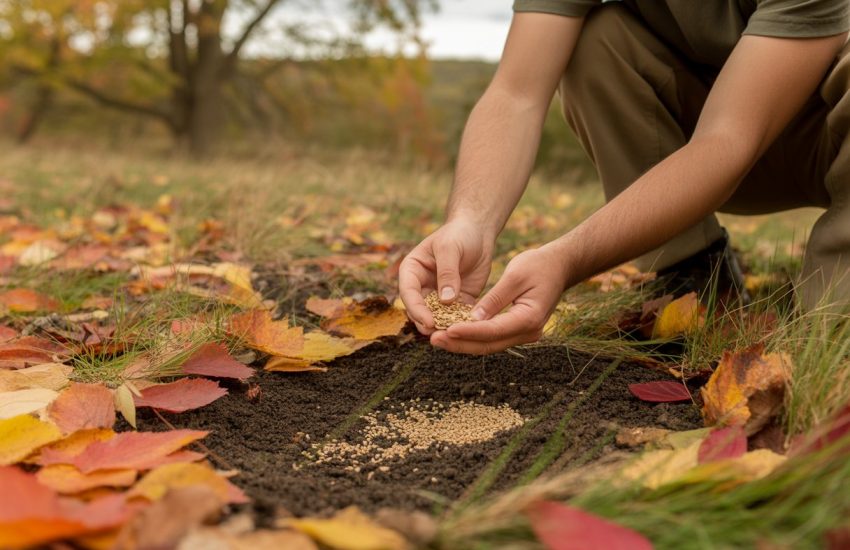
Sow seed directly in fall; scarifying the hard seed coat improves germination rates. Inoculating seed with the appropriate Rhizobium bacteria helps establish strong nitrogen fixation in soil that hasn’t previously grown lupines. Arroyo lupine germinates and grows quickly, often flowering earlier in the season than other California annual lupines, and it reseeds readily once established.
Pruning & Maintenance
No pruning is required. Leave spent flower spikes in place if you want the planting to self-sow for future years; remove them before pods split if you want to limit spread. Once the plant finishes its annual cycle in late spring, let it dry back naturally or clear it for summer plantings.
Propagation
Propagation is by seed, collected from dry pods just before they split open explosively. Store seed cool and dry until fall sowing. Because arroyo lupine reseeds vigorously on its own, an established planting often needs no further seed collection to persist.
Landscape Uses
- Wildflower meadows mixed with California poppy and other spring annuals
- Erosion control and revegetation on disturbed slopes and roadsides
- Low spots and seasonal swales that stay moist in winter and dry in summer
- Pollinator gardens for native bees and bumblebees
- Clay-soil gardens where many other wildflowers struggle
Wildlife & Ecological Value
Arroyo lupine’s dense, early spikes of flowers make it an important nectar source in California grasslands at the start of the spring bloom season.
For Pollinators
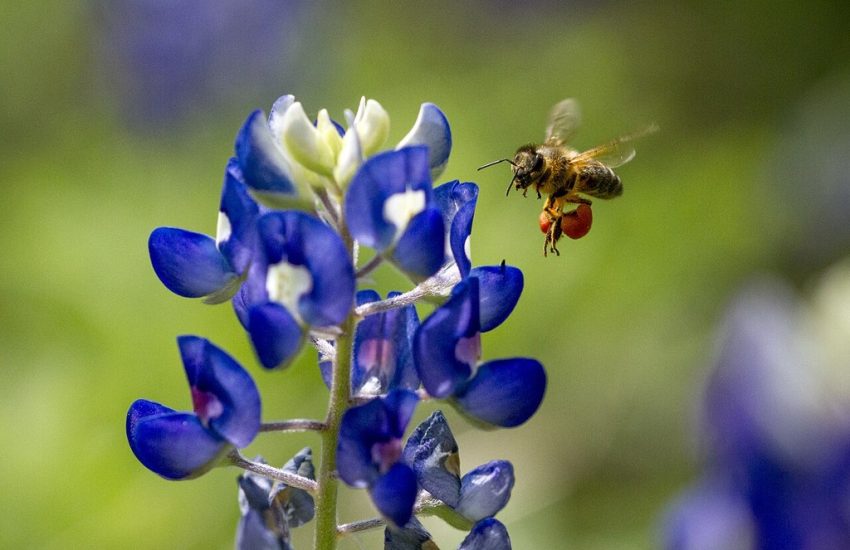
The flowers are visited heavily by native bumblebees and other large-bodied bees capable of tripping the keel-petal pollination mechanism common to lupines; smaller bees and some butterflies also visit for nectar. Its earlier bloom time compared with many other California lupines makes it a valuable early-season resource for emerging bees.
Birds
Seed-eating birds take some mature seed from dried pods, though as with other lupines this is a minor part of most birds’ diet relative to grass and forb seeds.
Mammals
Like other lupines, arroyo lupine’s foliage and seeds contain quinolizidine alkaloids that are mildly toxic and generally discourage heavy browsing by deer and livestock, although young, tender growth may be grazed lightly. Livestock producers should be cautious about dense stands on grazing land, particularly for pregnant animals.
Ecosystem Role
As a vigorous nitrogen-fixing annual, arroyo lupine helps enrich disturbed and nutrient-poor soils, often acting as an early colonizer on bare or recently disturbed ground that paves the way for other native grassland species to follow.
Cultural & Historical Uses
Arroyo lupine does not have a well-documented history of use as a food plant, consistent with the toxic alkaloids present in the foliage and seeds of most California lupine species. Its historical significance is largely as a conspicuous and easily recognized component of the state’s spring wildflower displays, especially on disturbed ground and along roadsides where it often appears in large numbers.
In more recent decades it has become a popular, fast and reliable choice in California native wildflower seed mixes, valued by restoration practitioners and home gardeners alike for its vigor, its tolerance of difficult soils, and its showy, early bloom.
Frequently Asked Questions
Is arroyo lupine the same as succulent lupine?
Yes, both names refer to Lupinus succulentus; “succulent” and “hollowleaf” both describe its notably thick, fleshy leaves and hollow stems compared with other annual lupines.
Is arroyo lupine toxic?
Yes, like most lupines, its foliage and seeds contain alkaloids that are toxic in quantity to livestock and can cause illness if ingested in large amounts by people or animals. It should not be regarded as an edible plant.
Will arroyo lupine take over my garden?
It reseeds readily and can spread beyond its original planting area if pods are allowed to mature and split. If you want to contain it, deadhead spent spikes before the pods open.
How does arroyo lupine differ from sky lupine?
Arroyo lupine is larger and coarser overall, with thicker, glossier, more succulent leaves and stouter hollow stems, while sky lupine is smaller, softer-leaved and more delicate in appearance.
Does arroyo lupine need fertilizer?
No — as a nitrogen-fixing legume it generally needs no fertilizer, and overly rich soil can reduce flowering in favor of leafy growth.

Looking for a nursery that carries Arroyo Lupine?
Browse our native plant nursery directory: California