Big Leaf Maple (Acer macrophyllum)
Acer macrophyllum, commonly known as Big Leaf Maple, is the Pacific Northwest’s signature deciduous tree and the only commercially important maple species west of the Cascade Range. Also called Oregon Maple, this magnificent tree is instantly recognizable by its enormous leaves—the largest of any maple species in the world—which can reach up to 2 feet across. Native to the coastal regions from southeast Alaska to southern California, Big Leaf Maple forms the backbone of Pacific Northwest riparian forests and mixed hardwood stands. Its massive size potential (up to 158 feet tall), spectacular golden fall color, and ecological versatility make it a cornerstone species in both wild ecosystems and cultivated landscapes. From Indigenous basket weaving traditions to modern furniture veneer, from wildlife habitat to maple syrup production, Big Leaf Maple represents the essence of Pacific Coast forest biodiversity and cultural heritage.
Quick Facts
| Scientific Name | Acer macrophyllum |
| Plant Type | Large deciduous tree |
| Height | 50-100 feet (15-30 m), rarely to 158 feet (48 m) |
| Sun Exposure | Full sun to partial shade |
| Water Needs | Moderate to high; prefers consistent moisture |
| Soil Type | Adaptable; best in rich, moist, well-draining soils |
| Soil pH | 6.0-7.5 (slightly acidic to slightly alkaline) |
| Bloom Time | Early spring (March-May) |
| Flower Color | Greenish-yellow |
| USDA Hardiness Zones | 6-9 |
Identification
When identifying Big Leaf Maple in the field, pay close attention to the combination of characteristics rather than relying on any single feature. Seasonal changes can significantly alter the plant’s appearance, with different identification markers being most prominent during different times of year. Spring emergence patterns, summer foliage characteristics, fall color changes, and winter structure all provide valuable identification clues.
The habitat context is also crucial for accurate identification. Big Leaf Maple typically grows in specific ecological niches that provide important clues about its identity. Understanding the plant’s preferred growing conditions, associated species, and elevation preferences can help distinguish it from similar-looking relatives or introduced species that might occur in the same region.
Big Leaf Maple is unmistakable among North American trees, distinguished primarily by its enormous leaves and massive size potential. When mature, few trees in Pacific Northwest forests command attention like a full-grown Big Leaf Maple with its broad, spreading crown and distinctive bark patterns.
Leaves
The leaves are the tree’s defining feature and the largest of any North American maple. Typically measuring 6-12 inches (15-30 cm) across, they can reach extraordinary sizes up to 24 inches (61 cm) in optimal conditions. Each leaf displays the classic palmate maple shape with five deeply incised lobes, though the proportions are dramatically larger than other maple species. The leaf stems (petioles) are equally impressive, measuring 6-12 inches long and containing a distinctive milky sap when broken—a unique characteristic among maples. In autumn, the massive leaves transform into spectacular displays of golden yellow, creating some of the most dramatic fall color in the Pacific Northwest.
Bark and Trunk
Young Big Leaf Maples display smooth, gray-brown bark that gradually develops the characteristic ridged and furrowed pattern with age. Mature trees develop deeply grooved bark with broad, flat ridges that can become quite pronounced on older specimens. The trunks can achieve impressive dimensions, with mature trees commonly reaching 3-6 feet in diameter, and exceptional specimens exceeding 8-12 feet.
Flowers
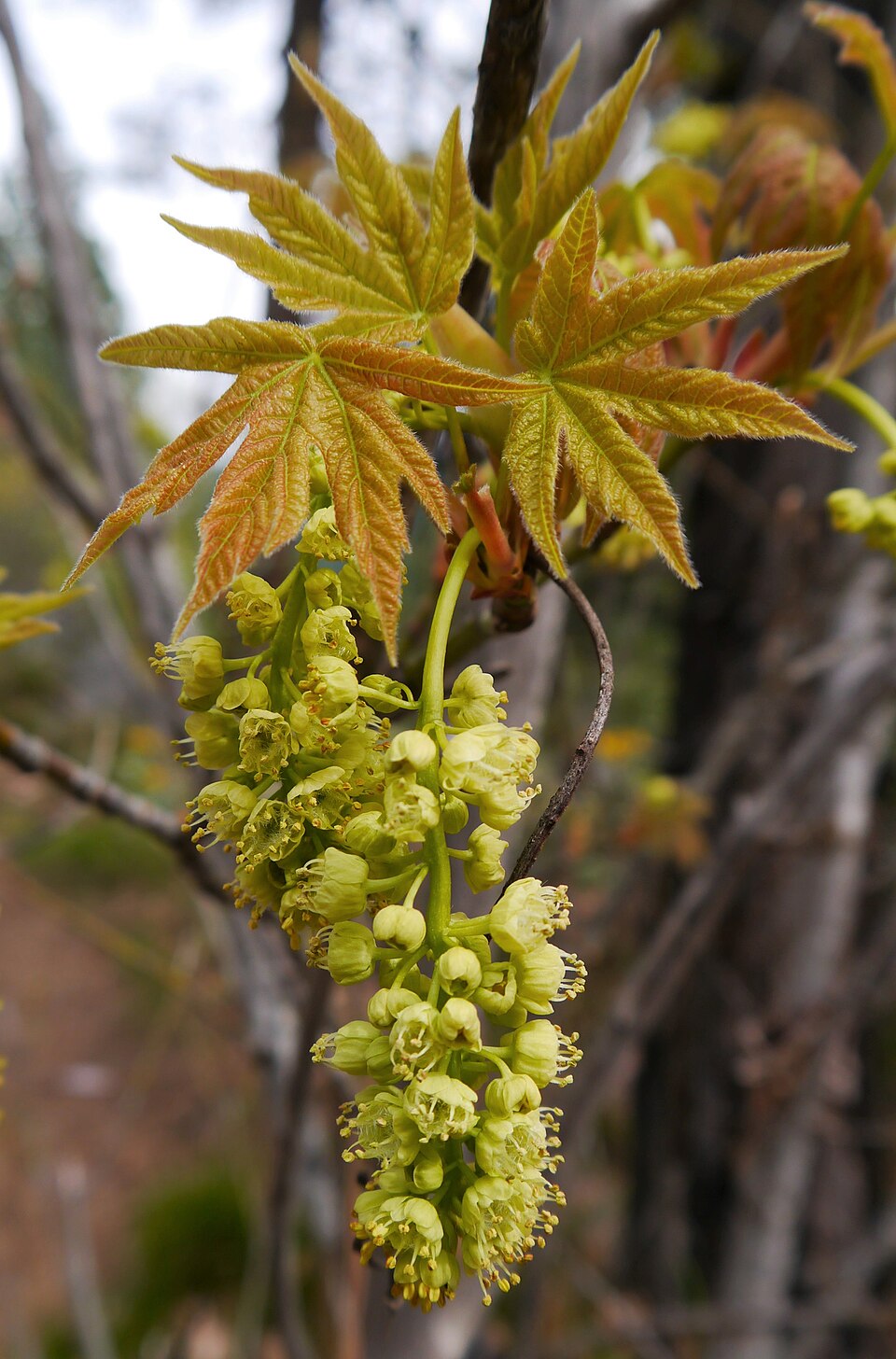
The tree produces its flowers in early spring before the leaves fully emerge, displaying them in pendulous racemes 4-6 inches (10-15 cm) long. Individual flowers are small and greenish-yellow with inconspicuous petals, but the abundant clusters create an impressive early-season display. Big Leaf Maple is hermaphroditic, with both male and female flowers appearing in the same raceme, ensuring reliable reproduction.
Seeds
The paired winged seeds (samaras) are typical of maples but proportionally large, with each seed measuring ⅜-⅝ inch (1-1.5 cm) in diameter and wings extending 1½-2 inches (4-5 cm). Trees begin producing seeds around 10 years of age, with good seed crops occurring most years.
Native Range
Big Leaf Maple occupies a distinctive Pacific coastal distribution, forming the only large deciduous forest component across much of the maritime Pacific Northwest. Its range reflects adaptation to the region’s characteristic Mediterranean climate patterns of wet winters and relatively dry summers.
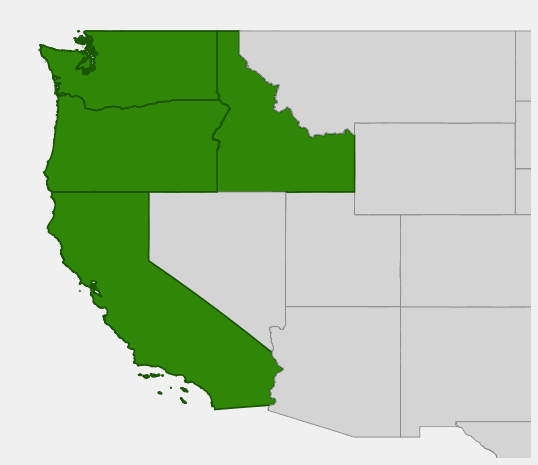
The species demonstrates remarkable adaptability within its coastal range, thriving from sea level to moderate elevations. It forms pure stands along streams and rivers but more commonly appears scattered through mixed coniferous forests or in hardwood-dominated riparian corridors. The tree’s distribution closely follows the influence of marine air masses, rarely extending far inland except along major river valleys.
📋 Regional plant lists featuring Big Leaf Maple: Western Oregon & Western Washington
Growing & Care Guide
Big Leaf Maple is among the easier large native trees to cultivate, showing remarkable adaptability to various conditions while maintaining its impressive growth rate and ultimate size.
Site Selection
Choose locations that can accommodate the tree’s eventual massive size—both height and crown spread can exceed 100 feet. The tree performs best with morning sun and some afternoon protection in hot summer areas, though it tolerates full sun in cooler coastal regions. Avoid planting too close to buildings, power lines, or other structures that the mature tree might interfere with.
Soil Requirements
While adaptable to various soil types, Big Leaf Maple thrives in rich, deep, well-draining soils with consistent moisture. It tolerates everything from sandy loams to clay soils, provided drainage is adequate. The tree shows excellent tolerance for seasonal flooding and performs exceptionally well in riparian plantings.
Water Needs
Consistent moisture produces the best growth and largest leaves. While established trees show reasonable drought tolerance, they perform best with regular water during dry periods. Deep, infrequent watering encourages proper root development and reduces surface rooting issues.
Growth Rate and Longevity
Big Leaf Maple is a relatively fast-growing tree, particularly in youth, adding 2-3 feet per year under good conditions. Trees can live 200+ years, reaching impressive dimensions given sufficient time and space. The rapid growth rate makes it excellent for reforestation projects and large-scale landscape installations.
Seasonal Care
Understanding the seasonal needs of Big Leaf Maple is essential for successful cultivation. Spring is typically the most active growth period, when the plant benefits from adequate moisture and nutrients. Summer care focuses on maintaining consistent soil moisture while avoiding waterlogged conditions. Fall preparation involves allowing the plant to naturally enter dormancy, while winter protection may be needed in exposed locations or at the edges of the plant’s hardiness range.
Propagation
Big Leaf Maple can be propagated through several methods, each with its own advantages and appropriate timing. Understanding the natural reproductive strategies of this species helps inform the most successful propagation approaches for home gardeners and restoration projects. Seed collection timing, storage requirements, and germination treatments all play important roles in successful propagation efforts.
Common Issues
While Big Leaf Maple is generally a resilient native plant, certain environmental stresses or cultural problems can affect its health and appearance. Recognizing early signs of stress, understanding common pest and disease issues, and knowing when intervention is necessary versus when to allow natural processes to occur are all important aspects of successful cultivation.
Wildlife & Ecological Value
Few Pacific Northwest trees match Big Leaf Maple’s ecological importance, supporting diverse wildlife communities while providing critical ecosystem services throughout its range.
Wildlife Food Sources
The winged seeds provide important food for squirrels, chipmunks, and various bird species including grosbeaks during winter months. Deer mice consume seeds in spring, while the foliage supports browsing by deer, elk, and smaller mammals. The tree’s flowers provide early nectar sources for various insects during the limited Pacific Northwest spring flowering period.
Habitat Structure
Large Big Leaf Maples create important structural diversity in Pacific Northwest forests. The massive trunks and broad crowns provide nesting sites for various birds, including species like barred owls that specifically prefer Big Leaf Maple habitat. The tree’s tendency to develop hollow trunks with age creates valuable den sites for mammals.
Epiphyte Gardens
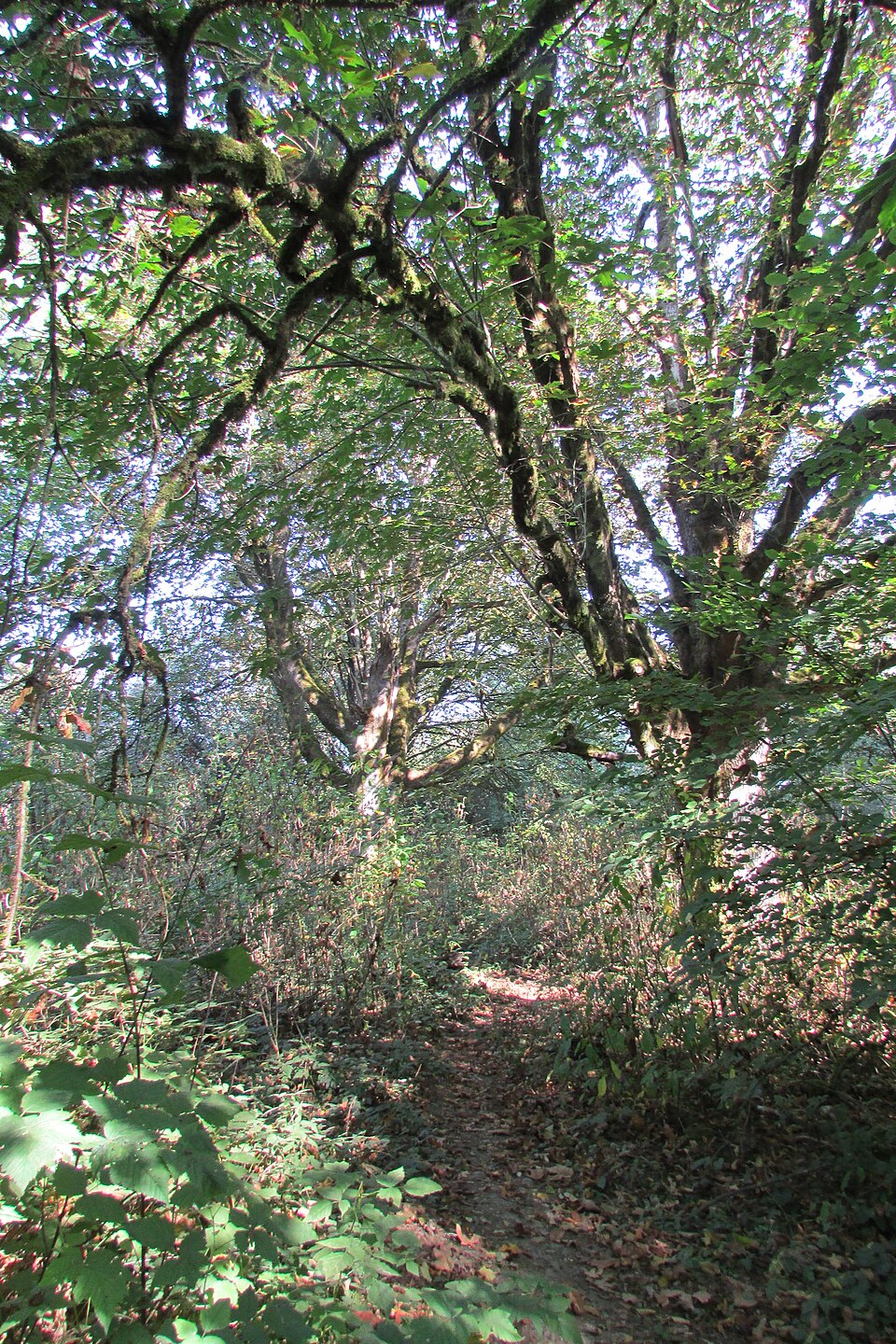
In the wetter portions of its range, Big Leaf Maple bark supports spectacular epiphyte communities including mosses, lichens, and ferns. The deeply grooved bark of mature trees can host miniature gardens of club moss, licorice fern, and various bryophytes, creating unique aerial ecosystems that support specialized invertebrate communities.
Seasonal Wildlife Value
The ecological value of Big Leaf Maple varies throughout the year, with different wildlife species taking advantage of the resources it provides during different seasons. Understanding these seasonal patterns helps appreciate the full ecological impact of including this species in native plant gardens and restoration projects.
Habitat Relationships
Beyond direct food and shelter provision, Big Leaf Maple participates in complex ecological relationships that benefit entire plant and animal communities. These indirect ecological services often exceed the obvious direct benefits and contribute to overall ecosystem health and resilience.
Traditional and Modern Uses
Big Leaf Maple has supported human communities for thousands of years and continues to provide valuable resources and aesthetic benefits today.
Indigenous Uses
Native American tribes throughout the tree’s range utilized virtually every part of Big Leaf Maple. The inner bark was woven into baskets, mats, and rope. Leaves served as food wrapping for cooking pits, while the wood was carved into dishes, utensils, and canoe paddles. Young shoots were eaten fresh or cooked, providing important early-season nutrition.
Maple Syrup Production
While not traditionally used for syrup, Big Leaf Maple sap can be processed into maple syrup with sugar concentrations similar to eastern sugar maple. The flavor profile differs slightly, and commercial production remains limited, though artisanal producers have created successful niche markets for Pacific Coast maple syrup.
Wood Products
Big Leaf Maple produces valuable hardwood timber used primarily for furniture veneer, musical instruments (including piano frames), and interior millwork. The heartwood is light reddish-brown, fine-grained, and moderately heavy. Some specimens display beautiful quilted or figured grain patterns highly prized by woodworkers.
Cultural & Historical Uses
Throughout history, Big Leaf Maple has played important roles in the cultures and economies of Indigenous peoples of the Pacific Northwest. Traditional ecological knowledge of this species spans thousands of years, with Native American tribes using various parts of the plant for food, medicine, tools, and ceremonial purposes.
Indigenous communities developed sophisticated harvesting practices that ensured sustainable use of Big Leaf Maple populations. These traditional management techniques often enhanced the productivity and health of native plant communities, demonstrating deep understanding of ecological relationships and seasonal cycles.
Early European settlers and botanists learned about Big Leaf Maple from Indigenous peoples, and many of these traditional uses were later incorporated into frontier medicine and local economies. Today, there is growing recognition of traditional ecological knowledge and efforts to incorporate Indigenous perspectives into modern conservation and restoration practices.
In contemporary times, Big Leaf Maple continues to hold cultural significance for many Pacific Northwest communities, both Indigenous and non-Indigenous. The species is increasingly valued for ecological restoration, native landscaping, and as a connection to the natural heritage of the region.
Frequently Asked Questions
How fast does Big Leaf Maple grow?
Big Leaf Maple has a moderate growth rate under optimal conditions. Growth varies depending on soil moisture, light levels, and climate conditions. In favorable sites with adequate water and appropriate light, you can expect steady annual growth that will establish a mature specimen within several years.
Is Big Leaf Maple deer resistant?
Like most native plants, Big Leaf Maple may be browsed by deer, especially during winter months when other food sources are scarce. However, established plants are generally resilient to occasional browsing. Consider using physical barriers for young plants in areas with heavy deer pressure.
When is the best time to plant Big Leaf Maple?
Fall planting is ideal for Big Leaf Maple, as it allows the root system to establish during the cool, moist winter months before the stress of summer heat. Early spring planting is also successful if you can provide consistent watering through the first growing season.
Does Big Leaf Maple need special soil conditions?
Big Leaf Maple performs best in conditions that mimic its natural habitat. While adaptable to various soil types, it thrives in well-drained soil with adequate organic matter. Match the moisture and pH conditions of its native range for optimal health and growth.
Can Big Leaf Maple be grown in containers?
Young Big Leaf Maple plants can be successfully grown in containers for a time, making them suitable for patios, decks, or as temporary plantings. However, for long-term health and full development, transplanting to the ground is recommended once the plant reaches maturity.

Looking for a nursery that carries Big Leaf Maple?
Browse our native plant nursery directory: Oregon · Washington