California Helianthella (Helianthella californica)
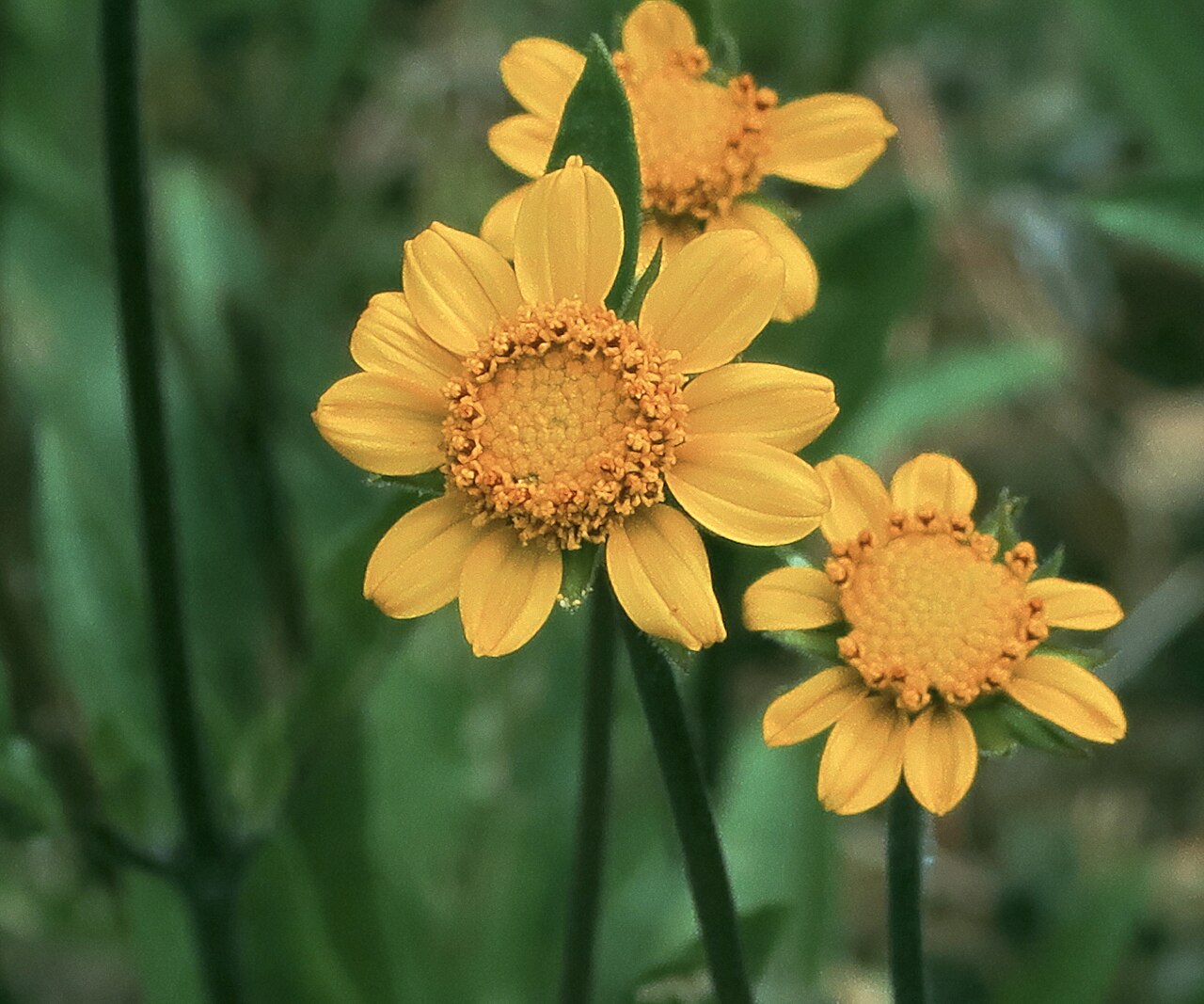
Helianthella californica, commonly known as California Helianthella, is a native perennial wildflower that brings a touch of true sunflower character to California and southern Oregon grasslands, oak woodlands, and chaparral edges each spring. It belongs to Asteraceae and, true to its name, closely resembles a miniature wild sunflower, with bright yellow, daisy-like flower heads held above a low clump of large, soft-haired basal leaves.
Growing 1 to 3 feet tall from a woody taproot, California helianthella sends up a handful of upright flowering stems each spring from a rosette of long, lance-shaped leaves. The flower heads, typically 2 to 3 inches across, have broad yellow rays surrounding a darker yellow to brownish disc center, giving them a cheerful, classic sunflower look on a smaller, wildflower scale. Several botanical varieties are recognized across its range, differing mainly in leaf shape and hairiness, but all share this same general form and spring bloom.
For California and southwestern Oregon native plant gardeners, California helianthella is a good choice for naturalistic wildflower meadows, dry woodland edges, and low-water perennial borders. It dies back to its taproot after flowering and setting seed, reappearing reliably the following spring, and its bold yellow blooms are a dependable early-season draw for native bees.
Identification
California helianthella is recognized by its sunflower-like yellow flower heads on upright stems rising from a low rosette of large, hairy, lance-shaped basal leaves, blooming in spring across California and southern Oregon grasslands and woodland edges.
Bark & Stems
Stems are herbaceous, upright, and typically unbranched or sparingly branched near the top, rising 1 to 3 feet from a stout, woody taproot and basal rosette. Stems are covered in soft hairs and die back to the ground each year after seed set, with new growth emerging from the taproot the following spring.
Leaves
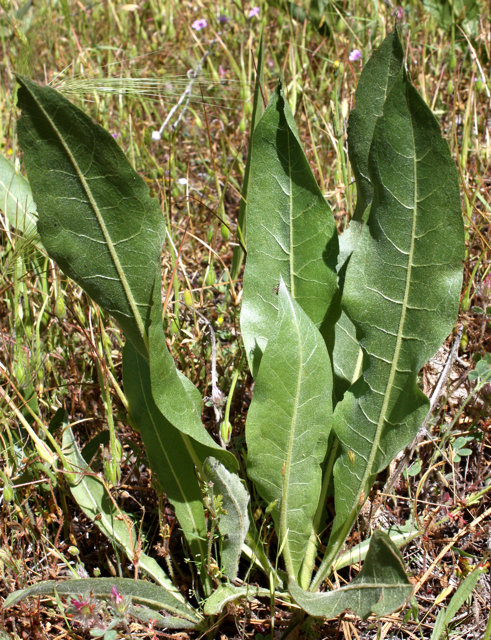
The most prominent leaves form a basal rosette, with individual leaves 4 to 10 inches long, lance-shaped to elliptical, and covered in soft, grayish hairs that give the foliage a somewhat silvery-green cast. Stem leaves are smaller, more sparsely arranged, and progressively reduced in size going up the flowering stalk. The pronounced parallel venation and silky hair give the leaves a distinctive texture useful for identification even before bloom.
Flowers
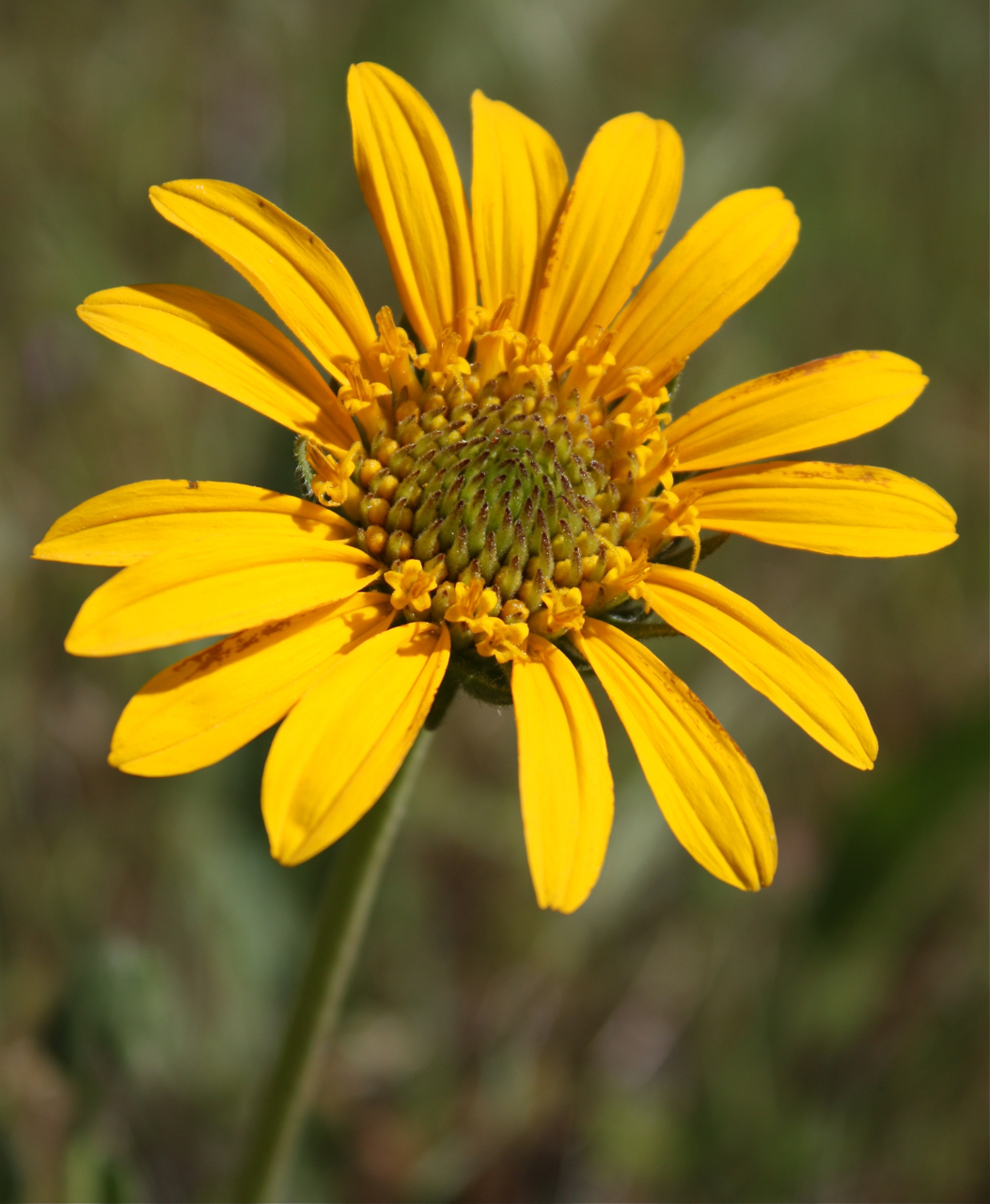
Flower heads are 2 to 3 inches across, with 8 to 21 broad, bright yellow ray florets surrounding a dense, yellow to brownish disc center. Each flowering stem usually bears one to a few heads, held well above the basal foliage. Bloom occurs from April through July depending on elevation and local conditions, with lower, warmer sites flowering earliest in the season.
Fruit & Seeds
Fruits are flattened, somewhat hairy achenes, typically with a reduced or absent pappus, characteristic of the genus. Seed heads dry and release seed through summer as the plant dies back to its taproot for the dry season.
Quick Facts
| Scientific Name | Helianthella californica |
| Family | Asteraceae (Sunflower) |
| Plant Type | Herbaceous Perennial (taprooted) |
| Mature Height | 1–3 ft |
| Mature Spread | 1–2 ft |
| Growth Rate | Moderate |
| Sun Exposure | Full Sun to Light Shade |
| Water Needs | Low |
| Soil Type | Loam or clay-loam; well-drained |
| Soil pH | 6.0–7.5 (slightly acidic to neutral) |
| Bloom Time | April – July |
| Flower Color | Bright yellow |
| Fall Color | None (dies back to taproot after bloom) |
| Fruit | Small, flattened hairy achenes |
| Deer Resistant | Somewhat (occasionally browsed) |
| USDA Hardiness Zones | 7–9 |
Native Range
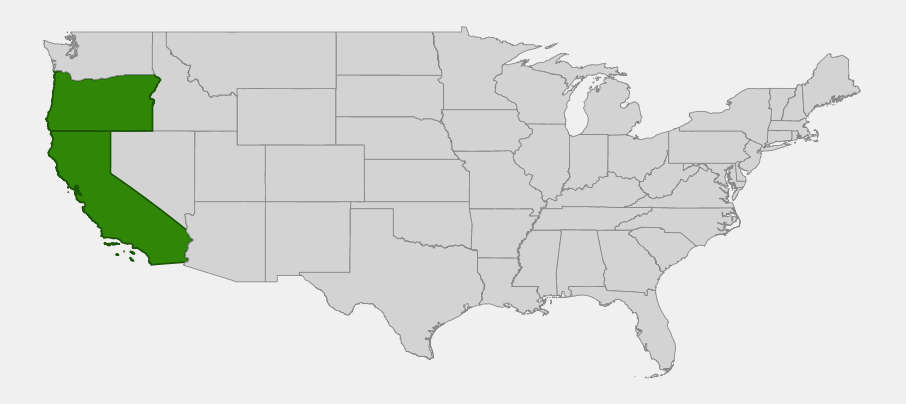
California helianthella is native to California, where it occurs widely from the Coast Ranges and Sierra Nevada foothills to parts of southern California, and extends north into the Siskiyou region and southern Oregon. It is primarily a species of the Pacific Coast states, favoring open, sunny sites at low to moderate elevations.
Within this range it grows in open grasslands, oak woodland edges, and chaparral openings, typically on well-drained loam or clay-loam soils that are moist in winter and spring and dry out over summer, a pattern typical of California’s Mediterranean climate. It is often found alongside native bunchgrasses and spring wildflowers in these seasonally dry plant communities.
California helianthella is not documented as native outside California and the southern Oregon portion of its range; gardeners farther north, east, or outside this Mediterranean-climate zone should treat it as a regional specialty rather than a plant for a broader geography.
📋 Regional plant lists featuring California Helianthella: California & Nevada · Western Oregon & Western Washington
Growing & Care Guide
California helianthella is a rewarding, low-maintenance wildflower for gardeners in its native range, bringing reliable spring color with minimal summer water once established.
Light
Plant in full sun to very light shade. California helianthella flowers most reliably with good sun exposure, though it tolerates the dappled light found at the edge of oak woodlands, mimicking its natural habitat.
Soil & Water
Well-drained loam or clay-loam soils suit it best, reflecting its native grassland and woodland-edge habitat. It needs regular moisture during its late winter and spring growth period but should dry out over summer once it has finished blooming and died back, in keeping with California’s natural rainfall pattern. Overwatering during summer dormancy can rot the taproot.
Planting Tips
Plant from containers or direct-sow seed in fall, allowing winter and spring rains to establish the root system before summer dryness arrives. Space plants 12 to 18 inches apart in a naturalistic wildflower meadow or border planting. Established plants are long-lived from their taproot and will reliably resprout each spring without needing replanting.
Pruning & Maintenance
No pruning is needed beyond removing spent flowering stems after seed has matured, if a tidier appearance is desired, or leaving them to self-sow in a naturalistic planting. The plant dies back on its own each summer and requires no cutting back; simply allow the foliage to go dormant naturally.
Landscape Uses
California helianthella’s classic wildflower look suits a range of garden styles:
- Native wildflower meadows and seasonal grassland plantings
- Oak woodland edge gardens
- Low-water perennial borders in Mediterranean-climate gardens
- Pollinator gardens, for early-to-mid spring bloom
- Restoration plantings in California grassland and chaparral-edge habitats
Wildlife & Ecological Value
California helianthella’s bright spring blooms make it a valuable, reliable nectar source in California grassland and woodland-edge plant communities, particularly for native bee species active during its bloom window.
For Pollinators
The large, open flower heads are readily accessible to a range of native bees and other pollinating insects, which visit for both nectar and pollen. Its bloom timing in spring overlaps with many other California wildflowers, adding to the overall floral diversity available to early-season pollinators.
For Birds
Seed-eating birds forage on the ripening achenes in summer as the plant dies back, taking advantage of the seed heads before they fully disperse.
For Mammals
The foliage and flowering stems are occasionally browsed by deer and other grazing animals, though the plant is not a preferred browse species and generally persists even under moderate grazing pressure thanks to its woody taproot.
Ecosystem Role
As a long-lived, taprooted perennial, California helianthella contributes structural diversity to grassland and woodland-edge plant communities that are otherwise often dominated by annual grasses and wildflowers. Its deep taproot helps it persist through California’s dry summers and access soil moisture unavailable to shallower-rooted annuals, making it a dependable presence in the same spots year after year.
Cultural & Historical Uses
Documentation of specific traditional uses of Helianthella californica by Indigenous peoples of California is limited compared to more widely studied regional plants, though it is a familiar member of the grassland and oak woodland plant communities these groups long stewarded and drew many food and fiber resources from.
The genus name Helianthella, a diminutive of Helianthus (true sunflower), directly reflects the plant’s resemblance to a smaller wild sunflower, a connection noted by botanists since the genus was first described in the nineteenth century.
Today, California helianthella is valued primarily by native plant gardeners and restoration practitioners for its reliable spring display and its fit within California’s grassland and woodland-edge native plant communities.
Frequently Asked Questions
Is California helianthella the same as a sunflower?
No, though it closely resembles one and belongs to the same family (Asteraceae). California helianthella is a distinct genus, Helianthella, a smaller perennial wildflower rather than the larger annual Helianthus sunflowers.
Does California helianthella die back every year?
Yes, the above-ground growth dies back to the taproot after flowering and seed set each summer, which is normal, and the plant resprouts reliably from the same root the following spring.
How much water does California helianthella need in summer?
Very little to none. It is adapted to California’s dry summers and generally should not be watered heavily once it has finished blooming and entered summer dormancy, to avoid rotting the taproot.
Where does California helianthella grow outside California?
Its native range extends into southern Oregon as well, but it is not documented as native farther north, east, or outside the Mediterranean-climate zone of the Pacific Coast.
Is California helianthella deer resistant?
It is only somewhat deer resistant; deer will occasionally browse the foliage and flowering stems, though established plants generally survive moderate browsing thanks to their persistent taproot.

Looking for a nursery that carries California Helianthella?
Browse our native plant nursery directory: California · Oregon