
Carolina Phlox (Phlox carolina)
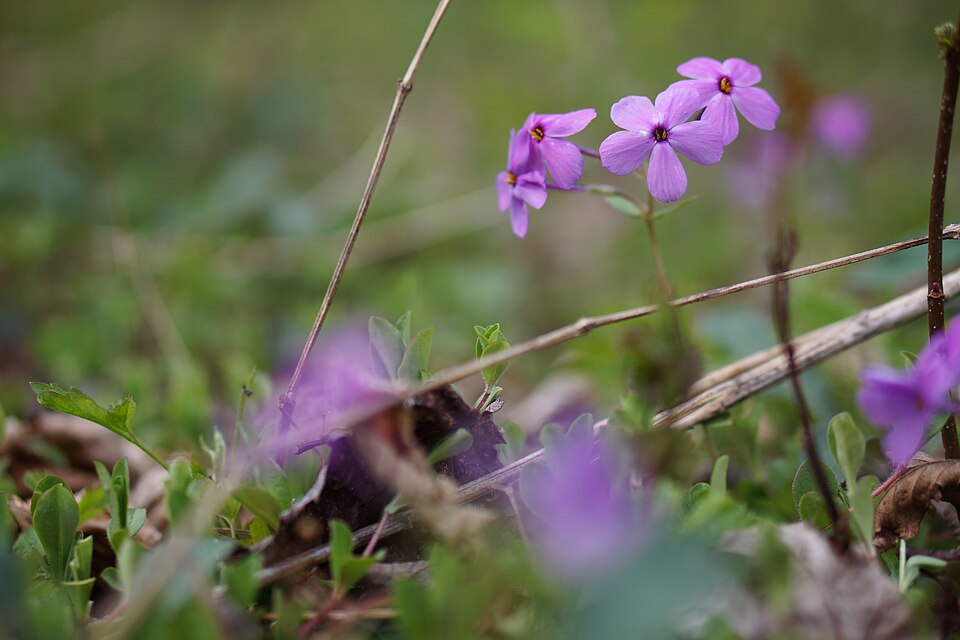
Phlox carolina, commonly known as Carolina Phlox or Thick-leaf Phlox, is a stunning native perennial that brings vibrant color and sweet fragrance to woodland gardens and naturalized areas throughout the southeastern United States. This member of the Polemoniaceae (phlox) family is distinguished from its more common cousin, Garden Phlox (P. paniculata), by its earlier flowering time, thicker leaves, and more compact growth habit, making it an excellent choice for gardeners seeking reliable spring-to-early-summer color.
Native to open woodlands, forest edges, and clearings from Arkansas and Louisiana north to the Carolinas, Carolina Phlox represents the perfect combination of ornamental beauty and ecological value. The plant produces dense clusters of fragrant, five-petaled flowers in shades ranging from deep pink to purple, occasionally white, creating spectacular displays that rival any cultivated perennial. Its earlier flowering period — typically May through June — makes it particularly valuable for extending the season of interest in native plant gardens.
Growing 2 to 4 feet tall with a clump-forming habit, Carolina Phlox thrives in partial shade and moist, well-drained soils, though it adapts to various growing conditions once established. Its thick, lance-shaped leaves provide attractive foliage throughout the growing season, while its flowers attract butterflies, hummingbirds, and other pollinators during the critical late spring period when many early bloomers have finished and summer flowers have yet to begin.
Identification
Carolina Phlox is a herbaceous perennial that forms neat, upright clumps typically 2 to 4 feet tall and 18 to 24 inches wide. The plant’s growth habit is more compact and manageable than that of Garden Phlox, making it well-suited to smaller garden spaces.
Stems & Growth Habit
The stems are sturdy, upright, and unbranched below the flower clusters, with a slightly hairy texture. They emerge from a central crown and maintain their upright habit throughout the growing season without the tendency to flop that sometimes affects taller phlox species. The overall growth form is neat and tidy, forming attractive clumps that expand slowly over time.
Leaves
The leaves are one of Carolina Phlox’s most distinctive features — they are thick, leathery, and lance-shaped, typically 2 to 4 inches long and ½ to 1 inch wide. Unlike Garden Phlox, which has thinner leaves, Carolina Phlox leaves are notably thick and substantial, giving the plant its alternate common name “Thick-leaf Phlox.” The leaves are arranged in opposite pairs along the stem and have smooth margins and prominent parallel veining. They are typically dark green with a glossy surface that helps distinguish this species from other phlox.
Flowers
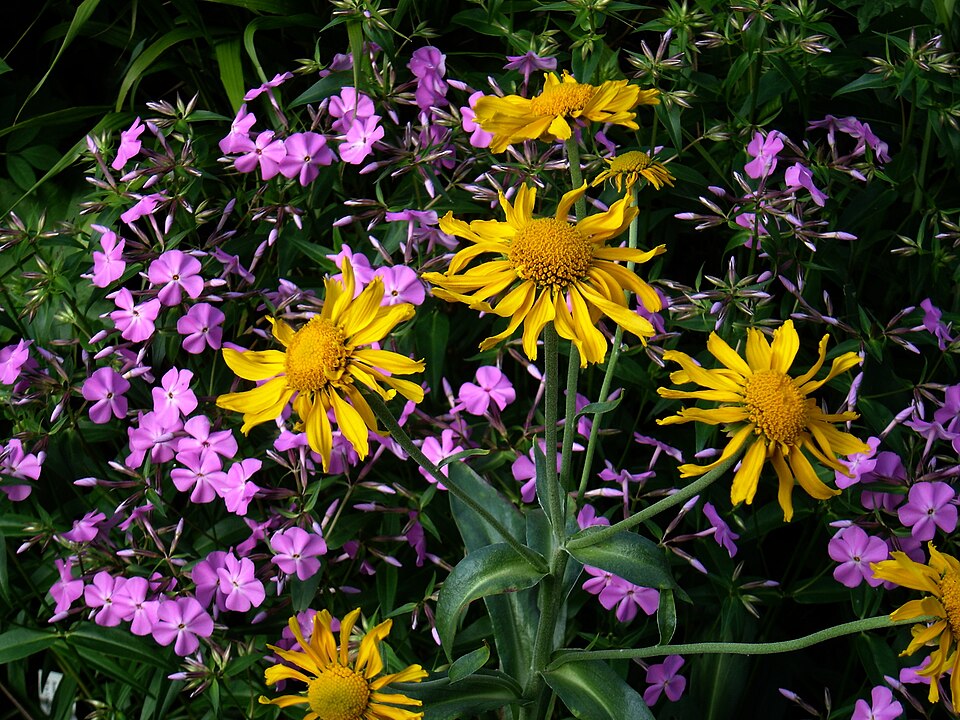
The flowers are Carolina Phlox’s crowning glory — fragrant, five-petaled blooms arranged in dense, rounded to slightly elongated terminal clusters (corymbs). Each individual flower is about ¾ to 1 inch across with five flat petals that may be pink, purple, magenta, or occasionally white. The petals are often slightly notched at the tips and may show lighter or darker color variations. The flowers have a sweet, honey-like fragrance that is particularly noticeable in the evening. The blooming period typically extends from May through June, earlier than most other phlox species.
Root System
Carolina Phlox has a fibrous root system that forms a gradually expanding clump. Unlike some aggressive spreaders, it increases in size slowly and remains well-behaved in garden settings. The root system is relatively shallow but dense, making the plant responsive to mulching and consistent moisture.
Quick Facts
| Scientific Name | Phlox carolina |
| Family | Polemoniaceae (Phlox) |
| Plant Type | Herbaceous Perennial |
| Mature Height | 2–4 ft |
| Sun Exposure | Part Shade to Full Sun |
| Water Needs | Moderate |
| Bloom Time | May – June |
| Flower Color | Pink to purple, occasionally white |
| USDA Hardiness Zones | 4–8 |
Native Range
Carolina Phlox has a distinctive but somewhat limited native range in the southeastern United States, extending from Arkansas and Louisiana eastward through the Carolinas and into parts of Georgia and Tennessee. This distribution pattern reflects the species’ preference for the warm, humid conditions and acidic soils characteristic of the southeastern Coastal Plain and lower Piedmont regions.
Throughout its native range, Carolina Phlox typically inhabits open woodlands, forest edges, and clearings where it receives partial shade to filtered sunlight. It is often found in association with native azaleas, dogwoods, and other understory shrubs in mixed hardwood forests dominated by oaks, hickories, and pines. The species shows a preference for slightly acidic soils with good drainage but consistent moisture.
Carolina Phlox’s natural habitat includes areas that experience periodic disturbance, such as woodland edges along streams or clearings created by storms or fire. This adaptability to edge conditions has made it an excellent candidate for cultivation in garden settings, where it can bridge the gap between formal perennial borders and more naturalized woodland areas.
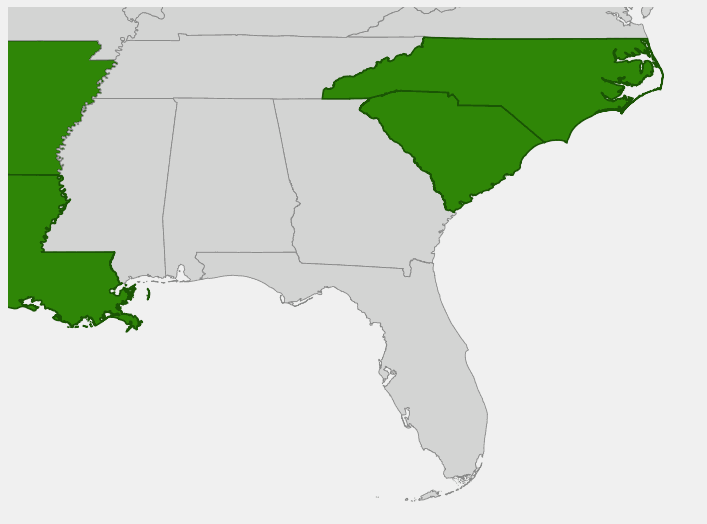
📋 Regional plant lists featuring Carolina Phlox: North Carolina & South Carolina
Growing & Care Guide
Carolina Phlox is generally easier to grow and more disease-resistant than its taller cousin, Garden Phlox, making it an excellent choice for both beginning and experienced gardeners.
Light
Carolina Phlox performs best in partial shade to full sun, though it shows remarkable adaptability to various light conditions. In its native woodland edge habitat, it typically receives morning sun with filtered afternoon shade. In northern climates, it can handle full sun if given adequate moisture, while in hot southern regions, some protection from intense afternoon sun helps prevent heat stress and maintains better flower color.
Soil & Water
This species thrives in rich, well-drained soil with consistent moisture, particularly during the growing and flowering seasons. It prefers slightly acidic soil (pH 5.5–6.5) amended with organic matter such as compost or leaf mold. While Carolina Phlox appreciates regular watering, it is more drought-tolerant than many other phlox species once established. Good drainage is essential, as waterlogged conditions can lead to root rot and other fungal problems.
Planting Tips
Plant Carolina Phlox in spring or early fall, spacing plants 18 to 24 inches apart to allow for air circulation and natural growth. Choose locations with good air movement to help prevent powdery mildew, though this species is generally less susceptible to this problem than Garden Phlox. When planting, work compost into the soil and establish a 2-3 inch layer of organic mulch to retain moisture and suppress weeds.
Pruning & Maintenance
Carolina Phlox requires minimal maintenance. Deadhead spent flowers to encourage a potential second flush of blooms and prevent excessive self-seeding. In late fall or early spring, cut stems back to about 6 inches from the ground. The plant rarely needs division but can be divided every 4-5 years in early spring if desired. Unlike taller phlox species, Carolina Phlox rarely requires staking due to its compact, sturdy growth habit.
Landscape Uses
Carolina Phlox’s manageable size and reliable performance make it valuable in various garden settings:
- Perennial borders — provides mid-height structure and spring color
- Woodland gardens — perfect for naturalized shade plantings
- Pollinator gardens — attracts butterflies and beneficial insects
- Fragrance gardens — sweet-scented flowers are delightful near pathways
- Cut flower gardens — excellent for bouquets and arrangements
- Foundation plantings — compact habit works well near buildings
- Native plant gardens — authentic regional choice for southeastern landscapes
Wildlife & Ecological Value
Carolina Phlox provides important ecological services during its blooming period, supporting various pollinators and beneficial insects when many spring flowers have finished and summer blooms have not yet begun.
For Butterflies
The flat-topped flower clusters and rich nectar make Carolina Phlox particularly attractive to butterflies, including swallowtails, fritillaries, and skippers. The flowers’ structure is well-suited to butterfly feeding, with a stable platform for landing and easily accessible nectar. The sweet fragrance helps guide butterflies to the flowers, especially during evening hours when many species are most active.
For Hummingbirds
While not specifically adapted for hummingbird pollination like red tubular flowers, Carolina Phlox does attract hummingbirds, particularly Ruby-throated Hummingbirds, which visit the flowers for nectar. The abundant flower clusters provide a reliable food source during the late spring period when hummingbirds are establishing territories and beginning nesting activities.
For Native Bees & Other Pollinators
Various native bees, including bumblebees, sweat bees, and small carpenter bees, visit Carolina Phlox flowers for both nectar and pollen. The flowers also attract beneficial flies, beetles, and other insects that contribute to pollination and help control pest insects in the garden. The relatively long blooming period makes this species particularly valuable for supporting pollinator populations during the transition from spring to summer.
For Moths
The sweet fragrance of Carolina Phlox is especially attractive to night-flying moths, including various sphinx moths and smaller species. These nocturnal pollinators are important for maintaining genetic diversity in plant populations and supporting the complex food webs that include bats and other nighttime predators.
Cultural & Historical Uses
Carolina Phlox has a more limited ethnobotanical history compared to some other native plants, partly due to its restricted natural range and the lack of obvious practical applications. However, some southeastern Indigenous groups were familiar with the plant and occasionally used it for ceremonial or medicinal purposes. The Cherokee and other tribes in the region sometimes gathered the fragrant flowers for decorative uses and may have used the plant in traditional medicines, though specific historical records are scarce.
The plant’s beautiful flowers and sweet fragrance did not go unnoticed by early European settlers in the Carolinas, who sometimes gathered the blooms for bouquets and home decoration. However, Carolina Phlox remained largely unknown to the broader horticultural world until the mid-20th century, when native plant enthusiasts began recognizing its garden potential.
In modern times, Carolina Phlox has gained recognition primarily as an outstanding ornamental plant that offers distinct advantages over the more commonly grown Garden Phlox. Its earlier flowering time, more compact habit, greater disease resistance, and authentic regional heritage make it increasingly popular among gardeners seeking reliable native alternatives to traditional perennials.
Plant breeders and native plant specialists have begun developing cultivars of Carolina Phlox with improved characteristics, though the straight species remains the most ecologically valuable form for supporting native wildlife. The growing interest in authentic regional plants and sustainable landscaping has brought renewed attention to this underappreciated native gem.
Frequently Asked Questions
How does Carolina Phlox differ from Garden Phlox?
Carolina Phlox blooms earlier (May-June vs. July-August), has thicker leaves, a more compact habit (2-4 ft vs. 3-6 ft), and is generally more disease-resistant than Garden Phlox. It also has better tolerance for partial shade conditions.
Is Carolina Phlox prone to powdery mildew?
Carolina Phlox is significantly less susceptible to powdery mildew than Garden Phlox, though it can still occur in very humid conditions with poor air circulation. Good spacing and air movement help prevent this issue.
Will Carolina Phlox spread aggressively?
No, Carolina Phlox forms slowly expanding clumps but is not considered invasive or aggressive. It may self-seed modestly in ideal conditions but seedlings are easy to remove if unwanted.
Can I grow Carolina Phlox from seed?
Yes, Carolina Phlox can be grown from seed, though plants may take 2-3 years to reach flowering size. Seeds benefit from cold stratification and should be sown in fall or stratified in the refrigerator for spring planting.
Does Carolina Phlox need to be divided regularly?
Unlike some perennials, Carolina Phlox can go many years without division. Divide every 4-5 years only if the center of the clump begins to die out or if you want to propagate new plants.

Looking for a nursery that carries Carolina Phlox?
Browse our native plant nursery directory: North Carolina · South Carolina