
Rusty Blackhaw Viburnum (Viburnum rufidulum)
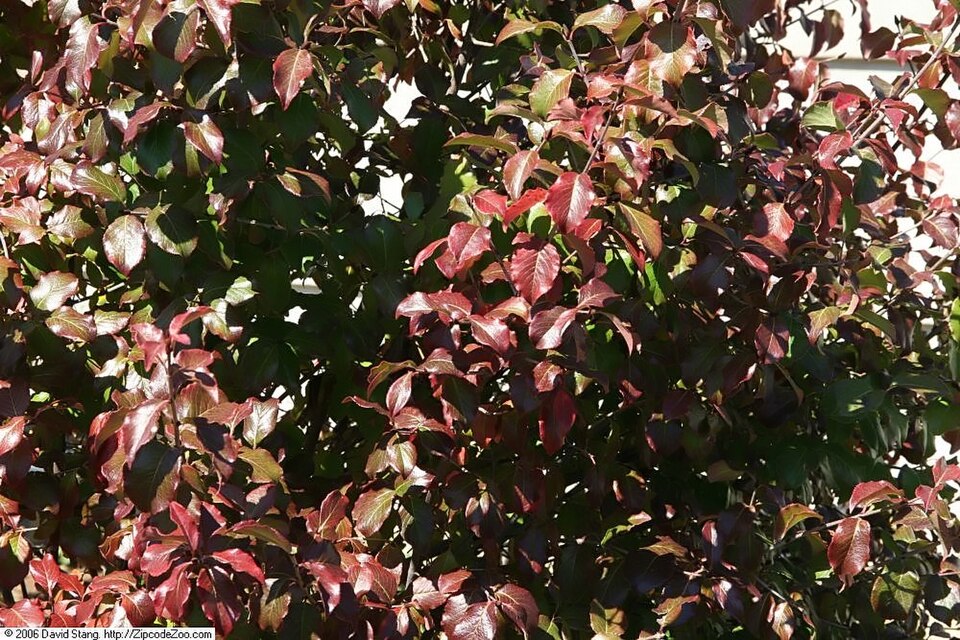
Viburnum rufidulum, commonly known as Rusty Blackhaw Viburnum or Southern Blackhaw, is a distinctive native deciduous shrub or small tree that brings exceptional beauty and wildlife value to southeastern landscapes. This member of the Adoxaceae family is renowned for its spectacular spring display of creamy white flower clusters, striking rusty-red winter buds that give the plant its common name, and brilliant fall foliage that transitions from green to rich burgundy and orange.
Growing naturally in upland forests, woodland edges, and rocky slopes throughout the southeastern United States, Rusty Blackhaw is a remarkably adaptable species that thrives in a variety of conditions from full sun to partial shade. Its mature height of 20–25 feet makes it perfect for use as an understory tree, privacy screen, or focal point in native plant gardens. The plant’s drought tolerance once established, combined with its ability to grow in both acidic and alkaline soils, makes it an excellent choice for challenging sites where other native trees might struggle.
Beyond its ornamental qualities, Rusty Blackhaw provides critical habitat and food resources for wildlife throughout the year. The abundant spring flowers attract a wide variety of pollinators, while the dark blue-black berries that follow are eagerly consumed by dozens of bird species. The dense branching structure offers excellent nesting sites and winter shelter, making this viburnum a cornerstone species for creating wildlife-friendly landscapes in the Southeast.
Identification
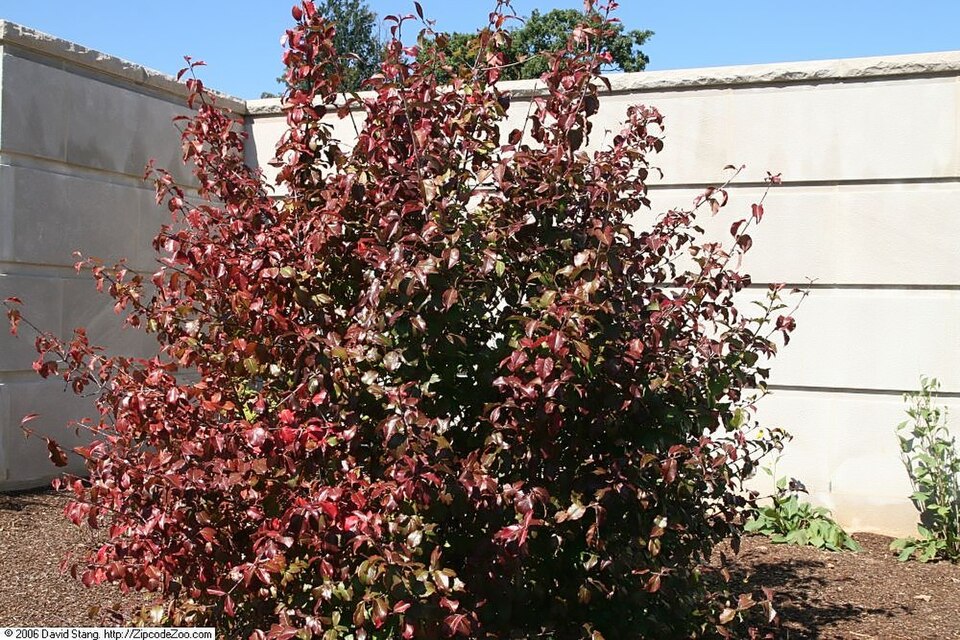
Rusty Blackhaw Viburnum typically grows as a large multi-stemmed shrub or small single-trunked tree, reaching 20–25 feet tall with a rounded, irregular crown. The plant often develops a somewhat open growth habit, with ascending branches that create an attractive natural form. Young specimens may appear more shrub-like, while mature plants in favorable conditions often develop into small trees with distinctive character.
Bark & Stems
The bark on mature trunks is dark gray to nearly black, developing a distinctive blocky, plated appearance that resembles alligator skin. Young stems are smooth and grayish, but the most distinctive identifying feature is the winter buds — they are rusty-red to rusty-brown in color, giving the plant its “rusty” common name. These buds are quite prominent and are one of the most reliable identifying characteristics, especially in winter when the plant is leafless.
Leaves
The leaves are simple, opposite, and oval to elliptical in shape, typically 2–4 inches long and 1–2.5 inches wide. They have a leathery texture and are dark green and glossy on the upper surface, with prominent veining. The margins are finely serrated with small, sharp teeth. In fall, the foliage transforms into brilliant shades of burgundy, orange, and red — often displaying multiple colors simultaneously on the same plant, creating a spectacular autumn show.
Flowers & Fruit
The flowers appear in late spring (May) in flat-topped clusters (cymes) 3–4 inches across, composed of numerous small, creamy white individual flowers. Each flower is about ¼ inch across with five petals and prominent stamens. The flower clusters are quite showy and attract a variety of pollinators. Following successful pollination, the flowers develop into clusters of small, blue-black drupes about ¼ to ⅜ inch long, ripening in late summer to early fall. These berries are eagerly consumed by birds and other wildlife.
Quick Facts
| Scientific Name | Viburnum rufidulum |
| Family | Adoxaceae (Moschatel) |
| Plant Type | Deciduous Shrub / Small Tree |
| Mature Height | 20–25 ft |
| Sun Exposure | Full Sun to Full Shade |
| Water Needs | Low to Moderate |
| Bloom Time | April – May |
| Flower Color | Creamy white |
| USDA Hardiness Zones | 5–9 |
Native Range
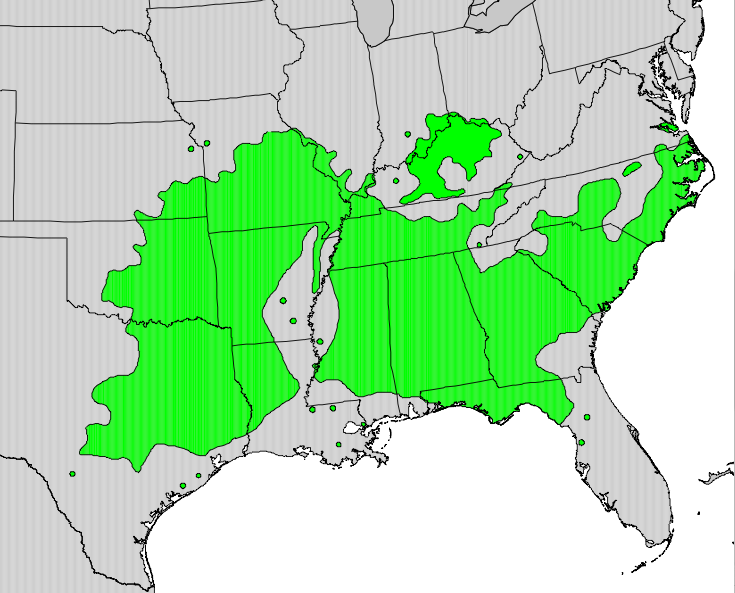
Rusty Blackhaw Viburnum is native to the southeastern United States, with a natural range extending from southern Illinois and Missouri south to eastern Texas and east to South Carolina. The species is most abundant in the Interior Low Plateaus and Ozark Highlands, where it grows naturally in upland deciduous forests, woodland edges, and rocky slopes. While primarily a species of the interior Southeast, isolated populations extend eastward into the Piedmont and coastal plains of North Carolina and South Carolina.
Throughout its range, Rusty Blackhaw typically occurs in well-drained soils of upland sites, often on limestone-derived soils where it benefits from the slightly alkaline conditions. It is commonly found in oak-hickory forests, forest edges, and openings, where it serves as an important component of the understory and forest transition zones. The species shows remarkable adaptability to various soil types and moisture conditions, thriving in everything from rocky, shallow soils to deeper, richer sites.
Climate-wise, Rusty Blackhaw is adapted to the humid subtropical conditions of the southeastern United States, with hot, humid summers and mild winters. Its drought tolerance once established makes it particularly valuable in areas subject to periodic dry spells, while its cold hardiness allows it to extend northward into the transition zone between temperate and subtropical climates. This climatic adaptability contributes to its success as a landscape plant throughout much of the Southeast.
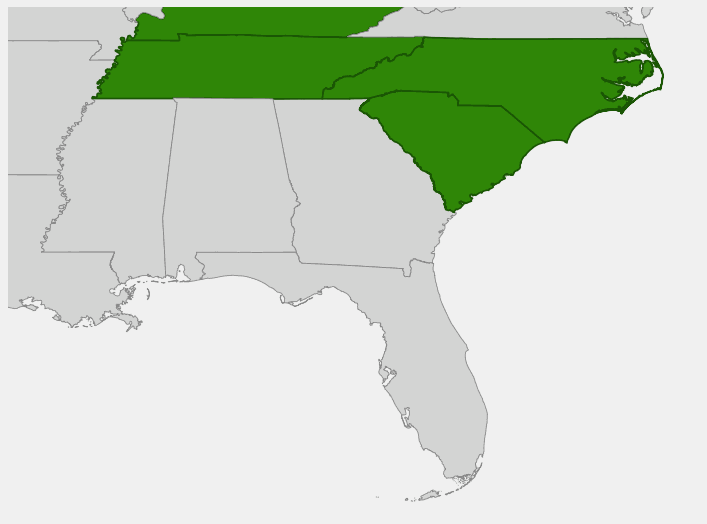
📋 Regional plant lists featuring Rusty Blackhaw Viburnum: North Carolina & South Carolina
Growing & Care Guide
Rusty Blackhaw Viburnum is a resilient and adaptable native tree that is surprisingly easy to grow once you understand its preferences. Its tolerance of diverse growing conditions, from full sun to full shade and dry to moderately moist soils, makes it one of the most versatile natives for challenging landscape situations. Following these guidelines will help ensure success in establishing and maintaining healthy specimens.
Light
One of Rusty Blackhaw’s greatest strengths is its exceptional adaptability to different light conditions, thriving in everything from full sun to full shade. In full sun locations, the plant develops a denser, more compact form with abundant flowering and fruiting, while also displaying the most brilliant fall colors. In partial shade, it grows slightly taller with a more open branching pattern but still flowers and fruits well. Even in full shade, Rusty Blackhaw performs admirably, though flowering may be reduced and the plant may develop a more sprawling habit as it reaches for available light. This remarkable flexibility makes it ideal for challenging sites where light conditions vary or for understory plantings beneath existing trees.
Soil & Water
Rusty Blackhaw exhibits remarkable drought tolerance once established, reflecting its adaptation to the variable precipitation patterns of the southeastern United States. The plant thrives in soils with low to moderate moisture levels, making it excellent for xeriscaping and water-wise landscaping. While it prefers well-drained soils, it adapts to a wide range of soil types including clay, loam, and sandy soils. The species shows particular affinity for limestone-derived or alkaline soils but grows well in acidic conditions too. Once established (typically after 2–3 growing seasons), mature plants can tolerate significant drought periods, though occasional deep watering during extended dry spells will promote optimal growth and flowering. Avoid waterlogged or consistently wet soils, as these can lead to root rot and other moisture-related problems.
Planting Tips
Plant Rusty Blackhaw in fall or early spring for best establishment, avoiding extreme summer heat or winter cold. Choose a site with good drainage and consider the mature size when spacing — allow 15–20 feet between specimens if planting multiples. The plant transplants well from container stock and establishes relatively quickly. When planting, dig a hole no deeper than the root ball but 2–3 times as wide, and backfill with native soil rather than amendments. Water deeply but infrequently during the first growing season to encourage deep root development. A 2–3 inch layer of organic mulch around the base helps retain moisture and suppress weeds, but keep mulch away from the trunk to prevent moisture-related problems.
Pruning & Maintenance
Rusty Blackhaw requires minimal pruning and is essentially maintenance-free once established. Remove dead, damaged, or crossing branches in late winter while the plant is dormant. If you prefer a more tree-like form rather than the natural multi-stemmed shrub habit, gradually remove lower branches over several years to reveal the attractive bark and create a single trunk. Avoid heavy pruning, as viburnums recover slowly from major cuts and excessive pruning can reduce flowering and fruiting. The species is naturally resistant to most pests and diseases, though occasional issues with scale insects or powdery mildew may occur in stressful growing conditions. Overall, this is a low-maintenance plant that rewards gardeners with years of beauty and wildlife value.
Landscape Uses
Rusty Blackhaw’s versatility and adaptability make it valuable in many garden settings and landscape applications:
- Specimen tree — Plant as a focal point for small to medium-sized properties where its multi-season interest can be appreciated
- Understory planting — Excellent beneath tall pines, oaks, or other canopy trees where its shade tolerance shines
- Privacy screening — Use in groups or rows to create naturalistic screens and windbreaks
- Wildlife gardens — Essential for attracting birds, butterflies, and other wildlife with its flowers, fruits, and shelter
- Woodland gardens — Perfect for naturalized forest-edge plantings and woodland restoration
- Drought-tolerant landscapes — Ideal for xeriscaping and water-wise gardens in the Southeast
- Native plant gardens — A cornerstone species for authentic southeastern native plant communities
- Erosion control — Useful on slopes and challenging sites where its adaptability and root system provide stabilization
Wildlife & Ecological Value
Rusty Blackhaw Viburnum is among the most ecologically valuable native plants for southeastern landscapes, providing critical resources for wildlife throughout the year and serving important ecosystem functions. Its multi-season appeal to diverse wildlife species makes it an essential component of any habitat garden or naturalistic landscape design.
For Birds
The dark blue-black berries of Rusty Blackhaw are consumed by over 35 species of birds, making it one of the most important native fruit sources in southeastern ecosystems. American Robins, Northern Mockingbirds, and Brown Thrashers are particularly fond of the berries, often stripping entire clusters within days of ripening. Cedar Waxwings arrive in flocks to feast on the fruit, their acrobatic feeding displays a delight to watch. Other important consumers include Northern Cardinals, Blue Jays, Northern Flickers, Pileated Woodpeckers, and various thrush species including the Hermit Thrush and Wood Thrush.
Beyond the fruit, Rusty Blackhaw provides essential nesting habitat with its dense, multi-stemmed branching structure. The thorny nature of some branches offers protection from predators, making it particularly attractive to smaller songbirds seeking secure nesting sites. Species documented nesting in Rusty Blackhaw include Northern Cardinals, Northern Mockingbirds, Brown Thrashers, and various vireo species. The plant’s extended flowering period also supports insectivorous birds by attracting the flies, beetles, and other insects that make up much of their diet during breeding season.
For Mammals
White-tailed deer browse the foliage and young twigs of Rusty Blackhaw, particularly during winter months when other food sources are scarce. However, the plant’s somewhat thorny branches and bitter-tasting compounds in the leaves make it less preferred than many other browse species, so it typically survives deer pressure better than more palatable plants. Small mammals including Eastern Gray Squirrels, Fox Squirrels, and Eastern Chipmunks consume the berries, while Raccoons and Opossums also eat the fruit when available.
The dense thicket-forming growth habit provides excellent escape cover and thermal protection for rabbits, including both Eastern Cottontails and occasional Marsh Rabbits in appropriate habitats. During winter, the persistent berries that remain on the plant after leaf drop provide a crucial food source for mammals when other resources are limited.
For Pollinators
The abundant spring flowers of Rusty Blackhaw attract a diverse array of pollinators and beneficial insects. Native bees including sweat bees (Halictus species), leafcutter bees (Megachile species), and mason bees (Osmia species) are frequent visitors, along with honeybees when managed hives are nearby. The flowers’ rich nectar and pollen resources make them particularly attractive to bees during a time when many other native plants have not yet begun blooming.
Butterflies and moths also visit the flowers, with Spicebush Swallowtails, Red-spotted Purples, and various sulfur butterflies among the documented visitors. Beneficial insects including hoverflies, tachinid flies, and predatory beetles use the flowers as nectar sources while also helping to control pest insects in the garden. The long flowering period — often extending for 3–4 weeks — provides extended resources for these important pollinators and beneficial species.
Ecosystem Role
In forest ecosystems, Rusty Blackhaw plays important roles in plant succession and habitat structure. As a shade-tolerant understory species, it helps create the multi-layered forest structure that supports diverse wildlife communities. Its ability to thrive in forest gaps and edge environments makes it valuable for maintaining habitat connectivity and providing transitional zones between forest and open areas.
The plant’s nitrogen-fixing capabilities through root associations with mycorrhizal fungi contribute to soil health and fertility. Its deep taproot system helps break up compacted soils and improve water infiltration, while its leaf litter decomposes to add organic matter and nutrients to the soil. As a long-lived species that can persist for several decades, mature Rusty Blackhaw plants become keystone components of their local ecosystems, supporting diverse communities of dependent species over time.
Cultural & Historical Uses
Rusty Blackhaw Viburnum has a rich history of use by Indigenous peoples throughout its native range, particularly among the Cherokee, Choctaw, Creek, and other southeastern tribes. The plant’s medicinal properties, practical applications, and cultural significance have been documented through oral traditions, ethnobotanical studies, and historical records spanning centuries of human interaction with southeastern ecosystems.
Traditional Cherokee medicine recognized Rusty Blackhaw as a valuable medicinal plant, with the inner bark being prepared as a tea or decoction for treating various ailments. The bark was particularly valued for its antispasmodic properties and was used to treat menstrual cramps, muscle spasms, and digestive disorders. Cherokee healers also applied poultices made from the crushed bark to treat external wounds, cuts, and skin conditions, taking advantage of the plant’s astringent and antimicrobial compounds. The timing of bark collection was carefully observed, with spring harvests considered most potent when the sap was rising.
Other southeastern tribes developed their own applications for Rusty Blackhaw. The Choctaw used the flexible young branches to make small baskets and containers, while Creek artisans incorporated the wood into arrow shafts and other tools where a strong, straight-grained wood was needed. The berries, though somewhat astringent when raw, were occasionally consumed fresh or dried for winter storage, often mixed with other wild fruits to improve palatability. Some tribes also used the berries to create natural dyes, producing colors ranging from pale yellow to deep purple depending on preparation methods.
European settlers quickly learned of Rusty Blackhaw’s medicinal properties from Indigenous peoples and incorporated it into their own folk medicine traditions. Frontier doctors and midwives used preparations of the bark as a treatment for “female complaints” and as a general tonic believed to strengthen the constitution. The plant earned common names like “cramp bark” and “squaw bush” (terms now considered inappropriate) that reflected these traditional uses. Home remedies using Rusty Blackhaw persisted well into the 20th century in rural areas of the Southeast, though modern medicine has largely replaced these traditional applications.
In contemporary times, Rusty Blackhaw has found new relevance in ecological restoration projects and sustainable landscaping initiatives throughout its range. Conservation organizations and native plant societies promote its use in habitat restoration projects, recognizing its importance to wildlife and ecosystem health. The plant has also gained appreciation among landscape designers seeking authentic southeastern native species that provide multi-season interest while supporting biodiversity. Modern research has validated some traditional uses, confirming the presence of bioactive compounds in the bark and leaves, though these findings should not be interpreted as endorsement for self-medication.
Frequently Asked Questions
How fast does Rusty Blackhaw Viburnum grow?
Rusty Blackhaw has a moderate growth rate, typically adding 12–18 inches per year under favorable conditions. Young plants may grow more slowly for the first 2–3 years as they establish their root systems, but growth accelerates once established. Mature size of 20–25 feet is usually achieved within 10–15 years depending on growing conditions, soil quality, and available moisture.
Is Rusty Blackhaw Viburnum deer resistant?
While deer will browse Rusty Blackhaw when food is scarce, it is generally considered moderately deer resistant due to the somewhat thorny nature of its branches and astringent compounds in the leaves that make it less palatable than many other plants. In areas with severe deer pressure, young plants may benefit from protective fencing until they become established and develop their natural defenses.
When is the best time to plant Rusty Blackhaw Viburnum?
Fall planting (September through November) is ideal in most of the Southeast, as it allows roots to establish during cool, moist winter months before facing summer heat and drought stress. Early spring planting (March through early May) is also successful, but plants will need more careful attention to watering during their first summer. Avoid planting during the heat of summer or during periods of extreme cold.
Does Rusty Blackhaw Viburnum require special soil conditions?
One of Rusty Blackhaw’s greatest assets is its adaptability to a wide range of soil conditions. While it performs best in well-drained, moderately fertile soils, it tolerates everything from heavy clay to sandy soils and from acidic to alkaline pH levels. The key requirement is good drainage — avoid sites with standing water or consistently waterlogged conditions which can lead to root problems.
How do I propagate Rusty Blackhaw Viburnum?
Rusty Blackhaw can be propagated from seed, though seedlings may take several years to reach maturity and flowering. Collect ripe berries in fall, clean off the pulp, and stratify seeds in moist sand for 3–4 months in the refrigerator before planting in spring. Semi-hardwood cuttings taken in summer can also be successful with rooting hormone and consistent moisture. For faster results, purchase container-grown plants from native plant nurseries.
Are the berries of Rusty Blackhaw edible for humans?
While technically edible, the berries are quite astringent and not particularly palatable raw. Some people make jellies or jams from them, often mixing with sweeter fruits to improve flavor. However, the berries are far more valuable when left for wildlife consumption. If you do choose to harvest some berries, take only a small portion and leave the majority for the birds and other wildlife that depend on this important food source.

Looking for a nursery that carries Rusty Blackhaw Viburnum?
Browse our native plant nursery directory: North Carolina · South Carolina