Indian Pink (Spigelia marilandica)
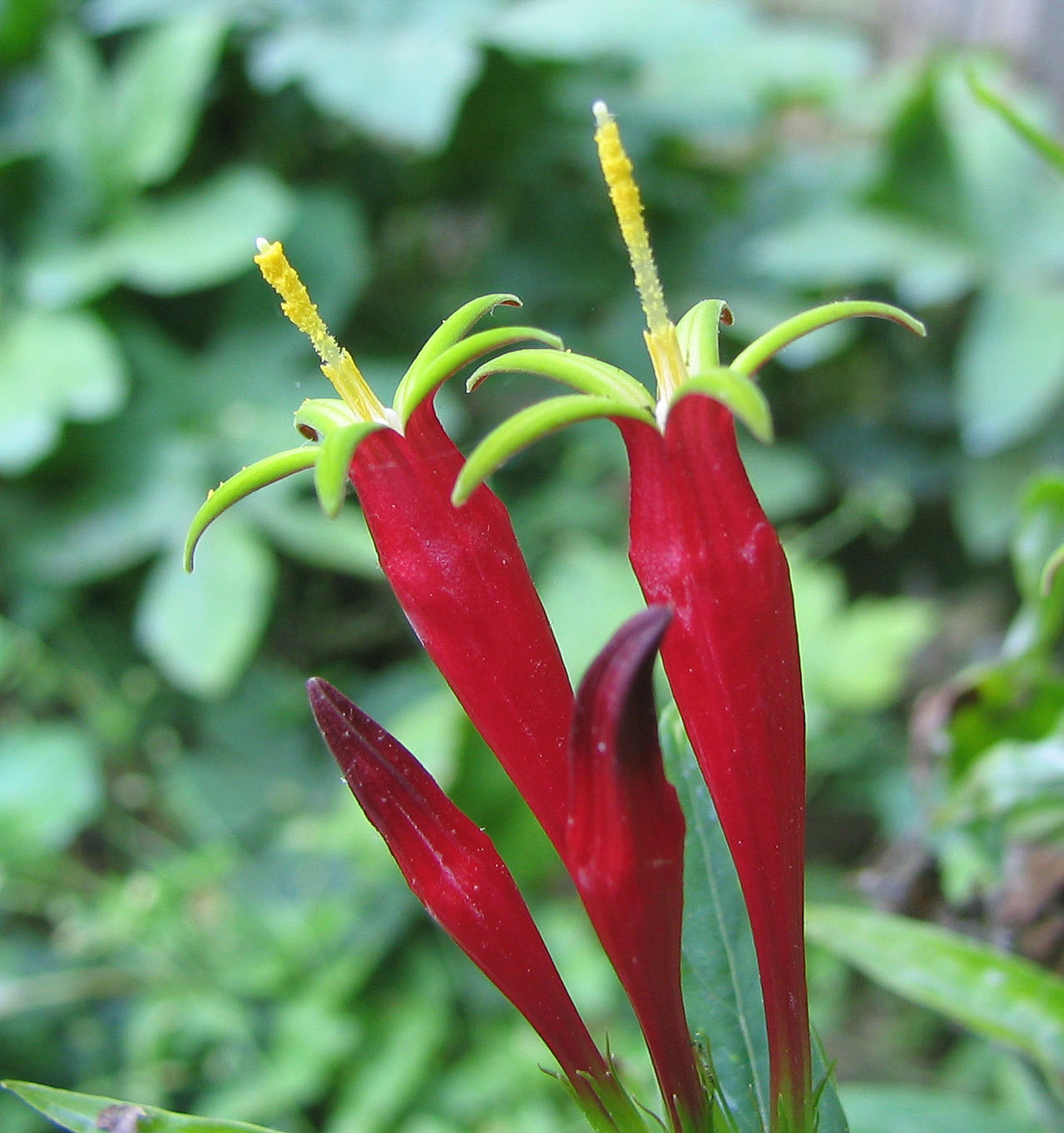
Spigelia marilandica, commonly known as Indian Pink or Woodland Pinkroot, is one of the most spectacularly beautiful wildflowers native to the eastern United States. A member of the Loganiaceae family, this compact herbaceous perennial produces some of the most vivid flowers in the native plant world: erect, pencil-slender scarlet tubes, 1.5 to 2 inches long, that flare dramatically at the tip to reveal a luminous five-pointed yellow interior. The contrast of brilliant red-orange exterior against bright yellow interior is startling in the shaded woodland understory where the plant naturally grows.
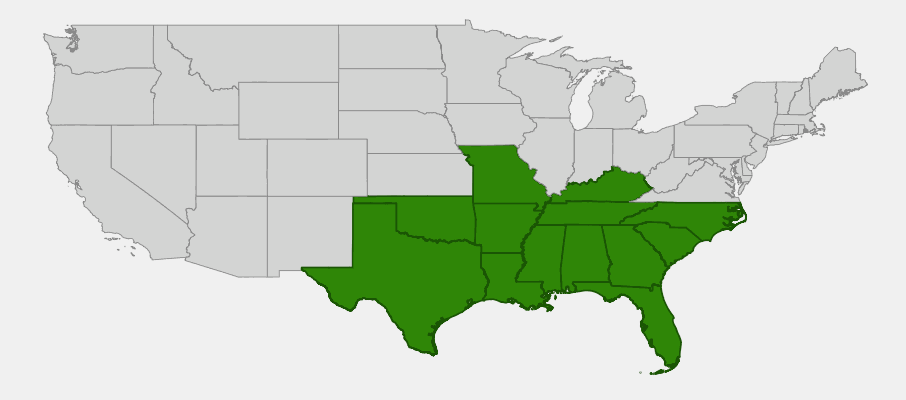
Indian Pink is a plant of rich, moist woodlands and forest margins across the eastern and south-central United States, ranging from New Jersey south to Florida and west to Kansas, Oklahoma, and Texas. It grows 1 to 2 feet tall, emerging fresh each spring from perennial rootstocks, and blooms reliably in late spring to early summer (May–July). The tubular flowers are precisely adapted for pollination by Ruby-throated Hummingbirds — the flower length and shape nearly perfectly match the bill of this bird — making Indian Pink one of the premier hummingbird garden plants for shade gardens throughout its range.
Despite its extraordinary beauty, Indian Pink remains relatively uncommon in cultivation, partly due to historically limited nursery availability. As awareness of native plants grows, this wildflower is finally receiving the recognition it deserves. It is an ideal plant for shaded garden beds, woodland gardens, and naturalistic borders where it can be showcased as a specimen or massed in drifts for dramatic effect. Once established in appropriate conditions, it is long-lived, expands slowly through rhizomes, and asks very little of the gardener while delivering extraordinary seasonal beauty.
Identification
Indian Pink is a herbaceous perennial growing 1 to 2 feet tall from a thick, fibrous root system. It dies back completely to the ground each winter and re-emerges in spring. The plant has a simple, upright to arching form with unbranched or slightly branched stems. The flowers are produced at the top of the stems in one-sided cymes (scorpioid cymes) that characteristically unroll as each flower opens in succession — a distinctive feature of the genus.
Leaves
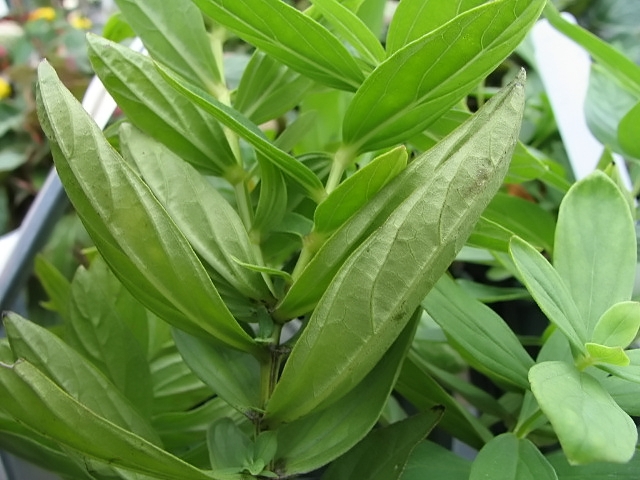
The leaves are opposite, simple, and sessile (attached directly to the stem without a petiole), 2 to 4 inches long, ovate to lance-shaped, with a pointed tip and smooth margins. They are dark green and have a slightly rough texture due to minute surface features. Leaves are arranged in 4–7 pairs ascending the stem, with upper leaves often turning upward near the flowers. The leaf arrangement creates an attractive ladder-like effect when the plant is not in bloom.
Flowers
The flowers are the defining glory of Indian Pink. Each bloom is a slender tube 1½ to 2 inches long, brilliant scarlet to orange-red on the exterior, that flares open into a five-lobed star at the tip. The interior of the tube and the lobes are a stunning yellow-green to pure yellow, creating a stunning bicolor display. Flowers are produced in one-sided cymes of 5–12 blooms that unroll like a fiddlehead as successive flowers open over a period of 2–4 weeks. The bloom season is typically May through July, with the peak in late May to mid-June depending on location.
Fruit & Seeds
After pollination, each flower produces a small, two-lobed capsule containing several seeds. The capsules dehisce (split open) explosively at maturity, forcefully ejecting the seeds several feet from the parent plant — a dispersal mechanism that helps the plant slowly colonize suitable sites over time. The seeds are somewhat sensitive to disturbance, and Indian Pink tends to be most abundant in undisturbed or lightly managed woodland settings.
Quick Facts
| Scientific Name | Spigelia marilandica |
| Family | Loganiaceae |
| Plant Type | Herbaceous Perennial |
| Mature Height | 1–2 ft |
| Sun Exposure | Part Shade to Full Shade |
| Water Needs | Moderate |
| Bloom Time | May – July |
| Flower Color | Scarlet red (exterior), Yellow (interior) |
| USDA Hardiness Zones | 5–9 |
Native Range
Indian Pink has a broad native range across the eastern and south-central United States, extending from New Jersey southward through Maryland, Virginia, West Virginia, and the Carolinas, south through Georgia, Florida, Alabama, Mississippi, and Louisiana, and west through Arkansas, Missouri, Oklahoma, Kansas, and Texas. It is most abundant in the interior Southeast — especially in the rich, moist deciduous forests of the Appalachian foothills, the Ozarks, and the Gulf Coastal states.
The species grows in rich, moist to mesic deciduous woodlands, often on north-facing slopes, along stream banks, and in the shaded understory of mixed hardwood forests. It is a characteristic plant of the Appalachian Mixed Mesophytic Forest, growing alongside wild ginger (Asarum canadense), bloodroot (Sanguinaria canadensis), trilliums, wild blue phlox (Phlox divaricata), and various ferns. In the Southeast, it also grows in hardwood hammocks and the moist margins of bottomland forests.
Within its range, Indian Pink often grows in scattered colonies — reflecting its slow rhizomatous spread and its explosive seed dispersal over time. It tends to be associated with high-quality, undisturbed woodland habitats, making it a useful indicator species for ecologically intact forest understories.
📋 Regional plant lists featuring Indian Pink: Alabama, Georgia & Mississippi
Growing & Care Guide
Indian Pink is a moderately demanding garden plant but well worth the effort. Once established in the right conditions, it is long-lived, low-maintenance, and extraordinarily rewarding. The key to success is providing the moist, shaded, humus-rich woodland conditions it prefers in nature.
Light
Indian Pink grows best in partial shade to full shade — the dappled light of a deciduous woodland is ideal. In too much sun, particularly in the afternoon, the leaves may scorch and the plant may fail to thrive. It performs well on north-facing slopes and beneath deciduous trees where it receives bright indirect light or light morning sun. A few hours of morning sun with afternoon shade is acceptable in northern parts of its range; in the deep South, more shade is generally better.
Soil & Water
Rich, moist, well-drained woodland soil with a slightly acidic to neutral pH is ideal. Indian Pink grows in the same conditions that favor trilliums and other spring wildflowers — loamy, humus-rich soil that is consistently moist but not waterlogged. Amend heavy clay or sandy soil with generous quantities of leaf compost before planting. A 2–3 inch layer of shredded leaf mulch maintains soil moisture and mimics the natural forest floor. Regular watering during dry spells is important, particularly in the first growing season.
Planting Tips
Plant Indian Pink in fall or early spring, spacing plants 12–18 inches apart. It combines beautifully with other woodland wildflowers: wild blue phlox, wild ginger, Solomon’s seal, ferns, and trilliums make natural companions. The plant is slow to establish but long-lived once settled — avoid disturbing the roots after planting. When purchasing, seek nursery-propagated plants; wild-collected plants are increasingly protected and should not be disturbed.
Pruning & Maintenance
Indian Pink requires essentially no pruning. The stems die back to the ground each fall; simply leave the leaf litter in place to protect the roots and enrich the soil. The main maintenance requirement is keeping the planting bed well-mulched and consistently moist during summer. Dividing clumps every 3–5 years in fall rejuvenates the planting and allows propagation of new plants.
Landscape Uses
- Hummingbird gardens — one of the most effective native perennials for attracting Ruby-throated Hummingbirds
- Woodland wildflower gardens — stunning in drifts under deciduous trees
- Shade borders — provides late spring to summer color when many other shade plants have finished flowering
- Native plant collections and botanical gardens
- Forest restoration plantings as an understory perennial
Wildlife & Ecological Value
Indian Pink holds a special place in the ecology of eastern woodlands as one of the premier hummingbird plants in the native flora. Its ecological relationships are precise and fascinating.
For Birds
The Ruby-throated Hummingbird is the primary pollinator and a primary beneficiary of Indian Pink. The flower length, tube diameter, and bloom time are all calibrated for this bird. The flowers produce copious nectar deep in the tube — accessible to a hummingbird’s long bill but largely unavailable to most insects — making the hummingbird relationship nearly obligatory. In areas where Indian Pink grows abundantly, Ruby-throated Hummingbirds reliably visit it throughout the blooming period.
For Pollinators
While hummingbirds are the primary pollinators, certain long-tongued bumblebees and sphinx moths can access the nectar and contribute to pollination. The flowers are also occasionally visited by swallowtail butterflies and other long-proboscid insects. The plant does not produce significant amounts of pollen accessible to most bees, so its primary pollinator value is as a nectar source for hummingbirds and select long-tongued insects.
For Mammals
Indian Pink is essentially avoided by deer and rabbits, which find the plant unpalatable — a significant advantage in areas with heavy browsing pressure. This deer resistance makes it a reliable choice for woodland gardens where deer browsing is a persistent problem.
Ecosystem Role
Indian Pink is a significant component of the rich understory flora of eastern mixed hardwood forests. Its presence is often indicative of high-quality, undisturbed woodland habitat. It provides nectar at a critical time — late spring to early summer — in the woodland understory, serving migratory hummingbirds as they return from winter quarters and establish nesting territories. The explosive seed dispersal mechanism is a fascinating adaptation that contributes to its slow but persistent colonization of suitable woodland habitat.
Cultural & Historical Uses
Indian Pink has one of the most remarkable medicinal histories of any eastern wildflower. The species name marilandica reflects its early documentation in Maryland by European naturalists, but its medical use was known to Indigenous peoples long before European contact. Numerous Eastern tribes used preparations of the roots as a powerful anthelmintic (worm expellant) — one of the most effective native plants for expelling intestinal parasites, particularly roundworms and pinworms. This use was so consistent and effective that it was adopted into formal Western medicine by the early 18th century.
By the mid-1700s, Indian Pink root had become a recognized pharmaceutical product sold throughout the American colonies and exported to Europe. It was listed in the London Pharmacopoeia and the U.S. Pharmacopoeia through the 19th century under the name “Spigelia” or “Carolina Pink Root.” Medical use required careful preparation and dosing, as the plant contains toxic alkaloids — overdoses could cause vertigo, dilated pupils, and cardiac irregularities. The plant eventually fell out of medical use as synthetic anthelmintics became available in the 20th century.
Beyond medicine, Indian Pink was valued by Indigenous peoples for the vivid color of its flowers, which were occasionally used in ceremonial contexts. The plant’s striking beauty also made it one of the first North American wildflowers to be introduced to European gardens, where it was grown as an ornamental novelty in botanic gardens and private collections from the 18th century onward. Today, it is experiencing a renaissance as native plant gardeners recognize it as one of the most beautiful and ecologically significant wildflowers in the eastern flora.
Frequently Asked Questions
Will Indian Pink really attract hummingbirds?
Yes — absolutely. Indian Pink is one of the most reliable native perennials for attracting Ruby-throated Hummingbirds in shaded gardens throughout the eastern US. The flower shape and color are precisely adapted for hummingbirds. Plant a mass of 6–10 plants for the best effect.
Is Indian Pink deer resistant?
Yes — Indian Pink is generally avoided by deer, likely due to the toxic alkaloids in the plant. This makes it a rare showy wildflower that can be enjoyed even in deer-heavy landscapes.
How long does it take Indian Pink to bloom after planting?
In its first year, freshly planted Indian Pink may not bloom or may bloom poorly while establishing roots. By the second year, it typically blooms reliably. Container-grown plants that are already established usually flower more quickly than bare-root transplants.
Can I grow Indian Pink in a container?
It can be grown in containers, but it requires consistent moisture and a large enough pot (at least 12 inches diameter) to accommodate the roots. Container plants dry out more quickly and need more attention than garden-planted specimens.
Is Indian Pink toxic?
Yes — all parts of the plant contain toxic alkaloids, and the roots in particular were historically used in precise medicinal doses that could be toxic if exceeded. Keep away from children and pets. Do not consume any part of the plant.

Looking for a nursery that carries Indian Pink?
Browse our native plant nursery directory: Alabama · Georgia · Mississippi