
Myrtle-of-the-River (Calyptranthes zuzygium)
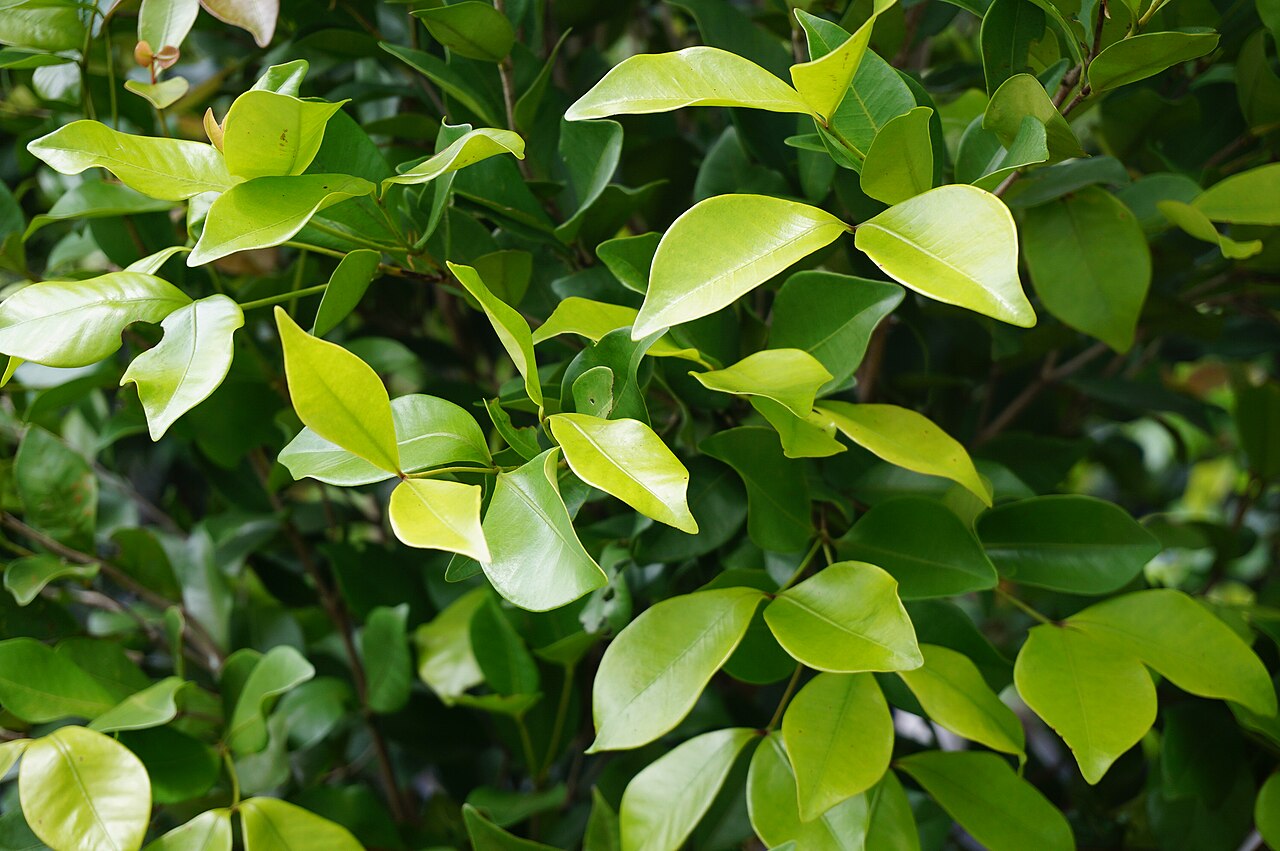
Calyptranthes zuzygium, commonly known as Myrtle-of-the-River, is one of South Florida’s rarest native hammock trees, a geographically restricted mid-story species found today in only a handful of counties. Current botanical treatments place it in the genus Myrcia as Myrcia zuzygium, but it remains best known and most commonly listed, including in the USDA PLANTS database, under its long-standing name, Calyptranthes zuzygium, the name used throughout this page.
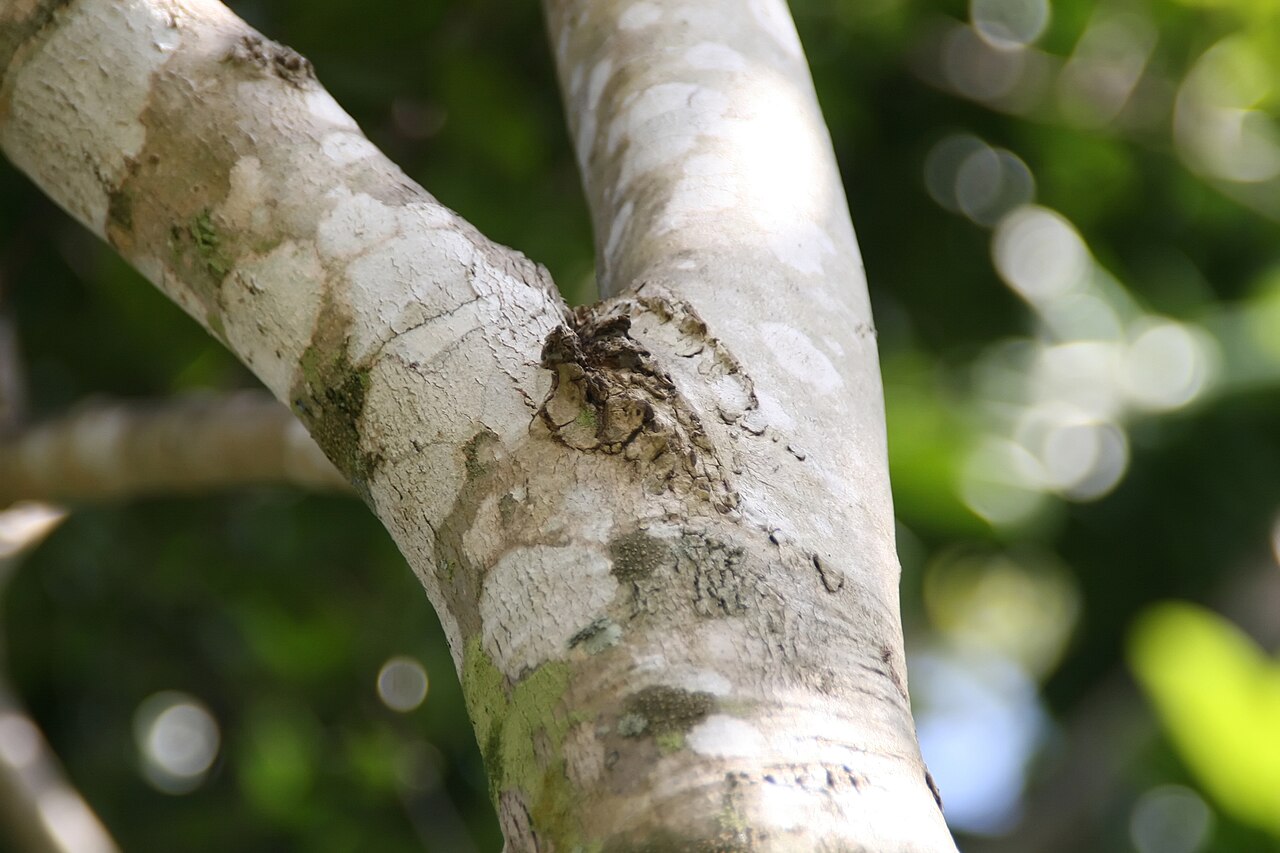
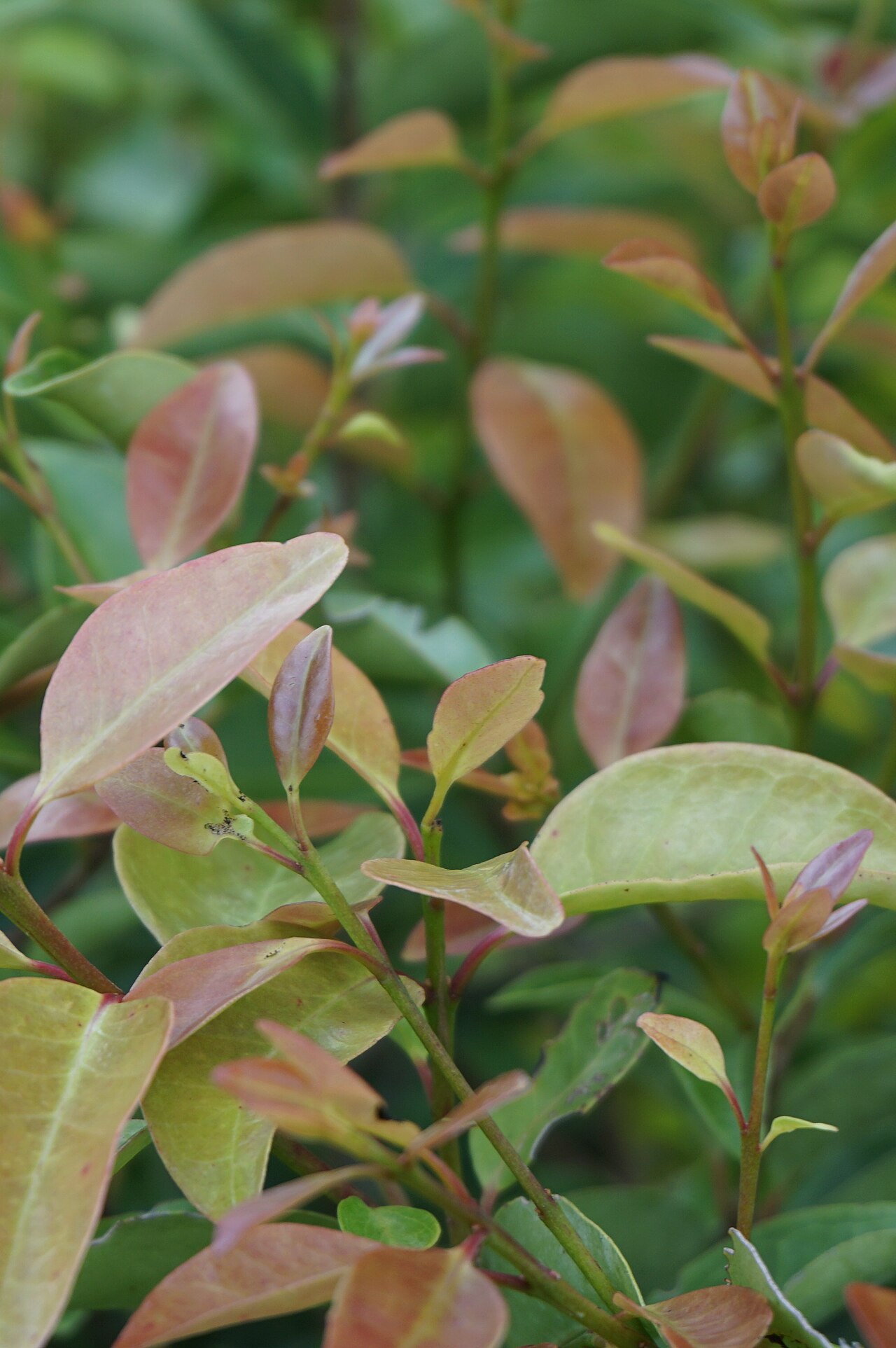
This is typically a small tree or large shrub, usually 15 to 20 feet tall and generally taller than broad, with dense, dark green, glossy foliage and a tidy, rounded crown. New growth frequently flushes in shades of bronze, pink, and pale green before hardening to the mature leaf’s deep green, giving actively growing plants an attractive two-toned look. The bark is smooth and light tan to grayish-brown, often mottled.
Myrtle-of-the-river is listed as endangered by the State of Florida, a status reflecting both its naturally narrow range and the ongoing rarity of the rockland hammock and hammock-edge habitat it depends on. It is grown by only a small number of specialty native-plant nurseries in South Florida, making it a genuine rarity in cultivation as well as in the wild, and a plant of particular interest to collectors and conservation-minded gardeners.
Identification
Myrtle-of-the-river is best identified by its dense, rounded crown of thick, glossy dark green leaves with a prominent midrib, smooth light-brown bark, and — when present — small greenish-white flowers followed by purple-black berries, all typical of the myrtle family but distinguished from relatives by its restricted habitat and overall compact, tidy form.
Bark & Stems
Bark is smooth and light brown to grayish, often mottled with patches of lighter and darker tissue on older stems, lacking the heavy fissuring seen in many larger hammock hardwoods. Plants tend to produce multiple stems from the base unless trained early to a single leader.
Leaves
Leaves are opposite, thick and leathery, dark green and glossy above, roughly 2 to 3 inches long, with a prominent midrib clearly visible on the underside. New leaves commonly emerge in shades of bronze, pink, or pale yellow-green before maturing to deep green.
Flowers
Flowers are small, greenish-white, and semi-showy, appearing in short clusters at the leaf axils in spring and summer. As in other Calyptranthes relatives, the flower bud is covered by a small cap-like structure that splits away as the bloom opens.
Fruit & Seeds
The fruit is a small, rounded berry that ripens to purple-black, borne in modest clusters and readily eaten by birds. Seeds do not store well and are best planted soon after collection and de-pulping, germinating within about a month under suitable conditions.
Quick Facts
| Scientific Name | Calyptranthes zuzygium (syn. Myrcia zuzygium) |
| Family | Myrtaceae (Myrtle) |
| Plant Type | Evergreen large shrub or small tree |
| Mature Height | 15–20 ft |
| Mature Spread | 8–12 ft (usually taller than broad) |
| Growth Rate | Moderate |
| Sun Exposure | Light Shade to Full Sun |
| Water Needs | Moderate; prefers consistently moist, well-drained soil |
| Soil Type | Moist, well-drained limestone or calcareous sandy soils with organic top layer |
| Soil pH | Alkaline |
| Bloom Time | Spring–summer |
| Flower Color | Greenish-white |
| Fall Color | Evergreen; new growth flushes bronze-pink |
| Fruit | Small purple-black berries |
| Deer Resistant | Yes, generally |
| USDA Hardiness Zones | 10 – 11 |
Native Range
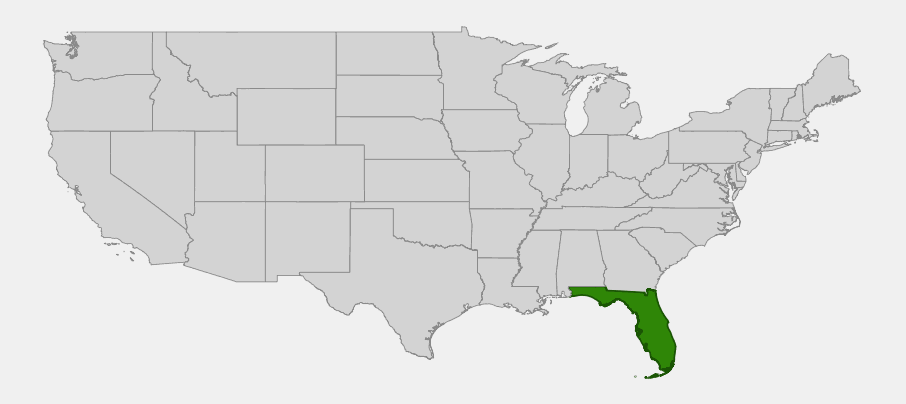
In the United States, myrtle-of-the-river is native only to extreme South Florida, in Monroe and Miami-Dade counties. On the mainland it occurs in the Whitewater Bay area of Everglades National Park and along the Miami Rock Ridge from Long Pine Key northeast to the Silver Palm area southwest of Cutler Ridge; in the Keys it is native to North Key Largo. The State of Florida lists it as endangered, underscoring both its naturally restricted range and the limited extent of suitable hammock habitat remaining today.
The species grows in rockland hammocks and coastal berms, favoring moist, well-drained limestone or calcareous sandy soils with a humusy organic top layer, typically as a mid-story tree within taller tropical hardwood hammock. It tolerates light shade to full sun and some exposure to salt-laden wind when sheltered by surrounding vegetation, but does not tolerate prolonged flooding by salt or brackish water.
Outside the United States, myrtle-of-the-river occurs in the Bahamas and the Greater Antilles, where it inhabits similar limestone-based hammock environments.
📋 Regional plant lists featuring Myrtle-of-the-River: none yet — no plantnative.org regional list currently covers South Florida; see our full native plant directory for other Florida-native species.
Growing & Care Guide
Myrtle-of-the-river is a choice, if hard-to-find, accent plant for South Florida native gardens — an attractive, dense, naturally tidy mid-story tree that doubles as a rare-plant conservation opportunity for gardeners who can source it.
Light
It adapts to a range of light conditions from light shade to full sun, matching its natural role as a mid-story tree that can grow in the dappled light of a hammock interior or the brighter conditions of a hammock edge or berm.
Soil & Water
This species generally requires consistently moist, well-drained soil with some organic content and performs best in the calcareous, limestone-influenced soils typical of South Florida. It tolerates short periods of drought once established but is not as drought-tolerant as some of its hammock neighbors, and it does not tolerate long-term flooding by salt or brackish water.
Planting Tips
Because availability is limited to a small number of specialty native nurseries, plan ahead when sourcing this species. Plant in a site with reliable soil moisture and good drainage, ideally with some organic matter worked into naturally rocky or sandy soils.
Pruning & Maintenance
Myrtle-of-the-river tends to produce multiple stems from the base, so early pruning is recommended if a single-trunked tree form is preferred; left unpruned, it naturally develops as a dense, multi-stemmed large shrub. Established plants need only minimal routine maintenance.
Landscape Uses
Its dense form and manageable size suit several roles in a South Florida native landscape:
- Accent shrub or small specimen tree where its rarity and attractive new growth can be showcased
- Buffer and screening plantings thanks to its dense, rounded crown
- Rockland hammock restoration plantings for conservation-focused landscapes
- Collector and rare-native gardens for South Florida plant enthusiasts
Wildlife & Ecological Value
As a fruiting mid-story tree in an already rare habitat type, myrtle-of-the-river contributes meaningfully to the food web and structure of South Florida’s remaining rockland hammocks.
For Birds
Birds eat the purple-black fruits, helping disperse seeds within and between hammock fragments; as with many hammock myrtles, fruit-eating songbirds are the primary dispersal agents for this species.
For Mammals
Small mammals native to hammock habitat may also take advantage of fallen fruit, though birds are considered the primary wildlife beneficiaries of this species’ fruit crop.
For Pollinators
The semi-showy greenish-white flowers attract bees and other small pollinating insects typical of South Florida hammock habitat during the spring and summer bloom period.
Ecosystem Role
Myrtle-of-the-river occupies the mid-story layer of rockland hammock, contributing to the vertical structure and habitat complexity that supports the broader hammock ecosystem. Because the species is both geographically restricted and state-listed as endangered, its continued presence in Everglades National Park and the few other sites where it survives is an important indicator of hammock habitat quality and an important target for South Florida plant conservation.
Cultural & Historical Uses
Myrtle-of-the-river has little documented history of indigenous or colonial-era practical use in Florida, likely reflecting both its naturally restricted distribution and the fact that it was formally recognized relatively late within the broader group of South Florida hammock myrtles. Its primary significance has instead been botanical and, more recently, horticultural and conservation-focused.
In recent decades, as awareness of South Florida’s rare hammock flora has grown, myrtle-of-the-river has become a species of particular interest to conservation organizations such as the Institute for Regional Conservation, which documents and monitors its remaining populations in Everglades National Park and along the Miami Rock Ridge, and to the small number of specialty native-plant nurseries that propagate it for conservation-minded gardeners.
Because of its rarity, myrtle-of-the-river also appears in field guides to Florida’s rare plants, where it serves as a notable example of the many narrowly endemic species found only in the state’s shrinking rockland hammock habitat.
Frequently Asked Questions
Is myrtle-of-the-river the same plant as Myrcia zuzygium?
Yes. Current botanical treatments place this species in the genus Myrcia as Myrcia zuzygium, but it remains listed and commonly known, including by USDA PLANTS, as Calyptranthes zuzygium, the name used on this page.
Is myrtle-of-the-river endangered?
Yes. The State of Florida lists it as an endangered species, reflecting its naturally narrow range confined to parts of Monroe and Miami-Dade counties and the limited extent of remaining rockland hammock habitat.
Where can I buy myrtle-of-the-river?
It is grown by only a small number of specialty native-plant nurseries in South Florida, so availability is limited compared to more common hammock species; checking with South Florida native-plant nursery specialists is the best approach.
How big does myrtle-of-the-river get?
It typically grows 15 to 20 feet tall and is usually taller than it is broad, forming a dense, rounded crown as a small tree or large multi-stemmed shrub.
What habitat does myrtle-of-the-river need?
It grows in rockland hammocks and coastal berms with moist, well-drained, limestone-influenced soils and some organic content, tolerating light shade to full sun but not long-term salt or brackish flooding.

Looking for a nursery that carries Myrtle-of-the-River?
Browse our native plant nursery directory: Florida
For other South Florida hammock associates, see our pages on Gumbo Limbo and Mastic.

