
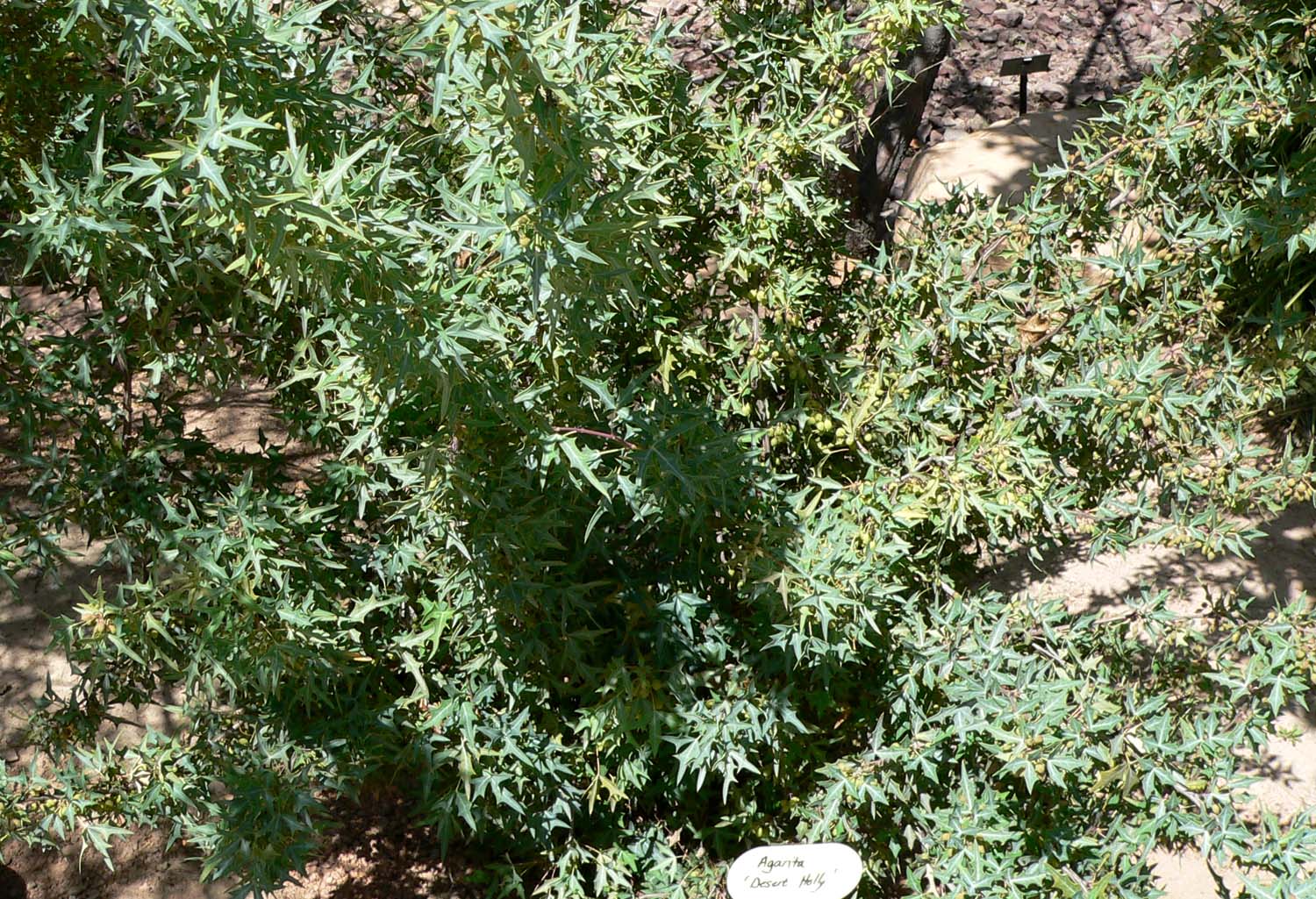
Agarita’s rounded, spiny-leaved form in a Texas garden bed. Photo: “Desert Holly” / Wikimedia Commons (CC BY-SA 3.0) Mahonia trifoliolata (syn. Berberis trifoliolata), known throughout
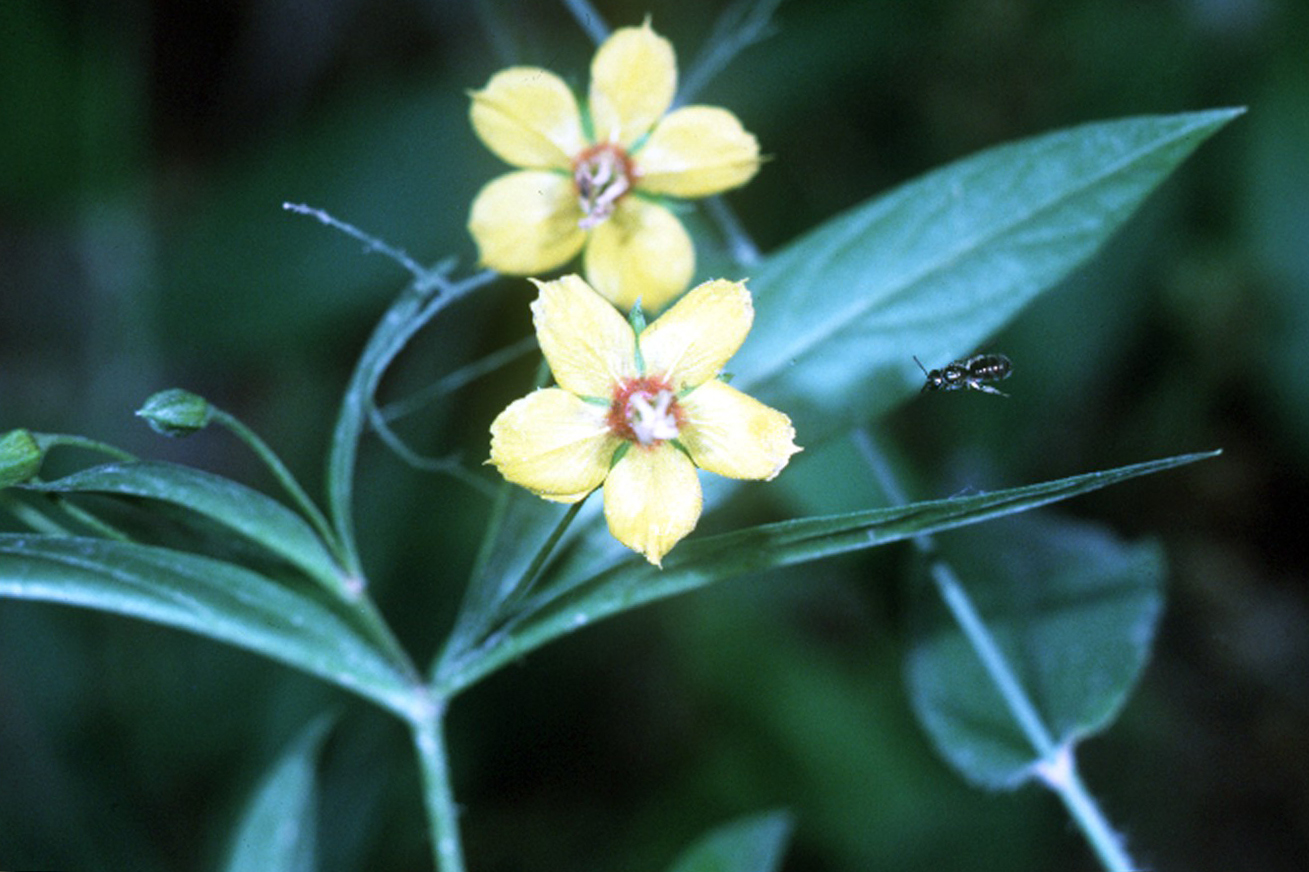
Lanceleaf loosestrife’s nodding yellow flowers, each with a patch of orange at the center. Photo: Robert H. Mohlenbrock, USDA NRCS, via Wikimedia Commons (Public domain)
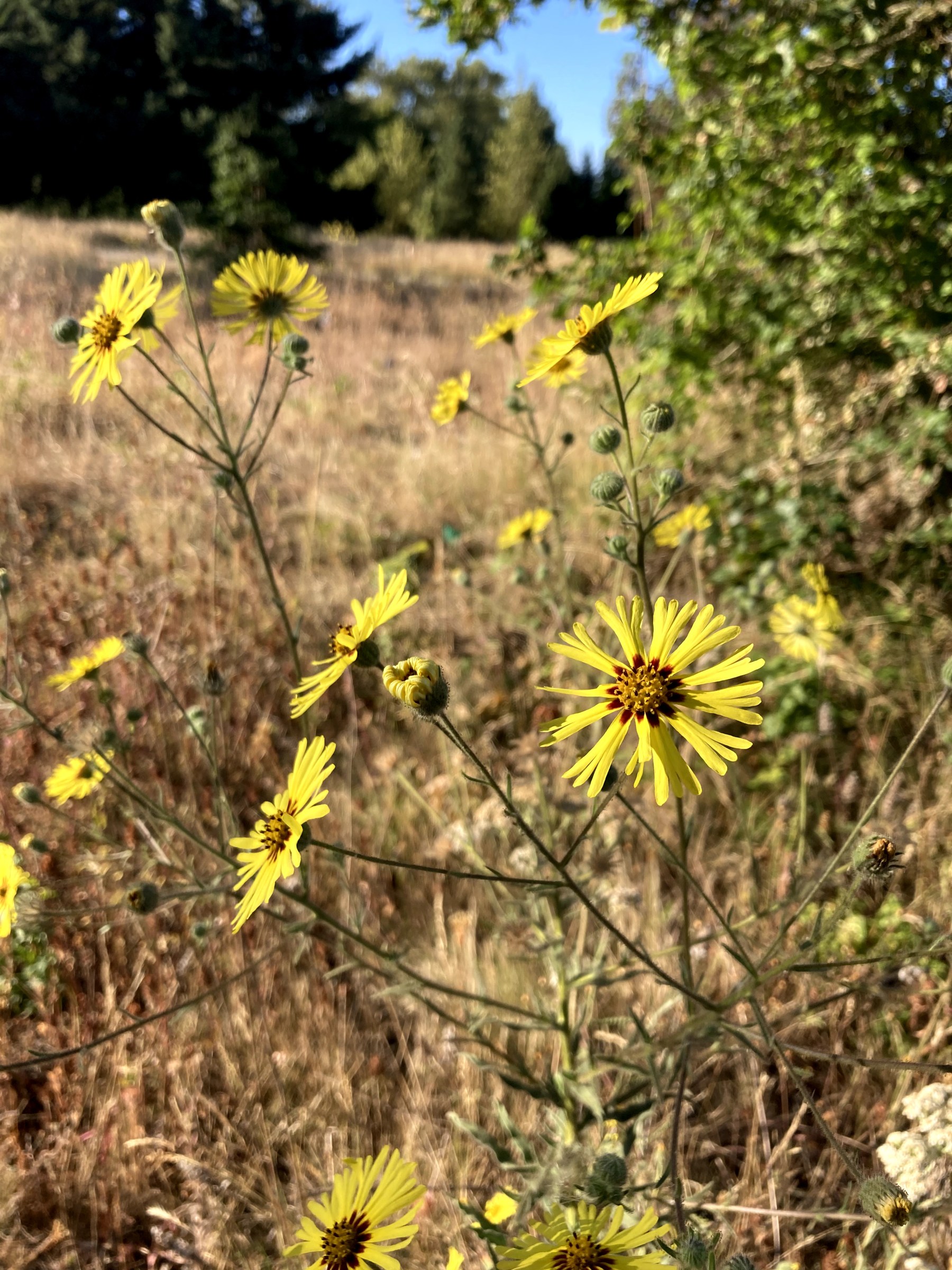
Common madia in a dry meadow along the Willamette River, Eugene, Oregon, in late summer. Photo: Internetfox, Wikimedia Commons (CC BY-SA 4.0) Madia elegans, commonly
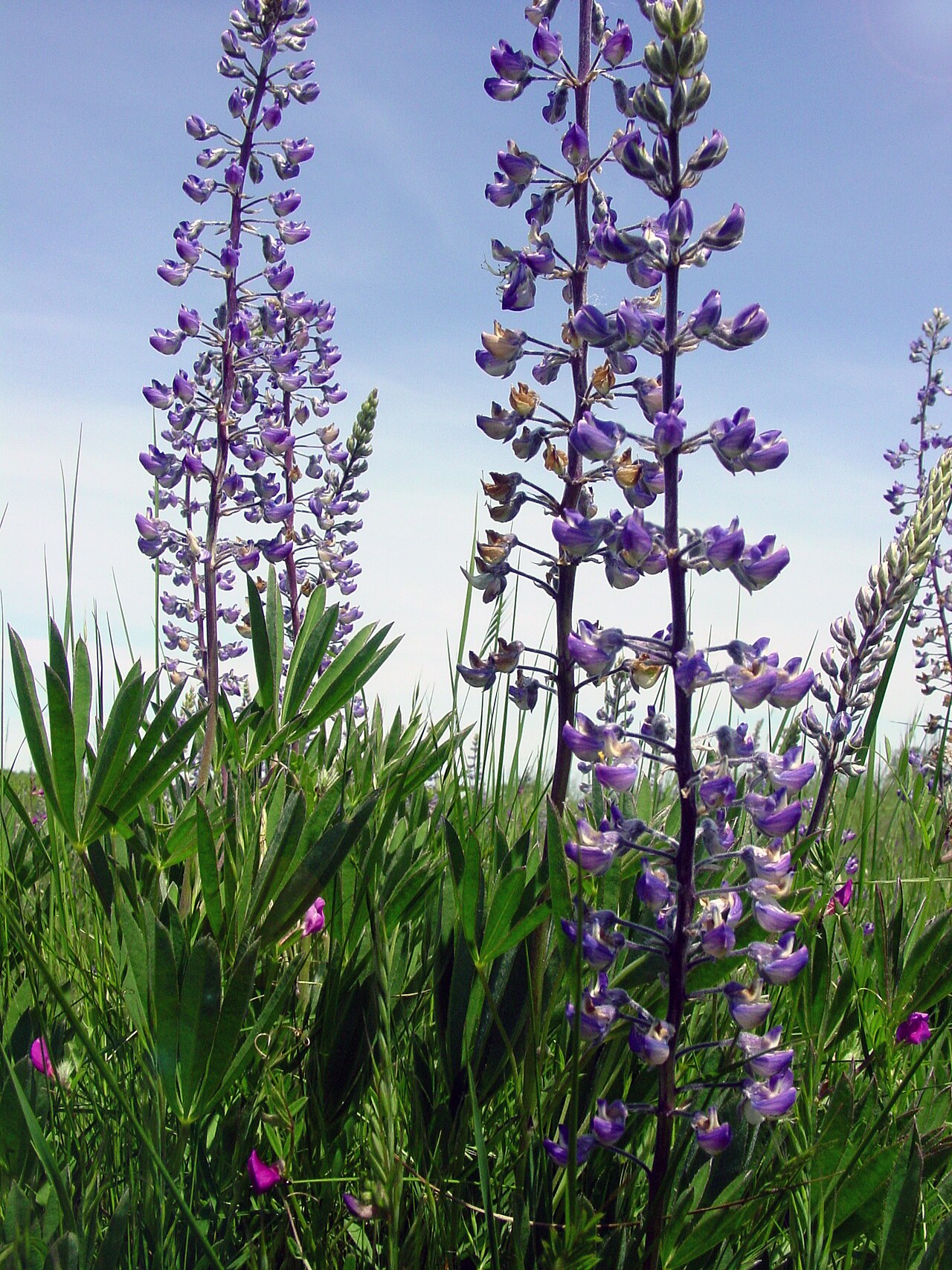
Oregon lupine in bloom among native prairie grasses. Photo: Bureau of Land Management, Christine Wills (Public domain) Lupinus oreganus, commonly called Oregon lupine, is a
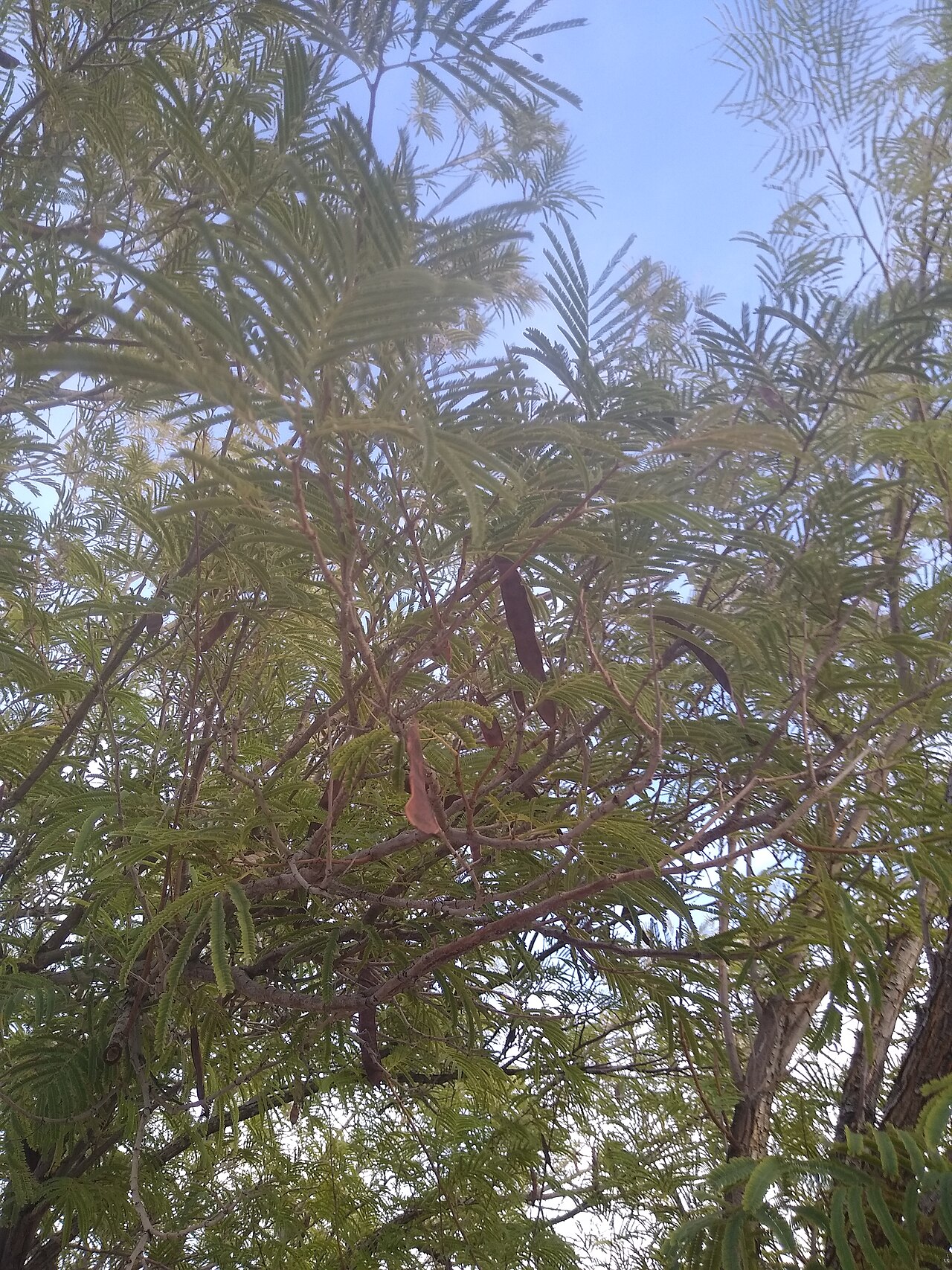
Feather tree canopy showing its distinctive fern-like bipinnate foliage. Photo: wlcutler, Wikimedia Commons (CC BY-SA 2.0) Lysiloma watsonii is best known in cultivation and the
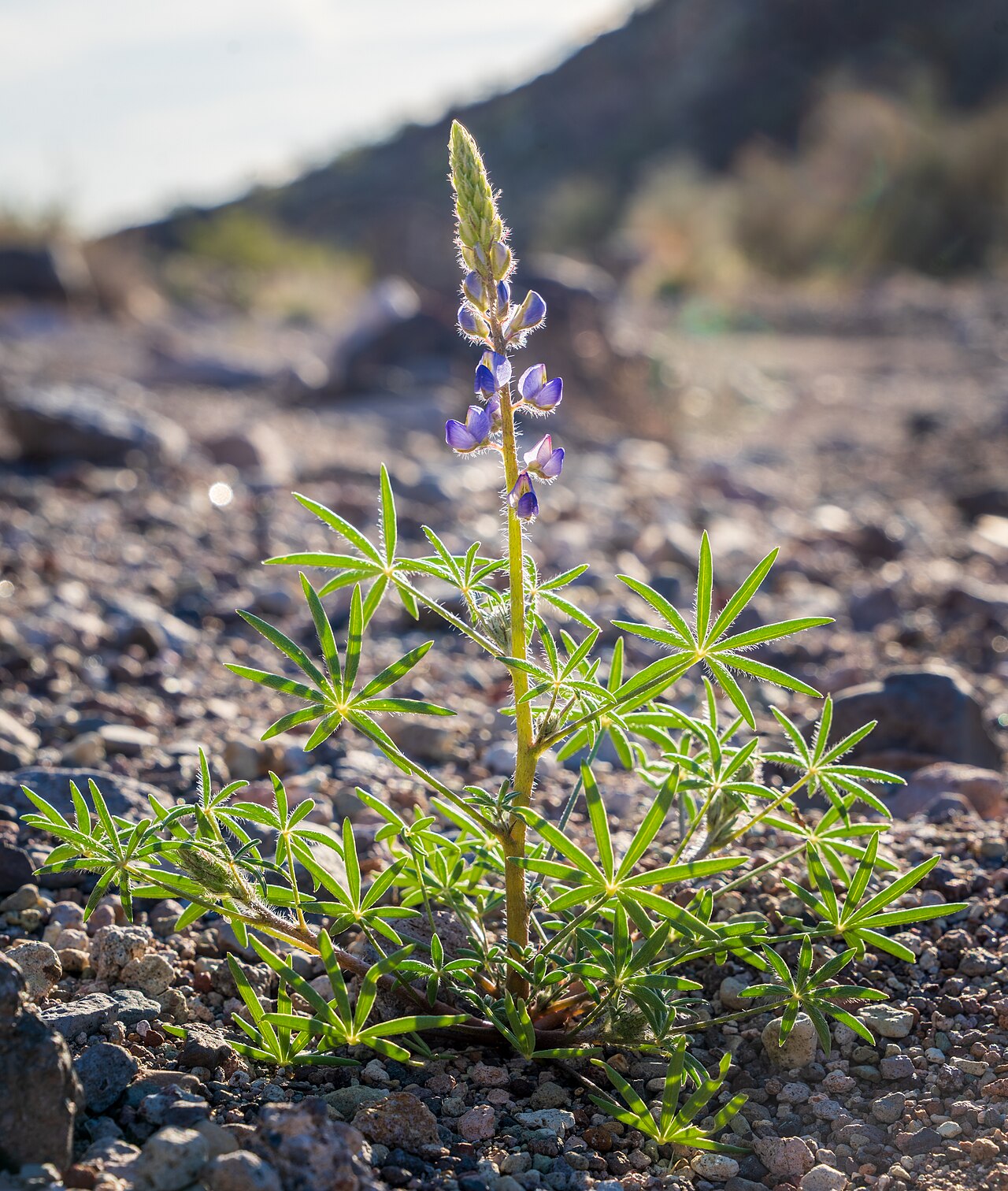
A young Coulter’s lupine flowering in rocky desert gravel. Photo: BLM Needles Field Office (Public domain) Lupinus sparsiflorus, known as Coulter’s lupine or desert lupine,
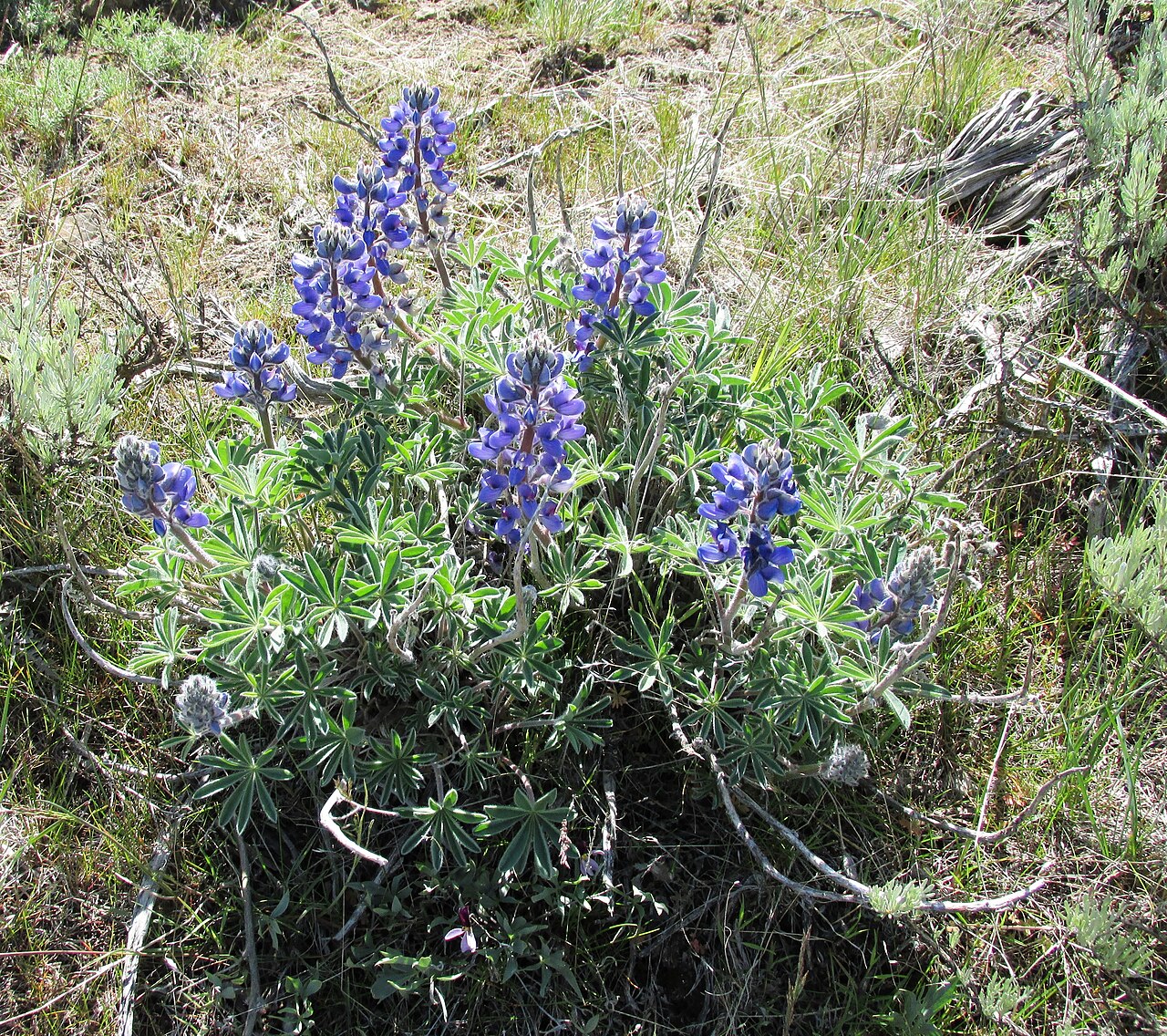
Prairie Lupine forming a tidy mound in dry open grassland. Photo: Wikimedia Commons (CC BY-SA 2.0) ⚠️ Toxicity note: Like all lupines, Prairie Lupine contains
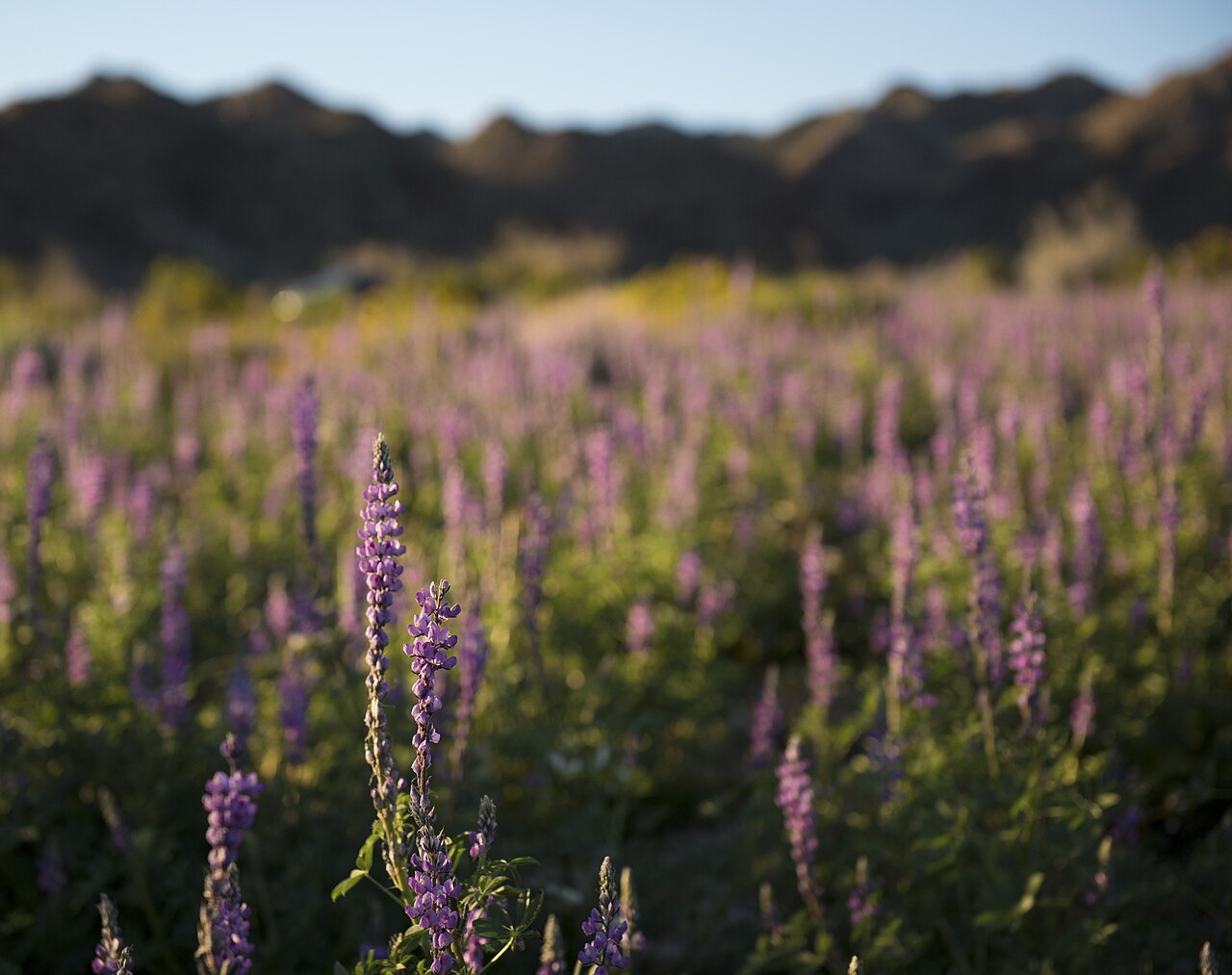
Arizona Lupine carpeting a desert wash after winter rains. Photo: NPS/Hannah Schwalbe (Public domain) ⚠️ Toxicity note: Arizona Lupine contains quinolizidine alkaloids throughout the plant,
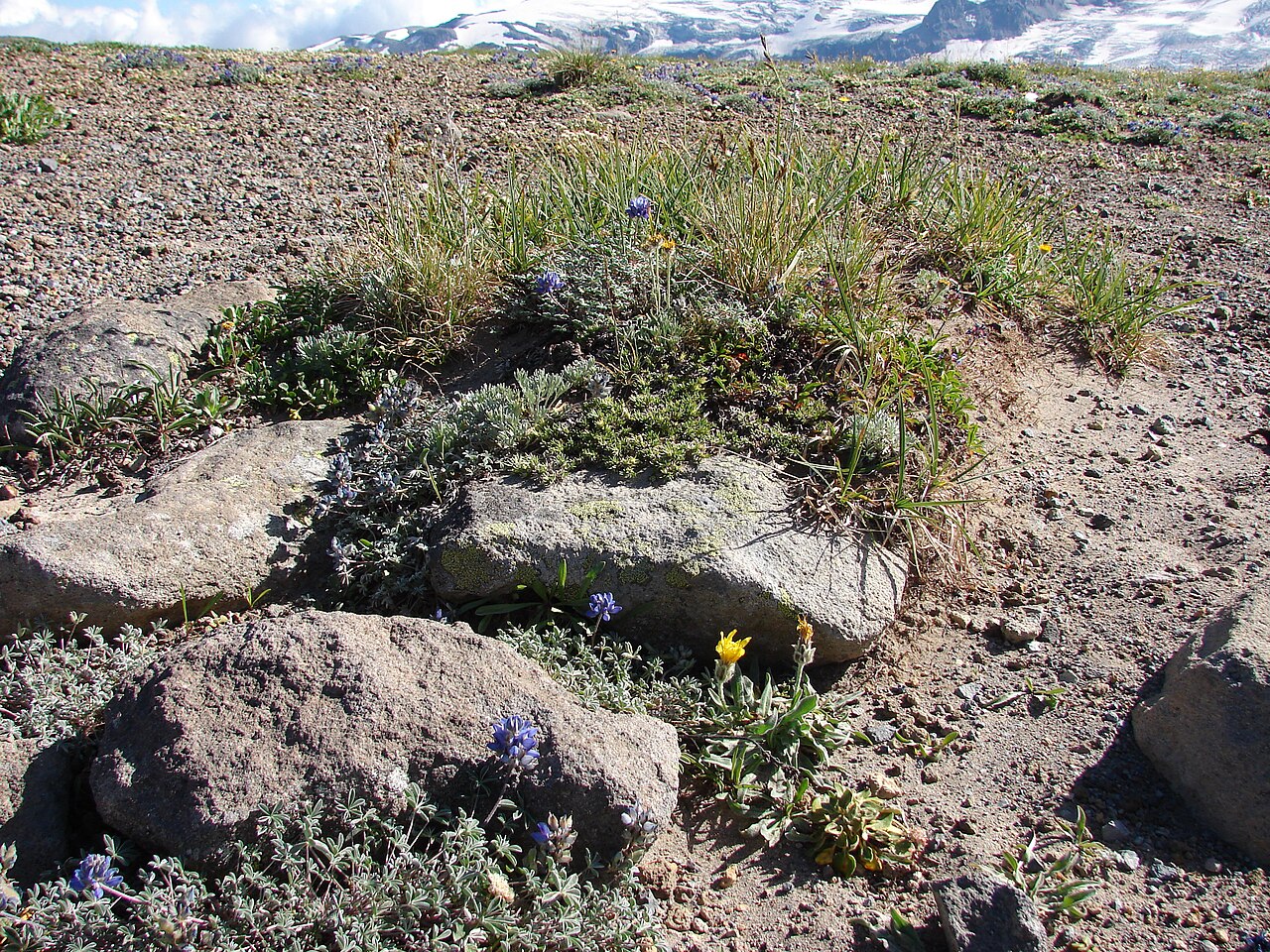
Arctic Lupine forming low clumps among talus at Mount Rainier National Park. Photo: NPS/Steve Redman (Public domain) ⚠️ Toxicity note: Like all lupines, Arctic Lupine
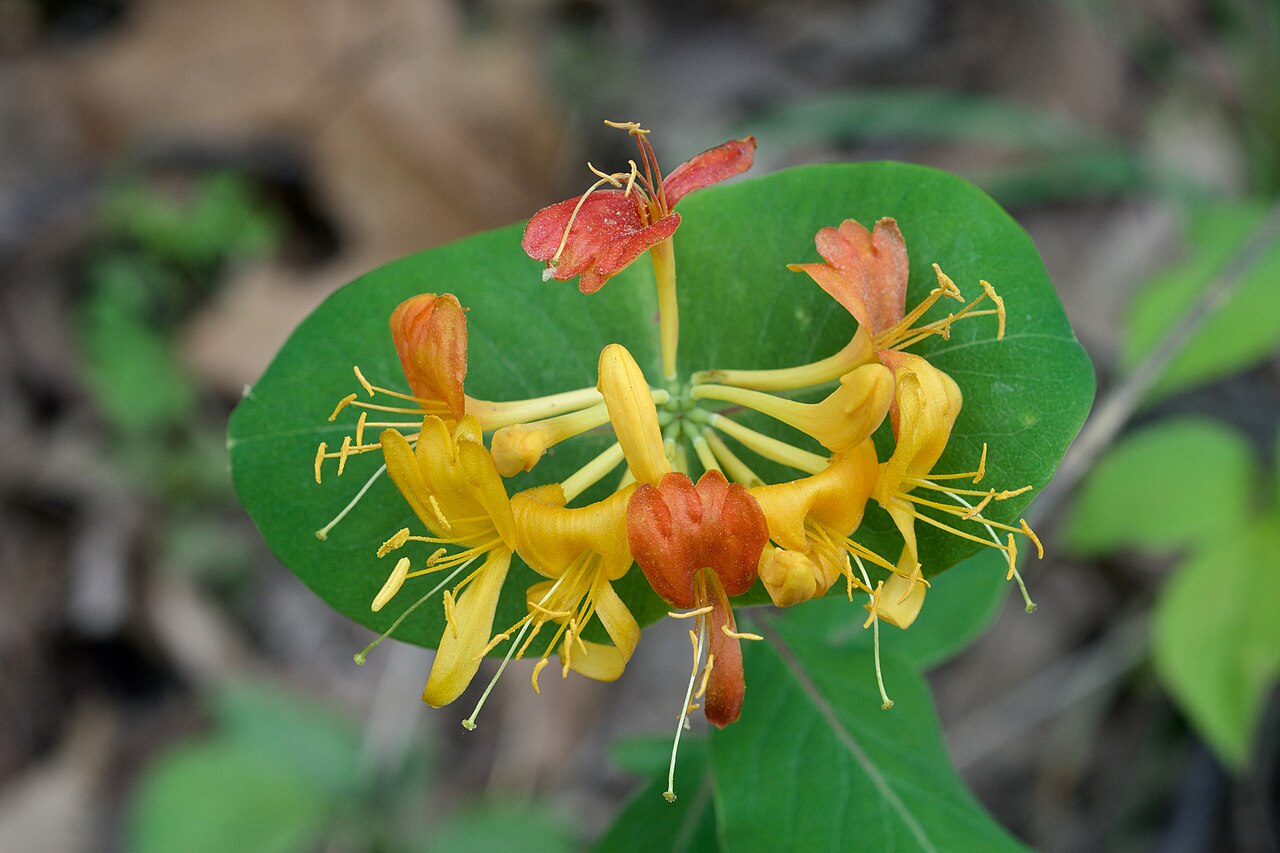
A wild yellow honeysuckle vine blooming in the Ozark National Forest, Arkansas. Photo: Eric Hunt, via Wikimedia Commons (CC BY-SA 4.0) Yellow Honeysuckle (Lonicera flava)
View More