
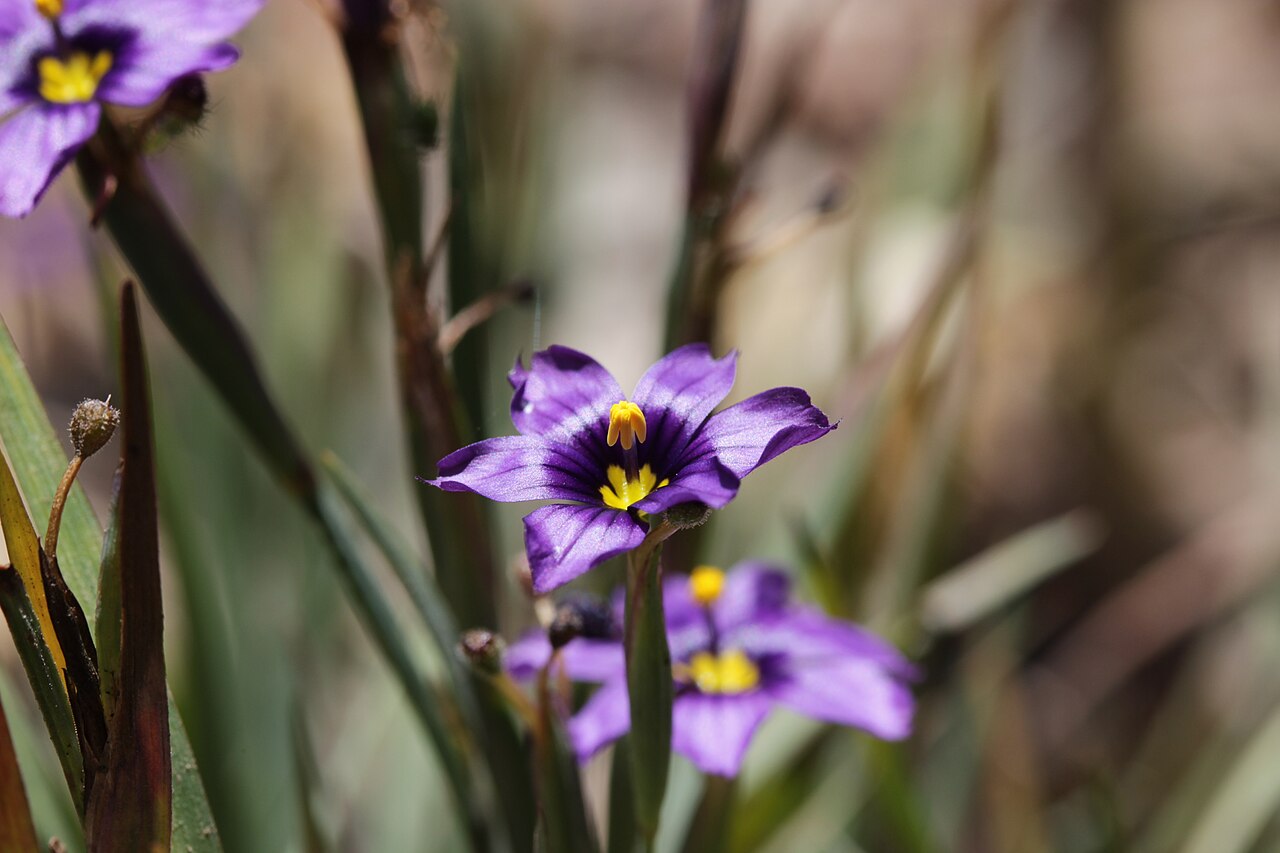
The star-shaped, purple-blue flower of Western Blue-eyed Grass, with its bright yellow throat. Photo: Björn S… / Wikimedia Commons (CC BY-SA 2.0) Sisyrinchium bellum, commonly
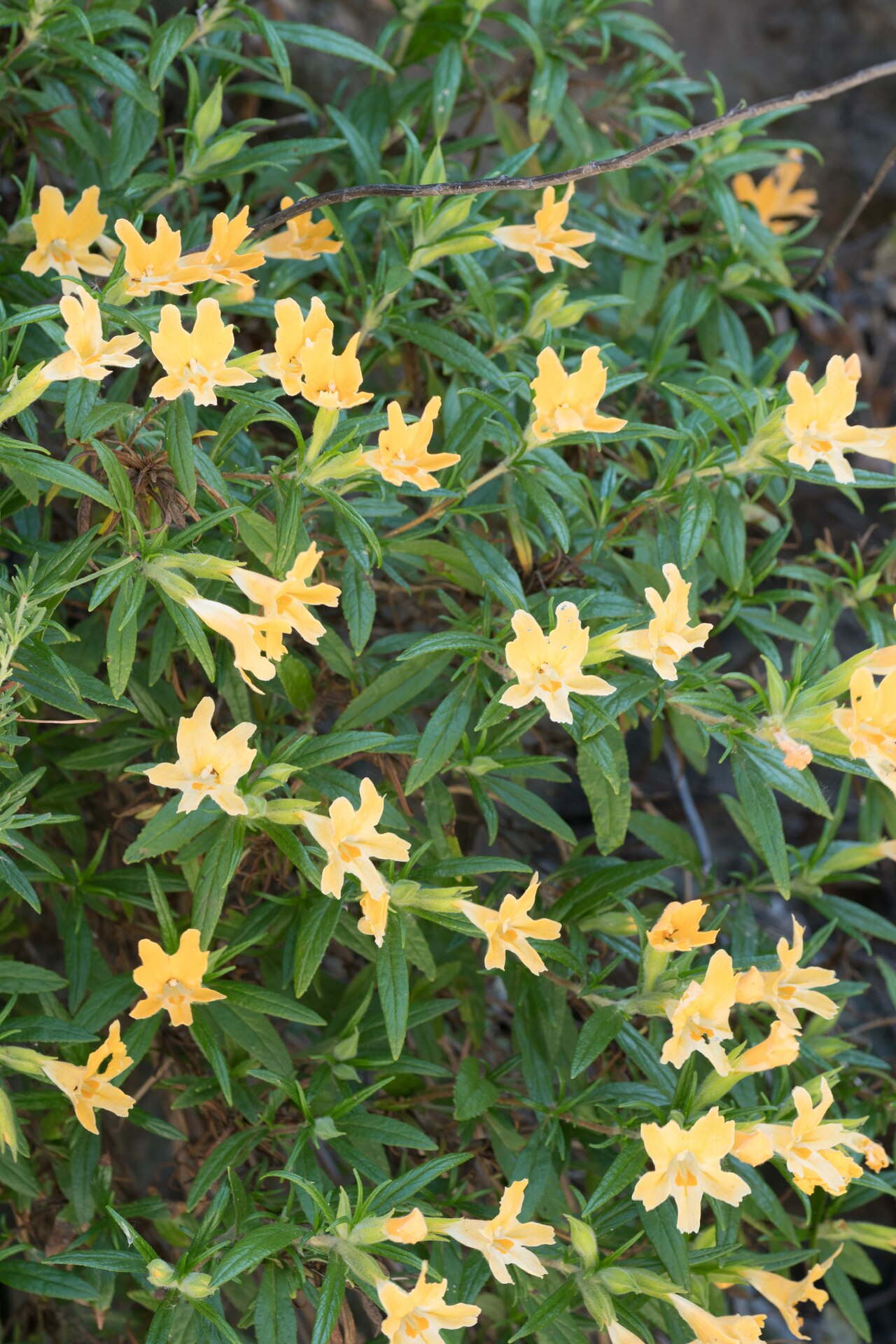
A blooming Southern Bush Monkeyflower shrub, its pale buff-yellow flowers scattered across sticky green foliage. Photo: Jesse Rorabaugh / Wikimedia Commons (CC0) Diplacus longiflorus (long
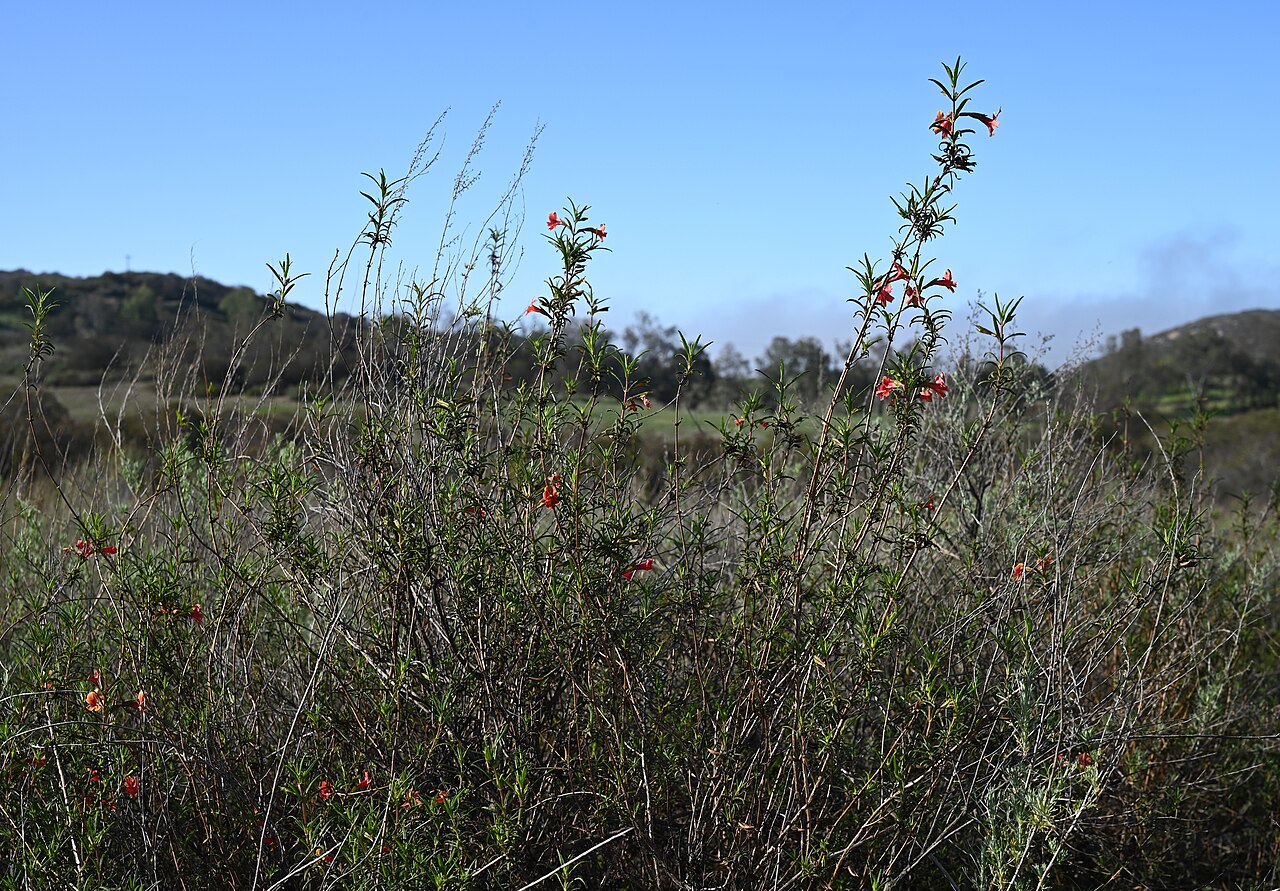
Red Bush Monkeyflower’s deep brick-red, two-lipped tubular flower. Photo: Krzysztof Ziarnek, Kenraiz / Wikimedia Commons (CC BY-SA 4.0) Diplacus puniceus (long known as Mimulus puniceus,
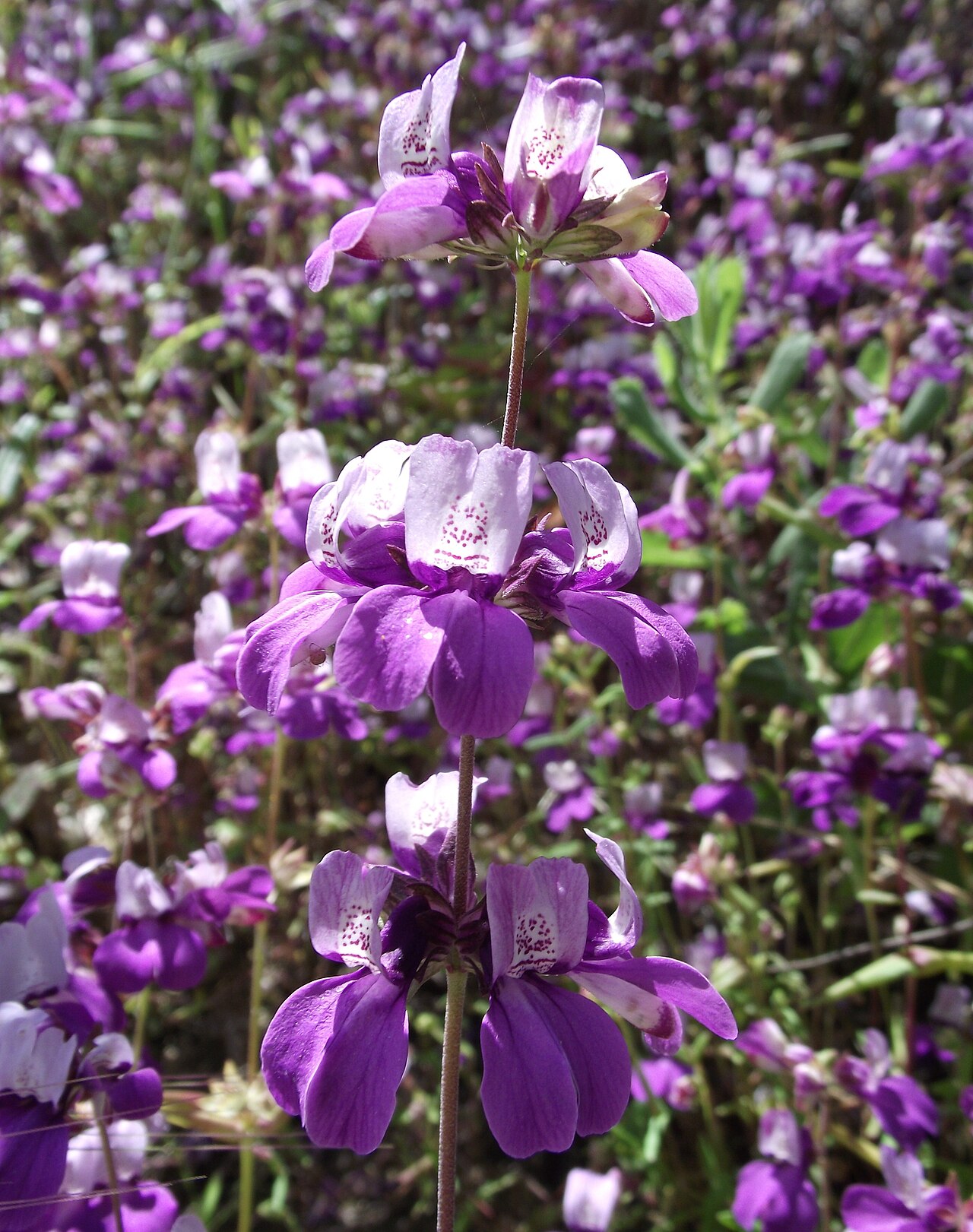
Chinese Houses in full bloom, showing the tiered whorls of bicolor flowers that give the plant its common name. Photo: Wikimedia Commons (Public Domain) Collinsia
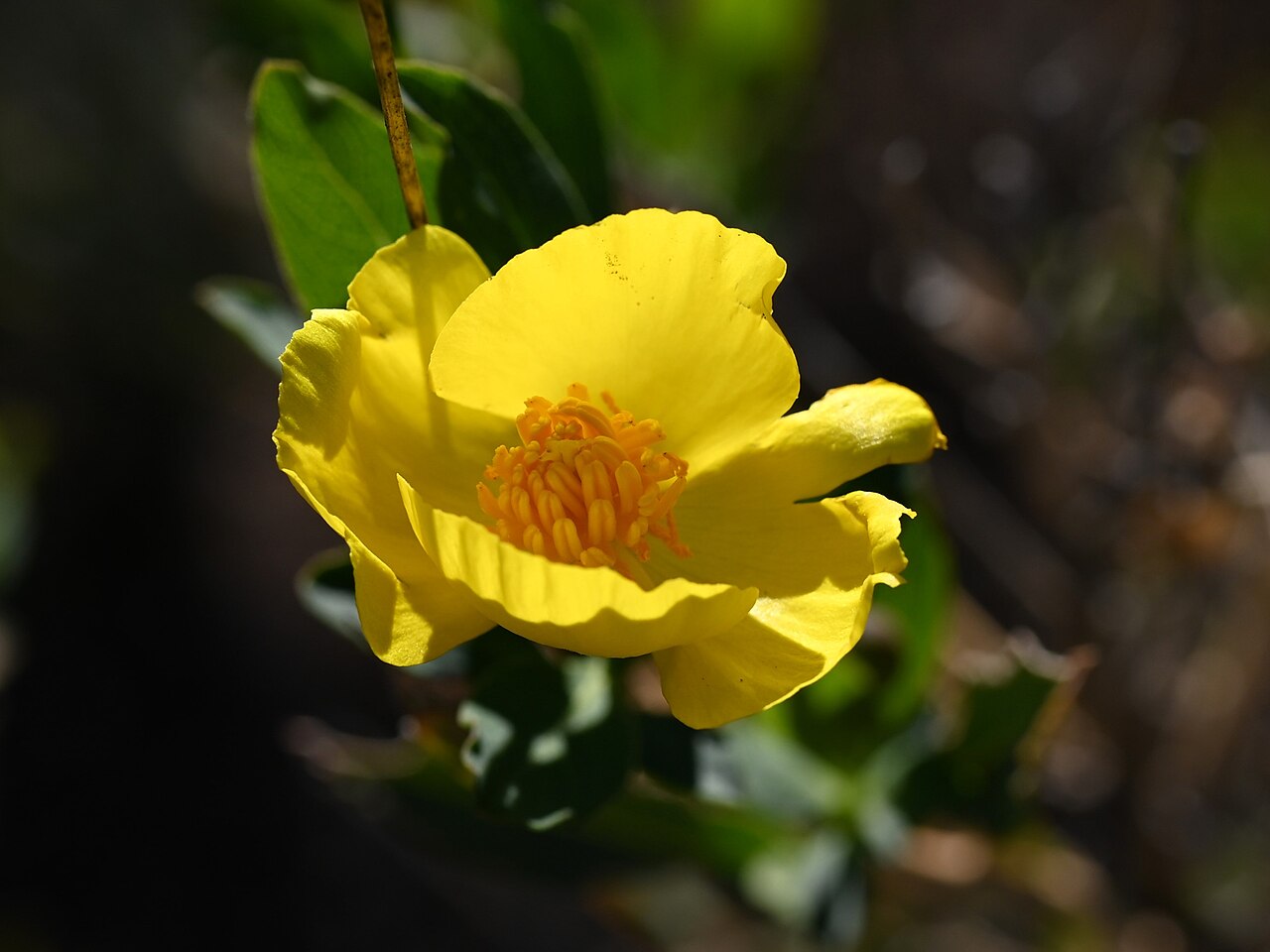
Bush poppy’s four-petaled, satiny yellow flower, blooming on Bouquet Reservoir chaparral. Photo: Krzysztof Ziarnek, Kenraiz / Wikimedia Commons (CC BY-SA 4.0) Dendromecon rigida, commonly called
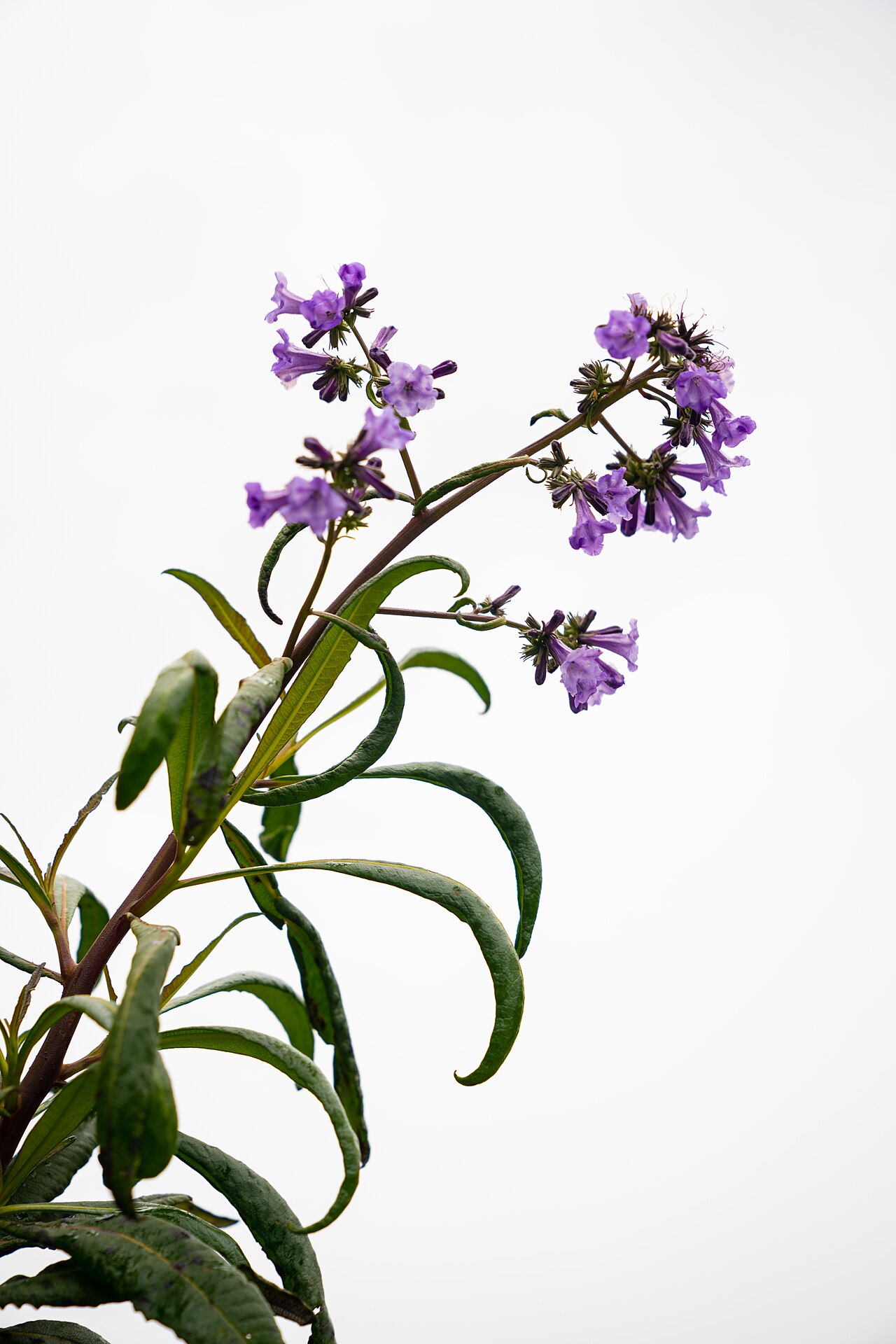
Yerba santa in bloom, Fort Ord National Monument, California. Photo: BLM California, Wikimedia Commons (Public domain) Eriodictyon californicum, commonly called Yerba Santa (“holy herb” in
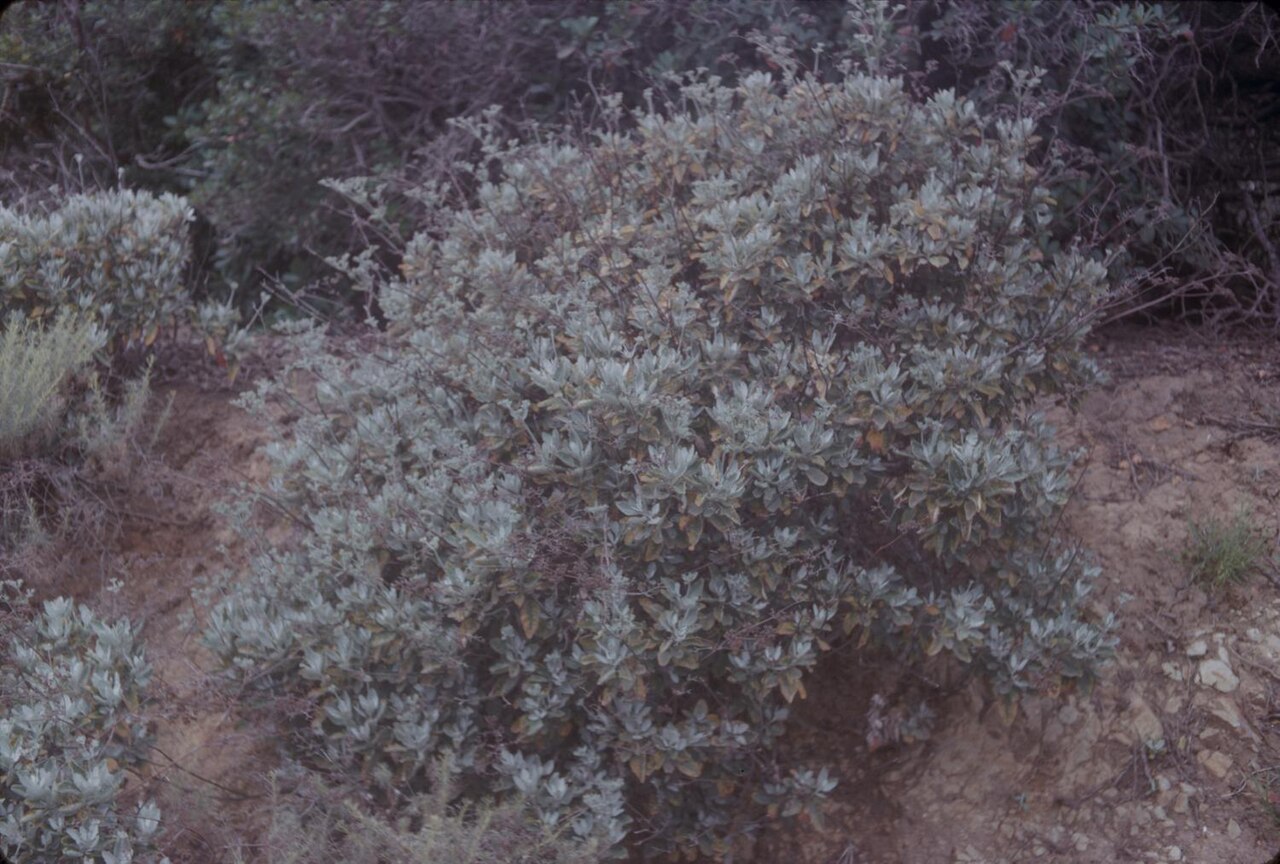
A wild St. Catherine’s lace shrub above Pebbly Beach, Santa Catalina Island — the only place this species grows naturally. Photo: Sherwin Carlquist, Wikimedia Commons
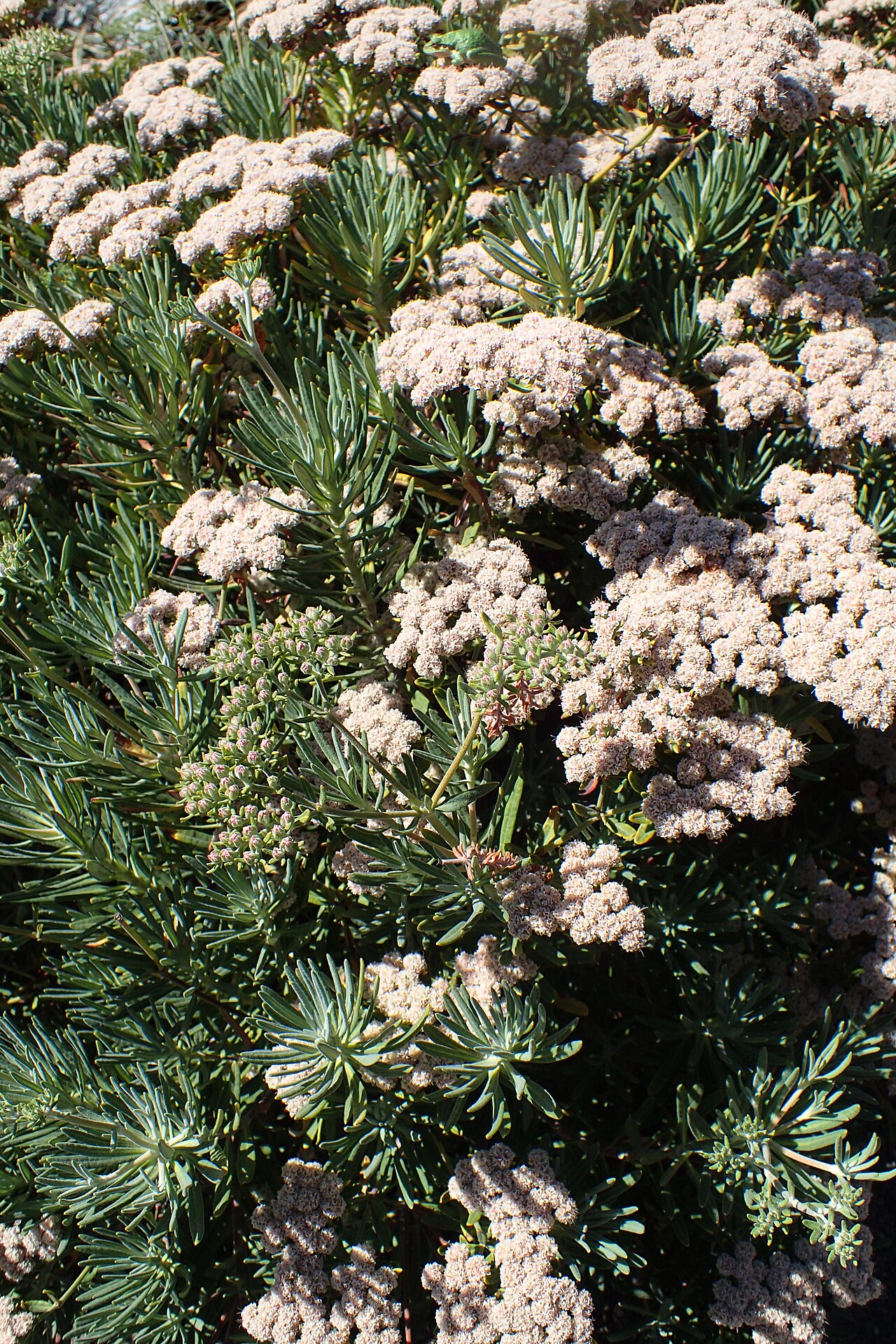
Santa Cruz Island buckwheat forms a dense mound of narrow leaves topped with rounded flower clusters. Photo: Krzysztof Ziarnek, Kenraiz, Wikimedia Commons (CC BY-SA 4.0),
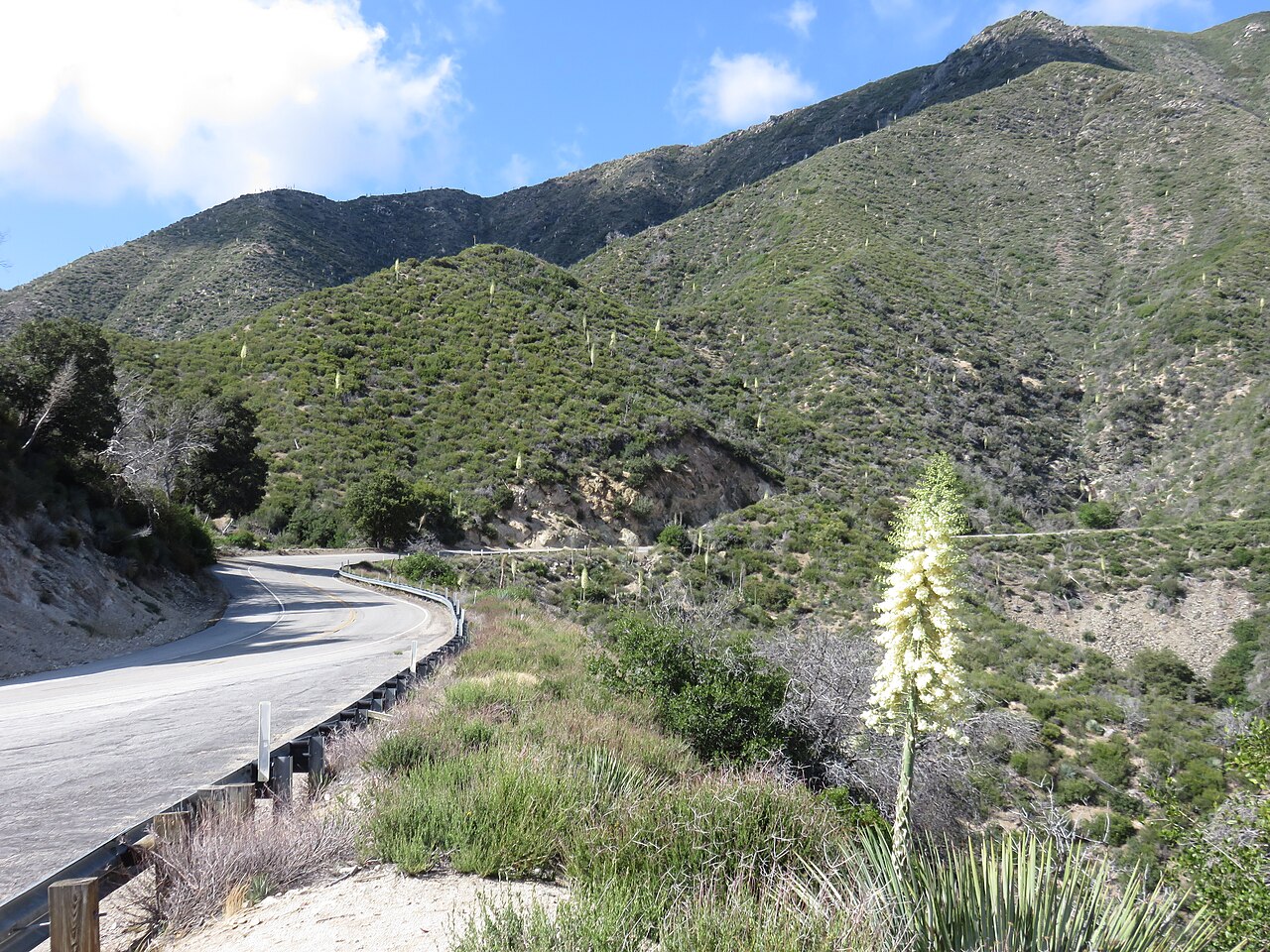
A flowering stalk of Our Lord’s candle rises above the chaparral slope — the silhouette that gives the plant its common name. Photo: Antony-22, Wikimedia
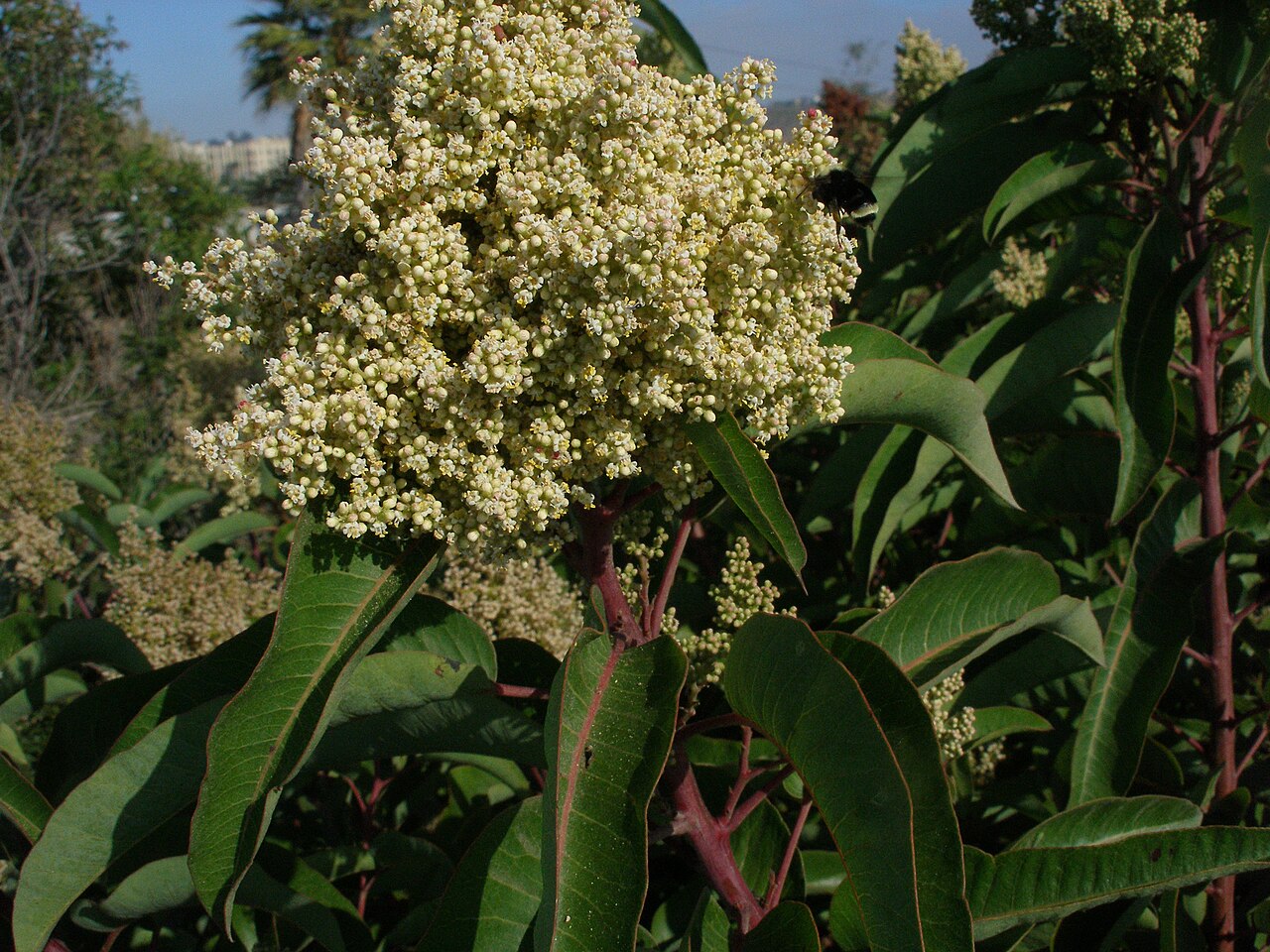
A laurel sumac flower cluster draws a bumblebee in Inglewood, California. Photo: Jonathan Coffin, Wikimedia Commons (CC BY-SA 2.0) Malosma laurina, commonly called Laurel Sumac,
View More