
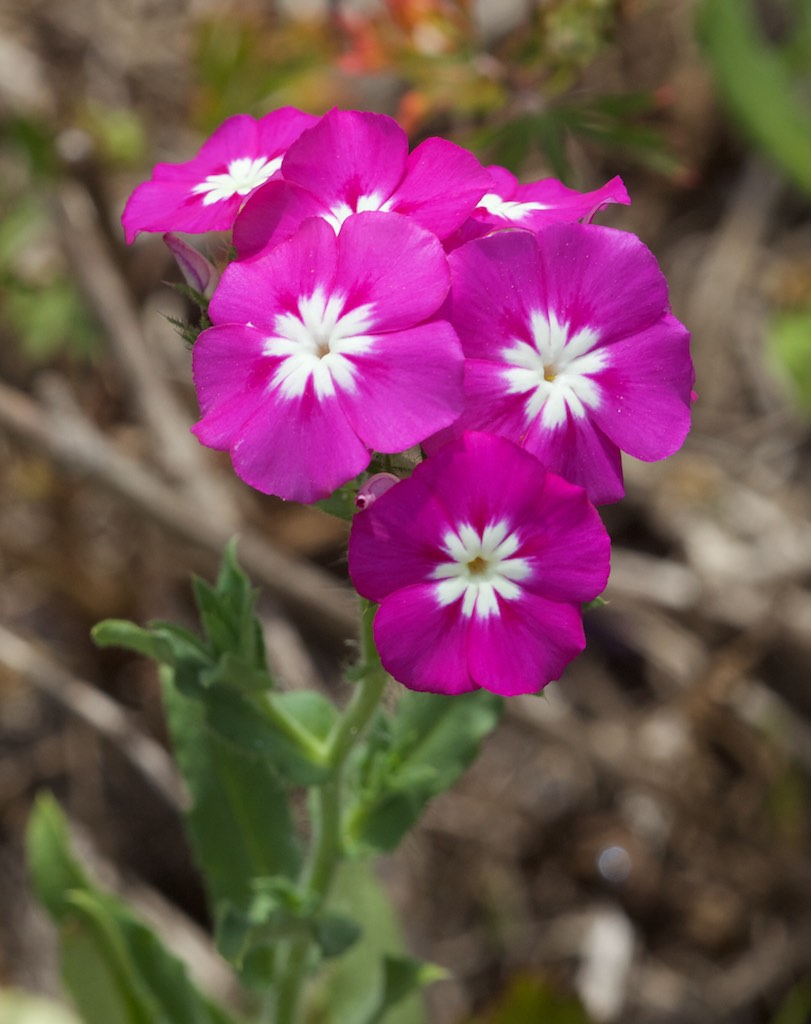
Drummond Phlox blooming in its classic magenta form with a white eye. Photo: mmmavocado, Wikimedia Commons (CC BY 2.0) Phlox drummondii, commonly called Drummond Phlox
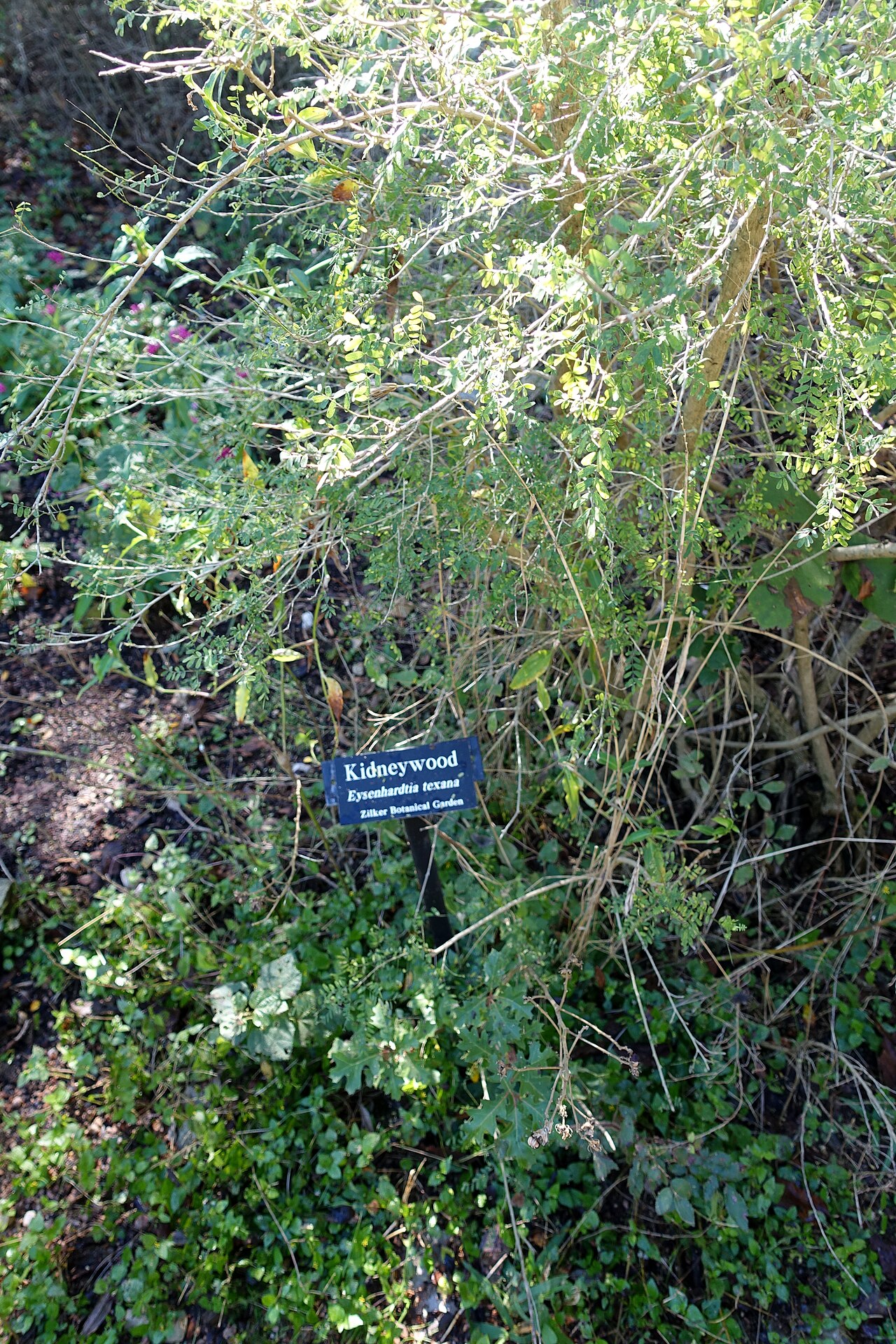
Texas Kidneywood’s open, airy growth habit and fine, feathery compound foliage. Photo: Wikimedia Commons (CC0) Eysenhardtia texana, commonly known as Texas Kidneywood, is a thornless,
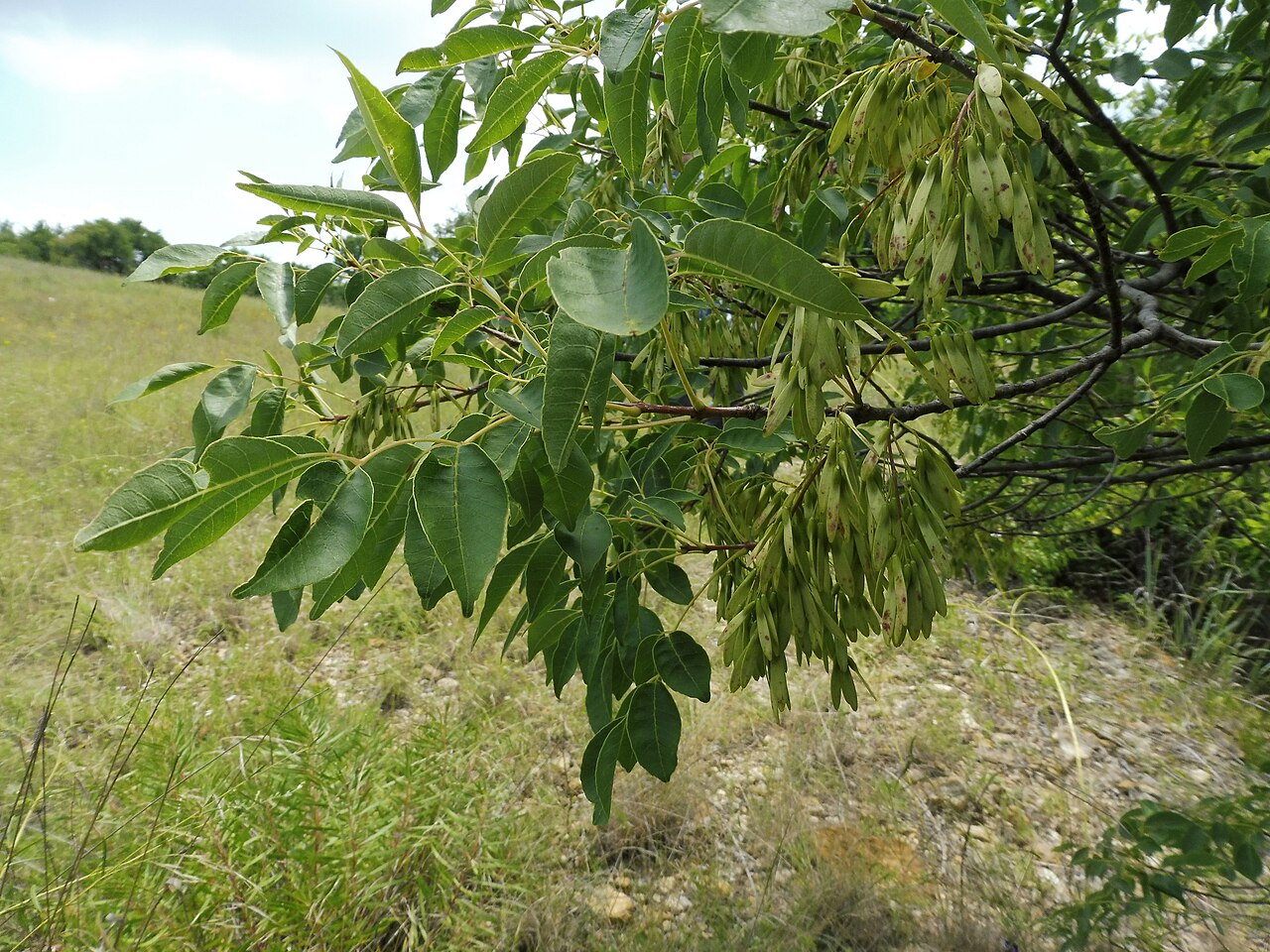
Texas Ash branch in native habitat, showing compound leaves and hanging samaras. Photo: Wikimedia Commons (CC BY-SA 4.0) Fraxinus texensis, commonly known as Texas Ash,
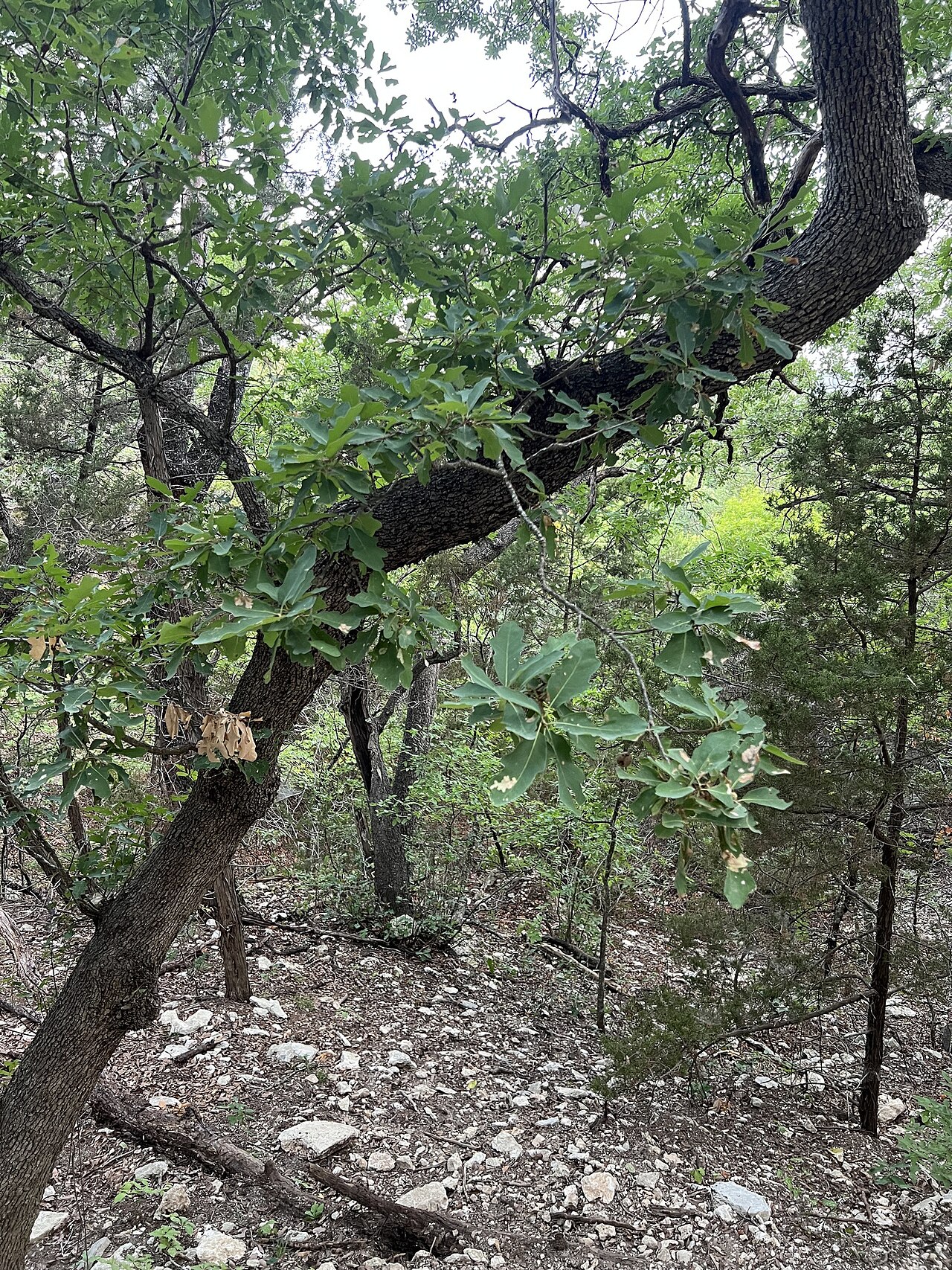
Lacey Oak on a rocky Hill Country slope, showing its characteristic blue-green summer foliage. Photo: Wikimedia Commons (CC0) Quercus laceyi, commonly known as Lacey Oak,
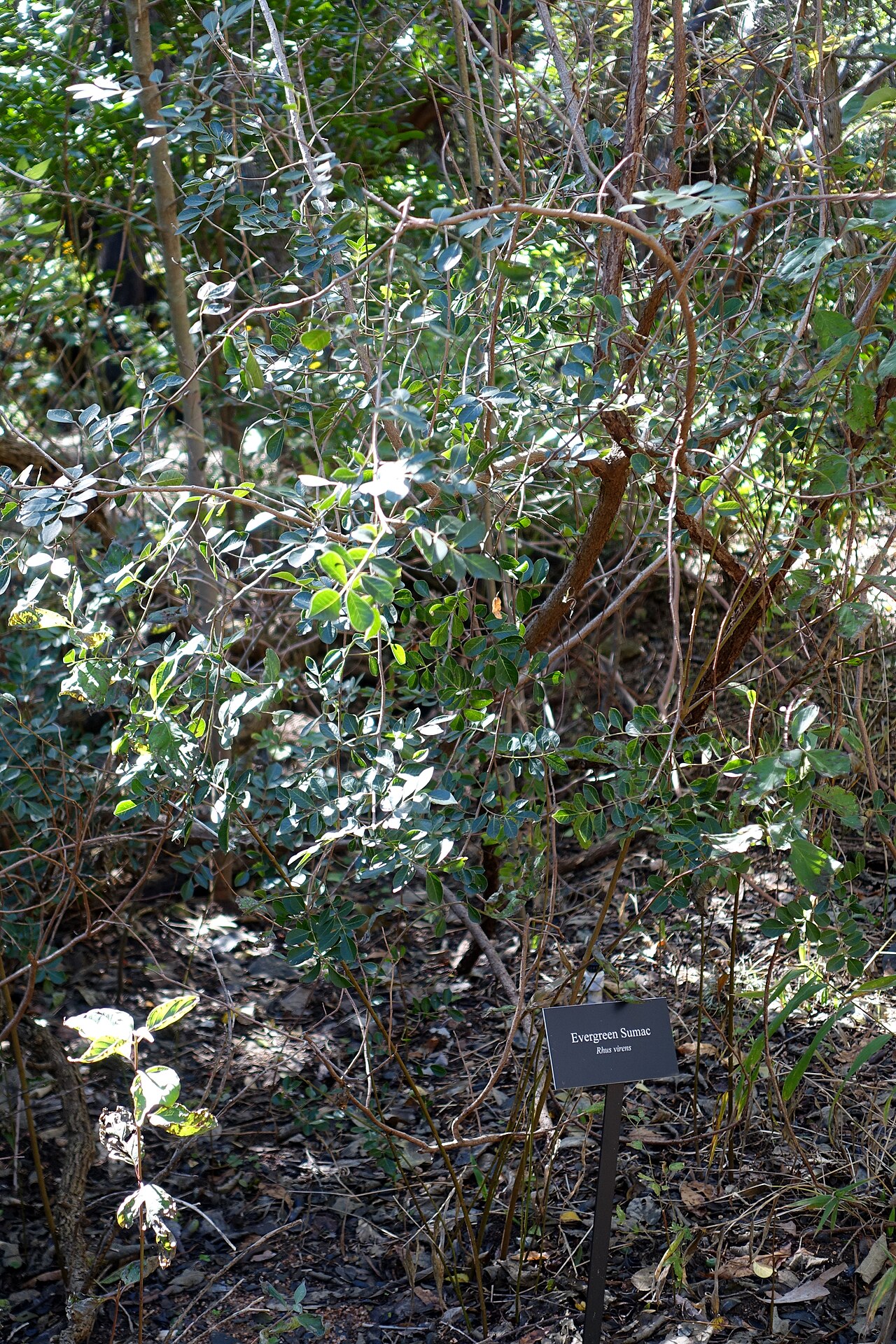
Evergreen sumac’s dense, rounded growth habit and glossy compound leaves. Photo: Wikimedia Commons (CC0) Rhus virens, commonly known as Evergreen Sumac, is a tough, broadleaf
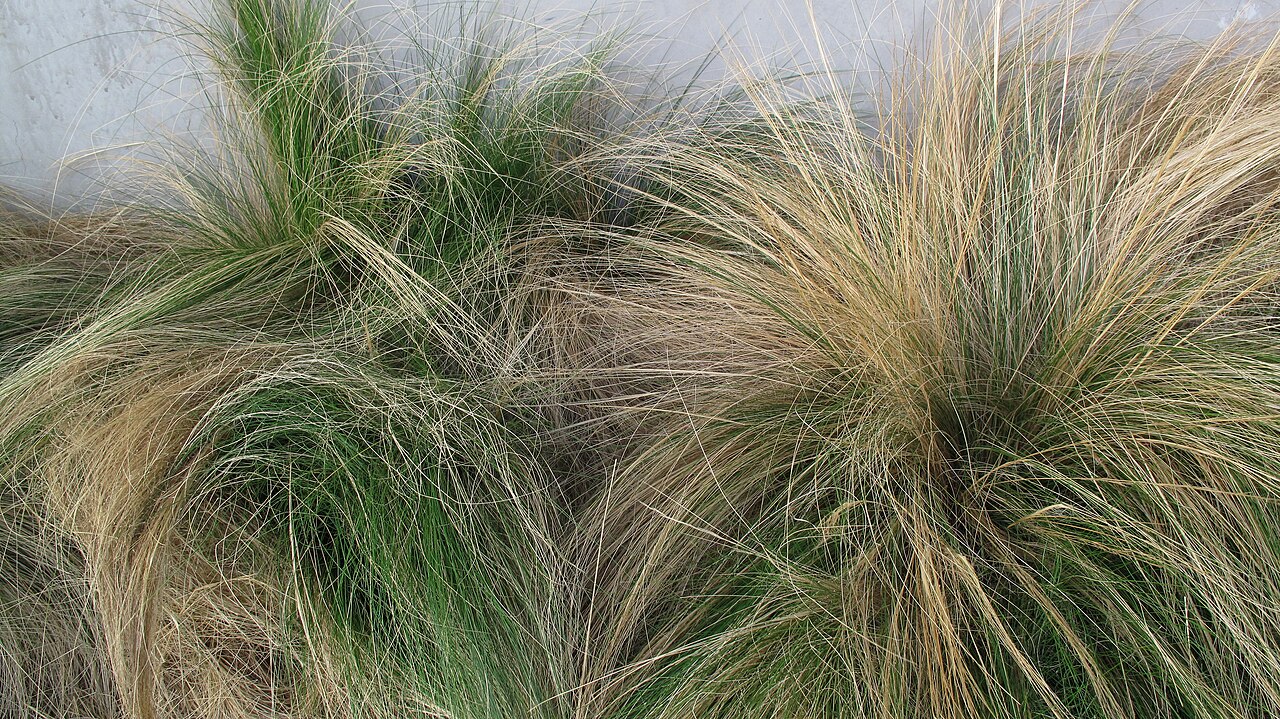
Texas needlegrass forms dense, fountain-like mounds of thread-fine foliage. Photo: Downtowngal / Wikimedia Commons (CC BY-SA 4.0) Nassella tenuissima (syn. Stipa tenuissima), commonly called Texas
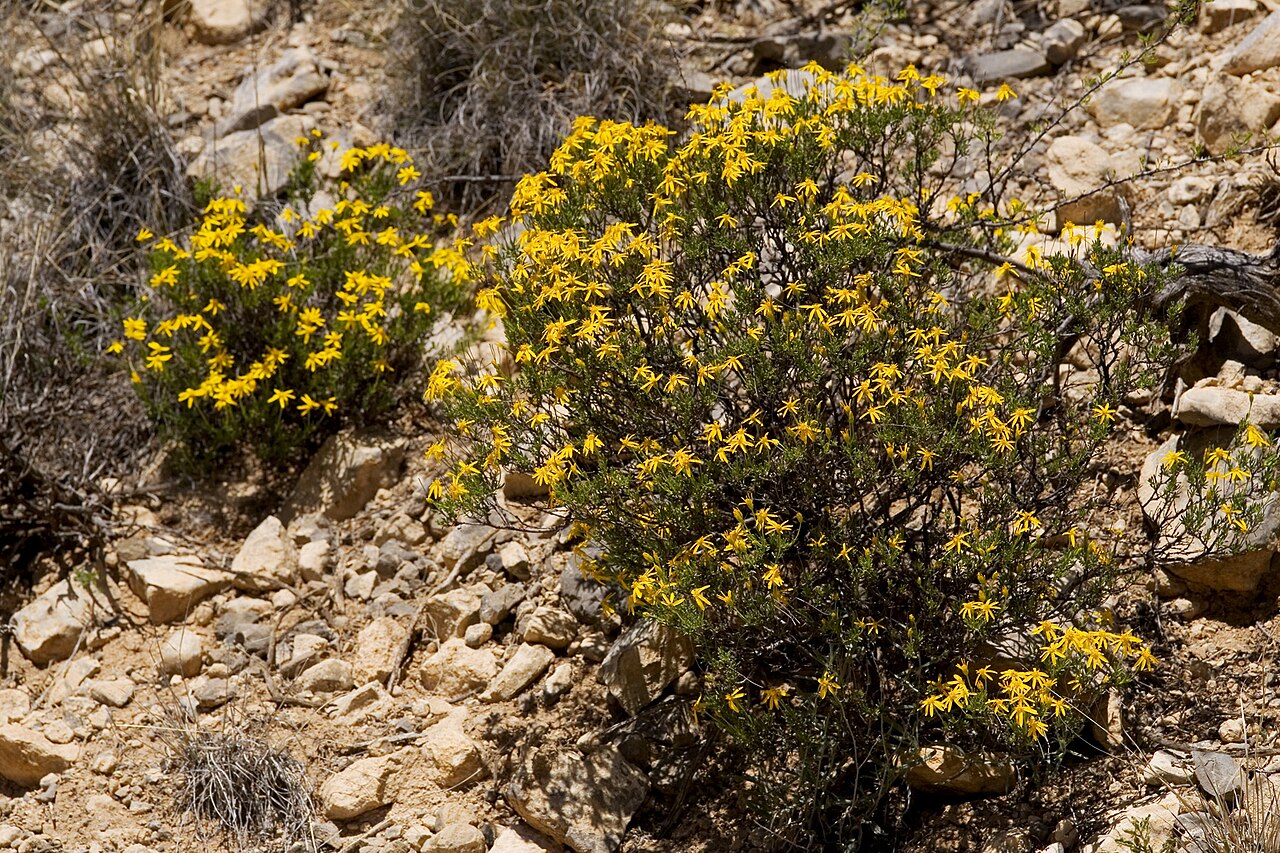
Damianita in full bloom on a rocky limestone slope in the San Andres Mountains, New Mexico. Photo: Patrick Alexander / Wikimedia Commons (CC0) Chrysactinia mexicana,
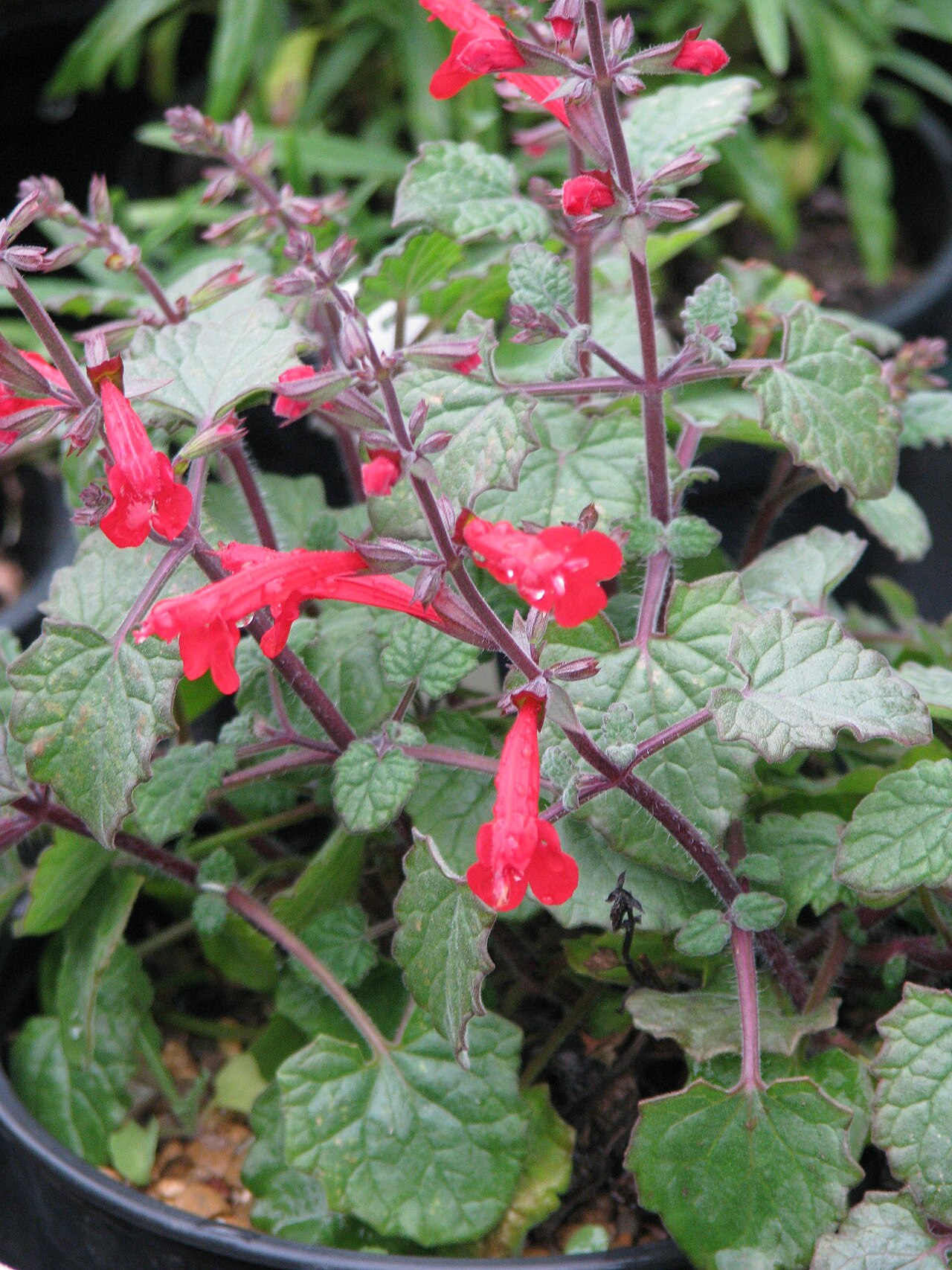
Cedar sage’s scalloped leaves and brilliant red flowers make it a favorite for shaded Texas Hill Country gardens. Photo: peganum / Wikimedia Commons (CC BY-SA
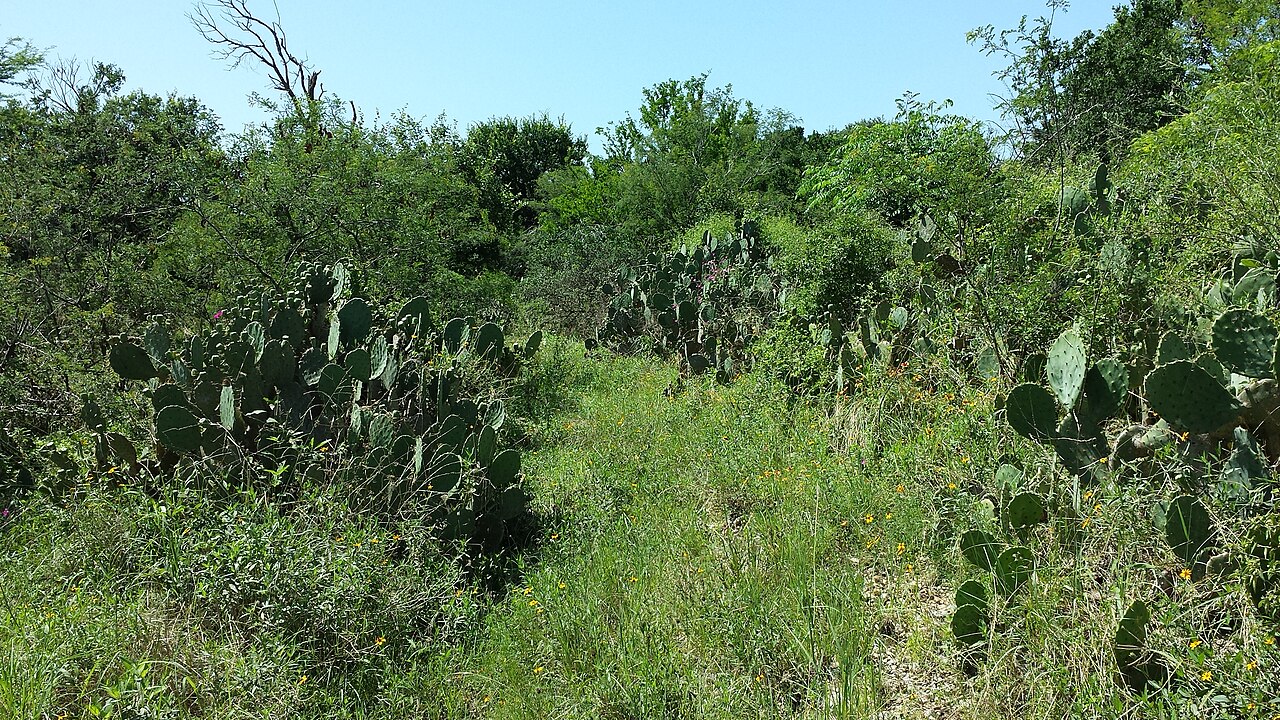
A dense Texas Prickly Pear thicket along Cibolo Creek, Guadalupe County, Texas. Photo: JLHtexas / Wikimedia Commons (CC BY-SA 4.0) Opuntia lindheimeri, the Texas Prickly
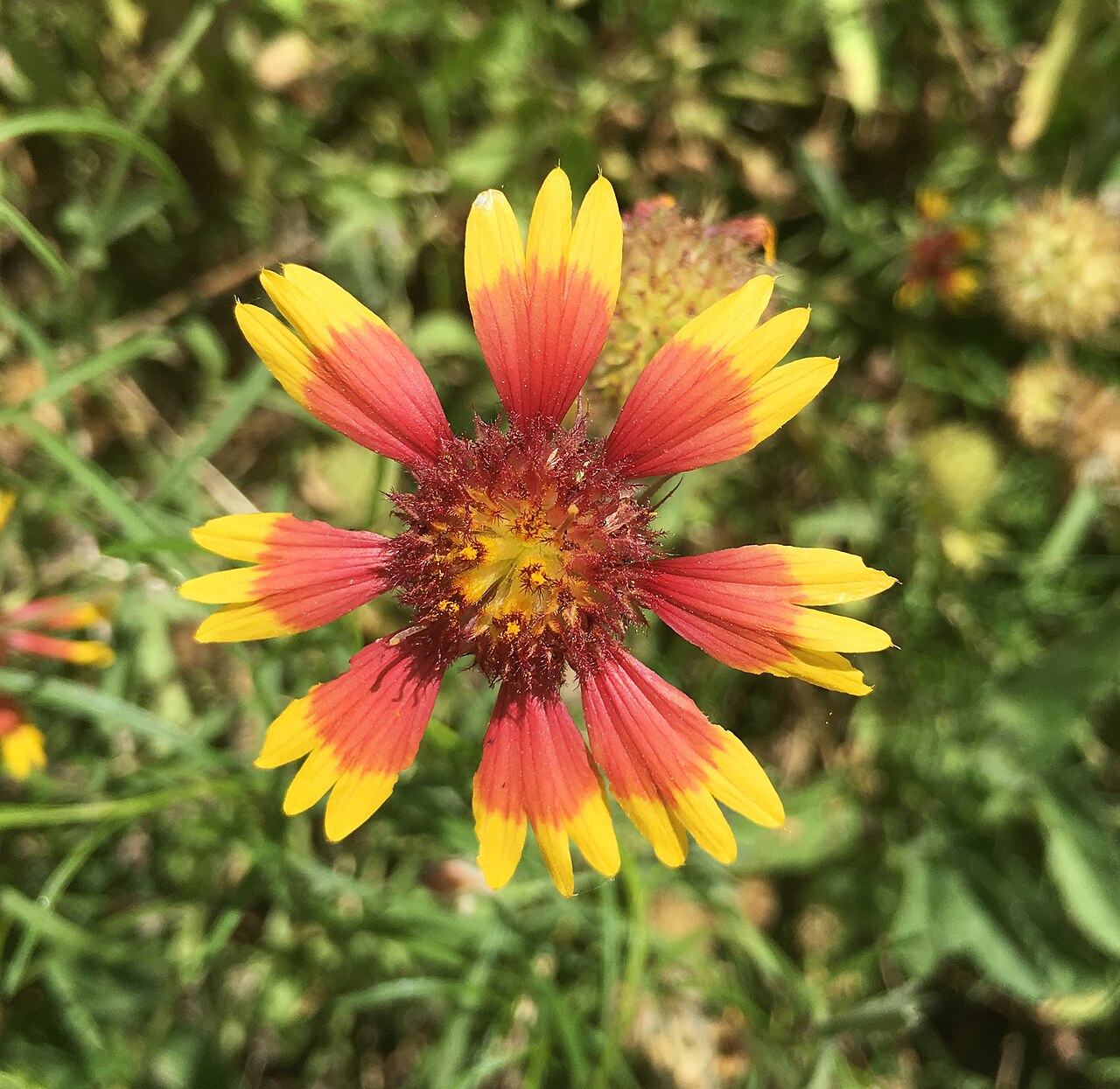
Indian Blanket flower at Zilker Park, Austin, Texas. Photo: Larry D. Moore / Wikimedia Commons (CC BY-SA 4.0) Gaillardia pulchella, commonly called Indian Blanket, Firewheel,
View More