Red-flowering Currant (Ribes sanguineum)
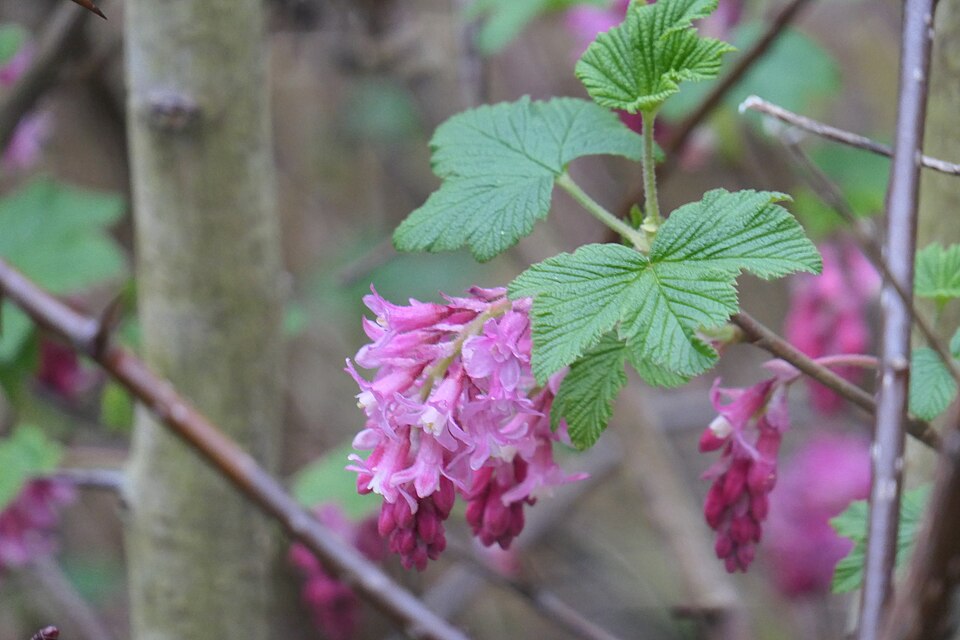
Ribes sanguineum, commonly known as Red-flowering Currant, stands as one of the most spectacular native shrubs of the Pacific Northwest, combining stunning early spring floral displays with year-round wildlife value. This deciduous shrub produces cascading clusters of bright red to pink flowers in March and April, creating brilliant splashes of color when few other plants are blooming. Native to the temperate forests and woodlands from British Columbia to northern California and east to Idaho, Red-flowering Currant has earned recognition as both an exceptional landscape plant and a cornerstone species for native gardens seeking to support hummingbirds, native bees, and other early-season pollinators.
Quick Facts
| Scientific Name | Ribes sanguineum Pursh |
| Plant Type | Deciduous shrub |
| Mature Height | 3–5 ft |
| Height | 6-10 feet (1.8-3 m) |
| Sun Exposure | Part Shade |
| Water Needs | Moderate |
| Soil Type | Well-drained, adaptable |
| Soil pH | Slightly acidic to neutral (6.0-7.0) |
| Bloom Time | March to May |
| Flower Color | Deep red to pink, occasionally white |
| USDA Hardiness Zones | 6-8 |
Identification
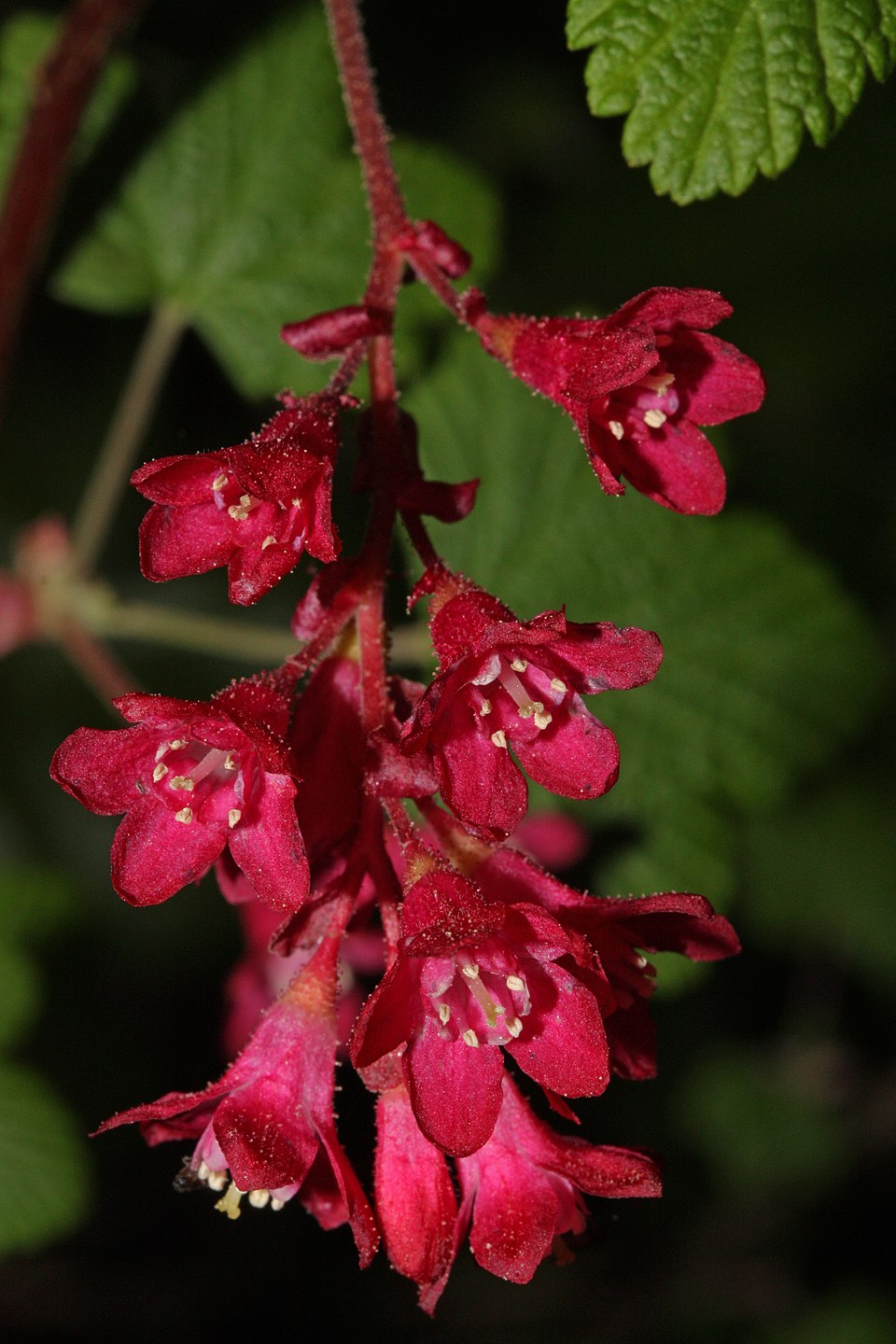
Red-flowering Currant is easily distinguished by its spectacular drooping clusters of tubular flowers and distinctive palmately-lobed leaves. The combination of early spring blooms, aromatic foliage, and attractive berries makes identification straightforward throughout most of the growing season.
Additional identification details for Red-flowering Currant include seasonal variations in appearance, distinguishing features from similar species, and characteristics that make it unique in its habitat. Field guides and botanical keys can help with positive identification, especially when comparing to closely related species in the same genus or family.
Growth Form
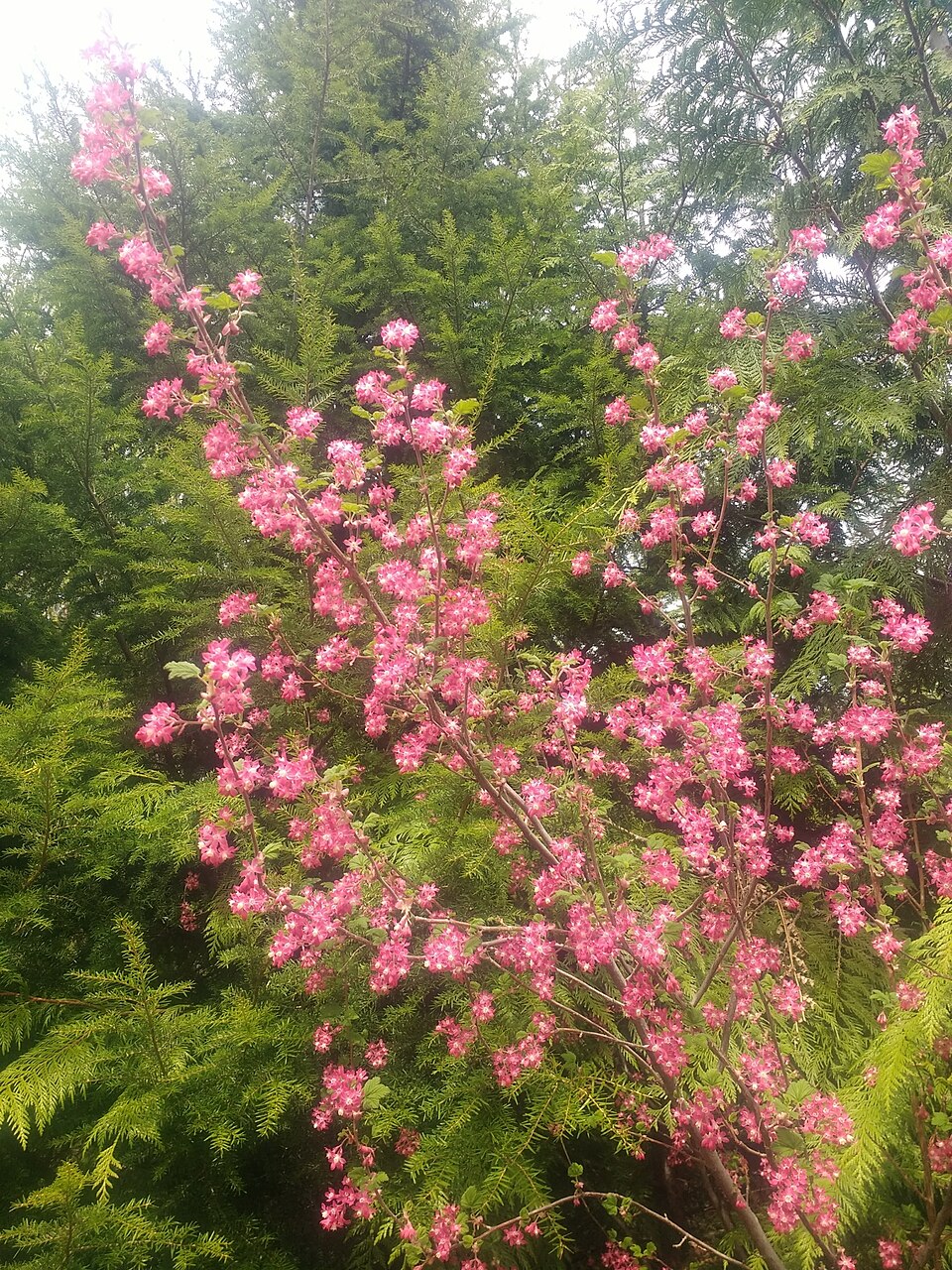
Red-flowering Currant typically develops into an upright, multi-stemmed shrub reaching 6-10 feet in height and 4-8 feet in width at maturity. The growth habit is naturally rounded to somewhat irregular, with arching branches that create an attractive, open structure. Young stems are smooth and reddish-brown, developing gray-brown bark with prominent pale lenticels as they age.
Leaves
The leaves are alternate, simple, and palmately lobed with 3-5 main divisions, measuring 2-4 inches across. They emerge bright green in spring with a distinctive resinous fragrance that intensifies on warm days or when crushed. The upper surfaces are somewhat glossy while the undersides are paler and may have fine hairs. Fall color is typically yellow to orange-red, providing attractive seasonal interest.
Flowers
The spectacular flower clusters appear in March to May before the leaves fully expand, hanging in graceful racemes 3-6 inches long. Individual flowers are tubular, about 0.5 inches long, with five small petals surrounding prominent stamens. Colors range from deep crimson through bright red to pale pink, with occasional white-flowered forms. The flowers produce abundant nectar and are perfectly adapted for hummingbird pollination.
Fruits
The berries ripen in summer to blue-black or dark purple, about 0.5 inches in diameter, with a waxy bloom. While edible, they have an insipid flavor and are primarily valuable for wildlife. The berries persist into fall, providing food for birds and small mammals.
Native Range
Red-flowering Currant demonstrates a Pacific-centered distribution, occurring primarily in the temperate coniferous forests and associated woodland communities of the region. The species ranges from sea level coastal areas to montane elevations, showing remarkable adaptability across diverse forest ecosystems.
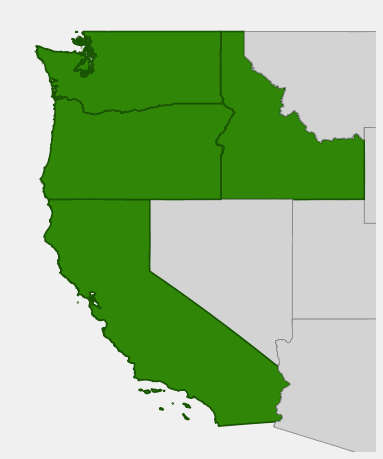
Throughout its range, Red-flowering Currant typically occurs as an understory component of coniferous forests dominated by Douglas fir, western hemlock, and associated species. The shrub thrives in partially shaded environments but can tolerate full sun in cooler, moister locations.
📋 Regional plant lists featuring Red-flowering Currant: Western Oregon & Western Washington
Growing & Care Guide
Red-flowering Currant proves remarkably adaptable in cultivation, tolerating various site conditions while requiring minimal maintenance once established. Its drought tolerance and pest resistance make it an excellent choice for sustainable landscaping.
Advanced growing tips for Red-flowering Currant include understanding its natural growth patterns, seasonal care requirements, and long-term maintenance needs. Successful cultivation often depends on mimicking the plant’s native habitat conditions as closely as possible in the garden setting.
Site Requirements
Plant in locations with morning sun and afternoon shade, or full sun in cooler coastal areas. Red-flowering Currant adapts well to various exposures but performs best with some protection from intense afternoon heat in warmer inland locations.
Soil and Water
While adaptable to various soil types, Red-flowering Currant performs best in well-drained, moderately fertile soils. The species demonstrates excellent drought tolerance once established, typically requiring supplemental water only during extended dry periods in its first few years.
Maintenance
Pruning should be performed immediately after flowering to avoid removing next year’s flower buds. Remove older canes periodically to encourage vigorous new growth and maintain attractive form. The shrub rarely requires fertilization and benefits from organic mulch around the root zone.
Wildlife & Ecological Value
Red-flowering Currant provides exceptional wildlife value throughout the year, serving as a critical early-season nectar source while supporting diverse bird and mammal communities with its berries and nesting habitat.
Hummingbird Magnet
The tubular flowers are specifically adapted for hummingbird pollination, providing crucial nectar resources when these birds are establishing territories and beginning breeding activities. Anna’s Hummingbirds and other Pacific Northwest species depend heavily on Red-flowering Currant during early spring when few other nectar sources are available.
Native Bee Support
Various native bees, particularly mason bees and mining bees, utilize the abundant pollen and nectar. The early blooming period supports bee populations during their spring buildup phase, contributing to more robust pollinator communities throughout the growing season.
Bird and Mammal Food
The berries support numerous bird species including thrushes, waxwings, and various sparrows. Small mammals such as chipmunks and squirrels also consume the fruits, helping to disperse seeds throughout suitable habitat.
Historical and Cultural Significance
Red-flowering Currant holds significant place in both indigenous and European horticultural history. Indigenous peoples of the Pacific Northwest utilized various parts of the plant for food and medicine, while early European settlers recognized its ornamental value.
Introduction to Europe
David Douglas introduced Red-flowering Currant to Britain in 1826, where it became an immediate sensation in English gardens. The noted botanist John Lindley proclaimed that Douglas’s entire expedition would have been worthwhile for this single introduction alone, highlighting the profound impact this native shrub had on European horticulture.
Landscape Applications
Red-flowering Currant excels in both formal and naturalistic landscape designs, providing reliable early spring color while supporting local wildlife populations. Its moderate size and attractive form make it suitable for diverse applications from small residential gardens to large-scale restoration projects.
Design Uses
The shrub works beautifully as a specimen plant, in mixed borders, or as part of naturalistic woodland gardens. Its spectacular early spring display creates focal points when combined with other native plants, while the summer berries extend its ornamental value.
Companion Plants
Red-flowering Currant pairs well with other Pacific Northwest natives including Oregon grape, salmonberry, and various ferns. The combination creates layered habitat structure while providing extended seasonal interest and maximum wildlife value.
Cultivation Notes
Red-flowering Currant has earned recognition as one of the most reliable and low-maintenance native shrubs for Pacific Northwest gardens. Its combination of spectacular flowers, wildlife value, and cultural adaptability makes it indispensable for sustainable landscape design. The species’ historical significance and continued importance in both natural and cultivated environments exemplify the value of incorporating native plants into contemporary landscaping practices.
Frequently Asked Questions
When should I prune my Red-flowering Currant?
Prune immediately after flowering (May-June) to avoid cutting off next year’s flower buds, which form on second-year wood. Remove about 1/3 of the oldest canes annually to encourage vigorous new growth and maintain the best flowering display. Never prune in fall or winter.
Why isn’t my Red-flowering Currant blooming well?
Poor flowering is usually caused by too much shade, over-fertilization, or incorrect pruning timing. Red-flowering Currant needs at least 4-6 hours of sunlight for best blooming. Avoid high-nitrogen fertilizers which promote foliage at the expense of flowers, and never prune in fall or winter as you’ll remove flower buds.
Are the berries on Red-flowering Currant edible?
While technically edible, the berries are quite bland and somewhat astringent — they’re much better left for the birds! Indigenous peoples occasionally used them mixed with other berries, but they’re primarily valued for their wildlife food rather than human consumption. The real treasure of this plant is its spectacular spring flowers.
Is Red-flowering Currant related to the currants I eat?
Yes! Red-flowering Currant belongs to the same genus (Ribes) as edible currants and gooseberries. However, it was selected by nature for showy flowers rather than tasty fruit. The European black currants and red currants in your grocery store are different species (R. nigrum and R. rubrum) that were bred for fruit quality.
Will Red-flowering Currant attract hummingbirds to my garden?
Absolutely! Red-flowering Currant is one of the most important early-season hummingbird plants in the Pacific Northwest. Anna’s Hummingbirds, Rufous Hummingbirds, and other species depend on its nectar-rich flowers during their peak breeding season in March-May. A single mature shrub can support multiple hummingbird territories.

Looking for a nursery that carries Red-flowering Currant?
Browse our native plant nursery directory: Oregon · Washington