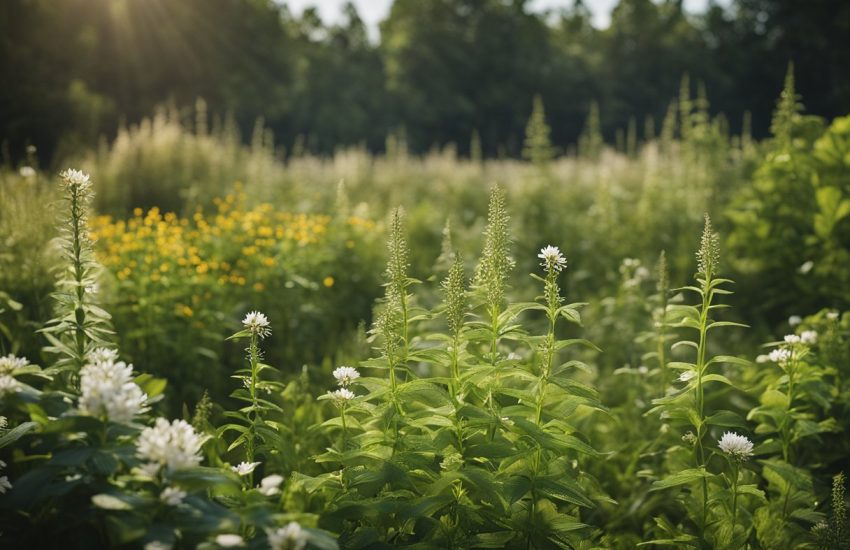
Shooting Star (Dodecatheon hendersonii)
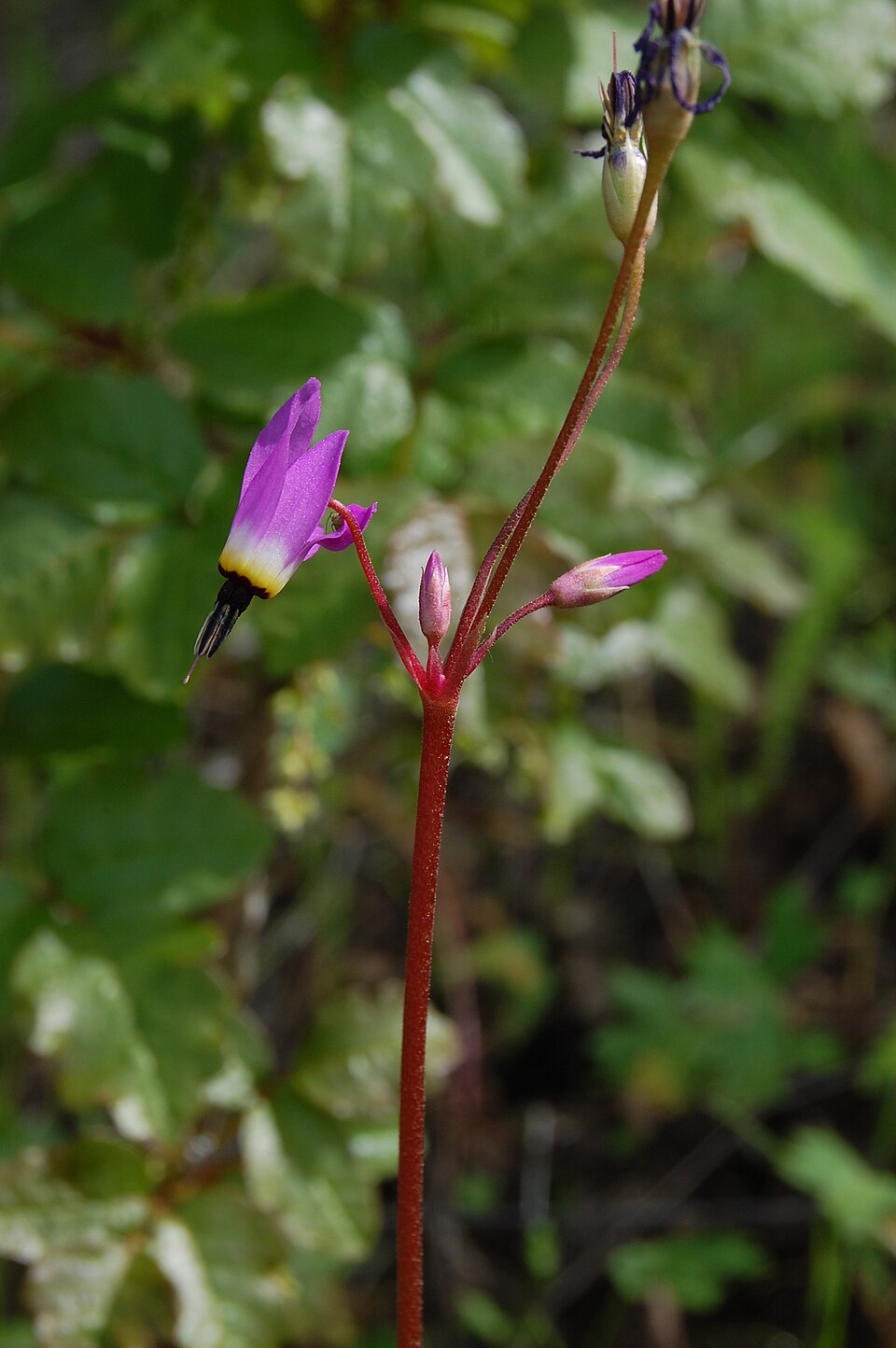
Dodecatheon hendersonii (recently reclassified as Primula hendersonii), commonly known as Shooting Star, Henderson’s Shooting Star, or Mosquito Bills, represents one of the most distinctive and beloved wildflowers of the Pacific Northwest. This charming perennial herb produces clusters of nodding flowers with dramatically swept-back petals that create the impression of tiny shooting stars or shuttlecocks dancing on slender stems. Native to open woodlands, meadows, and grasslands from British Columbia to northern California and inland to Idaho, Shooting Star has captured the hearts of wildflower enthusiasts with its unique floral architecture and reliable spring displays that herald the arrival of the growing season.
Quick Facts
| Scientific Name | Dodecatheon hendersonii A. Gray (now Primula hendersonii) |
| Plant Type | Herbaceous perennial |
| Height | 6-12 inches (15-30 cm) |
| Sun Exposure | Partial shade to partial sun |
| Water Needs | Moderate in spring, dry in summer |
| Soil Type | Well-drained, humus-rich |
| Soil pH | Slightly acidic to neutral (6.0-7.0) |
| Bloom Time | March to May |
| Flower Color | Magenta, lavender, pink, or white |
| USDA Hardiness Zones | 5-9 |
Identification
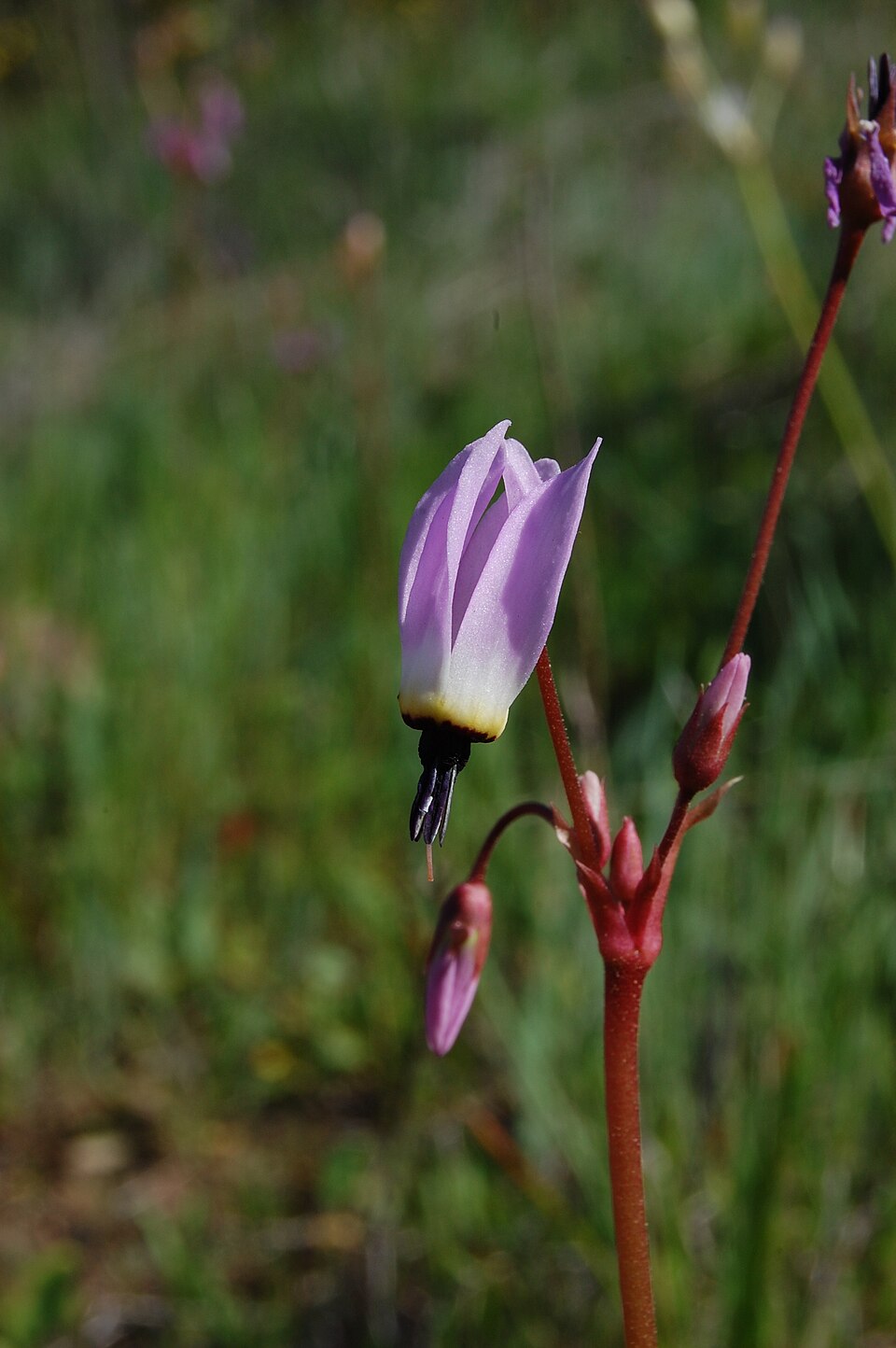
Shooting Star is unmistakable when in bloom, with its distinctive flowers that appear to defy botanical convention. The unique floral structure, combined with the plant’s characteristic growth pattern and seasonal behavior, makes identification straightforward for even novice botanists.
Growth Form and Habit
Shooting Star grows as a compact herbaceous perennial, forming neat rosettes of basal leaves that emerge from small, rounded tubers buried 2-4 inches below the soil surface. The entire above-ground portion of the plant typically measures 6-12 inches tall and 4-8 inches wide, creating tidy clumps that fit perfectly into rock gardens or naturalistic woodland plantings.
The plant exhibits a distinctive seasonal growth pattern known as summer dormancy or estivation. Following spring flowering and seed production, the entire above-ground portion dies back completely, leaving no visible trace of the plant through the hot, dry summer months. This adaptation allows Shooting Star to thrive in Mediterranean-type climates where summer drought is the norm.
Leaves
The leaves form attractive basal rosettes that provide the foundation for the flowering display. Individual leaves are broadly spatulate to oblanceolate, measuring 2-6 inches long and 0.5-2 inches wide at their broadest point. They taper gradually from the rounded tip to a narrow base that transitions into a distinct petiole.
Leaf surfaces are smooth and bright green, with a slightly succulent texture that helps the plant store water for the growing season. The margins are typically entire (smooth-edged), though some forms may show slight undulation or very fine serration. Prominent parallel veins run from the base to the tip, creating an attractive architectural pattern.
The rosette arrangement maximizes light capture while creating an effective funnel for directing rainwater to the plant’s root system. As spring progresses, the leaves gradually enlarge and develop deeper green coloration before beginning their seasonal senescence in late spring or early summer.
Flowers
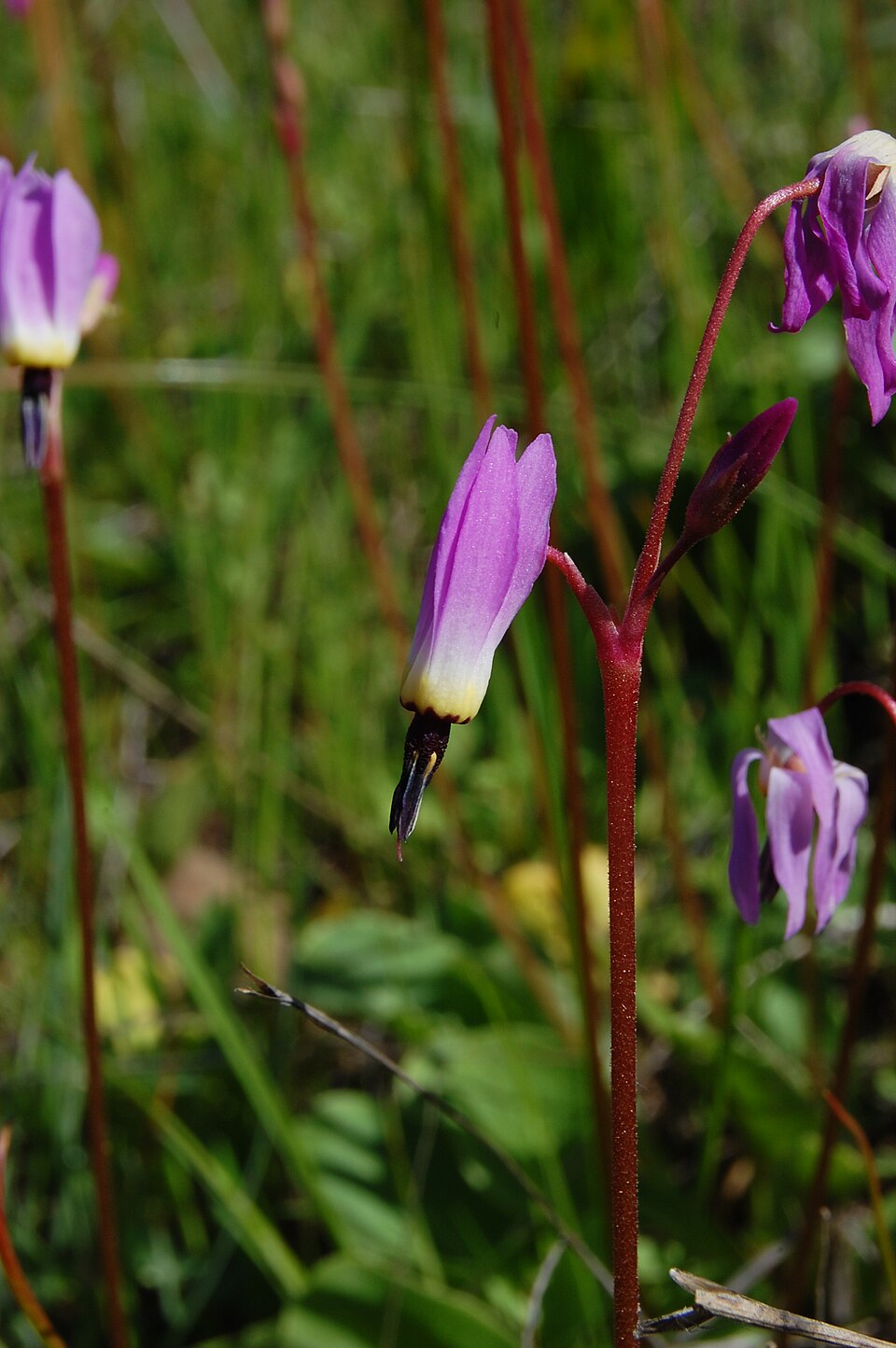
The flowers represent Shooting Star’s most spectacular and diagnostic feature, with a unique structure that immediately distinguishes them from all other North American wildflowers. Individual flowers nod downward on slender stems (pedicels) that arise from the center of the leaf rosette, creating the impression of small shuttlecocks or darting birds frozen in mid-flight.
Each flower measures 0.75-1 inch long and consists of five sharply reflexed (bent backward) petals that range in color from deep magenta through lavender and pink to pure white. The petals sweep dramatically backward from the flower center, exposing a prominent cone of five bright yellow or orange stamens that project forward like a miniature lance.
The unique floral architecture serves specific pollination functions, with the reflexed petals and projecting stamens facilitating buzz pollination by native bees. The flower structure forces visiting insects to grasp the stamen cone and vibrate their flight muscles to release pollen, ensuring effective pollination while preventing nectar theft.
Flowers are typically arranged in umbels (umbrella-like clusters) of 3-15 individual blooms atop stems that rise 6-12 inches above the foliage. The flowering period extends from early March in warm, low-elevation sites to May in cooler mountain locations, providing 4-6 weeks of spectacular display.
Fruits and Seeds
Following successful pollination, Shooting Star produces small, oval capsules that split lengthwise to release numerous tiny seeds. The capsules initially stand erect as they develop, but mature fruits often nod downward like the flowers, helping protect seeds from rainfall that might wash them away prematurely.
Seeds are small and dark brown to black, measuring less than 1mm in diameter. They possess a slightly roughened surface texture that may aid in soil attachment and germination. In nature, seed dispersal occurs primarily through gravity and water transport, though ants may also play a role in local seed distribution.
Native Range
Shooting Star demonstrates a relatively compact but significant native range centered in the Pacific Northwest, with populations extending from southern British Columbia through western Washington, Oregon, and northern California, with isolated populations reaching into Idaho. This distribution reflects the species’ adaptation to the region’s distinctive Mediterranean-type climate characterized by wet winters and dry summers.
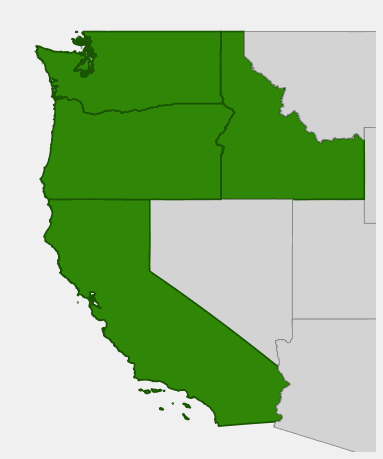
Throughout its range, Shooting Star occurs primarily in open woodlands, prairie margins, and grassy slopes where it receives filtered sunlight and protection from the hottest afternoon sun. The species shows particular affinity for areas with deep, well-drained soils that remain moist through the winter and spring but dry out significantly during the summer months.
In Washington and Oregon, Shooting Star frequently inhabits oak woodlands and prairie-forest transition zones, where it forms spectacular spring displays alongside other native wildflowers such as camas (Camassia species), lupines (Lupinus species), and various lilies. These ecosystems represent some of the most threatened plant communities in the Pacific Northwest due to development pressure and fire suppression.
California populations occur primarily in the northern counties, extending south into the Sierra Nevada foothills and scattered locations in the Coast Range. Here the species typically grows in blue oak and foothill pine woodlands, often on north-facing slopes that remain cooler and moister than surrounding areas.
The species’ elevational range extends from near sea level in coastal areas to approximately 6,200 feet in interior mountains. This broad elevational tolerance reflects Shooting Star’s ability to adapt to varying temperature and precipitation regimes while maintaining its fundamental requirement for winter moisture and summer dormancy.
📋 Regional plant lists featuring Shooting Star: Western Oregon & Western Washington
Growing & Care Guide
Shooting Star proves surprisingly adaptable in cultivation when gardeners understand and accommodate its unique seasonal growth pattern and Mediterranean climate adaptations. Success depends primarily on providing appropriate drainage and respecting the plant’s natural dormancy cycle.
Site Selection and Preparation
Choose locations with morning sun and afternoon shade, particularly in warmer inland areas. Shooting Star thrives in dappled light beneath deciduous trees or on north-facing slopes where it receives bright but not intense illumination. In cooler coastal areas, the plant tolerates more direct sunlight.
Soil drainage proves absolutely critical for success, as waterlogged conditions during the summer dormancy period quickly lead to tuber rot and plant death. Select naturally well-drained sites or improve drainage through soil amendments and raised planting areas. Slopes, rock gardens, and areas beneath established trees often provide ideal drainage conditions.
Soil depth should be adequate to accommodate the plant’s small tubers, typically requiring at least 6-8 inches of workable soil. While Shooting Star tolerates various soil types, it performs best in humus-rich loams that provide both nutrition and good moisture retention during the active growing season.
Planting and Establishment
Shooting Star can be established from seed, purchased plants, or collected tubers, each method offering distinct advantages and challenges. Seed propagation provides the most economical approach for large plantings but requires patience and specific techniques for reliable success.
For seed propagation, collect fresh seeds in late spring as capsules begin to split. Seeds require a cold, moist stratification period of 90-120 days to break dormancy. Sow stratified seeds in fall in prepared seedbeds or directly in permanent locations, barely covering with fine soil.
Germination typically occurs in early spring, with seedlings producing single leaves during their first season. Plants grown from seed may require 3-5 years to reach flowering size, though some individuals may bloom in their second or third year under optimal conditions.
Container plants establish readily when planted in fall or early spring before active growth begins. Handle tubers carefully, as they are relatively small and easily damaged. Plant at the same depth they were growing in containers, typically 2-3 inches deep.
Seasonal Care and Maintenance
Understanding and working with Shooting Star’s natural seasonal rhythm proves essential for long-term success. During the active growing season from fall through late spring, provide regular moisture equivalent to natural rainfall patterns. This typically means frequent watering during the winter months in Mediterranean climates or consistent moisture in areas with winter snow cover.
As flowering concludes and leaves begin to yellow, gradually reduce watering to simulate the onset of natural summer drought. Once leaves have completely died back, cease all irrigation and allow the planting area to remain dry through the summer months. This summer dormancy is not optional—attempting to keep plants green through the summer almost invariably leads to failure.
Fertilization is typically unnecessary and may actually be detrimental, as Shooting Star adapts to relatively nutrient-poor soils. Excessive fertility can promote soft growth that is more susceptible to disease and may interfere with proper dormancy induction.
Mark planting locations clearly, as the complete disappearance of above-ground growth makes it easy to disturb dormant plants through inadvertent digging or cultivation. Many gardeners use small stakes or plant markers to identify Shooting Star locations during the dormant period.
Propagation
Division of established clumps provides the most reliable method for propagating specific forms or colors of Shooting Star. Carefully lift dormant tubers in late summer or early fall, separating individual tubers and any small offsets that may have formed. Replant immediately at appropriate depths in prepared locations.
Tuber division should be performed cautiously, as the small size and relative fragility of Shooting Star tubers make them more challenging to handle than the bulbs of typical garden plants. Use a sharp, clean knife to separate tubers, allowing any cut surfaces to dry for several hours before planting to reduce the risk of rot.
Seed collection and propagation offers opportunities to establish larger populations or select for specific characteristics. However, plants grown from seed may show considerable variation in flower color, size, and blooming time compared to the parent plants.
Wildlife & Ecological Value
Shooting Star provides crucial early-season resources for native pollinator communities while serving as an indicator species for high-quality native plant communities. Its specialized pollination requirements and specific habitat needs make it an excellent choice for restoration projects and wildlife gardens focused on supporting native biodiversity.
Specialized Pollination Relationships
The unique floral structure of Shooting Star has co-evolved with specific native bee species that practice buzz pollination, a specialized foraging behavior where bees grasp flower stamens and vibrate their flight muscles to release pollen. This relationship makes Shooting Star flowers inaccessible to many generalist pollinators while ensuring high-quality pollination services from adapted native species.
Native bumble bees (Bombus species) serve as the primary pollinators, with their robust bodies and strong flight muscles making them ideally suited for accessing Shooting Star’s reflexed flowers. Mason bees (Osmia species) and other solitary bees also visit flowers regularly, though their effectiveness varies with individual species and local flower abundance.
The early blooming period makes Shooting Star particularly valuable for queen bumble bees emerging from winter hibernation, providing essential protein and energy resources when few other flowers are available. This early-season support can significantly impact the success of entire bumble bee colonies throughout the subsequent growing season.
Research has shown that native bee communities in areas with healthy Shooting Star populations tend to be more diverse and stable than those in degraded habitats, highlighting the species’ value as a keystone pollinator plant.
Indicator Species Value
Shooting Star serves as an excellent indicator of high-quality native plant communities, as it requires specific soil conditions, moisture regimes, and lack of disturbance to persist in natural habitats. The presence of healthy Shooting Star populations often indicates intact ecosystem processes and minimal invasive plant pressure.
Conservation biologists frequently use Shooting Star populations as indicators when assessing the ecological integrity of Pacific Northwest prairie and oak woodland systems. Declining populations may signal habitat degradation, altered hydrology, or other environmental stresses that affect entire plant communities.
The species’ sensitivity to soil compaction and altered drainage makes it particularly valuable for monitoring the impacts of human activities on native ecosystems. Areas that support thriving Shooting Star populations typically maintain the complex soil structure and hydrological processes essential for many other sensitive native species.
Seed and Food Web Support
While Shooting Star flowers provide specialized pollination resources, the plant’s seeds contribute to broader food web dynamics by supporting various small mammals and birds. The timing of seed production coincides with the breeding season for many native species, providing important nutrition during critical reproductive periods.
Native ants collect and disperse Shooting Star seeds, potentially playing important roles in local population establishment and genetic exchange. This relationship represents another example of the complex ecological interactions that develop around native plant species over evolutionary time.
The plant’s distinctive seasonal growth pattern creates habitat structure that benefits various wildlife species. The spring foliage provides cover and foraging areas for ground-dwelling invertebrates, while the summer dormancy opens up space for other seasonal plants to flourish.
Cultural and Historical Significance
Shooting Star holds special significance in Pacific Northwest indigenous cultures, where its distinctive appearance and reliable spring emergence made it an important seasonal indicator and occasional food source. Traditional ecological knowledge recognizes the species as part of complex seasonal cycles that guide various cultural and subsistence activities.
Traditional Uses
Several indigenous groups utilized Shooting Star tubers as food during times of scarcity, though the small size of individual tubers meant they were typically collected only when more productive food sources were unavailable. Traditional preparation involved roasting or boiling to reduce bitterness and potential toxicity associated with raw consumption.
The plant’s reliable spring emergence made it valuable as a phenological indicator, helping traditional peoples time various seasonal activities such as root digging, fishing, and hunting. The appearance of Shooting Star flowers often coincided with other important seasonal events, making it part of complex traditional calendars based on natural phenomena.
Traditional medicinal applications included using plant preparations for various ailments, though specific uses varied among different cultural groups. Modern practitioners should note that traditional medicinal uses require extensive knowledge and expertise that cannot be safely replicated without proper training.
Modern Cultural Value
Shooting Star has become an iconic symbol of Pacific Northwest wildflower diversity, frequently featured in botanical illustrations, native plant society logos, and regional wildflower guides. Its distinctive appearance makes it one of the most recognizable and beloved wildflowers in the region.
The species plays important roles in environmental education programs, helping people understand concepts such as seasonal adaptation, specialized pollination relationships, and Mediterranean climate ecology. Its dramatic seasonal changes provide tangible examples of plant adaptation strategies that might otherwise remain abstract concepts.
Native plant gardens featuring Shooting Star create opportunities for urban and suburban residents to connect with regional natural heritage while supporting local pollinator communities. The plant’s compact size and spring beauty make it accessible for small-scale residential applications.
Conservation Status and Threats
While Shooting Star remains locally common in some areas, the species faces significant threats throughout much of its range due to habitat loss, altered fire regimes, and invasive species competition. Many populations have been lost to urban development, agricultural conversion, and degradation of native prairie and woodland ecosystems.
Primary Threats
Habitat destruction represents the most significant threat to Shooting Star populations, with remaining prairie and oak woodland systems continuing to face pressure from development, agriculture, and fire suppression. The species’ specific habitat requirements make it particularly vulnerable to ecosystem alterations that might not affect more generalist plants.
Invasive plant species pose ongoing challenges, particularly aggressive grasses and herbs that can outcompete native wildflowers during the critical spring growing season. Areas with heavy invasive plant pressure often show dramatic declines in Shooting Star populations even when suitable habitat appears to remain intact.
Altered hydrology due to development, road construction, and drainage modifications can eliminate Shooting Star populations by changing the moisture patterns essential for the plant’s seasonal cycle. Even subtle changes in drainage can shift conditions beyond the species’ tolerance range.
Conservation Efforts
Numerous conservation organizations and land management agencies actively work to protect and restore Shooting Star habitat through prairie restoration projects, invasive species control, and habitat protection initiatives. These efforts often benefit entire plant communities while specifically targeting conditions needed for sensitive species like Shooting Star.
Seed banking and ex-situ conservation programs help preserve genetic diversity and provide material for restoration projects. However, the species’ specific dormancy requirements and mycorrhizal dependencies make ex-situ conservation more challenging than for many other wildflower species.
Private landowner outreach and habitat enhancement programs play crucial roles in Shooting Star conservation, as many of the best remaining populations occur on private lands. Educational programs help landowners recognize and value native plant populations while providing guidance on management practices that support conservation goals.
Design Applications and Companion Planting
Shooting Star excels in naturalistic garden designs that emphasize seasonal change and native plant communities. Its compact size and distinctive appearance make it valuable for both residential rock gardens and large-scale restoration projects.
Garden Design Applications
Rock gardens and alpine-style plantings provide ideal settings for Shooting Star, where its small stature and distinctive flowers can be appreciated at close range. The plant’s seasonal dormancy allows other summer-active plants to occupy the same space during the warm months, maximizing garden productivity and interest.
Native plant borders benefit from Shooting Star’s reliable spring color and pollinator value, particularly when combined with other Pacific Northwest natives that share similar cultural requirements. The species works well as an understory plant beneath deciduous native trees and shrubs.
Meadow-style plantings can incorporate Shooting Star as part of diverse wildflower communities that provide extended seasonal interest while supporting native wildlife. However, careful attention to moisture management and invasive species control is essential for success in these more naturalistic applications.
Companion Plants
Native bulbs such as camas (Camassia species) and brodiaea (Brodiaea species) make excellent companions, sharing similar cultural requirements while providing complementary flowering times and heights. These combinations recreate the spectacular spring displays typical of healthy Pacific Northwest prairies.
Native ferns such as maidenhair fern (Adiantum aleuticum) and sword fern (Polystichum munitum) provide attractive foliage contrast during Shooting Star’s active season while helping maintain soil moisture and structure. The ferns remain attractive during summer when Shooting Star is dormant.
Native grasses including Idaho fescue (Festuca idahoensis) and California oatgrass (Danthonia californica) create naturalistic meadow effects while providing habitat structure for beneficial insects. These grasses tolerate the summer drying that Shooting Star requires.
Shooting Star represents a unique opportunity for Pacific Northwest gardeners to incorporate a truly distinctive native wildflower that provides exceptional spring beauty while supporting specialized pollinator relationships. Its success requires understanding and accommodating natural seasonal patterns, but the rewards include participation in ancient ecological relationships and support for increasingly threatened native plant communities.
Frequently Asked Questions
How fast does Shooting Star grow?
Shooting Star has a moderate growth rate under optimal conditions. Growth varies depending on soil moisture, light levels, and climate conditions. In favorable sites with adequate water and appropriate light, you can expect steady annual growth that will establish a mature specimen within several years.
Is Shooting Star deer resistant?
Like most native plants, Shooting Star may be browsed by deer, especially during winter months when other food sources are scarce. However, established plants are generally resilient to occasional browsing. Consider using physical barriers for young plants in areas with heavy deer pressure.
When is the best time to plant Shooting Star?
Fall planting is ideal for Shooting Star, as it allows the root system to establish during the cool, moist winter months before the stress of summer heat. Early spring planting is also successful if you can provide consistent watering through the first growing season.
Does Shooting Star need special soil conditions?
Shooting Star performs best in conditions that mimic its natural habitat. While adaptable to various soil types, it thrives in well-drained soil with adequate organic matter. Match the moisture and pH conditions of its native range for optimal health and growth.
Can Shooting Star be grown in containers?
Young Shooting Star plants can be successfully grown in containers for a time, making them suitable for patios, decks, or as temporary plantings. However, for long-term health and full development, transplanting to the ground is recommended once the plant reaches maturity.

Looking for a nursery that carries Shooting Star?
Browse our native plant nursery directory: Oregon · Washington