
Swamp Azalea (Rhododendron viscosum)
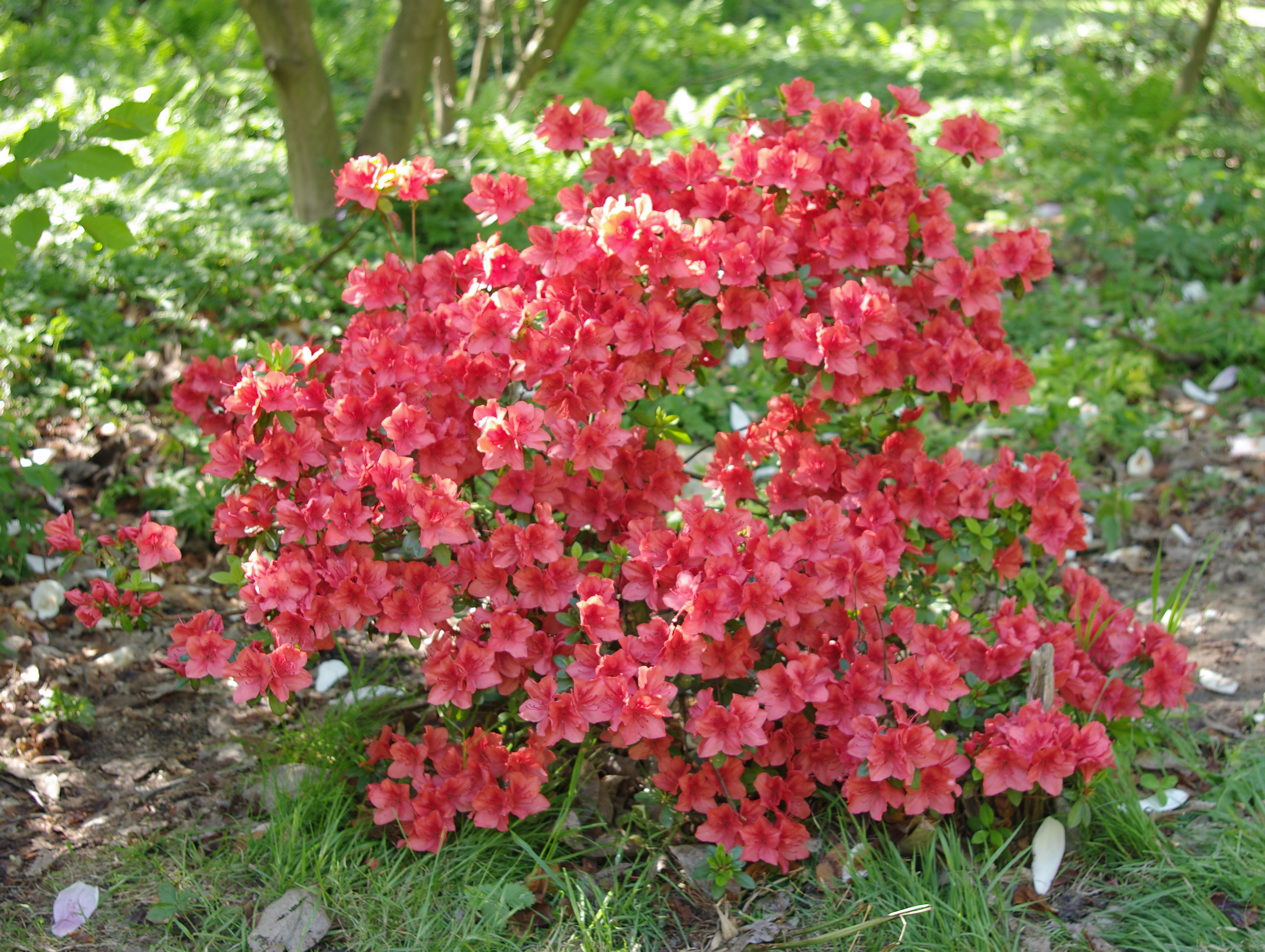
Rhododendron viscosum, commonly known as Swamp Azalea, Swamp Honeysuckle, or Clammy Azalea, is one of the most beautiful and ecologically valuable native shrubs of the eastern United States. This deciduous member of the Ericaceae (heath) family produces clusters of exquisitely fragrant white (occasionally pale pink) tubular flowers with long, elegant stamens in June and July — when relatively few other native shrubs are in bloom — filling the air around wetlands and moist woodland edges with a sweet, powerful perfume that carries on the summer breeze. The specific epithet viscosum means “sticky” in Latin, referring to the sticky, glandular hairs on the flower tubes — one of the distinguishing features of this species among its relatives.
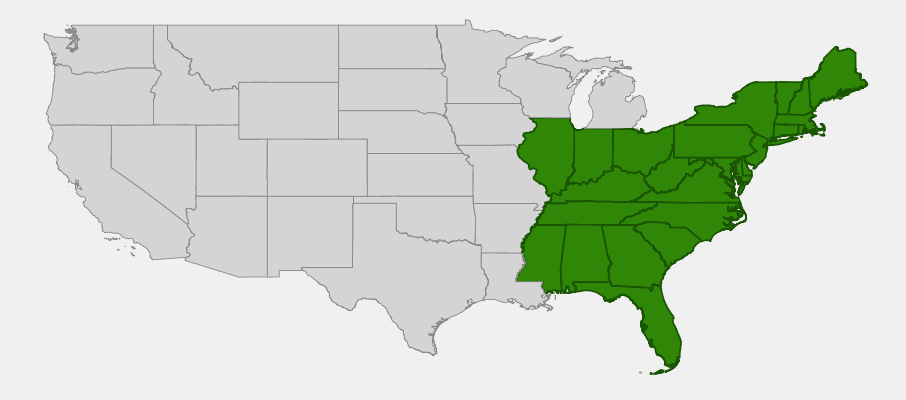
Swamp Azalea is native throughout the eastern coastal plain and Piedmont, from Maine south to Florida and west to Tennessee and Ohio. It thrives in the acidic, peaty soils of swamps, wet woods, bogs, and streamside thickets — habitats that are among the most threatened in the eastern United States. Its fall foliage color — burning orange, red, and burgundy — provides spectacular late-season interest, making Swamp Azalea a four-season garden plant with appeal beyond its fragrant summer flowering display. The shrub grows 3 to 8 feet tall (occasionally taller in ideal conditions) and spreads by stolons to form dense, colony-forming thickets that provide excellent cover and nesting habitat for wildlife.
For native plant gardeners in New England and across the mid-Atlantic region, Swamp Azalea fills a unique niche: a fragrant, summer-blooming, deciduous native shrub for wet, acidic sites where most ornamentals fail. Its exceptional wildlife value for native bees, hummingbirds, and butterflies, combined with its four-season ornamental interest and relative ease of cultivation once properly sited, make it an outstanding choice for naturalizing pond edges, rain garden slopes, and moist woodland garden borders.
Identification
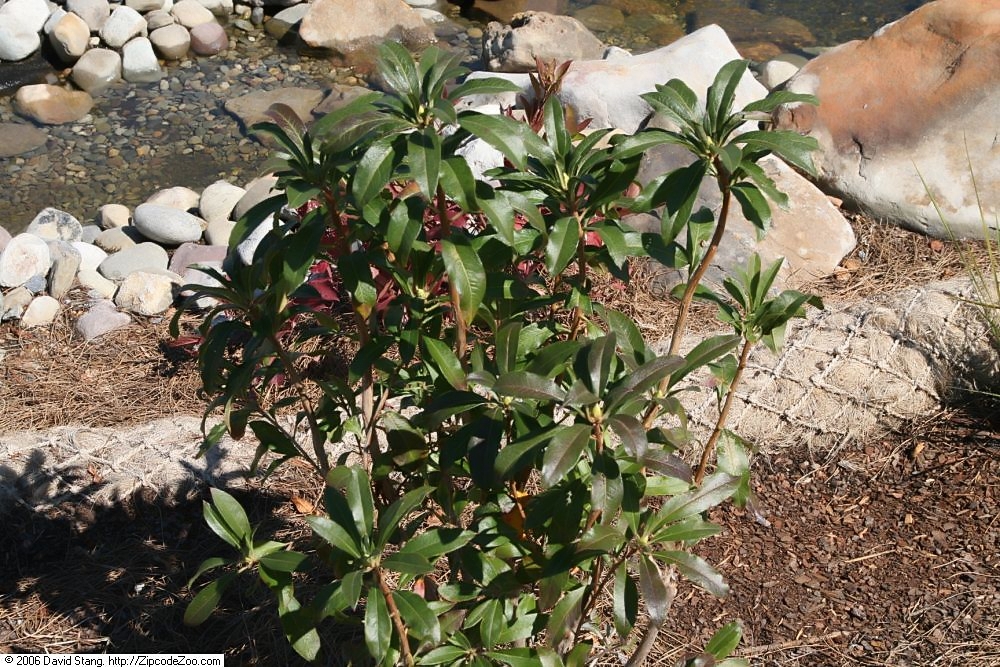
Swamp Azalea is a deciduous, multi-stemmed shrub typically growing 3 to 8 feet (1–2.5 m) tall, though exceptional specimens in ideal conditions can reach 12 to 15 feet. The plant spreads by stolons to form clumping, colony-forming thickets over time. Unlike the evergreen Rosebay Rhododendron (R. maximum) or Mountain Laurel (Kalmia latifolia), Swamp Azalea is fully deciduous, losing its leaves in fall after an often-spectacular display of fall color.
Leaves
The leaves are simple, alternate, and deciduous, typically 1 to 3 inches long, narrowly elliptic to obovate, with a smooth margin and a small, pointed tip. The leaf surface is medium to dark green above, paler beneath, with fine bristly hairs on the midrib and margins. The leaves emerge after the plant has begun to flower, or simultaneously with flowering — unlike the spring-blooming azaleas, which often flower on bare wood before the leaves open fully. In fall, the foliage turns vivid shades of orange, red, and burgundy, providing exceptional fall interest in woodland garden settings.
Flowers
The flowers are the plant’s showpiece: 1 to 1½ inches long, tubular, with five flared petals and five to seven long, protruding stamens (much longer than the petals) that give each flower an elegant, spider-lily quality. The flower tube is noticeably sticky-glandular (the “clammy” in another common name). Flowers are produced in clusters of 4 to 9 at the ends of branches, blooming in June through August — significantly later than most other native azaleas. The fragrance is extraordinary — described as the sweetest of all native azaleas — reminiscent of cloves and honey, and detectable from many feet away on warm, humid evenings.
Bark & Stems
The bark of mature stems is gray-brown, becoming somewhat scaly on older wood. Young stems have a distinctive covering of fine, bristly hairs mixed with sticky glands — running your finger along a young stem produces a slightly sticky sensation. This feature, combined with the sticky flower tubes, is the origin of the common name “Clammy Azalea” and the Latin epithet viscosum.
Quick Facts
| Scientific Name | Rhododendron viscosum |
| Family | Ericaceae (Heath) |
| Plant Type | Deciduous Shrub |
| Mature Height | 3–8 ft (1–2.5 m); occasionally to 15 ft |
| Sun Exposure | Full Sun to Part Shade |
| Water Needs | High (prefers consistently wet or moist acidic soil) |
| Bloom Time | June – August |
| Flower Color | White (sometimes pale pink); very fragrant |
| Fall Color | Orange to red-burgundy |
| Soil Type | Moist to wet, peaty, acidic; loamy muck or sandy loam |
| Soil pH | 4.0–6.0 (strongly acidic required) |
| Deer Resistant | Moderately (toxic compounds reduce browsing) |
| USDA Hardiness Zones | 3–9 |
Native Range
Swamp Azalea is native along the entire Atlantic coastal corridor from Maine south to Florida, then west along the Gulf Coast to Alabama and Mississippi, and inland through Tennessee, Kentucky, Indiana, and Ohio. It is most abundant in the Atlantic Coastal Plain — where acidic, wet, peaty soils are widespread — but also occurs throughout the Piedmont wherever suitable wetland and streamside habitats exist. In New England, it is native to all three states (Connecticut, Massachusetts, Rhode Island), where it is most common in the coastal lowlands and inland swamps of the lower elevations.
Throughout its range, Swamp Azalea is a characteristic species of freshwater wetland communities. It thrives in pocosin bogs, Atlantic white cedar swamps, red maple swamps, alder thickets along streambanks, and the moist, shrubby margins of lakes and ponds. It is one of the defining shrubs of the coastal plain bog ecosystem — a highly threatened habitat type characterized by extreme acidity, low nutrients, and saturated conditions. The presence of Swamp Azalea in a natural area is often an indicator of high-quality, intact wetland habitat.
In New England, Swamp Azalea communities are associated with Red Maple (Acer rubrum), Black Gum (Nyssa sylvatica), Sweet Pepperbush (Clethra alnifolia), Highbush Blueberry (Vaccinium corymbosum), and Leatherleaf (Chamaedaphne calyculata). These acidic shrub communities are among the richest wildlife habitats in the region, providing nesting cover, food, and shelter for a tremendous diversity of birds, insects, and small mammals. Conservation of existing Swamp Azalea habitat — and restoration of degraded wetlands with appropriate native shrubs — is an important conservation priority throughout the northeast.
📋 Regional plant lists featuring Swamp Azalea: Southeastern U.S.
Growing & Care Guide
Swamp Azalea is a rewarding native shrub that thrives with minimal care in its preferred conditions: moist to wet, strongly acidic soil in dappled shade to part sun. The most common reason for failure is planting in soil that is too dry, too alkaline, or too nutrient-rich. Get the soil conditions right, and Swamp Azalea will be a low-maintenance, long-lived fixture in your garden for decades.
Light
Swamp Azalea grows in full sun to part shade. In its natural habitat it is often found in the dappled light beneath Red Maple and other wetland trees — conditions that provide 4 to 6 hours of direct sun daily. In full sun with consistently wet soil, it grows vigorously and produces excellent flowering. In heavier shade, flowering is reduced but the shrub remains healthy. The classic planting situation — morning sun, afternoon shade, in a moist depression — produces the best combination of flowering performance and plant health.
Soil & Water
Soil pH is critical: Swamp Azalea requires strongly acidic soil (pH 4.0–6.0) and will fail to thrive in soils approaching neutral or alkaline pH. The symptoms of soil that is too alkaline include yellowing between leaf veins (chlorosis) caused by iron deficiency. Soil amendment with sulfur can lower pH if necessary, but it is far better to choose a naturally acidic site. Consistent moisture is equally important — Swamp Azalea will not grow in well-drained, dry soil. Moist, peaty, organic-rich soil is ideal. It tolerates periodic flooding but not permanent inundation. Mulching with 3–4 inches of pine bark, pine needles, or shredded hardwood bark helps maintain moisture and gradually acidifies the soil.
Planting Tips
Plant in spring or fall, choosing a site with naturally moist, acidic soil. Space plants 4 to 6 feet apart to allow for the eventual spread of each plant’s stoloniferous root system. Do not plant in raised beds or well-drained situations. Avoid adding lime or fertilizers high in nitrogen, which can damage the plant. A soil test before planting is highly recommended to confirm adequate acidity. Plants establish slowly the first year but typically accelerate growth significantly by the second and third years. Container-grown plants are the most reliable for establishment.
Pruning & Maintenance
Minimal pruning is needed. Remove dead or crossing branches in late winter to maintain an attractive form. Shaping should be done immediately after flowering (July–August) to avoid removing next year’s flower buds, which are set in late summer. Heavy pruning is not recommended — Swamp Azalea is naturally attractive in its loose, multi-stemmed form, and hard pruning can set the plant back significantly. The thicket-forming habit is a feature, not a flaw — allow the plant to spread naturally for the best wildlife value and visual effect. Mulching annually maintains moisture and soil acidity.
Landscape Uses
- Wet rain garden slopes — the moist, acidic zones of bioswales and rain gardens
- Pond and stream edges — naturalizing moist banks with fragrant, wildlife-friendly shrubs
- Bog and wetland gardens — classic component of acidic native shrub communities
- Woodland edge gardens — fragrant late-summer color in dappled shade
- Wildlife habitat plantings — excellent for birds, pollinators, and small mammals
- Four-season garden design — flowers in summer, brilliant fall foliage, attractive winter structure
- Butterfly gardens — attracts swallowtails, skippers, and sphinx moths
Wildlife & Ecological Value
Swamp Azalea is an exceptional wildlife plant, providing food, nesting habitat, and ecological structure through all four seasons. Its late-summer blooming period — when relatively few other native shrubs are in flower — makes it a particularly important resource for pollinators.
For Pollinators
The long, tubular, fragrant flowers of Swamp Azalea are perfectly designed for long-tongued pollinators. Ruby-throated Hummingbirds are enthusiastic visitors, hovering at each flower cluster and probing for nectar with their long bills. Sphinx moths (hawk moths) — particularly the White-lined Sphinx (Hyles lineata) and Virginia Ctenucha — visit at dusk and dawn when the fragrance is strongest. Native bumblebees with long tongues access the nectar from inside the tube; shorter-tongued bees may “rob” nectar by biting through the flower tube at its base. Numerous butterfly species including Eastern Tiger Swallowtails, Spicebush Swallowtails, and Great Spangled Fritillaries nectar on the flowers.
For Birds
Swamp Azalea provides outstanding nesting habitat. The dense, twiggy, thicket-forming growth of mature colonies is used by White-eyed Vireos, Common Yellowthroats, Prairie Warblers, Willow Flycatchers, and various sparrows (Song, Swamp, White-throated) for nesting and cover. American Robins and Gray Catbirds also nest in large Swamp Azalea thickets. The dense growth provides thermal cover and predator protection for birds and small mammals year-round.
For Butterflies & Moths
Swamp Azalea is the larval host plant for several specialist moths, including the Azalea Sphinx Moth (Darapsa choerilus) — whose caterpillars feed on the leaves and are perfectly camouflaged against the foliage. The Azalea Sphinx is a characteristic species of coastal plain wetlands wherever Swamp Azalea is abundant. Several other moth species use azalea foliage as larval food, making the presence of Swamp Azalea important for the broader moth community and the birds that depend on moth caterpillars for protein during breeding season.
Ecosystem Role
In wetland ecosystems, Swamp Azalea plays an important structural role as a mid-height shrub layer connecting the tree canopy with the herbaceous understory. Its thicket-forming habit creates a complex, multi-layered habitat structure that dramatically increases the diversity of wildlife that can use the site. The strongly acidic organic soils it grows in are home to a distinctive community of fungi, bacteria, and invertebrates that underpin the wetland food web. Swamp Azalea colonies also stabilize wetland soil and help prevent erosion along pond and stream margins.
Cultural & Historical Uses
Swamp Azalea has a significant place in the ethnobotany of eastern North American Indigenous peoples. The Cherokee used bark preparations of this and related azaleas as topical treatments for rheumatic pain and headaches, applying mashed bark in poultices to affected areas. Some tribes in the coastal plain region used preparations of the plant as an insect repellent. However, the plant’s toxicity — all parts of Rhododendron species contain grayanotoxins, which can cause serious poisoning if consumed — generally limited internal medicinal uses to small, carefully measured doses for specific conditions.
The grayanotoxins in Swamp Azalea (as in all rhododendrons) are responsible for “honey intoxication” or “mad honey” — a condition caused by eating honey made from the nectar of rhododendron flowers. While “mad honey” is most notorious in regions of Turkey and Nepal where Rhododendron species are the dominant honey plants, it has occasionally been reported in the eastern United States, where honey bees visiting native azaleas can produce mildly intoxicating or toxic honey in sufficient quantity. Historical accounts from the 18th and 19th centuries describe the occasional poisoning of livestock that ate the foliage of swamp azaleas in the coastal plain states, and early American naturalists documented these incidents with scientific interest.
In American horticultural history, native azaleas — including Swamp Azalea — have had a complex trajectory. For much of the 19th and early 20th centuries, introduced Asian rhododendrons and hybrid azaleas dominated American gardens, with native species largely overlooked. The native azalea renaissance began in earnest in the mid-20th century, driven by collectors like Joseph B. Gable, Henry Skinner, and August Kehr, who recognized the ecological and ornamental value of species like R. viscosum. Today, the native azalea movement has mainstream support, and nursery-propagated Swamp Azalea is increasingly available at native plant nurseries throughout the East. Several naturally occurring variants — including those with pink flowers or unusually strong fragrance — are cultivated and traded among native plant enthusiasts.
Frequently Asked Questions
Is Swamp Azalea toxic?
Yes — all parts of Swamp Azalea (and other rhododendrons) contain grayanotoxins, which can cause serious poisoning if consumed by people or animals. Do not eat any part of the plant. Honey produced by bees visiting azalea flowers in large quantities can also be mildly toxic. Contact with the plant is generally safe for most people; wash hands after handling, as some people may experience mild skin irritation.
Why won’t my Swamp Azalea flower?
The most common reasons for poor flowering are: too much shade (the plant needs at least 4 hours of direct sun for good flowering), soil pH that is too high (above 6.0 causes nutrient deficiencies), or pruning at the wrong time (pruning after August removes next year’s flower buds). If your plant is producing lush foliage but no flowers, try a soil pH test and consider more sun exposure.
How do I propagate Swamp Azalea?
Swamp Azalea can be propagated from semi-hardwood cuttings taken in July, treated with rooting hormone, and rooted in a mist bench or covered propagation chamber. This is a somewhat technical process best suited to gardeners with propagation experience. Layering — bending a low branch to the ground, wounding it slightly, covering with soil, and allowing it to root over 1–2 years — is easier and reliable for home gardeners. Growing from seed is possible but slow; fresh seeds germinate readily on moist sphagnum moss, but seedlings take several years to reach flowering size.
Can Swamp Azalea grow in regular garden soil?
Not successfully — it requires moist, strongly acidic (pH 4.0–6.0), peaty or organic-rich soil. Regular garden soil is typically too alkaline and too dry. If you have a wet, naturally acidic area, this is the right plant. If not, creating a bog garden bed amended with sulfur and peat, or using an acidic, moisture-retentive raised bed, are possible but require significant effort to maintain the right conditions long-term.
What other native plants grow well with Swamp Azalea?
Outstanding native plant companions that share Swamp Azalea’s preference for moist, acidic conditions include: Highbush Blueberry (Vaccinium corymbosum), Sweet Pepperbush (Clethra alnifolia), Buttonbush (Cephalanthus occidentalis), Swamp Rose (Rosa palustris), Virginia Sweetspire (Itea virginica), Blue Flag Iris (Iris versicolor), Marsh Marigold (Caltha palustris), Cardinal Flower (Lobelia cardinalis), and Joe-Pye-Weed (Eutrochium spp.).

Looking for a nursery that carries Swamp Azalea?
Browse our native plant nursery directory: Virginia · North Carolina · Georgia