Swamp Fern (Blechnum serrulatum)
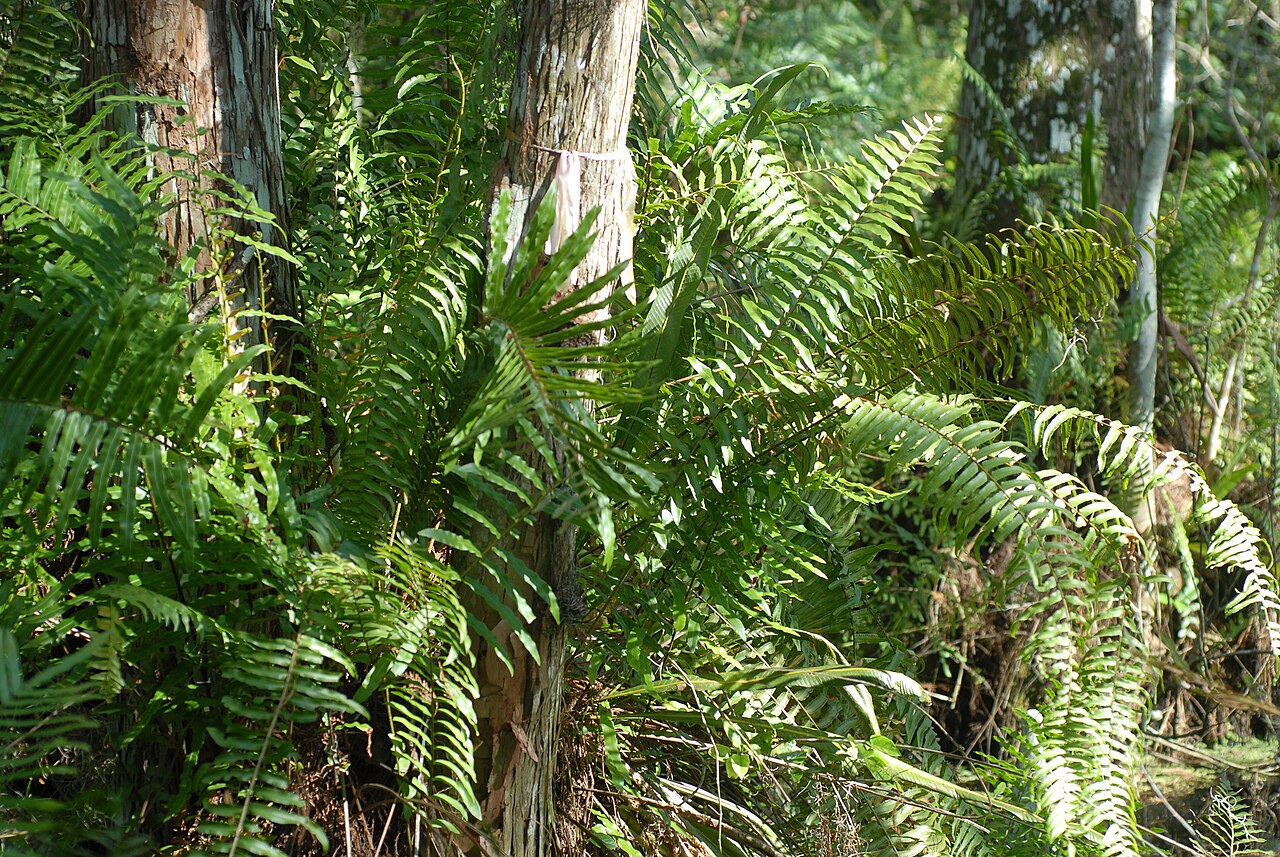
Blechnum serrulatum — now reclassified by most modern floras as Telmatoblechnum serrulatum, though Blechnum serrulatum remains in wide use and is the name on record with the USDA PLANTS database — is commonly known as Swamp Fern or Toothed Midsorus Fern. It is one of the most common and recognizable ferns of the Florida peninsula, forming dense, slowly spreading colonies of upright, leathery, once-pinnate fronds in the wet shade of cypress swamps, hardwood hammocks, marshes, and wet prairies.
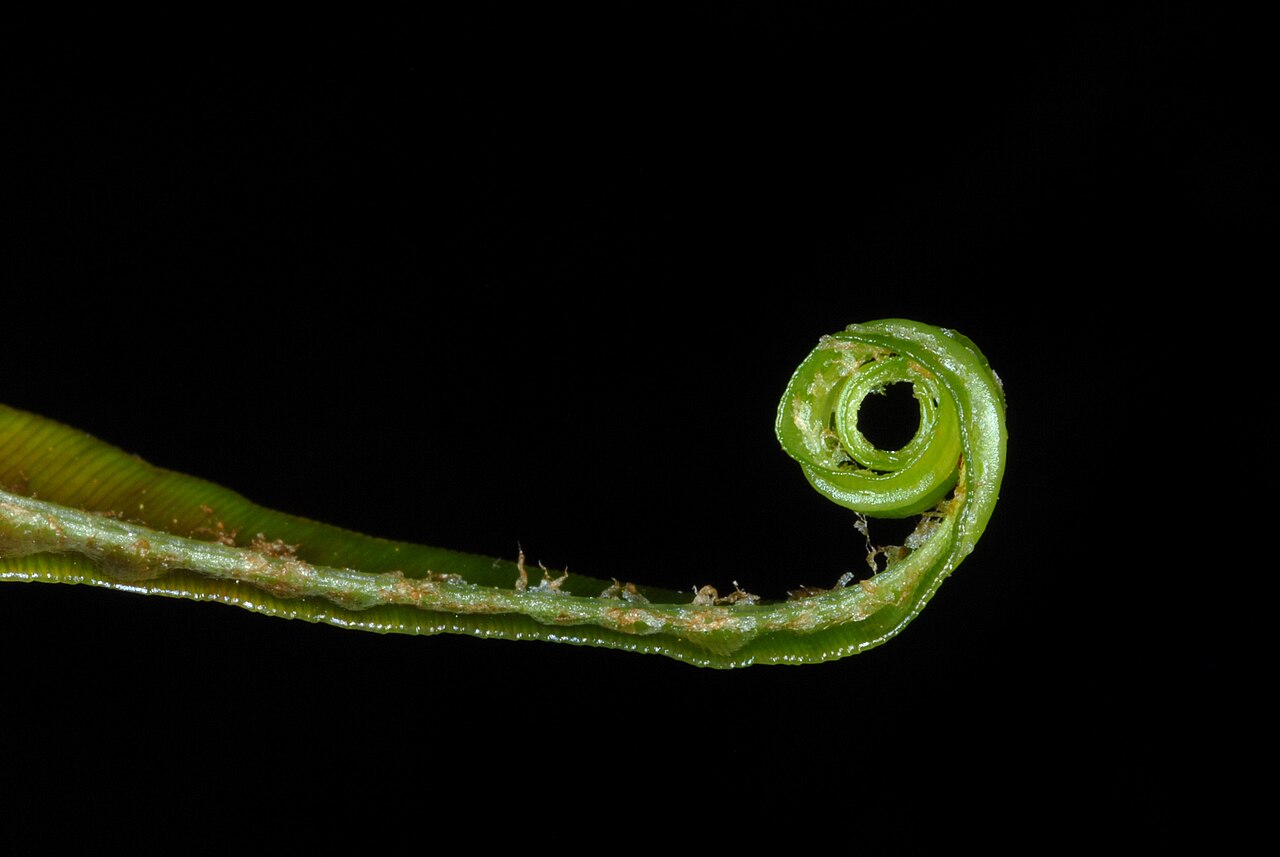
Unlike many ferns that die back or go dormant, Swamp Fern is evergreen in Florida’s mild climate and holds its handsome, deep green fronds through the year, with new fiddleheads unfurling a coppery pink-bronze before maturing to green. It spreads by creeping underground rhizomes to form broad colonies over time, making it an excellent, low-maintenance groundcover for the wet, shaded parts of a Florida native garden.
Swamp Fern is native to the Florida peninsula and is not reliably hardy or naturally occurring outside the warm, humid conditions of the Southeast coastal plain. Gardeners elsewhere in the Southeast should check with a local native plant list before assuming this species belongs in their region — it is a Florida specialty, not a general-purpose southeastern fern.
Identification
Swamp Fern is a medium to large, clump-forming terrestrial fern that typically reaches 2 to 4 feet tall, occasionally more in deep shade with abundant moisture. Fronds arise in a loose cluster from stout, creeping, scaly rhizomes that spread at or just below the soil surface, allowing the plant to form expanding patches rather than staying as a single clump.
Fronds
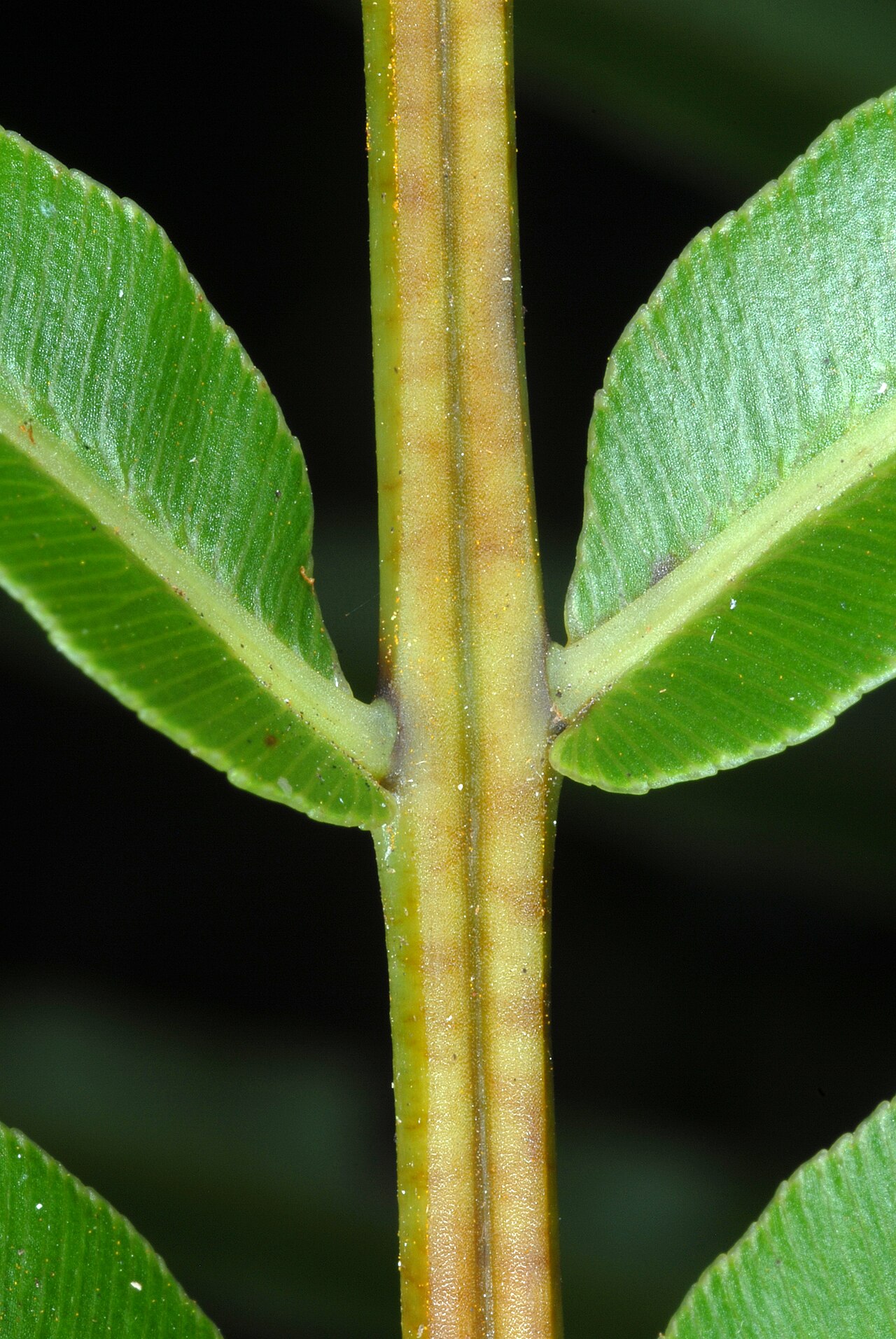
Fronds are once-pinnate (divided into a single row of leaflets, or pinnae, along a central stalk), lance-shaped in outline, and leathery in texture. Each pinna is narrow, tapering, and finely to coarsely toothed along the margin — the source of the “serrulatum” (finely serrated) in the scientific name. New fronds emerge as tightly coiled fiddleheads with a distinctive bronze to pinkish-copper color before unrolling and maturing to a glossy, deep green.
Fertile Fronds & Sori
Like other members of the Blechnaceae, Swamp Fern produces its spore-bearing sori in continuous or near-continuous lines running parallel to, and close against, the midrib of each pinna — the “midsorus” pattern referenced in its other common name, Toothed Midsorus Fern. Fertile fronds are often somewhat narrower and more upright than sterile ones but are otherwise similar in color and texture.
Rhizomes & Spread
The creeping, branching rhizomes are covered in brown scales and spread steadily through wet, organic soil, sending up new fronds as they go. Over time, a single planting can form a broad, dense patch several feet across, making the species useful as a spreading groundcover in consistently wet, shaded ground.
Quick Facts
| Scientific Name | Blechnum serrulatum Rich. (syn. Telmatoblechnum serrulatum) |
| Family | Blechnaceae (Chain Fern) |
| Plant Type | Evergreen, rhizomatous terrestrial fern |
| Mature Height | 2–4 ft |
| Mature Spread | Spreads indefinitely by creeping rhizomes to form colonies |
| Growth Rate | Moderate |
| Sun Exposure | Part Shade to Shade (tolerates more sun with constant moisture) |
| Water Needs | Moist to wet; tolerates standing water |
| Soil Type | Peaty, mucky, or sandy wetland soils |
| Soil pH | Slightly acidic to neutral |
| Bloom Time | None (ferns do not flower; new fronds emerge year-round in Florida) |
| Fall Color | None (evergreen in its native range) |
| Fruit | None (reproduces by spores borne in sori along the pinna midribs) |
| Deer Resistant | Yes |
| USDA Hardiness Zones | 9–11 |
Native Range
Swamp Fern is native to the Florida peninsula, from the northeastern part of the state south through central and southern Florida, where it is one of the most frequently encountered ferns of wet, shaded habitats. Outside the United States its range continues south through Mexico, Central America, the Caribbean, and into South America. It is not native farther north or west in the continental United States; gardeners outside peninsular Florida should not plant it as a “southeastern native,” since it has no natural population beyond Florida’s mild, frost-rare climate.
Typical habitat includes cypress swamps, freshwater marshes, wet prairies, hydric hammocks, pond and lake margins, and roadside ditches wherever soil stays consistently damp to wet. It often grows alongside bald cypress, royal fern, and other wetland species, forming a dense understory layer in the dappled shade beneath the canopy.
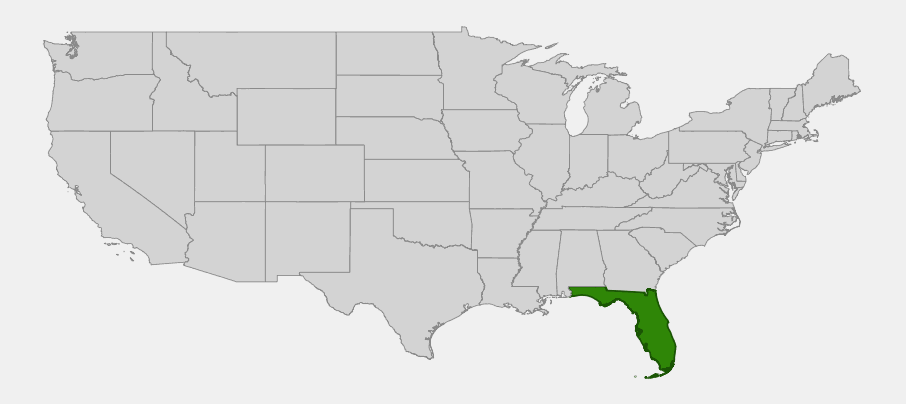
📋 Swamp Fern is not currently featured on any of our regional native plant lists — our regional list library does not yet include a Florida list. Browse all native plant profiles instead.
Growing & Care Guide
Swamp Fern is an easygoing, low-maintenance fern for Florida gardeners with a consistently wet, shaded site. It asks for little beyond the damp, humid conditions it enjoys in the wild.
Light
Part shade to full shade suits Swamp Fern best, mimicking the dappled light beneath a swamp or hammock canopy. It will tolerate more sun if the soil stays reliably wet, but fronds may scorch or bleach in full, hot Florida sun without constant moisture.
Soil & Water
This is a true wetland fern. It wants consistently moist to wet, organically rich soil and tolerates standing water and seasonal flooding without trouble. It is not drought tolerant and will decline quickly if allowed to dry out for extended periods — a pond edge, rain garden low point, or naturally damp shaded bed are ideal sites.
Planting Tips
Plant container-grown divisions in a shaded, damp spot, spacing plants 2 to 3 feet apart to allow room for the spreading rhizomes to fill in. Mulch lightly with leaf litter to help retain moisture and mimic the organic litter layer of its native swamp floor. Established plantings need very little supplemental care beyond keeping the soil from drying out.
Pruning & Maintenance
Little pruning is needed. Remove old, tattered, or frost-damaged fronds at the base as needed to keep the clump tidy; new fronds emerge readily from the rhizome through the growing season. In the rare event of a hard freeze in its Florida range, fronds may be damaged but plants typically resprout from the rhizome.
Landscape Uses
Swamp Fern earns its keep in several Florida garden settings:
- Groundcover for shaded, consistently wet beds
- Pond and water-feature margins
- Rain gardens and low spots that collect runoff
- Woodland and hammock gardens beneath live oak or cypress
- Wetland restoration plantings in central and southern Florida
Wildlife & Ecological Value
As a dense, spreading groundcover in wet forest and marsh habitats, Swamp Fern contributes structure and shelter more than direct food value, since ferns do not produce flowers, nectar, or seeds in the way flowering plants do.
For Wildlife
Dense colonies of Swamp Fern provide valuable ground-level cover and shelter for small wetland wildlife, including frogs, lizards, and invertebrates, and help stabilize damp soils in swamp and marsh understories. Wading birds and other wetland species use fern-covered ground as foraging and hiding habitat along the margins of open water.
Ecosystem Role
By forming a dense, spreading groundcover layer, Swamp Fern helps shade and cool the soil surface in wetland forests, suppress competing weedy growth, and hold organic soil in place in the seasonally wet, often mucky ground where it grows. Its spreading rhizome habit makes it a useful stabilizer along swamp edges and other naturally saturated ground.
Cultural & Historical Uses
Swamp Fern has little documented history of use by people; it is primarily of ecological and ornamental interest rather than a plant with a significant historical record of medicinal, culinary, or craft use in Florida. Today it is grown mainly by native plant nurseries and used in wetland restoration and shaded, damp landscaping within its native range.
Frequently Asked Questions
Is Swamp Fern the same as Blechnum serrulatum?
Yes. Recent fern taxonomy places this species in the genus Telmatoblechnum, so you may see it listed as Telmatoblechnum serrulatum in newer references, but Blechnum serrulatum — the name used by USDA PLANTS — refers to the same plant.
Will Swamp Fern grow outside Florida?
It is only native to the Florida peninsula and is not reliably cold-hardy outside USDA zones 9–11. Gardeners farther north or outside Florida should look for ferns native to their own region rather than planting Swamp Fern.
Can Swamp Fern handle dry soil?
No. It is a true wetland species and needs consistently moist to wet soil. It will decline in dry garden beds and is not a drought-tolerant choice.
Is Swamp Fern toxic?
No toxicity is documented, and it is considered deer resistant. As with most ornamental ferns, it is not grown or used as a food plant.
How fast does Swamp Fern spread?
It spreads at a moderate pace by creeping rhizomes, gradually filling in a damp, shaded bed over a few growing seasons rather than aggressively taking over in a single year.

Looking for a nursery that carries Swamp Fern?
Browse our native plant nursery directory: Florida