
Wallich’s Wood Fern (Dryopteris wallichiana)
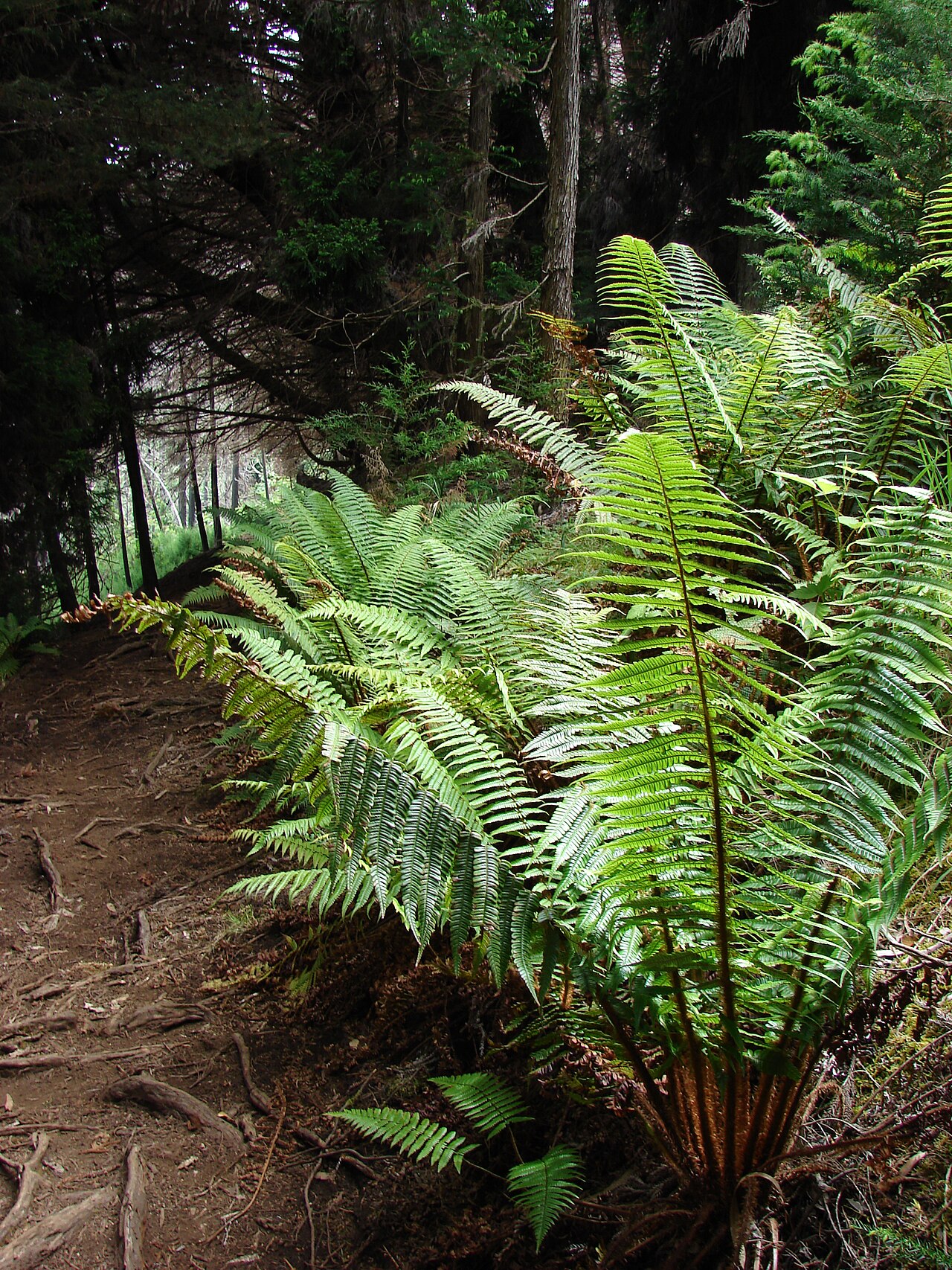
Dryopteris wallichiana, Wallich’s Wood Fern, also called alpine wood fern and known in Hawaii as laukahi, is one of the most dramatic ferns in the world. Its fronds rise 2 to 4 feet or more in a symmetrical, shuttlecock-shaped crown, and their stalks and midribs are covered with dense, shaggy, dark brown to nearly black scales that contrast with the bright green leaf blades.
It has an enormous natural range across the mountains of the tropics and subtropics, from the Himalaya and China to Southeast Asia, and from Mexico through Central and South America, and it is native to the Hawaiian Islands. In Hawaii it grows in cool, misty montane forests on the higher mountains, often with ʻōhiʻa lehua, koa and tree ferns.
Gardeners in Europe and North America know it as a prized ornamental fern for cool, shady gardens, where new fronds unfurl in a striking yellow-green. This guide covers how to identify it, where it grows wild in Hawaii, and how to grow it, both in Hawaii’s upland gardens and in cool temperate climates elsewhere.
Identification
Wallich’s wood fern is a large, evergreen to semi-evergreen fern with a crown of upright fronds. The very dense, dark, hair-like scales on the stalks and midribs are its most striking feature.
Crown & Stalks
The fronds grow from a stout, upright rhizome, forming a vase- or shuttlecock-shaped crown. The stalks (stipes) are short compared with the blade, usually less than a quarter of the frond length, and like the main rachis they are thickly covered with narrow, glossy, brown to blackish scales. Old frond bases persist around the crown.
Fronds
Fronds are 2 to 4 feet long, sometimes longer in rich, wet forest, and narrowly lance-shaped, tapering toward both ends. They are once-pinnate with deeply lobed pinnae: each of the 20 to 40 pairs of pinnae is divided almost to the midrib into many oblong, nearly square-tipped segments with small teeth at the tips. New fronds unroll in spring as bright yellow-green to golden fiddleheads densely covered with dark scales, and darken to deep green as they mature.
Sori
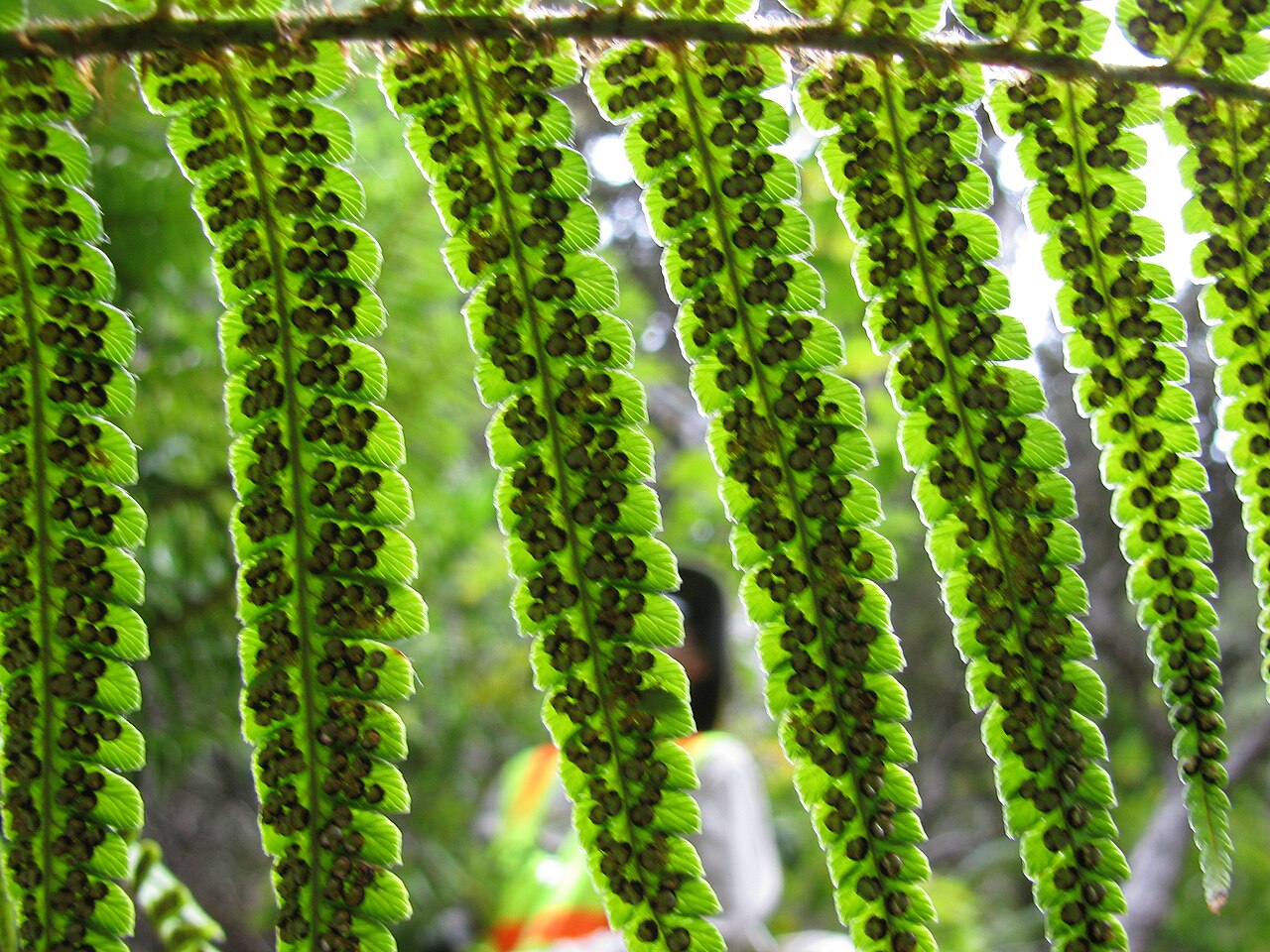
The spore clusters (sori) are round and are arranged in a row on each side of the midvein of the segments, closer to the midvein than the margin. Each is covered at first by a kidney-shaped flap (indusium) that shrivels as the spores ripen.
Look-alikes
In Hawaii, other large ferns of montane forests include ʻamaʻu (Sadleria cyatheoides), which has reddish new fronds and smooth stalks without shaggy scales, and the tree ferns (hāpuʻu), which form trunks and have woolly golden hairs at the base. Native Hawaiian Dryopteris species, such as D. glabra and D. sandwicensis, are generally smaller and lack the dense black scales. In North American gardens, it resembles male fern (D. filix-mas), which has fewer and paler scales.
Quick Facts
| Scientific Name | Dryopteris wallichiana (Spreng.) Hyl. |
| Family | Dryopteridaceae (wood fern family) |
| Plant Type | Large clump-forming fern |
| Mature Height | 2–4 ft (occasionally to 5 ft) |
| Mature Spread | 2–3 ft |
| Growth Rate | Moderate |
| Sun Exposure | Partial to full shade |
| Water Needs | Moderate to high; evenly moist soil |
| Soil Type | Humus-rich, moist, well-drained forest soil |
| Soil pH | About 5.0–6.5 (acidic) |
| Bloom Time | None (fern); spores mainly in summer |
| Flower Color | None |
| Fall Color | Evergreen to semi-evergreen; new fronds yellow-green in spring |
| Fruit | None; reproduces by spores |
| Deer Resistant | Yes; ferns are rarely browsed |
| USDA Hardiness Zones | 6–8 in temperate gardens; cool upland sites in zones 9–11 in Hawaii |
Native Range
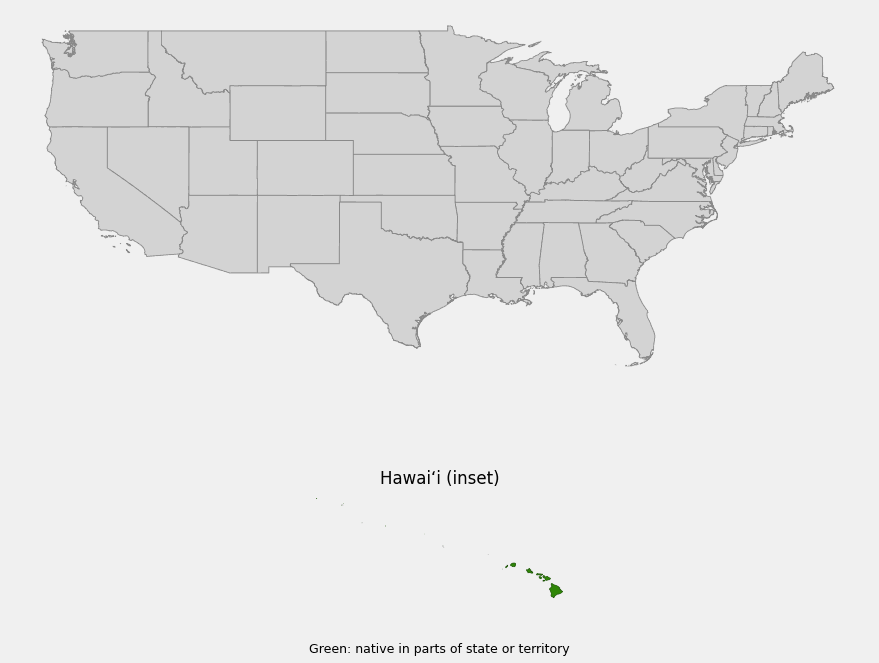
USDA PLANTS lists Wallich’s wood fern as native in Hawaii, its only native area in the United States. In Hawaii it is a plant of montane wet and mesic forests, usually above about 3,000 feet, on most of the main islands. It is common in places such as the upper forests of Haleakalā on Maui and the montane forests of Hawaii Island.
Outside Hawaii, it has one of the widest ranges of any large fern: the Himalaya from Pakistan to Bhutan, southwestern China, Taiwan, Southeast Asia and the mountains of Malesia, and in the Americas from Mexico through Central America and the Andes. Across this range it grows in cool, humid mountain forests, and botanists have described several subspecies and closely related species within the complex.
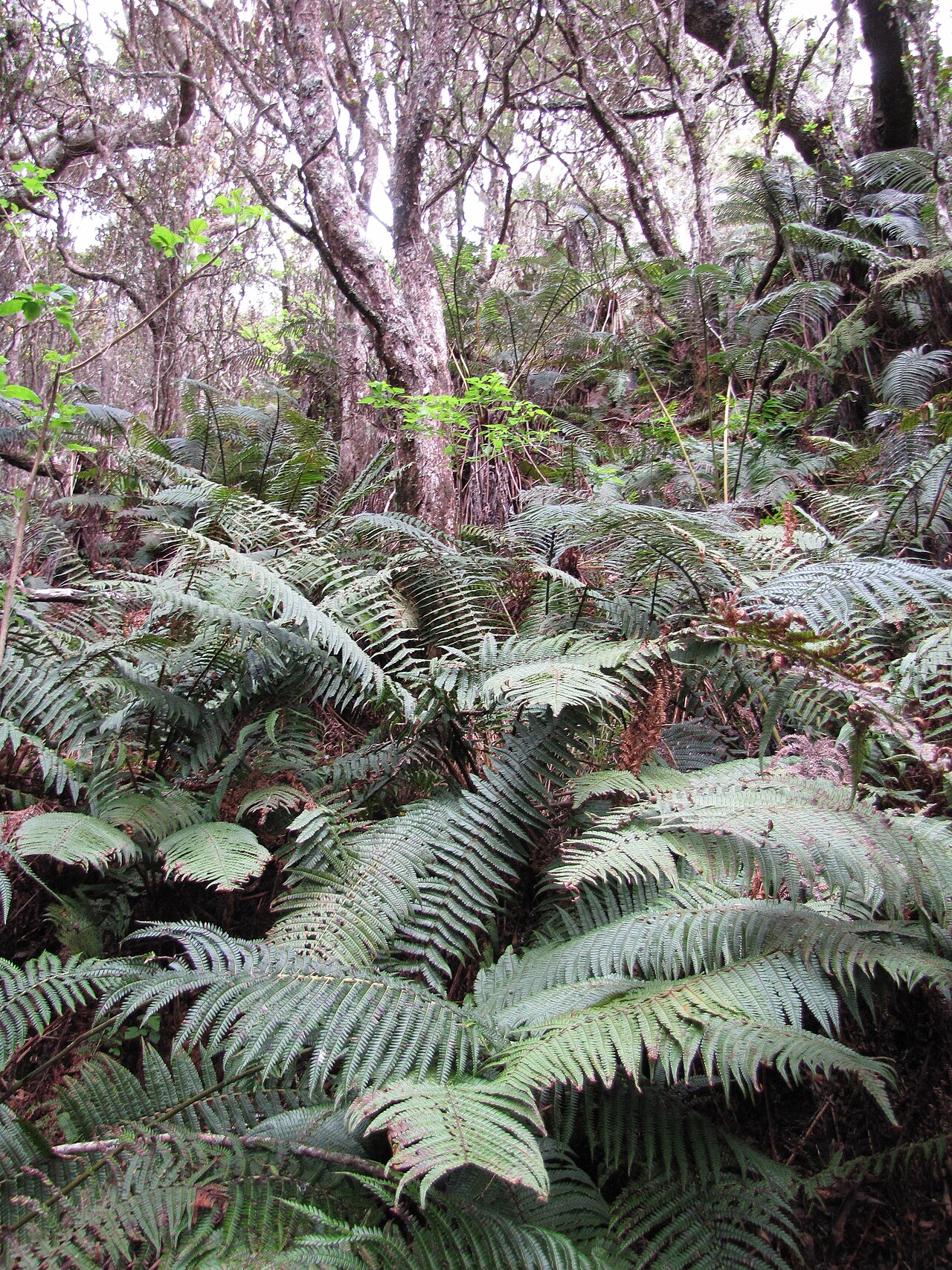
In Hawaii it grows in the understory of ʻōhiʻa lehua and koa forest, along shaded gulches and trails, and in mixed forests with planted conifers at upper elevations. It needs consistently cool, moist conditions and does not grow in the hot, dry lowlands.
📋 Regional plant lists featuring Wallich’s Wood Fern: Hawaii
Growing & Care Guide
Wallich’s wood fern is widely sold by fern and perennial nurseries in North America and Europe as a hardy garden fern. In Hawaii it can be grown in cool upland gardens, such as those in Kula, Volcano or Kōkeʻe, but it struggles in hot lowland gardens. It is not a typical houseplant: it needs cool temperatures, high humidity and a winter rest that indoor conditions rarely provide.
Light
Partial to full shade. Bright, dappled shade gives the best color. Direct afternoon sun scorches the fronds, especially in warm climates.
Soil & Water
Plant in deep, humus-rich, acidic, moist but well-drained soil, like a forest floor. Keep the soil evenly moist and never let it dry out completely. Mulch with leaf mold or bark. Avoid waterlogged soil around the crown, which can rot.
Planting Tips
Set plants with the crown at soil level, 2 to 3 feet apart, in a sheltered spot out of drying wind. In temperate gardens it does best in regions with cool summers, such as the Pacific Northwest, the Northeast and the Appalachians; it can struggle in hot, humid summers. In Hawaii, choose a shaded, sheltered site at higher elevation and water during dry spells.
Pruning & Maintenance
Remove old, damaged fronds in late winter or early spring, before the new fiddleheads emerge, so the dramatic scaly crosiers are on display. Topdress with compost or leaf mold each year. Slugs occasionally damage young fronds.
Propagation
Grow from spores sown on sterile, moist medium under cover, or divide older plants that have produced multiple crowns. Most garden plants are propagated from spores by nurseries. In Hawaii, use plants grown from local spores rather than imported garden stock when planting near native forest.
Landscape Uses
- Upland Hawaiian native gardens: with ʻōhiʻa, hāpuʻu and ʻamaʻu in cool, shaded sites
- Woodland and shade gardens: a bold accent fern among hostas, smaller ferns and spring wildflowers in temperate gardens
- Native forest restoration in Hawaii: understory planting in montane wet and mesic forest
- Containers in cool, shaded courtyards: where summers are mild and humidity is high
Wildlife & Ecological Value
Like other ferns, Wallich’s wood fern does not produce flowers or fruit, but it plays an important role in the structure and moisture of montane forest understories.
For Pollinators
Ferns reproduce by spores and are not pollinated, so it offers nothing to bees or butterflies directly. Its moist understory supports insects and other invertebrates that are part of the forest food web.
For Birds
In Hawaii’s montane forests, native forest birds such as ʻapapane, ʻiʻiwi and ʻamakihi forage for insects and spiders among the fern-filled understory, and the dense crowns provide cover.
For Mammals
Hawaii has no native land mammals other than a bat, and ferns are generally unpalatable to grazing animals. Feral pigs, an invasive species, damage fern understories by rooting in the soil.
Ecosystem Role
Its large crowns trap leaf litter and moisture, build up organic soil and shade the forest floor, which helps native seedlings establish and reduces erosion on steep slopes.
Cultural & Historical Uses
The species is named after Nathaniel Wallich, a Danish-born surgeon and botanist who directed the Calcutta Botanic Garden in the early 19th century and collected widely in the Himalaya. It was first described as Aspidium wallichianum by Kurt Sprengel and was moved to Dryopteris by the Swedish botanist Nils Hylander.
In Hawaii the name laukahi is used for this fern; the same Hawaiian name is also applied to plantains (Plantago), and Hawaiian plant names often cover several different species. Native ferns were an important part of traditional Hawaiian life, used for food, medicine, adornment and in hula, and the cool upland forests where this fern grows are culturally significant places.
Horticulturally, Wallich’s wood fern has long been considered one of the finest large ferns for temperate gardens, valued for its upright form and the striking contrast between its dark scales and bright new fronds.
Frequently Asked Questions
Is Wallich’s wood fern native to the United States?
Yes, in Hawaii. USDA PLANTS lists it as native there, where it grows in cool montane forests. It also grows naturally across the mountains of Asia and Latin America.
Can I grow Wallich’s wood fern as a houseplant?
It is not well suited to growing indoors. It needs cool temperatures, high humidity, bright shade and a seasonal rest. It does best outdoors in a cool, shady garden.
Is Wallich’s wood fern evergreen?
It is evergreen to semi-evergreen. In mild climates the fronds stay green through winter; in colder gardens they may brown and should be cut back in late winter.
Can it grow in lowland Hawaii?
It usually struggles in hot, dry lowland gardens. It grows best in cool, shaded upland areas such as Kula, Volcano or Kōkeʻe.
What makes Wallich’s wood fern distinctive?
Its dense, dark brown to black scales covering the stalks and midribs, its upright shuttlecock-shaped crown, and its bright yellow-green new fronds in spring.

Looking for a nursery that carries Wallich’s Wood Fern?
Browse our native plant nursery directory: Hawaii

