Western Arctic Shooting Star (Primula frigida)
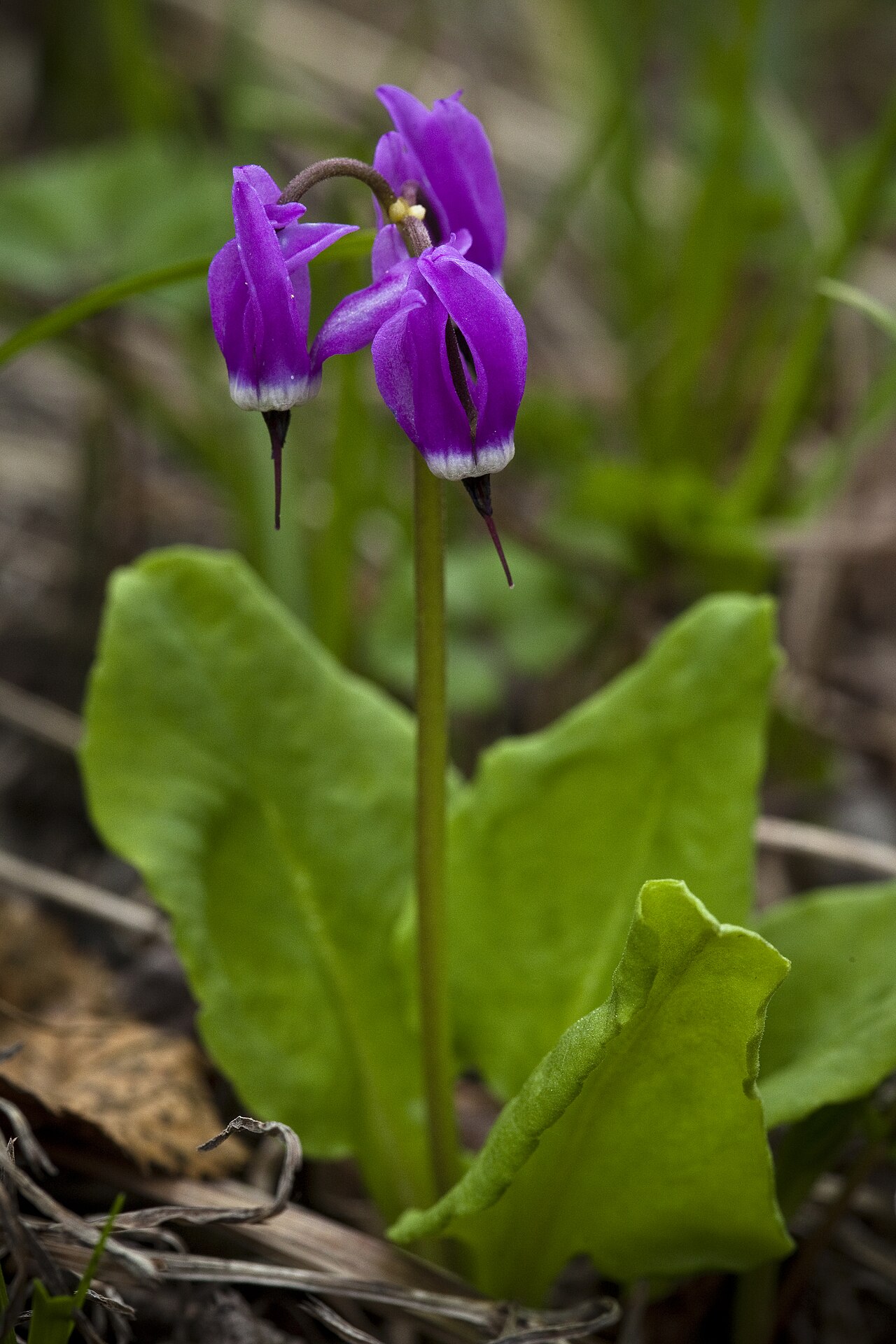
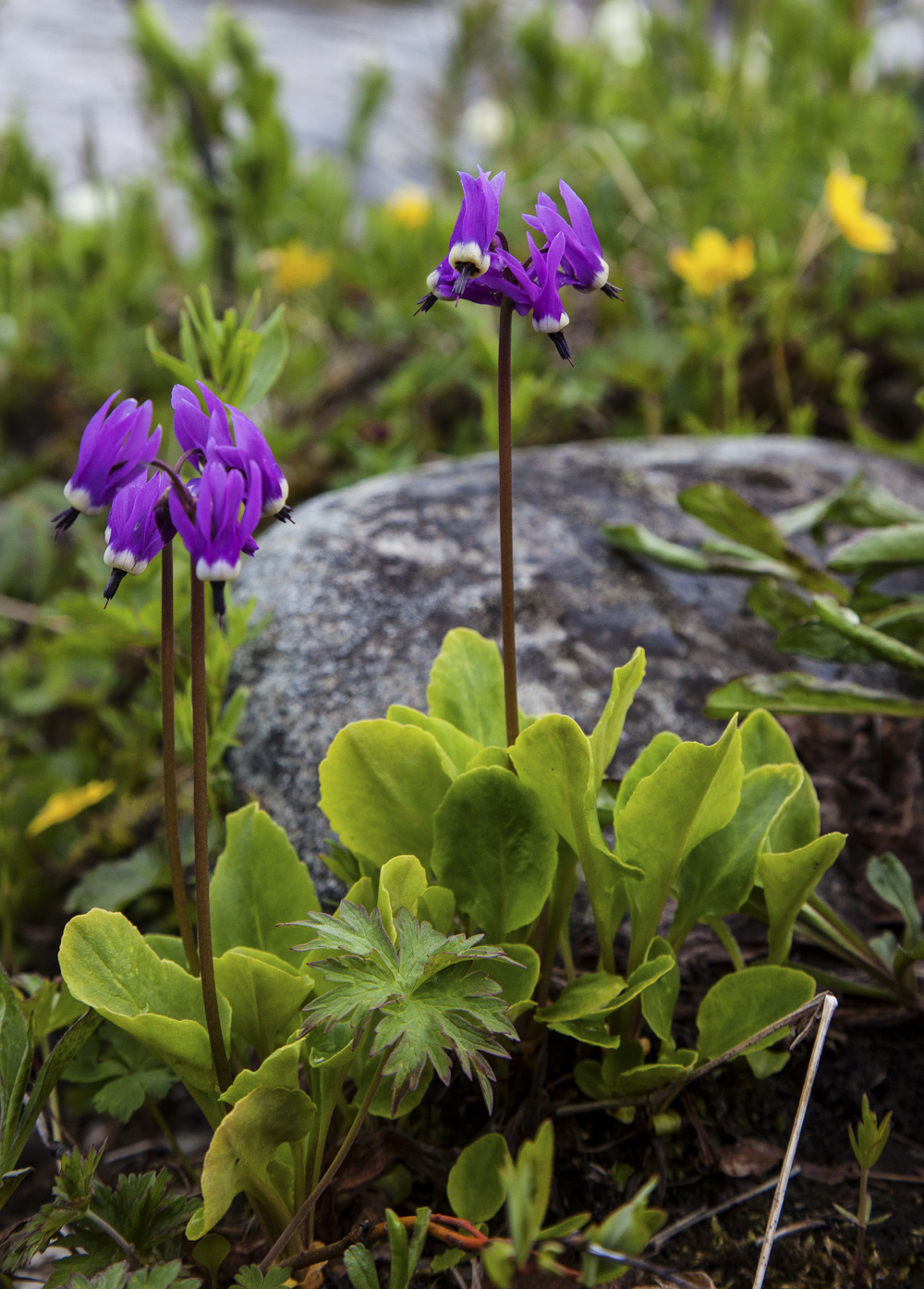
Western arctic shooting star carries backward-swept magenta petals above a low rosette of green leaves. The nodding flowers look suspended in the air, making this small northern perennial particularly rewarding beside a path where it can be seen closely without stepping into the planting.
The familiar older name is Dodecatheon frigidum. Modern treatments place it in Primula as Primula frigida, but the change of genus does not make it the same plant as a common bedding primrose. It remains a cold-region wildflower whose growing requirements are shaped by northern and alpine habitats.
In cultivation, the aim is a cool, moist root zone with good drainage and modest competition. It is not a dependable substitute for a heat-tolerant perennial in a warm southern border. Nursery-propagated material with a known origin is the best starting point, especially because several different shooting stars may be offered under a broad common name.
Identification
Basal rosette
The leaves are concentrated near the ground rather than arranged up the flowering stalk. Look for the whole rosette and its attachment to the stalk before deciding that a plant is a shooting star. A low viewpoint is useful for photographs, but take care not to crush neighboring plants or disturb the shallow surface around the crown.
Reflexed petals
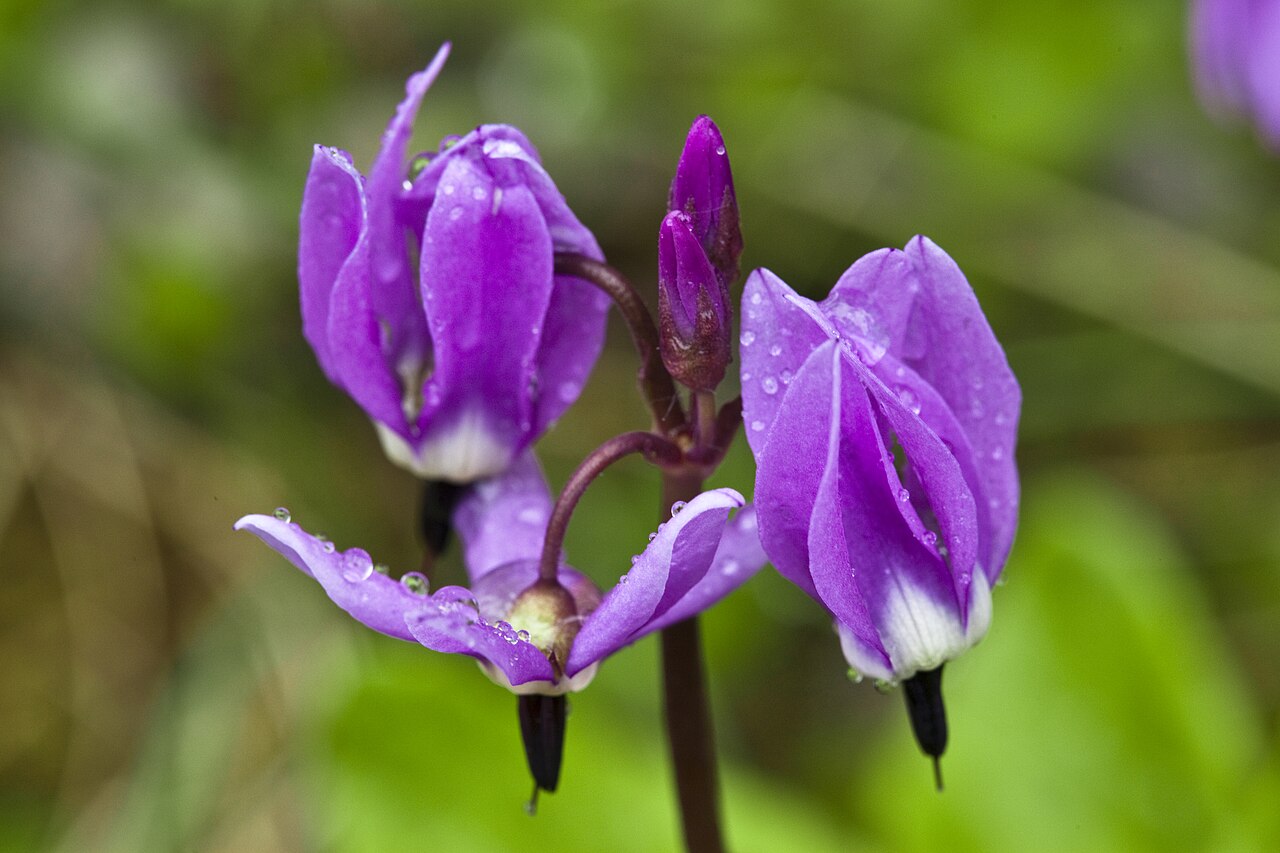
The petals bend back away from the projecting reproductive structures, producing the shooting-star outline. The magenta to pink-purple color and paler zone near the base are conspicuous, but color is not a sufficient species character by itself. Photograph the side and the center of the flower as well as the leaves if an identification needs expert confirmation.
A small northern perennial
Flowering stalks may stand several inches above the rosette, with a modest cluster of flowers rather than a dense head. Growth varies with exposure and snowmelt. The plant belongs at the front of a planting or in a carefully maintained small-plant bed, not behind a row of tall grasses where its short display would be hidden.
Other shooting stars
Primula pauciflora, formerly Dodecatheon pulchellum, and other shooting stars also occur in the broader region. Do not replace a missing photograph with a superficially similar purple flower. For a nursery purchase, ask which name the supplier uses and whether the plant was propagated from a documented population. Identification may require a flora rather than a color match.
Quick Facts
| Scientific Name | Primula frigida |
| Family | Primulaceae |
| Plant Type | Small rhizomatous herbaceous perennial |
| Mature Height | About 6–16 inches in flower; local plants vary |
| Mature Spread | Small basal rosettes; allow room for gradual crown development |
| Growth Rate | Seasonal, with flowering tied to snowmelt |
| Sun Exposure | Open light to partial shade in cool conditions |
| Water Needs | Moist but well-aerated soil; avoid drying during active growth |
| Soil Type | Gritty, humus-bearing alpine or northern garden soil with drainage |
| Soil pH | Match local source conditions; no precise universal pH range prescribed |
| Bloom Time | Early to midsummer in Alaska, varying with snowmelt |
| Flower Color | Magenta or pink-purple with a pale basal zone |
| Fall Color | Foliage is seasonal, not an evergreen groundcover |
| Fruit | Small dry capsules; not a food crop |
| Deer Resistant | No reliable deer-resistance rating established |
| USDA Hardiness Zones | Northern provenance and cool summers matter; no universal zone rating asserted |
Native Range
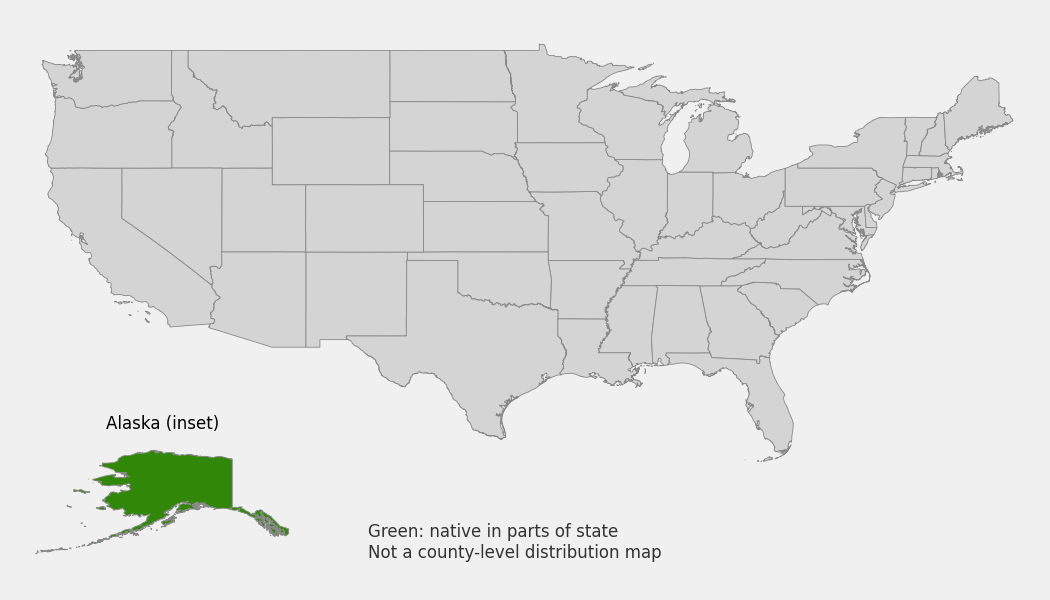
Primula frigida is native to Alaska, parts of northwestern and northern Canada, and the northeastern Russian Far East. The United States map therefore highlights Alaska only. It does not show the substantial part of the species range outside the country, and it does not imply that the entire state is equally suitable habitat.
Northern botanical accounts place it in moist tundra, mountain meadows and slope or streamside situations. Historical observations on the Arctic Slope include moist slopes near small alpine streams. These settings combine moisture with cool temperatures; they should not be translated into a recommendation for a warm, stagnant ornamental pond margin.
The Alaska regional list retains the older name as a synonym so readers can follow older field guides and nursery lists. Use the current and legacy names together when searching records. A state-level map is an orientation tool, while a local flora or documented collection is needed to establish whether a particular planting is within a local native population.
📋 Regional plant list: Alaska
Growing & Care Guide
Design for close viewing
Give the plant a position where the rosette will not be buried by the foliage of larger neighbors. A path edge or a small raised alpine bed can work if the soil remains cool and moist. Avoid the reflective heat of south-facing masonry and shallow containers that dry in a few hours. Plan access for weeding without treading on the planting.
Soil and drainage
A gritty growing medium with some organic matter is a reasonable starting point for a specialist alpine planting. The purpose of grit is to maintain air around roots, not to make the bed arid. Test how water moves through the proposed site after a thorough watering. A perched wet layer beneath a dry-looking surface is a warning to redesign the bed before planting.
Planting depth
Keep the crown at its nursery-grown level and do not bury the leaf bases under a mound of mulch. Water gently to settle the roots without washing soil onto the rosette. A small label placed beside the plant is useful because foliage can be obscured later in the season or disappear during dormancy.
Managing moisture
Check moisture below the surface while the plant is actively growing and flowering. Small root balls can dry even in a generally cool garden. Use a gentle stream of water at soil level, allowing excess to drain. Do not adopt a daily watering schedule automatically; adjust to rainfall, container size, wind and the actual condition of the root zone.
Light and summer heat
Open northern light and partial shade can both occur in suitable settings. The important distinction is between cool illumination and a hot, drying exposure. If a trial plant repeatedly scorches beside paving, adding fertilizer will not correct the site mismatch. A protected position with morning light is a more sensible experiment than forcing it in the hottest bed.
Feeding
Avoid treating a small alpine wildflower like a hungry bedding annual. Start with modest fertility and assess growth over a full season. If leaves are poor, investigate root damage, moisture and competition before feeding. A local nursery familiar with northern perennials can give more useful advice than a generic high-nitrogen schedule.
Propagation and seed records
Use a supplier protocol for the exact seed lot rather than borrowing one from a different Primula. Maintain the name, date and origin on every pot. Sowing a small trial lot under protected outdoor conditions can be useful when guided by an experienced grower, but do not interpret a delayed germination response as proof that seed is dead. Keep trays free of weeds and protect them from accidental drying.
Seasonal care
Let healthy leaves finish their season rather than cutting the plant back immediately after flowering. Remove weeds while they are small, using a light touch around the crown. Do not cover the rosette with a heavy, wet winter mulch. In containers, consider root exposure to freeze-thaw cycles and seek local advice on overwintering rather than assuming a pot behaves like open ground.
Troubleshooting a small planting
Slugs or other herbivores can damage small rosettes, but inspect before choosing a control. A missing leaf, a collapsed crown and a dry root ball are different problems. Keep notes on timing, weather and drainage so a replacement planting does not repeat the same site error. Avoid chemical treatments on flowers unless a specific problem has been identified.
Landscape Uses
- A close-viewed northern native-flower bed or specialist alpine planting.
- An educational display illustrating the shooting-star flower form.
- A small trial planting with documented Alaskan provenance.
- Not an easy mass groundcover for hot, dry or heavily competitive sites.
Wildlife & Ecological Value
A flowering resource at a northern season
The flowers belong to the seasonal display of northern meadows and tundra. In a garden, leave them accessible to insects and avoid spraying open blooms. This guide does not assign an unsupported species-specific butterfly host claim or promise that one small planting will meet all pollinator needs.
Support the surrounding community
A useful native garden includes plants of different heights and flowering times, along with undisturbed soil and shelter. Keep taller companions far enough away that they do not shade out the shooting-star rosettes. The goal is a compatible community, not the maximum number of species crowded into a small bed.
Wild populations and collection
Do not dig plants from a park or roadside simply because they appear abundant in flower. A small colony can be damaged by repeated removal, and permission may be required even for seed collection. Propagated plants allow a garden display without transferring the cost to the original habitat.
Cultural & Historical Uses
The name Dodecatheon is familiar to generations of North American wildflower readers. Research on relationships within the primrose family led to the transfer of these shooting stars into Primula; Primula frigida was formally combined under that name in 2007. Both names remain useful for finding older records.
The common name describes the backward-swept floral shape, not a special nighttime flowering habit. A good educational label can show the current name and its synonym together, helping visitors understand that a nomenclatural change does not necessarily mean a new species has been discovered.
Northern garden experience is valuable because it deals with light, snow cover and summer temperatures that generic perennial guides often overlook. The North American Rock Garden Society account cited below treats this species as a specialist rather than an effortless garden plant. That is a reason to start with a small, well-observed planting and share accurate results with local growers.
Frequently Asked Questions
Are Primula frigida and Dodecatheon frigidum different plants?
They are names for the same species under the treatment used here. The older name is retained as a searchable synonym.
Is it native to the lower 48 states?
The range used here places its United States nativity in Alaska. Do not apply the range of another shooting star to this species.
Can it grow in a dry rock garden?
A cool, moist but draining root zone is the target. Gritty soil does not mean the roots should be allowed to dry out during active growth.
Why is my plant smaller than a catalog picture?
Exposure, provenance, age and snowmelt can affect stature. Confirm the identity and root conditions before trying to force growth with fertilizer.
Can I take a flowering clump from the wild?
Use nursery-propagated material. Wild collecting can damage populations and may require permission or be prohibited.
Sources & Further Reading
- Kew POWO — Primula frigida accepted name and range
- Agriculture and Agri-Food Canada GRIN — synonym and publication
- USGS — vegetation of the Arctic Slope of Alaska
- Northwestern NARGS — experience growing Alaskan alpines
- ITIS — Dodecatheon frigidum synonym record
- USDA PLANTS — legacy Dodecatheon profile
Find Native Plants
Ask growers about nursery propagation and regional provenance. Browse our AK native plant nurseries directory for suppliers. Explore the native nursery finder.