Western White Clematis (Clematis ligusticifolia)
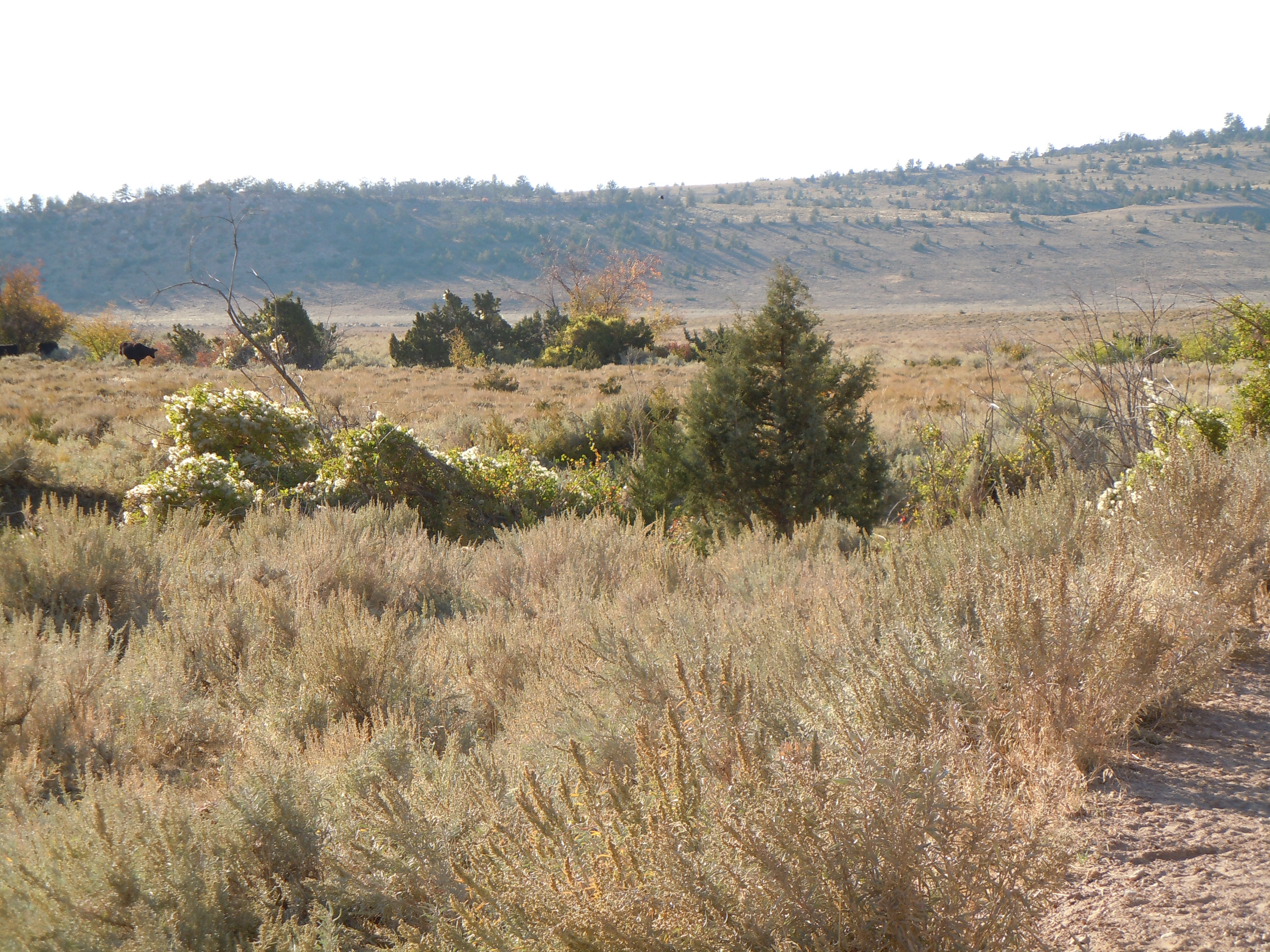
Clematis ligusticifolia, commonly known as Western White Clematis, Western Clematis, or Pepper Vine, is a vigorous, deciduous perennial vine native to western North America from the Pacific Coast east to the Great Plains and south through the desert Southwest. One of the most wide-ranging and ecologically versatile native vines in North America, Western White Clematis climbs aggressively through streamside vegetation, over fences, and up rock faces using twisting leaf petioles that cling to any available support. In late summer and fall, the vine produces spectacular clouds of small, fragrant white flowers that cover the plant so densely that individual leaves are often hidden beneath the floral display.
Growing up to 20 feet or more in favorable conditions, Western White Clematis creates a lush, flowing curtain of vegetation that provides cover, nesting habitat, and food for a wide variety of wildlife. After the flowers fade, the plant produces equally ornamental seed heads — masses of silky, feathery achenes that shimmer in the autumn light and earned the plant the common name “Pepper Vine” in some regions. The combination of vigorous climbing habit, spectacular bloom, and ornamental seed heads make Western White Clematis a dramatic and dynamic addition to any large native garden where its vigor can be properly accommodated.
As the native plant list notes, Western White Clematis has “White blossoms. Tolerates many soils” — an accurate characterization that reflects the species’ broad ecological adaptability. While it is most vigorous in moist riparian habitats, it tolerates a surprisingly wide range of soil types and moisture conditions once established. In Arizona and the greater Southwest, it is most commonly found along perennial and intermittent streams, but also grows up rocky canyon walls and in mixed chaparral where subsurface moisture is available.
Identification
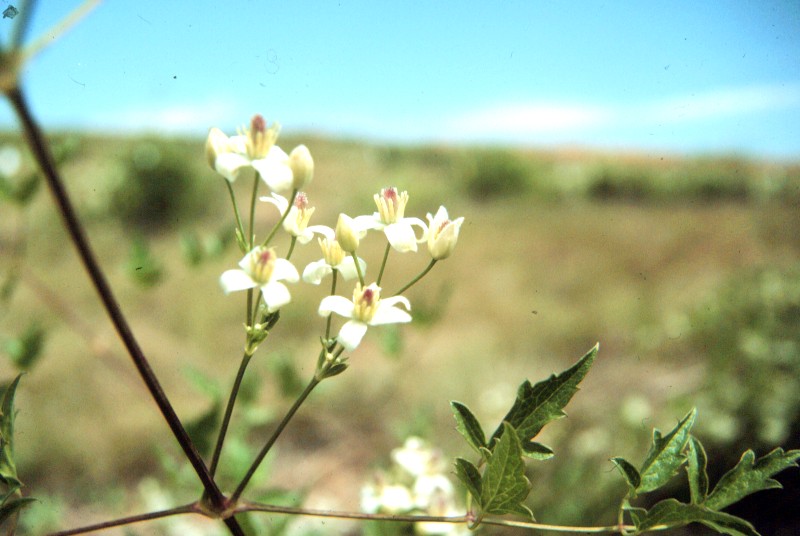
Western White Clematis is identified by its climbing habit, opposite compound leaves with 5–7 leaflets, small white flowers with no petals (the “petals” are actually showy sepals), and feathery seed heads. The vine’s stems can become woody at the base with age, creating a semi-permanent climbing structure.
Leaves
The leaves are opposite and pinnately compound, typically with 5 leaflets (occasionally 3 or 7). Each leaflet is 1–3 inches long, ovate to lanceolate, with 1–3 coarse teeth or lobes on each side. The overall leaf texture is somewhat rough, and the color is medium green. The leaf petioles and petiolules (leaflet stalks) are sensitive and curl around twigs, stems, and other supports to anchor the vine — this is the plant’s climbing mechanism. The foliage is deciduous, turning yellow to tan in fall before dropping.
Flowers
The flowers are the showpiece of Western White Clematis: numerous, small (about ¾ inch across), with 4 white, petal-like sepals (true petals are absent in clematis) surrounding a central cluster of many stamens. Individual flowers are not large, but they are produced in tremendous abundance in branched panicles, creating the impression of masses of white flowers clothing the entire vine. The flowers have a faint, pleasant fragrance. Bloom time is summer through fall — typically July through September in most of its range. The vine is dioecious (separate male and female plants), with male plants producing slightly more showy flowers and female plants producing the ornamental seed heads.
Seed Heads
The ornamental seed heads are produced only on female plants and are one of the most recognizable features of Western White Clematis in fall and winter. Each seed (achene) is topped by the persistent, elongated, feathery style that becomes white and silky as it matures, forming a dense cluster of silky plumes that can cover the vine from late fall through winter. These seed heads are not only beautiful but also serve as the wind-dispersal mechanism for the seeds.
Quick Facts
| Scientific Name | Clematis ligusticifolia |
| Family | Ranunculaceae (Buttercup) |
| Plant Type | Deciduous Perennial Vine |
| Mature Height | 15 ft |
| Sun Exposure | Part Shade |
| Water Needs | Moderate |
| Bloom Time | July – September |
| Flower Color | White |
| USDA Hardiness Zones | 4–9 |
Native Range
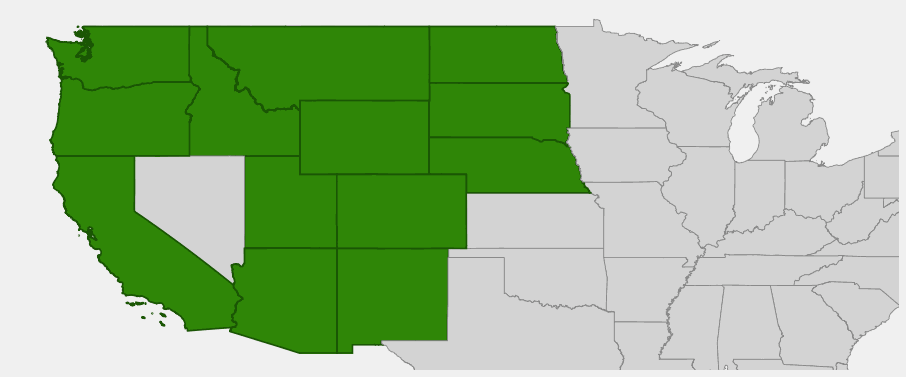
Western White Clematis has one of the broadest distributions of any native vine in the American West, occurring from British Columbia and Alberta south through most of the western United States into northern Mexico. In the U.S., it ranges from Washington and Oregon east through Idaho, Montana, Wyoming, Colorado, and Utah, south through Arizona and New Mexico, and into the panhandle regions of Nebraska and the Dakotas. It is a characteristic vine of riparian corridors throughout this vast area.
The species is most abundant and vigorous along perennial streams, rivers, and canyon bottoms where consistent soil moisture is available. It is a characteristic plant of cottonwood-willow riparian forests throughout the West, draping over the canopy of Fremont Cottonwood (Populus fremontii), Goodding’s Willow (Salix gooddingii), and Arizona Walnut (Juglans major) along permanent and semi-permanent streams. In Arizona, it is particularly common along the Verde River, Oak Creek, Sabino Creek, and in the riparian canyons of the sky island mountain ranges.
The vine also grows on canyon walls, rocky slopes with some subsurface moisture, and in mixed chaparral where it finds purchase on rocks and shrubs. The ecological flexibility noted in the plant list (“tolerates many soils”) reflects its ability to establish in a wide range of soil types as long as adequate moisture is available. Its tolerance of calcareous soils is particularly notable for a genus that many gardeners consider exclusively acid-soil plants.
📋 Regional plant lists featuring Western White Clematis: Arizona
Growing & Care Guide
Western White Clematis is a vigorous, rewarding vine for large native gardens in the western United States. It provides spectacular late-summer bloom and ornamental winter seed heads, and supports a diverse array of wildlife. Given adequate moisture and a robust support structure, it is easy to grow and highly self-sufficient.
Light
Western White Clematis performs best in part shade — as noted in the plant list. In the wild, it most commonly grows in the dappled light beneath riparian tree canopies. It tolerates full sun in cooler climates (Pacific Northwest, high elevations), but at lower elevations in the hot Southwest, afternoon shade reduces heat stress and helps the vine maintain its vigor and flowering. Morning sun and afternoon shade is the ideal exposure for most Arizona garden settings.
Soil & Water
Unlike most Arizona native plants, Western White Clematis has moderate water needs — reflecting its riparian habitat affiliation. It grows best with consistent soil moisture and performs poorly in very dry conditions or prolonged drought without supplemental irrigation. In desert garden settings, it should be planted in areas that receive regular irrigation or near a water feature. It tolerates a wide range of soil types — sandy, loamy, rocky, even calcareous clay — as long as drainage is adequate and moisture is consistent. Do not allow the root zone to dry out completely during the growing season.
Planting Tips
Plant in early spring or fall when temperatures are moderate. Provide a strong trellis, fence, pergola, or large shrub/tree for the vine to climb — Western White Clematis can become very heavy with maturity and requires substantial support. For riparian garden settings, plant along stream banks where roots can access consistent moisture. The traditional clematis planting advice applies: “heads in the sun, feet in the shade” — provide the root zone with shade (mulch heavily or plant low groundcovers beneath the vine) while the upper stems climb into good light.
Pruning & Maintenance
Western White Clematis benefits from annual pruning to control its vigorous growth. Prune hard in late winter or early spring — cut back all stems to 12–24 inches above the ground. This drastic cut promotes vigorous new growth and the most abundant flowering. Without regular pruning, the vine can become very dense and heavy, occasionally damaging support structures. The plant recovers quickly from even the most severe pruning, typically reaching its full seasonal height by mid-summer.
Landscape Uses
- Trellis and arbor covering — spectacular late-summer bloom transforms any garden structure
- Privacy screen — dense deciduous foliage provides summer privacy
- Riparian garden — natural along stream banks and pond edges
- Wildlife habitat — exceptional value for nesting birds and pollinators
- Covering ugly structures — rapidly covers chain-link fences, old sheds, and other eyesores
- Native cottage garden — romantic white bloom adds charm to informal garden styles
Wildlife & Ecological Value
Western White Clematis is one of the most ecologically valuable native vines in the American West, providing food, nesting material, and habitat structure for a remarkable diversity of wildlife.
For Birds
The silky seed tails of Western White Clematis are sought after as nesting material by many bird species, including hummingbirds, bushtits, and various warblers, which weave the fluffy material into their tiny cup nests. The dense vine structure provides excellent nesting habitat and cover for songbirds including Yellow Warblers and Yellow-breasted Chats. The flowers attract insects, which in turn attract insectivorous birds foraging along riparian corridors.
For Mammals
Mule deer and pronghorn browse the foliage where accessible. The vine’s dense structure provides cover for riparian mammals including raccoons, ringtails, and various rodents. Western White Clematis climbs into the canopy of cottonwood and willow trees, creating a complex vertical structure that extends wildlife habitat into the upper tree zone.
For Pollinators
The flowers are an excellent nectar source for native bees, including bumble bees, mining bees, and sweat bees. Butterflies — including Lorquin’s Admiral and various skippers — visit the flowers. The late summer bloom period is particularly valuable, coinciding with the late-season nectar demand of many pollinator species preparing for winter. Western Clematis is considered an important native pollinator plant by the Xerces Society and other pollinator conservation organizations.
Ecosystem Role
In riparian ecosystems, Western White Clematis plays several important structural roles. The vine binds together the canopies of riparian trees, creating a connected vertical structure that increases habitat complexity. The dense vine growth stabilizes streambank vegetation and helps prevent erosion during high flows. As a deciduous vine, its annual leaf litter contributes to the high-nutrient leaf litter characteristic of cottonwood-willow riparian forests — some of the most productive habitats in the arid West. The feathery seed heads provide nesting material not only for birds but also for a variety of small mammals that incorporate plant fibers into their nests.
Cultural & Historical Uses
Western White Clematis has a long history of use by Indigenous peoples of the western United States. The Navajo used the vine medicinally, with preparations from the plant applied to treat skin conditions, headaches, and as a general tonic. Various Plateau peoples used the bark fibers for making rope, cordage, and net bags — the stems’ flexible yet strong fibers were particularly well-suited for these applications.
The plant’s common name “Pepper Vine” — one of several used across its range — refers to the peppery, acrid taste of the stems and leaves, which contain protoanemonin, a compound responsible for the irritating quality shared by many members of the Ranunculaceae family. This acridity made the plant less useful as a direct food source, though small quantities were occasionally used medicinally by various Indigenous cultures. The Paiute and Shoshone used smoldering clematis stems as a treatment for cold symptoms — burning the plant near the patient and inhaling the aromatic smoke.
In modern horticulture, Western White Clematis has gained popularity as a native alternative to the many cultivated clematis species and hybrids from Asia and Europe that dominate the nursery trade. Its tolerance of alkaline Western soils — where many cultivated clematis struggle — combined with its ecological value and vigorous growth make it an increasingly preferred choice for naturalistic western gardens. Several native plant advocacy groups include it in their recommended plant lists for western riparian garden restoration.
Frequently Asked Questions
Is Western White Clematis related to garden clematis?
Yes — Western White Clematis (Clematis ligusticifolia) is in the same genus as the popular garden clematis species from Asia and Europe. It shares the characteristic opposite compound leaves, climbing by petioles, and four-sepaled flowers. However, it is much more vigorous than most cultivated varieties and better adapted to Western alkaline soils and arid conditions. It also has better wildlife value as a locally native species.
Is Western White Clematis poisonous?
Like most members of the Ranunculaceae family, Western White Clematis contains protoanemonin compounds that are mildly toxic if consumed in large quantities. All parts of the plant — leaves, stems, and roots — can cause skin irritation in sensitive individuals when handled extensively. Wear gloves when doing extensive pruning or handling. The plant is generally not a significant hazard but should not be consumed.
How fast does Western White Clematis grow?
Very fast — this is one of the most vigorous native vines in the West. In good conditions (adequate moisture, part shade, substantial support), Western White Clematis can grow 10–15 feet in a single season. Established vines pruned to the ground in late winter will regrow to their full height by mid-summer. This vigorous growth means regular pruning is necessary to keep the vine within bounds.
Can I grow Western White Clematis without a trellis?
Western White Clematis needs something to climb — without support, it becomes a sprawling, tangled mound on the ground. However, it is very flexible about what it climbs: trellis, chain-link fence, wooden fence, large shrubs, trees, or rock faces all work. In a naturalistic garden, planting it next to a large native shrub or at the base of a cottonwood tree allows it to climb naturally without a formal structure.
Does Western White Clematis grow in shade?
Western White Clematis tolerates partial shade and actually performs well with afternoon shade in hot desert climates. However, heavy deep shade reduces flowering significantly. The ideal situation is dappled light or morning sun with afternoon shade — replicating the light conditions of its natural riparian forest habitat where it climbs through the canopy seeking available light.

Looking for a nursery that carries Western White Clematis?
Browse our native plant nursery directory: Arizona