Western Yarrow (Achillea millefolium)
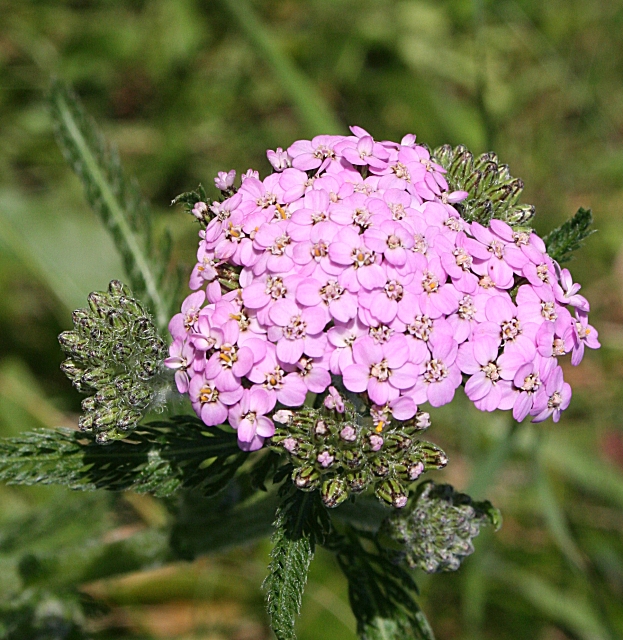
Achillea millefolium, commonly known as Western Yarrow, Common Yarrow, or Milfoil, is one of the most widespread, useful, and ecologically important native wildflowers in North America. This hardy perennial herb grows from the Pacific Coast to the Atlantic, from sea level to alpine tundra, and from Canada to Mexico — making it one of the most adaptable native plants on the continent. The name millefolium means “thousand leaves” in Latin, reflecting the finely divided, feathery foliage that is one of the plant’s most distinctive characteristics.
Western Yarrow grows in virtually every habitat type that is not deeply shaded: meadows, prairies, roadsides, forest edges, dry hillsides, alpine slopes, and disturbed areas. It thrives in full sun and dry to moderately moist soil, tolerating drought, poor soil, and significant foot traffic. The flat-topped, compound flower clusters (corymbs) of tiny white to cream flowers, produced from spring through fall, provide exceptional value for pollinators — a single yarrow plant can support hundreds of insect species over the course of a season.
Few native plants have a longer or more varied history of human use: Yarrow has been used medicinally, as a dye plant, in brewing, as animal fodder, in cosmetics, and in spiritual practice by Indigenous peoples across North America, as well as in traditional European medicine. The genus name Achillea refers to the mythological Greek hero Achilles, who is said to have used yarrow to treat the wounds of his soldiers. This ancient association reflects yarrow’s genuine medicinal properties — it contains compounds with demonstrated anti-inflammatory, antimicrobial, and wound-healing activity.
Identification
Western Yarrow is a perennial herb growing 1 to 3.5 feet (30–105 cm) tall, spreading by both rhizomes and seed to form colonies. The stems are erect, somewhat hairy, slightly woody at the base in established plants, and topped by the characteristic flat-topped flower cluster. The plant has a distinctive, strong, pleasant aromatic scent — sometimes described as medicinal or resinous — that is immediately recognizable once learned.
Leaves
The leaves are the most distinctive feature in vegetative identification: they are pinnately divided and then divided again (bipinnate or tripinnate), creating the “thousand-leaf” effect of extremely fine, feathery divisions. Each leaf is lance-shaped in overall outline, 2 to 6 inches (5–15 cm) long, and covered in fine hairs that give it a somewhat woolly, gray-green appearance. Basal leaves are the largest; stem leaves become smaller and less divided toward the top of the plant. The leaves are strongly aromatic when crushed.
Flowers
The flowers are arranged in flat-topped corymbs (compound flower clusters) 2 to 4 inches (5–10 cm) across. Each apparent “flower” in the cluster is actually a tiny composite flower head (as in all Asteraceae members) consisting of 3 to 8 white to cream ray flowers (occasionally pink in some populations) surrounding a central disk of 10 to 20 small white to yellowish disk flowers. Blooming typically occurs from June through September, with peak bloom in early to midsummer, though established plants can flower from spring through fall in favorable conditions.
Roots & Rhizomes
Yarrow has a network of shallow, creeping rhizomes that allow it to spread steadily from established plants. The rhizomes are white, moderately thick, and can extend 12 to 18 inches from the parent plant per year under favorable conditions. This spreading habit makes yarrow excellent for ground cover and erosion control but requires management in formal garden settings where spread is not desired.
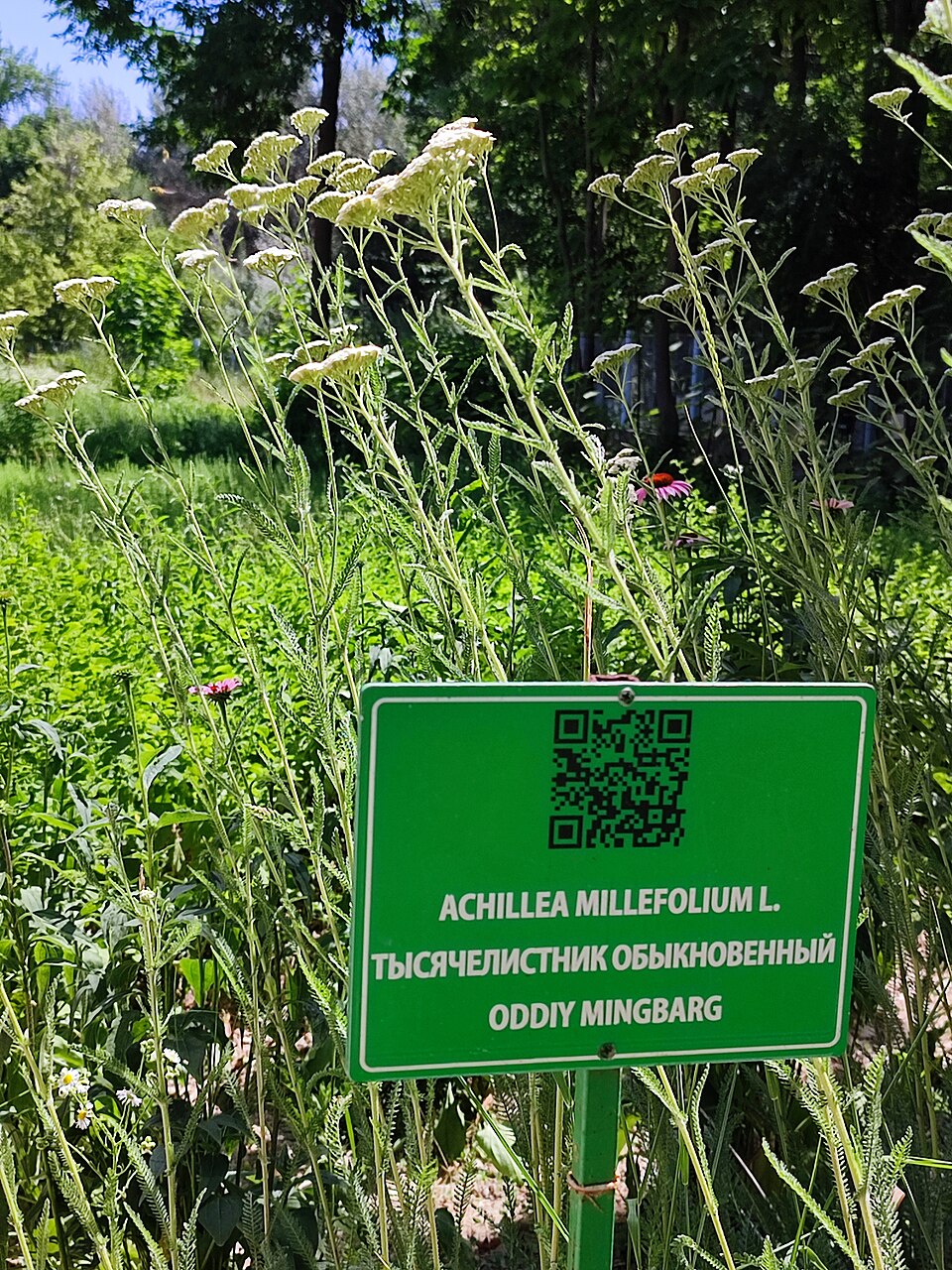
Quick Facts
| Scientific Name | Achillea millefolium |
| Family | Asteraceae (Aster/Daisy Family) |
| Plant Type | Perennial Herb |
| Mature Height | 1–3.5 ft |
| Sun Exposure | Full Sun |
| Water Needs | Low (Drought Tolerant) |
| Bloom Time | June – September |
| Flower Color | White to cream (occasionally pink) |
| USDA Hardiness Zones | 3–9 |
Native Range
Western Yarrow (Achillea millefolium) is one of the most widely distributed native wildflowers in North America, found throughout virtually every U.S. state and Canadian province except for the hottest, most humid subtropical areas of the deep South. In the West, it is abundant from sea level to alpine tundra, occurring in every mountain range, prairie system, and coastal zone. It is found across the entire Intermountain West, Rocky Mountains, Pacific Coast states, Great Plains, Midwest, and northeastern states.
This exceptional geographic range reflects yarrow’s extraordinary ecological tolerance. It occurs in habitats as different as coastal bluffs, alpine meadows, desert grasslands, oak savannas, mixed-grass prairies, ponderosa pine forests, and Pacific Northwest rainforest edges. The key requirement is open, sunny to partly sunny conditions — yarrow is not a shade plant. It is most abundant in disturbed areas, roadsides, meadows, and the sunny margins of forests and shrublands throughout its range.
Note: While Achillea millefolium is native to western North America, a very similar European form of the same species complex is also naturalized in North America through introduction. Native western North American yarrow can be distinguished from introduced European forms by subtle characteristics — native Western Yarrow tends to be more variable, often shorter, and may have slightly different achene characteristics. For landscaping and native plant gardens, it is important to source plants from regional, native-genotype seed sources rather than commercial cultivars of potentially European origin.
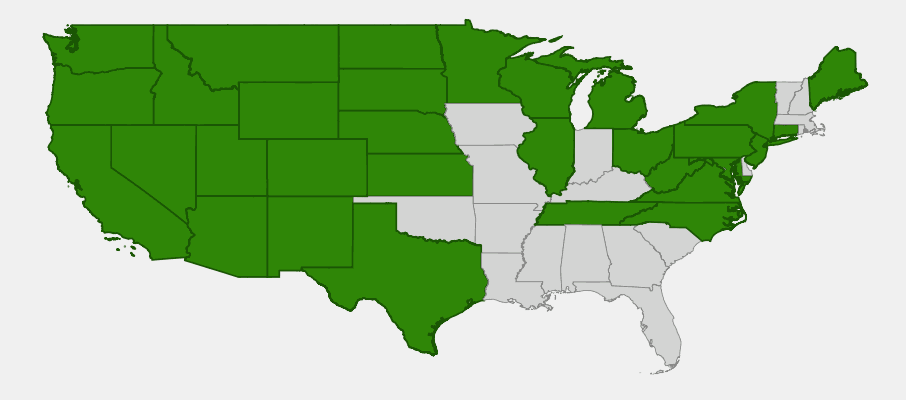
📋 Regional plant lists featuring Western Yarrow: Intermountain West
Growing & Care Guide
Western Yarrow is one of the easiest native wildflowers to grow, tolerating a wide range of conditions and requiring minimal care. It is an excellent choice for beginning native plant gardeners and experienced gardeners alike.
Light
Full sun produces the best growth, most abundant flowering, and most compact form. Yarrow tolerates partial shade but becomes taller, floppier, and produces fewer flowers in reduced light. In hot southwestern climates, afternoon shade helps prevent summer stress while still allowing good flowering.
Soil & Water
Western Yarrow is drought-tolerant once established, thriving in dry, well-drained, even poor soils. It does not need or appreciate rich, heavily-fertilized soil — this produces soft, floppy growth susceptible to powdery mildew. Sandy, rocky, or moderately fertile loam soils are ideal. In garden settings, some supplemental irrigation in extended dry spells helps maintain attractiveness, but established plants in the West can generally survive on natural rainfall alone. Avoid heavy, waterlogged soils that hold moisture around the crown, which leads to root rot.
Planting Tips
Plant in spring or fall from containers or transplants. Direct seeding is also very effective — scatter seed on the soil surface in fall for spring germination (no covering needed, as yarrow requires light to germinate). Space transplants 18–24 inches apart; the plants will fill in via rhizomes within 2–3 seasons. Yarrow self-seeds freely in open conditions — deadhead after bloom to control self-seeding if needed.
Pruning & Maintenance
Cut back to 4–6 inches in late fall or early spring to remove the previous season’s dead stems and stimulate fresh new growth. Deadhead spent flower clusters to encourage reblooming and prevent excessive self-seeding. Every 2–3 years, divide large clumps to rejuvenate plants and maintain vigor — simply dig and separate the rhizomatous clumps, replanting sections. In rich, moist soils, yarrow may become floppy and require staking or shearing back by half in late spring to encourage more compact regrowth.
Landscape Uses
- Wildflower meadow — one of the most important structural meadow perennials
- Pollinator garden — outstanding support for native bees, wasps, and beneficial insects
- Dry border perennial — feathery foliage and long bloom period for xeric gardens
- Ground cover — spreads to fill open areas in dry, sunny sites
- Erosion control — the rhizomatous mat stabilizes soil on slopes and disturbed areas
- Lawn alternative — some people grow yarrow as a low-maintenance lawn replacement
- Cut flower — the flat-topped flower clusters are excellent in fresh and dried arrangements
Wildlife & Ecological Value
Western Yarrow is one of the most important insect-supporting plants in North American native plant gardens, providing nectar, pollen, larval food, and habitat structure for an extraordinary diversity of invertebrates.
For Birds
Yarrow’s primary value for birds is indirect — the enormous diversity of insects attracted to its flowers provides abundant food for insectivorous birds. The seed heads in fall and winter are consumed by Goldfinches, House Finches, Chipping Sparrows, and other small seed-eating birds. The dense foliage provides nesting cover for ground-nesting birds in meadow habitats.
For Mammals
Yarrow is generally avoided by deer and rabbits due to its strong aromatic compounds, making it a useful deer-resistant component of native plant gardens. The aromatic foliage has been historically used as a natural insect repellent, rubbed on skin and clothing. Small rodents may cache the seeds in fall.
For Pollinators
Western Yarrow is exceptionally valuable for pollinators — the flat-topped, open flower structure is accessible to an enormous diversity of short-tongued and long-tongued insects. Studies have documented over 100 species of insects visiting yarrow in bloom, including native bees (Apis, Bombus, Halictus, Lasioglossum, and many others), beneficial wasps (including parasitic wasps that control garden pests), hover flies, beetles, butterflies, and moths. The flowers are particularly important for small native bees that cannot access deep tubular flowers. Yarrow is also a larval host plant for several butterfly species including the Painted Lady (Vanessa cardui).
Ecosystem Role
Yarrow is a keystone species in many meadow ecosystems — its prolific, accessible flowers support the base of the insect food web that underpins birds, small mammals, and the broader ecosystem. In degraded or disturbed areas, yarrow is often one of the first native perennials to establish, providing immediate ecological value while other, slower-establishing species take hold. Its deep, branching root system helps stabilize soil and improve soil structure. As a pioneer species in disturbed areas, yarrow contributes to the succession process that eventually leads to more complex native plant communities.
Cultural & Historical Uses
Western Yarrow has one of the richest and most diverse histories of human use of any North American native plant. Virtually every Indigenous nation within its range used yarrow in some way, and it holds an equally important place in traditional European medicine — connecting two continents through the common utility of one remarkable plant. The genus name Achillea honors the mythological hero Achilles, who is said to have used the plant to treat his soldiers’ wounds during the Trojan War, reflecting yarrow’s ancient reputation as a wound-healing herb.
Among Indigenous peoples of North America, yarrow was used medicinally by the Blackfoot, Shoshone, Paiute, Navajo, Cheyenne, Lakota, Crow, and many other nations for an extraordinary range of conditions: wound treatment (both to stop bleeding and to prevent infection), fever reduction, treatment of colds and respiratory ailments, digestive complaints, toothache, and as a general tonic. The Paiute smoked dried yarrow as a ceremonial tobacco substitute. Various nations used the aromatic leaves as insect repellent. The Blackfoot rubbed yarrow leaves on the skin before ceremonies involving smoke. The plant was also commonly used in sweat lodge ceremonies across multiple Plains traditions.
In European tradition, yarrow was used in the same ways — as a wound herb, fever treatment, and tonic — with documented use going back thousands of years. Modern phytochemical research has validated many of these traditional uses: yarrow contains compounds including achilletin (a blood-clotting promoter), azulene (anti-inflammatory), camphor, and a range of sesquiterpene lactones with antimicrobial and anti-inflammatory properties. It is used today in herbal medicine, cosmetics, and as a companion plant in organic gardens to attract beneficial insects and repel certain pests.
Frequently Asked Questions
Is Western Yarrow invasive?
Western Yarrow is native to North America and not classified as invasive. However, it can spread enthusiastically by rhizomes and self-seeding in favorable conditions. In formal garden settings, managing its spread by division and deadheading keeps it contained. In meadow or naturalized settings, its spreading habit is generally welcome. When buying yarrow, choose plants or seed from native, regionally-appropriate sources rather than exotic cultivars.
How do I keep yarrow from flopping over?
Yarrow grown in rich, moist soil tends to produce tall, floppy stems. To prevent this: plant in lean, well-drained soil without added fertilizer; cut back stems by half in late spring (“Chelsea Chop”) before they are fully grown to promote more compact, self-supporting re-growth; ensure full sun (partial shade worsens flopping). Division every 2 years also helps maintain compact, vigorous growth.
Can I use yarrow for medicinal purposes?
Yarrow has a long history of medicinal use for wound healing, fever, and digestive support. However, consult a qualified herbalist or healthcare provider before using any wild plant medicinally. Some people are allergic to yarrow (particularly those allergic to other Asteraceae members like ragweed). Yarrow should not be used during pregnancy.
Why is my yarrow not blooming?
The most common causes of poor blooming are: insufficient sun (yarrow needs full sun), soil that is too rich (excess nitrogen promotes foliage over flowers), or plants that are overcrowded and need division. Yarrow should bloom reliably for several months each year when given adequate sun and lean soil.
Is there a difference between Western Yarrow and common yarrow?
Achillea millefolium is the same species across North America, but there is genetic diversity across its range. “Western Yarrow” typically refers to the native western North American genotypes, as distinguished from European varieties of the same species that have been introduced to North America. For native plant gardening, always choose seed or plants propagated from local, native sources rather than commercial garden cultivars (which may be of European origin or hybrid forms).