
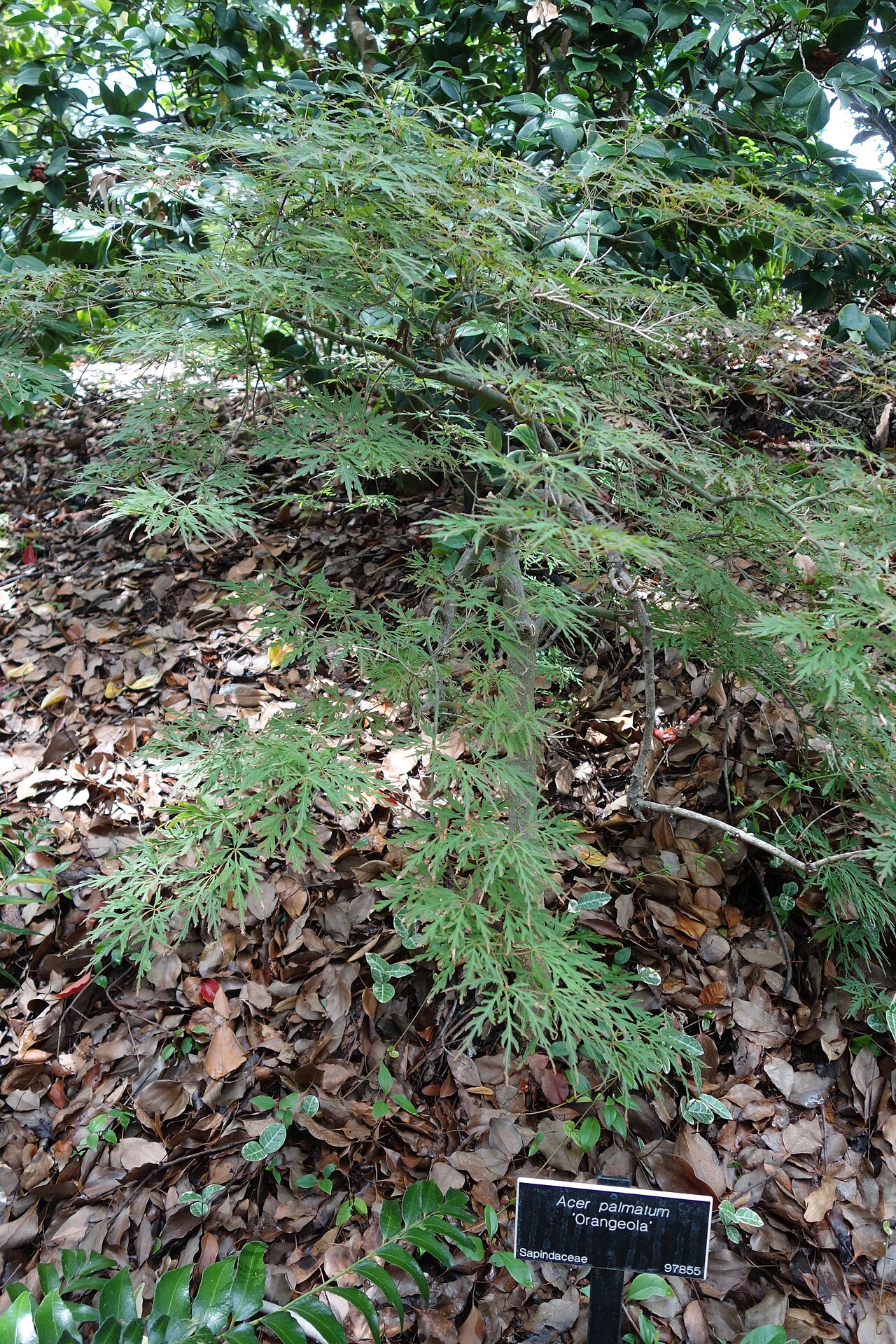
‘Orangeola’, labeled at Huntington Botanical Gardens, grows more upright than many weeping dissectum cultivars before arching outward. Photo: Daderot, via Wikimedia Commons (CC0) Acer palmatum
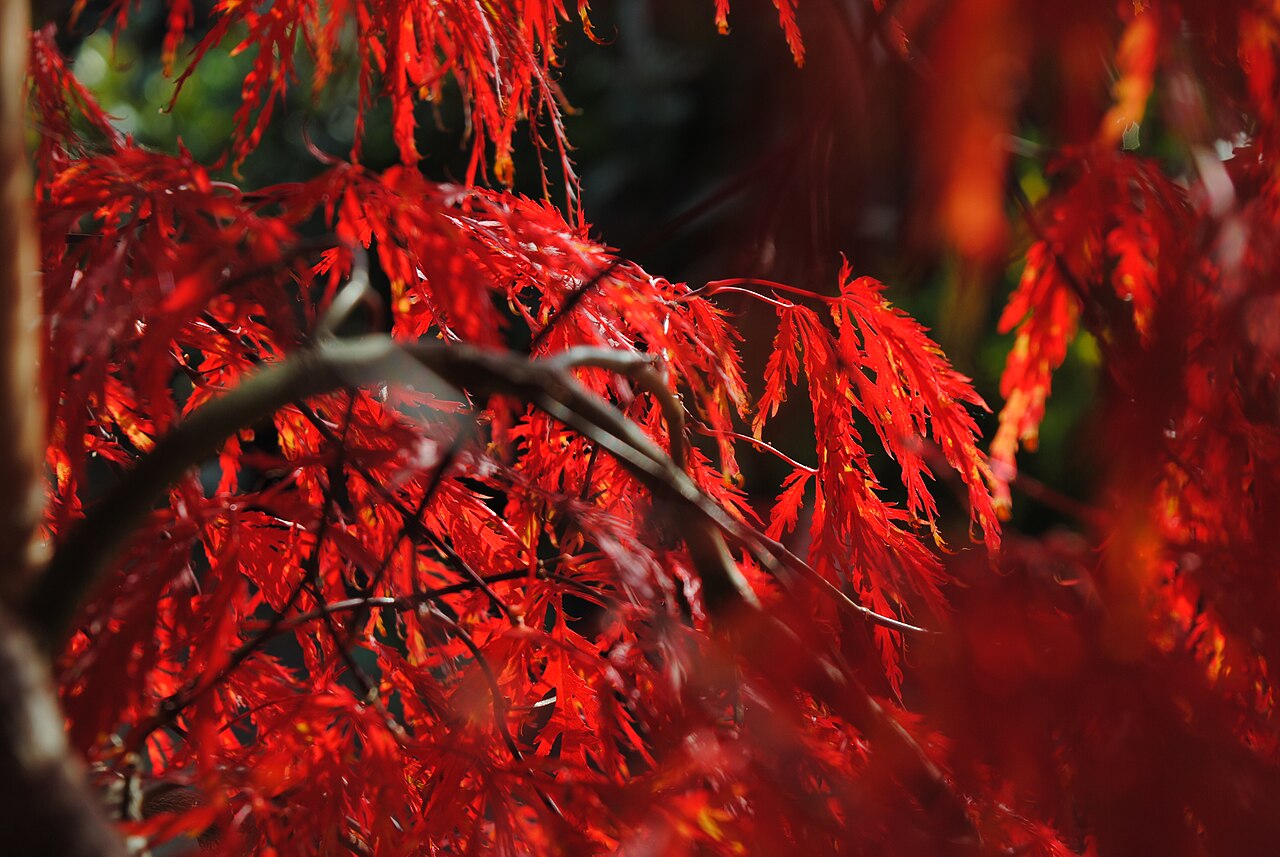
‘Inaba-shidare’ is one of the largest and most vigorous of the red weeping laceleaf maples. Photo: Andy Mabbett, via Wikimedia Commons (CC BY-SA 4.0) Acer
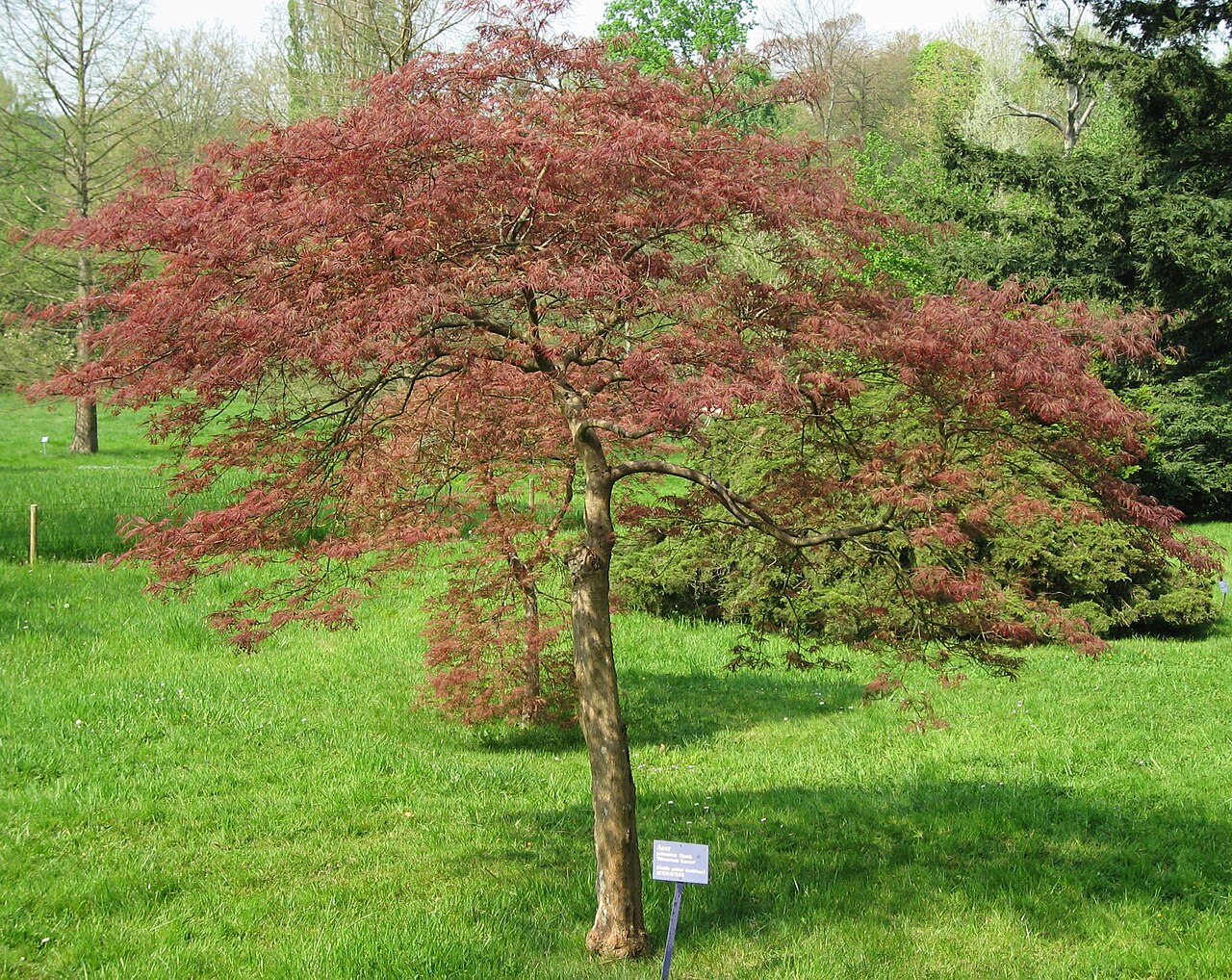
A mature ‘Garnet’ forms a wide, cascading canopy of deep garnet-red foliage. Photo: Liné1, via Wikimedia Commons (CC BY-SA 3.0) Acer palmatum var. dissectum ‘Garnet’
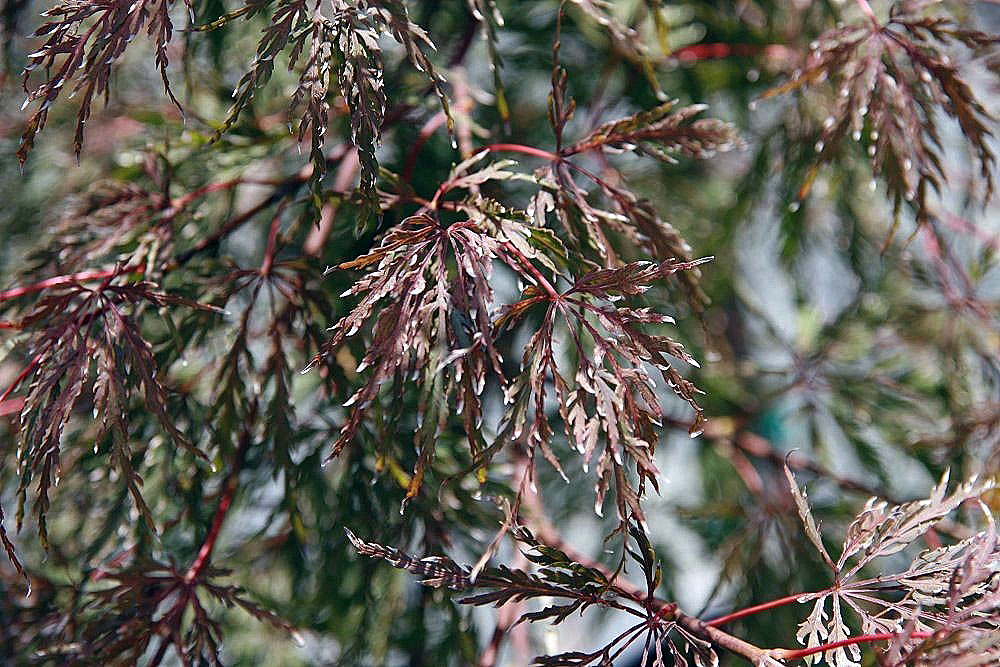
Tamukeyama’s fine, lacy red foliage cascading over its branches at a Maryland nursery. Photo: David J. Stang, via Wikimedia Commons (CC BY-SA 4.0) Acer palmatum
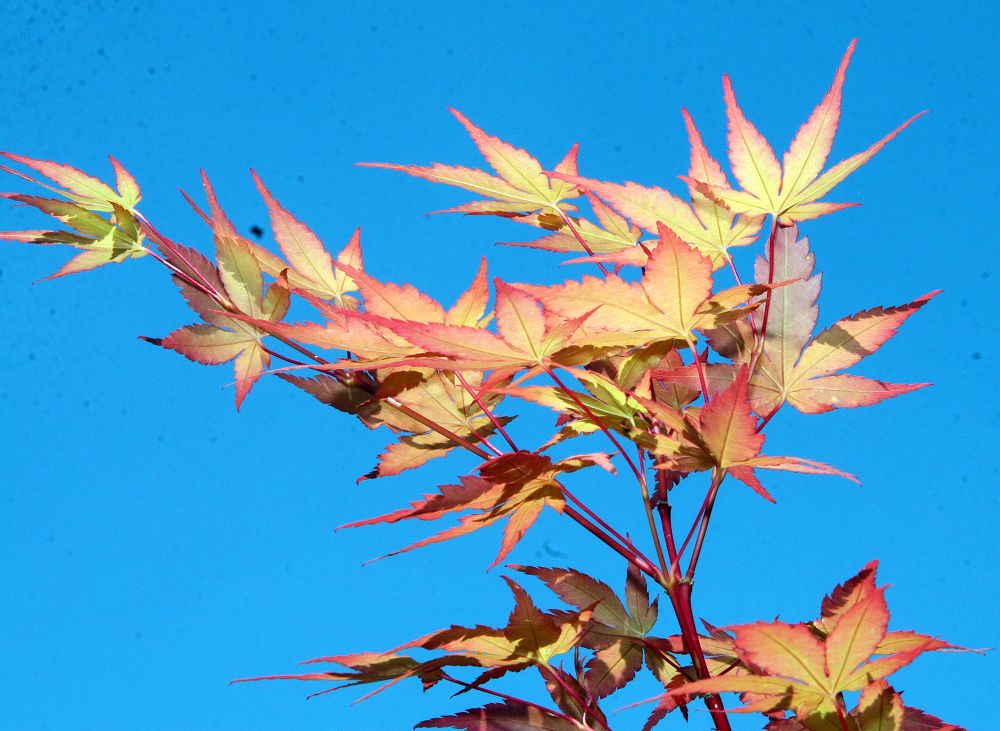
Sango-kaku in fall, showing its coral-red young stems emerging through golden foliage. Photo: David J. Stang, via Wikimedia Commons (CC BY-SA 4.0) Acer palmatum ‘Sango-kaku’,
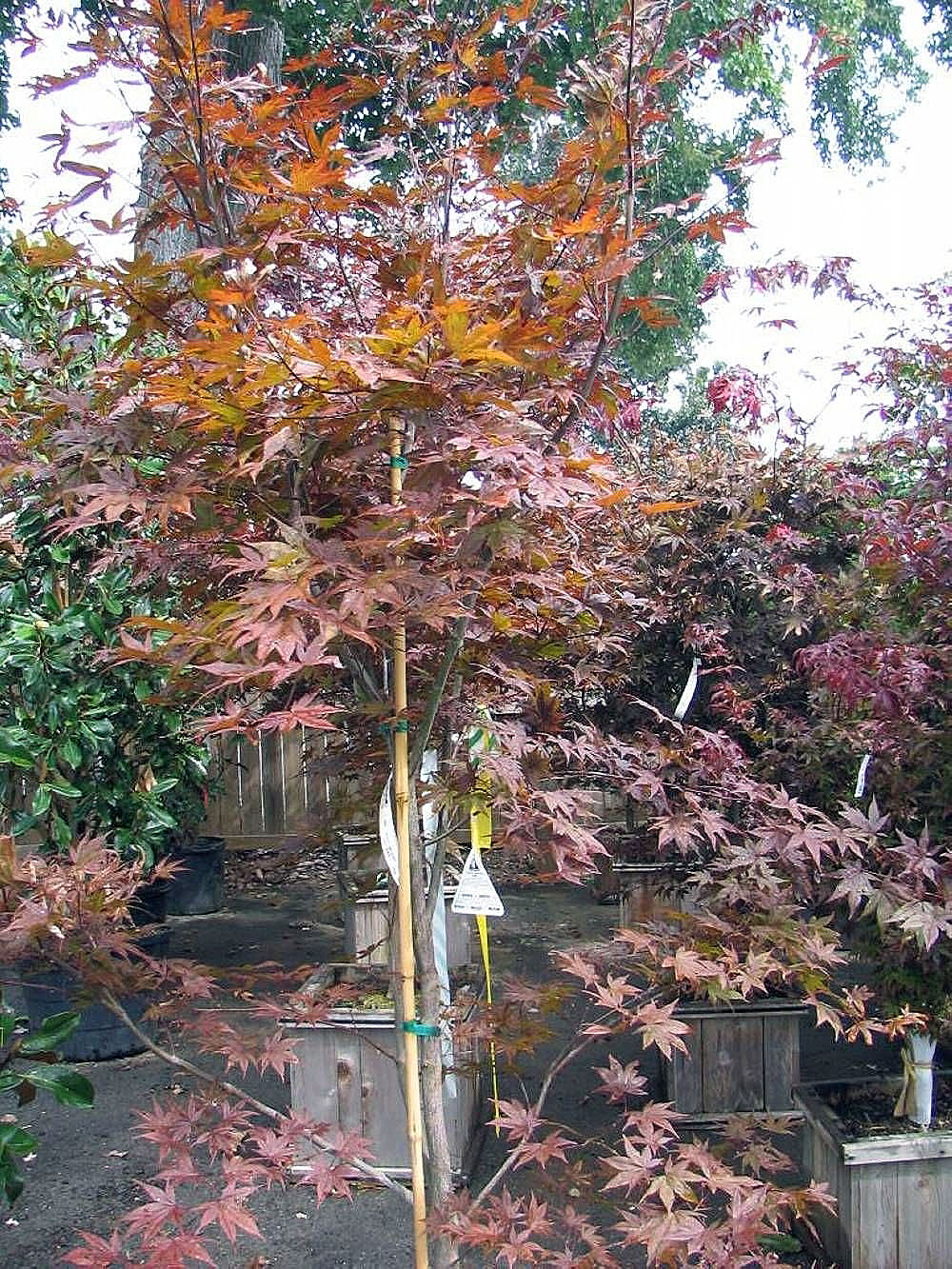
A young Emperor One Japanese maple showing its upright form and reddish fall color at a Virginia garden center. Photo: David J. Stang, via Wikimedia

A mature Crimson Queen at the United States National Arboretum, showing its cascading, mounded form. Photo: David J. Stang, via Wikimedia Commons (CC BY-SA 4.0)
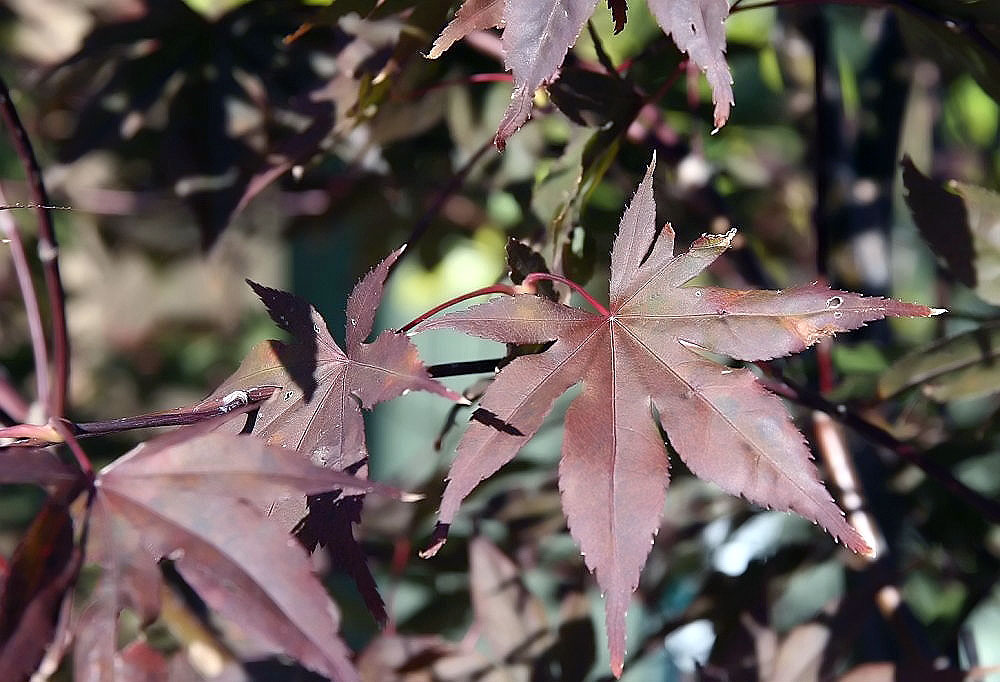
Bloodgood’s deeply lobed, deep maroon-red leaves at a garden center in Virginia. Photo: David J. Stang, via Wikimedia Commons (CC BY-SA 4.0) Acer palmatum ‘Bloodgood’,
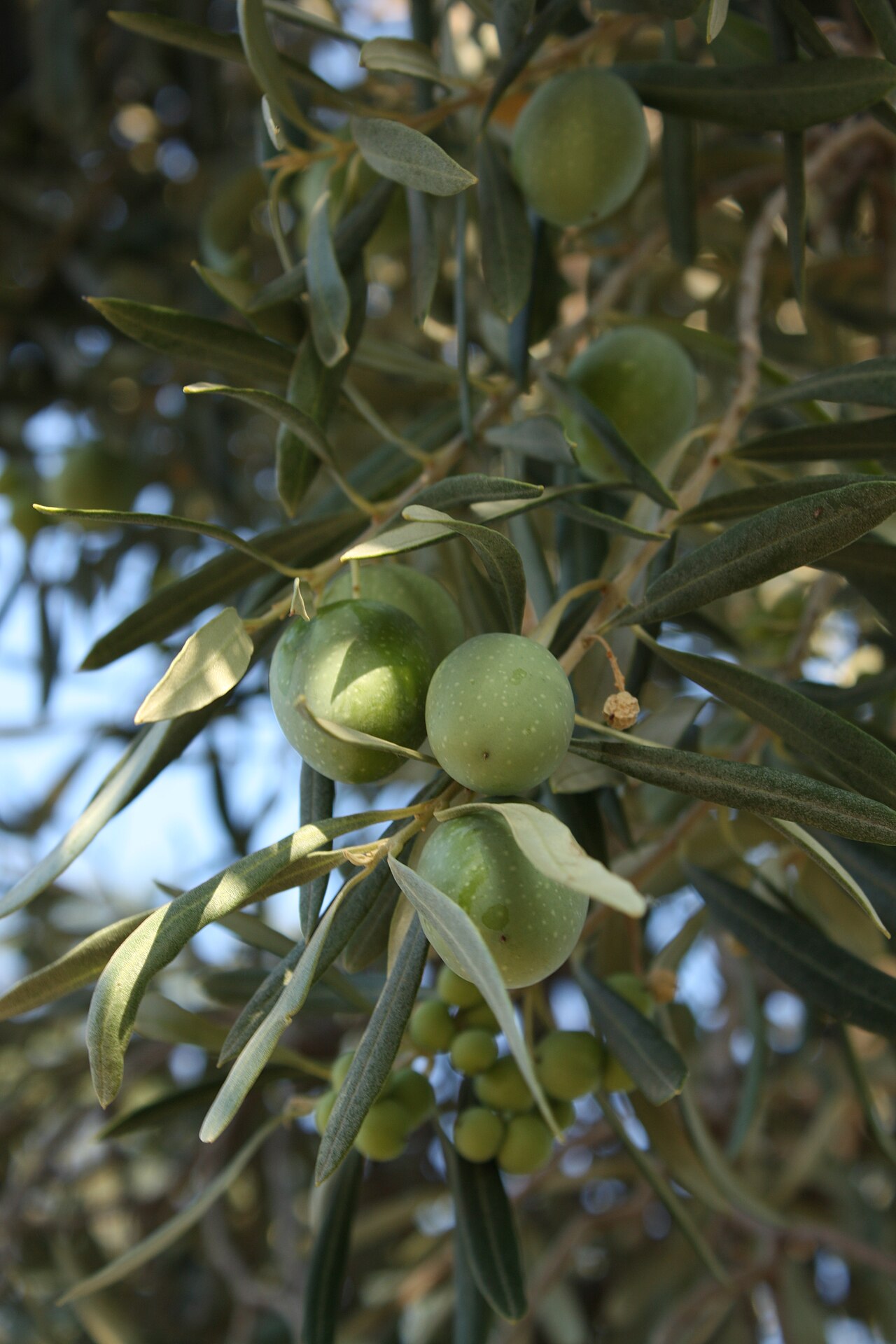
Sevillano olives in an orchard in Corning, California, showing the cultivar’s exceptionally large, oval fruit. Photo: Jessicacu, via Wikimedia Commons (Public domain) Sevillano (Olea europaea
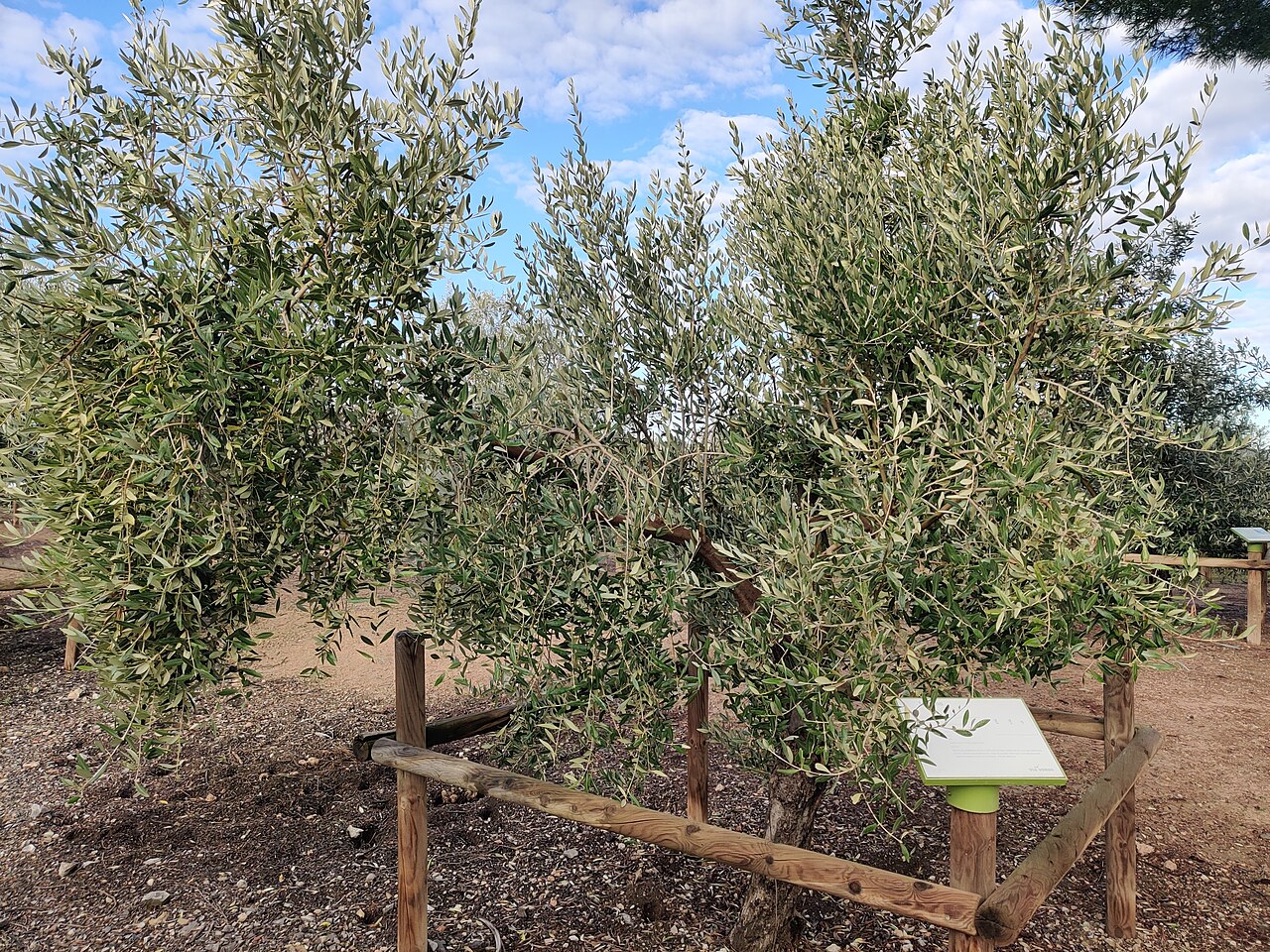
A labeled Leccino tree at the olive variety trial station in Alcaudete, Jaén, Spain, showing its dense, rounded, fast-growing canopy. Photo: Veinticuatro de Jahén, via
View More