Leccino Olive Tree (Olea europaea ‘Leccino’)
Last updated: November 3, 2026
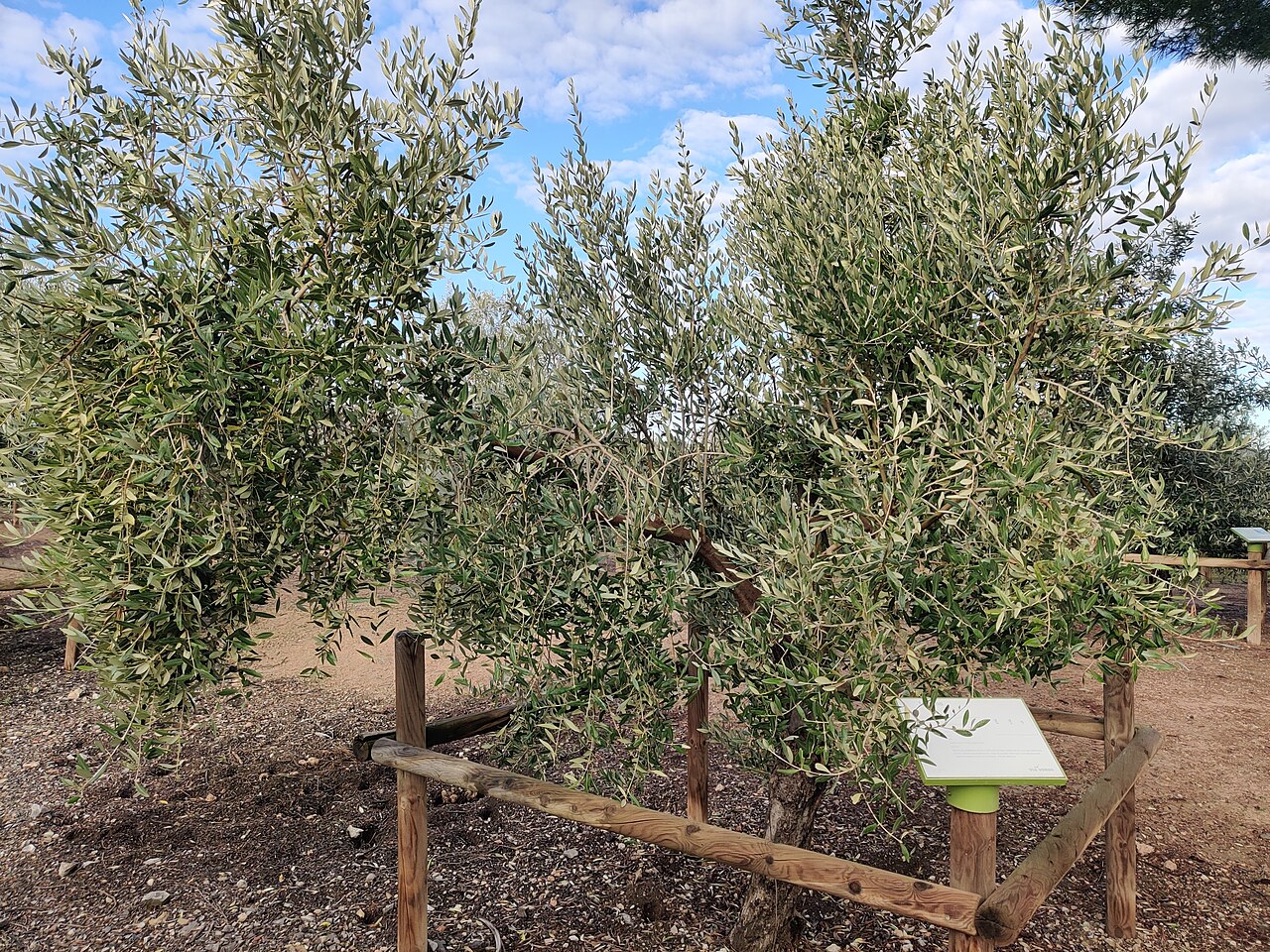
Leccino (Olea europaea ‘Leccino’) is one of Italy’s most widely planted olive cultivars, believed to have originated in Tuscany and now grown in olive-producing regions worldwide, from California and Texas to Australia and South America. It is prized for its vigorous, dense growth, reliable productivity and mild, delicate oil, which is commonly blended with bolder cultivars such as Frantoio and Coratina to round out flavor.
Home growers and small orchardists favor Leccino for its adaptability: it tolerates cooler growing seasons better than many Italian cultivars, grows quickly into a full, attractive rounded tree, and resists several common olive diseases reasonably well. Because it is not reliably self-fertile, Leccino is usually planted with a pollinizer cultivar such as Pendolino, Frantoio or Maurino nearby.
Olive (Olea europaea) is not native to North America; the species is native to the Mediterranean basin and the Near East, and Leccino itself was selected in Tuscany, Italy. It carries no federal noxious-weed listing, but Cal-IPC lists olive as a limited-impact invasive in parts of coastal and central California, where birds spread fruit from fruiting trees into nearby wildlands. Gardeners in that region should harvest fruit each season and avoid planting next to natural areas; elsewhere in the country, winter cold keeps the species from naturalizing.
Identification
Bark & Stems
Young Leccino shoots are gray-green and finely textured, maturing to grayish, furrowed bark. The tree builds a noticeably denser branch structure than cultivars like Frantoio, filling in quickly to form a full, leafy canopy rather than an open, airy one.
Leaves
Leaves are narrow and lance-shaped, 1.5 to 3 inches long, dull green above with a silvery, scaly underside typical of the species. Leccino’s foliage is notably denser and more tightly packed than many other cultivars, giving mature trees a fuller, more rounded silhouette.
Flowers
Small cream-white flowers bloom in loose clusters at the leaf axils in late spring, generally May into June. Leccino is not reliably self-fertile; it needs a compatible pollinizer cultivar nearby, most commonly Pendolino, to set a good fruit crop.
Fruit & Seeds
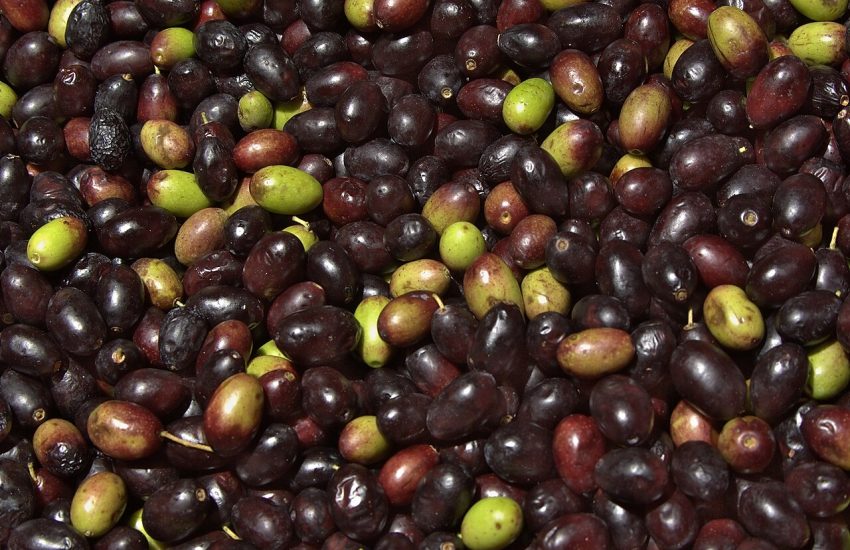
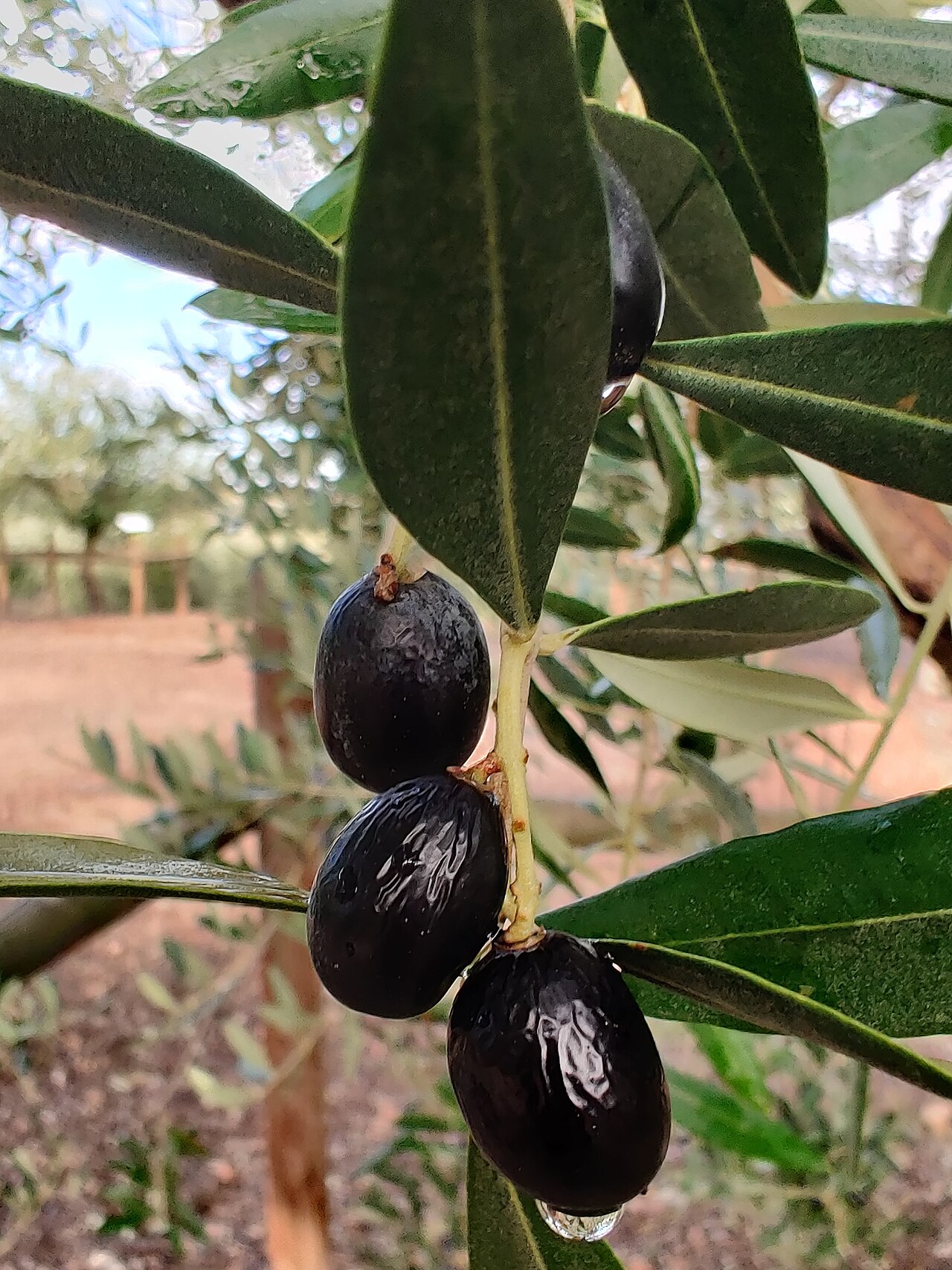
Fruits are medium to small oval drupes that ripen relatively early compared with many Italian cultivars, often shifting from green to purple-black ahead of cultivars like Frantoio. Reported oil content runs about 18 to 21% of fruit weight. The oil is noted for a mild, delicate, buttery flavor without the sharp pepperiness of bolder cultivars, which is why it is frequently blended rather than pressed alone.
Quick Facts
| Scientific Name | Olea europaea |
| Cultivar | ‘Leccino’ |
| Family | Oleaceae (Olive) |
| Plant Type | Evergreen fruiting tree |
| Native to North America | No — introduced from the Mediterranean; cultivar selected in Tuscany, Italy |
| Mature Height | 15–25 ft |
| Mature Spread | 15–20 ft |
| Growth Rate | Fast for an olive; dense, rounded canopy |
| Sun Exposure | Full sun |
| Water Needs | Low to moderate once established; drought tolerant |
| Soil Type | Well-drained loam, sand or rocky soil |
| Soil pH | Slightly acidic to alkaline (about 6.0–8.5) |
| Bloom Time | May – June |
| Leaf / Fall Color | Evergreen green above, silvery below; no fall color change |
| Fruit | Medium-small oval olives, early-ripening to purple-black; oil content ~18–21%; needs a pollinizer |
| Deer Resistant | Yes, generally |
| USDA Hardiness Zones | 8–10 (more cool-tolerant than many Italian cultivars) |
| Invasive Status | Not federally listed; Cal-IPC limited impact in parts of coastal/central California |
Origin & Where It Grows
The species Olea europaea is native to the Mediterranean basin, the Near East and parts of the Horn of Africa; it has no native range in North America.
Leccino is believed to have originated in Tuscany, Italy, and over the past century has become one of the most widely planted olive cultivars on earth, valued for its adaptability and reliability. Its mild oil is often blended with stronger cultivars such as Frantoio, Coratina, Moraiolo and Pendolino to build complexity in Italian extra-virgin blends.
In the United States, Leccino is grown across the same Mediterranean-climate regions as other olive cultivars but stands out for performing comparatively well in cooler growing seasons, making it a popular choice in coastal and northern California, as well as parts of Texas, Arizona, Alabama and Georgia where growers want a cultivar with some flexibility on climate.
Leccino Origin & Range
| Species Native Range | Mediterranean basin, Near East |
| Cultivar Origin | Tuscany, Italy |
| Best U.S. Regions | Coastal & northern California, Texas, Arizona, Alabama, Georgia |
| USDA Zones | 8–10 |
| Invasive Status | Not federally listed; Cal-IPC limited impact, coastal/central California only |
Growing & Care Guide
Leccino’s vigorous growth and reasonable cold tolerance make it one of the easier olive cultivars for home growers to establish.
Light
Plant in full sun; Leccino needs at least 6 to 8 hours of direct light daily to flower and fruit well. Shaded trees grow leggy and produce poorly.
Soil & Water
Give Leccino well-drained soil — sandy loam or rocky ground is ideal, and standing water or heavy clay invites root rot. Water young trees regularly for the first two to three years; mature trees are drought tolerant, though consistent moisture during flowering and fruit development improves the crop.
Planting Tips
Plant container-grown trees in spring so they establish before winter. Because Leccino needs a pollinizer, plant at least two cultivars — Leccino plus Pendolino, Frantoio or Maurino — within bee and wind-pollination range, generally within 50 feet or so. Space trees 15 to 20 feet apart in an orchard row.
Pruning & Maintenance
Prune in late winter after the coldest weather passes, opening up the dense canopy so light reaches interior fruiting wood — Leccino’s thick growth benefits from more thinning than open-structured cultivars like Frantoio. Light spring feeding with a balanced fertilizer is usually enough; avoid excess nitrogen, which pushes leafy growth at the expense of fruit.
Propagation
Leccino does not come true from seed; seedlings vary and lose the parent’s growth habit, disease tolerance and oil quality. Propagate by cuttings or grafting onto olive rootstock for true-to-type trees.
Harvest & Pollination
Leccino is not self-fertile and needs a nearby pollinizer cultivar, commonly Pendolino, to set a reliable crop. It tends to ripen earlier than many Italian cultivars, which can be an advantage in areas with early frost risk. Harvest for oil as fruit shifts from green to purple; for table use, pick green for a firmer, crisper olive. All olives, including Leccino, are bitter straight off the tree and must be cured in brine, salt, water or lye before eating; curing is not needed for oil pressing.
Landscape Uses
- Mediterranean and drought-tolerant gardens, where its dense, rounded form works well as a specimen or informal screen
- Dual-cultivar mini orchards, paired with a pollinizer for reliable home fruit production
- Hedging or windbreaks in warm climates, thanks to its naturally full canopy
- Container growing in colder zones, where it can be moved under cover for winter
Wildlife & Ecological Value
Leccino’s small wind-pollinated flowers offer limited nectar and draw modest bee and fly activity compared with native flowering trees. Ripe fruit attracts fruit-eating birds such as robins, mockingbirds and starlings, which can carry seed into surrounding land in mild-winter regions — part of why olive carries limited-impact invasive status in pockets of California. The dense evergreen canopy provides decent shade and some nesting cover. Overall, Leccino supports far fewer native insects than a comparable native tree and should be planted as a food or landscape specimen rather than for wildlife value.
Native Alternatives
For a similarly tough, evergreen, drought-tolerant tree — or a true native companion planting — consider these North American species:
- Desert Olive (Forestiera neomexicana) — a hardy Southwestern native shrub/small tree with fine gray-green foliage and a similar common name
- Texas Olive (Cordia boissieri) — a drought-tolerant flowering small tree for warm Texas and Gulf Coast gardens
- American Sweet Olive / Devilwood (Osmanthus americanus) — a fragrant evergreen native in the same olive family, Oleaceae
- Honey Mesquite (Prosopis glandulosa) — a native, fine-textured, drought-tolerant tree for hot, dry climates
History & Uses
Leccino’s reputation rests on reliability: strong vigor, heavy production, and better-than-average tolerance of cool weather and several common olive diseases compared with other Tuscan cultivars. These traits helped it spread from its Tuscan origins to become one of the most widely planted olive cultivars worldwide over the last century, grown everywhere from Italy and Spain to California, Australia, Chile and Argentina.
Its oil, mild and buttery with little bitterness, is less often bottled alone and more often used as a blending component that smooths out sharper, more peppery cultivars like Frantoio and Coratina. Leccino fruit can also be cured and used as a table olive, though oil production remains its primary commercial role in most regions where it is grown.
Frequently Asked Questions
Is Leccino olive tree native to North America?
No. Olive (Olea europaea) is native to the Mediterranean basin, and the Leccino cultivar was selected in Tuscany, Italy. It is an introduced, cultivated tree here, not a federally listed invasive, though Cal-IPC lists olive as limited-impact invasive in parts of coastal/central California.
Does Leccino need a second olive tree to produce fruit?
Yes — Leccino is not reliably self-fertile and generally needs a compatible pollinizer cultivar such as Pendolino, Frantoio or Maurino planted nearby to set a good crop.
How cold-hardy is Leccino compared with other olive cultivars?
Leccino tends to tolerate cooler growing seasons better than many Italian cultivars, making it a popular choice in coastal and northern olive-growing regions, though it is still best suited to USDA zones 8–10 and will suffer damage in hard freezes.
What does Leccino olive oil taste like?
Leccino produces a mild, delicate, buttery oil with little of the sharp bitterness or pepperiness found in cultivars like Frantoio, which is why it is frequently blended with bolder varieties.
Can Leccino olives be eaten straight from the tree?
No. Like all olives, Leccino fruit is bitter and unpalatable fresh; it must be cured in brine, salt, water or lye before eating as a table olive. No curing is needed if the fruit is pressed for oil.