
Pollinator Friendly Sassafras for California Benefits and Planting Guide
Last updated: September 11, 2026
Gardeners in California who want to help pollinators often look for plants that thrive locally and offer real value to bees and butterflies. Sassafras, with its quirky leaves and spicy scent, can fit into pollinator-friendly gardens in some parts of the state.
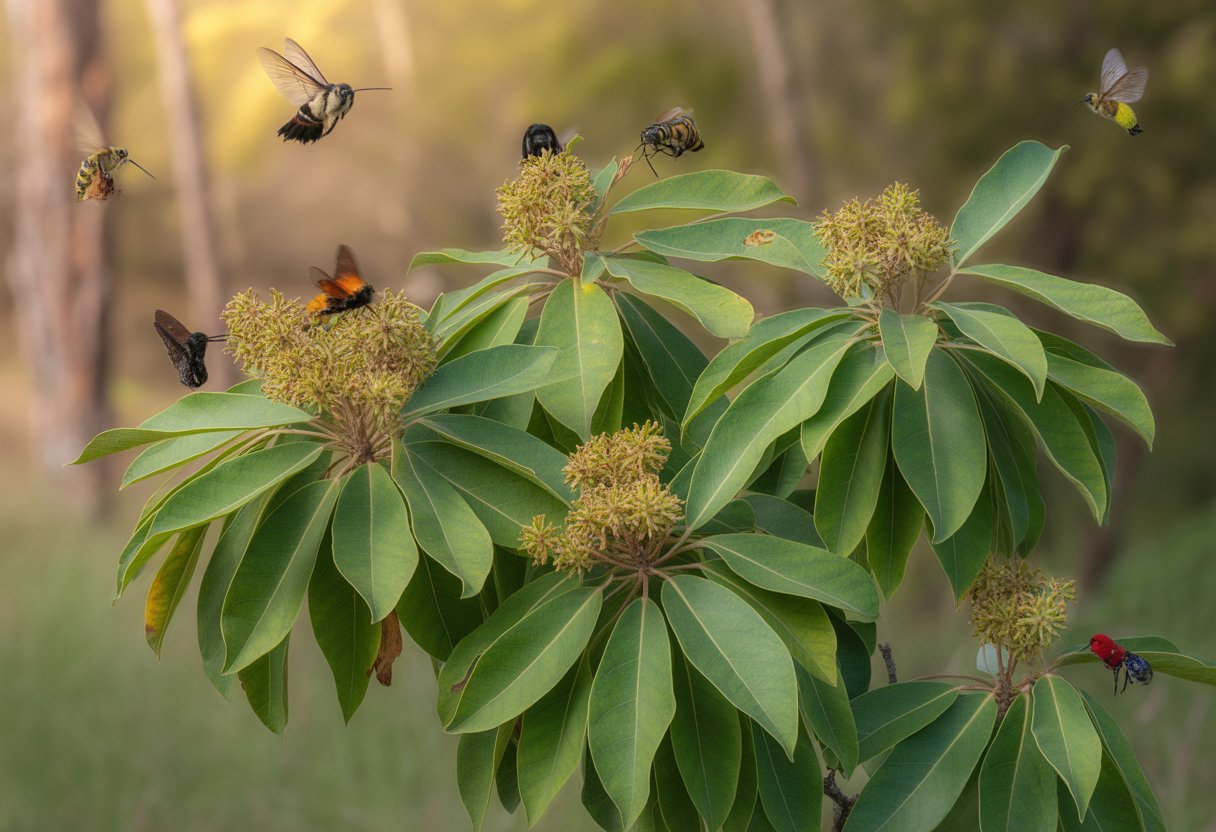
Pollinator-friendly sassafras varieties work well in California, offering nectar and pollen that attract native bees and other helpful insects. Their adaptability to California’s climate and soils helps pollinators stick around in both city yards and rural spots.
If you know how sassafras helps pollinators and which types do best here, you’ll make smarter planting choices.
Understanding Pollinator Friendly Sassafras in California
Sassafras plants in California bring a lot to the table for pollinators thanks to their unusual features and ability to adapt. Just having them in the garden can boost local biodiversity and give native butterflies a leg up.
Sassafras Species Overview
You’ll find a few sassafras species out there, but Sassafras albidum is the big one in North America. It’s a deciduous tree, famous for fragrant leaves and bark.
Instead of growing wild in California, sassafras here usually comes from cultivated varieties that handle local conditions. These trees can reach 30 to 60 feet tall and have those unmistakable mitten-shaped leaves.
In gardens, sassafras puts out early spring flowers that draw in pollinators. Even though it’s not a true California native, it can do well in certain microclimates, which is pretty handy for pollinator gardens.
Unique Adaptations for California Landscapes
Once sassafras settles in, it handles drought surprisingly well, so it’s a decent fit for California’s dry summers. It likes well-drained soils and does fine in partial shade—pretty common in lots of local gardens.
Its root system holds soil in place, which helps fight erosion on slopes. Sassafras flowers bloom early in the season, just as native butterflies and bees get active, so it offers up nectar sources when not much else is blooming.
Importance for Pollinators
Sassafras flowers serve up nectar and pollen for all kinds of pollinators, especially native bees and butterflies. The mild scent and easy-to-reach flowers seem to work well for butterflies.
Leaves feed caterpillars from native butterfly species. In gardens, sassafras lets butterflies complete their full life cycle, which can help their numbers grow. It’s both a nectar source and a larval host—pretty valuable for anyone trying to help pollinators stick around.
How to Cultivate Sassafras for Pollinator Gardens
If you want to grow sassafras for pollinators, you’ll need to pick your spot carefully, plant it right, and give it some ongoing care. Things like soil quality, watering, and mulch all matter for healthy trees and happy pollinators.
Site Selection and Soil Preparation
Sassafras likes well-drained, loamy soil with a pH between 5.5 and 6.5. It prefers partial shade but can handle full sun, which might even mean more flowers.
Skip spots with heavy clay or soggy soil—roots don’t appreciate that. Before planting, loosen the soil down about a foot and mix in compost or well-aged manure.
This improves drainage and feeds the tree. Check how quickly water soaks in after you irrigate; you want it to absorb within a couple of hours.
Space sassafras trees 10 to 15 feet apart so air can move and roots can spread. That helps keep fungus at bay and makes the garden easier for pollinators to navigate.
Planting and Care Tips
Plant sassafras seedlings in early spring or fall if you can. Dig holes twice as wide as the root ball but no deeper.
Set the seedling so the root collar sits level with the soil. Gently firm the soil around the roots to get rid of air pockets.
Add a 2–3 inch layer of mulch to keep moisture in and weeds out. Use a balanced 10-10-10 fertilizer once a year in early spring.
Prune lightly in late winter to take out any dead or weak branches. That opens things up for air and sunlight, and encourages more flowers.
Watering and Mulching Practices
New sassafras trees need consistent watering for the first couple of years—usually a deep soak once a week. Don’t just sprinkle the surface; you want roots to grow deep.
Once established, sassafras can handle some drought but will appreciate water during long dry spells. Mulch helps keep soil cool and moist.
Go for organic mulch like wood chips, but don’t pile it right against the trunk—leave about three inches of breathing room. Top up the mulch every year to keep the layer working.
Try to water early in the day to cut down on evaporation and avoid fungal problems. Good watering and mulching keep sassafras happy and pollinators coming back.
Integrating Sassafras With California Meadows and Wildlife
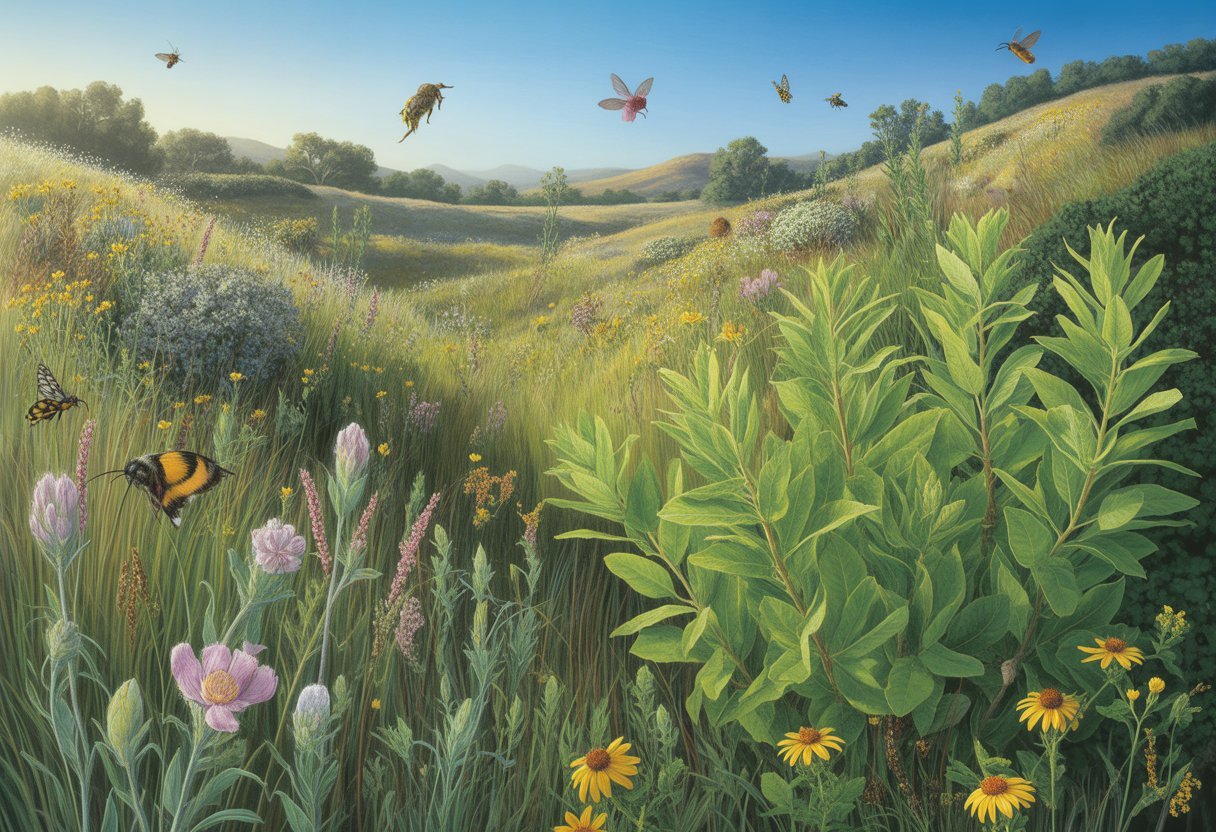
You can work sassafras into native meadow plantings to create more interesting and useful gardens. It adds structural diversity and draws in a variety of pollinators.
Designing Meadows with Sassafras
Sassafras does best in well-drained soils with moderate moisture, which lines up with a lot of California meadow conditions. When planting, leave enough space for sunlight to reach the wildflowers underneath.
Adding sassafras to meadows increases vertical structure and habitat variety. The shade it creates can help some meadow plants that don’t love the hottest sun.
Mix sassafras with California native grasses and wildflowers for a layered plant community. This setup supports local wildlife and keeps the meadow looking natural and lively.
Supporting Butterflies and Other Pollinators
Sassafras flowers show up early in spring, putting out nectar that draws in butterflies, bees, and other pollinators. Not many plants bloom at that time, so sassafras kind of steps in to fill the gap.
A few butterfly species, like the Harvester, actually use sassafras as a larval host. That makes it pretty important for local butterfly life cycles.
When pollinators buzz around sassafras, they can end up boosting pollination rates for other nearby meadow plants. It’s a nice ripple effect.
By offering both nectar and a place for larvae, sassafras really pulls its weight in pollinator gardens and restored meadows. If you care about biodiversity or want to help out pollinators that are struggling, it’s a solid choice.

I work at a garden center and customers ask about this all the time. Good resource to share.
Glad you found it useful, Kenneth! Best of luck this season. -Plant Native Team
Nice one.