Flowering Dogwood (Cornus florida): Plant, Grow & Care Guide
Last updated: September 30, 2026
The Flowering Dogwood (Cornus florida) is one of the most recognizable native trees in eastern North America, prized for its wide, tiered branches, its show of white or pink spring blooms, and its year-round value to wildlife. Native to the eastern United States, southern Ontario, and south into parts of Mexico, this small understory tree fits beautifully into woodland edges, shade gardens, and foundation plantings alike.
Flowering dogwood typically grows 15 to 30 feet tall with a similar spread, forming a horizontal, layered canopy that looks striking in every season. In the wild it grows beneath taller trees such as oaks and hickories, which is why it tolerates and even prefers a bit of shade. In this guide, you’ll find what it takes to plant, grow, and care for a healthy flowering dogwood, along with honest answers about its fruit and a look at how it compares to other dogwood species.
How to Plant Flowering Dogwood
Flowering dogwood is most often planted as a container-grown or balled-and-burlapped nursery tree, since it can be slow and finicky to start from seed or cuttings. Fall and early spring are the best times to plant, giving roots a chance to establish before the stress of summer heat.
Choose a site with part shade to dappled sun; a spot with morning sun and afternoon shade mimics the tree’s natural woodland-edge habitat and helps reduce stress from heat and drought. Full sun is tolerated in cooler climates but usually means more watering and a higher risk of leaf scorch.
- Dig a planting hole as deep as the root ball and two to three times as wide, so roots can spread easily into loosened soil.
- Set the top of the root ball slightly above grade, since dogwoods planted too deeply are prone to root and crown problems.
- Backfill with the native soil rather than heavily amended soil, and water thoroughly to settle the roots.
- Flowering dogwood prefers acidic, moist, well-drained soil rich in organic matter. It does not tolerate soggy, poorly drained sites or extended drought.
Space trees at least 15 to 20 feet from structures and other trees to allow for their mature spread, and avoid planting directly beneath larger canopy trees where root competition and deep shade will limit flowering.
Why Flowering Dogwood Trees Matter
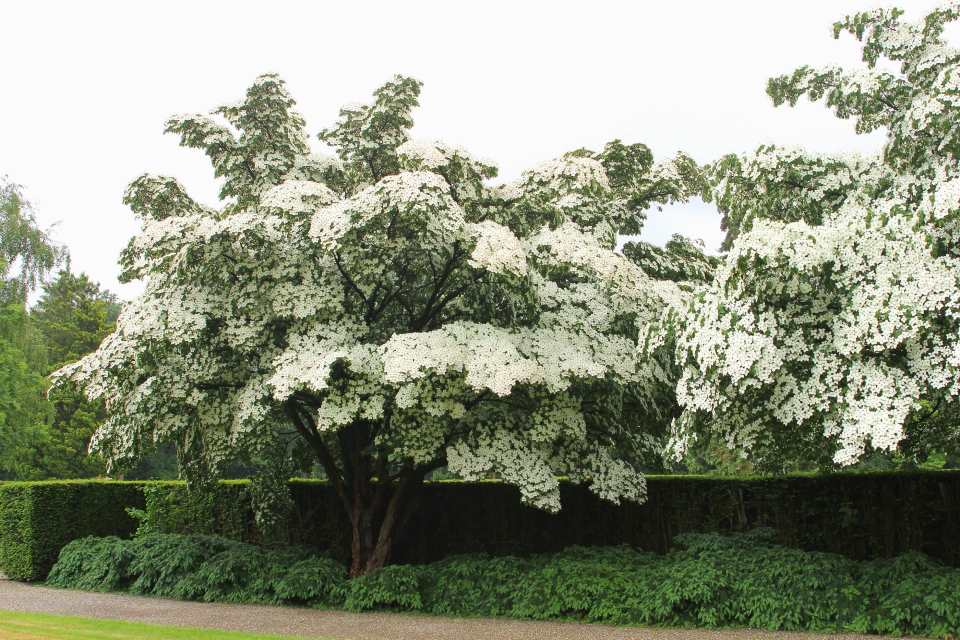
Flowering dogwood is a cornerstone native tree throughout its range. Its early spring bracts provide some of the first nectar and pollen sources for bees and other pollinators after winter. As an understory species, it also adds structure and visual interest to the layer between towering shade trees and low groundcovers, a niche that is easy to overlook in home landscapes.
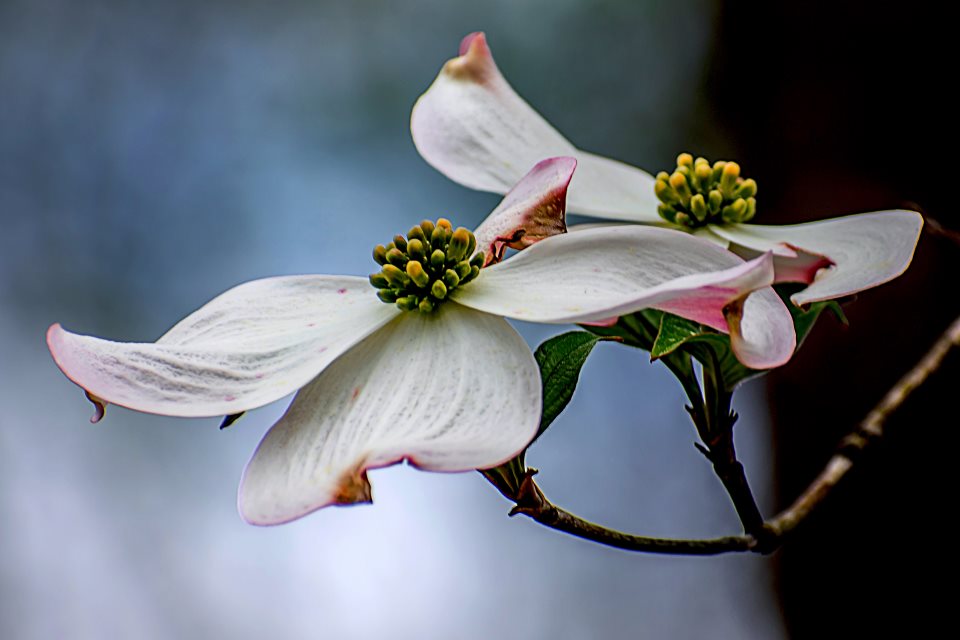
What most people notice first, though, are the showy white or pink “flowers.” These are actually bracts, modified leaves that surround the tree’s true flowers, which are small, yellow-green, and clustered in the center of each bract. This is the same flower structure found in its relative, the Pagoda Dogwood (Cornus alternifolia), another native dogwood worth considering, though pagoda dogwood carries its flat-topped clusters of small white flowers without the large showy bracts.
Beyond spring bloom, flowering dogwood earns its keep with reliable fall color, attractive layered branching in winter, and fruit that feeds migrating birds well into autumn.
Caring for Flowering Dogwood
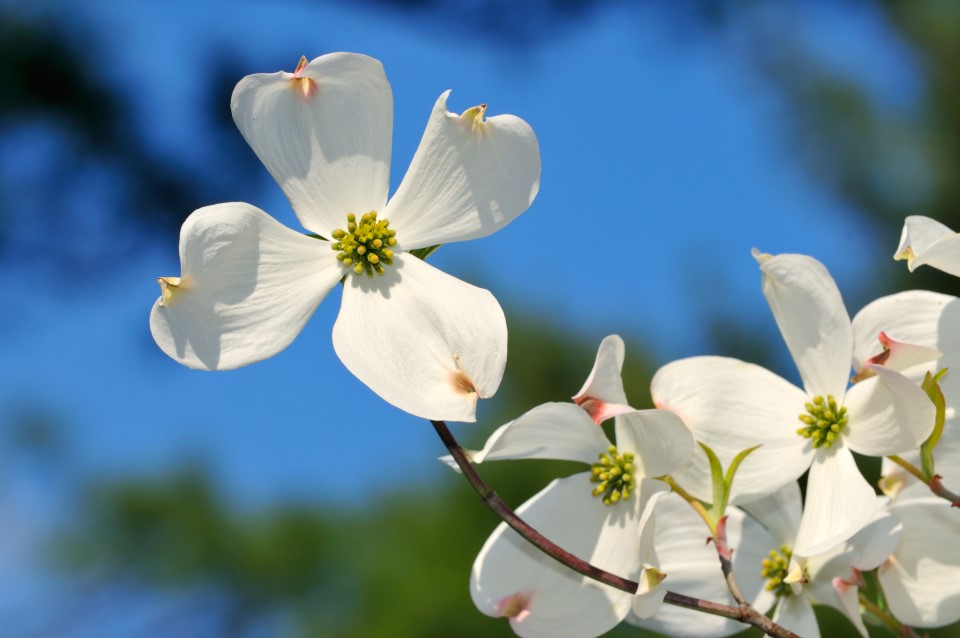
Flowering dogwood is a moderate grower, typically adding a foot or so of height per year once established, and it can live for decades with the right conditions and consistent care.
- Keep the soil consistently moist but never waterlogged, especially during the first two to three years after planting. Deep, infrequent watering during dry spells is better than frequent shallow watering.
- Apply a 2 to 3 inch layer of mulch around the base, keeping it pulled back a few inches from the trunk. Mulch helps conserve moisture, moderate soil temperature, and protect the shallow root system from mower and trimmer damage.
- Never let string trimmers or mower decks strike the trunk. Wounds at the base are a common entry point for disease and insect problems, and dogwoods are especially vulnerable because of their thin bark.
- Prune only to remove dead, damaged, or crossing branches, ideally in late winter while the tree is dormant. Heavy pruning is rarely needed on a well-sited tree.
- Watch for dogwood anthracnose (caused by the fungus Discula destructiva), which shows up as tan or purple-rimmed leaf spots, twig dieback, and in severe cases can kill the tree. It spreads fastest in cool, wet, shady conditions, so good air circulation and avoiding overhead watering help reduce risk.
- Powdery mildew is another common issue, appearing as a white, dusty coating on leaves, particularly in humid weather. It’s mostly cosmetic but can reduce vigor in a heavily infected tree. Choosing a site with good airflow and morning sun helps keep leaves dry.
A stressed dogwood, whether from drought, poor drainage, or trunk injury, is far more susceptible to both disease and borers, so consistent care is the best defense.
Is the Fruit of Flowering Dogwood Safe to Eat?

Flowering dogwood produces glossy red drupes in late summer and fall. These fruits are not considered edible for people. They are bitter, low in palatability, and best treated as inedible rather than eaten, since there is no reliable evidence supporting their use as a human food source. If you have curious kids or pets in the garden, it’s a good idea to know the tree isn’t meant for foraging.
Where these fruits really shine is as wildlife food. Dogwood drupes are notably high in fat, which makes them an important, energy-dense food source for migrating songbirds such as robins, thrushes, cedar waxwings, and vireos in the fall, right when birds need to build up reserves for long flights. Squirrels, chipmunks, and other small mammals feed on the fruit as well. The tree’s foliage also serves as a larval host for the spring azure butterfly, adding another layer of wildlife value beyond the fruit itself.
In short: leave the berries for the birds, and enjoy the tree for its ornamental and ecological value rather than as a food crop.
Flowering Dogwood in Spring
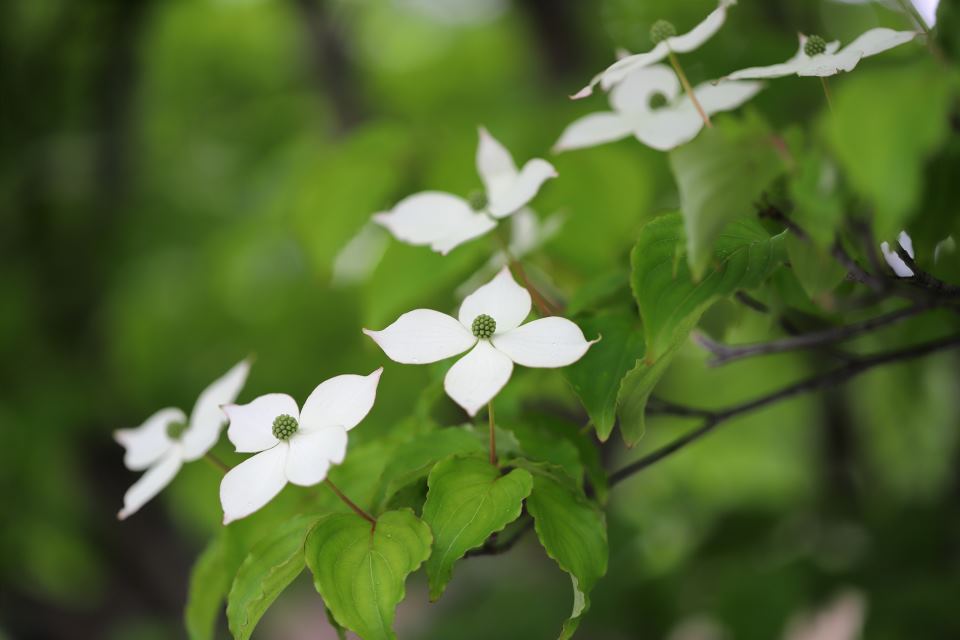
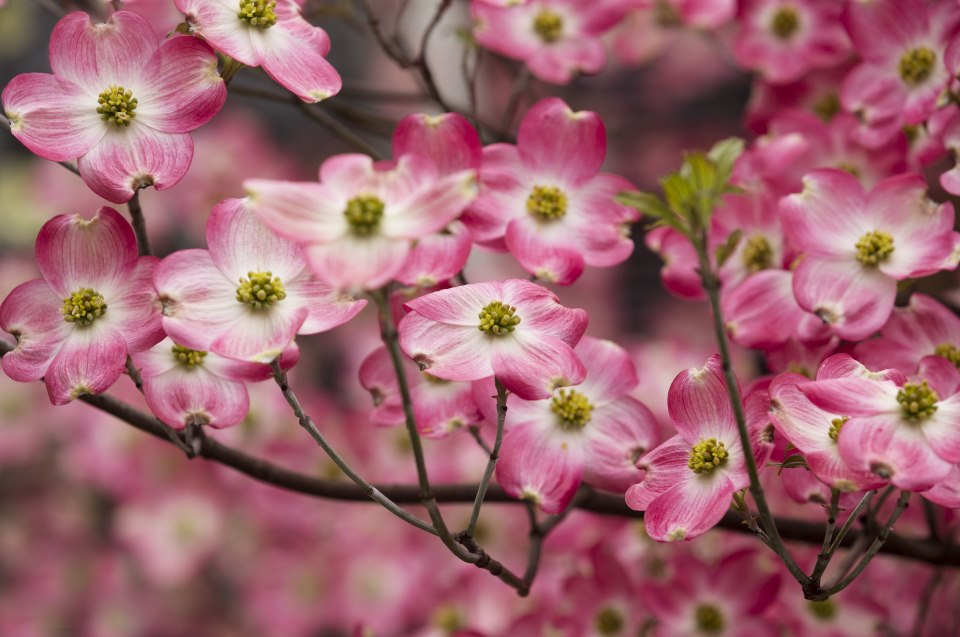
Spring is when flowering dogwood truly earns its name. Before most of the surrounding canopy has leafed out, dogwood branches fill with wide, four-petaled bracts in white or, in cultivated pink-flowering forms, shades of pink to rosy red. Because the tree blooms on bare or newly leafing branches, the flowers stand out dramatically against the still-open woodland canopy.
The bloom period generally lasts several weeks, and because flowering dogwood blooms relatively early, it provides one of the first significant nectar sources for bees and other early-season pollinators. This early bloom timing, combined with the tree’s modest size, is a big part of why it’s such a popular choice for foreground plantings near patios, entrances, and understory beds where it can be appreciated up close each spring.
When Does Flowering Dogwood Fruit?
After the spring bloom fades, small green fruits form through summer and gradually ripen to a glossy red by late summer into fall, typically from around August through October depending on climate and growing conditions. The fruits usually appear in small clusters at the branch tips.
Fruiting coincides nicely with the fall bird migration, which is exactly when the fat-rich drupes are most valuable to wildlife. Fall is also when the tree’s foliage turns shades of red to reddish-purple, so the ripening red fruit and colorful leaves often overlap for a striking display in the landscape.
Selection and Types of Flowering Dogwood
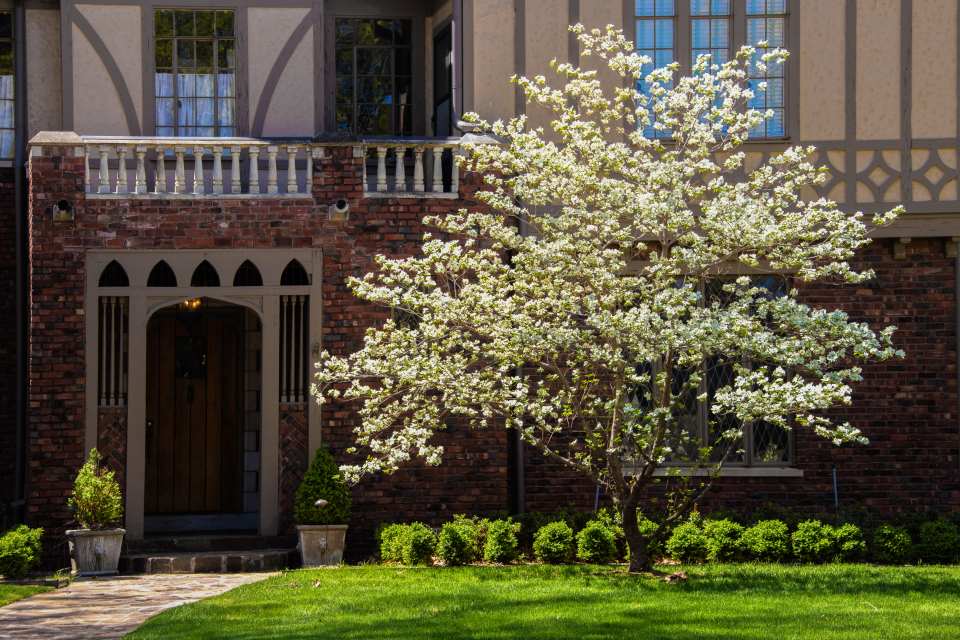
The straight native species, Cornus florida, is the best choice for supporting local wildlife and is generally the most resilient option in its home range when sited well. It’s available with white bracts (the most common form) as well as pink to red-bracted cultivars that have been selected from natural variation within the species.
When choosing a nursery tree, look for:
- A well-branched structure with a strong central leader and no visible trunk wounds or cracked bark.
- Healthy, disease-free foliage, free of leaf spots or powdery white coating.
- A root ball proportional to the size of the tree, without circling or girdling roots.
It’s worth noting that the popular Kousa Dogwood (Cornus kousa) is not native to North America. It’s an Asian species, valued in cultivation for later bloom and better resistance to anthracnose, but it doesn’t offer the same regional wildlife relationships as native Cornus florida. If you’re gardening with native plants in mind, the true Flowering Dogwood (Cornus florida) is the better ecological choice, and if your site is wetter or sunnier than a woodland edge, the native Red-Osier Dogwood (Cornus stolonifera) is an excellent shrub-form alternative, prized for its bright red winter stems and adaptability to moist soils.
You may also be interested in:
Flowering Dogwood (Cornus florida) Plant Profile
Pagoda Dogwood (Cornus alternifolia)
 Looking for a nursery that carries native flowers?
Browse our native plant nursery directory