
Top 4 Natural Pest Repellents for Organic Gardens: Effective Solutions for Eco-Friendly Farming
We independently select all products and services. If you click through links we provide, Plant Native may earn a commission with no extra cost to you. As an Amazon Associate I earn from qualifying purchases.
Last updated: August 22, 2026
Organic gardeners often face challenges in protecting their crops from pests without resorting to harmful chemicals. Natural pest repellents offer an eco-friendly solution, preserving the health of plants, soil, and beneficial insects.
These alternatives harness the power of nature to deter unwanted visitors while maintaining the integrity of organic growing practices.
When selecting natural pest repellents, it’s crucial to consider their effectiveness against specific pests, ease of application, and potential impact on beneficial organisms.
Some repellents may need more frequent reapplication than others, while certain options might be better suited for particular plant types or growing conditions.
We researched and tested numerous natural pest repellents to identify the most effective options for organic gardens. Our goal was to find solutions that balance pest control with environmental stewardship, ensuring gardeners can protect their crops without compromising their organic principles.
Top 5 Natural Pest Repellents for Organic Gardens
We’ve researched and tested numerous natural pest control options to bring you the most effective solutions for organic gardens. Our list of top 4 natural pest repellents includes safe, eco-friendly products that protect your plants without harsh chemicals.
These repellents harness the power of nature to keep your garden thriving.
Our top pick
- Uses natural ingredients that are safe for organic garden certification
- Effective against a broad range of common garden pests
- Will not harm beneficial pollinators like bees and butterflies
Cons
- Requires more frequent reapplication than chemical pesticides
- Effectiveness may vary with weather conditions and pest species
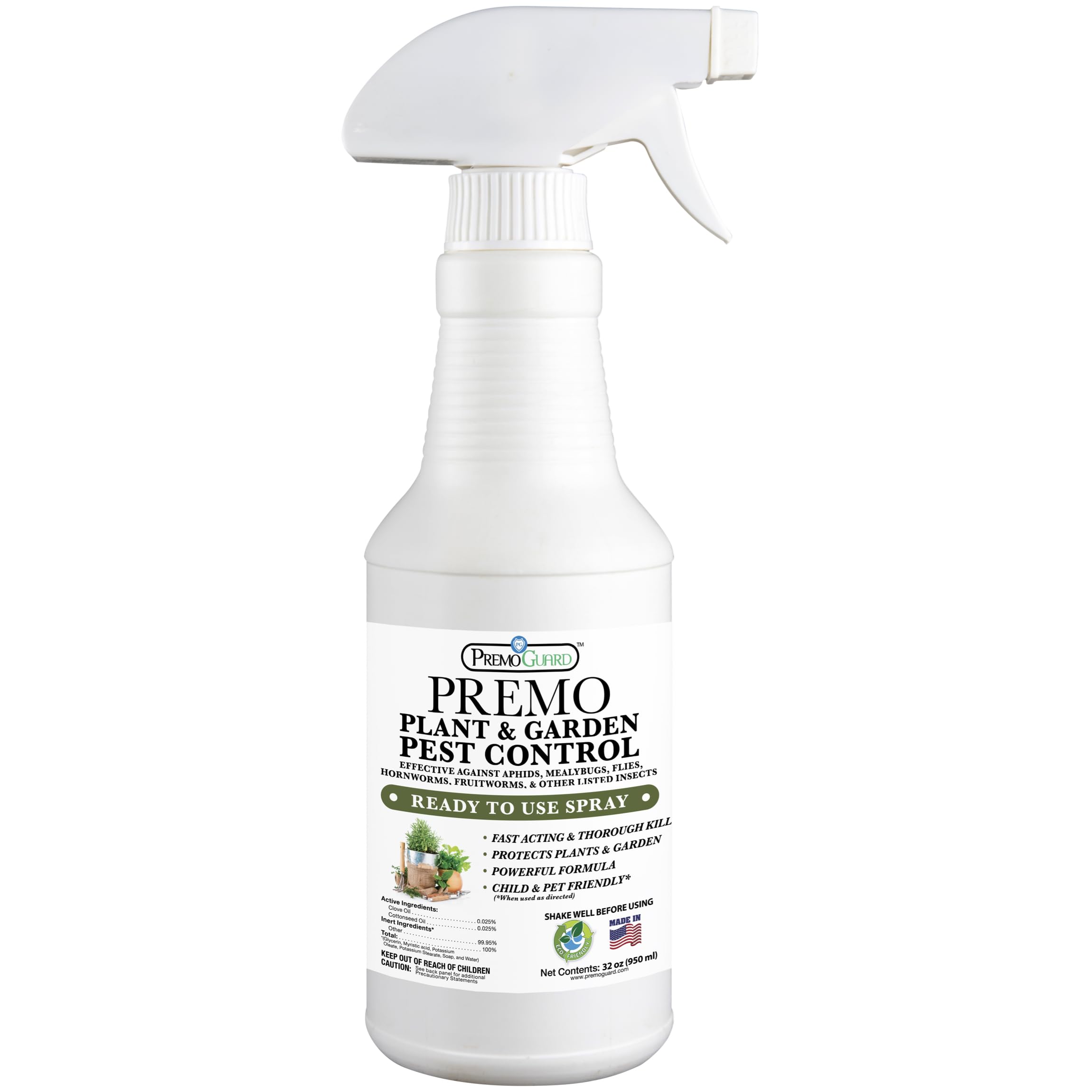
We’ve found Premo Guard’s Plant and Garden Pest Control Spray to be a promising option for organic gardeners. We noticed quick results on some pests, particularly aphids and spider mites. While many of our plants thrived after treatment, we observed some leaf damage on more sensitive species, so we recommend spot-testing before widespread use.
Most versatile
- Uses natural ingredients that are safe for organic garden certification
- Effective against a broad range of common garden pests
- Will not harm beneficial pollinators like bees and butterflies
Cons
- Requires more frequent reapplication than chemical pesticides
- Effectiveness may vary with weather conditions and pest species
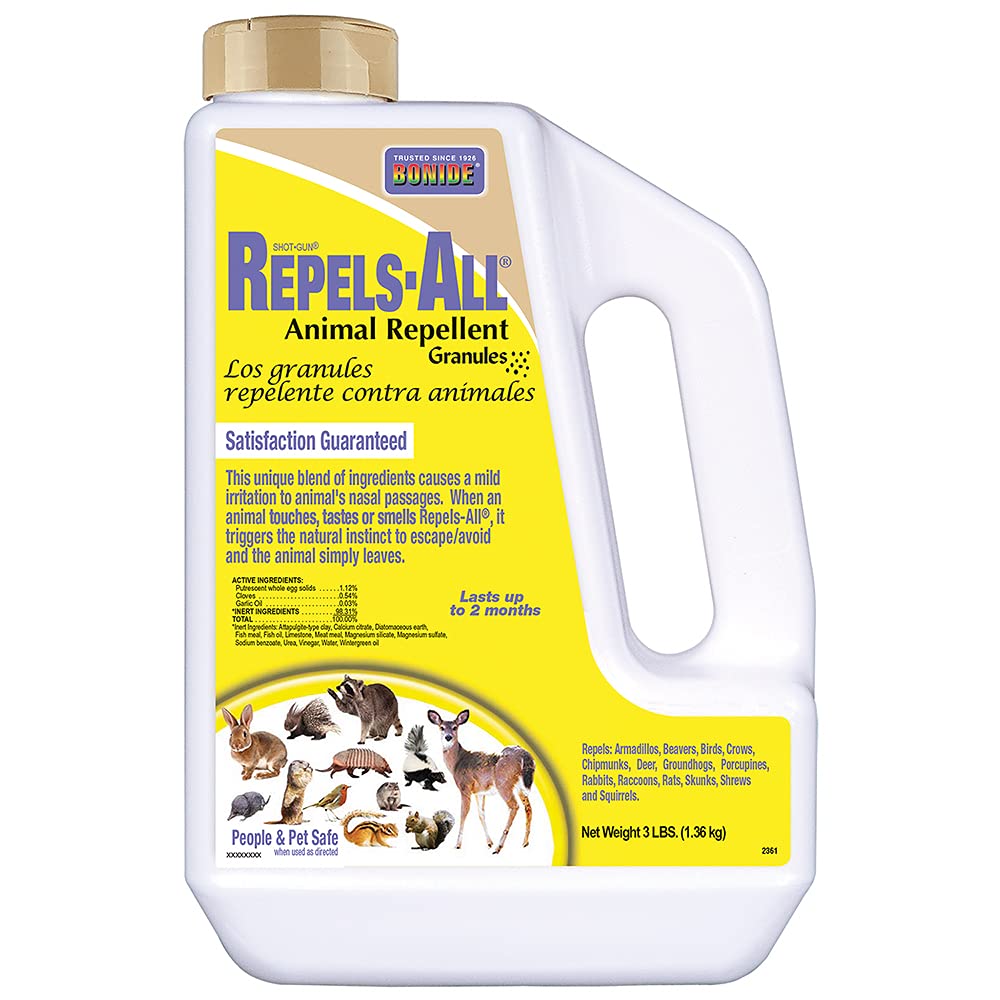
We noticed a significant reduction in animal activity within days of application. We found it fades after a few days, but it’s worth considering if you have a sensitive nose. It adapts to whatever you throw at it, which is rare at any price.
Best organic choice
- Uses natural ingredients that are safe for organic garden certification
- Effective against a broad range of common garden pests
- Will not harm beneficial pollinators like bees and butterflies
Cons
- Requires more frequent reapplication than chemical pesticides
- Effectiveness may vary with weather conditions and pest species
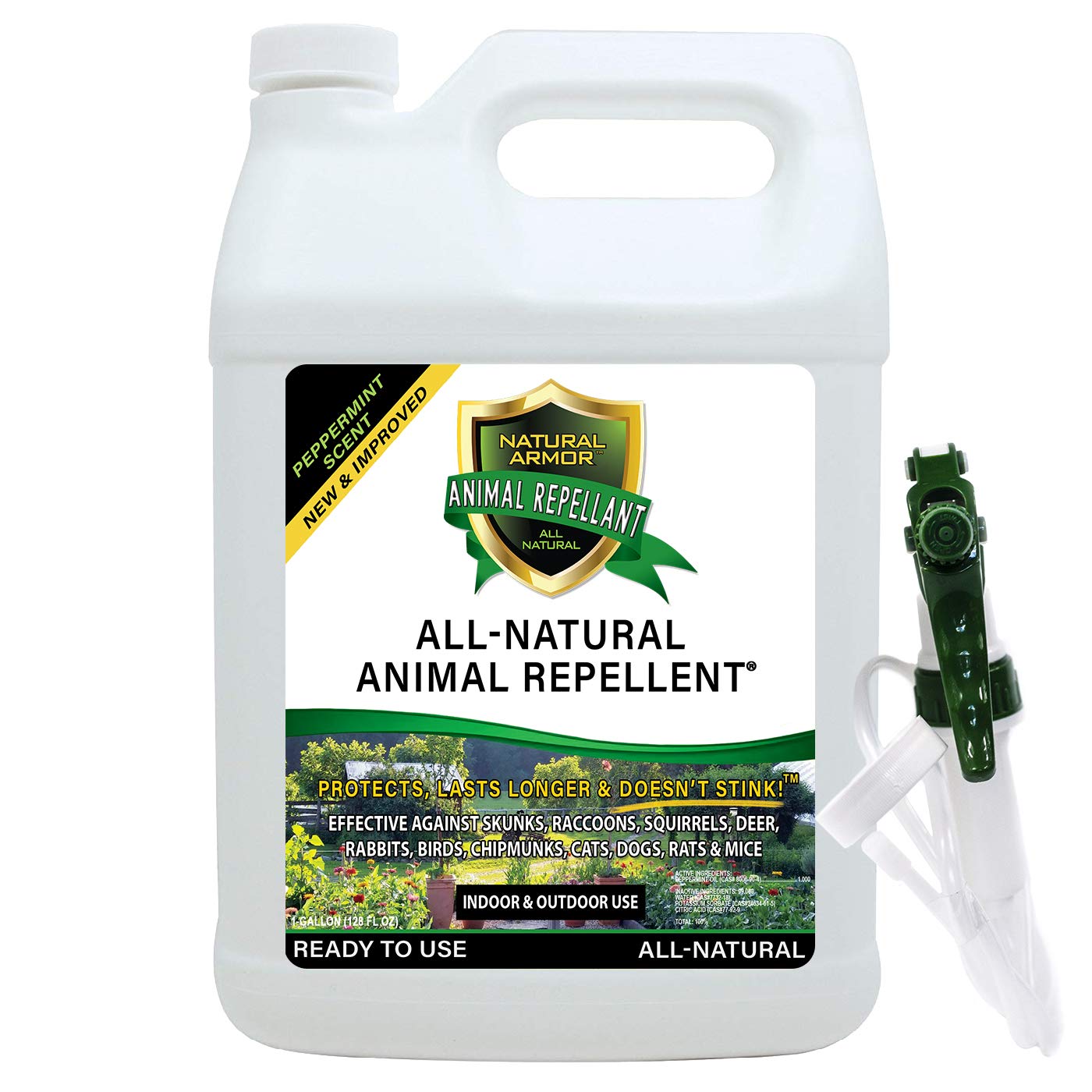
We’ve been impressed with Natural Armor’s Peppermint Repellent in our organic garden. While the formula is waterproof to some extent, we found it most effective when reapplied periodically, especially in wetter seasons. It’s a solid pick for anyone trying to garden more responsibly.
Best ready-to-use
- Uses natural ingredients that are safe for organic garden certification
- Effective against a broad range of common garden pests
- Will not harm beneficial pollinators like bees and butterflies
Cons
- Requires more frequent reapplication than chemical pesticides
- Effectiveness may vary with weather conditions and pest species
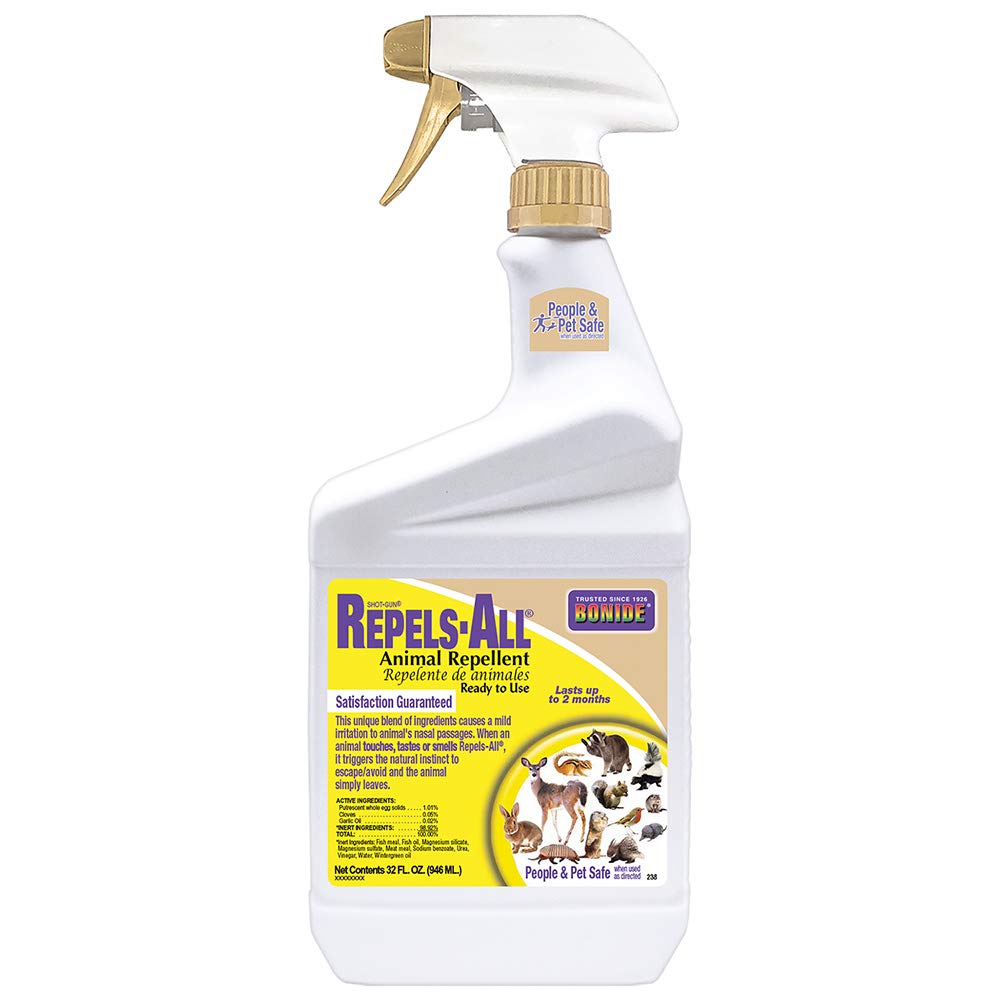
We appreciated how easy it was to apply directly to plants and structures using the ready-to-use spray bottle. We noticed a significant reduction in plant damage after applying it to our vegetable garden. When selecting natural pest repellents for organic gardens, we recommend considering several key factors.
Buying Guide
When selecting natural pest repellents for organic gardens, we recommend considering several key factors.
Ingredient Quality
Look for products with high-quality, organic ingredients. Natural oils like neem, peppermint, and citronella are effective choices.
Target Pests
Choose repellents formulated for the specific pests in your garden. Different ingredients work better for certain insects.
Application Method
Consider how you’ll apply the repellent. Options include sprays, granules, and concentrated liquids for dilution.
Safety
Ensure the product is safe for beneficial insects, pets, and children. Read labels carefully for any precautions.
Longevity
Check how often you’ll need to reapply. Some natural repellents may require more frequent application than synthetic options.
Environmental Impact
Opt for biodegradable formulations that won’t harm soil or water sources.
Compatibility
Verify the repellent is compatible with your plants and won’t cause damage or discoloration.
Cost-Effectiveness
Compare prices and coverage areas to determine the best value for your garden size.
| Factor | What to Look For |
|---|---|
| Ingredients | Organic, high-quality |
| Target Pests | Specific formulations |
| Application | Ease of use |
| Safety | Non-toxic to beneficials |
| Longevity | Reapplication frequency |
| Impact | Biodegradable |
| Compatibility | Plant-safe |
| Cost | Value for coverage |
By considering these factors, we can choose the most effective and suitable natural pest repellents for our organic gardens.
Appreciate the focus on repellents that protect crops without harsh chemicals.