
5 Best Reusable Plant Labels for Eco-Conscious Gardeners: Sustainable Choices for 2026
We independently select all products and services. If you click through links we provide, Plant Native may earn a commission with no extra cost to you. As an Amazon Associate I earn from qualifying purchases.
Last updated: September 5, 2026
Reusable plant labels are essential tools for eco-conscious gardeners. They help organize and identify plants without contributing to plastic waste.
These durable labels allow gardeners to keep track of their growing efforts while minimizing environmental impact.
Plant labels come in various materials and styles, from wooden stakes to metal tags. Reusable options offer longevity and versatility, allowing gardeners to update information as needed.
They’re particularly useful for seed starting, crop rotation, and maintaining diverse plant collections.
When choosing reusable plant labels, consider durability, weather resistance, and ease of writing. The material should withstand outdoor conditions and allow for clear, long-lasting markings.
Size and visibility are also important factors to ensure labels are easily readable.
We tested numerous reusable plant labels to find the best options for eco-minded gardeners.
Best Reusable Plant Labels for Eco-Conscious Gardeners
We’ve carefully selected the top reusable plant labels for environmentally-minded gardeners. These durable options help reduce plastic waste while keeping your garden organized and well-labeled.
Our picks combine practicality with sustainability, making them ideal for eco-conscious green thumbs.
Our top pick
- Reusable design eliminates waste from disposable plastic markers each season
- Weather-resistant materials remain legible through rain, sun, and frost
- Easy to write on and erase for relabeling when crops rotate
Cons
- Some marker inks can fade in intense direct sunlight over time
- Smaller labels may be hard to read at a distance in dense plantings
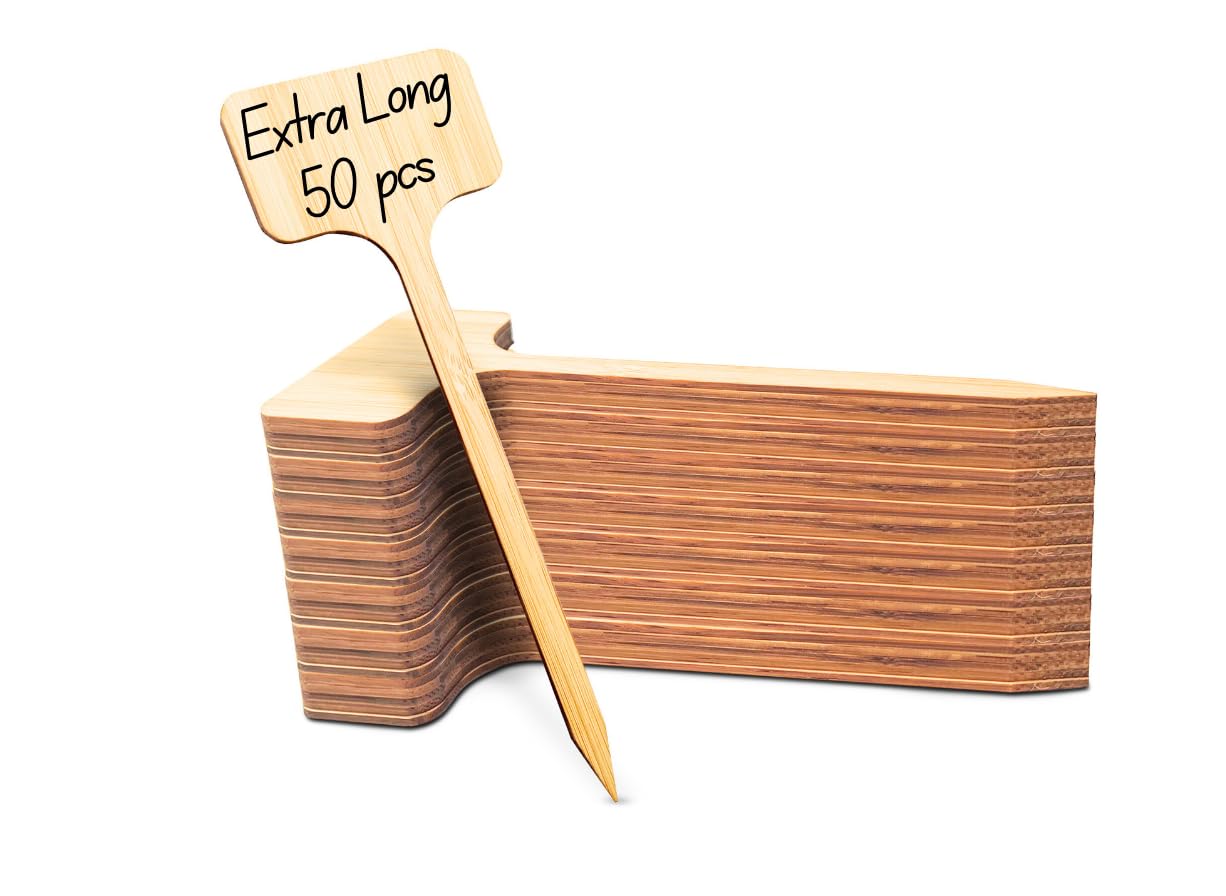
We found they blend seamlessly into our garden aesthetic, providing a more organic look compared to stark white plastic alternatives. We appreciated the durability of the bamboo material. When you weigh everything together, nothing else in this roundup comes close.
Best for outdoors
- Reusable design eliminates waste from disposable plastic markers each season
- Weather-resistant materials remain legible through rain, sun, and frost
- Easy to write on and erase for relabeling when crops rotate
Cons
- Some marker inks can fade in intense direct sunlight over time
- Smaller labels may be hard to read at a distance in dense plantings
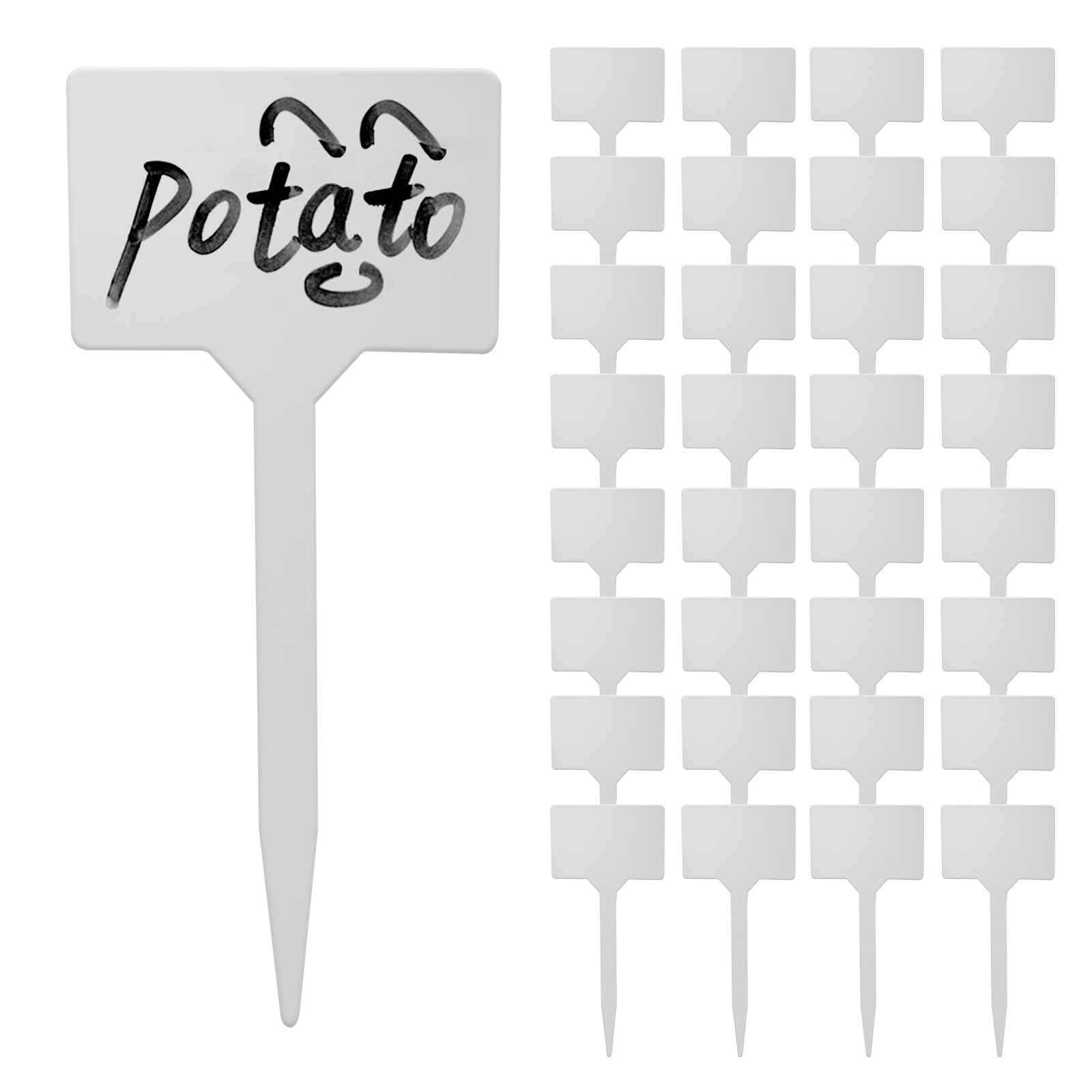
We found them particularly useful for marking rows of vegetables and identifying different varieties of flowers. One aspect we appreciated was the ability to clean and reuse these labels. This feature aligns well with eco-friendly gardening practices, reducing waste and the need for constant replacements.
Best metal option
- Reusable design eliminates waste from disposable plastic markers each season
- Weather-resistant materials remain legible through rain, sun, and frost
- Easy to write on and erase for relabeling when crops rotate
Cons
- Some marker inks can fade in intense direct sunlight over time
- Smaller labels may be hard to read at a distance in dense plantings
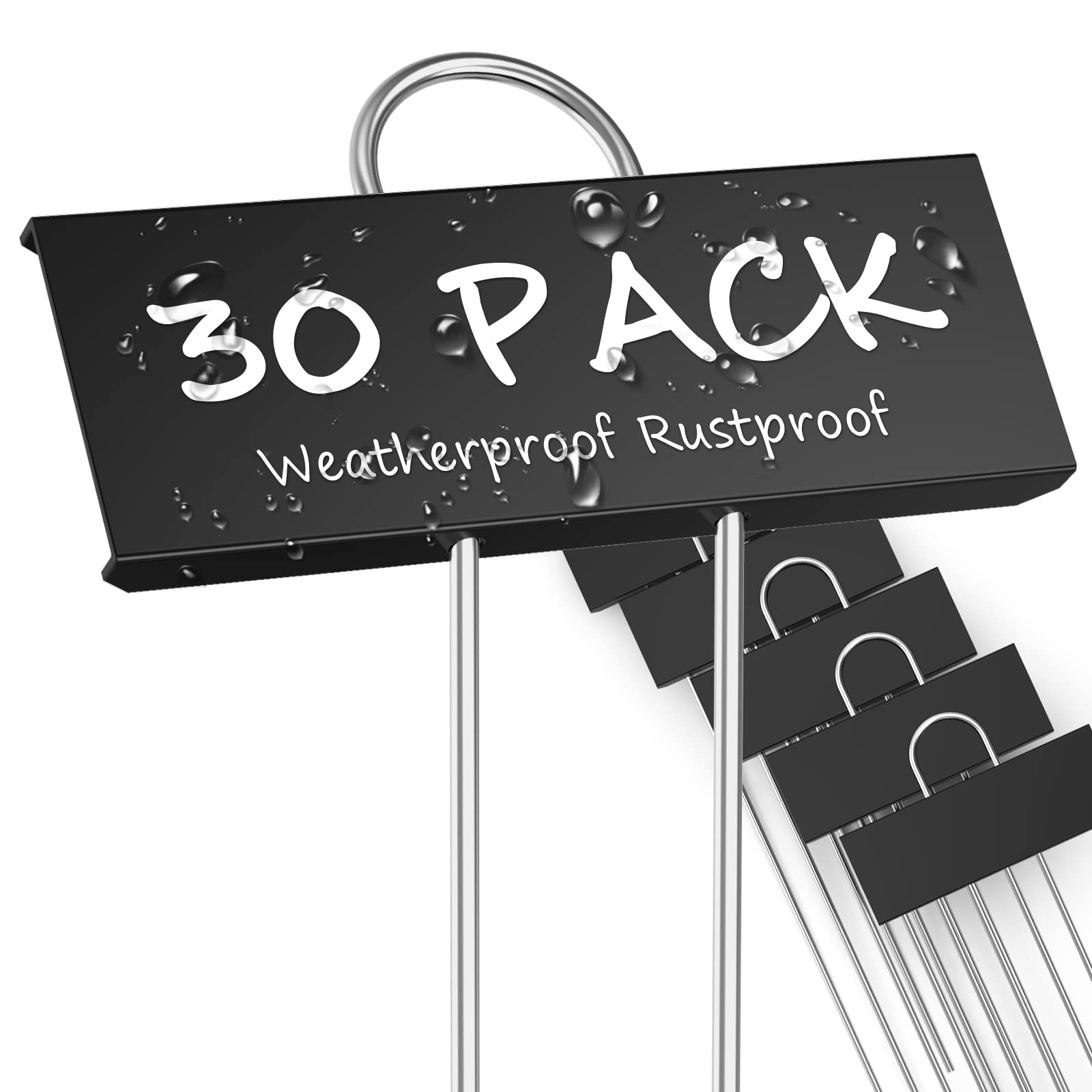
We found the 3.5″ x 1.2″ label area provides ample space for writing plant names and details. Once set up, we appreciated the 10.6″ height and slightly angled design, which made reading the labels easy while standing. While there’s a small risk of rusting if the coating gets scratched, proper care should prevent this issue.
Best for gardens
- Reusable design eliminates waste from disposable plastic markers each season
- Weather-resistant materials remain legible through rain, sun, and frost
- Easy to write on and erase for relabeling when crops rotate
Cons
- Some marker inks can fade in intense direct sunlight over time
- Smaller labels may be hard to read at a distance in dense plantings
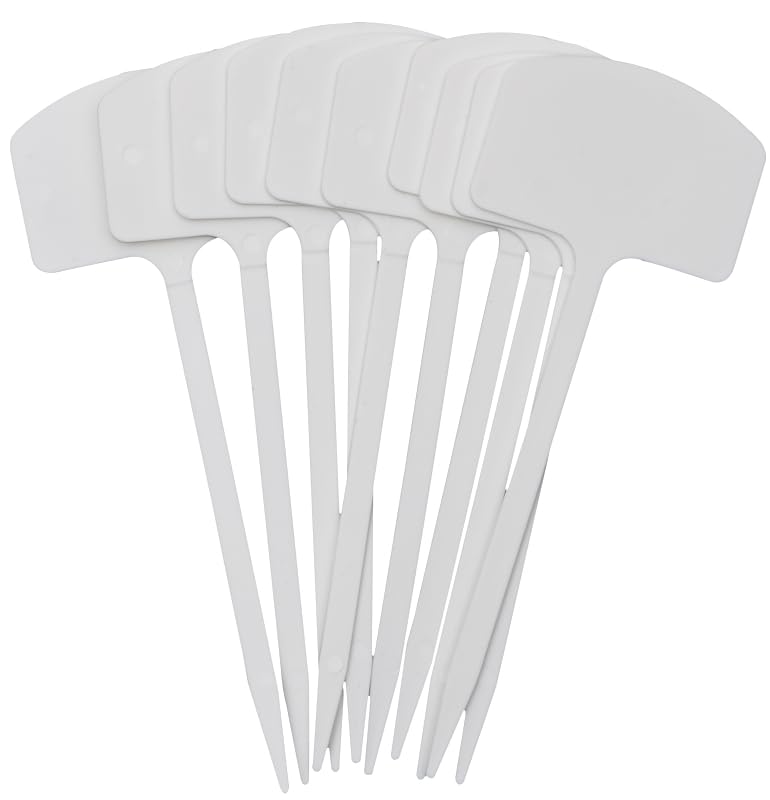
We appreciated the versatility of these labels. The T-shape design allowed for easy insertion into various soil types , though we noticed it could sometimes displace a bit of soil in looser mixes. The size, while great for visibility, might be overkill for smaller pots or delicate seedlings.
Best waterproof option
- Reusable design eliminates waste from disposable plastic markers each season
- Weather-resistant materials remain legible through rain, sun, and frost
- Easy to write on and erase for relabeling when crops rotate
Cons
- Some marker inks can fade in intense direct sunlight over time
- Smaller labels may be hard to read at a distance in dense plantings
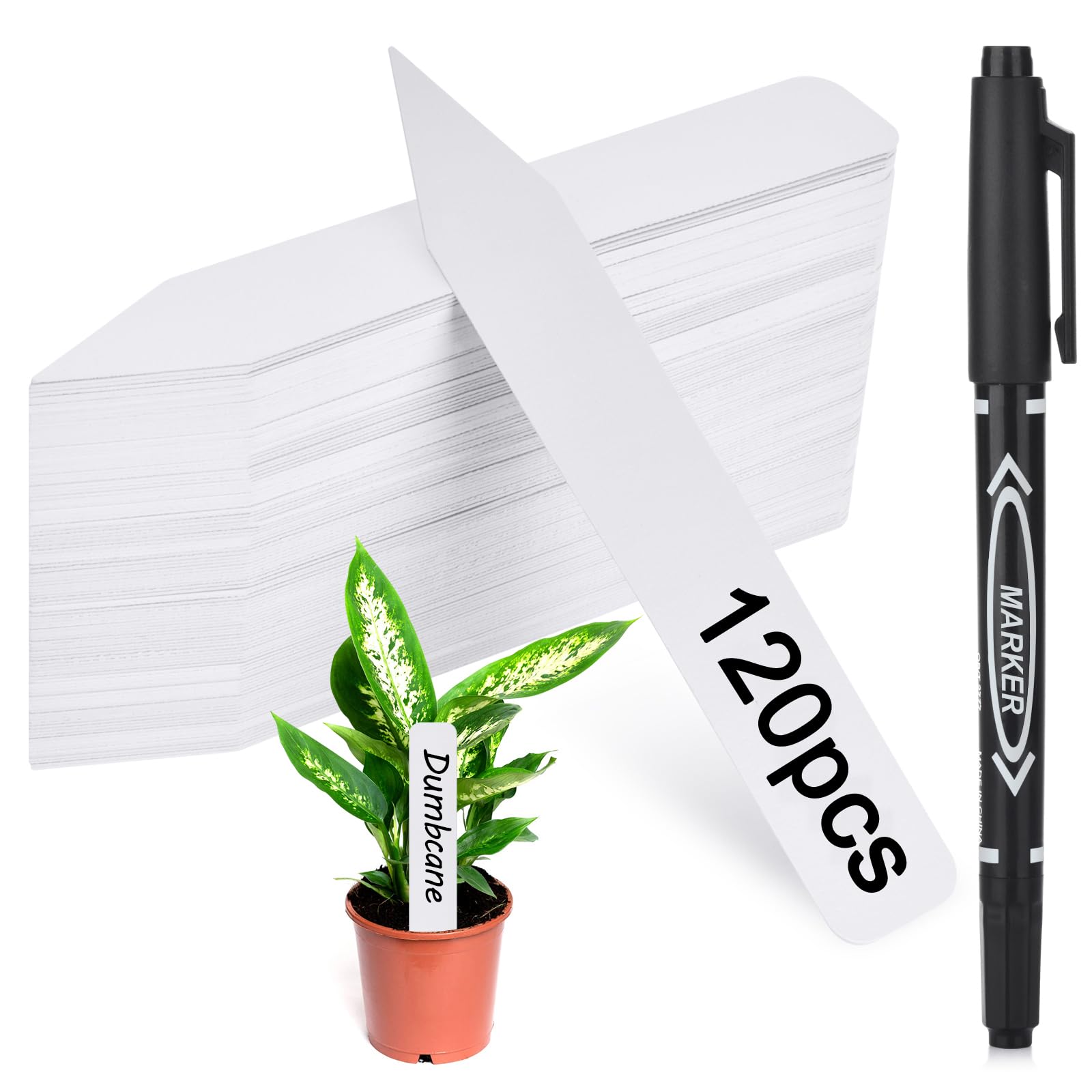
We found the labels easy to write on with the included marker, and the text remained legible even after exposure to rain and sprinklers. We appreciated having extras on hand for new plantings or replacements. Among the options we tested, this one stood out for all the right reasons.
Buying Guide
When selecting reusable plant labels, we recommend considering several key factors to ensure you choose the best option for your garden.
Material
The material affects durability and eco-friendliness. Look for labels made from:
- Bamboo
- Recycled plastic
- Stainless steel
- Ceramic
Each has its pros and cons in terms of longevity and environmental impact.
Writing Surface
A good writing surface is crucial for legibility. Consider:
- Smooth, non-porous surfaces for easy writing and erasing
- UV-resistant coatings to prevent fading
- Compatibility with different pen types (permanent markers, grease pencils, etc.)
Size and Shape
Choose labels that fit your plants and garden style:
| Plant Type | Recommended Label Size |
|---|---|
| Herbs | Small (2-3 inches) |
| Vegetables | Medium (3-4 inches) |
| Trees | Large (4+ inches) |
Attachment Method
The way labels attach to plants or pots is important for stability:
- Stakes for in-ground plants
- Clips or ties for potted plants
- Hanging options for trees or shrubs
Weather Resistance
Labels should withstand various weather conditions. Look for waterproof materials. Also, consider frost-resistant options. Lastly, check for UV-stabilized plastics to prevent cracking in sunlight.
By considering these factors, we can choose reusable plant labels that are both practical and environmentally friendly.
Helpful article, thanks!
We appreciate that, Margaret! Happy gardening! 🌿 -Plant Native Team