5 Top-Rated Best-Selling Field Roller for Native Plant Farms: Durable and Efficient Equipment for Optimal Soil Preparation
We independently select all products and services. If you click through links we provide, Plant Native may earn a commission with no extra cost to you.
Last updated: September 1, 2026
Field rollers play a key role in agriculture, flattening soil after planting or seeding. They boost seed-to-soil contact, cut down on erosion, and create a smoother surface for irrigation and moving equipment.
On native plant farms, these rollers help establish healthy plant beds and keep soil conditions just right. With all the different soil types and layouts, native plant farms need a roller that applies steady pressure but won’t crush delicate seedlings or make the soil too hard.
The right roller can really improve germination rates and support sustainable farming by encouraging more natural growth patterns. When picking one, you’ll want to weigh factors like size, weight, and the roller’s surface type.
Finding that sweet spot between pressing the soil enough and not overdoing it is crucial. Durability and portability matter too, since native plant farms can sprawl across bumpy ground or larger spaces.
We spent a good chunk of time researching and testing field rollers to see which ones actually deliver for native plant farming.
Best Field Rollers for Native Plant Farms
We researched a range of field rollers to find the best fits for native plant farms. Here’s our rundown of reliable, efficient, and tough models that help with soil preparation and plant establishment.
Our top pick
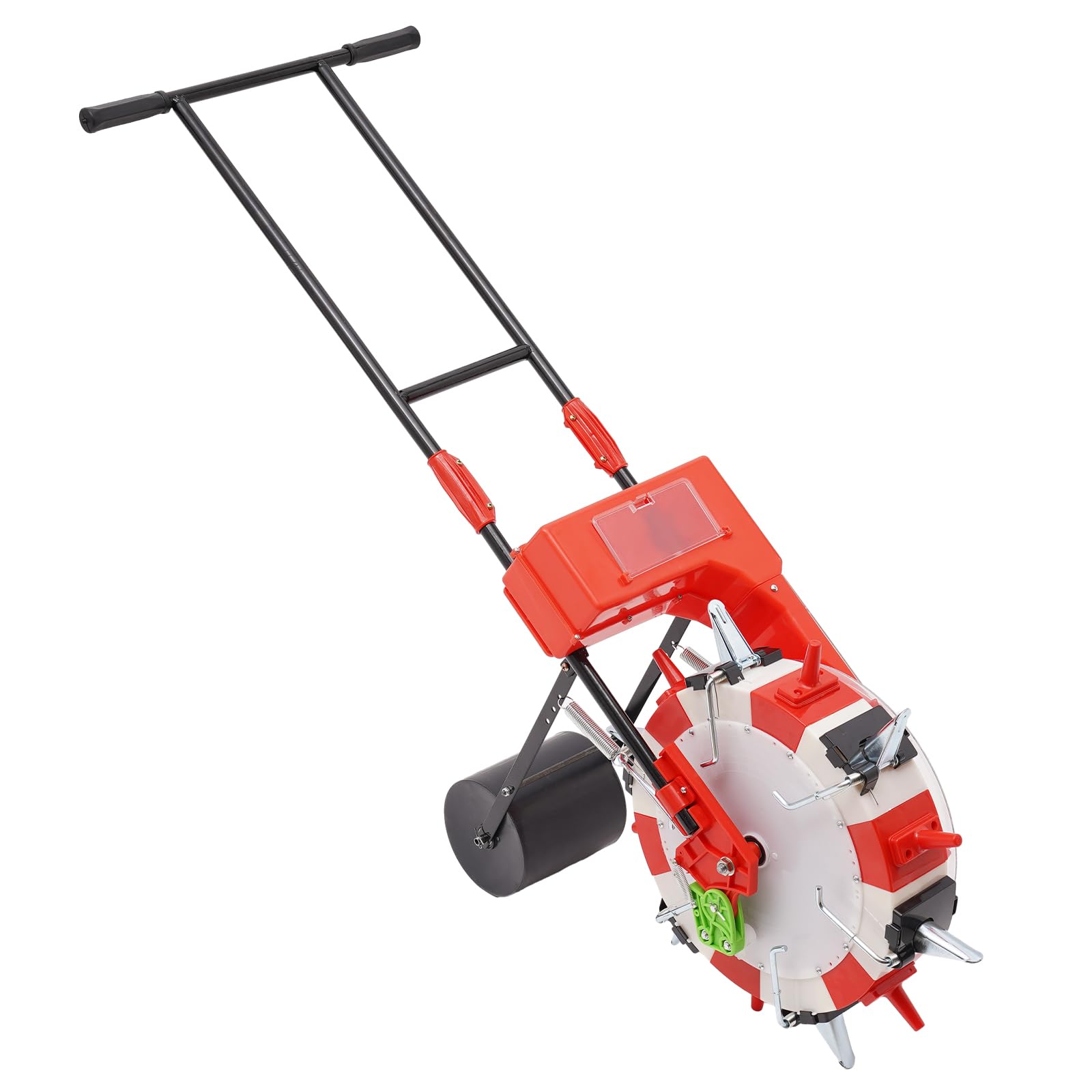
- Precise seed spacing helps with uniform crop growth
- Sturdy construction resists wear during tough fieldwork
- Large seed box reduces refills and speeds planting
Cons
- Doesn’t work well in paddy or very wet fields
- Takes some assembly and a bit of getting used to
- Pushing backward can jam seeds
We liked how consistently this seeder dropped seeds, even when the ground wasn’t perfectly flat. The metal frame and galvanizing gave it a solid, durable feel, which matters when you’re dealing with rocky or sloped ground.
Its hand-push roller let us cover ground much faster than hand sowing, and we didn’t need complicated machinery. The clear seed box was handy for keeping an eye on seed levels, so we never ran out mid-row.
Keeping the handle at the right height made a difference—otherwise, the seed flow got a little awkward. Once we figured that out, it ran smoothly. Honestly, it’s a dependable pick for native plant growers who want predictable results.
Best runner-up

- Big 13-gallon capacity gives enough weight for solid rolling
- Tough steel frame offers durability and balance
- U-shaped handle makes it easier to push and pull
Cons
- Feels heavy if you’re moving it by hand, especially without help
- Doesn’t do as well on dry, hard ground unless you prep the soil
- Filling and draining can take a bit of effort
We found the 13-gallon capacity just right for keeping steady pressure on seed beds, and we didn’t have to refill it all the time. You can fill it with water or sand, so it’s easy to adjust the weight based on how soft the soil is.
The U-shaped handle let us maneuver around tight corners and bumpy terrain without much trouble. Its rounded edges kept the surface smooth and didn’t leave ruts—nice for sensitive native plants.
Dragging it by hand over hard ground gets tiring, though. Using a small vehicle like a golf cart made things way easier on bigger fields.
Best budget option

- Accurate seed placement with controlled seed dispensing
- Galvanized, sturdy build holds up to regular use
- Easy push design works for most people, even seniors
Cons
- Not great for backward motion or really hard soil
- Assembly can be a little tricky if you’re not careful
- Only sows seeds—no fertilizer spreading
We tried this hand-push seeder on uneven native plant plots. The seed spacing stayed consistent, and the wheel packed the soil just enough without messing up nearby rows.
It handled small fields with rocky or hilly spots fairly well, but pushing through hard ground took extra effort or some pre-softening. The see-through seed box made it easy to keep track of seed levels.
You’ll want to clean and oil it after use. While it doesn’t spread fertilizer, it’s great for simple, efficient seed planting.
Best premium choice
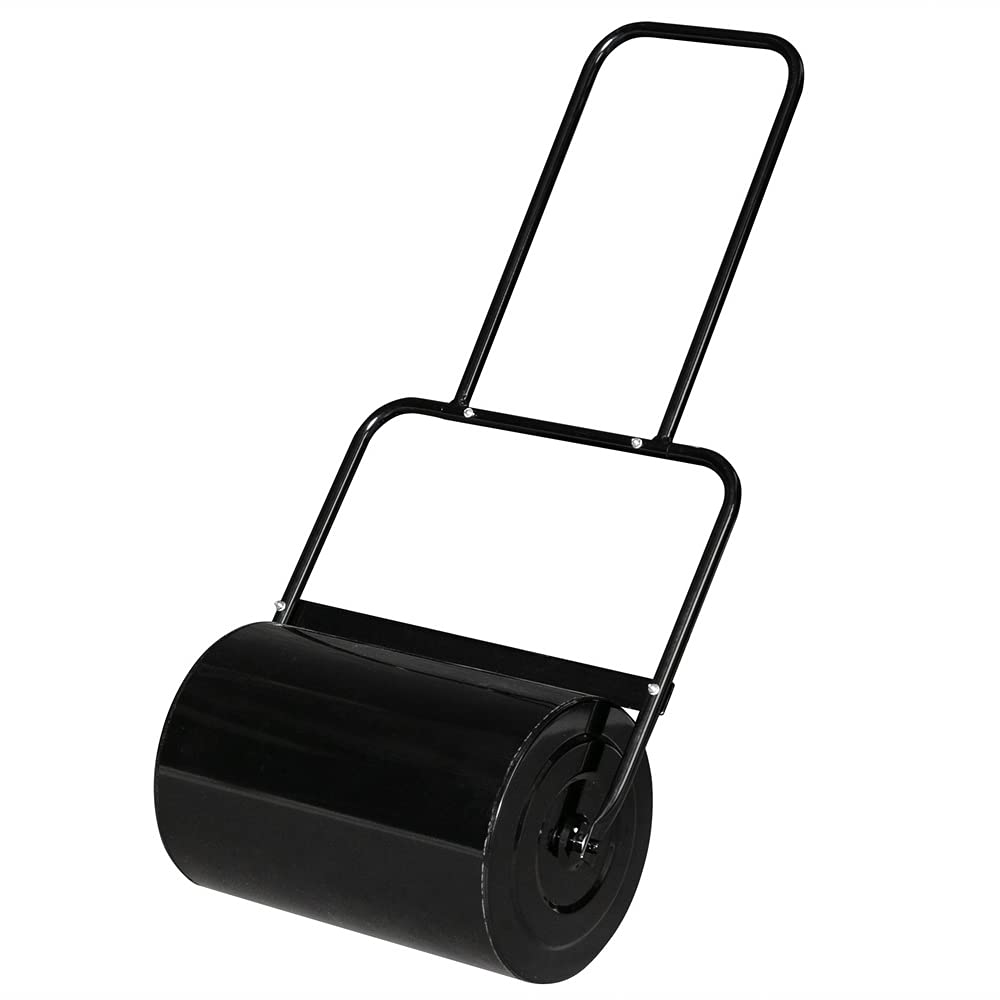
- Comfortable U-handle for easy pushing and pulling
- Smooth, rust-resistant painted surface
- Filling and draining water is simple for weight adjustments
Cons
- Holds 10 gallons—might be too light for big fields
- Not many color choices
- Smaller size means you’ll need more passes
We liked how easy the Shyneer roller was to maneuver, thanks to its ergonomic handle. It glided over newly sown beds without snagging or harming the soil.
The painted steel held up well, even after several uses in damp conditions. Filling or draining water for extra weight was quick, so moving it around when empty wasn’t a hassle.
Its size works well for garden plots or small native plant farms. For bigger fields, you’ll need to make a few extra passes, but it gets the job done without much fuss.
Also great

- Powder-coated steel resists rust for long-term use
- Comfortable U-shaped handle reduces strain
- 13-gallon water/sand capacity lets you adjust the weight
Cons
- At 26 pounds empty, it’s a bit light for heavy-duty jobs
- Assembly can be a pain—sometimes parts are missing
- Single axle pin feels a little flimsy and can affect stability
We found the Outvita roller worked well for smoothing out small planting areas. Its steel drum stayed in good shape, and the rounded edges didn’t tear up the ground when turning.
The handle was a good length for most adults, making it less tiring to use for longer stretches. Filling and draining the drum was easy, thanks to the removable plug.
It’s light enough to store and move around, but it doesn’t have the heft for really tough or large fields. For small native plant plots or garden patches that just need rolling now and then, it’s a pretty solid option.
When you’re picking out a field roller for native plant farms, durability and size jump right to the top of the list. The roller’s got to handle rough terrain and all that frequent use without wearing out fast.
Weight matters too. Heavier rollers compact soil better, but sometimes you want a little flexibility.
I tend to look for rollers with adjustable weight or modular designs. That way, you can adapt as the soil or plant type changes.
Maneuverability is a big deal, honestly. If you can’t attach it easily to your tractor or vehicle, it’s just extra hassle.
The roller’s surface pattern is another thing to keep an eye on. Smooth rollers give you even compression, but the patterned or ribbed ones? They can help reduce soil crusting and let water in more easily.
Here’s a table to break down the main stuff we care about:
Maintenance shouldn’t be a headache. I look for rollers with replaceable parts or corrosion-resistant materials, because no one wants extra downtime.
And of course, the roller’s got to fit the budget. Performance is key, but price tags still matter.
Buying Guide
When you’re picking out a field roller for native plant farms, durability and size jump right to the top of the list. The roller’s got to handle rough terrain and all that frequent use without wearing out fast.
Weight matters too. Heavier rollers compact soil better, but sometimes you want a little flexibility.
I tend to look for rollers with adjustable weight or modular designs. That way, you can adapt as the soil or plant type changes.
Maneuverability is a big deal, honestly. If you can’t attach it easily to your tractor or vehicle, it’s just extra hassle.
The roller’s surface pattern is another thing to keep an eye on. Smooth rollers give you even compression, but the patterned or ribbed ones? They can help reduce soil crusting and let water in more easily.
Here’s a table to break down the main stuff we care about:
| Feature | Importance | Why It Matters |
|---|---|---|
| Weight | High | Ensures proper soil compaction |
| Durability | High | Long-lasting performance |
| Surface Pattern | Medium | Influences soil aeration |
| Size/Width | Medium to High | Covers larger areas faster |
| Compatibility | High | Fits our tractor or equipment |
Maintenance shouldn’t be a headache. I look for rollers with replaceable parts or corrosion-resistant materials, because no one wants extra downtime.
And of course, the roller’s got to fit the budget. Performance is key, but price tags still matter.