Tools Every North Carolina Gardener Needs for Efficient and Successful Gardening
Last updated: September 21, 2026
Gardeners in North Carolina deal with unique challenges. The state’s climate and soil can really keep you on your toes.
To keep a garden healthy and productive here, you need the right gear. Essential tools for North Carolina gardeners include a sturdy trowel, pruners, a garden fork, and a reliable watering system to manage both clay and sandy soils effectively.
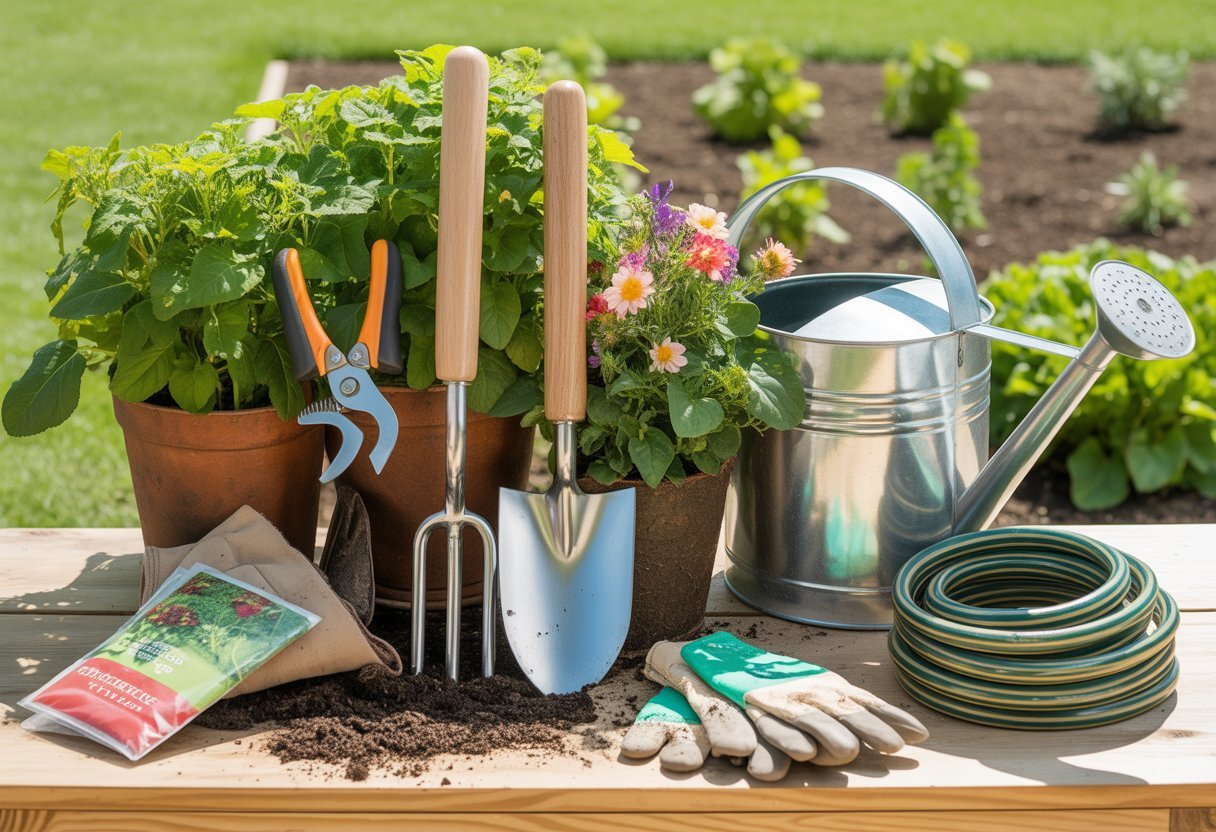
These tools let you manage the wide range of plants here, from native flowers to heat-loving veggies. The right equipment saves time and makes gardening more enjoyable, especially when the seasons shift.
Knowing which tools actually work well isn’t just about convenience. It can make or break your success with local plant growth and maintenance.
The best tools match North Carolina’s climate and soil, helping you support your garden through whatever the weather throws at you.
Essential Gardening Tools for North Carolina
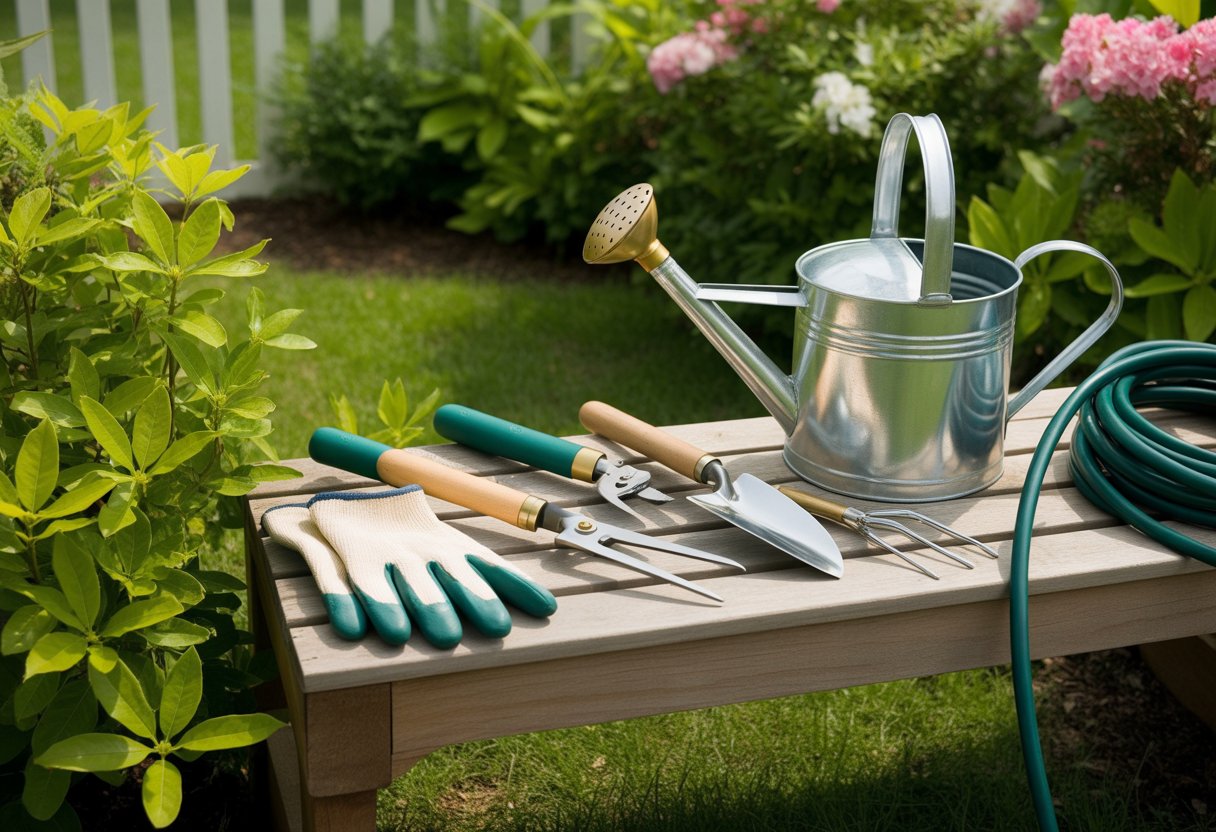
Gardening here means picking tools that handle all sorts of soil—clay, sand, even stubborn rocks. You want gear that stands up to unpredictable weather, too.
Durable equipment makes it easier to keep plants healthy, no matter what’s in the ground.
Shovels and Spades
Shovels and spades do the heavy lifting—digging, planting, prepping the soil. A round-point shovel is your best friend when you’re breaking into that tough, compacted North Carolina dirt.
It’s great for digging holes for trees and shrubs without much fuss.
A flat spade handles edging and slicing through roots. Steel blades with reinforced collars hold up when you’re dealing with rocky or clay-heavy spots.
Hardwood or fiberglass handles make long sessions easier on your hands and back.
Garden Forks
Garden forks loosen soil, turn compost, and aerate beds. If you’ve got heavy clay, a four-tine steel fork won’t let you down.
These forks break up compaction so roots can breathe. They also help you mix in amendments for healthier plants.
Go for ergonomic handles if you want to avoid sore wrists after a long day.
Hoses and Watering Equipment
Watering gear is crucial—North Carolina summers can get brutal, and the rain isn’t always reliable. Soaker hoses give plants a slow, deep drink without wasting water.
Rubber or reinforced vinyl hoses with kink-resistant designs last longer, even if you’re dragging them everywhere. Adjustable spray nozzles make it easy to go from misting seedlings to blasting the veggie beds.
A timer on your hose? Honestly, it’s a game-changer for saving time and water.
Top Cutting and Pruning Tools
Cutting and pruning tools keep your plants looking sharp and healthy. The right tool depends on the branch size and what you’re trying to cut.
Pruners and Shears
Pruners—sometimes called secateurs—handle small branches up to about ¾ inch thick. You’ll use them for deadheading, trimming, and shaping shrubs.
There are two main types. Bypass pruners work like scissors and are great for live plants. Anvil pruners have a single blade against a flat surface, better for dead wood.
Shears are bigger and work well for hedges or shaping bushes. They give you more reach and control over lightly woody stems.
Look for comfortable grips and sharp, rust-resistant blades. North Carolina’s humidity can be tough on tools.
Loppers
Loppers step in when branches are too thick for pruners, usually up to 2 inches. Their long handles give you leverage, so you don’t have to fight with tough wood.
You’ll find bypass loppers for live growth and anvil loppers for dead branches. Telescoping handles help you reach into dense shrubs or higher up in small trees.
Sharp blades and a solid locking mechanism keep things safe. Well-maintained loppers make heavy pruning a whole lot easier.
Tools for Plant and Garden Care
Keeping a North Carolina garden in shape means having the right tools for every season. These help you work smarter, not harder, and keep your plants thriving.
Rakes for Seasonal Cleanup
Rakes clear out leaves, debris, and thatch from lawns and beds. For gathering leaves in fall, a leaf rake with flexible, fan-shaped tines does the trick.
If you’re tackling compacted soil or heavy debris, grab a garden rake with stiff metal tines. It also levels soil and spreads mulch, which is key after planting or pruning.
Adjustable handles make long jobs less tiring. Aluminum or steel rakes last longer in North Carolina’s humidity.
Pest Control Solutions
Pest control is a must if you want a healthy garden. Use pesticides meant for local plants so you don’t accidentally harm the good bugs.
Lots of gardeners here prefer organic pest control—neem oil and insecticidal soaps are favorites. They’re gentle enough for veggies and flowers that react badly to harsh chemicals.
Sticky traps and hand sprayers help you target pests without overdoing it. Staying on top of pest problems keeps your plants safe all season.
Additional Tools and Tips for Success
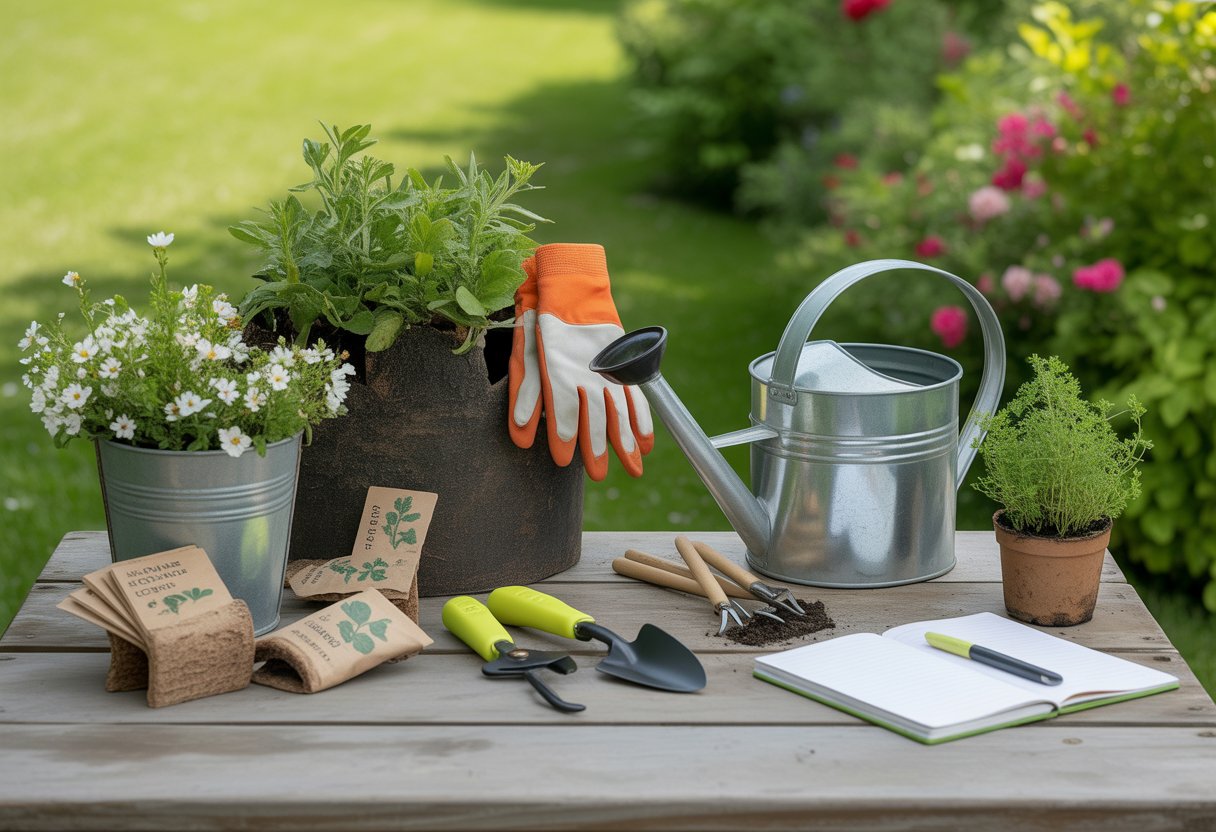
Understanding what you plant, which materials you use, and how you set up your garden matters a lot in North Carolina. Every detail helps your garden stay healthy with less hassle.
Selecting Native and Perennial Plants
Choosing native plants just makes sense—they adapt better to local soil and weather. Favorites like Black-eyed Susan, Purple Coneflower, and Bee Balm draw pollinators and don’t need much water or fertilizer.
Perennials, like Daylilies or Hostas, keep coming back and add structure. If you’ve got wet or shady spots, Ferns can thrive where others fail.
Mixing plant types keeps things interesting and supports wildlife. If you group plants by water needs, watering gets a lot easier. It also helps cut down on disease and makes the garden more low-maintenance.
Choosing the Right Materials
Aluminum tools feel light and don’t rust, so they’re great for digging and pruning. Iron tools are heavier but can handle tough jobs like breaking up hard soil or thick branches.
Ergonomic handles really do help with fatigue on long days. Wooden handles absorb shock and feel nice, but you’ll need to check them for splinters and rot now and then.
Match your tools to your soil type—iron for clay, for example, saves effort. And honestly, a sturdy wheeled cart for hauling tools and soil is worth every penny.
Landscaping for Sunny Spots
Sunny patches in North Carolina gardens give a home to plants that crave at least six hours of direct sun every day. That works out perfectly for native flowers like Blanket Flower and Coreopsis—they shrug off heat and drought like it’s nothing.
Soil in these sunny spots dries out fast. Tossing down some organic mulch keeps moisture in and helps the temperature stay a little more stable.
Plus, mulch knocks back weeds, so your plants aren’t fighting so hard for water and nutrients.
If you group sun-loving perennials together, you’ll probably find watering gets a lot easier. Raised beds or rock gardens are nice options too, since they boost drainage and help keep roots from getting soggy or diseased.